



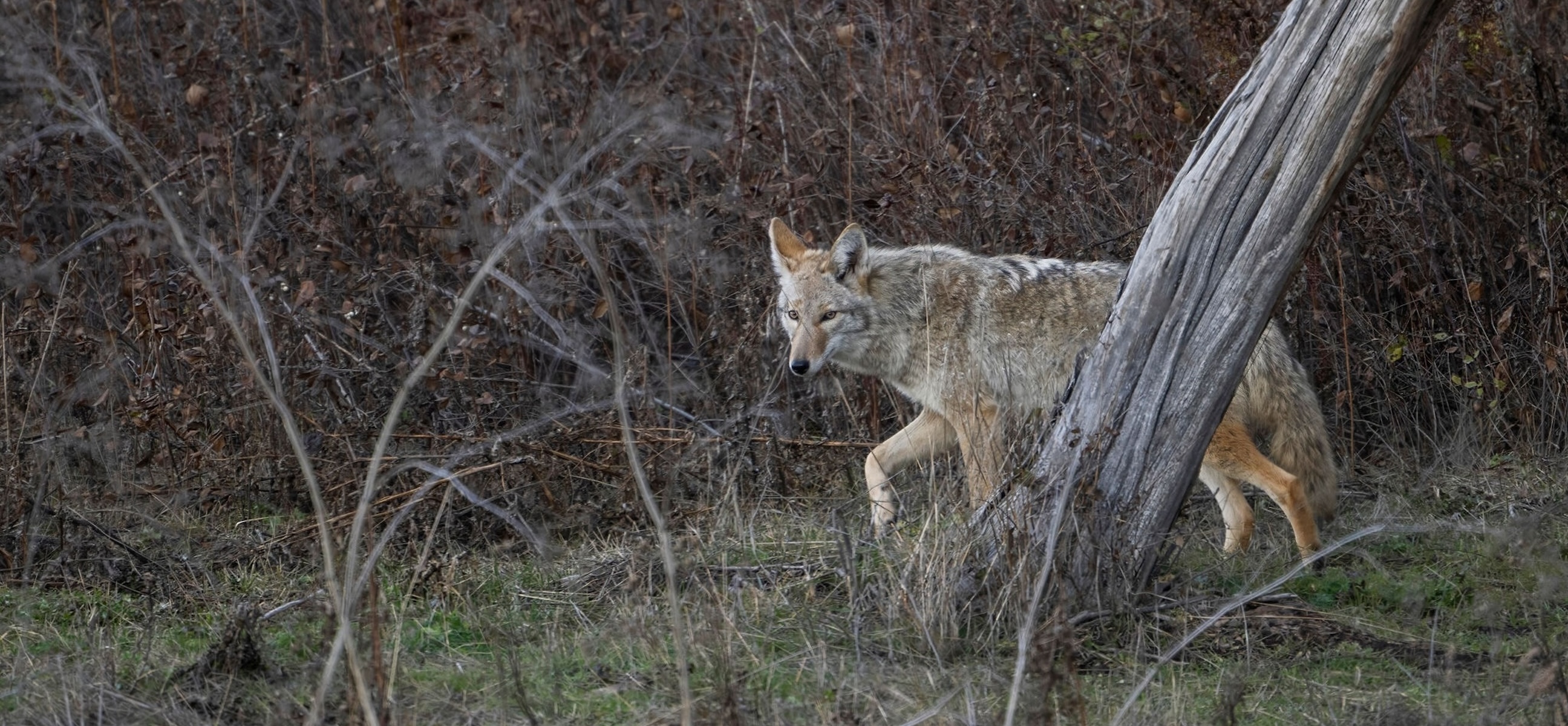


Breeding coyotes are active, and if you spy a pair, you can stop and set up before you blow them out.
If I had to pick one month to pursue coyotes, it would be October. There are still enough pups to come screaming to a prey call, and veteran dogs haven’t heard, for the umpteenth time, every sound in the books. The weather is fair, but cooler morning and evening temps have dogs on their feet more. Most importantly, though, hunt pressure is low. Big game seasons are in full swing, and all but the most serious coyote killers are chasing meat and antlers.
I’m one of those big-game fanatics. I have an affinity for chasing fur, teeth, and claws, but my desire to chase bulls and bucks trumps it. For this reason, I hunt coyotes maybe once or twice during October. I don’t ramp up my calling game until early January, and continue it through early March.
Due to my coyote hunting tardiness, I hunt pressured coyotes. By the time January rolls around, coyotes have been pressured badly. Most pups are dead or have wised up, and sage dogs are remarkably different to dupe. February and March get even more difficult. Don’t fret, though. Plenty of ways exist to find late season coyote success. Here’s how to hunt late season pressured coyotes.
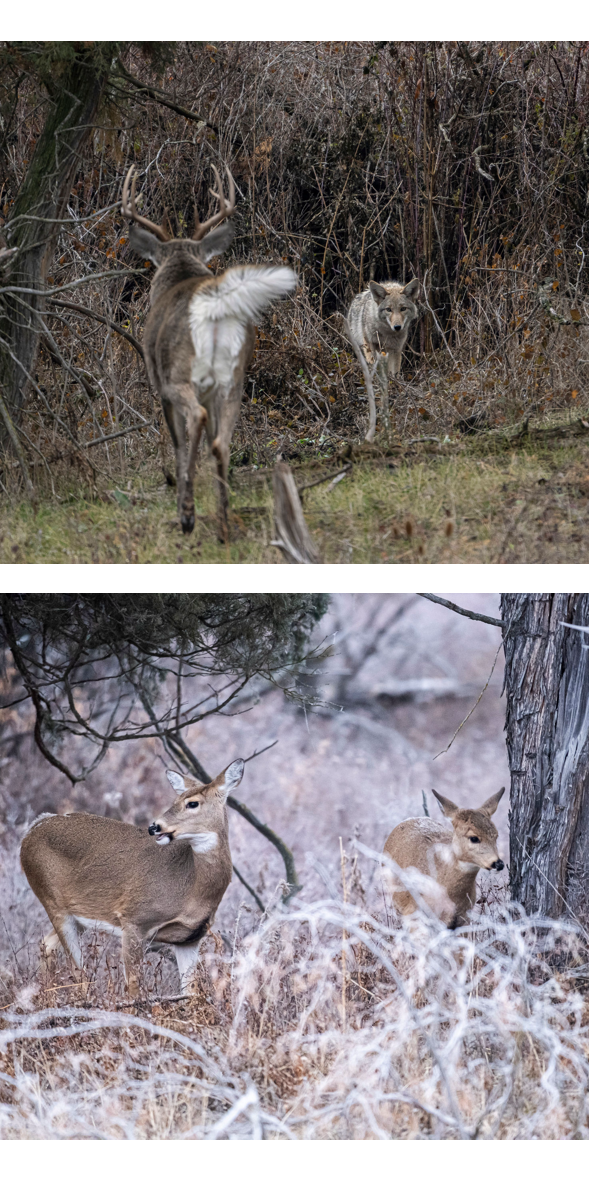
Coyotes spend the winter close to prey animals.
Step 1: Know Where Late Season Coyotes Live
Rarely do I call during the late season without doing some hands-on reconnaissance. Typically, I drive during the evening, stop to listen in areas where I expect coyotes to be, and use my electronic caller and hand calls to make quiet dogs sing. While driving, I keenly watch coyote droppings and tracks and pay special attention to areas with prey concentrations.
Prey can range from rabbits to birds to larger animals like pronghorn and deer. Also, February and March in many locales include calving season. If you find cows, you’ll find coyotes. Calves mean nutrient-rich afterbirth; occasionally, a calf or mama cow dies, giving area dogs food for days.
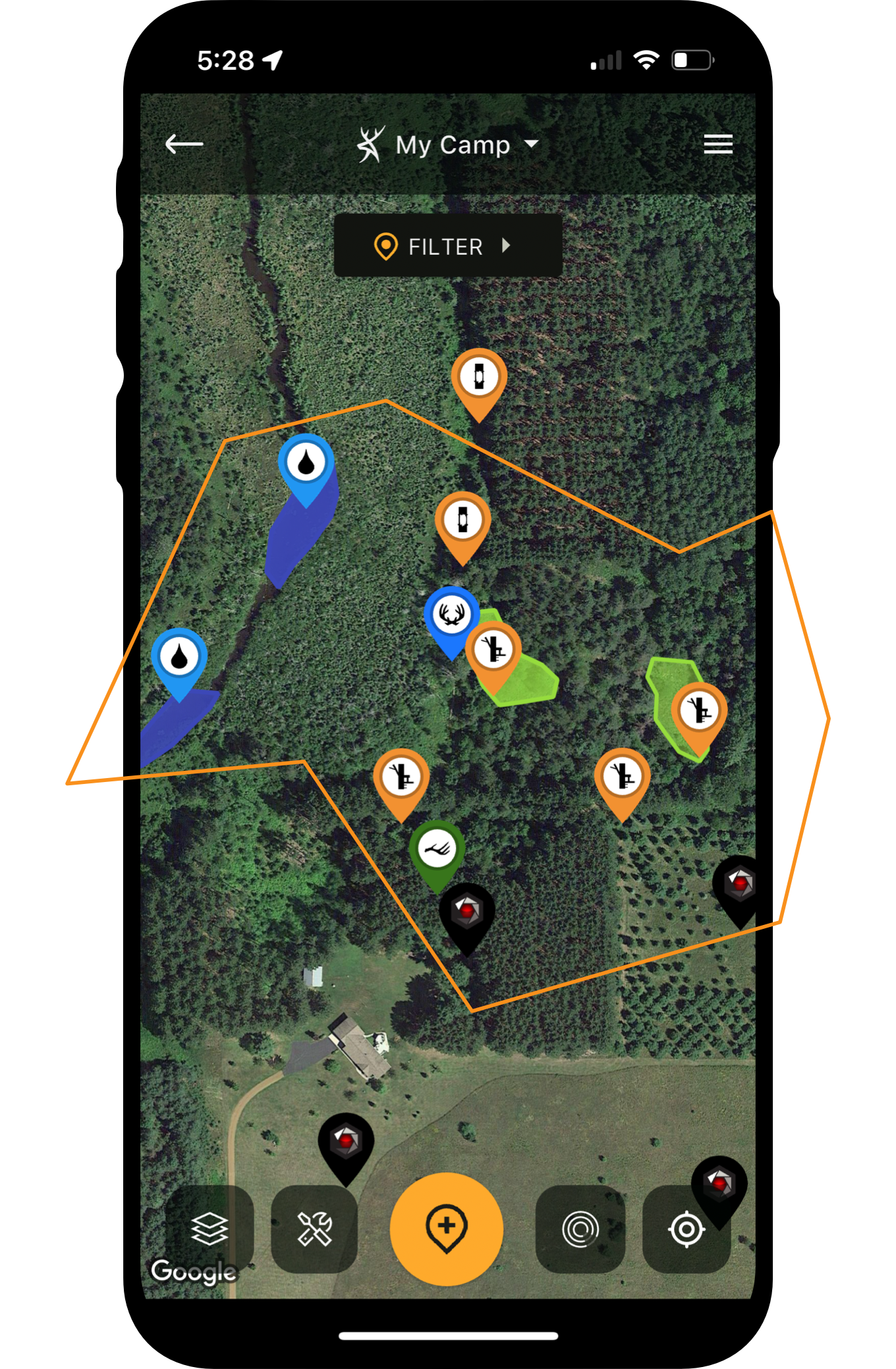
While driving around prospecting for coyotes, have your HuntStand app open. Every time a coyote howls, you see fresh tracks or droppings, or take notice of prey, drop a pin.
The more pins you drop, the more wind patterns you can play. Remember, coyotes have been pressured. They will already be difficult to call, and calling in areas where coyotes aren’t wastes time and energy.
How to Hunt Public-Land Coyotes

You'll kill more late season coyotes if you don't take shortcuts and pay attention to your entrance and exit routes. Don't cross open terrain in broad daylight when walking into a stand.
Step 2: Monitor Late Season Weather
Premium late season calling happens on frigid, clear days. The colder, the better. When morning temps are in negative or single digits and don’t climb too high throughout the day, coyotes, even breeding coyotes, need to hunt.
I don’t mind hunting in snow, but I’ve had my best days calling during the late season on clear, ultra-cold days. I use my HuntStand app to plan every stand I make. Doing this lets you strategically move between stands quickly and take full advantage of a fantastic day.
I’m not telling you to ignore snowy or overcast days. I have noticed that when it snows hard, coyotes tend to bed down or stick close to loafing areas where they have cover, can mouse, and hunt for small birds.
After the snow stops, coyotes resume hunting. The problem with snow, especially if it’s heavy, wet snow and warm mid-day temperatures, is mud and muck. I like to use access roads as much as possible to get to my calling areas.
The wind is also ultra-important, and not only because the right wind lets you fly under the olfactory system of song dogs. I prefer calling on days when wind speeds are extremely mild during the late season. Anything over 10 miles per hour doesn’t let sound travel as far, and when using an e-caller, the wind tends to rob calls of their natural sound.
HuntStand’s weather forecaster provides immediate temperature, wind speed, wind direction, barometric pressure, etc. Plus, the app gives you an hourly forecast model as well as a 10-day extended forecast.
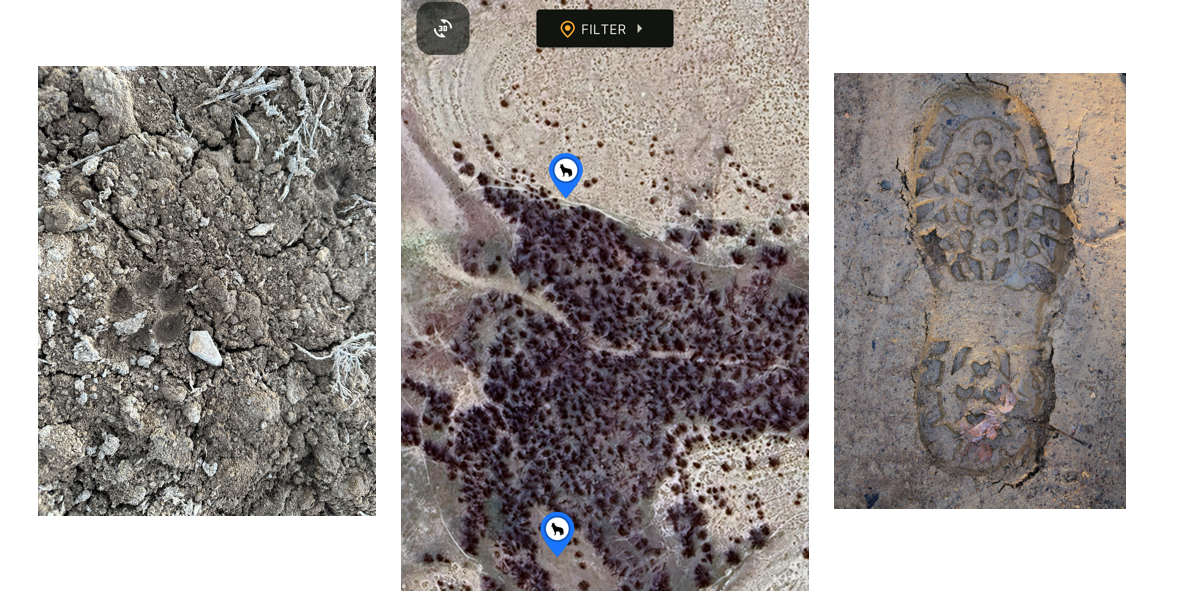
Fresh tracks indicate coyotes are in the area. When you find tracks, mark the location in your HuntStand app.
Step 3: Take Good Entrance and Exit Routes
Take a play out of your whitetail playbook and pay close attention to your entrance and exit. Use all available cover and terrain features to disguise your approach. Last February, I sat on a ridge and watched my oldest son, and his good friend walk into a coyote stand. Instead of following the dry creek bed for a mile to get to their destination, they hopped out onto the open prairie for 500 yards, then dipped back into the creek to save time.
While they were walking in the open, I glassed a pair of coyotes. The mating duo blended perfectly into a small rise with a larger hill behind the rise. They watched the approaching hunters, and then, as soon as they dipped back into the dry creek, the pair bolted. My son and his friend never saw the coyotes leave and wasted valuable time calling a dry area.
If you’re unfamiliar with an area, pull up HuntStand’s Monthly Satellite, Terrain, or other map layers. The 3D layer is great, too. Use these to study imagery of the terrain.
Hunting Coyote Bedding Areas
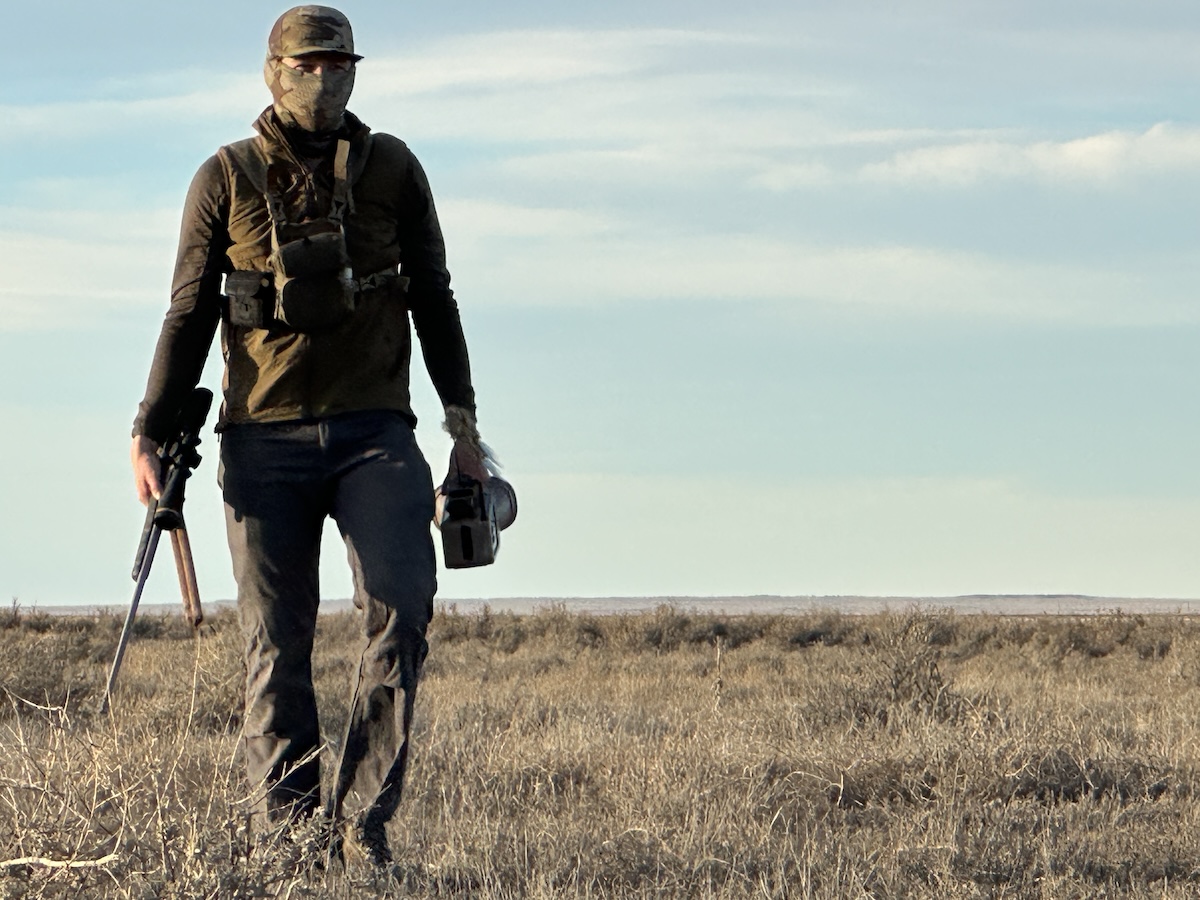
E-caller sound libraries are dense. Take advantage!
Step 4: Use the Right Howling and Prey Sounds
I know many coyote callers who never turn on a prey sound from the middle of January through March. I’m not one of them. Yes, it’s breeding season, but coyotes still need to eat. When temperatures are icy, I tend to rely more on prey calls than anything else.
The trick is matching the sound coming from your e-caller to prey animals that are in the area. Online prey sound libraries are dense; if you search, you can typically find the exact sound you’re looking for.
Though I tend to lean more on prey sounds than howls to close the deal, it is howling season, so I start every calling session with a lone howl or interrogation howl. Both howls typically get dogs within earshot to sound off. Often, if responding dogs are extremely far away, I slip in closer, reset, and start sending prey music.
There are times, still, that I only use howls. If I send out a lone or interrogation howl, and coyotes keep howling and the howls are getting closer, I stay with the howls.
I also tune my ear to detect any challenging howls. A challenge howl is typically made by a male that’s pissed newcomers invaded his territory. A challenge howl starts with a few sharp barks and transitions into a high-pitched howl that ends abruptly. If I hear a challenge howl, I immediately challenge back with my hand-held call. If you rely only on e-callers, be sure to have a challenge howl as one of your preset sounds.
My favorite pressured coyote calling technique is to begin with a long howl or interrogation howl. Wait for a response. Then switch to a prey sound for about two minutes. Afterward, go into a coyote pup distress. Even if you howl and don’t get a response, this calling sequence can be ultra-deadly.
Why?
It’s natural. Coyotes hear other coyotes howl, and they respond. Then, suddenly, comes the sound of something dying. The dying prey sound excites them, but then they hear a pup distress, which pushes them over the edge. It’s breeding season, and it pushes female coyotes’ maternal instincts into overdrive. Males, on the other hand, are too territorial not to investigate.
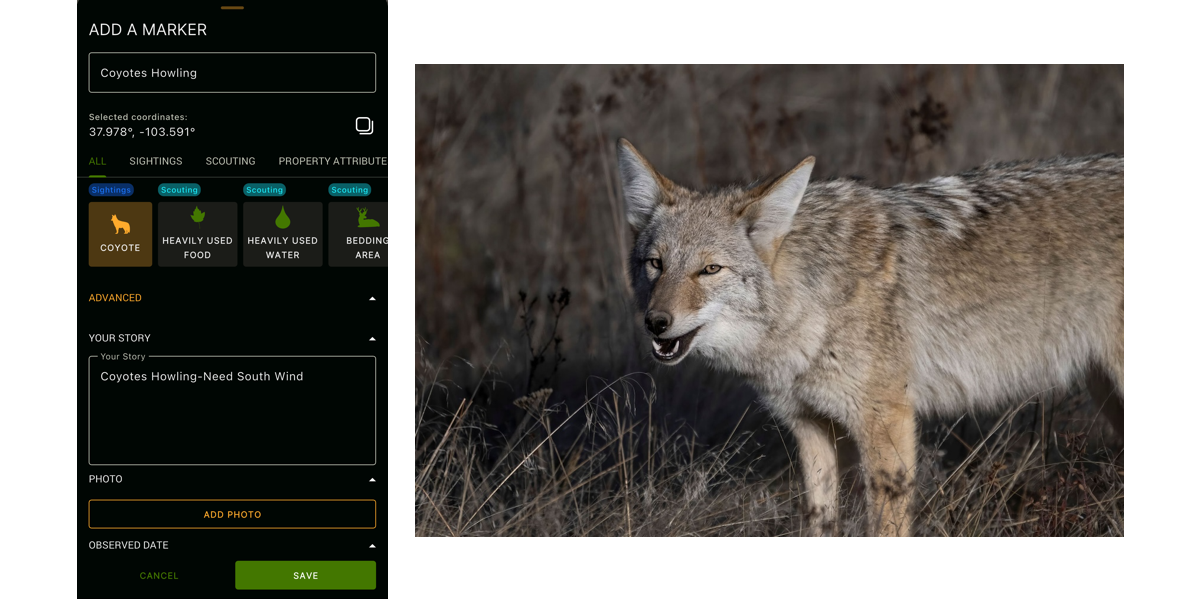
When slipping into a calling area, always stop and glass ahead before crossing areas of open terrain. Marking where coyotes are by dropping pins, and adding notes with details, are critical pieces of the late season calling puzzle.
Step 5: Don’t Wait Too Long
If you have excellent late season success staying on a stand for up to 45 minutes, don’t stop. I don’t have luck, so I pack it up after 15 minutes during the late season and usually get extremely impatient at the 12-minute mark.
My goal is to maximize my stands. If you call in an area for 45 minutes, walk out, drive, and then walk into your next stand, you kill more than an hour. With all my calling spots pre-marked on HuntStand, I bounce in and out of areas quickly.
Two years ago, I conducted a January through March coyote test. I would spend a full day staying 45 minutes on each stand unless a coyote arrived sooner. The next day, I would wait no longer than 15 minutes. I repeated this process as many times as possible over three months. Not once did I have a coyote come after 19 minutes, and I always killed more coyotes, sticking to the 12-to-15-minute rule.
Early in the season, I do have luck staying on stand longer — never 45 minutes — but no less than 20. Coyotes have plenty to eat, temperatures are fair, and sometimes, they must hear something dying for a while before the sound prompts them to come. During the late season, I feel the longer they hear a sound and don’t react, the less likely they are to commit.
Tips for Hunting Big-Woods Predators
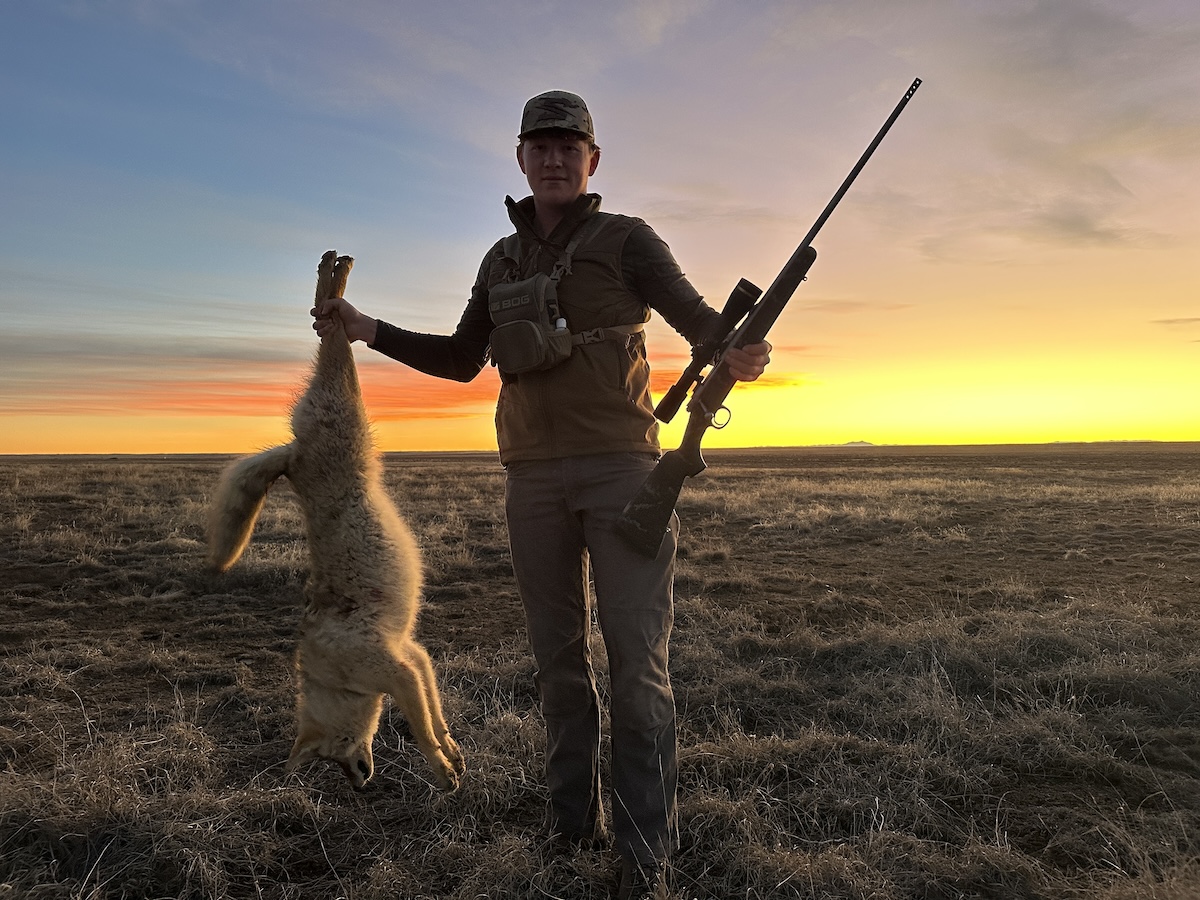
The author's son, Hunter Bauserman, made a perfect shot on this February coyote, which came screaming into a pronghorn distress call.
Reap the Late Season Coyote Hunting Reward
I sold coyote and bobcat pelts in high school and college. Today, I skin a few coyotes each year if they sport a beautiful pelt, and, of course, all bobcats end up on a stretcher.
You have a pile of coyotes. Now what? If you plan to skin your late season coyotes, always check them for rubbing marks before you do. During mating season, coyotes rub against fence posts, trees, etc. to mark their territory and communicate their reproductive status. A coyote with rub marks will get rejected by a fur buyer and isn’t good for taxidermy. Keep that in mind.
Pelts aside, late season coyote hunting is challenging, but it’s also extremely fun. You can utilize many tools during the late season to help you get more trigger squeezes. Maybe I’ll take an October big-game break someday, but I doubt it. So, I will continue to develop my late season game. Stay after it, friends. Breeding season is in full swing. If you keep going, good things will happen.
How to Hunt Coyotes with HuntStand Pro