



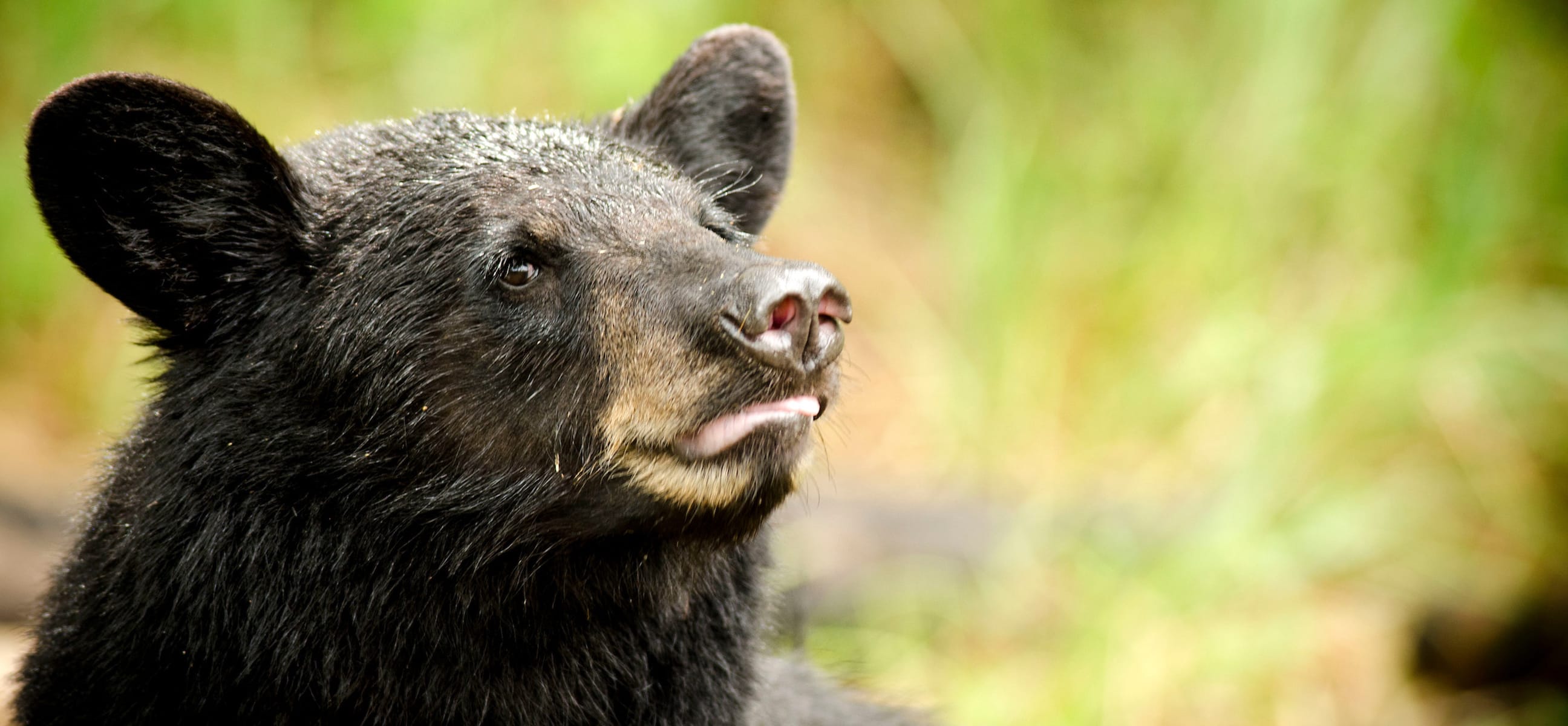

Spring bear hunting has a rich heritage full of exciting traditions.
Bow-bagging a deer, turkey, or maybe even a bear over bait, are all great accomplishments. But what should be your next step? For me the logical choice was easy: spotting and stalking black bears. With opportunities available during both spring and fall across North America, there’s nothing that should hold you back from sneaking up to a black bear at eye level. For me, this has become the one hunt that I’m not willing to miss each year — especially come spring. I consider this annual adventure a near-perfect transition between winter predator hunting and summer scouting. Don’t miss out. Spot-and-stalk spring black bears. This adrenaline-pumping spring hunt is surprisingly within reach, and with help from HuntStand you’re already on your way to telling a success story.
Planning the Hunt
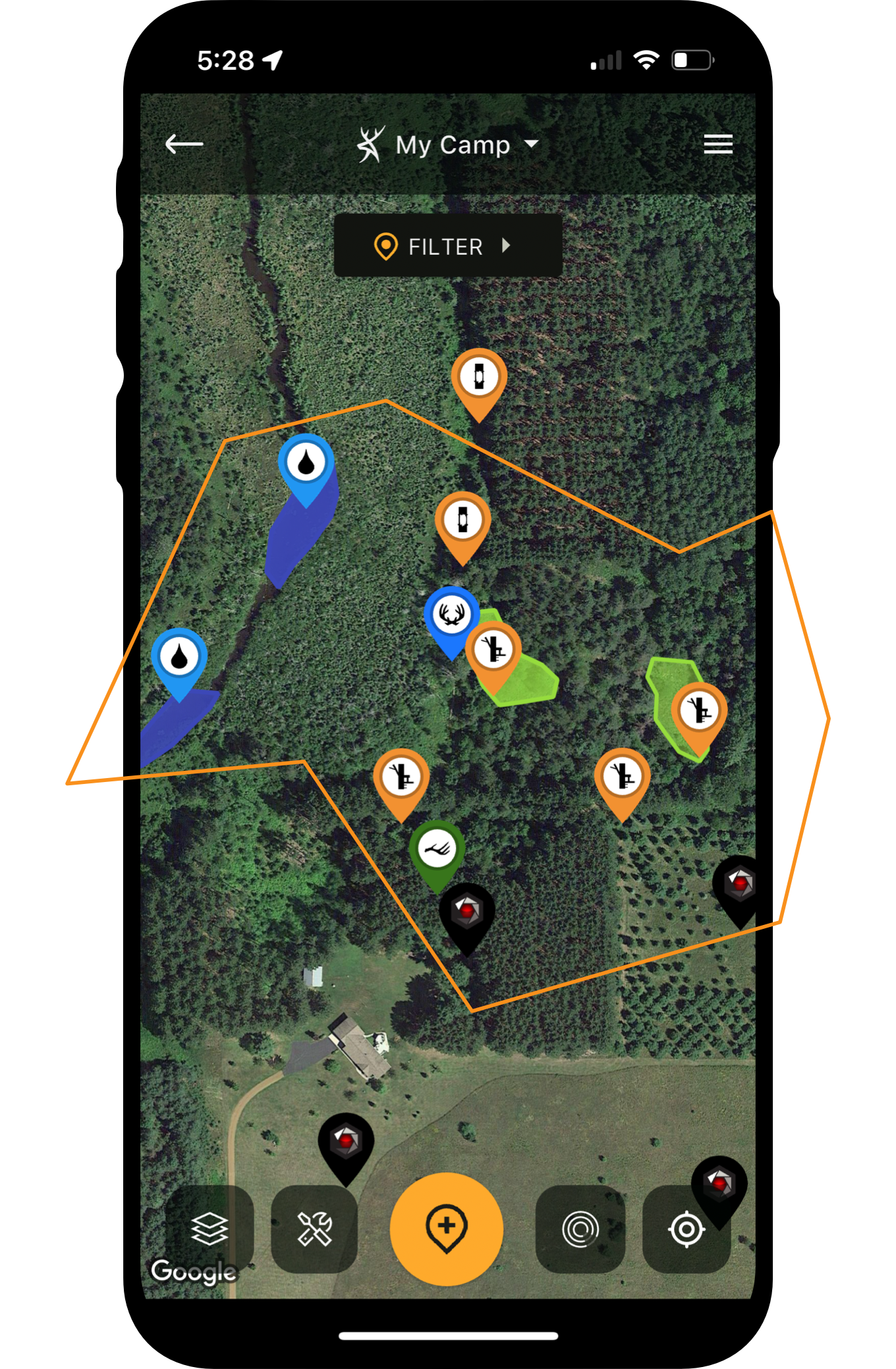
As the snow started to melt, I was getting the itch to once again hit the woods in search of a bruin with my bow. The season hadn’t yet opened, but that didn’t matter — I was spending hours on my HuntStand app scouring maps, looking for areas that had the right contour and clearings, that would help them be among the first to experience “green-up.” When black bears come out of their wintertime dens, they’ll gravitate toward the first chutes of lush spring vegetation. In hilly or mountainous country, these spots will often be right at the snow line. In flatter areas, you’ll want to identify obvious openings that are surrounded by security cover, particularly those that are facing south with ample sunshine to encourage new growth.
Many late nights were spent e-scouting with HuntStand, dropping markers on potential feeding grounds and access roads, and studying the weather patterns and wind direction to plan a perfect ambush. Soon I was set. All I had to do was wait for April 1 — opening day.
Spring Bear Hunting: How to Hunt Trophy-Class Black Bears
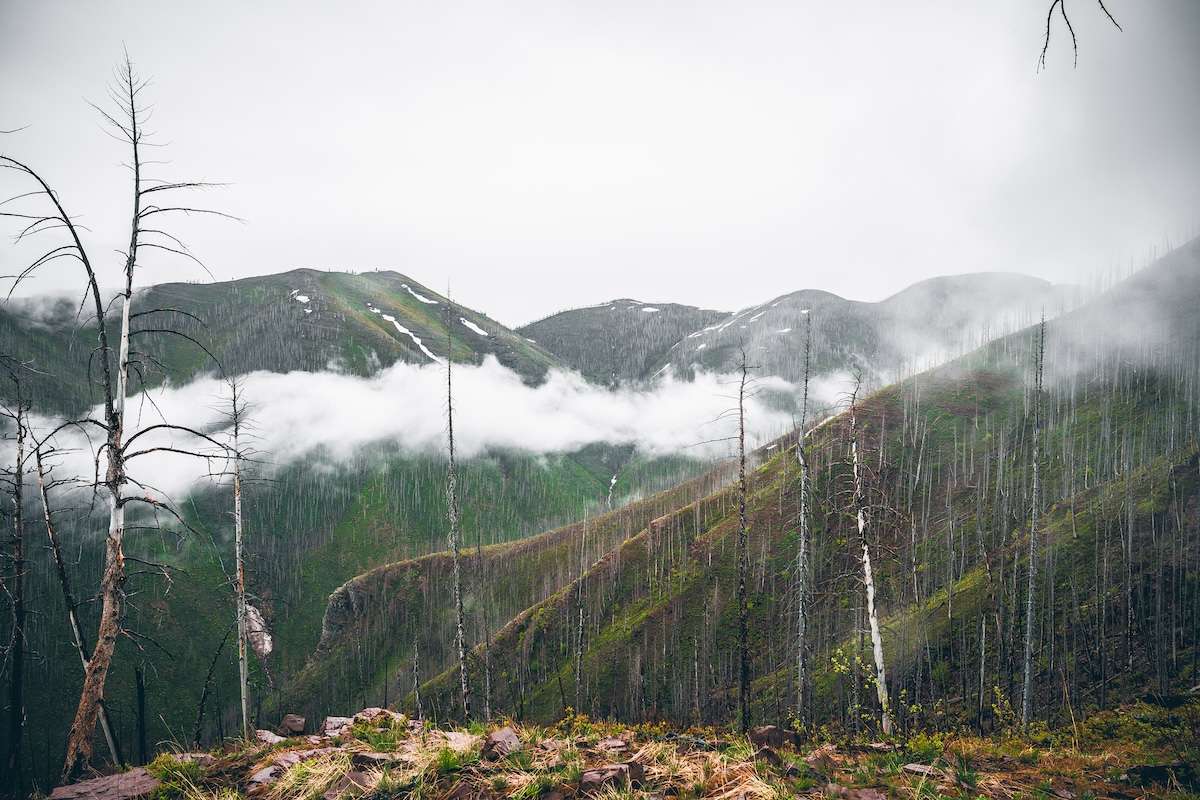
Spring bear hunts don't always translate to great weather.
The Hunt Begins
It’s always a good idea to have a partner on backwoods or backcountry hunts, so my good friend would join me for this one. It didn’t take long to run into our first snag during the first morning of the hunt. Although we had our travel routes mapped out ahead of time in HuntStand, there was nothing that could have prepared us for the vast amount of blowdowns that were blocking access into our carefully chosen remote area. Spring hunters everywhere should take note: Blowdowns are a common occurrence when you’re the first to access an area after winter comes to an end. Thankfully, we had planned for the worst-case scenario and had packed a chainsaw, so we slowly cut our way deeper and deeper into the backcountry.
Finally, Arrival
Finally arriving at our destination, there was no question on the game plan. For spot-and-stalk black bears in the early spring before the rut starts, the equation is quite simple: If you find the food, you’ll find the bears. Since we were able to get to a high vantage point that overlooked an old pipeline, as well as several nearby clearcuts, we knew we’d found a good area. Although our first attempts at glassing the area proved fruitless, our confidence remained high. From the start it was obvious we’d been able to locate the only area within miles that had greened up, and it was literally covered in dandelions. Discovering this fact would turn out to be every bit as valuable as spotting a big-bellied bear.
Hunting Pressured Fall Black Bears
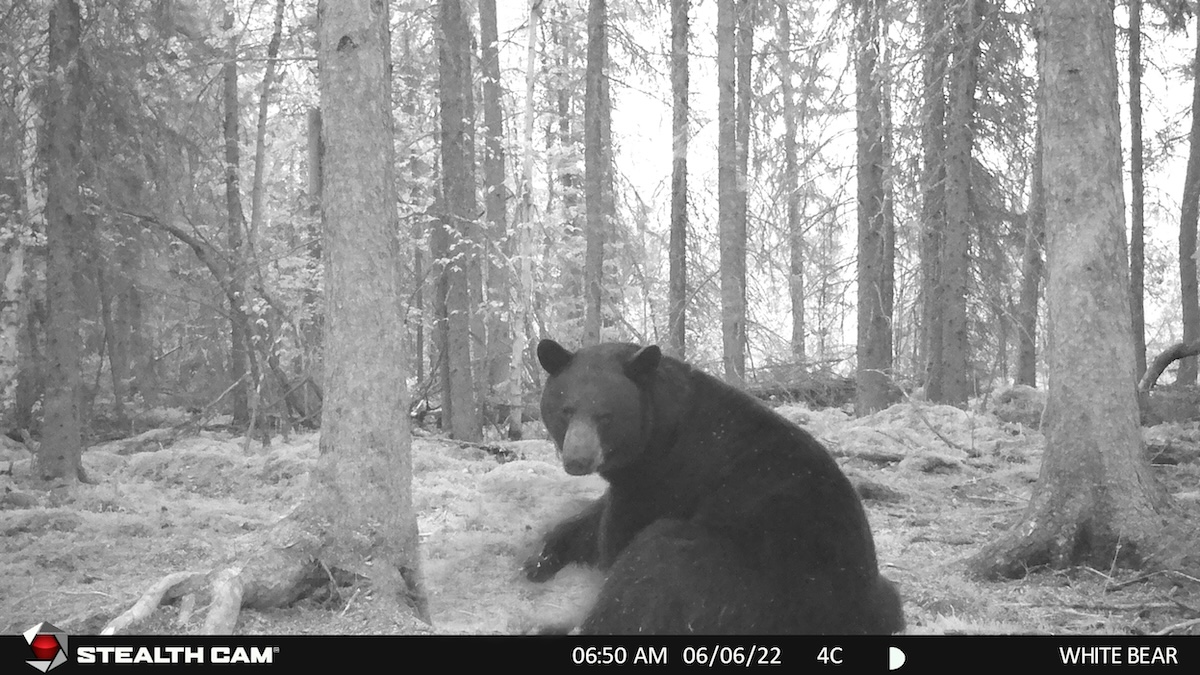
Scouting assists in the spring bear hunting process.
Scouting for Bear Sign
The rest of the day was spent working over to the freshest growth, and exploring for any bruin sign. Upon arrival, it didn’t take long to cut fresh tracks and scat and mark our findings in HuntStand. With limited daylight, leaving no time to investigate another area, we stayed put in hopes that a bear would show itself, but nothing emerged from the dense forest.
My hunting partner wouldn’t be able to join me the next day, but I made plans to return solo with high hopes and confidence in my familiarity with the landscape. I had a gut feeling, which was helped along by the prime, isolated new-growth location. I figured it was simply a matter of waiting out Mr. Bruin.
Go Time
Anxiously heading out for another day in bear country, it didn’t take long after arrival to locate a bear with my optics. My suspicions had been right and sure enough, there he was, feeding on dandelions in the middle of the pipeline. Eager to make it happen, I made a quick, aggressive stalk, and within minutes found myself within 50 yards. I edged forward inch by inch, in hopes of getting within 20 yards. Suddenly, it was go time. As I crawled closer, I looked up to gauge my progress — and saw the bear charging aggressively, right for me! Instinctively, I came to full draw; as soon as my pins landed on black hair, I let the arrow fly. I hadn’t realized the wind had begun lightly swirling. The bear must have caught my scent. Needless to say, I’m thankful I looked up when I did.
5 Affordable Bucket List Hunts (That Won’t Break the Bank)
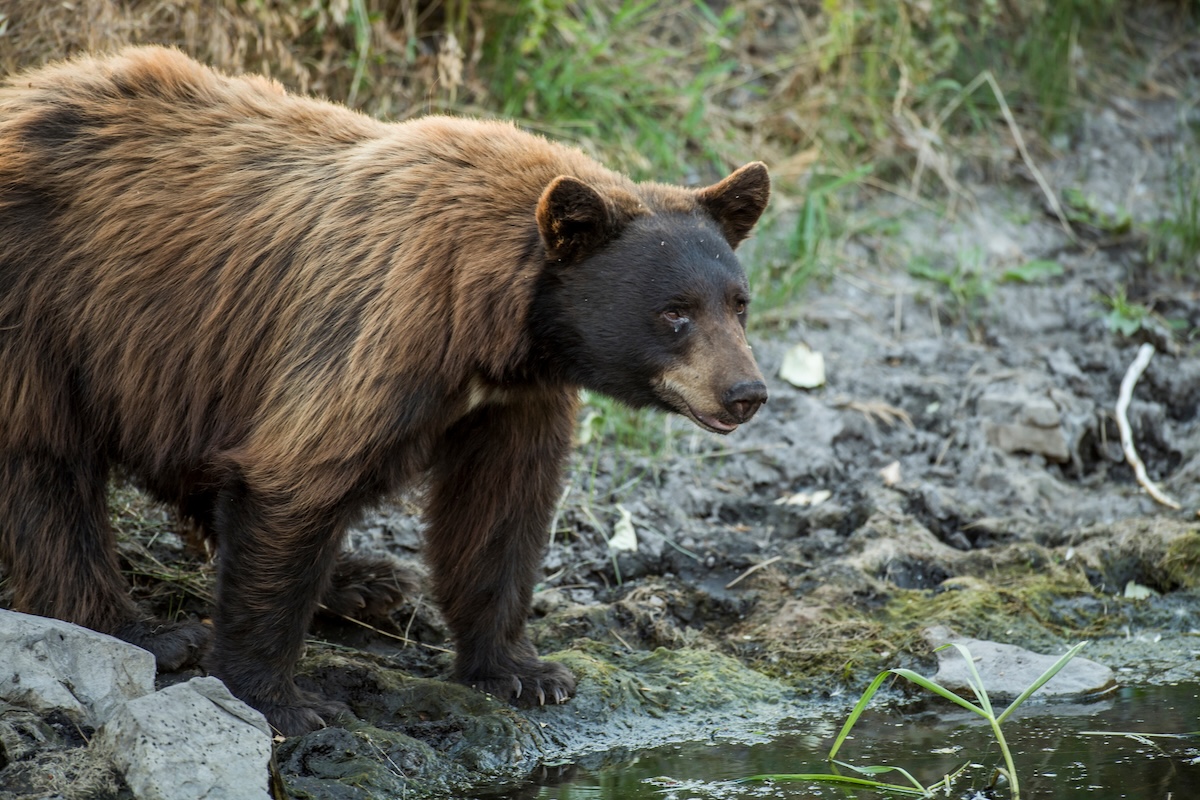
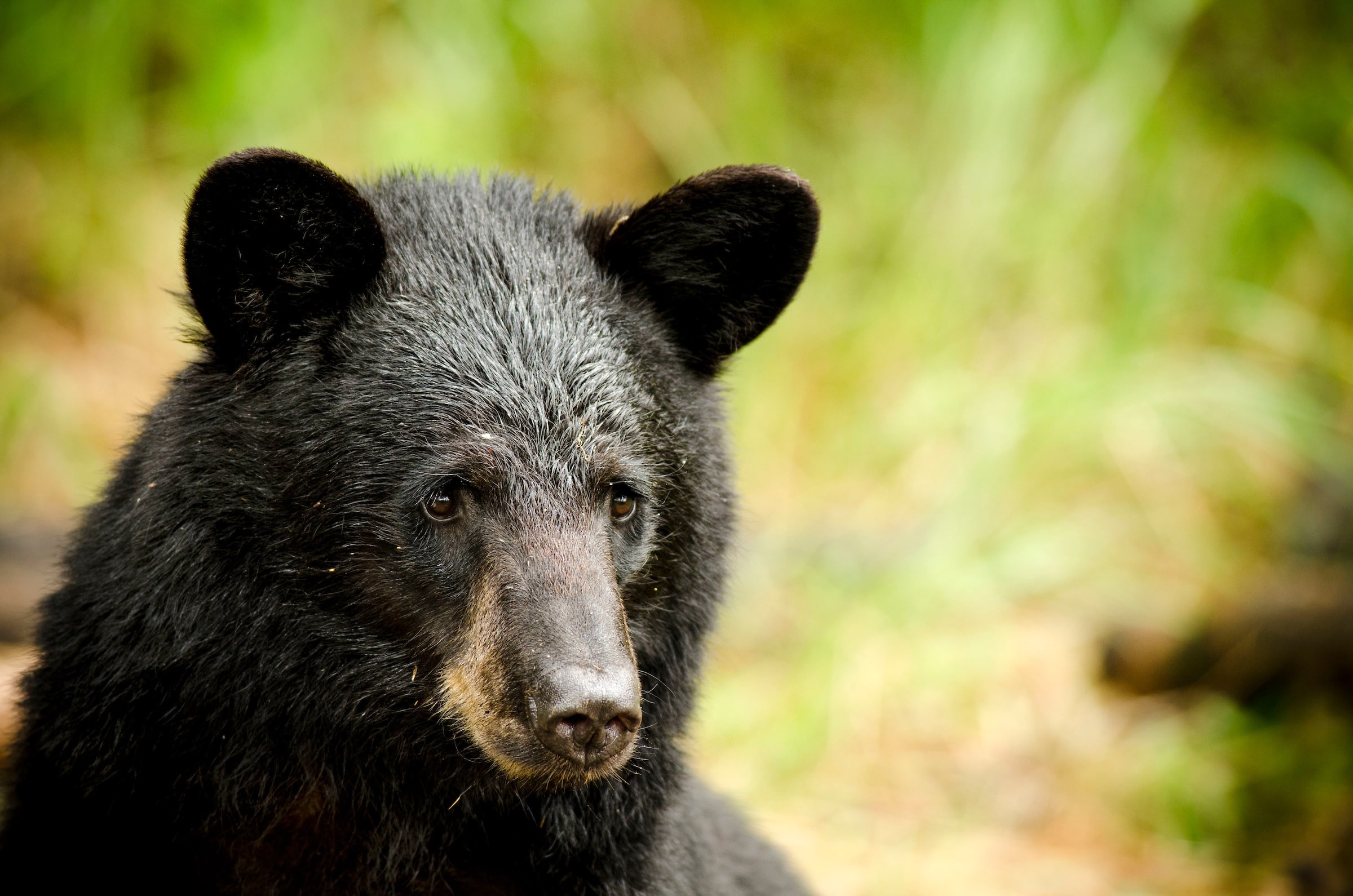
A color phase bear is a true trophy.
As the arrow buried into the bruin’s chest, he spun and darted back across the pipeline and into the bush. My experience with frontal shots has proven to be either extremely good or very bad, so I decided to sit back, calm my nerves, and call my hunting buddy to skip out on work and join the blood trailing. After all, I didn’t have a backup weapon, and it never hurts to have someone over your shoulder with a gun when you’re on hands and knees looking for tiny drops of bear blood.
The Track
Upon my bud’s arrival, we wasted no time getting on the bear’s trail. Sadly, it wasn’t looking promising — the arrow had fallen out just a few yards into the brush, and there was virtually no sign of blood. Gridding back and forth for close to an hour, making sure to keep the Track tool running in HuntStand, we finally found the first sign of blood roughly 100 yards from where the arrow had fallen out. At first, it was just a drop or two … then a steady trail. Following the blood trail for close to 500 yards, we were feeling quite skeptical. Suddenly, my hunting partner caught movement 100 yards ahead. There the bruin sat, still alive, with his beady eyes staring right at us. Stumbling to nock another arrow before the bruin’s next move, I somehow managed to get to full draw and follow up with a vital shot — finishing the bear promptly.
5 Best Spring Black Bear Hunts (in Canada)
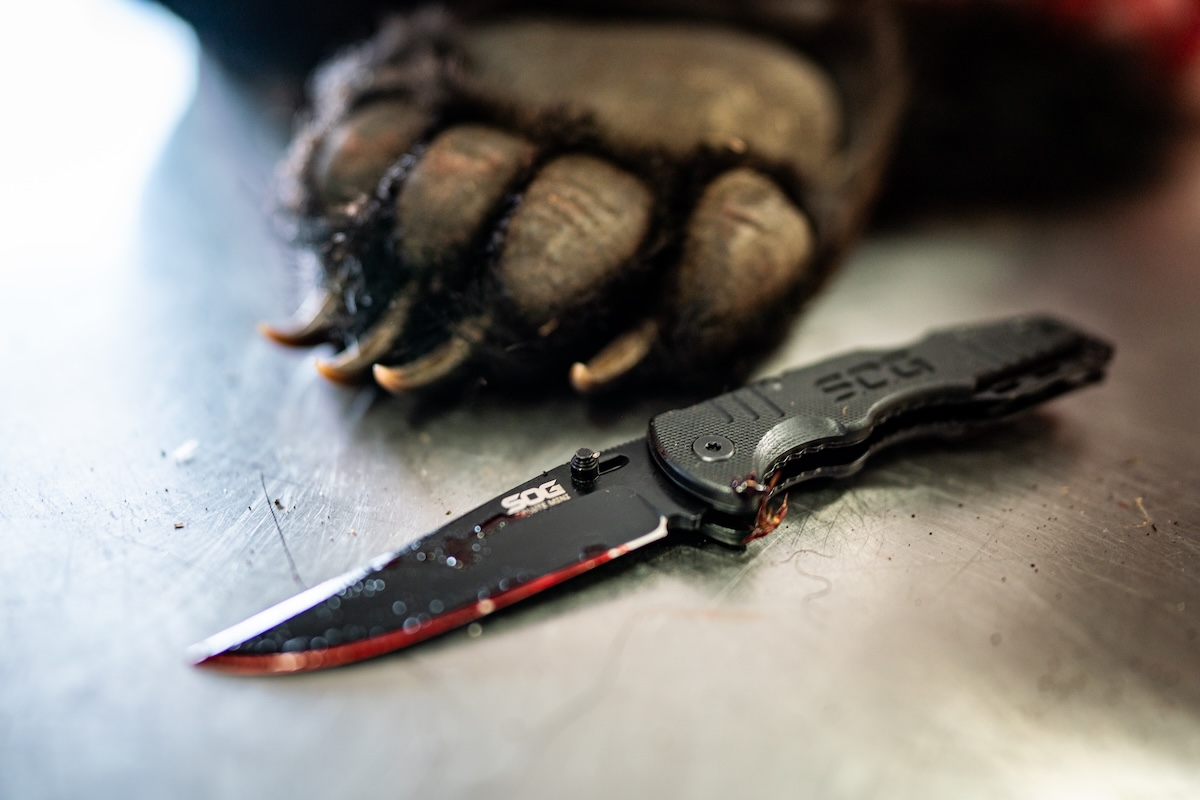
The proper equipment makes the work much easier.
Reflection
Prior to this hunt I had never even hunted this province, let alone the specific area. Here I was, just a few days into the season, sitting next to my first DIY black bear in British Columbia. Tagging a large predator like this one delivered a feeling of accomplishment like none other. It’s almost a surreal feeling when all your scouring of hunting regulations, poring over maps, and many phone calls to local fish and game offices all comes together. And what a way to kick of a new year of hunting.
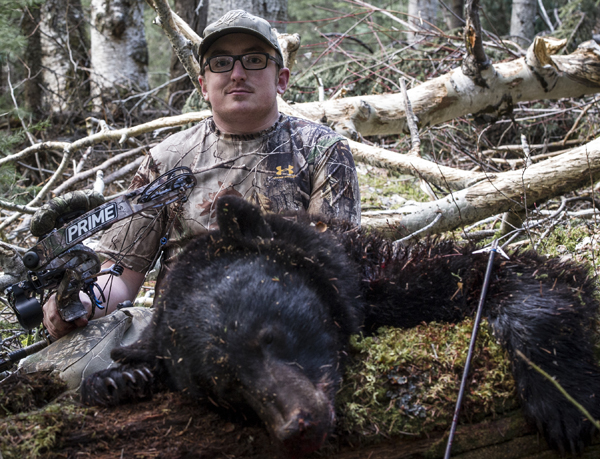
The author with his trophy spring black bear.
Plan Your Hunt
Regardless of where you’re located in North America, there are DIY black bear options available for spot-and-stalk hunters willing to travel. For U.S. citizens, Idaho and Alaska are two of the most popular destinations. There, you’ll find great bear densities, over-the-counter tags, and even multiple tag opportunities in many areas with abundant public land. For Canadians, Saskatchewan is undoubtedly a prime target for a DIY bear hunt. These aren’t the only locations to look into, but they’re good starting points if you’re planning to go it alone. Wherever your search takes you, you won’t regret pursuing the thrill of these mysterious beasts. Are you up for the challenge?