






Well-crafted food plots can bring whitetails running.
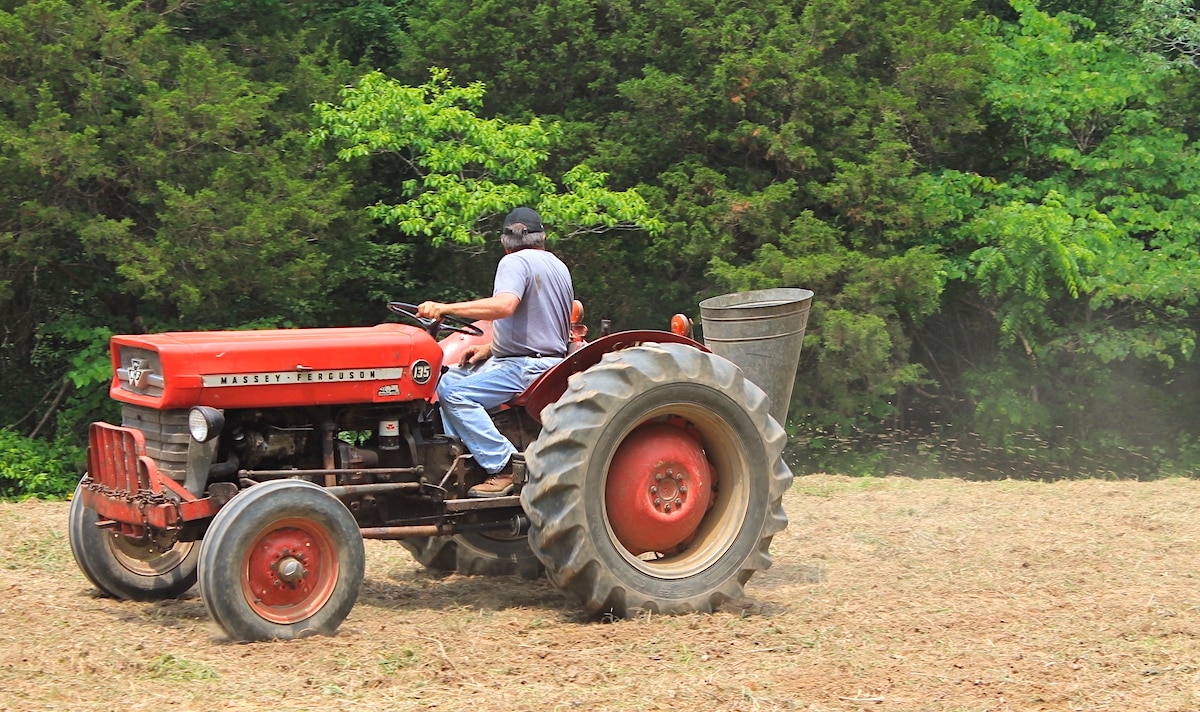
But only if crucial answers to important questions are implemented.
Land management is a common practice in the modern world of deer hunting. Following quality deer management (QDM) practices is a surefire way to improve the local deer herd. Done correctly, it might even improve the whitetail hunting, too. But food plotting isn’t easy. It requires serious thought, planning, and a little good fortune. Still, some who try to make green things grow have questions food plotters need answers to. Here are 15 of those.
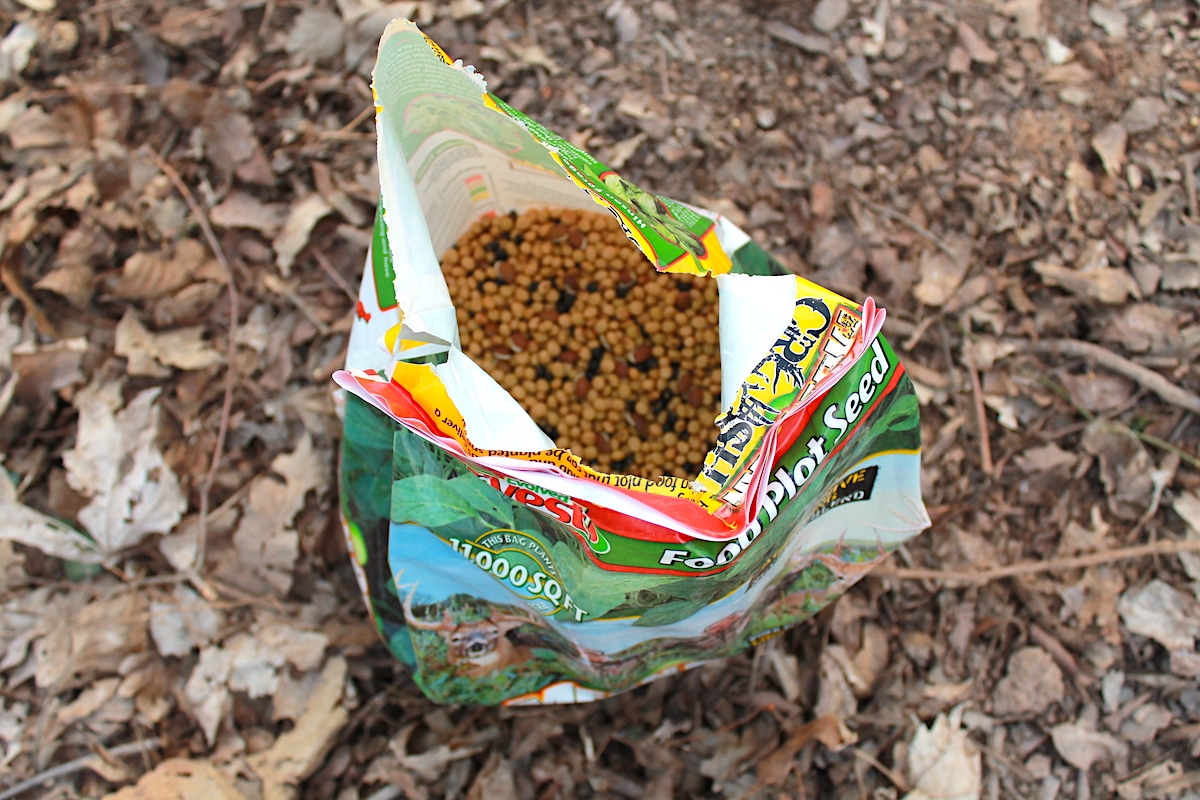
Planting the right food plot seed improves the odds of greater germination rates and yields.
1. How far in advance should I plan my food plots?
Those who anticipate having the property for multiple years can plan several years in advance. This helps reach goals with more efficiency. However, may food plotters can’t do that. So, the best thing to do is plan as early as possible, identify key goals, and create a strategic plan. This might be planning a few months in advance, or a few days, but planning is important.
2. Is it better to plant annuals, perennials, or both?
Understand what species are compatible with the region. Determine what is lacking in your area. Study what key species deer eat and need most in your area. Then, offer a good balance of annuals and perennials, as these two sides of the flora family tend to offer different benefits. Of course, long-term goals matter, too. If you’re likely to have it for a season, annuals make more sense. If you own it and/or expect to have the property for several years (or longer), tossing perennials into the mix is a good idea.
3. Should I have one big food plot, or several smaller ones?
This can vary based on the specific situation. However, in general, it’s better to have multiple smaller food plots than one large one. This is true because deer—especially mature bucks—prefer solitude. Therefore, spreading deer out makes them more comfortable. (The same concept applies to bedding areas.)
Furthermore, the soil is usually better or worse depending on the specific location. So, a food plot might perform better in one area over another, and in time, food plotters learn the best spots. On top of that, hunters learn which areas deer use the most during daylight hours. This matters from a hunting perspective, as you can’t shoot deer you can’t see. You also can’t shoot deer that aren’t in range, making smaller plots better for hunting yet again.
Build the Ultimate Whitetail Property Without Food Plots
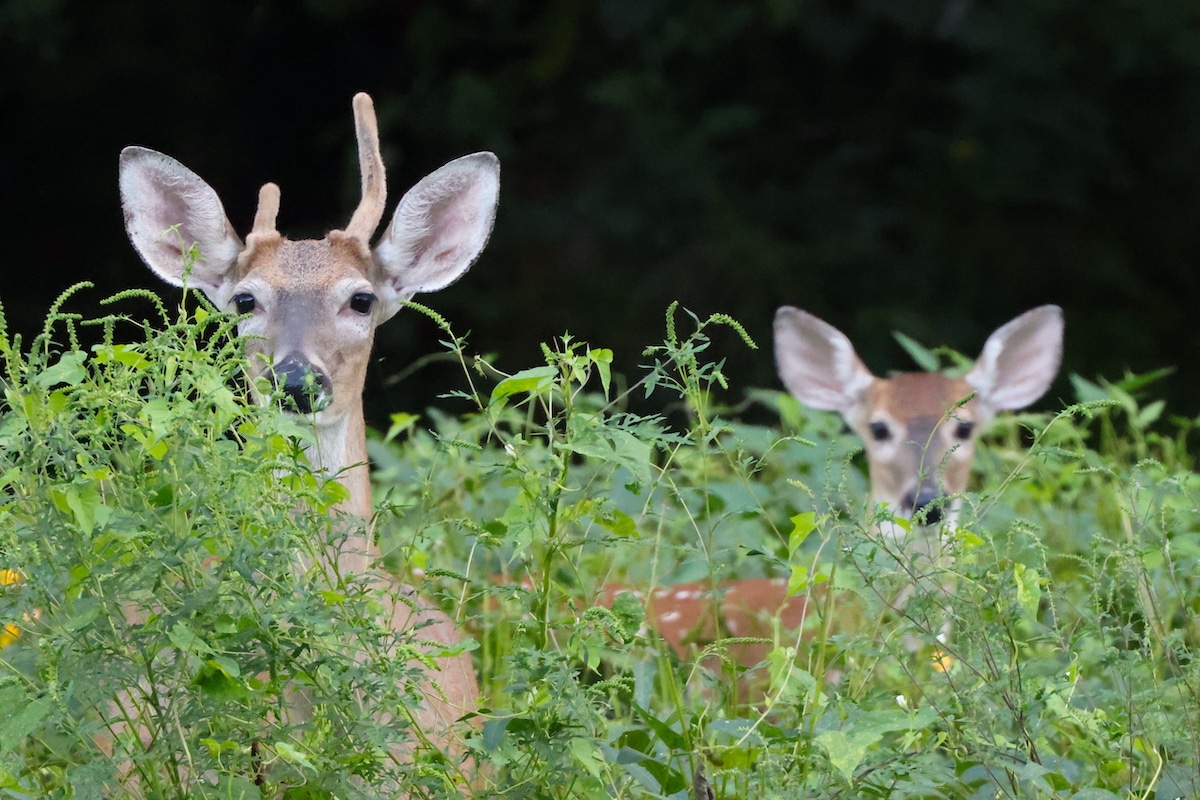
Quality food plots help the entire herd, from fawns to does to bucks.
4. How can I build up the organic matter in my soil?
This is not an easy, quick fix. This takes time, oftentimes years, to see quality gains. This is a process of allowing plant material to grow and decay. Even when implementing high-yield plants, and planting cover crops, it can take a few growing cycles to produce the needed matter to see measurable gains.
5. How important is good food plot seed?
Most food plot seeds you plant will grow. But choosing quality seed increases germination rates. It also boosts total yield. Plus, if you choose a variety that isn’t adapted to your growing zone, it likely won’t perform well. Nip a lot of problems in the proverbial bud by selecting a good food plot seed option.
6. Should I use herbicides?
Herbicides play an integral role in managing unwanted weeds and vegetation. Of course, herbicides should not be used in every instance, but this form of weed control is appropriate for many situations. It’s a vital part of weed management. The real challenge comes in selecting the correct herbicide, though. These also need to be applied at the correct time and under the right circumstances. All said, never use herbicide unless fully knowledgeable of how to implement chemical-based weed control safely and properly.
How to Set Up a Small Property for Deer Hunting
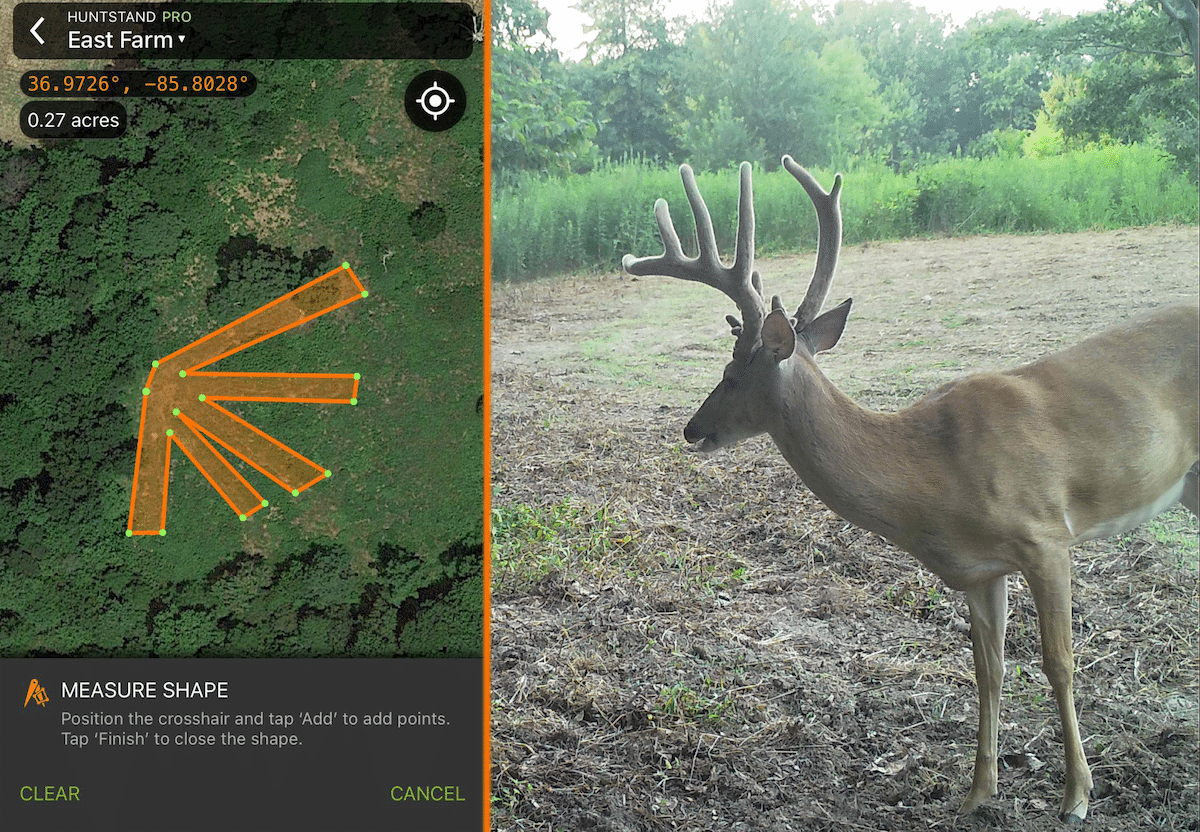
A good food plot design not only feeds deer but also helps hunters funnel deer for good shot opportunities.
7. What are the best ways to remove and prevent weeds?
The best way to stop weeds is to prevent these from growing to begin with. Generally, annual weeds are produced with seeds of the past. Therefore, routinely stopping weeds from seeding out is an important step in the process. Furthermore, perennial weeds spread by rootstock, and the only way to stop these from returning and spreading is destroying them. Each category requires annual, ongoing efforts.
8. How do I conduct a soil test?
Those who want to fertilize and lime correctly, and efficiently maximize soil quality while not wasting their money, should take soil tests. Taking periodical soil samples from various sections of the food plot will provide a better understanding of soil needs throughout the area. This will exponentially improve food plots.
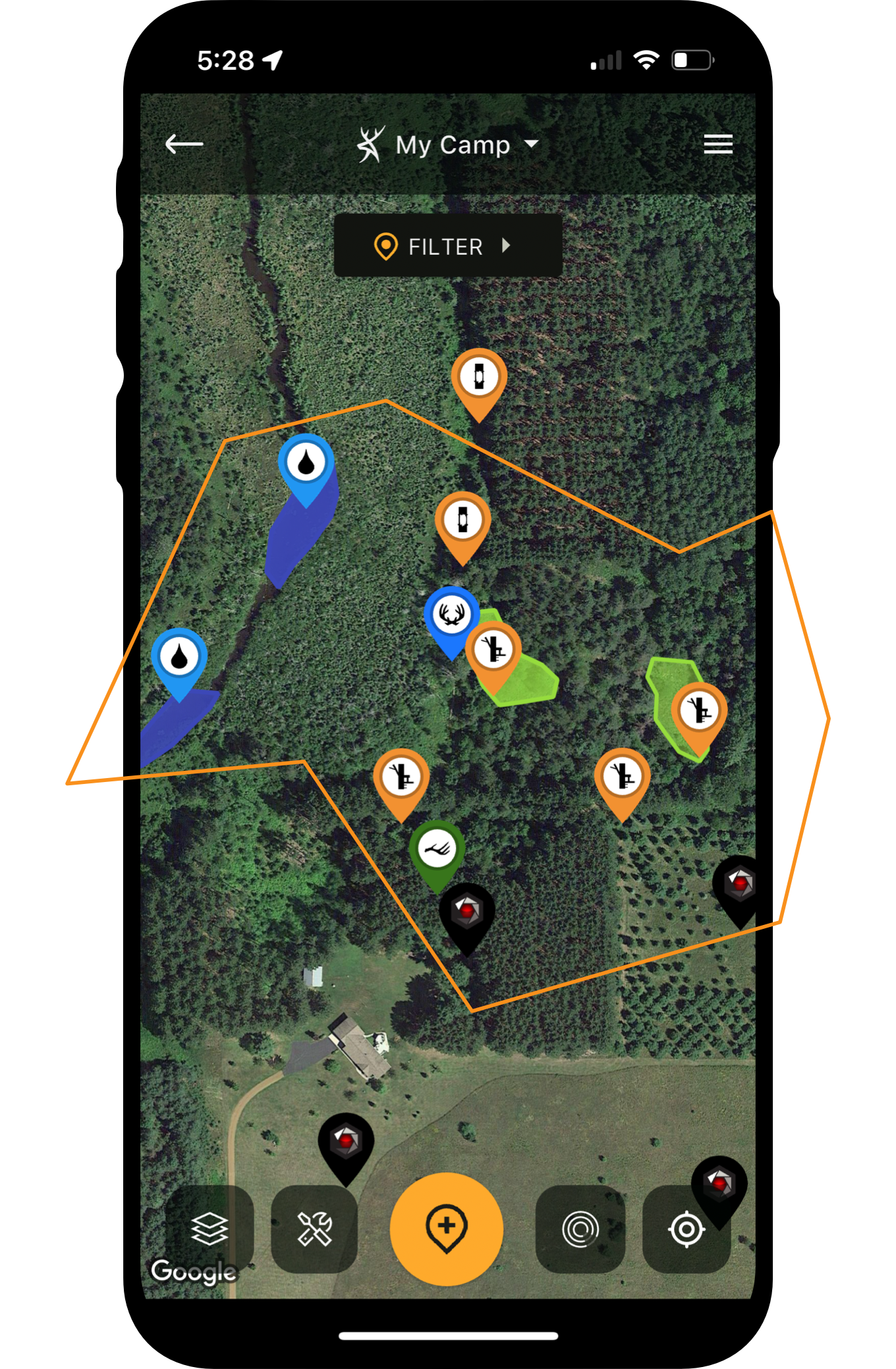
HuntStand has a helpful Soil Data layer for most of the country, which can be accessed when you create and save a freeform polygon or property boundary in the app. This gives you soil series and slope information—great starting data points as you’re trying to determine what makes sense to plant in your area.
9. What do I do when soil pH is too high or low?
The soil is acidic when the pH is too low. Lime is the best option for correcting (neutralizing) soil acidity. Interestingly, each one-point increase exhibits a 10-times increase in pH. For example, a pH of 5 is 10 times more acidic than a pH of 6. If the soil is too alkaline (opposite end of the spectrum), sulfur or fertilizers with sulfur are the best options. This makes the soil more acidic, but not too much.
Water and Whitetails: Scouting and Installing Water Sources for Deer
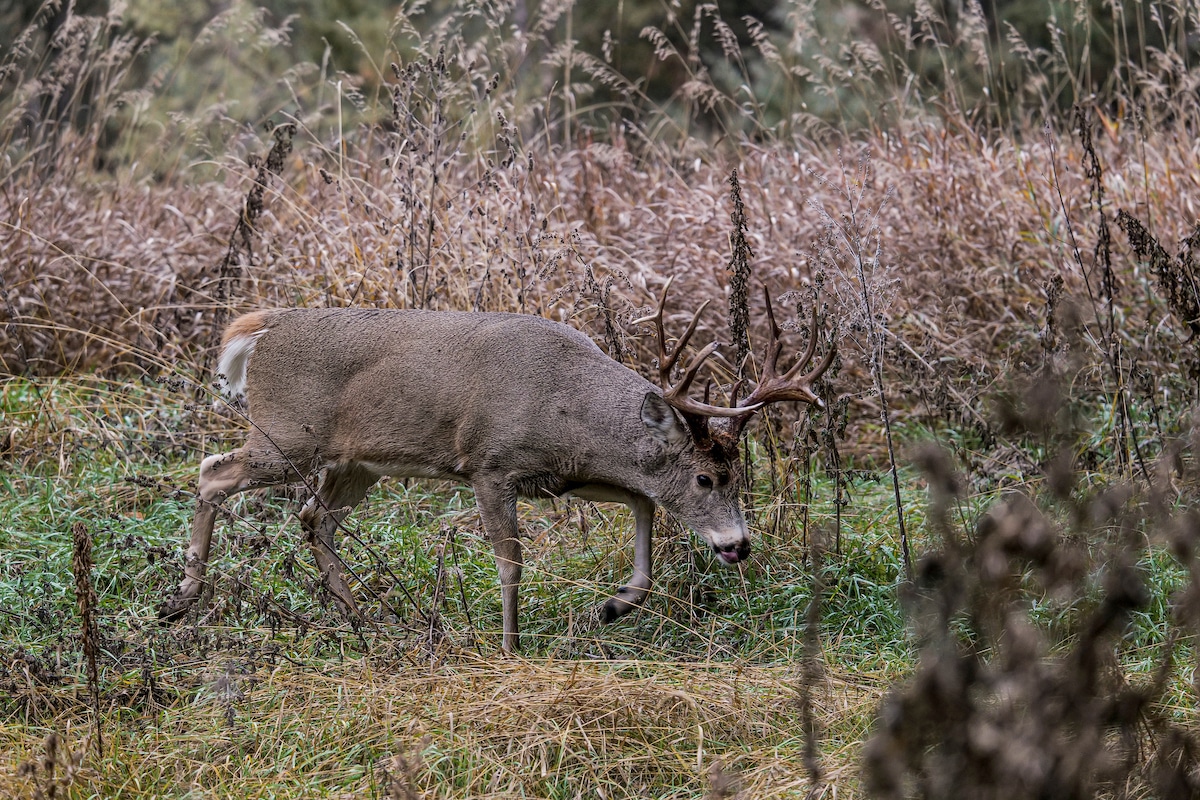
When locating food plots, think about when deer tend to spend the most time in those areas. Then, plant food plot species that sync with these time periods.
10. What are some tips on using fertilizer?
General fertilizer products offer a blend of nitrogen, phosphorous, and potassium. For example, the mainstream 13-13-13 is 13% nitrogen, 13% phosphorous, and 13% potassium. While these generic blends can help food plots, it’s best to take a soil sample and determine what percentages of each are needed to correct the soil. The results will produce a recommendation, usually based on an amount of fertilizer needed per a given area.
11. What are some tips on using lime?
Soil test results indicate the necessary amount of lime per acre. If the soil pH isn’t correct, and it’s too acidic, plants cannot benefit from the fertilizer within the soil, even if applied in the proper volumes. Overall, properly applied lime helps neutralize acidic soils, improves fertilizer efficiency, and prevents aluminum toxicity.
12. How do I know when to plant?
Most food plot seed bags provide planting directions. That includes planting zones, planting dates for each one, and more. Follow the guidelines that are specific to the food plot seed in question. These are optimized for growing season lengths, as well as rainfall, temperature, and other expectations.
8 Ways to Find Killer Deer Hunting Funnels
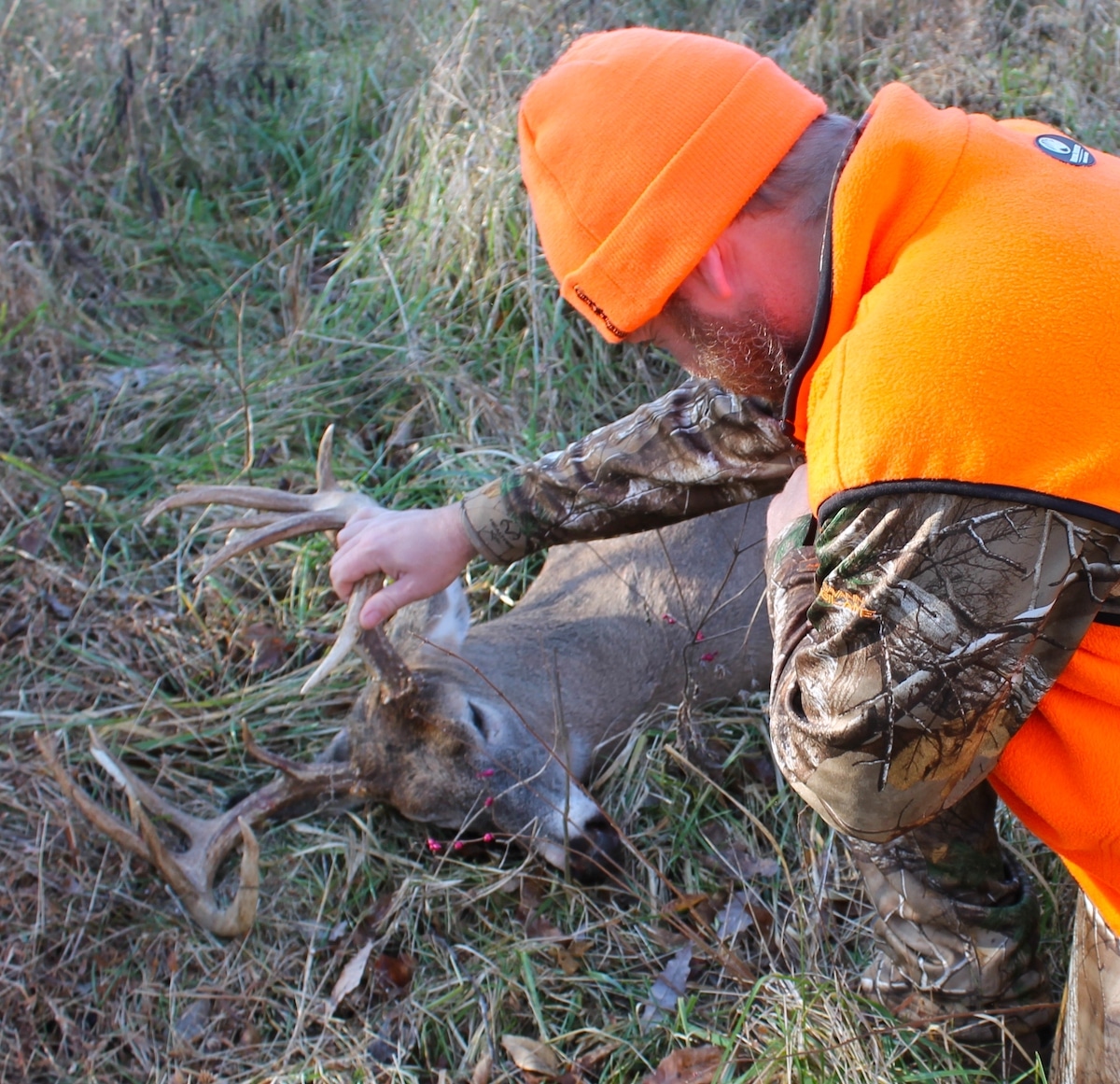
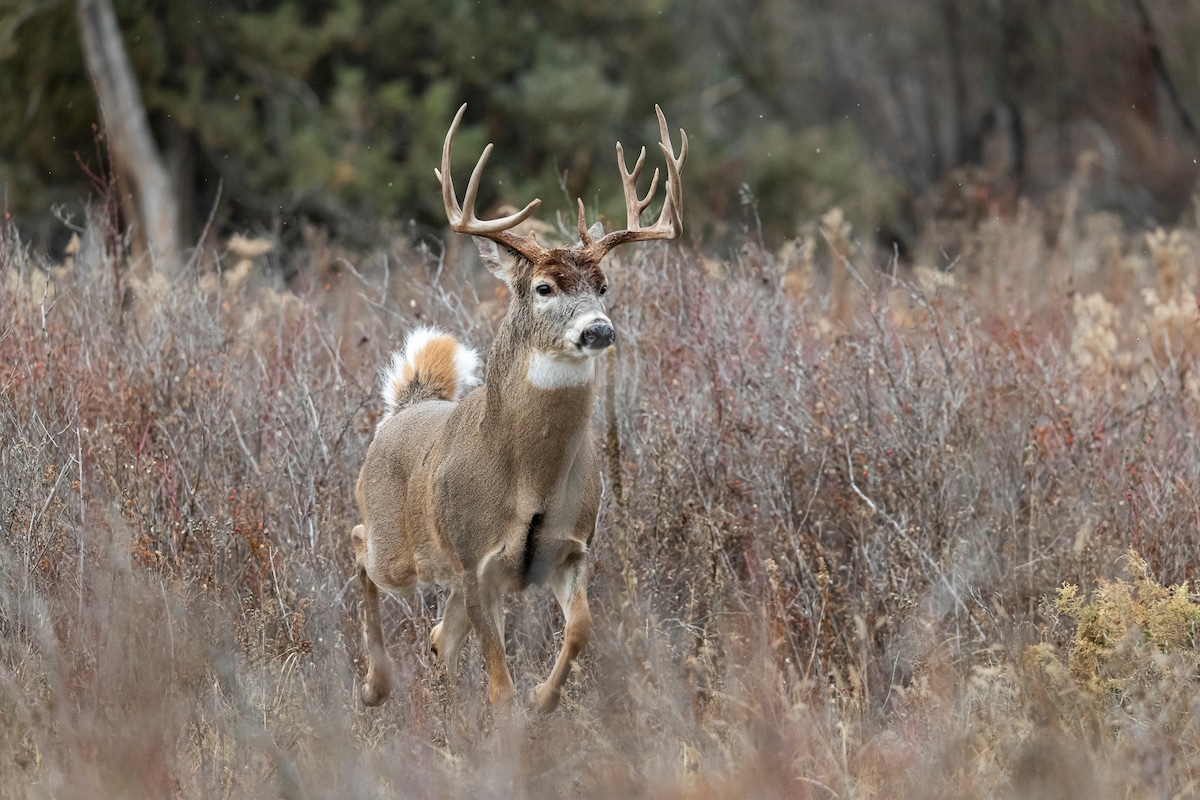
Planting food plots effectively can help fill tags on great bucks like this one.
13. What happens if I plant at the wrong depth?
Planting seeds at the proper depth is important for germination. At best, burying the seed too shallow or deep will lead to decreased germination rates, and subsequently, reduced yields. At worst, it leads to a completely failed food plot. Of course, smaller seeds run higher risks of reaching improper planting depths.
14. How do I decrease the risk of failed food plots?
Decreasing the risk of a failed food plot is all about checking the right boxes. Remember the guidelines mentioned above. Furthermore, planting annual food plot species oftentimes makes it simpler to manage persistent perennial weeds. However, planting a diverse range of annuals and perennials can boost the odds of plots making it if others don’t.
15. How do I see more daylight activity in food plots?
There are many ways to increase daylight activity within food plots. Some of these include using food plot plant species with greater attraction levels, planting plots closer to bedding areas, planting screening cover around the edges, minimizing hunting pressure over and near the plots, and more.
All things considered, there are hundreds more questions that food plotters ask. It isn’t easy to grow the greens and grains. But with a quality base of food plotting knowledge, and continued education, food plotters will continue to find answers to important food plot questions.