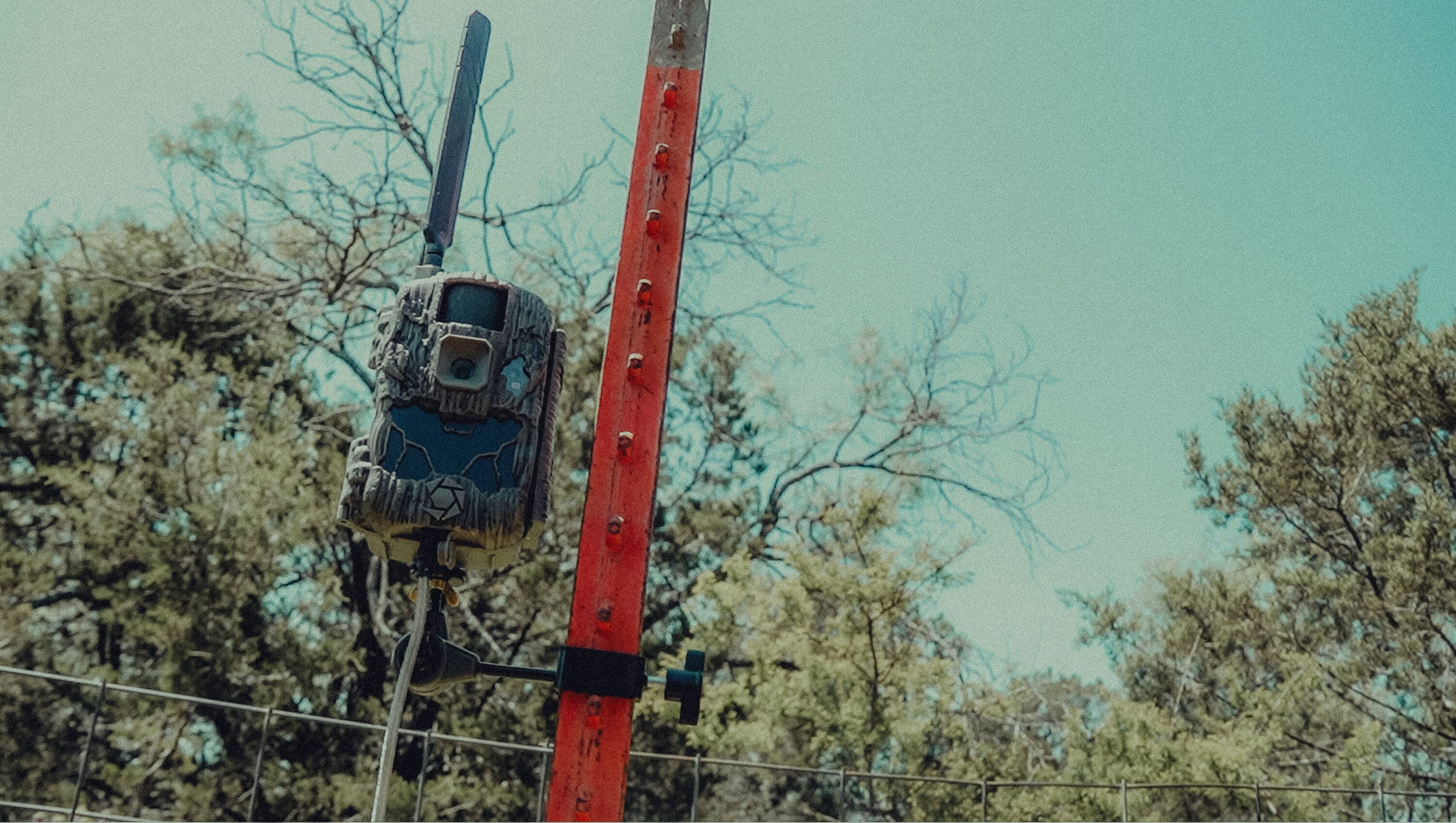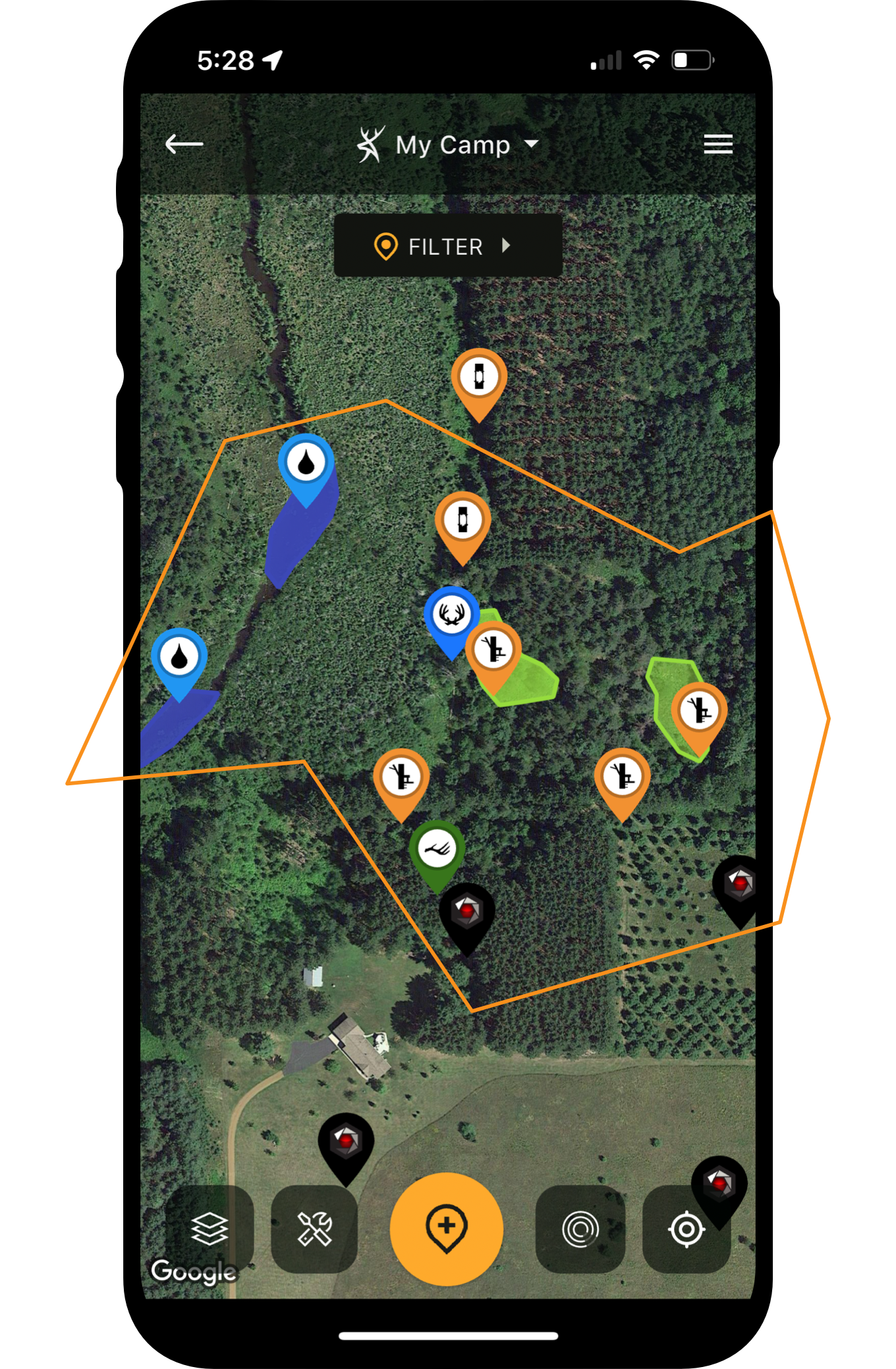




The early season is near, and it’s time to capitalize through the smart use of trail cameras. In this recent HuntClass, our team unveiled proven strategies for using the latest trail cam tech to pattern deer and punch tags. We partnered with Stealth Cam—the leader in cellular trail camera technology–to bring you the latest expert advice. We even hosted a live Q&A session to answer trail camera questions. Some questions were answered live in the video, and others are answered here.
Q: Our hunting property has no cell service. What trail cam should be used in such a situation?
HuntStand: In some situations, a cell service booster might be helpful. If that doesn’t work for the situation, traditional SD cameras might be the best option for the area.
Q: Do you like to set up a trail camera near your stand or do you prefer to have them away from your stands?
HuntStand: This varies depending on the situation. However, it can be beneficial to place cameras on treestand locations. This allows you to check a camera when hunting that stand, which reduces human intrusion and ground scent. That said, it also makes sense to have cameras away from treestands, such as when soaking cameras in bedding areas, over centralized food sources, and other areas you might not hang a treestand.
Q: What do you feel is the best time of day to check your cameras?
HuntStand: Generally, midday (the heat of the day) when deer are bedded is the best time to check cameras, especially along food sources. However, if checking cameras closer to bedding areas, it might pay off to check those cameras late at night when deer are closer to food sources.
Q: My cell cam is constantly triggered by birds. How do you prevent birds from sitting on top of the camera or the pole the camera is mounted on?
HuntStand: Usually, this is only a concern close to a bird nest or at a bait site. Either way, consider moving the camera. Or secure a small, plastic snake to the trunk above the camera.
Q: Should you place your camera right on a trail or just off a well-known trail?
HuntStand: Oftentimes, it’s best to back off a yard or two from the trail but angle it so it’s pointed down the trail and not perpendicular to it. This provides a wider range of capture. For example, it might take a photo of a doe and the buck that’s chasing her, rather than just the doe.
Q: I have plenty of deer on camera during the summer months and they seem to disappear during season. How do I keep them on my property?
HuntStand: This is commonly due to the property lacking what the deer need during the hunting season. Or it signifies too much hunting pressure. Either way, focus on giving deer what they are leaving to find on neighboring properties. These things include sanctuary from human intrusion, fall- and winter-based bedding areas, and fall- and winter-based food sources.
Q: We have a giant buck coming in once a week. Where does he go the other six days? Seems like he is checking his old scrape!
HuntStand: This is difficult to answer without more context. However, it’s possible the deer has a large core area and home range and uses a large percentage of it. Or it could be spending a lot of time close by but missing the trail camera.
Q: What’s your preferred way to hang your cameras (i.e., strap, screw-in or any other method)?
HuntStand: Straps have worked just fine for decades. However, a screw-in mount is an excellent option, especially when needing to angle a camera a specific way. Also, these tend to last longer, whereas straps can dry-rot over time.
Q: If I’m only getting does on camera, will I eventually see bucks?
HuntStand: Again, content matters. However, in theory, where does exist, bucks do, too. It’s biologically impossible to see a pre-harvest ratio more skewed than 1:5, which is quite rare itself. A buck-to-doe ratio of 1:2 or 1:3 is far more common. Therefore, yes, you should see bucks, especially during the rut.
Q: How do I differentiate buck trails from doe trails?
HuntStand: Bucks and does alike tend to use the same deer trails, especially near food sources, water sources, staging areas, etc. However, because bucks and does oftentimes bed in different locations, trails located near or within bedding areas might be used predominately by bucks or does. Oftentimes, certain clues shed light, including track size, track orientation (distance between front hooves vs. rear hooves), rub counts, etc. Furthermore, during the rut, bucks oftentimes use secondary trails along the downwind sides of doe bedding areas, which does are less likely to use.
Q: How do you come up with a buck-to-doe ratio using cell cams?
HuntStand: Running a trail camera survey can be intensive. It also requires a basic formula. The National Deer Association (NDA) provides a great trail camera survey computation form.
Q: If you see a target buck on cell camera an hour before sunrise, do you not hunt that spot for fear of bumping him?
HuntStand: This depends on the specific situation, time of year, direction of travel (in first and last frame), stand location type, quality of access, and more. That said, all or most things favorable, consider hunting that spot. The deer is in the area.
Q: What is the best way to organize all your trail camera data in the off-season and use it for the coming season?
HuntStand: Trail camera photos should be organized for utmost benefit. Oftentimes, for those who hunt multiple states or properties, the best way to organize trail camera photos is YEAR > STATE > PROPERTY NAME > DATE OF TRAIL CAM CHECK. Also, it’s good to keep all mature buck trail camera photos in a folder. Likewise, keep the single best trail camera photo of each unique buck in a folder. Also, utilize HuntStand’s ability to back up photos for each camera, or at least target buck photos, via the app.
Q: Do you find pre-rut patterning to be as essential for does and bucks as well?
HuntStand: During the pre-rut, deer are still on bed-to-feed patterns. This includes bucks and does of all age classes.
Q: Do you recommend baiting early on prior to the season?
HuntStand: Baiting is a viable tactic in states and counties where it is permitted. However, effective baiting isn’t as simple as dumping corn in a pile and filling tags. It requires significant planning and proper execution.
Q: When is the best time to put out a trail camera if you’re hunting public land?
HuntStand: This depends on the laws that regulate the public land in question. Regulations permitting, the best time to place trail cameras can vary depending on the situation at hand. Soaking cameras offers long-term data. But most recent intel is king in the whitetail scouting world.