



About 25 years ago, trail cameras started gaining traction in the hunting world. About 15 years after that, cellular trail camera models did the same. Today, cell cams own the market, and hunters worldwide deploy these essential scouting tools in their hunt areas.
Most hunters recognize that there are many features included in trail cameras. New trail cam buyers can be overwhelmed by these. Of course, some trail camera features are more important than others, but all serve a purpose. Here, I analyze the best cellular trail camera features, from top to bottom, why each are important, and potential scenarios where they shine.
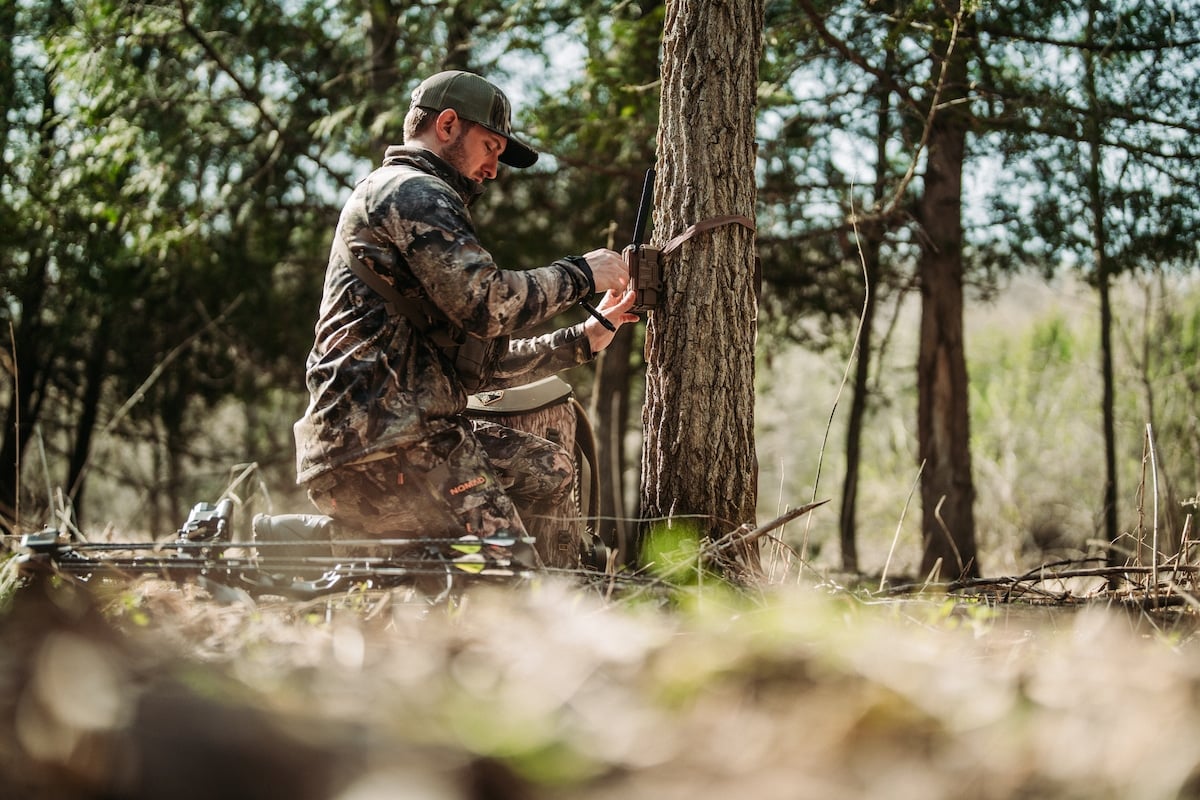

Cell cams are invaluable for those who can use them.
Basic Features
Numerous elements of trail cameras are carryover features from non-cellular SD models. These are no less important just because they pre-date the cellular age. Each one is still a vital component of camera operation and the studying of trail camera photos and videos.
Trigger Speed: Everyone wants a fast trigger speed. This makes it more likely to effectively capture running deer. You want the entire deer in the frame—not just the butt. So, certain situations require a faster trigger speed. Some of these include trails, field edges, and other places deer are more likely to move quickly. In contrast, bait piles, mock scrapes, scrapes, water holes, and other areas where deer are relatively slow-moving can be effectively paired with a slower trigger speed.
Detection Range: A camera can’t snap a photo of an animal it doesn’t see. This makes detection range a very important feature. Typical ranges vary from 50 to 100 feet, with the latter being better. Furthermore, field of view can impact this, as most cameras’ field of view is 35 to 40 degrees. So, how you angle a cam impacts detection.
Illumination Range: Like detection range, a camera can’t capture what it can’t see. In low-light situations, such as dawn, dusk, and nighttime, the camera implements an illumination feature that lights up the scene. Generally, maximum illumination ranges are 50 to 100 feet.
Illumination Type: Common illumination methods include white flash, infrared (IR), and black flash (no-glow). White flash is the oldest technology yet offers the best nighttime photo with utmost clarity and detail. That said, it is more easily detected by deer. IR offers lesser photo quality, but increased stealth. Likewise, no-glow produces the least photo quality, but the most stealth. Each one offers some give and take.

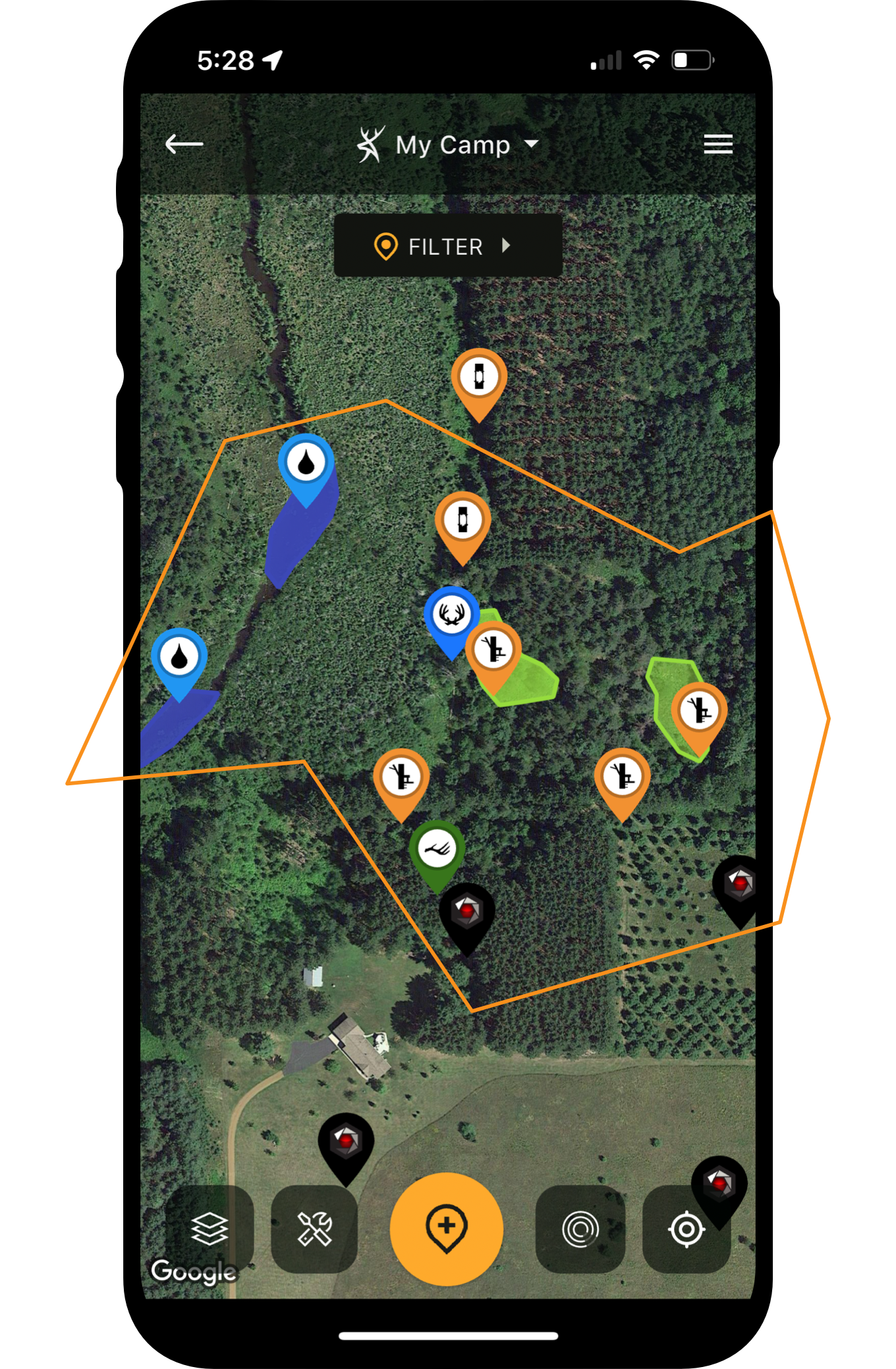
HuntStand is an excellent tool for scouting and planning trail camera deployments.
Photo-Specific Features
Some trail cam features are specific to the photos themselves. These are elements that hunters use to study the deer within the frame and the scouting points that revolve around each encounter.
Aspect Ratio: Aspect ratios vary greatly from cam to cam. Depending on the model, it might offer more height and less width, or vice versa. The situation might call more for one or the other. Therefore, full aspect is better when you want more room at the top and bottom (i.e.: scrapes). Wider aspect ratios are better if you want more capture space on the left and right side of the frame (i.e.: trails).
Megapixels: The higher the megapixels the crisper the photos. This is an important feature, especially if larger file sizes and maximum photo quality is the goal. It also allows hunters to zoom in and study a buck in the background or further from the camera. For example, this would be more valuable on field edges, in food plots, or when running a camera in timelapse mode.
Info Strip: Perhaps the most underrated of trail camera features, the info strip provides very valuable information when analyzing images. Accurate date and time info allows for several things. First, hunters can use that to potentially determine the direction a deer is bedding and feeding. It also allows hunters to determine the wind direction (by analyzing historical data for that timestamp) at the time a mature deer used a particular area. These are important elements in patterning whitetails.
Early Season Trail Camera Tips [HuntClass]
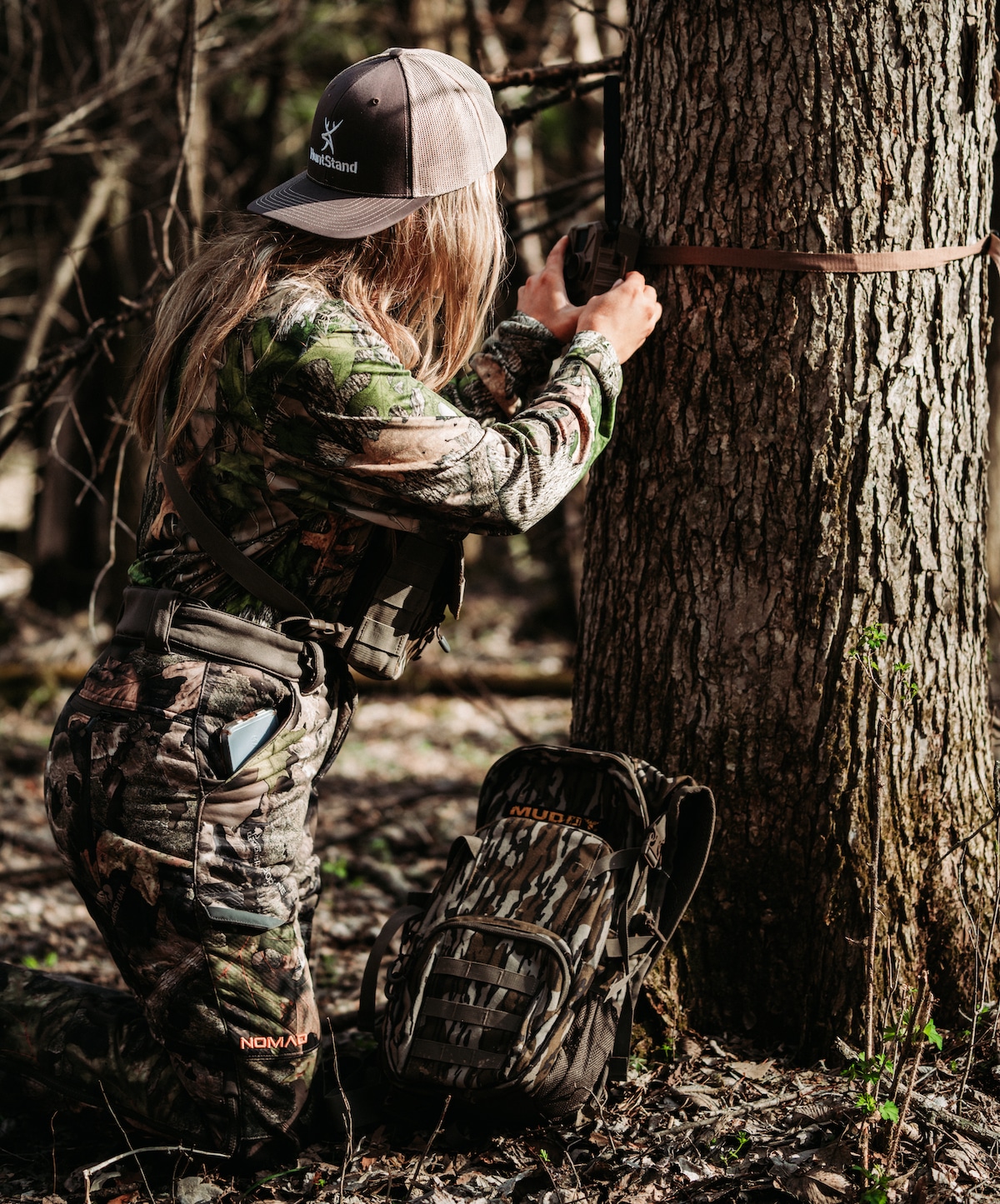
Keep a spare cell cam on you when hunting. That way, when you happen upon a great spot, you can strap on a cam and go.
Camera Modes
Most cellular cameras come with different modes. Each of these offer different benefits and are better suited for certain scenarios. Using these correctly milks the utmost results from trail camera deployments.
Multi-Shot: Often referred to as multi-shot or multi-burst, this mode takes multiple images. This is great for numerous circumstances, especially during the rut when deer are chasing. A single image might get the doe but miss the buck behind her. Multi-shot can grab both deer in separate images.
Timelapse: Those who run cams on food plots, ag fields, and other large openings benefit from timelapse mode. This captures images of deer in the entire area, even if they are beyond the detection range. It’s ideal for monitoring greater areas.
Video: Photos provide a wealth of info, but video mode offers even more. Video mode is multi-shot on steroids. This gives you many different frames, which offers increased chances of seeing other deer in the area. It also better exhibits behavioral tendencies, direction of travel, and more.

Cell cams can apply less pressure to target bucks and offer real-time info that traditional SD cams cannot.
Cellular-Specific Features
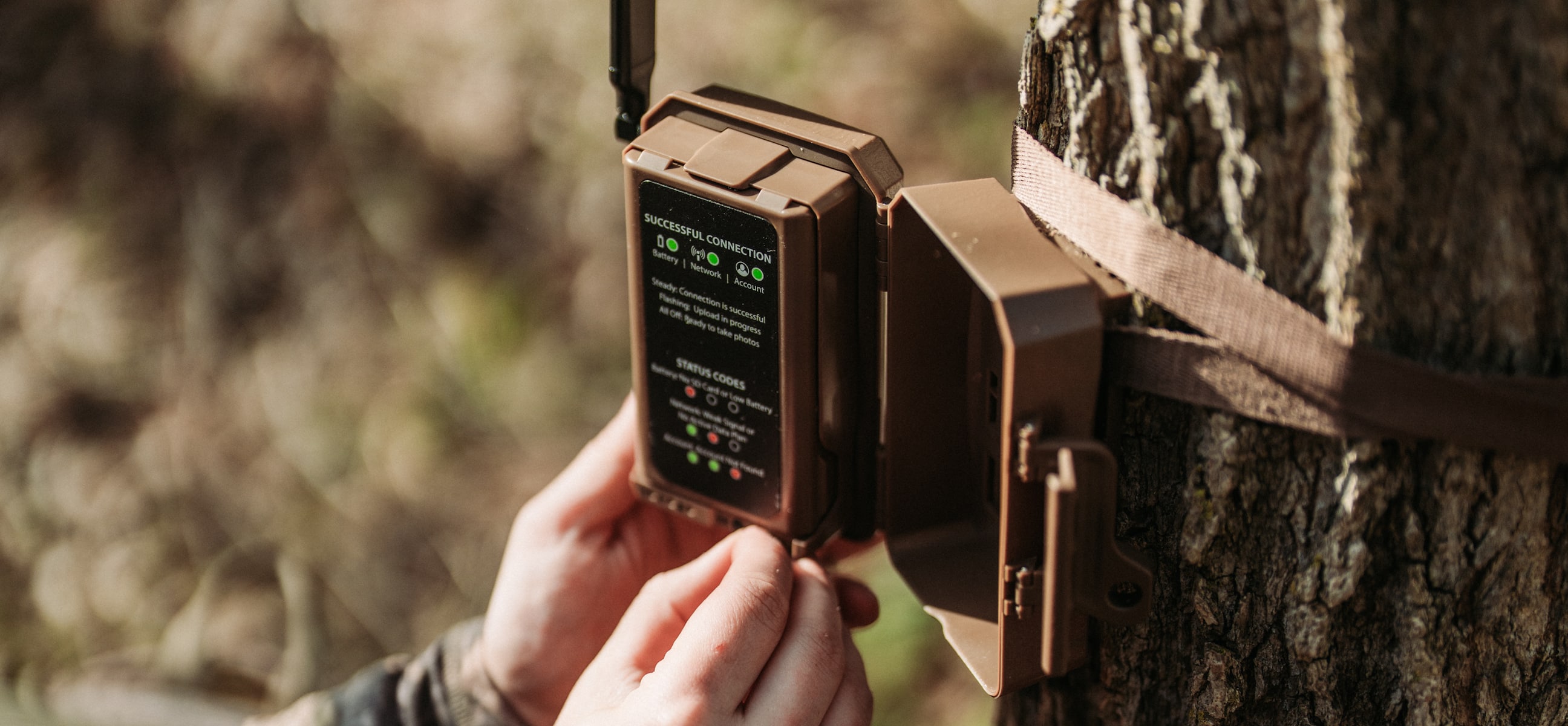
While most of the above trail camera features are applicable to traditional and cellular trail cameras alike, others are more nuanced to cell cams. Of course, the foremost factor is service provider. Most cell cams run on either AT&T or Verizon towers. Some cameras have SIM cards for both and selects whichever is strongest in the given area.
Depending on circumstances, cell cams can save people time and money because they don’t have to burn hours and gas to check these. But that’s only true with lengthy battery life. Oftentimes, that’s easier to obtain with a quality camera and an external battery source. Battery boxes, solar panels, or a combination of the two, are almost must-haves to get the most from cell camera benefit.
Time and money aside, cell cams with extended battery life undoubtedly apply less pressure to deer. Pair that with the incredible power of real-time data, and that’s a mean one-two punch that traditional SD cams can’t touch. Even if government agencies required short delays on cell cam image transfers, it’s still incredibly relevant.
How to Get Better Battery Life from Cell Cameras
Solid Cell Cam Options
There are numerous great selections on the market. However, Muddy, Stealth Cam, and Wildgame Innovations offers three different cams at different price points that hunters will love.
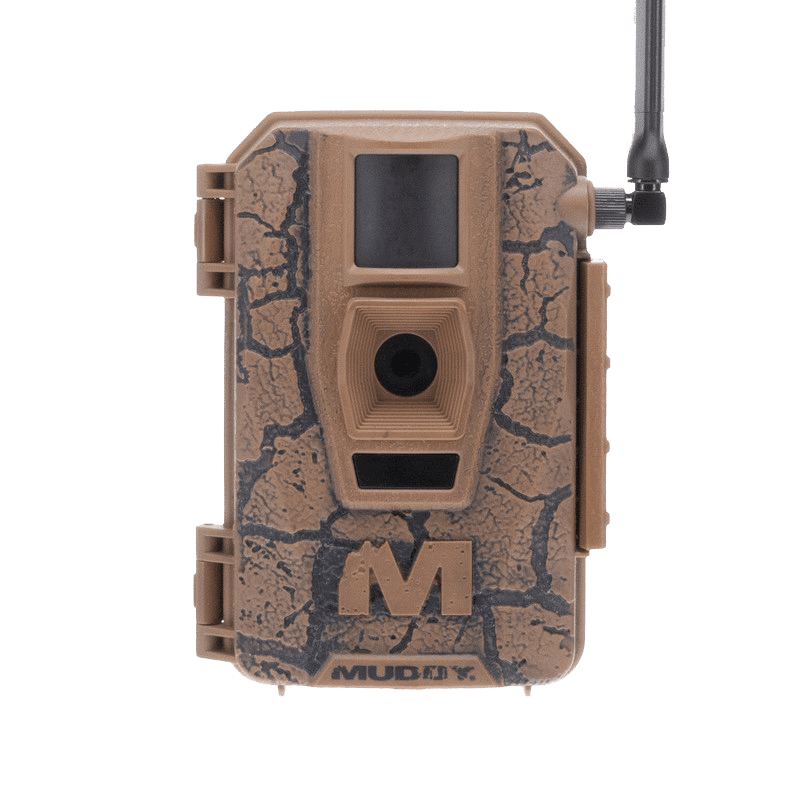
Muddy Mitigator: The Muddy Mitigator is a very affordable cellular camera that’s new for 2023. This thing is one of the best price-to-performance cams on the market. It includes both AT&T and Verizon SIM cards to capture whichever service offers best coverage. It has an 80-ft detection range, 0.7-second trigger speed, and more. It captures 24MP images. It even takes on-demand photos. The camera runs on the Command Pro app and has an MSRP of $79.99.
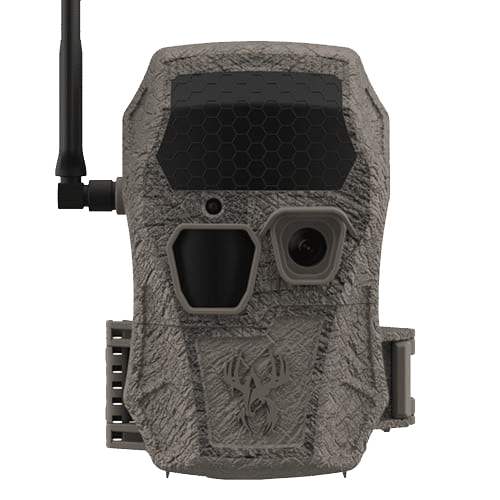
Wildgame Innovations Encounter 2.0: The Encounter 2.0 by Wildgame Innovations is a great cell cam. It shoots 26MP photos and 720P HD video (without audio). Loaded with 850nm infrared LEDs, it even takes great night imagery. Furthermore, it boasts an 80-ft detection range, 0.5-second trigger speed, and more. It’s easy to set up, thanks to a simple QR code and interactive app. Once ready, run it on eight AAs or a 12-volt DC jack and compatible solar pane (sold separately). Get either AT&T or Verizon models, whichever is strongest in your area. MSRP is $99.99.
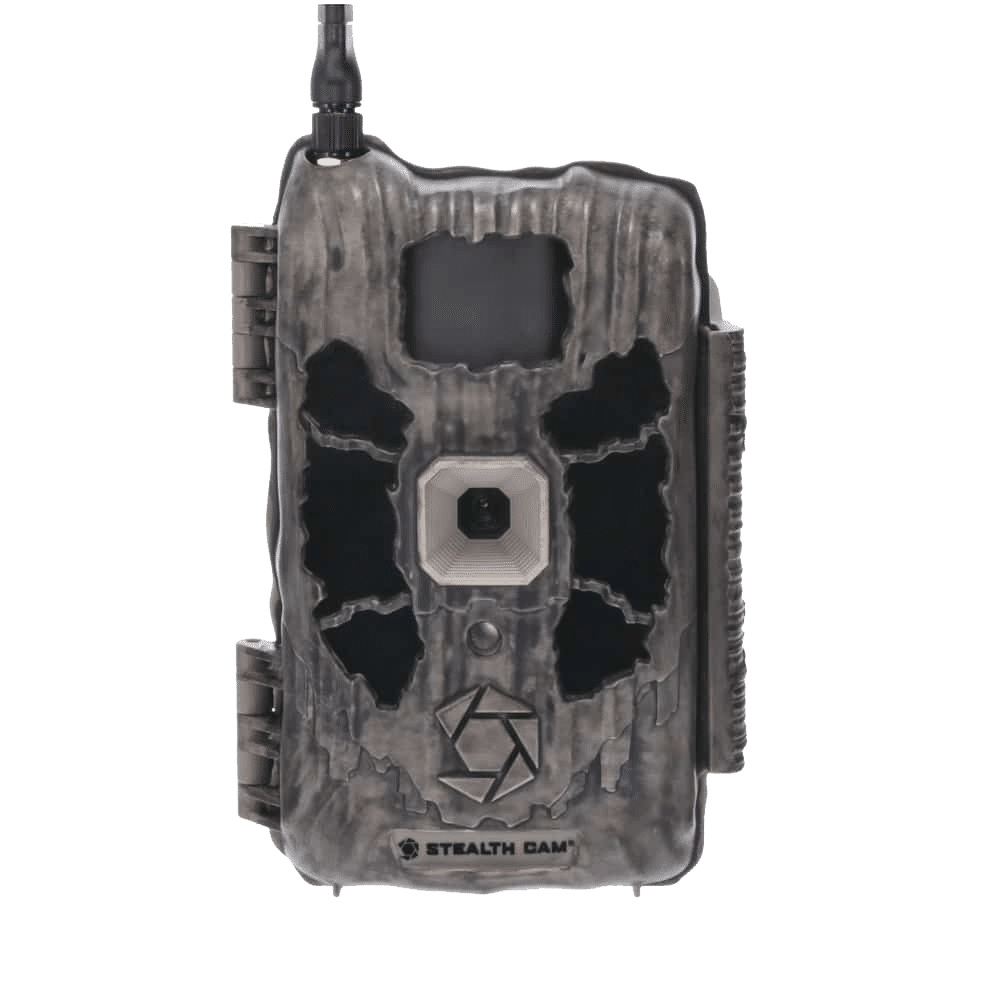
Stealth Cam Deceptor No-Glo: All-new for 2023, the Deceptor No-Glo by Stealth Cam is built for success. It features the newly incorporated Automatic Network Coverage feature that selects either AT&T or Verizon, whichever is strongest. It captures crisp, 40MP images. It does so even at night with a 36-piece, 940nm no-glow illumination. Furthermore, it takes 1440P video at 30 fps (with audio). Strapped with a 0.3-second trigger speed, 80-ft detection range, and a lightning-fast Command Pro app, and this rig is one sweet system. MSRP is $119.99.
Assessing Value
Overall, it’s important to select cellular trail cameras based on the features they offer. Compare their pros to the price tag, subtract the cons, if there are any, and determine if the value is there. If it’s worth it, and within the budget, pull the trigger on a cell cam purchase. Then, gain the reward from the best cellular trail camera features.
7 Trail Cam Spots for Public-Land Deer Hunters