




Prep a good game plan for deer hunting in October.
October is my favorite month to kill target deer. I realize you don’t read many whitetail articles that don’t mention November when the author names their favorite whitetail months. I have my reasons. The two most important: I harvested my biggest buck and my oldest buck on October 23 and 24. By using the right techniques and tools, you too can kill more mature bucks in October.
I’m not an anomaly. Take a deep dive into social media or the World Wide Web, and you’ll discover legendary big deer killers are killing target deer in October.
I realize most of these well-known deer killers have access to whitetail nirvana. They live in whitetail states that always make the weekly highlight reel and can tailor their properties to grow and hold big deer. Still, regardless of where in the country you hunt, you can strike big-buck gold before the chaos of the rut cancels patterns and sends big bucks chasing girls.
Here’s how.
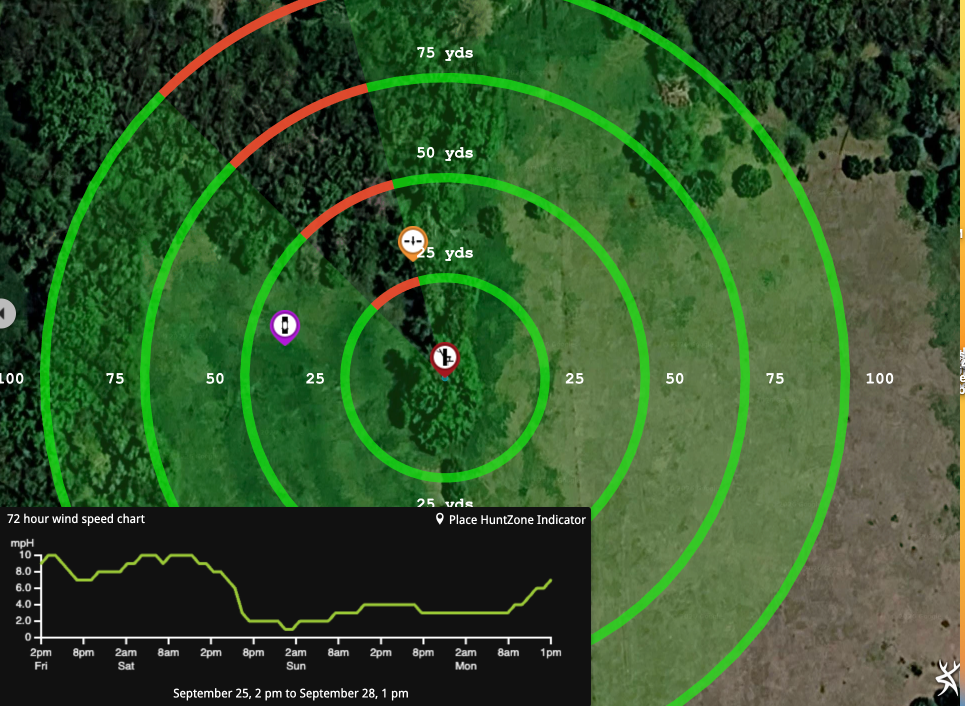
Weather and wind direction play significant roles in spiking daytime deer movement.
October Weather Factors and Patterns That Influence Deer in October
Mother Nature will play a vital role in your pursuit of an October monarch. Weather, perhaps more than any other time of year, aside from the late season, matters. When it’s hot, and the barometer is below 30 and dropping, October sits; even on manicured food plots, it can be turtle slow. A front, though, even a minor one that dips temps and pushes the barometer above 30.0 inches, can put a big buck on his feet during daylight.
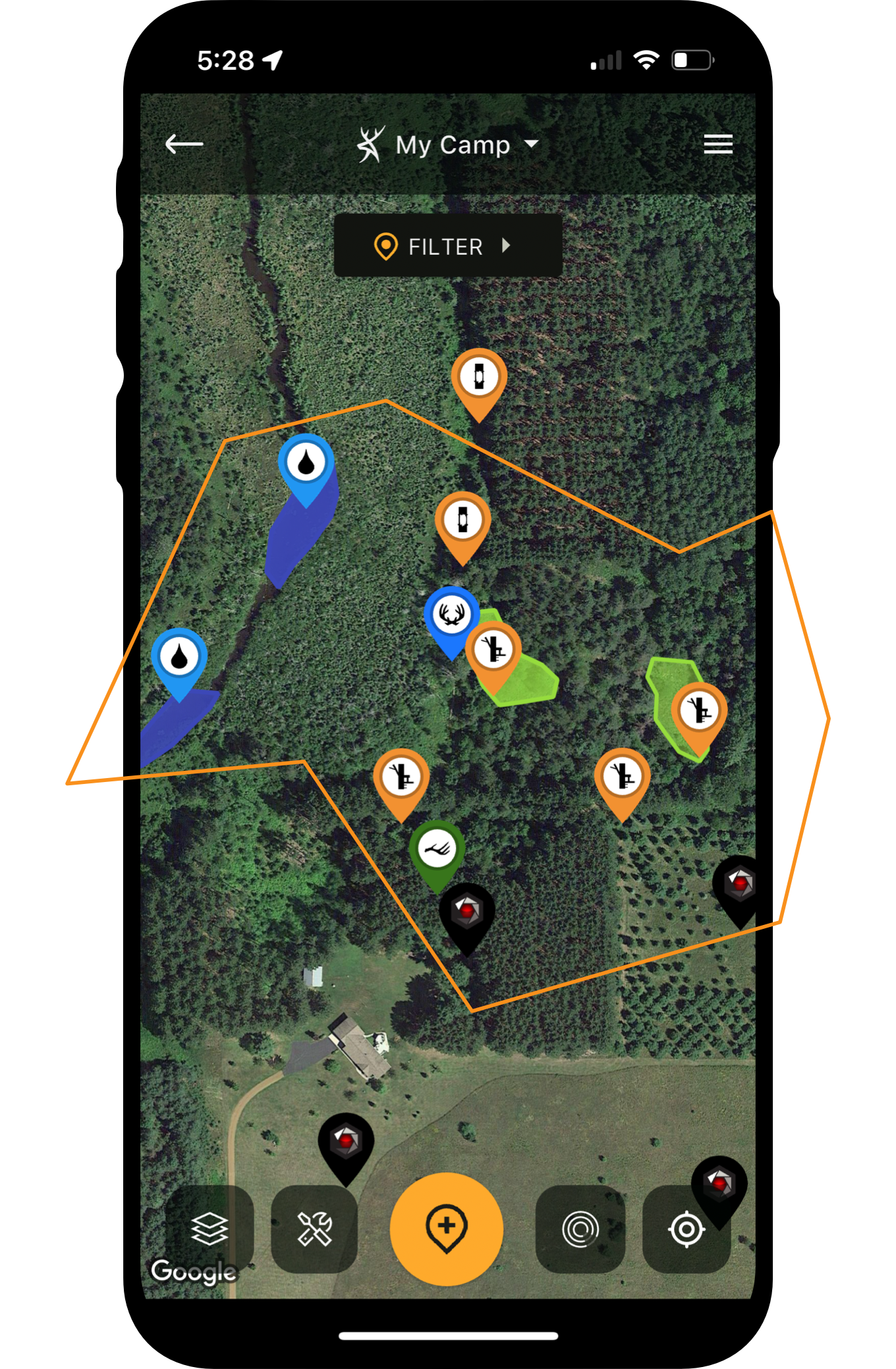
My go-to for staying ahead of the weather curve is HuntStand’s weather tools. A HuntStand Ultimate member, I’ve created six different Colorado hunt areas within my unit. I can quickly toggle between hunt areas and look at weather patterns up to 10 days out. HuntStand’s predictive weather tools also show hourly temperature and wind patterns up to five days in advance. I can view barometric pressure and click HuntZone to see predicted wind direction at any stand or blind location. Using HuntStand’s predictive weather tools, I know when and where to strike.
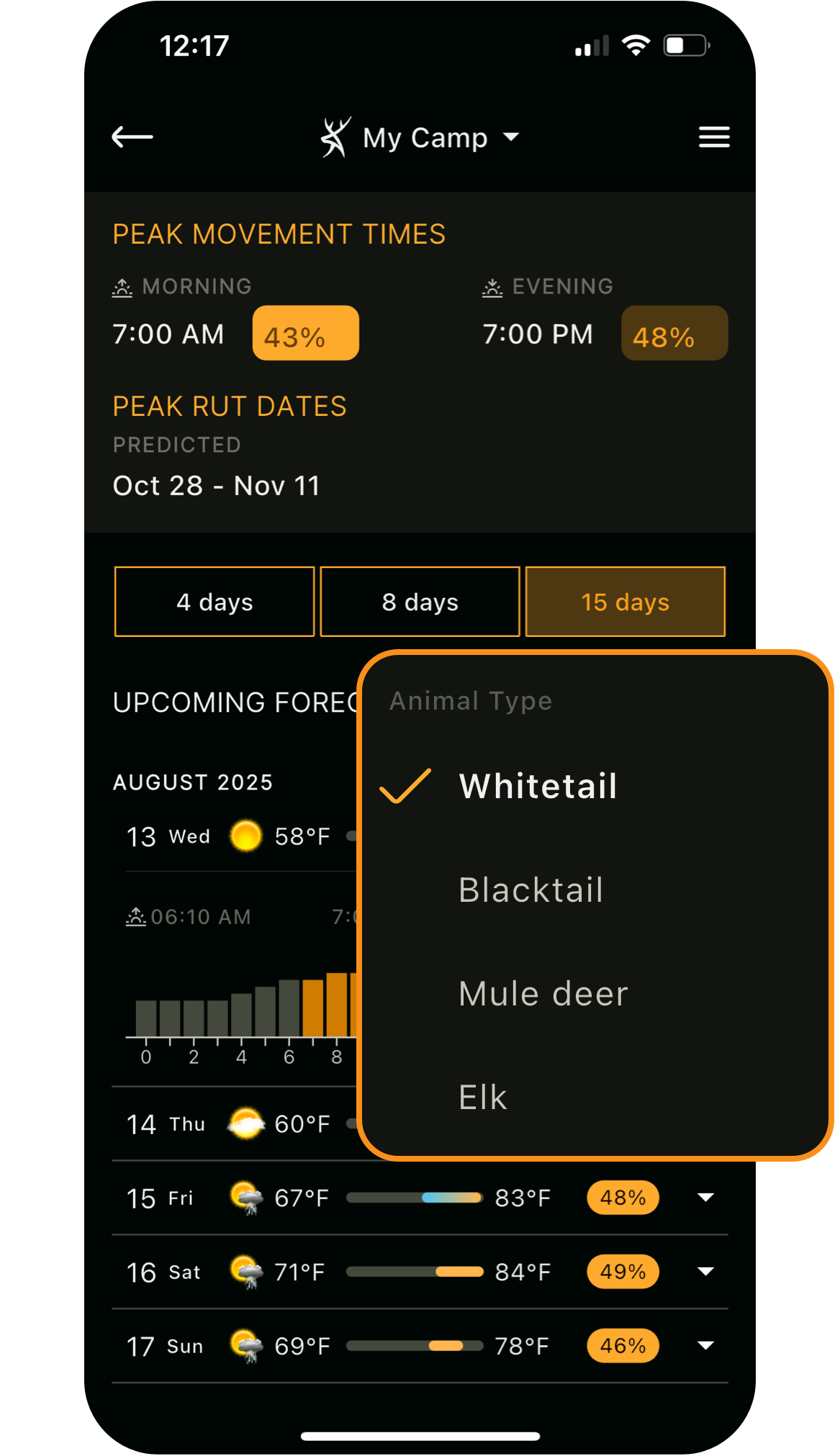
Use HuntStand's Activity Forecast to gauge how well deer might move during future hunts. Then, plan your hunts accordingly.
Using HuntStand’s Whitetail Activity Forecast in October
As hunters, we’ve been spoiled. HuntStand’s Whitetail Activity Forecast is the most accurate whitetail activity forecast I’ve used, and friends, I’ve tested them all extensively. The Whitetail Activity Forecast breaks down rut activity and whitetail movement by hunt area. Peak movement times are given in 4-day, 8-day, and 15-day intervals, and you’ll love the hourly graphs because they help tell the movement story. The graphs show total activity score, temperature, dew point, wind speed, wind gusts, wind direction, humidity, precipitation, cloud cover, and barometric pressure. Yes, we are spoiled.
Ambush Early Season Whitetails with HuntStand Pro
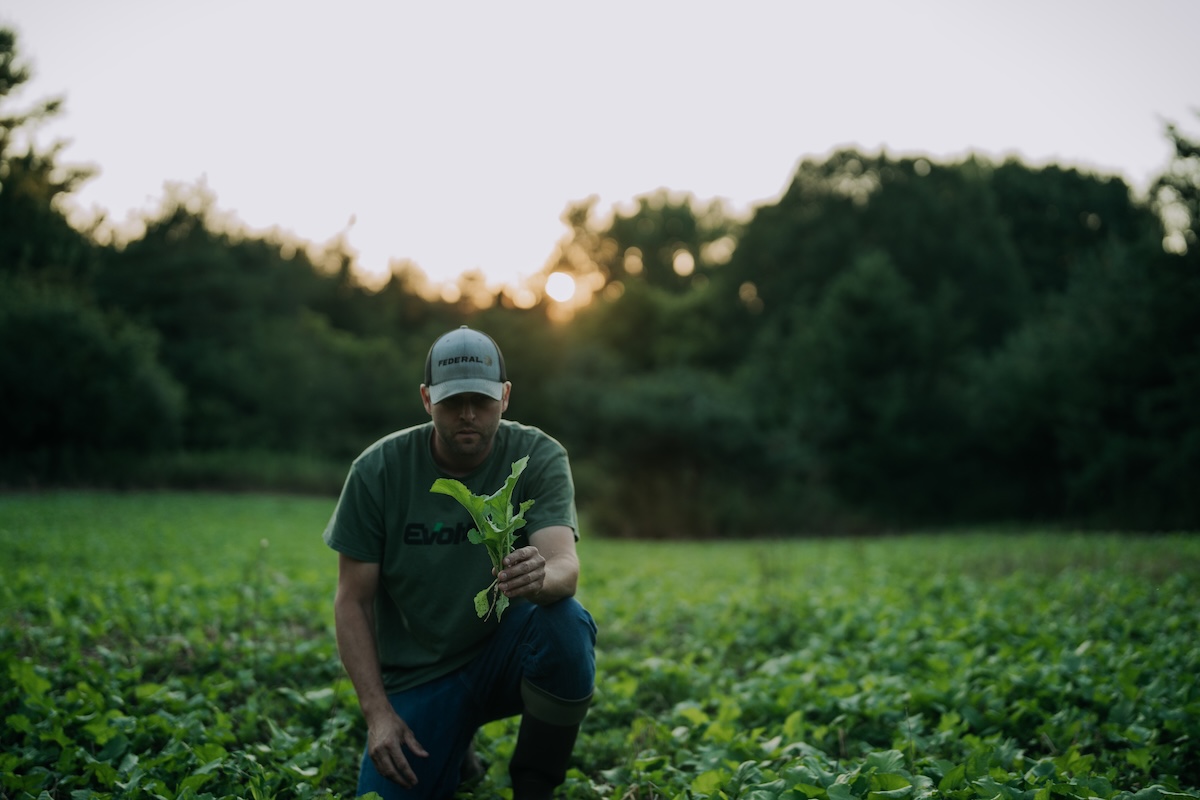
Consider planting a variety of Evolved food plot species to attract and hold more deer in October.
Whitetail Food Sources in October: The Silent Magnet
Just as important as the changing weather is the food source. In October, deer transition from summer patterns to fall routines, which typically focus on food. Bucks and does look to pack on the pounds before the rut, and like bodybuilders, what they eat matters. Bucks want protein, and lots of it. Favorable October food sources are typically green, palatable foods like winter wheat, winter rye, alfalfa, clover, young soybeans, etc. Understanding what and where the local deer are feeding is key to positioning yourself for success. If you know where the food is and how deer are entering and exiting the food source, pay attention to your HuntStand app and go in with the intention of harvesting a mature buck on an October cold front.
The combination of weather changes and food availability can create the perfect storm for big buck movement. When hunting food sources in October, evenings are best. The last thing you want to do is bump a buck off a food source during a morning hunt and change his evening pattern.
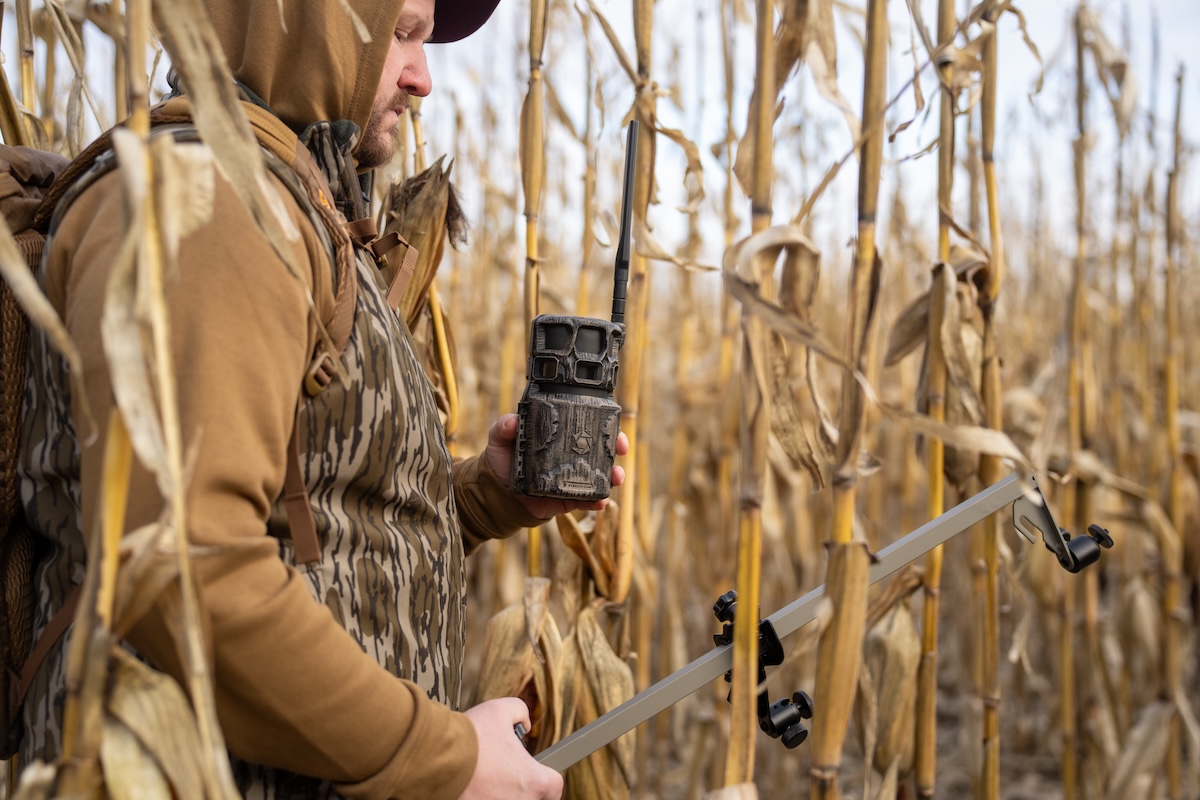
Run cellular trail cameras to inventory and pattern deer in October.
October Transition Areas for Deer: Connecting the Dots
Between the food sources and bedding areas are transition zones, the unsung heroes of October hunting. Frankly, I’m not a big food plot guy. I kill most of my October bucks in transition areas between food and bed, or over a water source. (More to come on hunting water sources in an upcoming article.)
Transition areas are locales where deer feel safe moving from one spot to another. Deer will utilize trails that weave through terrain, often hugging cover for safety. Big bucks don’t like to give up anything and don’t want to be out in the open. A transition area might be a funnel or pinch between bed and food, or an area with hard or soft mast, or a combination of both. If your hands-on scouting or a trail camera is telling you a buck is arriving on a food source just after shooting light, learn where that buck is entering and exiting the food source. When the wind is right, follow the trail during the midday to find the ideal tree to place a lightweight lock-on, like Muddy’s Boss or Viking.
By focusing on these transition zones, you increase your odds of encountering a hit-list buck. Remember, it’s all about understanding their patterns and getting a little help from Mother Nature, and you’ll give yourself a great chance to loose an arrow at a shooter.
Ways to Hunt Deer Scrapes
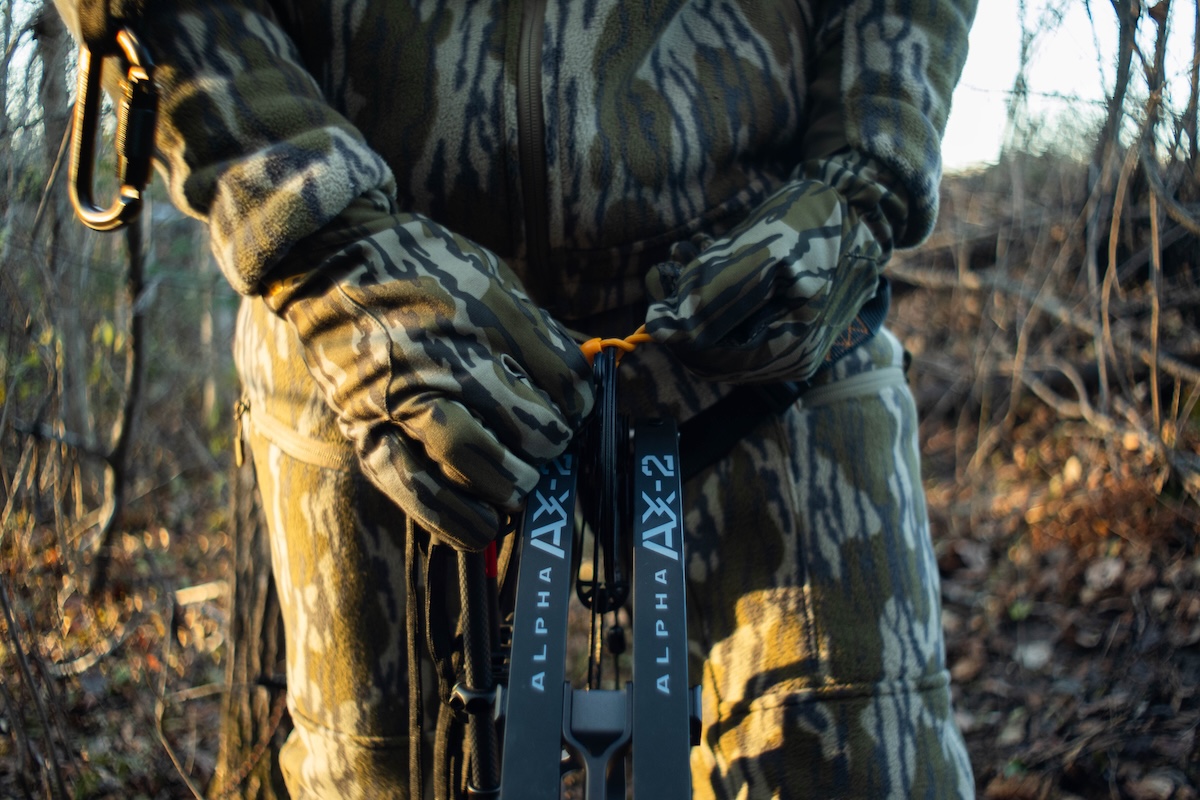
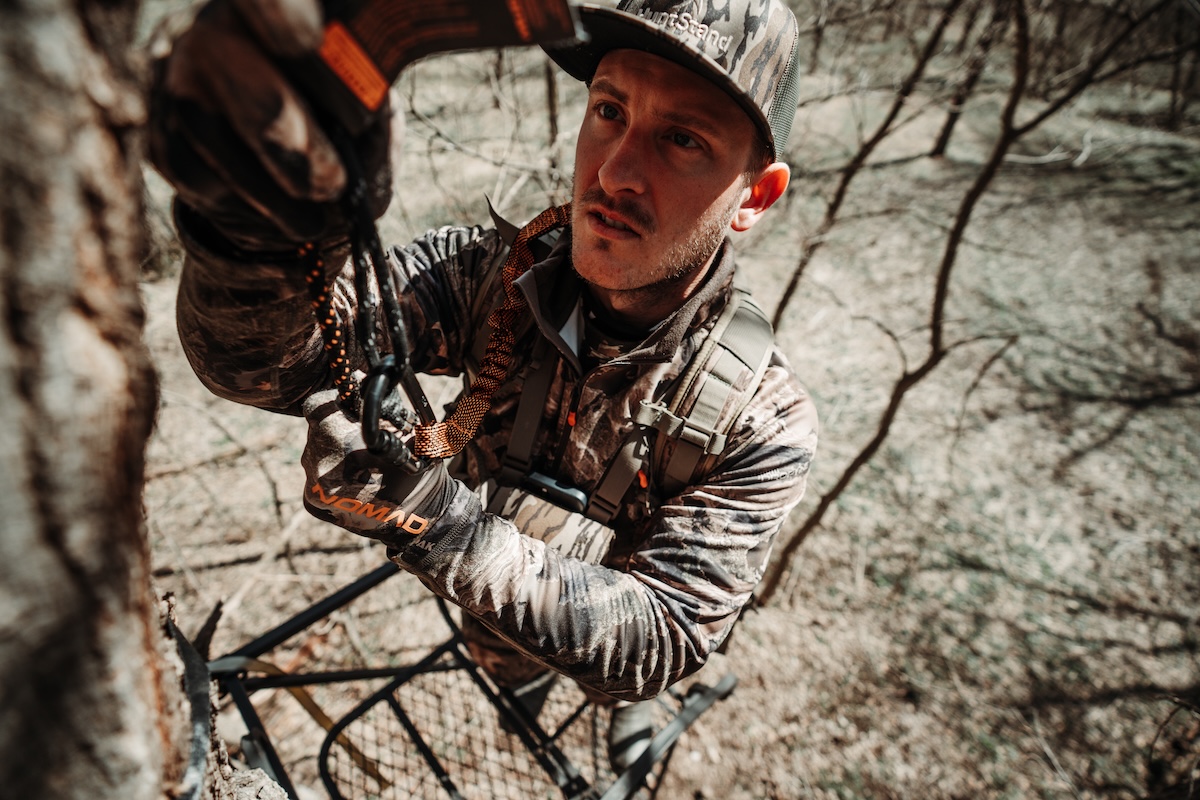
Prep your gear and spend plenty of time time getting ready for your October deer hunts.
Deer Hunting Public Land in October
Human intrusion, AKA hunt pressure, is what I hate dealing with most. Like many of you reading this, I hunt a lot on public dirt. Most public-land locations I hunt don’t have green food sources, and if they do, there’s a stand in every corner of every field. However, many public-land hunters ignore October and push all their chips in come November. That means you can escape the crowds, push in close to buck bedding areas as large scrapes and rubs start to emerge, and punch your October whitetail ticket.
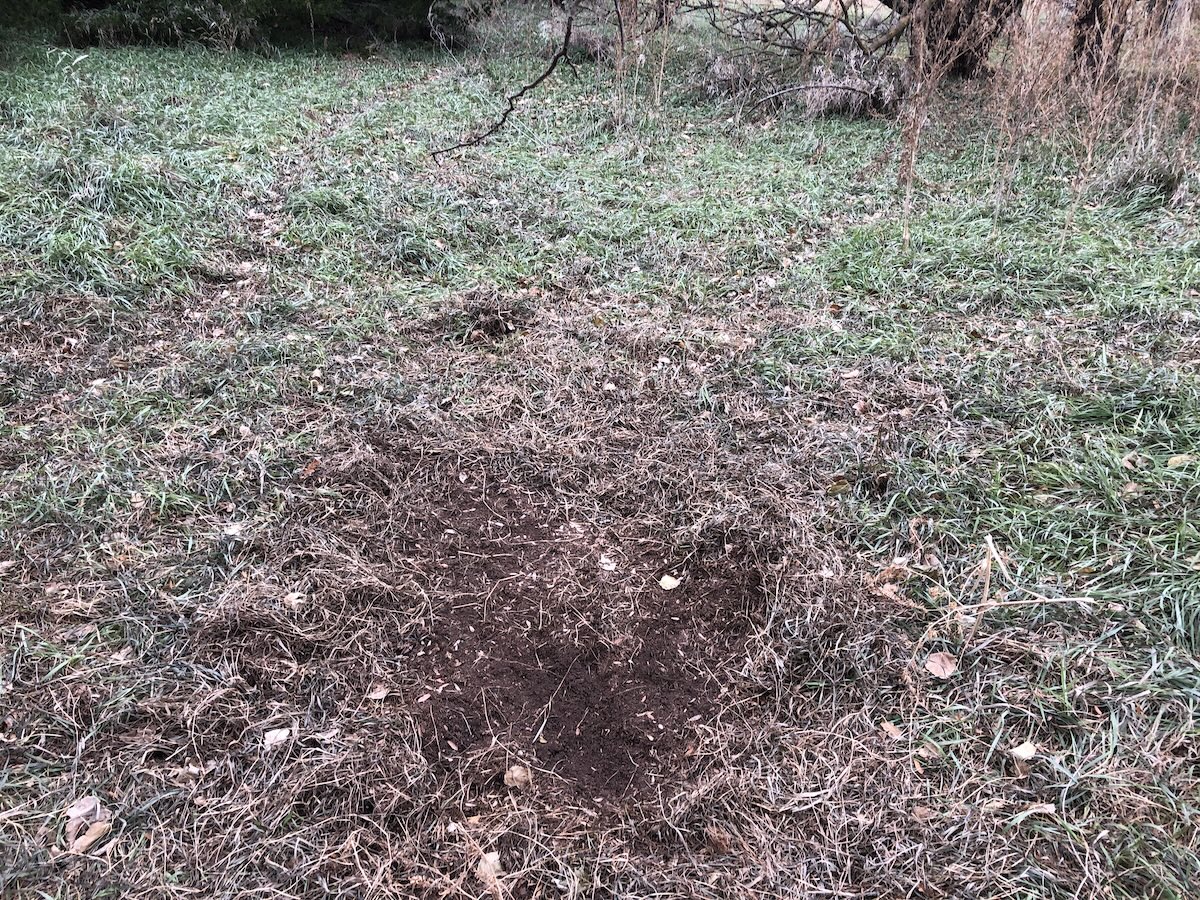
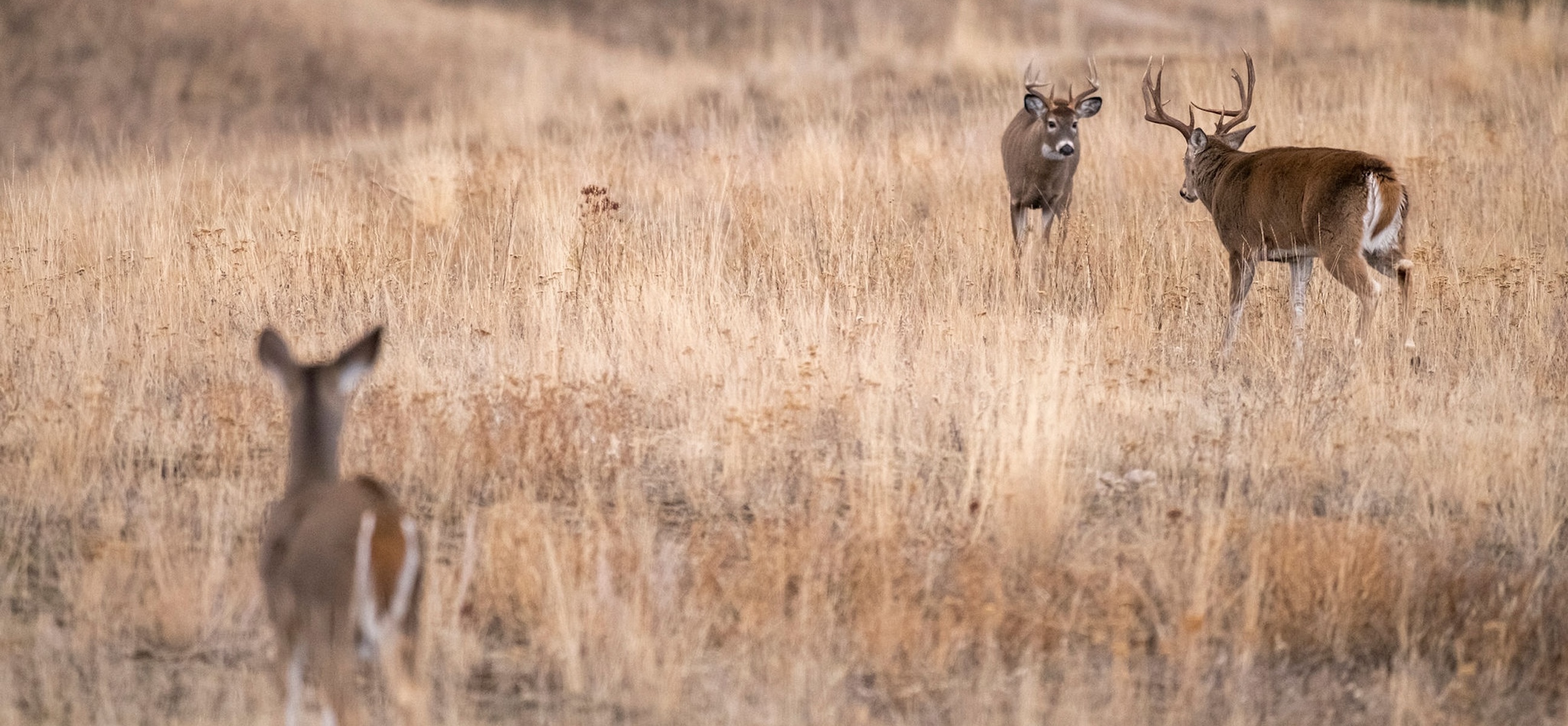
Look for rubs, scrapes, and other signs of where deer are spending time in October.
Use the Right Whitetail Scouting Tips for October
Cellular trail-camera regulations in my state are still a little gray, so I choose to play it safe. They’re completely legal until 48 hours before you intend to hunt, but I usually pull mine on September 26 and replace them with Stealth Cam DS4K Ultimate digital cameras. By October 1, I often have at least one mature Colorado buck on camera. Once I get an image, the chess mass starts. I typically cluster digital cameras in an area around food and bed. October bucks, especially early in the month, aren’t moving far. Unravel a pattern, and you’re on your way to success.
That early-October information is valuable. From late September through October, I combine trail-camera activity with weather models to decide when and where to hunt. Small food plots tucked close to bedding areas can be productive, but they’re also easy places to educate a buck. Since I don’t hunt from scent- and sound-proof hard-sided blinds, I must be especially disciplined about wind, entry routes, and timing.
I’m convinced my best opportunities at a mature buck often come with an early-October cold front, so I set up every location, when possible, with a stand that hunts well on a north or south wind. At the same time, camera data has shown me that some bucks are more predictable than many hunters realize. I’ve watched certain deer appear on green plots several days in a row, seemingly unconcerned with temperature, barometric pressure, or moon phase.
That’s why I keep a south-wind option when hunting food sources, whether it’s a stand or a ground blind. When a buck establishes a pattern — or the weather gives you an advantage — you need to be ready to capitalize without rushing the setup. Careful preparation, good information, and the discipline to wait for the right opportunity are what consistently turn October patterns into mature-buck opportunities.
Crazy Facts About Whitetail Tarsal Glands
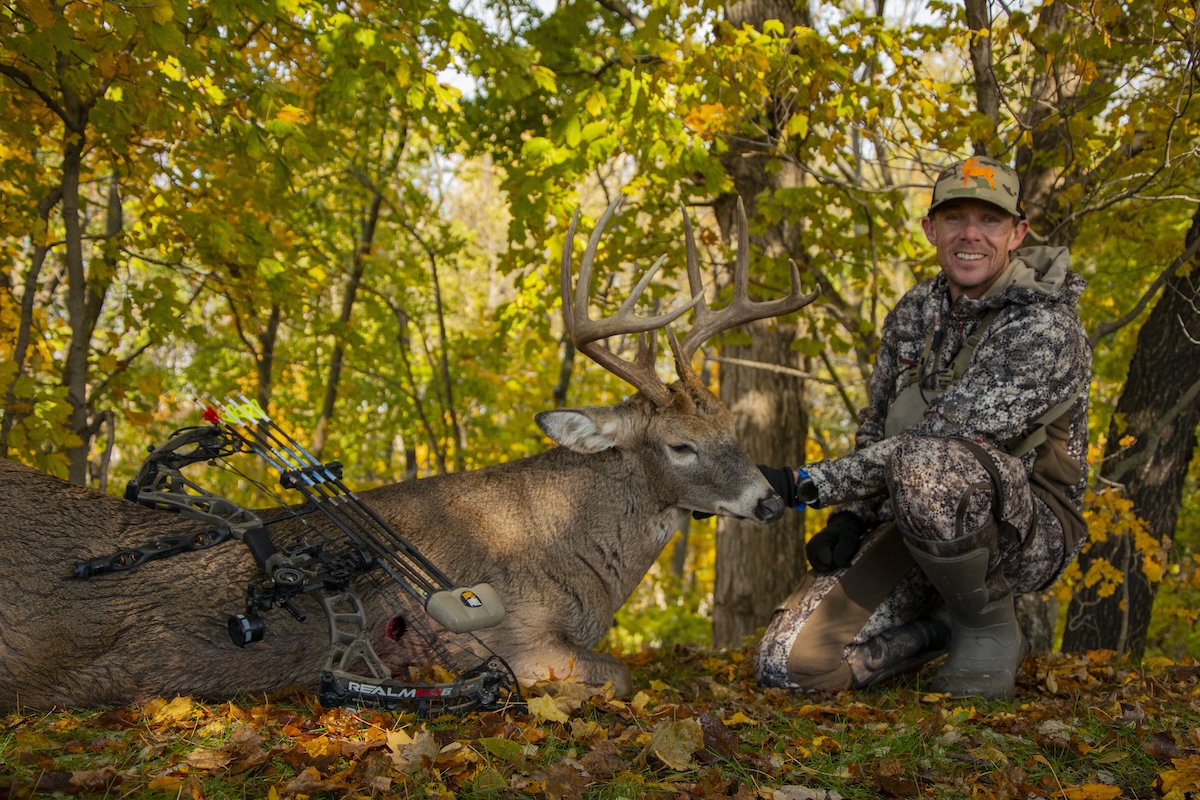
The author arrowed this brute of a buck during the early season.
Deer Hunting in October
In October, opportunities to harvest mature bucks are incredibly promising, making it prime time for many hunters. The blend of optimal weather shifts and the right food sources creates ideal conditions for deer movement, letting you capitalize on their routines before the chaos of the rut begins. Staying attuned to weather changes with tools like HuntStand empowers you to predict when bucks will be on their feet during daylight hours. Also, don’t underestimate the importance of scouting transition zones where deer feel secure moving between feeding and bedding areas. As you prepare for your hunt, a combination of strategic location choices and an understanding of deer patterns will significantly increase your chances of success. By utilizing these insights and remaining patient, you’re well-positioned to notch your tag on a mature buck this October.