


Ask seven deer hunters when the best time to hunt for a mature buck is and it’s likely you’ll get several, possibly even seven, different answers. Some, especially bowhunters, prefer the pre-rut, when deer are more predictable. Others favor the late season when rut-depleted bucks are keyed into remaining food sources. Still, most opt for the rut, that magical time when mature bucks briefly drop their guard and wander about carelessly—or so we’re sometimes led to believe. In truth, sometimes, rutting bucks evade deer hunters.
Even when they cooperate, mature bucks can be a challenge. That is, after all, how they managed to reach maturity. They still find ways to give us the slip, but by learning their tricks, you might be able to employ a few of your own. Let’s look at a few ways big bucks manage to slip through the gauntlet of hunters hiding in their favorite haunts.
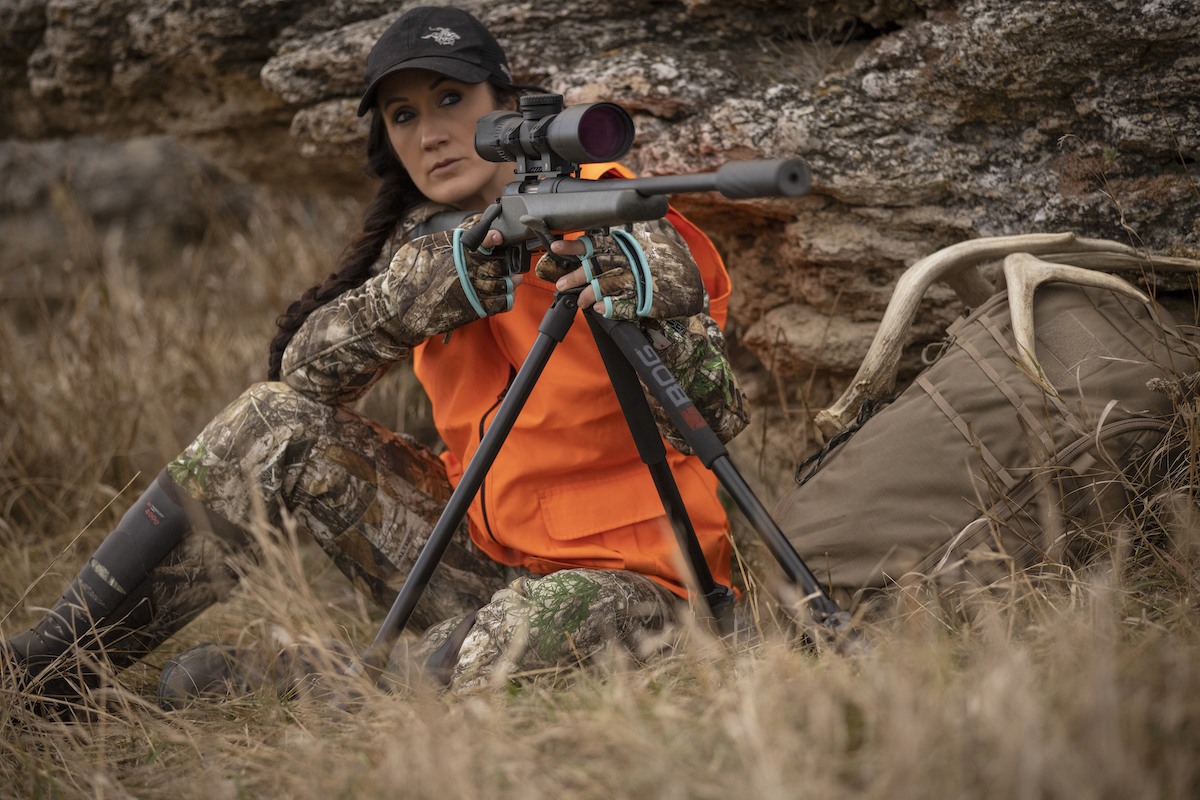

All bucks don't die during the rut, or even gun season. A lot of them evade deer hunters.
1. They Get Out Of Dodge
Biologists use two terms to describe the geographic area within which an individual deer lives. “Home range” is where a deer spends 90 to 95% of its time over the course of the year. Within that is a “core area,” where the deer spends at least 50% of its time. One study estimated that mature bucks use only 5 to 10% of their home range for core area activities throughout the year. That means they only venture outside it during the rut. Additional research has shown those rut-induced excursions can sometimes take a buck as much as 5 to 10 miles away from their core area, and they may be gone for several days to a week.
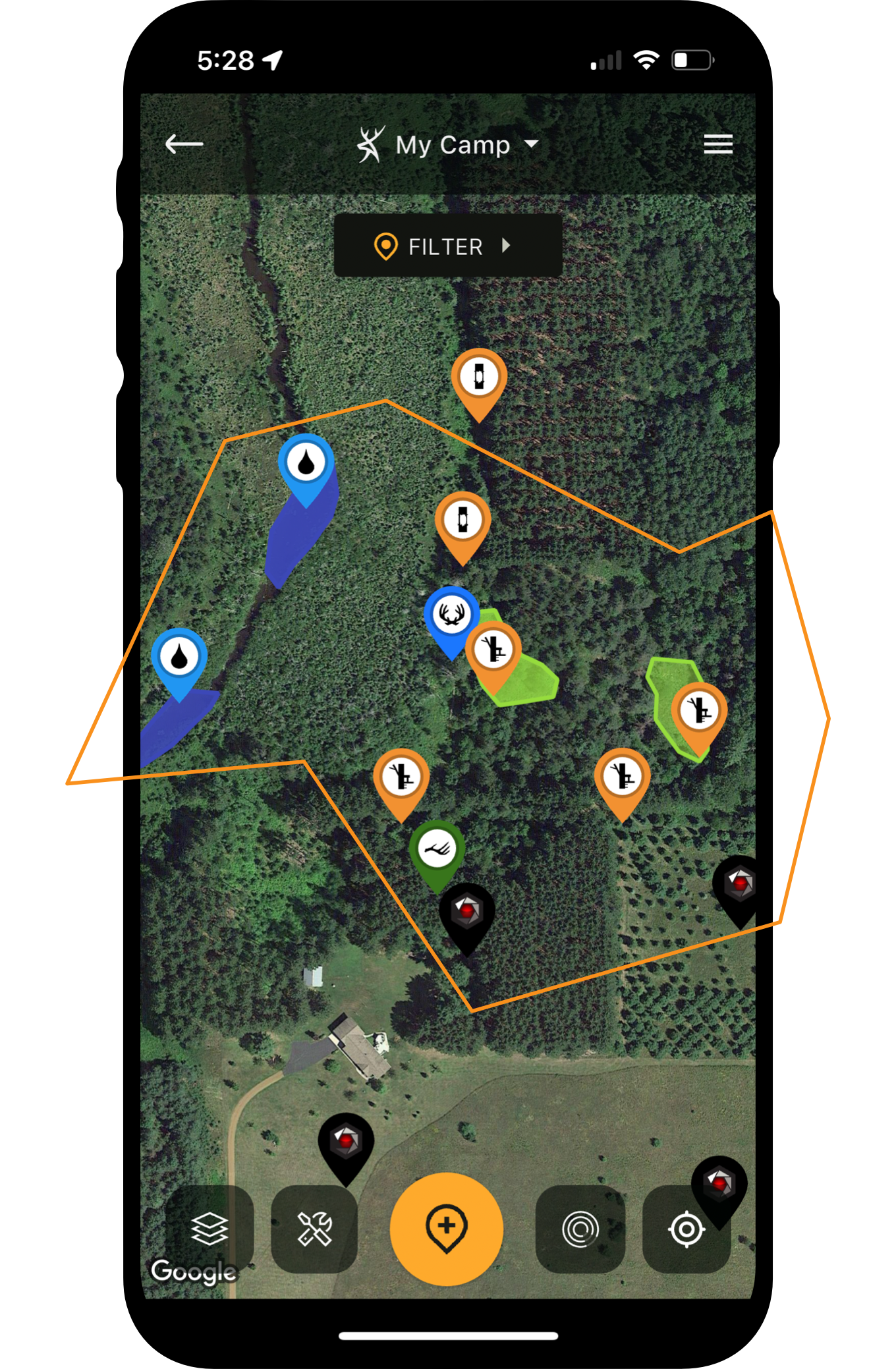
The silver lining is that while the big buck that calls your patch of woods home has left town, transients could wander through at any time. While they may not be as familiar with the vicinity as the locals, they have likely been through the area a time or two, and have some familiarity with it. They also recognize a good thing when they see it, in this case security cover. Forget the usual haunts you hunt during pre-rut, when local bucks are still in their routines. Shift your efforts to travel corridors. Use HuntStand topo map and satellite layers on your customized Hunt Area maps to identify areas that offer the easiest and most direct route, through the thickest patches of cover.
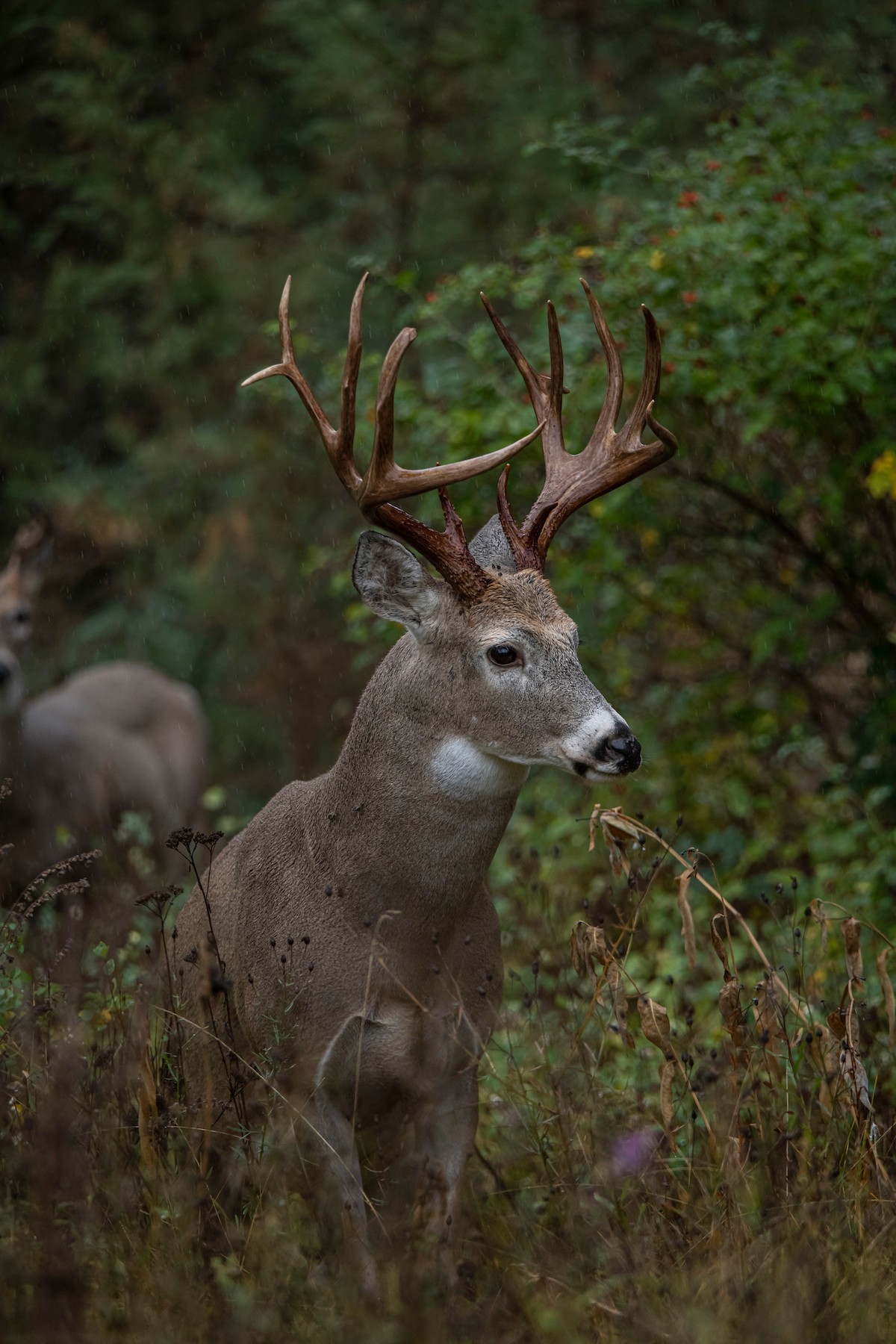
Mature bucks get old, and more savvy, with each year. They learn ways to avoid deer hunters.
2. They Lay Low
Having said all of that, research has also found that like humans, individual bucks have different personalities. While most get “happy feet,” there are always a few homebodies that rarely stray far outside their core areas, even during the peak-rut. We don’t know why. Maybe they have what they need close at hand. Maybe they identify as something different than their brethren. Regardless, they don’t stray far from home yet still somehow manage to avoid us.
There is a fair amount of research showing deer, especially mature bucks, move less during daylight, and more in denser cover as hunting pressure increases. One way to counteract that is by reducing hunting pressure, or any human activity for that matter, as much as possible. The less intrusive you are, the less reclusive they’ll be.
An alternate tactic is to recruit help. I’m not a big fan of deer drives because they represent the kind of intrusion that drives deer underground. But sometimes you’ve got to break a few eggs to make an omelet. Rather than a multi-person drive, have one or two others still-hunt through an area toward a third hunter on stand. That gives all three hunters a potential opportunity as deer will often circle around and down-wind of perceived danger. And it causes far less disturbance to the area. Use a HuntStand Hunt Area map to plot out a tactical push, concentrating on areas of security cover and escape trails.
7 Tips for Hunting the Whitetail Rut Lockdown Phase
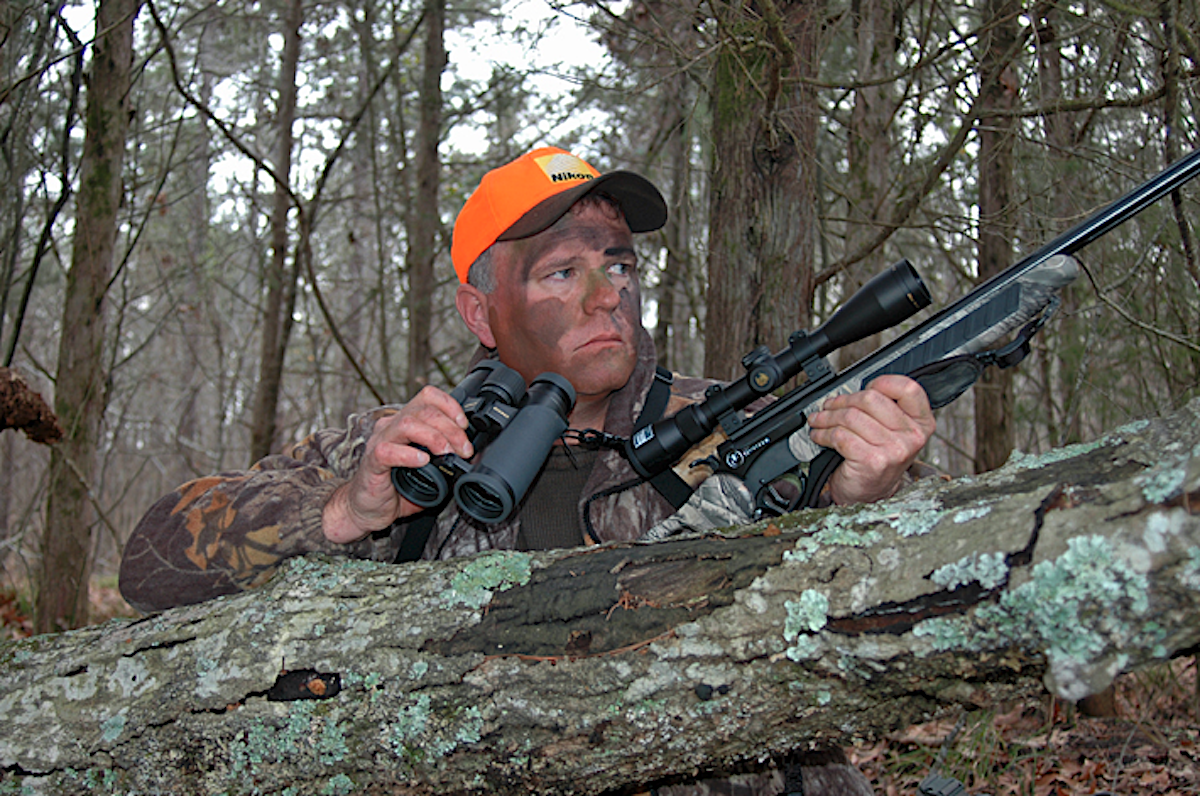
Finding overlooked pockets of cover is a great way to hunt whitetails.
3. They Pattern You
It’s in our nature, but we humans are forever trying to pattern the prey we pursue, looking for even the subtlest routine that might give us an edge. But we’re only in the woods for a relatively brief period of time during the year. The deer we hunt live there year-round. They pay very close attention to their surroundings, and over time, become masters at avoiding danger.
One study of mature bucks found that they actually learned to avoid permanent stands. In other words, they’re patterning us. When hunting mature bucks, your best odds probably lie in your first sit. Every subsequent visit brings more disturbance to the area.
There’s a couple ways to counteract this. One is to save the best locations for the best times. Don’t hunt your prime stand until conditions (weather, wind, temperature and general deer movement) are favorable. HuntStand’s Whitetail Activity Forecast, courtesy of HuntStand Pro Whitetail, allows you to see predicted conditions days into the future, so you can better pick and plan when to hunt which stand. Another is to be flexible.
Another tactic is to change locations periodically. Even subtle shifts in stand location can sometimes be enough. Hunt Zone and Map Markers can help you select specific locations. While you want to minimize disturbance, don’t be afraid to continue scouting and running trail cameras during the season. Then you can use logged sign and marked sightings to identify subtle shifts in movement.
UPGRADE TO HUNTSTAND PRO WHITETAIL
4. They Move On
While it’s rare, research has shown that bucks, even mature ones, sometimes pack up and leave their core areas for good. There’s not much you can do if they leave your hunt area altogether, but the aforementioned app entries might show you that they’ve just moved to a different part of the same property. Then you simply need to do likewise.
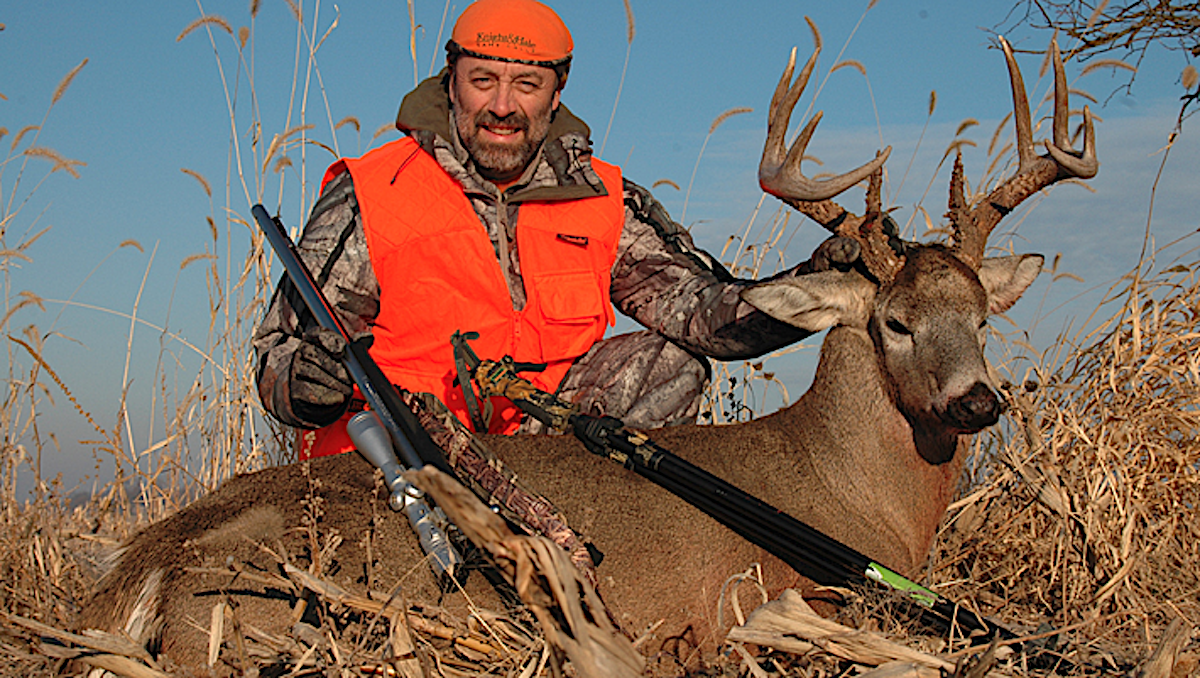
Don't forget about small pockets of bedding cover where bucks find a reprieve from hunting pressure.
5. They Move in Your Absence
Perhaps the most-important lesson I learned as a wildlife student came from a professor who told me, “When what you observe in nature differs from what the textbooks say, nature is right.” Countless hours, and years of research have all shown that deer are most active around dawn and dusk, regardless of the month, weather, moon phase or period of the rut. Ask most any outfitter from the midwestern U.S. or central Canada when the best time of day to hunt during peak rut is, and they’ll likely tell you some time between 10 a.m. and 2 p.m. You’re not going to see a lot of deer that time of day, but if you do see one, chances are good it will be a buck, and quite possibly a good one.
Again, the science is lacking, but there are some logical reasons for this. We all know peak rut is when bucks, even the wariest and wisest, drop their guard and move more during daylight hours. That’s because they’re looking for love, and have a relatively narrow window of opportunity to find it. Any minute they’re not with a doe is lost time. Odds of encountering a doe are much higher around twilight, when those does are up and on their feet. Once they settle down, bucks have to redouble their efforts, traveling farther and wider to find that which they seek. Somewhat the same applies to the hunter as well. Most adult does are bred withing a roughly 10-day window. If you want to take advantage of the peak in movement and activity, you need to be out there, regardless of what time it is.
8 Advanced Scrape Hunting Tips to Know
Here again, marked sign and logged sightings become invaluable, especially over time. It may take several seasons, but as you compile more data, you might begin to see patterns in terms of the type of conditions when deer are more likely to move. It may be certain wind directions or temperatures, or it could simply be at the times when most hunters are leaving or entering the woods.
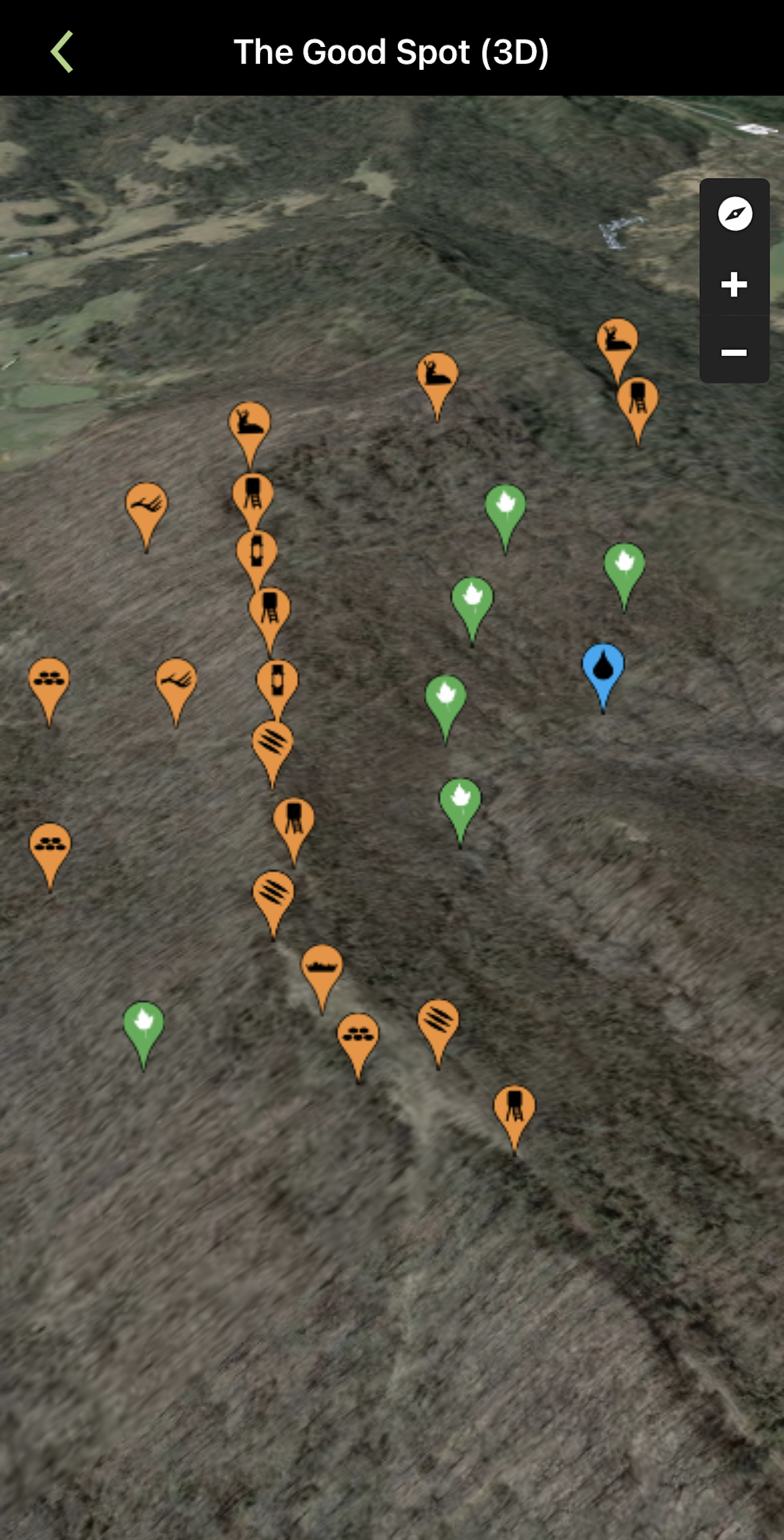
Understanding the full scope of how deer use a hunting property can provide clues on where to find savvy bucks.
6. They Use Their Nose
This one seems pretty obvious. No matter how meticulous you are with scent control (and you should spare no effort here), you’ll never be scent free. However, you can further reduce the chances of being winded by making it more difficult for deer to smell you.
Using multiple base layer maps of satellite imagery and topography, you can identify features that impede or funnel deer movement. A steep slope, a pond or lake margin, the bend in a river, even human features like fences and buildings will force deer to move in a certain way. Then check the weather, predicted wind in your Hunt Zone, and identify locations where deer will be unable to travel downwind of your location.
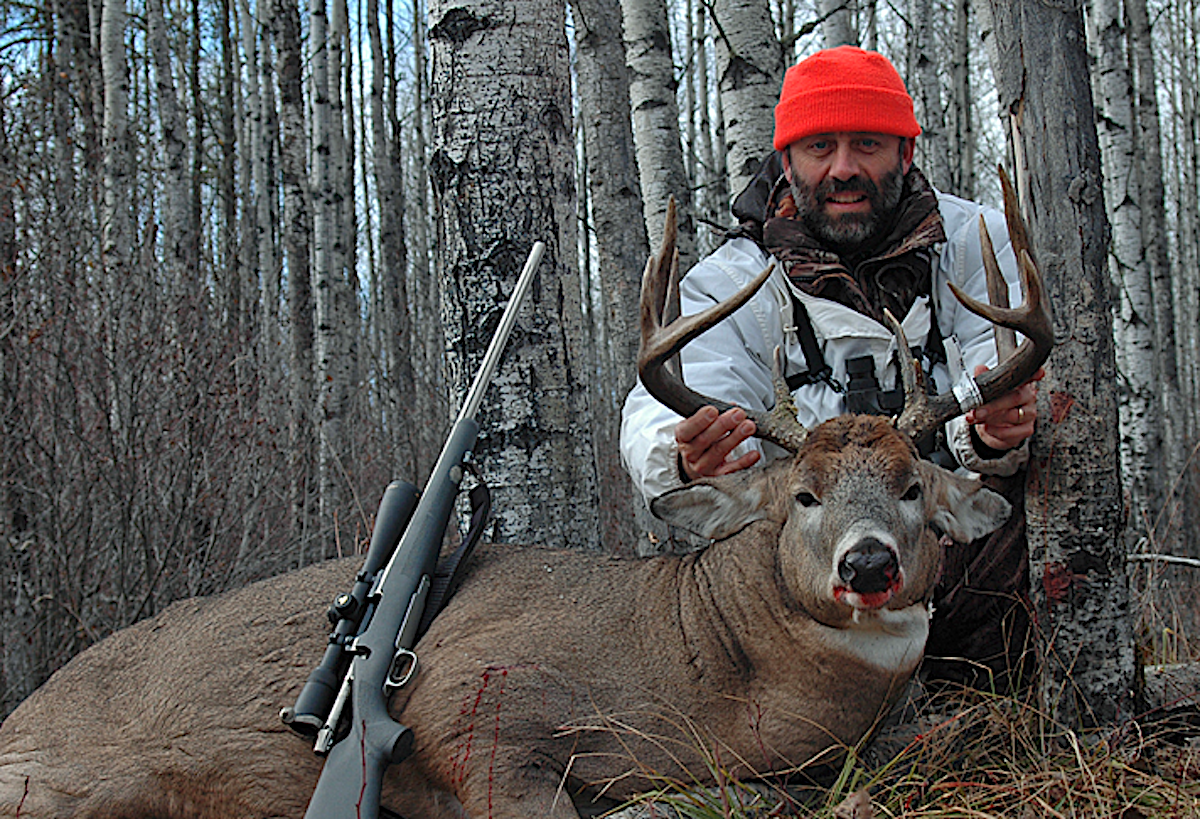
The author poses with a big monster buck that did not evade him.
7. There’s No One Home
This one’s a little different, but another way mature bucks avoid you is by simply not being present on the ground you hunt, and there are several possible reasons. A big one is that hunters don’t allow bucks in the area they hunt to reach maturity. The simple solution here is to let them go so they can grow. The time-honored mantra is true; if you want to get the big ones, you have to pass up the small ones. Use trail cameras, as well as logged sightings and harvests, to take stock of what’s out there. If there are no mature bucks you might have to be more selective, and even eat tag soup for a season or two.
Another strategy is to provide the local deer with what they need. Something as simple as a few hinge cuts (see image above) to create more bedding cover might encourage more of the does bucks seek to call your Hunt Area home. It could even coax a buck to establish his core area there. Establishing food plots and mast orchards will also encourage more deer activity.
White-tailed deer are among the most adaptable species on the planet. They learn very quickly how to not only survive but thrive in a broad range of habitats and conditions. The older they get, the better they are at finding food and cover and avoiding danger. By studying how they do that, we can sometimes gain enough of an edge to beat them at their own game.
Bob Humphrey is a certified wildlife biologist and a registered Maine guide who has hunted and studied whitetails across North American for nearly half a century.
21 Tips for Still-Hunting Deer