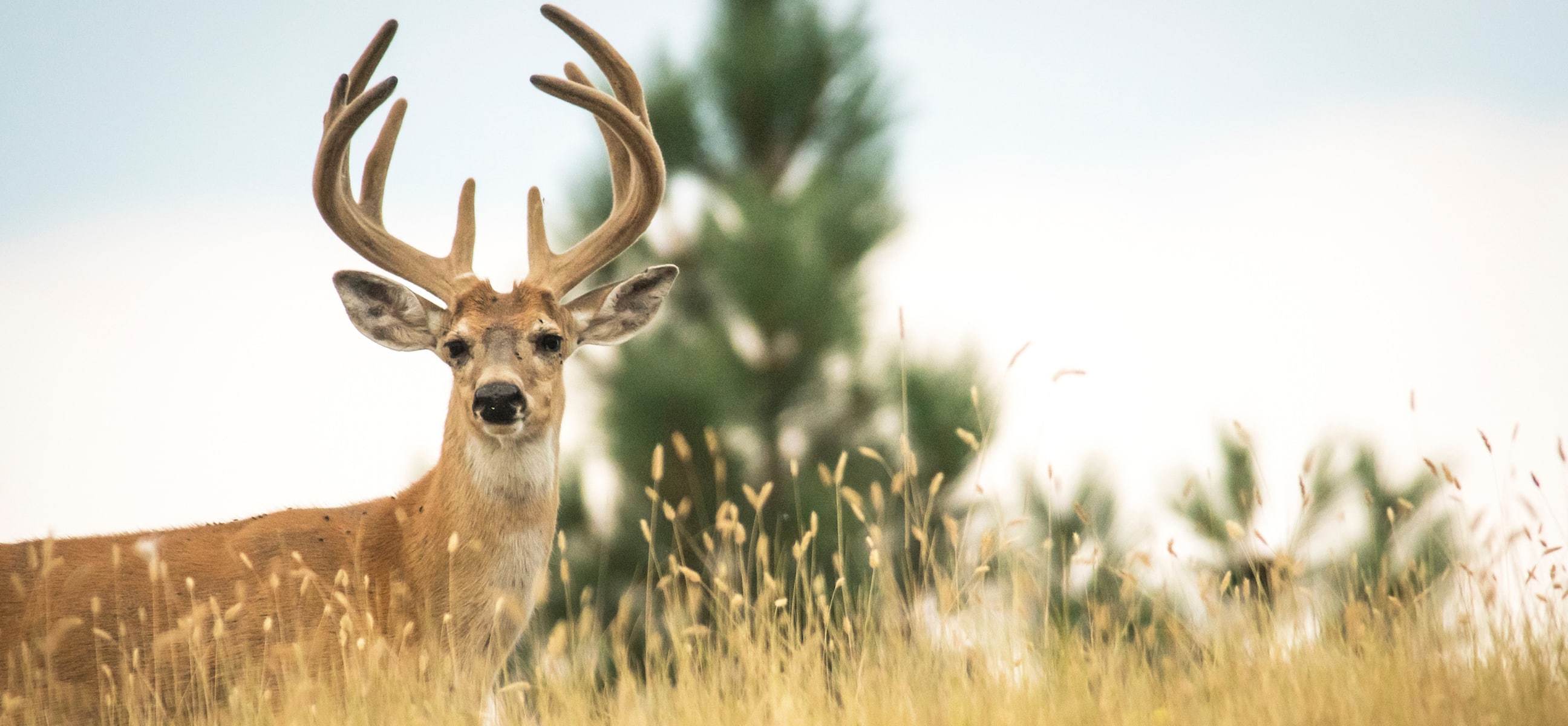






You can’t afford to turn a blind eye to trail cameras if you want to supercharge your deer scouting. Aside from bullets and broadheads, trail cameras might just be the leading cause of death for whitetails. Factor in modern wireless technology found in cellular trail cameras, and combine your findings with e-scouting in HuntStand, and your scouting efficiency can be multiplied exponentially.
Trail cameras aren’t your ticket to easy street. You still need to be a well-rounded hunter and understand your quarry. In order to take full advantage of trail camera scouting, one must pay close attention to the changing patterns of white-tailed deer. Short-, mid-, and long-term patterns influence where deer travel, how they use the land, and more. Trail cameras capture only a small window into the whitetail world, so location is everything, and your camera placements need to shift with deer patterns. Let’s break it down by month, so you can consider where to deploy trail cameras and find more deer all season.


Fine-tuning trail camera location is nearly as important as fine-tuning stand locations.
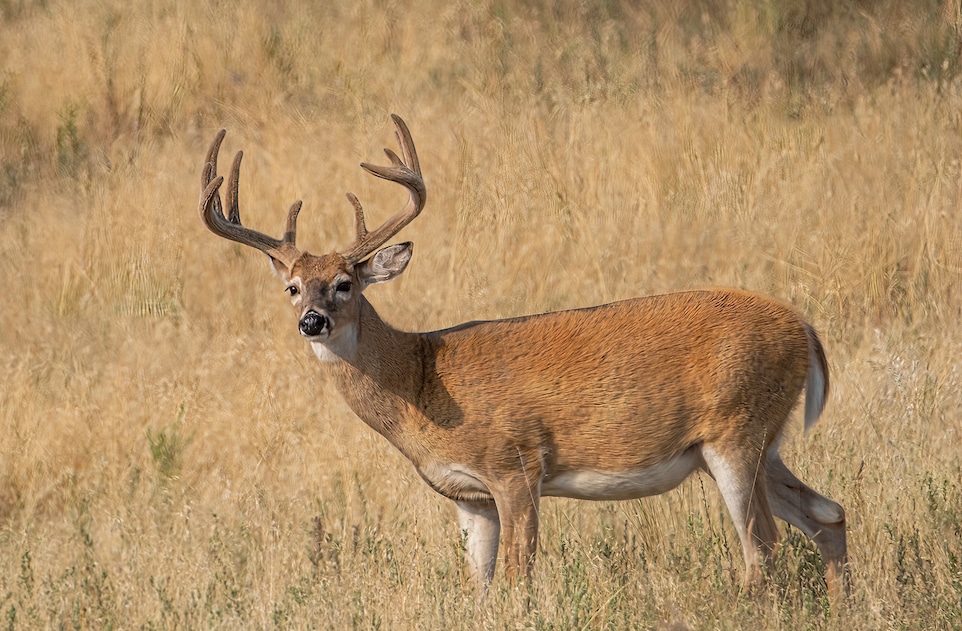
Quality summer trail camera scouting can help hunters with early bow openers.
Summer
Warm weather, afternoon thunderstorms, and growing velvet all signify summer. Bucks are in bachelor groups, racks are topping out, and deer season is nearing. Deer hunters are ramping up scouting efforts, taking inventory, and planning their season.
Summer scouting holds less value for states that don’t open deer season until late September or early October. By that point, while some deer remain in the same area all year, many deer have shifted elsewhere for fall and/or winter patterns. However, for those who kick off deer season in late August or early September, the following is far more important.
Bed-to-food patterns that occur in July and early August tend to be long-term patterns that deer follow for several weeks or months. So long as bedding areas remain un-harassed and food sources hold, deer will keep doing what they have been.
Summer bedding areas are oftentimes in areas that offer reprieve from the summer sun. This tends to come in the form of north-facing slopes (which remain more shaded), bottomlands that are cooler, near bodies of water, and within other types of thermal cover.
The Value of Summer Scouting for Deer
Food sources also vary. Where agricultural plantings exist, soybeans are difficult to pass up. Other summer sources to focus on include milo (grain sorghum) and outer edges of standing cornfields with early successional browse nearby.
Where ag doesn’t exist, green food sources are still king. The land is rich with an abundance of browse. Focus on green forbs. Learn to identify the plant species deer target most in your area. Your state wildlife agency should offer advice on this.
Pay attention to water sources. Of course, water offers an amplified tactical advantage in areas where it’s limited. Where it’s abundant, not so much. Still, deer tend to spend time around water year-round, whether it be for consumption or safety purposes.
As summer tapers off, and fall nears, some deer seasons open. Several states offer August deer hunting opportunities. Place trail cameras accordingly.
Key Trail Camera Locations: Fringes of warm-season bedding areas, staging areas, field food source edges, isolated watering holes, etc.

September is all about finding the warm-season bedding, high-protein food sources, and capitalizing on bucks that haven't been pressured yet.
September
Summer is nearly gone, and September is summed up in several points. Of course, some states’ deer seasons open in September. To that point, patterns that exist in August often carry over into September. As these patterns subside, bachelor groups break apart and deer settle into their fall ranges.
Bedding areas are shifting as well. As hunting seasons open, and hunters pressure deer, some whitetails seek out better bedding cover that offers security advantages. If deer are vacating summer bedrooms, it might be a result of this.
It also might be changing food sources. September is a time of significant food source shifts. Soybeans are starting to turn yellow. Deer still eat yellow soybeans, but they don’t seem as appealing.
Plus, the first acorns are dropping. Generally, white oaks drop theirs before members of the red oak family. Plus, white oak species are favorites, as these acorns have less bitterness due to lower tannin levels. The oak trees with round lobes on the leaves are the ones to target in September.
Where soft mast exists, falling fruits are whitetail magnets. Persimmons are usually the first to fall. In some places, early apples, pears, and plums might hit the ground as well. Furthermore, deer are still targeting browse species. Forbs are still relevant. And continue to focus on water where advantageous.
Key Trail Camera Locations: Summer and fall buck bedding areas (as being used), staging areas, field food source edges, white oak acorns, soft mast, isolated water sources, etc.

October requires a slight shift of attention to new bedding areas and food sources. Generally, this is within thicker cover.
October
As October arrives, deer continue to settle into fall ranges. Bucks that haven’t already should do so within the next couple weeks. Testosterone levels continue to rise. This is gearing up bucks for the rut, producing increased levels of rubbing, scraping, sparring, and even all-out brawling.
Key bedding areas continue to change as well. In areas where whitetails have been pressured, thick, nasty cover is the ticket now. Of course, as green things turn brown, higher stem counts are needed to make deer feel safe. This comes as early successional habitat. Other potential places include oxbow bedding areas, marshes, swamps, leeward ridges, etc. Oftentimes, during this phase, bucks bed in the thickest bedding areas and those close to higher ground.
Food sources continue to change during October. Deer are consuming increased levels of dryer foods each day. While a few remaining pockets of green soybeans can really draw deer, most whitetails have pulled off these fields. Some are transitioning to cut cornfields. And, where present, green food plots, such as brassicas, are seeing more attention (especially after the first hard frost). Furthermore, deer are hitting secluded food sources. White oak acorns are hot right now. Some red oak species are falling, too.
Scouting and Installing Water Sources for Deer
Naturally, deer are still eating browse. It composes most of a whitetail’s diet throughout the year. Still, as some food sources dry up, deer begin to eat slightly less green forbs and more woody browse.
Testosterone levels are increasing, so bucks are marking up the landscape in frustration. Hot and heavy buck sign indicates frequent travel, as deer are still on a pattern. This can result in rublines that tend to dot trails between bedding areas, food sources, and water sources.
Scrapes will appear along these routes, too, but won’t create “scrape lines.” (That’s a common myth.) Instead, historical community scrapes will occur where they always do. Others will open on the fringes of bedding areas, in staging areas, close to water sources, on food source edges, etc.
While some deer aren’t pressured enough to avoid primary trails, others are. In this case, secondary trails can produce. These won’t see a lot of deer movement. However, when they do, it’s likely to be a big buck.
Key Trail Camera Locations: Fall bedding areas, staging areas, field food source edges, white oak acorns, red oak acorns, soft mast, concentrations of browse, isolated water sources, community scrapes, funnels and pinch points, etc.
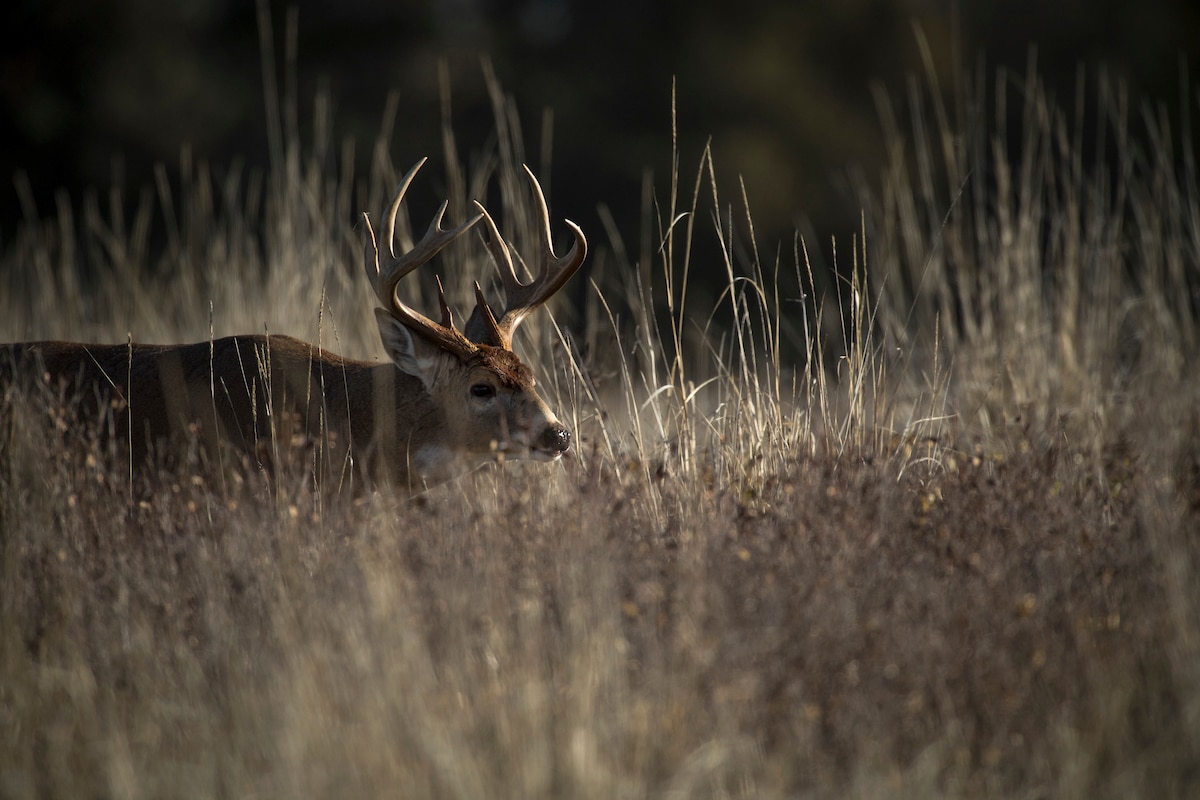
November brings the rut, and the rut demands a very unique trail camera game plan.
November
The best month of deer season is here. November births opportunities that many hunters wouldn’t see without it. In some ways, it randomizes the deer woods, and in others, levels the playing field. Deer hunters find themselves in a far different world than the previous weeks and months.
While some very old, mature bucks might continue to bed down in the secure areas they feel safest, a lot of 1 ½- to 4 ½-year-old bucks are focusing on doe bedding areas. Doe family groups tend to inhabit different areas, and during the rut, bucks move from one to the next in search of receptive females.
While mature bucks don’t completely throw caution to the wind, a lot of bucks that are 4 ½ and younger will move a good bit during daylight. Older bucks oftentimes minimize daylight action, even during the rut, but still daylight walk on occasion.
How to Find Killer Deer Hunting Funnels
Because of this, to target bucks that are middle aged and younger, benches, crossings, funnels, pinch points, saddles, and doe bedding areas are excellent places. To target the oldest bucks in the herd, buck bedding areas, doe bedding areas, and weird rut spots where smart bucks push estrus does to avoid other bucks, are all great areas to remember.
Continue to focus on the two core elements of food and water. By now, both greens and grains are big-time food sources, as is woody browse. And certainly, remember water. Deer move more during the rut than any other time of year. They also drink more water during this time.
Key Trail Camera Locations: Fall buck bedding areas, doe bedding areas, staging areas, field food source edges, hard mast, soft mast, concentrations of browse, isolated water sources, community scrapes, funnels and pinch points, etc.

By December, gun seasons are already open, or soon will be. Hunting pressure has or soon will push deer into new areas.
December
In some southern states, the rut ranges from August to early March, location depending. Check out the nationwide rut map in HuntStand to see the most detailed breakdown of rut dates throughout the country. For most of the nation, December marks the end of the primary rut and arrival of the secondary rut, which occurs 28 days after the peak of the primary rut. Generally, while most does aren’t missed during their first cycle, some are, especially in areas with skewed buck-to-doe ratios. Plus, some younger does enter estrus later in the year, oftentimes in December or January.
As expected, bedding areas are changing. Bucks and does alike are hitting areas that offer the best cover. In higher pressure areas, deer tend to seek out sanctuary cover that went overlooked throughout the season. These are often locations with high stem counts that serve as a visual shield. Specific areas to consider include solar bedding (south-facing slopes), thermal bedding (dense stands of conifers), clear-cuts with plenty of horizontal cover, marsh and swamp interiors, leeward ridges, and more.
Shocking Whitetail Research Discoveries
Food sources continue to change. A lot of the green food sources are gone. Deer are focusing on remaining pockets of hard mast (largely red oaks), waste grain, standing crops, woody browse, etc. Deer require better bedding areas to survive hunting season and winter weather, and as food sources continue to dwindle, this pushes deer herds into tighter and tighter areas. At this point, some hunt areas hold few deer, or many deer, situation depending. Once again, remember water—it’s continually important.
While some deer seasons end in December, others continue into January or February. Deer hunters in these places can rest assured that December concepts and tactics will remain relevant for deer hunting in January and February. Some of the greatest hunting can be found when deer settle into their reliable winter patterns.
Key Trail Camera Locations: Winter bedding areas, staging areas, crop field edges, red oak acorns, soft mast, concentrations of browse, isolated water sources, etc.

Soaking cellular trail cameras in bedding areas is an excellent tactic.
Bonus: Soaking Trail Cameras in Bedding Areas
Some of the most effective trail camera locations I’ve ever implemented were on the fringes of bedding areas. These aren’t areas that can be checked in person. Even one or two trips to pull SD cards will alert deer and cause pressure problems. This is where cellular trail cameras can become your best friend. Load your cell cams with lithium batteries or solar battery packs, get them set up early in the season, and leave them alone.
If you’re running non-cell cams, the same strategy applies, except you won’t be able to retrieve images until the end of the season. This is still useful intel. Pull the cards at season’s end and log all the meaningful deer movements in HuntStand.
There are many lessons to be learned from soaking trail cameras in bedding areas. Some I’ve benefitted from include:
General Bedding Habits
- Whitetails spend most of their time bedded (up to 70%).
- Hunting pressure influences bedding area usage.
- Deer spend a lot of time grooming while bedded.
- Bucks usually enter the core of their bedding area with the wind in their face.
- Bucks tend to bed with the wind at their rear.
- Beds incorporate some level of visual horizontal cover, such as a log, rock, brush, etc.
- Does bed in groups all season long.
- Bucks bed with bachelor groups, and when these bust up, tend to seek solitude.
- Whitetails sleep in a variety of positions (including sprawled out on their stomach, lying on their sides like a dog, or even lying with their head flat on the ground).
Geo-Centric Factors
- Not all bedding areas are created equal. Some are used for short periods. Others are used for longer.
- Certain parts of bedding areas get used more than others. Topography and terrain greatly influence this.
- Buck beds are oftentimes used under specific conditions, such as time of year, wind direction, and situational circumstances.
Individual-Specific Tendencies
- Bucks express unique traits and tendencies, ultimately creating a sense of personality.
- Bucks showcase certain habits, which can open tactical doors and opportunities.
- Certain bucks prefer specific bedding areas.
- Some bucks move more than others during daylight.
- Bucks tend to repeat similar behaviors year over year.
You learn a lot from observing behaviors in bedding areas. These things should be remembered when planning trail camera locations, plotting stand locations, and implementing hunting tactics.
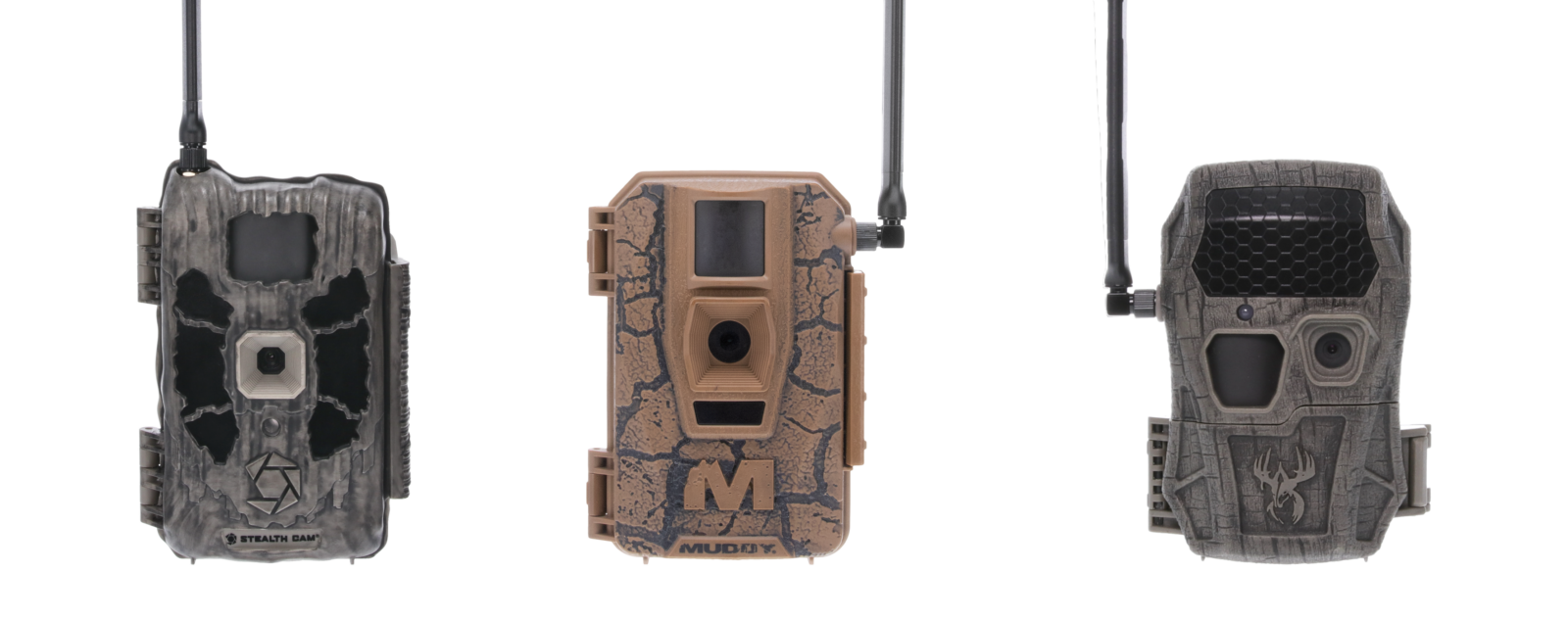
Selecting Cellular Trail Cameras
Stealth Cam Deceptor No-Glo: The Stealth Cam Deceptor No-Glo is a top-shelf cellular trail camera that’s loaded with the best new tech. It captures 40-MP photos and 1440p videos (with audio) at 30 FPS. The detection range is 80 feet with a NoGlo LED flash, and trigger speed is under 0.4 seconds. Remarkably, the Deceptor offers On-Demand photo and video capture, allowing you to receive photos or videos almost instantaneously with the press of a button, sent directly to the Command Pro app. The Deceptor employs Artificial Intelligence (AI) to automatically recognize species for easy photo filtering, and you can use the Night Image Color AI toggle to transform black-and-white nighttime images to full color. Staying connected is more reliable than ever, as the camera automatically chooses the strongest available cell signal through Verizon or AT&T networks. All that at a shockingly reasonable price of just $129.99.
Muddy Mitigator: The Muddy Mitigator cellular trail camera is all about bang for your buck. It gets an “A+” for affordability, while retaining a high grade on the core features that put you on deer. At $79.99, this is an ideal choice if you want to dot the landscape with cell cams. It’s a photo-only camera that snaps crispy 24-MP images with an 80-FT detection and flash range. Similar to the Stealth Cam Deceptor, the Mitigator offers on-demand photo capture, AI species recognition and nighttime image coloring, and automatic connection to the strongest cellular network.
Wildgame Innovations Encounter 2.0: If you’re dead set on photo and video capture, the Encounter 2.0 is another great cellular trail camera offered at a budget price point of $99.99. It takes up to 26-MP images, and shoots 720p HD video (without audio) with an 80-FT detection and IR range. Trigger speed is less than 0.5 seconds. Review images with the HuntSmart app.
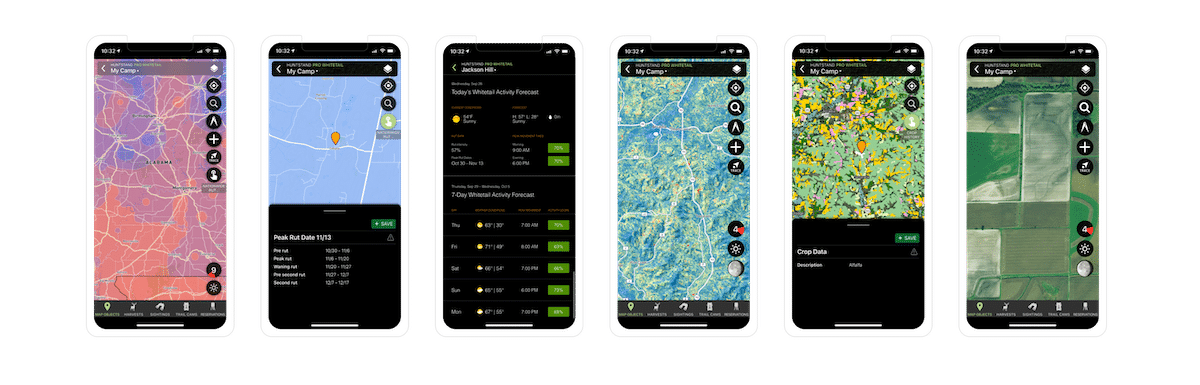
An App for That
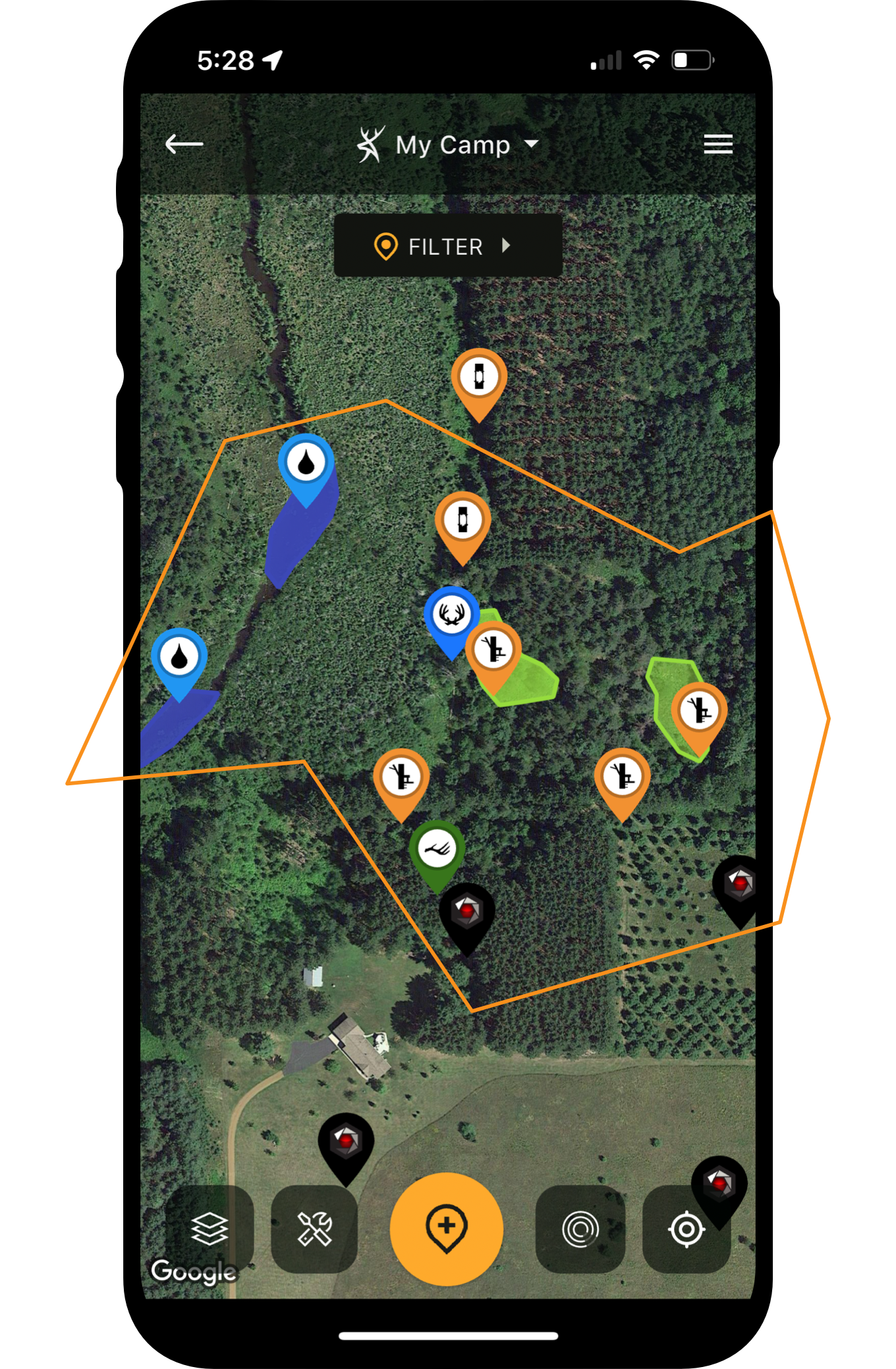
As someone who runs more than 50 trail cameras each year, it’s nearly impossible to remember where all are located. I’ve lost cameras due to forgetfulness. HuntStand’s trail camera management tool solves that issue.
Marking all your trail camera locations in HuntStand helps you to stay organized, and even refine your camera placements. It’s much easier to get a full picture of your scouting intel by viewing cameras, sightings, aerial imagery, and all pertinent observations in one place within HuntStand. This helps to visualize camera concentrations, and reveal holes that might be inn need of a cam.
Of course, where one places trail cameras varies greatly based on property attributes. Some properties might exhibit some of the qualities outlined above, but probably not all of them. It’s important to study a tract of land, determine its strengths, note its weaknesses, and plan accordingly.
HuntStand’s many app layers help hunters dissect the land in different ways. The Hybrid, National Aerial Imagery, Satellite, Mapbox Satellite, and Whitetail Habitat Map layers help find traditional trail cam hotspots that revolve around bedding areas, food sources, and water sources. The 3D, Contour, and Terrain layers are ideal for selecting trail camera locations that are topography-centric. And the Monthly Satellite, Crop History, and Nationwide Rut Map are superb layers for identifying key spots that might peak at certain times of the year. If these tools sound useful to you, consider upgrading to HuntStand Pro or HuntStand Pro Whitetail. Then, deploy trail cameras with monthly seasonal factors in mind.