



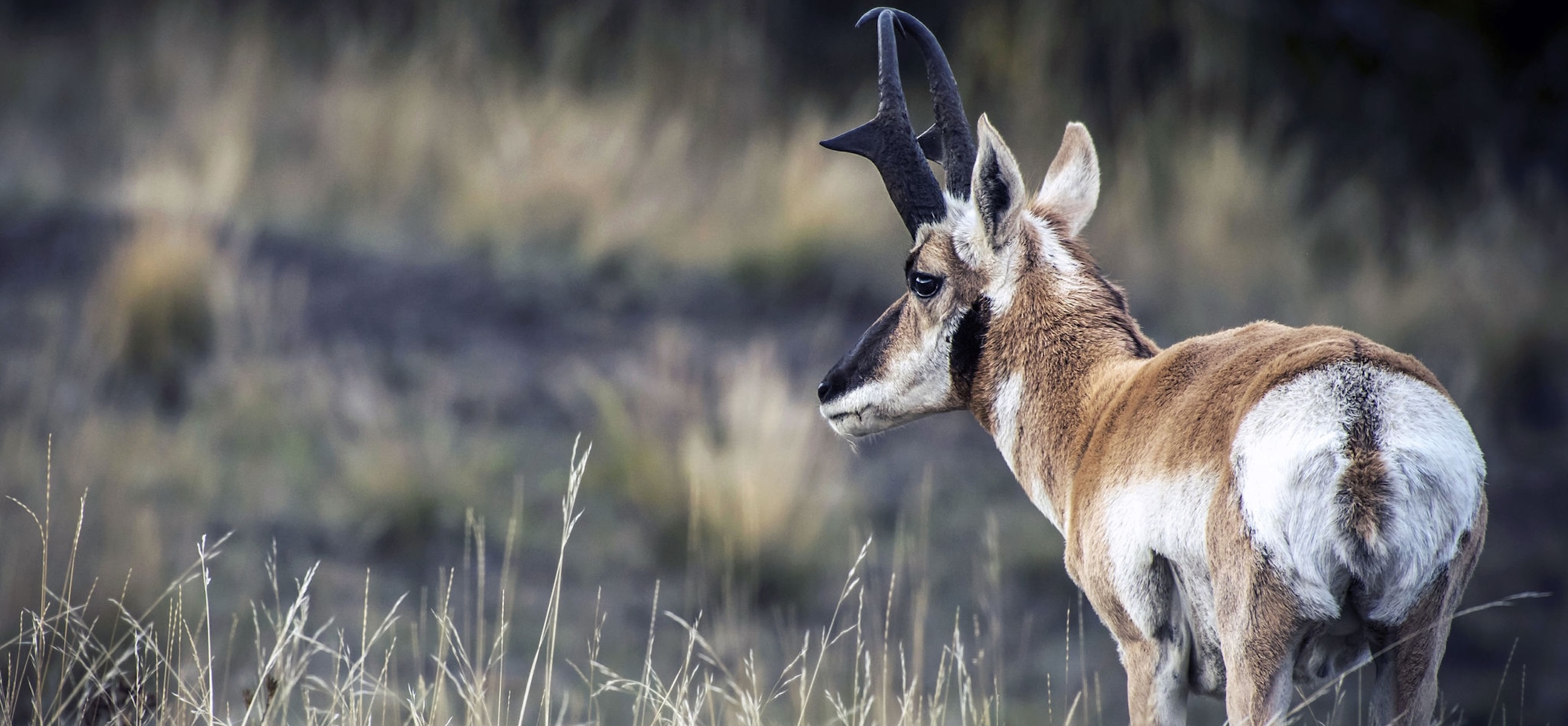
I don’t know if it’s his tendency to stand in the wide open during the middle of the day. Or perhaps it’s his ability to create a sudden mile of distance between us in roughly the same amount of time it takes me to curse under my breath and wipe the lenses of my binoculars clean with a shirttail. It might be his more-than-passing resemblance to a few African critters.
I don’t know what it is.
What I do know is that pronghorn have their hooks in me and I can’t shake the draw of bowhunting them. And it’s not the suffocating confines of a waterhole blind that calls to me every August … that stuff is for a different kind of hunter. I want the open prairie and the challenge of beating the best eyes in the business on even ground.
Spotting and stalking antelope with a bow is a lesson in humility 99 percent of the time. Failure on the prairie is different than in the deer woods or the elk mountains, because with pronghorn you can always see the damn things. They are always there, tan-and-white and always on the cusp of deciding they’ve had enough of your crawling in their general direction.
That one percent of the time though, when they’ve fed into a draw or maybe too close to a bit of crouching-hunter-height sage brush—are the times that deliver a feeling of serious accomplishment. And if your arrow flies true, more reward comes in the form of some of the best game meat on the planet.
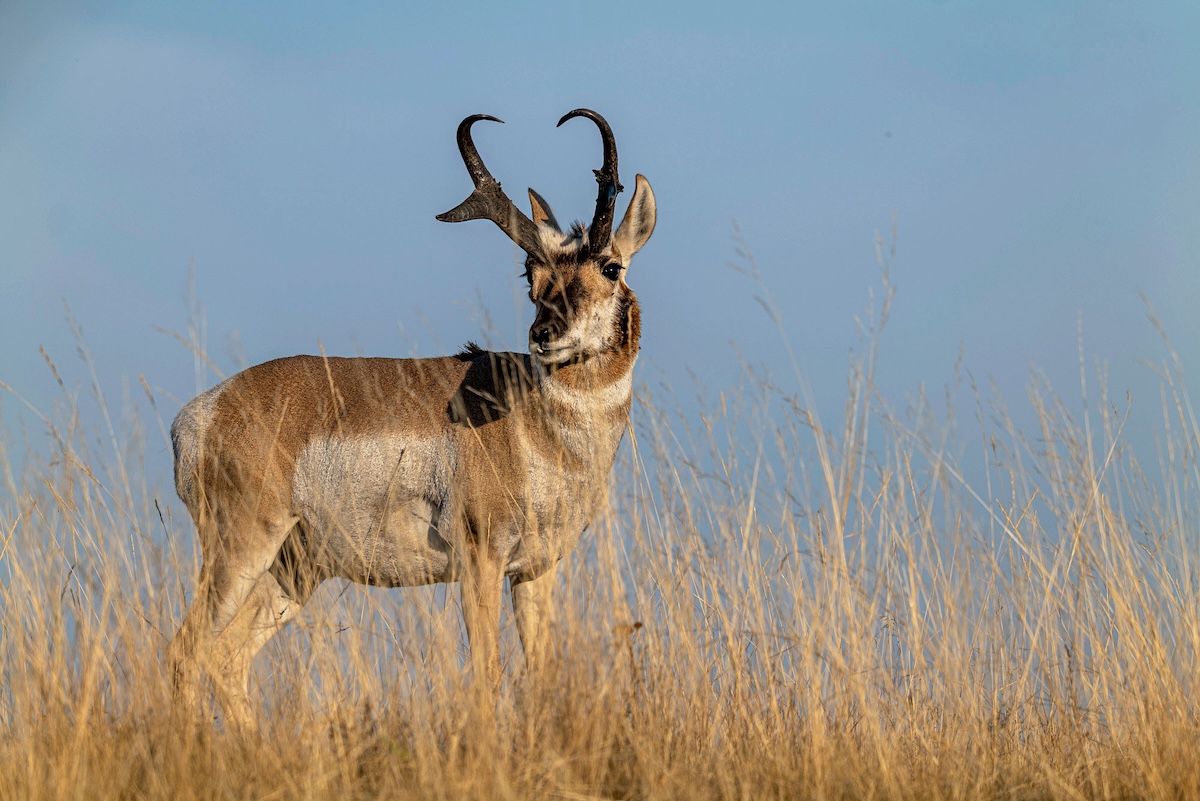

Plan now for a great late-summer adventure.
Plenty of Room to Roam
The beginning of a proper pronghorn hunt should start with finding a place to hunt. Guided hunts are pretty common, but the beauty of antelope in my eyes is that they are available on public land in good numbers, in several states. Tapping into the HuntStand property boundaries feature will show a staggering amount of public lands in many prime pronghorn states. But where to focus? National Grasslands throughout the west will have decent populations of antelope, and in most states, easy-to-obtain tags. Better yet, a nonresident antelope tag will cost you much less than a typical deer or elk tag.
Shadeless Camps Are Standard
On most of that public land you’ll be able to pitch a tent and declare a temporary home wherever the mood strikes you. The downside is that open fires are almost always a no-no, given the timing of the antelope season and the arid land they inhabit. A propane stove on the tailgate of a pickup will work just fine for meals, and quite frankly, during most antelope hunts you’re not going to want to sit by an open fire anyway. If you’re not a hunt-all-day kind of bowhunter, invest in a battery-operated fan for your tent to make midday naps somewhat tolerable, and packing some type of portable canopy can also help, delivering some welcome shade.
Hunting Pressured Fall Black Bears
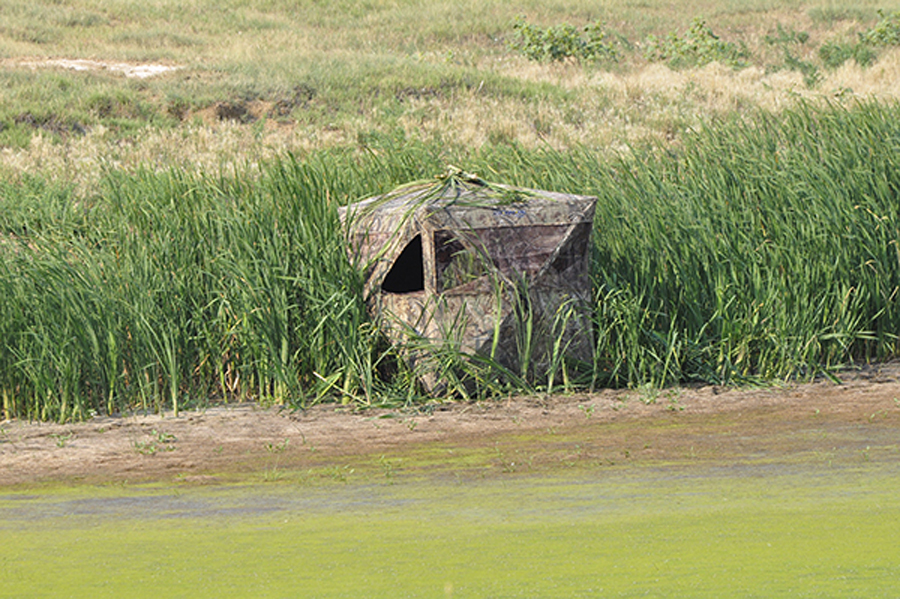
Set up shop on key waterholes.
Can’t Beat the View
Sunset on the prairie tends to be an awe-inspiring event. Ditto for sunrise. If you’ve watched the sun set, you’ve probably also watched a few pronghorn doing their thing. After breakfast the next morning, get back on them. They’re usually pretty easy to relocate in the morning, and that means when you’re laying in the tent thinking of the goats you watched at dusk, you know that you’re going to be in the game right from the get-go in the morning. It can be tough to sleep and easy to rise with the alarm, which is how all hunting should be.
Prepare to Get Busted
If you’re of the easily discouraged variety of hunter, you might want to stick to the whitetail woods, because pronghorn will beat you far more often than you beat them. Stalking them with a bow is no joke. Prepare to get busted—a lot. After a few blown stalks you’ll start to realize that even though the antelope are visible, they aren’t always approachable. Learn to find the goat that has somehow tipped the odds in your favor, and spend your time on him. And go slow. Even when they’re on their feet and feeding, pronghorn don’t move around as much as it might appear. That is, of course, until they decide to go somewhere—and then they’ll be gone.
Hunting Elk During Gun Season
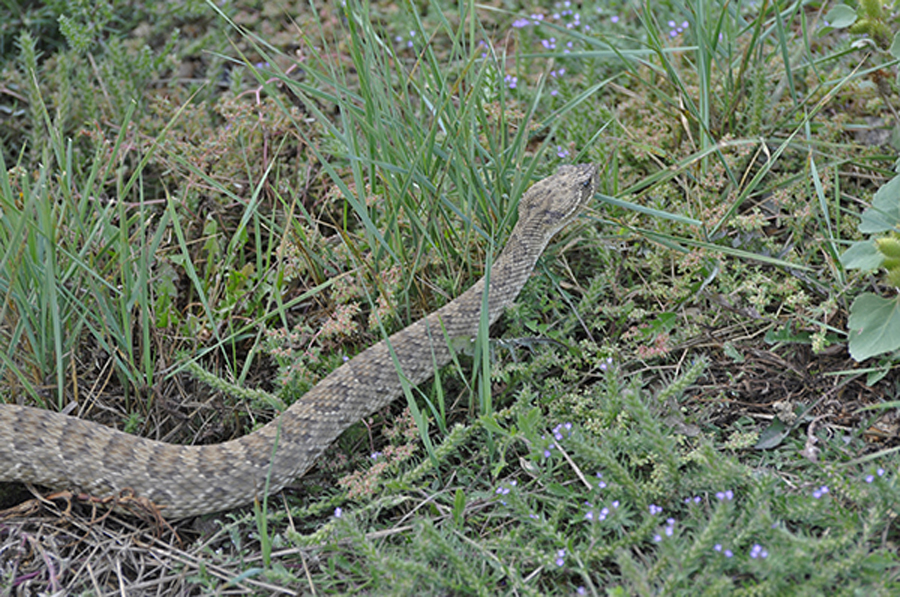
Watch out for unexpected challenges during the hunt.
Hunt for the Adventure
A big goat will sport horns of at least 12 or 13 inches in height, and anything larger than that is a serious bonus. And now for the reality check. A “good” goat on public land, taken by spotting and stalking with archery equipment, will be any goat. If your tag is good for either sex, stalk every pronghorn you can. If you’re looking for the boys, stalk every legal buck you can. This is not the type of hunt to be picky on, especially if you’re new to pronghorn hunting. If you decide it’s the Pope & Young recordbook or nothing, you’ll get in very few stalks and are almost guaranteed tag soup. My advice? Lower your standards, hunt everything and have fun.
Beware the Pitfalls
It’s easy to look at the wide-open western prairies and assume there isn’t any danger out there. This, unfortunately, isn’t true. I once showed up to a new area in South Dakota and pitched a camp in the dark. When I awoke before sunup I realized I was surrounded, and I mean surrounded, by ornery hump-backed bulls. The whole pasture was covered in them, and they didn’t particularly like my intrusion into their buffet. Rattlesnakes are also another concern, and I’ve had enough close calls to realize that it’s always a good idea to give the potential of such an encounter some respect.
How to Plan for Public-Land Elk Hunting
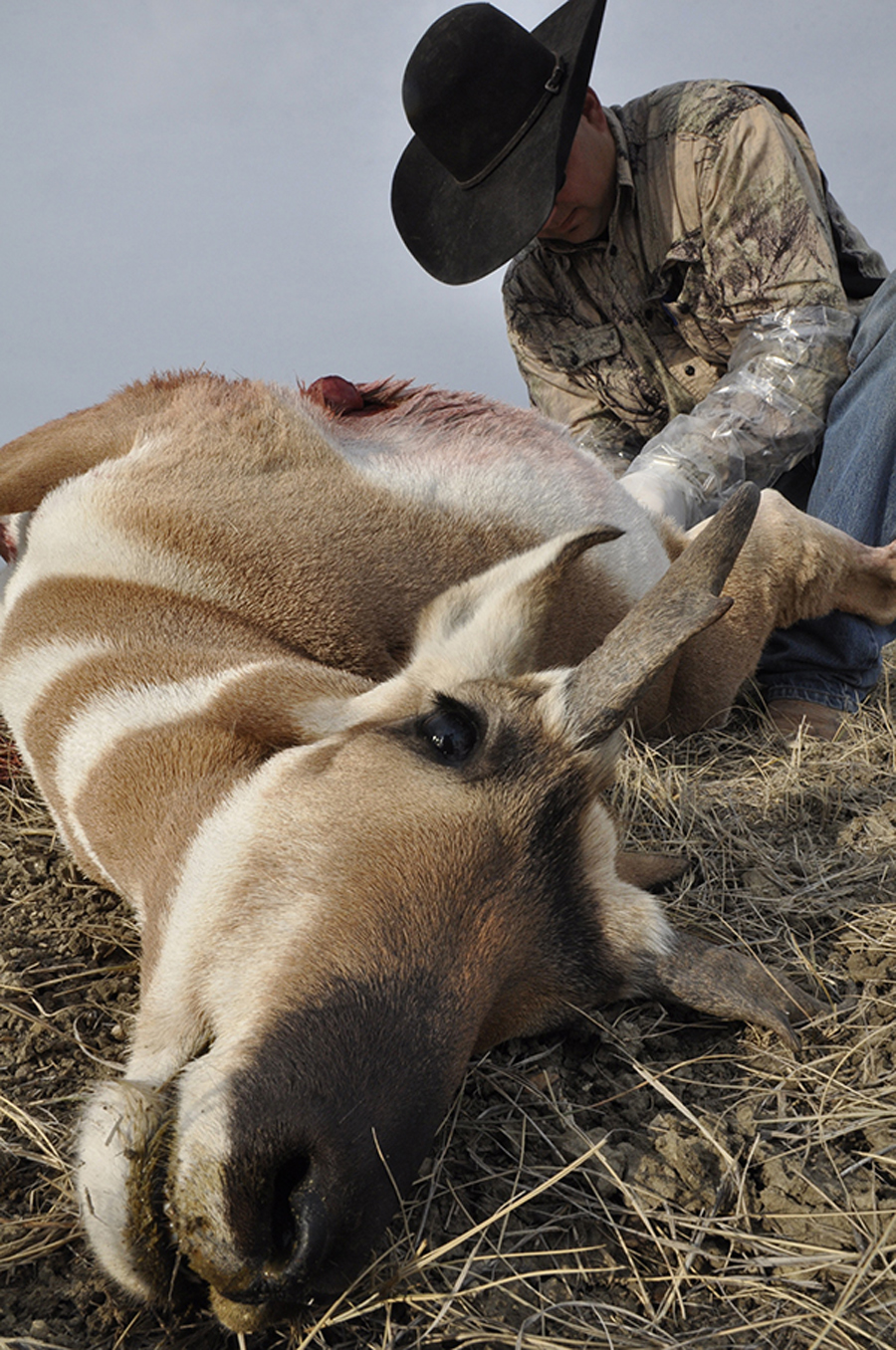
Work hard, and you'll get a goat of your own.
Making the Shot
Here’s another pronghorn bowhunting reality check: If you’re accuracy is good out to 20 or 30 yards but sketchy any farther out, you’re not ready for antelope. Some folks will say there’s no need to shoot farther than that, but those folks also tend to live in pronghorn country and either have unlimited time to spot and stalk, or they’re ambush hunters. Most of my pronghorn shots have been between 30 and 60 yards. That’s reality, and you better be very comfortable with leaning on your rangefinder often and shooting off of your butt or knees. The upside of the longer shots is that pronghorn at that distance aren’t string jumpers, and they’re designed with an excellent demarcation line on their sides on which to focus your aim.
The Ambush Option
During one particular (and somehow still-memorable) hunt I got my tail kicked so badly while spotting and stalking that I resorted to sitting a blind on a waterhole. The 12 hours I spent in the confines of that pop-up were terrible, and while I did have a pair of antelope come in, they never offered a shot. It was 30 seconds of excitement and the rest was torture. I might have killed one if I had waited it out, but I want to have fun when I’m hunting and that wasn’t fun. Spotting and stalking, while much more difficult, is also much more enjoyable. If, for whatever reason, you can’t handle another day of watching white pronghorn butts disappear in the distance, try the blind thing. You’ll see what I mean.