




As daylight hours grow longer, gobblers are starting to feel frisky. It’s time to see what spring might have in store for turkey hunters throughout the nation. Here’s the 2026 spring turkey season forecast, with information on the latest turkey population details, projections, and trends for the Northeast, Southeast, Midwest, and West.

Northeastern turkey hunters should expect a good season ahead.
NORTHEAST TURKEY SEASON FORECAST
The Northeast is a turkey hunting stronghold. This year, each state has something to be excited about. But Maine, Maryland, Pennsylvania, West Virginia, and others, are leading the charge.
Connecticut
Connecticut is a small state, but is has about 35,000 turkeys and 5,000 turkey hunters. According to the NWTF, nearly 1,200 turkeys were killed last season. This year, expect similar results. The regular season spans April 30 to May 31. With affordable license and tags structures, it’s a great northeastern turkey hunting state. This year, due to ongoing research efforts, hunters should be on the lookout for banded turkeys, especially in key locations. You can shoot up to five bearded turkeys.
Delaware
Delaware isn’t a big state, but it offers a flock of about 5,000-7,000 turkeys. The harvest usually comes in around 500 to 1,000 birds. Hunters who secure a license and tag, and who find a place to hunt, have won half the battle. (Lottery hunts apply.) The bag limit is one turkey. This year, the season dates are April 11 to May 10, 2026. You can shoot one bearded turkey.
Maine
Most don’t think of Maine, but it’s an excellent state for turkey hunting. Less than 20,000 turkey hunters hit the woods each spring, and more than 75,000 birds roam the landscape. Locate the better hunting and higher flock densities in the southernmost counties. In some zones, hunters can take two longbeards. In others, the bag limit is one bearded turkey. In 2024, more than 6,600 birds were tagged, and in 2025, nearly 7,000 fell. Weather permitting, hunters should expect a similar outcome this spring. Regular season spans May 4 to June 6, 2026.
Maryland
Maryland has a flock that’s about 40,000 to 50,000-strong. Each year, hunters bag about 4,000-5,000 turkeys. The 2026 turkey season is April 18 to May 23. The season bag limit is two turkeys. If you can find some public ground holding birds, or private land access, it should be a great season. Fun fact: A lot of banding is going on throughout the state, so keep eyes open for a gobbler with some bling bling.
Massachusetts
Massachusetts holds about 35,000 to 37,000 turkeys and 16,000 to 18,000 turkey hunters. Generally, hunters bag about 2,500 to 3,500 turkeys each spring, and in 2025, that number was over 2,700. As for season dates, for most, the regular season is April 27 to May 23, 2026. The bag limit is two bearded turkeys.
New Hampshire
While New Hampshire isn’t big, the turkey hunting is still grand. Approximately 40,000 to 50,000 turkeys reside here. The average annual harvest is about 4,500 turkeys, but in 2025, it was more than 4,800. According to the New Hampshire Fish and Game Department, this season should be good due to years of higher poult production. Regular season dates run the month of May, and hunters can take two male (bearded) birds, but one of the two may only be bagged in one of seven designated Wildlife Management Units. Be on the lookout for banded birds.
New Jersey
The state of New Jersey is home to about 20,000-25,000 turkeys, 10,000 turkey hunters, which tends to produce about 4,000 to 5,000 harvested turkeys each spring. The bag limit is one male turkey per permit. Season dates vary greatly by Period. The recent fall season closure should mean more jakes and better flocks structures moving forward.
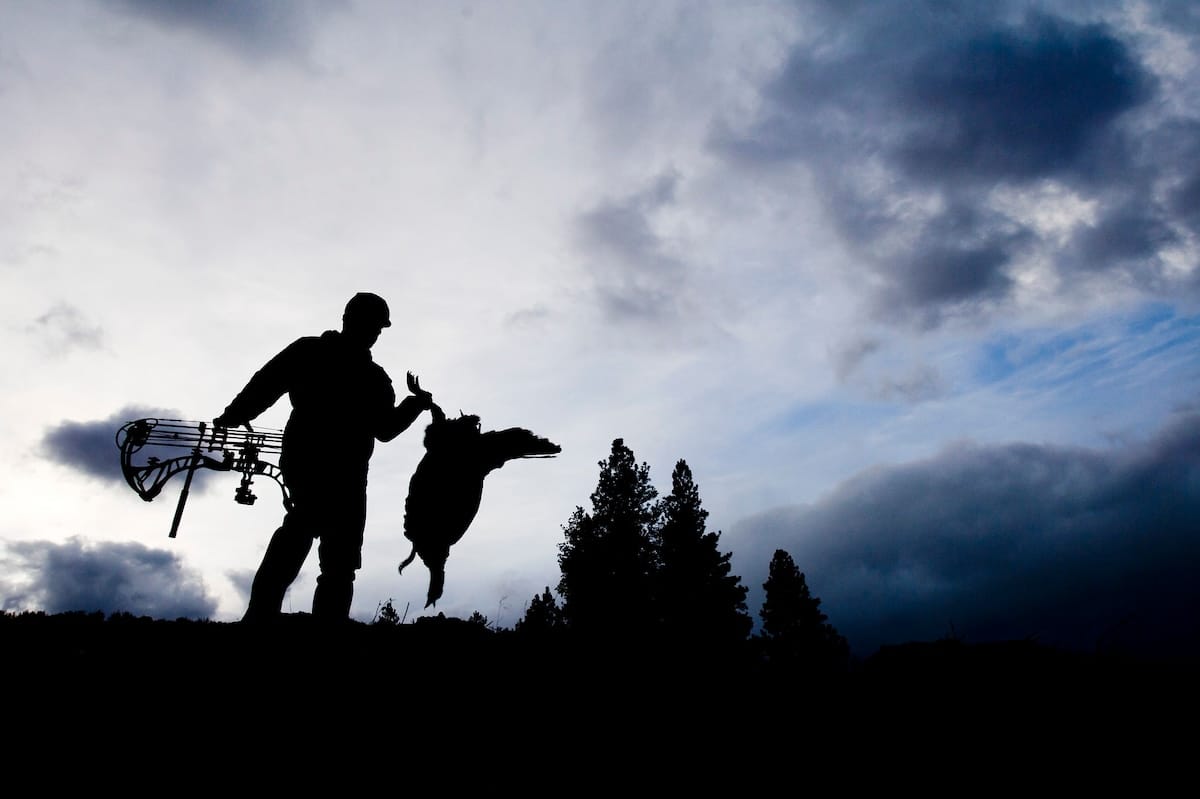
Some northeastern states are projecting significantly better seasons than others.
New York
New York turkey hunters should be pleased to know there are approximately 175,000 to 200,000 turkeys in the state. Approximately 20,000 to 25,000 are harvested each season, but last year, that dropped to 19,000. The season runs May 1-31. With good conditions, the wildlife agency expects a positive spring turkey season, and a high concentration of 2-year-old turkeys this year.
Pennsylvania
Few, if any, states offer the turkey hunting heritage that Pennsylvania delivers. While the turkey population is unknown, approximately 150,000-160,000 turkey hunters harvest about 30,000-45,000 birds each season. In 2025, they took home more than 42,500 birds. This turkey season is expected to be like the past couple years, which is very good.
“Turkey populations are stable in most of our wildlife management units,” said Mary Jo Casalena, a wild turkey biologist with the Pennsylvania Game Commission. “The long-term population trend is stable in 16 management units, increasing in four units, and decreasing in three units.”
But that’s the long-term trend. On the shorter, four-year term, it’s up significantly. The population looks very strong.
“We’re flying high and mighty right now,” Casalena said. “We’re doing really well. We have a lot of adults in the population, but not just 2-year-olds. In Pennsylvania, the average life expectancy of a gobbler is three years. Because we’ve had excellent production the last few years, we have some 4 ½-plus-year-old birds.
“Reflecting on 2024, the state had higher than average poult-per-hen ratios in all 22 wildlife management units,” Casalena continued. “I don’t know when that’s ever happened before.” Translation? A lot of 2-year-old birds.
The season is May 2-30, 2026.
Rhode Island
Rhode Island is small, and so are its turkey numbers. Approximately 1,000 to 1,500 turkey hunters bag about 300 to 500 gobblers each year. The bag limit is two bearded turkeys, only one of which may come from state hunting lands. The regular season is April 30 to May 24, 2026.
Vermont
The Vermont 2026 turkey season is shaping up quite nicely. About 40,000 to 50,000 turkeys are on the landscape, and approximately 15,000-17,000 hunters tend to harvest about 4,000 to 7,000 turkeys during the spring season. It comes with a two-bird limit. The regular season is May 1-31, 2026.
West Virginia
West Virginia turkey hunters should expect a strong 2026 turkey season. The state harbors about 110,000 to 120,000 turkeys, and hunters tag about 10,000 to 15,000 of them each season. All said, the short-term harvest totals are trending upward. This year, the spring season is April 20 to May 24, 2026. You can shoot two bearded birds.
Turkey Hunting Gear for 2026
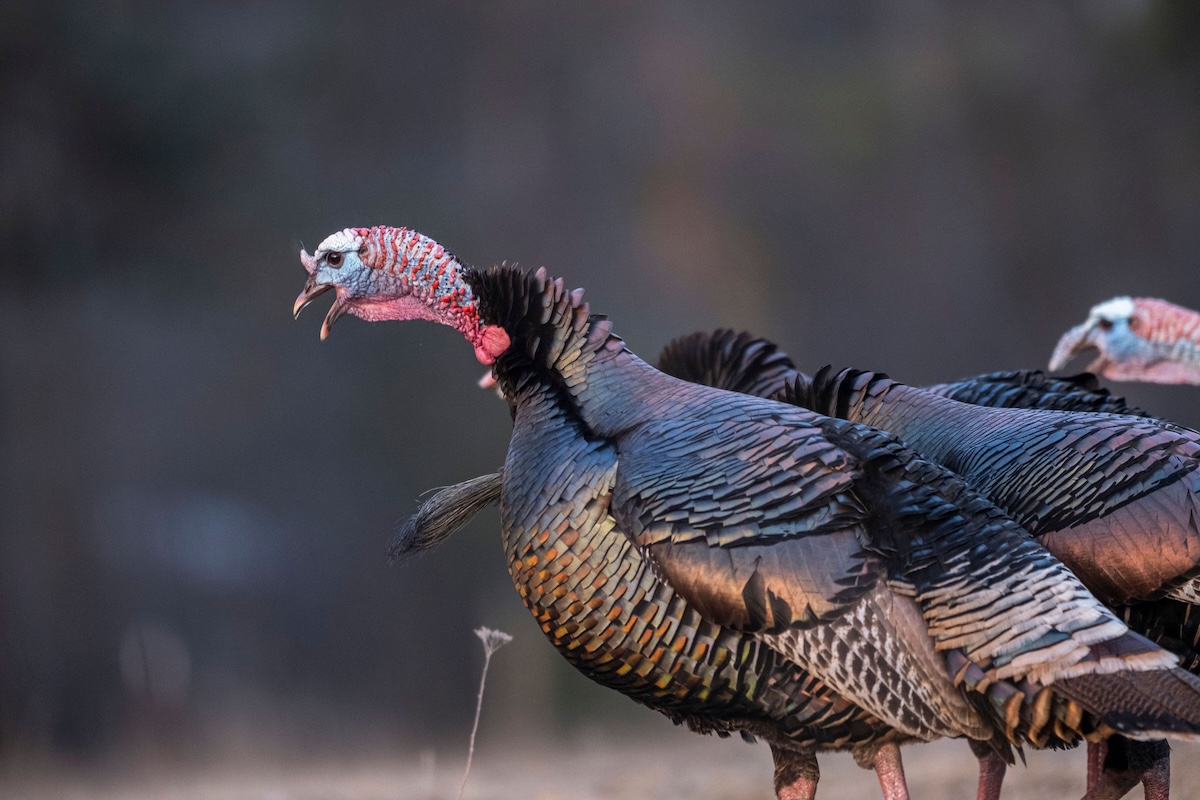
The Southeast has experienced recent population declines, but some states seem to be rebounding.
SOUTHEAST TURKEY SEASON FORECAST
While the Southeast has experienced significant population declines over the past 10-15 years, some states are showcasing rebounds. States to pay attention to include Arkansas, Georgia, Kentucky, Mississippi, North Carolina, Tennessee, Texas, etc.
Alabama
The Yellowhammer State comes with plenty of excitement for the 2026 spring turkey season. The numbers are down a bit, but it still harbors approximately 400,000 birds. According to the NWTF, an estimated 41,417 turkeys were harvested here last season, and approximately 35,000 the year before. It’s managed under three zones, plus WMA and USDA lands managed within Forest Service Ranger and National Forest Districts. While the season dates vary by zone, most hunters kick off in late March or early April and hunt through early May.
Arkansas
While Arkansas hasn’t put up great numbers in past years, some believe it’s beginning to course correct. The state has about 100,000 turkeys, and harvests are ranging from 10,000 to 15,000 birds. In 2025, hunters tagged nearly 11,400 birds
Season dates and bag limits vary greatly by zone. Each one is vastly different from the next.
“It’s been looking pretty good,” said David Moscicki, turkey program coordinator for the Arkansas Game and Fish Commission. “Last year, we had good production across all eco-regions. And we’ve had good production the past three years across the state. We’ve just had two of the best harvest rate years we’ve had in the past five to six. It’s looking favorable, and I think we’ll have a great year.”
Despite the short-term improvements, compared to the past 10-15 years, Arkansas is much like other states in that it’s showing a turkey population decline. About five years ago, that led to a more conservative approach to turkey harvests.
“It’s a slow and steady increase right now,” Moscicki said. “We’re hoping that we’re doing things right.”
Florida
The Sunshine State is the only place in the world to harvest an Osceola. Located throughout the southern ¾ of the Florida Peninsula, it’s a unique hunt to go on. Those who are south of State Road 70 can expect the regular season to be March 7 to April 12, 2026. Of course, everything north of that comprises eastern territory. North of State Road 70, the season is March 21 to April 26, 2026. Hunters can shoot two bearded turkeys statewide. With 6 million acres of public land, there’s no shortage of opportunities.
Georgia
Of course, Georgia comes with rich turkey hunting heritage. Unfortunately, its turkey population and harvest totals are down from its historical highs. As for the 2025 spring harvest, NWTF reports only 12,511 birds were checked in, and it wasn’t long ago hunters harvested more than 30,000 turkeys annually. Overall, decline again this year isn’t off the table. Despite this, many hunters should experience quality hunting in localized areas.
“Like most states, we monitor our poult production in the summer months, specifically from June to August,” said Emily Rushton, the state wild turkey projects coordinator for the Georgia DNR. “We get an average number of poults per hen. When it’s higher two years prior, that’s a good indicator that it’s going to be a better season.”
“In 2023, we had an average poult production year,” Rushton continued. “But in 2024, we had higher than average poult production in all regions. So, hunters will probably see a lot of 2-year-olds.”
That said, she also noted that the southern counties have produced even better poult numbers in recent years. Therefore, hunters should see higher concentrations of adult gobblers in the southern region. This season, on the private land, the statewide season kicks off March 28. On public, it’s April 4.
Kentucky
As is its deer hunting, Kentucky’s turkey hunting ranks high on the list of destinations. More than 300,000 turkeys roam the state, and approximately 25,000 to 35,000 turkeys are harvested here each year. In 2024, that number hit nearly 33,500, and in 2025, it was over 30,000, which is right around the average. The Bluegrass State offers a two-bird limit, moderate acreages for public land, and plenty of opportunities to tag a big gobbler.
Louisiana
Louisiana doesn’t have many turkeys, especially for its size. Only 50,000-55,000 turkeys are here, and that’s with about 25,000 turkey hunters. Generally, an estimated 8,000-9,000 birds are harvested each year. Adult hunters can’t shoot jakes, which does help the population dynamics. The bag limit is two birds per spring. The state regulates season dates via a wide array of “Areas.” However, this year, numerous zones have April 3 or April 6 opening days.
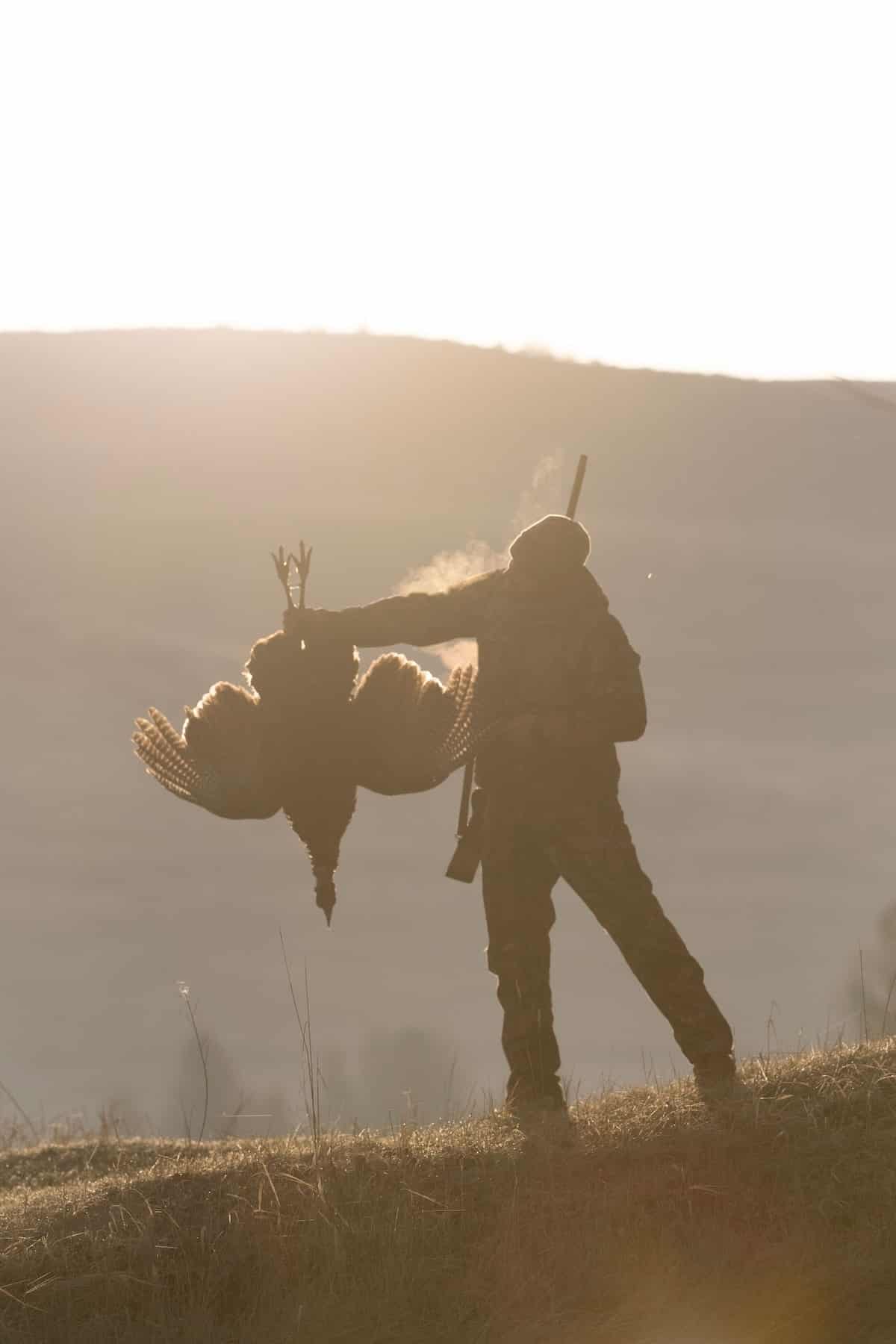
A gobbler earned in the South is no easy feat.
Mississippi
The state of Mississippi is a surprising stronghold for the wild turkey. Currently, it’s one of the best turkey hunting states in the South. Incredibly, it holds more than 300,000 birds. It also has diverse habitat, a lot of public land, and more. Plus, with jake harvests being off limits to adult hunters, this leads to a lot more 2-year-old gobblers each spring season. In 2025, that resulted in more than 32,000 bagged birds. Hunters can harvest up to three longbeards, zones permitting. To find the best hunting in this state, focus on many of the southern counties. This year, turkey season kicks off March 15 and ends May 1. New for this year: Every hunter 16 and older must buy a wild turkey stamp whether hunting private or public land.
North Carolina
A state with mountains in the west, coastal plains in the east, and everything in-between, North Carolina provides some excellent turkey hunting. About 270,000-275,000 turkeys live here, and about 20,000-25,000 are harvested each spring. Impressively, all important numbers are on the upswing. With more than 2 million acres of public land, there’s no excuses to not give it a try here. The regular season spans April 11 to May 9, 2026. You can shoot two birds here.
South Carolina
South Carolina hasn’t offered much for turkey hunting in quite a while. It has fewer than 100,000 turkeys, and the annual harvest is only 10,000 to 15,000. For the state’s size, that isn’t very good. This year, the season runs April 3 to May 3. The bag limit is two birds per season, and jakes are prohibited. Only one bird may be taken before April 10. All it really has going for it is the 2 million acres of public ground, and some subpar turkey action.
Tennessee
The Volunteer State is another top-tier state for chasing thunder. It has a flock that’s about 300,000-strong, and it’s approximated that more than 60,000 turkey hunters went afield, and about 30,000 birds were harvested last season. Despite that, the numbers are still down from their historical highs. That’s one reason why the state recently moved from a March opener to a mid-April kickoff date, which starts April 11 and ends May 24. According to some sources, the state wildlife agency is considering bringing back the three-bird limit for some areas. Expect a lot of 2-year-old turkeys this spring.
Texas
Those who hunt Texas turkeys are likely to pursue Rio Grande turkeys, unless after Easterns in the easternmost counties or the Merriam’s of West Texas. Currently, the flock totals about 500,000 strong, maybe more. According to the wildlife agency, there should be a good number of jakes and 2-year-old turkeys in the flock this year. Of course, season dates vary greatly from location to location, but most zones kick off sometime between mid-March and mid-April.
“As far as densities go, the central portion of the state is best,” said Jason Hardin, the wild turkey program leader for Texas Parks & Wildlife Department. “If you imagine that North Texas area south of Red River going down to the Edward’s Plateau, or the hill country, and then on in to South Texas. These are the areas with the best numbers.”
Texas also still has good numbers in the Rolling Plains and Panhandle regions, too. However, these are the two areas that Rios have declined the most.
“At one time, we had a roost with 700 birds on it,” Hardin said. “Now, you’ll find 200 there. Still good numbers, but not what they were back around 10 years ago.”
All said, the turkeys can still handle the harvest. Right now, where there’s about 28-29% harvest rate of adult male turkeys across the Southeast, that figure is only 13% throughout most of Texas, and in the single digits in South Texas. You can shoot up to four bearded birds, but that includes spring and fall hunting.
“These birds aren’t heavily pursued in the state,” Hardin said. “Hunting is not an issues for a decline in Texas.”
Virginia
Expect a strong 2026 Virginia turkey season, but according to the DNR, also don’t be surprised if it slightly dips compared to recent years. Currently, there are about 175,000 turkeys here. Each year, turkey hunters harvest about 20,000 to 25,000 birds each spring. This year, with good weather, projections should land around the top end of that range. With 1.7 million acres of public ground, hunters are sure to find some gobblers on the landscape. This year, season dates are April 11 to May 16, 2026. From April 11-26, hunting ends at noon. For the remainder of season, hunting until sunset. Harvest up to three turkeys.
10 Reasons to Shoot TSS Ammo for Turkeys

The Midwest is primed for another great spring turkey season.
MIDWEST TURKEY SEASON FORECAST
The Midwest turkey season forecast is setting the stage for another stellar spring. States with especially interesting forecasts include Kansas, Michigan, Missouri, Nebraska, and more.
Illinois
Like some other states, you’ll need to draw a tag to hunt Illinois. That said, while the turkey population is unknown, reports show approximately 15,000 to 20,000 birds harvested here in recent years. Season dates are broken down into zones, so check regulations to determine timeframes for your area. Each of the five regular seasons span five to seven days, and there’s both a North and South Zone. For the North, the first season is April 13-17 and fifth season going May 7-14. With the South Zone, the first season is April 6-10 and fifth season is April 30 to May 7.
Indiana
Indiana isn’t a turkey hunting powerhouse, but it’s holding a decent number of birds. Last season, NWTF reports show nearly 15,500 birds harvested. About 30,000 hunters take to the woods each spring, and they can harvest one bearded or male turkey. The regular season starts April 22, 2026 and ends May 10, 2026.
Iowa
The Hawkeye state delivers some stellar turkey hunting action. Unfortunately for many hunters, it’s a draw state. But with about 140,000-150,000 turkeys, hunters have a chance to hunt a lot of low-pressure birds. Generally, the spring harvest total runs around 14,000 to 18,000 birds. Turkey season is broken down into multiple windows, but starts Season 1 on April 13. Season 4 and Archery only seasons end May 17. Each of the respective seasons offer pros and cons. Residents can oftentimes get up to two turkey permits (regulations depending), while non-residents can only get one through a lottery system..
Kansas
Depending on the region of the state, Kansas turkey hunters can hunt Eastern, Rio Grande, or hybrid turkeys. Currently, it’s believed the state has 300,000-325,000 turkeys. Incredibly, the NWTF reports a harvest of more than 11,000 birds in 2024 and nearly 14,000 in 2025, which equates to more than a 50% success rate. This year, the regular season spans April 15 to May 31, 2026. With a one-gobbler limit, turkey numbers should continue to do moderately well.
Michigan
Over to Michigan, the turkey population is doing quite well. Currently, it harbors about 200,000 turkeys, and hunters shoot approximately 30,000 to 40,000 each year. The 2025 estimate was over 36,000. Success rates are often 35%-50%With the right weather, a similar outcome is expected again this spring. The bag limit is one bearded turkey. Regular season dates are April 18 to May 31, 2026. (Check your hunting regulations for specific dates for each unit.)
Minnesota
Minnesota fields about 50,000 turkey hunters each spring. From that effort, about 15,000 to 20,000 birds are harvested. (Hunters took nearly 17,000 in 2025.) Season dates are broken down into short windows, but it starts April 15-21 (Season A), April 22-28 (Season B), April 29 to May 5 (Season C), May 6-12 (Season D), May 13-19 (Season E), and May 20-31 (Season F). The season bag limit is one turkey. Officials expect an average to above-average 2026 turkey season.
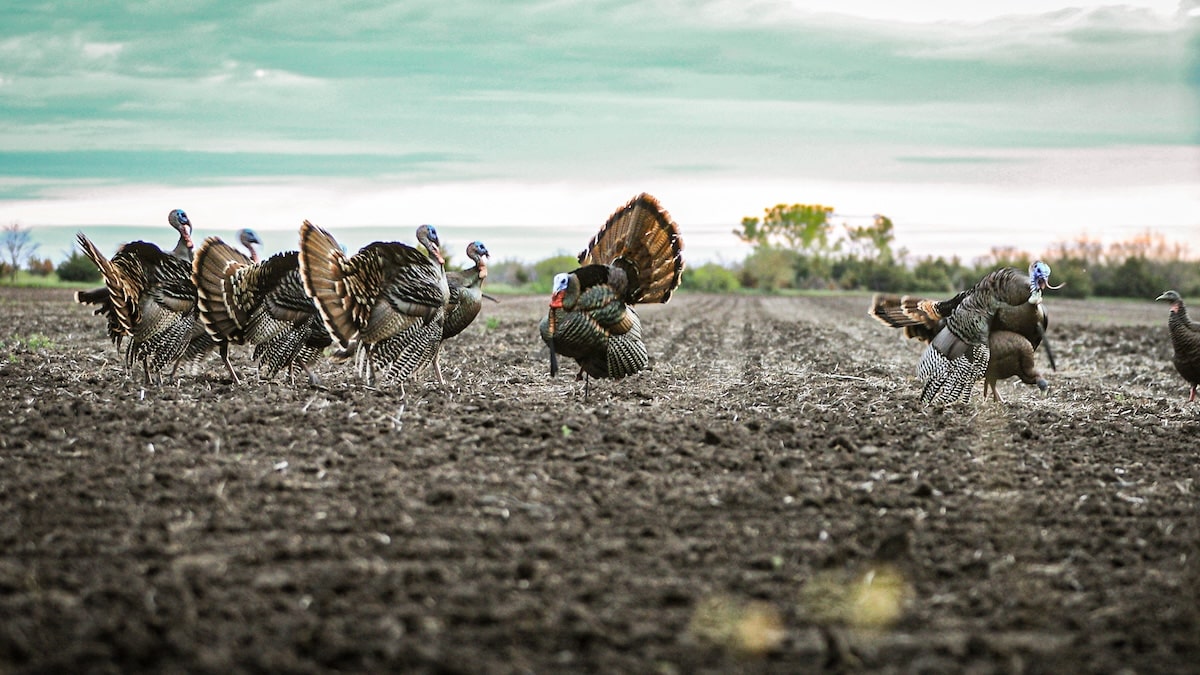
A group of turkeys stare down the Avian-X LCD Strutter decoy.
Missouri
Another quality turkey hunting destination, Missouri has more than 400,000 wild turkeys. As for turkey production, the NWTF reports good poult production in 2023, which translates to a higher number of 3-year-old turkeys in the flock. The turkey harvest usually lands around 40,000 to 50,000 turkeys, and in 2025, it was over 51,000. This year, the regular season runs April 20 to May 10, 2026. The resident and non-resident landowner season bag limit is two birds, but only one during the first week of turkey season. Interestingly, on public lands, turkey hunting stops at 1 p.m. each day of the season. Non-residents may only harvest one turkey.
Nebraska
The turkey population is down in Nebraska, and it certainly isn’t what it was five, 10, or even 15 years ago. Today, it has about 150,000 turkeys, and approximately 10,000-15,000 turkeys are killed each season. Last year, that number was just under 10,000. Reported success rates range from 30% to 40%. All said, the archery season is quite popular here and starts March 25. Shotgun season begins April 18. Season ends May 31.
“The outlook is really good, and our brood production has been very positive,” said Luke Meduna, big game program manager for Nebraska Game & Parks Commission. “We’ve received a lot of reports throughout the state that numbers are larger than in recent years. We’ll probably see an average number of 2 to 3-year-old birds.”
North Dakota
North Dakota is often overlooked for hunting, and it’s for good reason. It’s not easy to secure access, licenses, or tags here. Only about 8,000 licenses are available each year, which leads to about 3,000 to 4,000 filled tags. The bag limit is one bearded bird. The NWTF reports that the population is stable to increasing.
Ohio
Ohio is known far more for its outstanding deer hunting. The turkey hunting isn’t quite as good. Even so, turkey poult production has improved over the past several years. Today, there are about 160,000-175,000 turkeys, and Buckeye State hunters usually bag about 15,000-20,000 birds. That’s accomplished with a one-bird limit. This year, the regular season spans April 25 to May 24, 2026 (South Zone) and May 2 to May 31 (Northeast Zone). There are changes to legal hunting hours this year.
Oklahoma
Those who want to hunt low-pressure Rio Grande turkeys might consider Oklahoma. That said, while it has about 100,000 birds (mostly Rios), the numbers are in decline. Thus, the one-bird limit. The current average annual harvest is approximately 7,000 turkeys, but last year, 8,600 were reported. This year, season dates are April 16 to May 16, 2026. You can shoot one “tom” each season,
South Dakota
South Dakota has a great population of Merriam’s turkeys, and the Black Hills region is especially fun to hunt. Hunting regulations vary greatly here. Check for specific season dates, bag limits, and more. With 2.3 million acres of public land, and much of it with turkeys on it, hunters can find a great hunt. There are major changes to hunting regulations this year, specifically in the Black Hills Unit. So, check regulations carefully.
Wisconsin
One of the best states for hunting, Wisconsin always puts up strong turkey numbers. Currently, approximately 200,000 to 250,000 turkeys roam the land. While the average harvest is usually around 40,000 birds, according to the NWTF, the 2025 harvest produced more than 50,291 spring turkeys (and the 2024 season was nearly that). As for season dates, these are broken down by week-long “periods,” but the entirety of the regular season is April 15 to May 26, 2026.
“The past few years, we’ve seen stable turkey populations, and a positive relationship with our turkey production,” said Alissa Kakatsch, assistant game bird specialist with the Wisconsin Department of Natural Resources. “Additionally, turkeys have enjoyed several mild winters. We’re anticipating a positive outlook for this upcoming season as well.”
The Best Turkey Hunting States in America
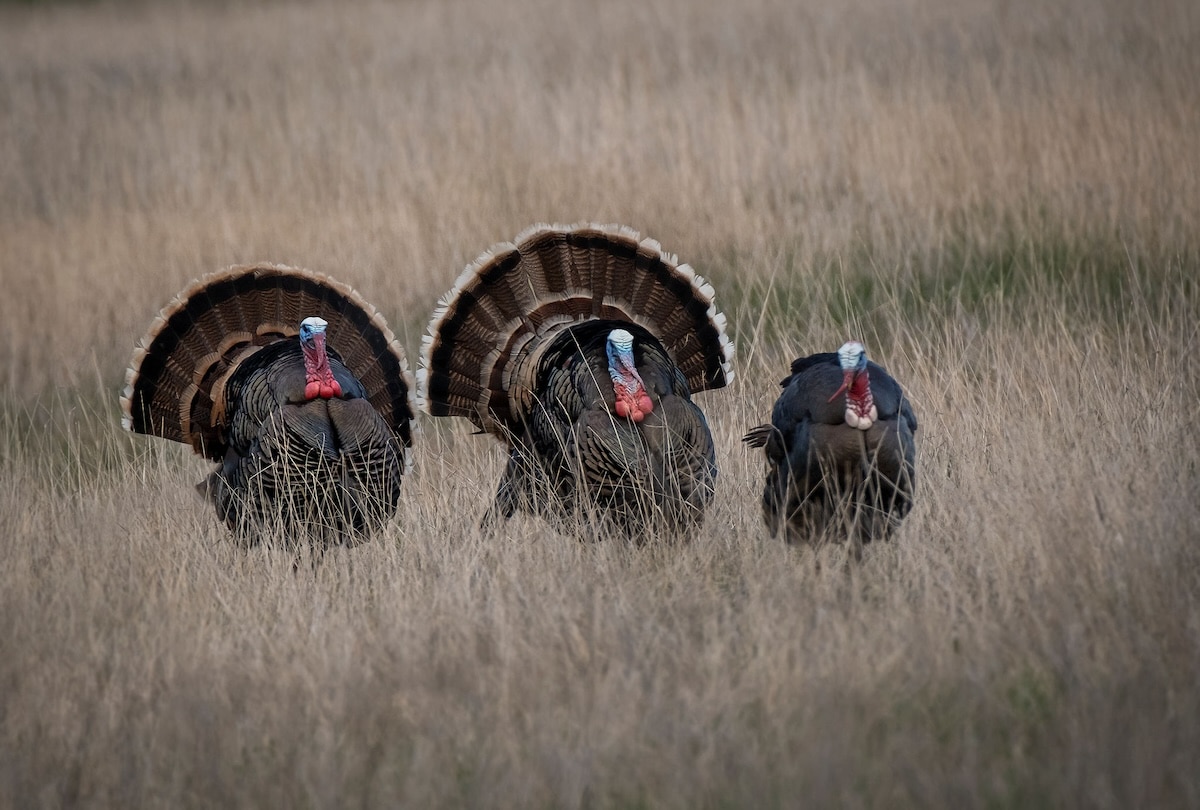
The West is one of the most overlooked, yet incredible, destinations for turkey hunting.
WEST TURKEY SEASON FORECAST
Turkey season in the West is shaping up quite nicely. While there are bright spots within each state’s forecast, several western states stand out, including California, Colorado, Hawaii, Idaho, and New Mexico.
Arizona
Few think of Arizona for turkey hunting, and that’s for good reason. It only has about 25,000 Merriam’s, 4,000 Gould’s, and only a few hundred Rio Grande turkeys. Each year, about 3,500 hunters hunt turkeys in Arizona, and they tag approximately 1,500 birds. The NWTF reports over 1,200 birds for the 2025 season harvest. All said, getting a tag is no easy feat here. But once in hand, it’s a very unique experience. Those hunting Merriam’s head afield April 24 to May 21. Hunters pursuing Gould’s work from May 1-28. There are two youth hunting seasons for Gould’s turkeys.
California
California doesn’t make many gun owners happy, but from a turkey hunting perspective, they certainly enjoy this part of the country. Here, about 250,000-260,000 turkeys roam, including Easterns, Merriam’s, and Rio Grande turkeys. Generally, hunters bag about 18,000-22,000 birds. Usually, the season starts around the end of March and carries into early May.
Colorado
Most associate Colorado with big game hunting, but the turkey hunting is pretty good, too. Here, pursue both Merriam’s and Rio Grande turkeys, location depending. With a flock that’s about 30,000 to 40,000 strong, and about 5,000 to 6,000 harvested turkeys each season, go ahead and mark this one off your bucket list. The season dates vary greatly by location, but opening day for many is April 11.
Hawaii
Hawaii has more than beaches. There are Rio Grande turkeys here, too. That said, not much is known regarding turkey population numbers, harvest totals, or projections. All we can report is that about 300 to 400 turkey hunters hit the woods each spring and they often bag 40-50 birds. The spring turkey season is March 1 to April 15, 2026.
Idaho
Another mountain state, Idaho offers exceptional wild turkey hunting. It has more than 50,000 turkeys, including Easterns, Merriam’s, Rio Grande, and hybrid turkeys. According to the NWTF, about 7,000 birds are harvested each season, and the bag limit is two bearded turkeys. This year, turkey season opens mid-April.
Montana
Moving to Montana, there are about 125,000 birds here, and the state’s 25,000 to 30,000 turkey hunters harvest about 5,000 to 7,000 turkeys each spring. In 2025, that number was a crisp 6,555 turkeys. Chase Easterns, Merriam’s, and hybrids here. Turkey season should be April 15 to May 31, 2026 for residents, but non-residents join in the fun on April 25. You can shoot up to five spring turkeys.
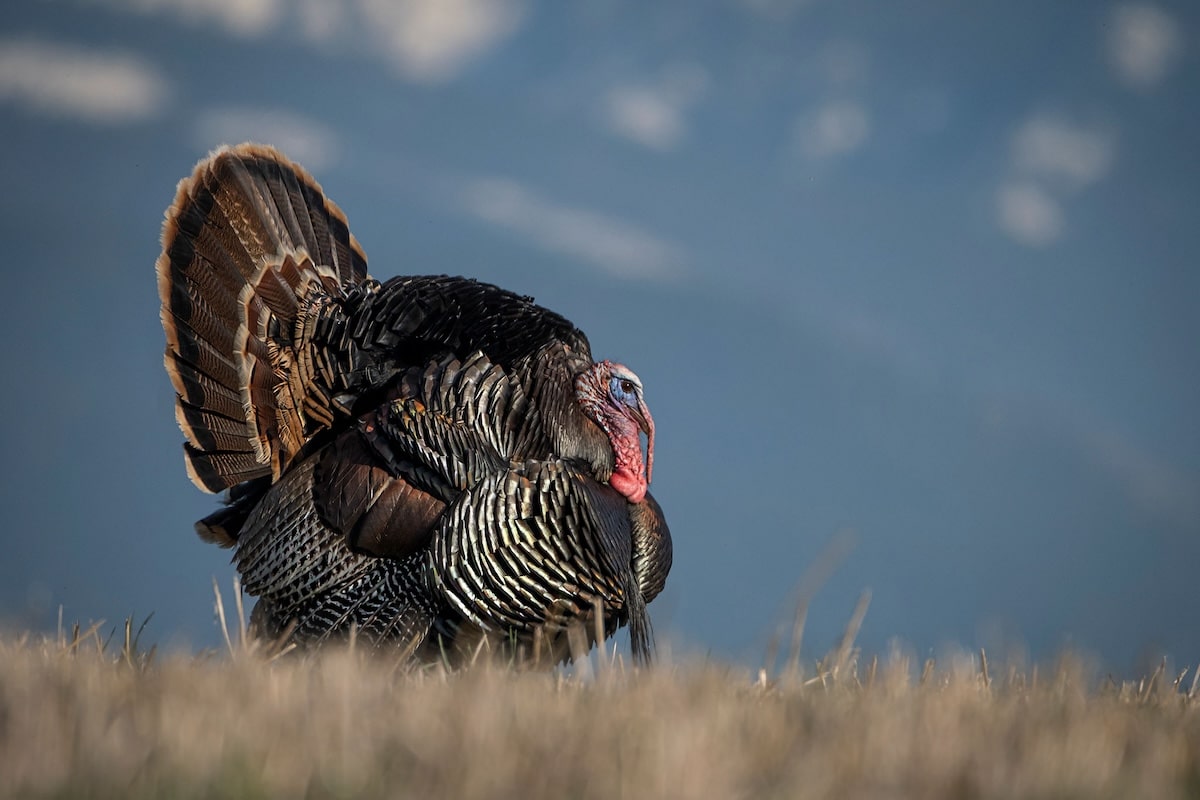
Where else can you find great turkey hunting and awe-inspiring views?
Nevada
Nevada doesn’t have many turkeys, but there are some Merriam’s and Rio Grande turkeys in the state. According to the NWTF, the estimated population is about 2,000 birds. Each year, about 100-200 licenses are available, and only 60 to 90 turkeys are tagged. Interestingly, the reported 2025 success rate was 74%, which was significantly higher than the 40%-50% average seen most seasons. Season dates vary by location, but this year, most hunt March 21 to May 3. Bag limits are one bird per licensed hunter.
New Mexico
Those hunting turkeys in New Mexico are likely after the Gould’s subspecies. These turkeys have heavier bodies, longer legs, and sport white-tipped fans. That said, a few Rio Grande and Merriam’s turkeys are around. Overall, the state has 20,000-25,000 birds, and most years, hunters harvest about 2,000-3,000 turkeys. Hunters can bag two bearded turkeys. Turkey season spans April 15 to May 15, 2026.
Oregon
The Oregon turkey season forecast shows promise for this Pacific Coast destination. Currently, it has about 40,000 to 50,000 turkeys, and it produces about 5,000 to 7,000 harvested turkeys each spring, but that was nearly 6,000 in 2024. The flock is stable to growing. The 2026 season is April 15 to May 31. You can shoot up to three bearded birds per season (one per day and tag).
Utah
Those hunting in Utah have a small to moderate pool of turkeys to hunt, including Merriam’s, Rio Grande, and hybrid turkeys. The total turkey population is about 30,000-40,000. About 10,000 hunting licenses are handed out each year. (A certain number of permits are available for each region.) The 2026 limited entry season is April 11-30 and over-the-counter dates are May 4-31. You can shoot one turkey here. Expect a better-than-average number of jakes and 2-year-olds this spring.
Washington
The Washington turkey season offers access to Easterns, Rio Grande, and Merriam’s turkeys, depending on the location. Approximately 13,000 to 15,000 hunters head afield each spring. The General Season spans April 20 to May 31 (and the limited quota hunt starts April 1). For many hunters and areas, the bag limit is one bearded/male turkey per license, often up to three turkeys per season.
Wyoming
Finally, we arrive at the Cowboy State. It has Merriam’s, Rio Grande, and hybrid turkeys. Here, about 7,000 to 8,000 hunters hit the woods in search of spring thunder. According to the NWTF, 2024 hunters enjoyed a 55% success rate, 2025 hunters saw 62%, and you can harvest one turkey per license. This year, turkey season is April 20 to May 31, 2026.
Level Up with HuntStand Pro
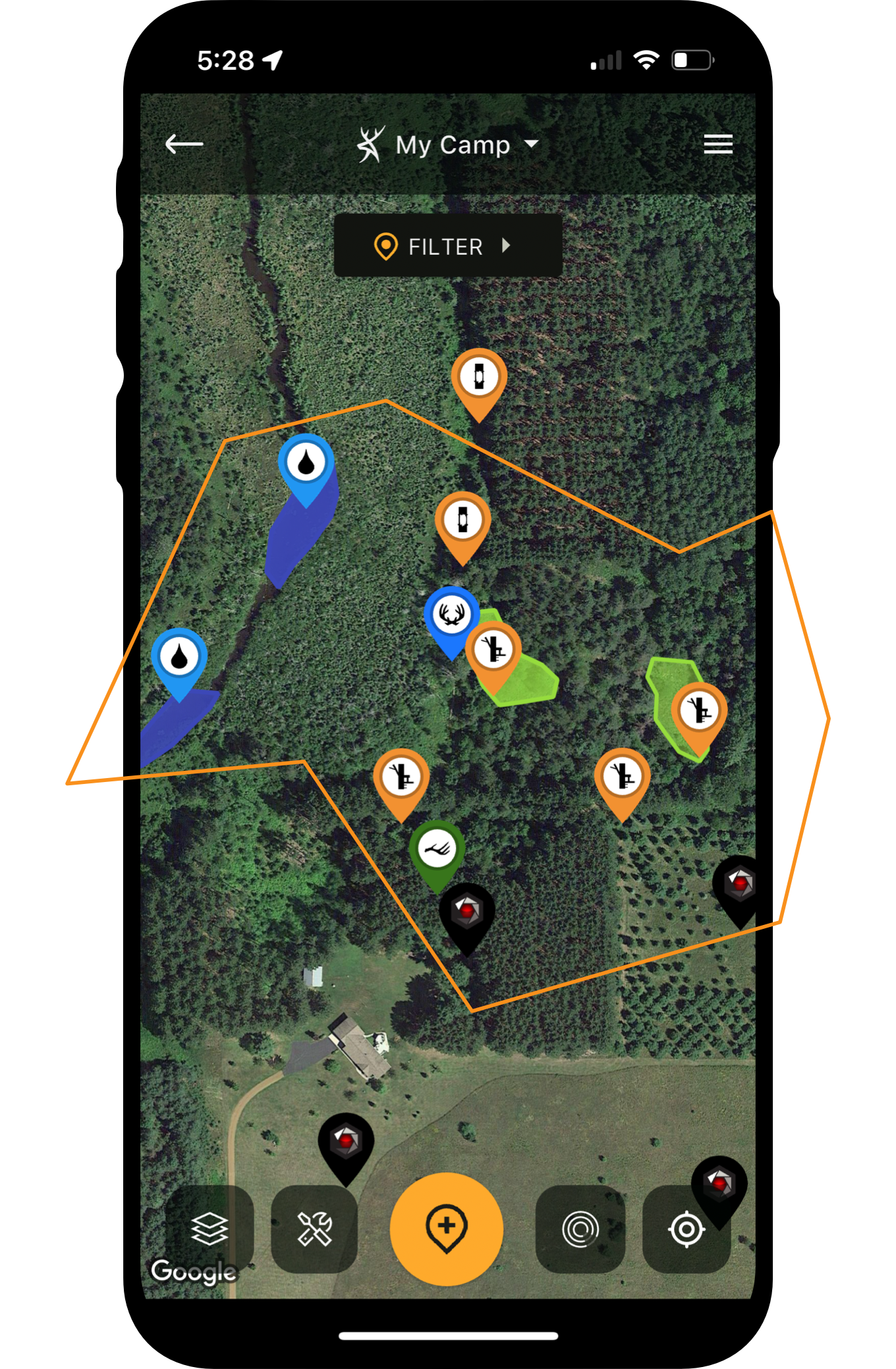
Want to take your turkey season to the next level? Subscribe to HuntStand Pro today. For only $29.99, you gain incredibly powerful tools that are ideal for the turkey hunt.
Some of the tools include:
- Property data
- Advanced property search
- Premium map layers
- Weather overlays
- Real 3D maps
- Stand reservations
- Monthly satellite imagery
- Trail camera management
- Offline mapping
- And more
Opt in for all the greatness HuntStand Pro has to offer. Give it a try, and you’re unlikely to attend another hunt without it.
Wherever you call home to the turkey woods, and no matter the status of your state’s forecast, good luck this spring. Give those longbeards some grief.