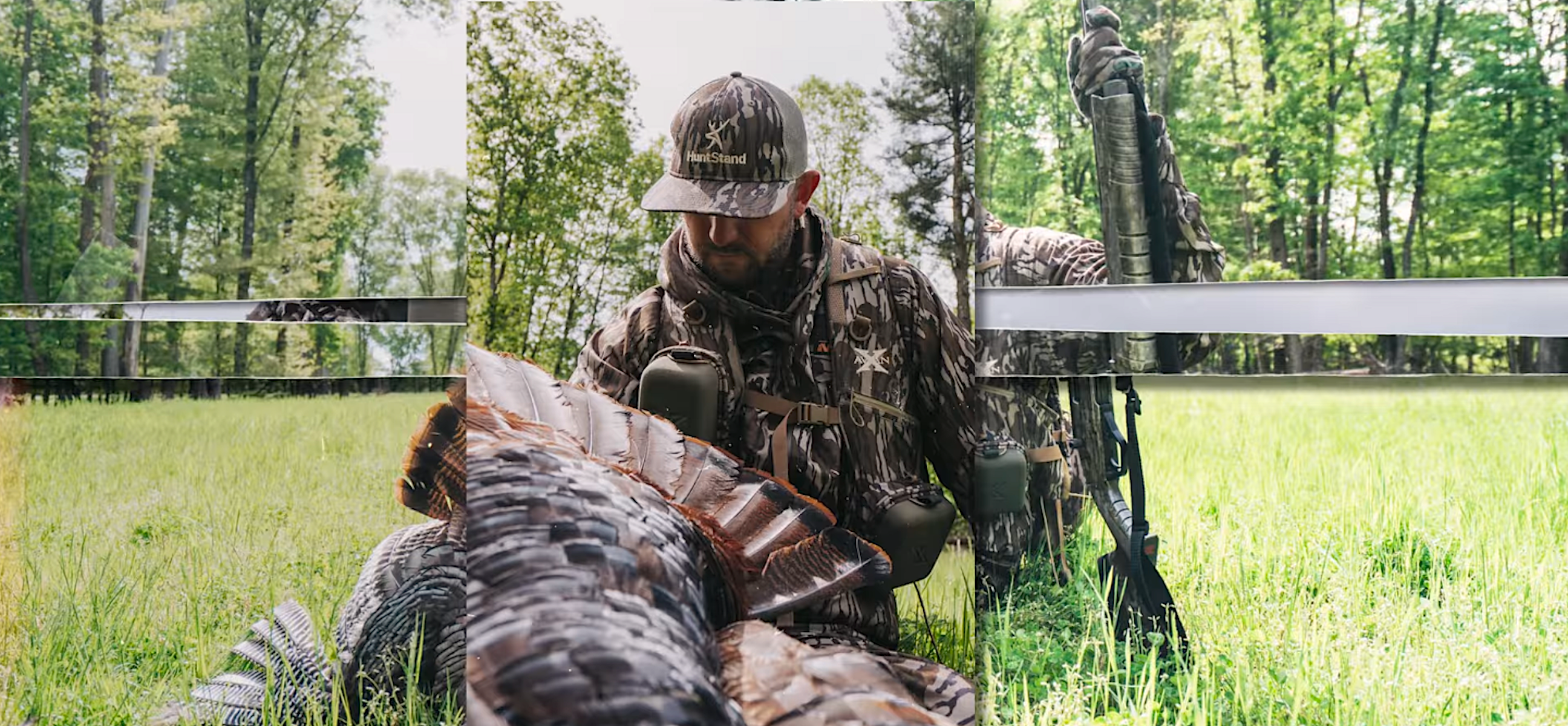






Implement digital scouting to find spring gobblers.
Opening morning arrives, and you’re standing in the spot you expected to kill a bird at sunrise. There’s only one problem — no gobbles on the roost. Are the turkeys there and just quiet? Maybe they’re usually there but aren’t today? Are there no turkeys at all?
With a solid pre-season scouting plan, you might’ve answered each of these questions and a lot more. By using HuntStand and Live View cellular trail cameras, you can scout for turkey season and be ready when the opening bell tolls.
Disclaimer: While HuntStand and Live View are both excellent scouting tools, only one should be used during the hunt. Most states prohibit the use of real-time communication devices while hunting. Thus, Live View cellular cameras should be implemented for pre-season, pre-hunt scouting, but not be used while in the field.
Learn more about Stealth Cam’s Live View. Get the Stealth Cam Deceptor Max 2.0 or Revolver Pro 2.0 today.
1. Pinpointing Commonly Used Roost Sites
Wild turkeys meander about their home ranges. But they also follow distinct patterns. Oftentimes, they repeat similar roosting and feeding behaviors. These aren’t always daily occurrences but often repeat every few days.
Because of this, cellular trail cameras help hunters to gauge these patterns. Combined with listening to roosted birds, glassing birds from afar, and searching for sign (tracks, scat, dust bowls, strut marks, wing feathers, etc.), hunters can assemble an excellent scouting report.
Live View from cell cams assist in this process as well. Before turkey season, deploy the feature during the window when birds are gobbling on the roost. This should help hunters determine if turkeys are roosted within earshot of the Live View equipped cell cam. For additional benefit, point the camera toward known fly-down zones.
Oftentimes, turkeys use elevation to their advantage. They’ll roost up along the upper thirds of ridges on calmer days, the lower thirds of leeward ridges on windy days, and oftentimes choose trees along waterways, such as creeks, streams, and rivers. They routinely find trees with good roost limbs where they can fly down into clearings, fields, woodland benches, logging roads, etc.
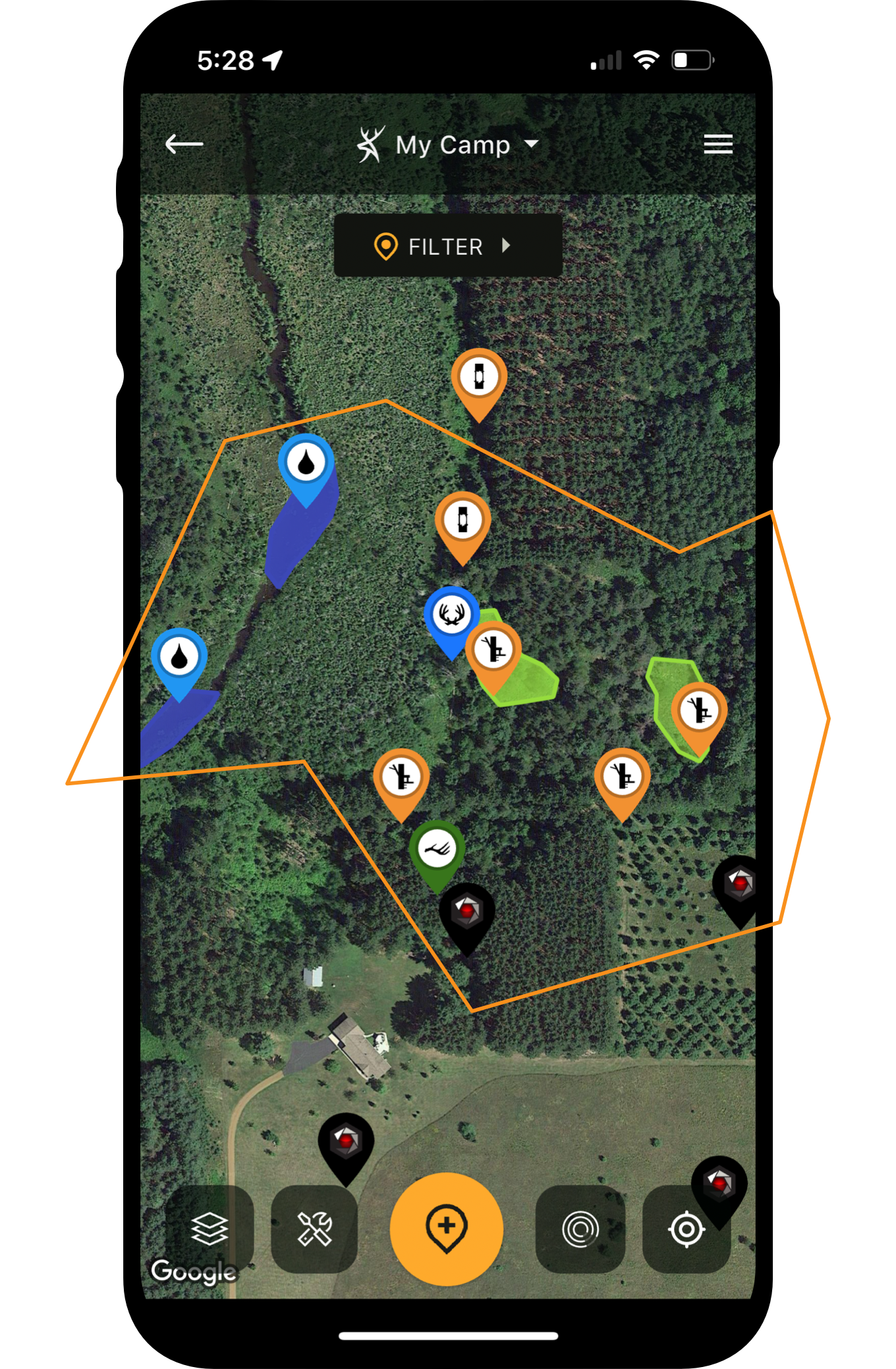
For those unaware of where turkeys are roosting, use HuntStand to pinpoint likely roost sites. The Terrain, 3D Mapbox Satellite, Lidar, and other base layers, are excellent for locating topography-centric roost sites. The Hybrid, National Aerial Imagery, Satellite, and others, are solid picks for locating habitat-focused roost sites. Use the Contour, Crop History, Tree Cover, and Water Feature overlays while using your base layer of choice. Then, use HuntStand markers to remember the roost sites.
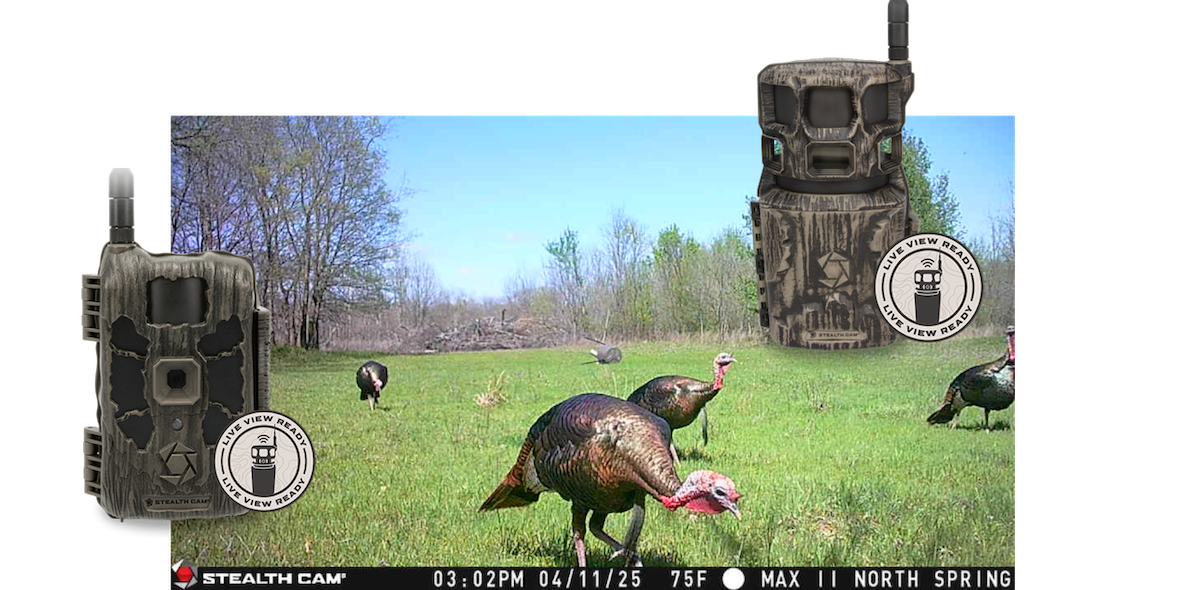
Use the Live View feature with the Stealth Camo Revolver Pro 2.0 and Stealth Cam Deceptor Max 2.0 cell cams.
2. Finding Food Sources Turkeys Prefer
Cell cams don’t innately know where turkey food sources are located. HuntStand offers clues, though. And then cellular devices can assist in confirming expectations. Use these tools in tandem as an effective one-two punch to find the foods turkeys are eating. Common food sources include berries, insects, seeds, nuts (acorns, beech nuts, etc.), and more. They even eat small, turkey-gullet-sized amphibians. Of course, Live View cells cams allow hunters to scout food sources to see if and when turkeys are hitting certain foods. Use HuntStand markers to mark key food sources.
3. Studying Spring Turkey Flock Dynamics
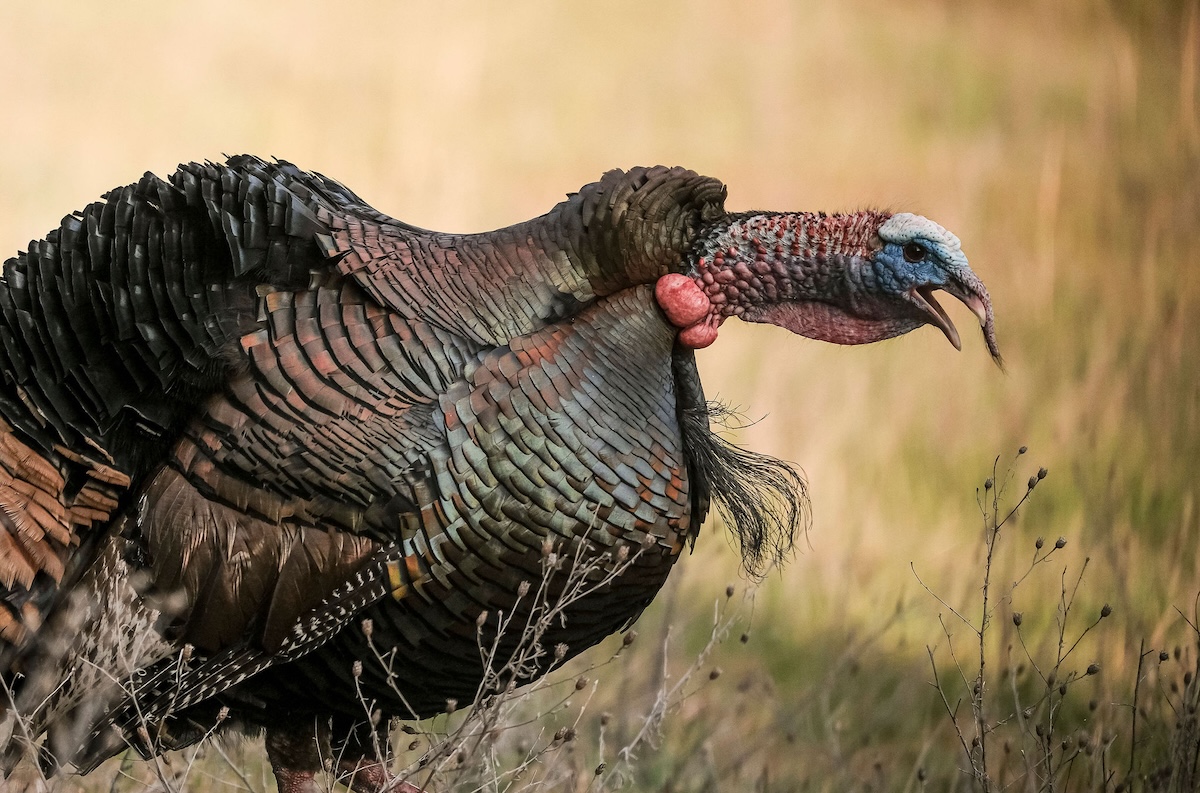
Live View assists with studying spring turkey flock dynamics. This is great for gauging the number of turkeys on the property. Listen to hear how many birds are gobbling on the roost. Examine how many turkeys seem to be in the area. Identify how many longbeards, jakes, and hens seem to be on the property.
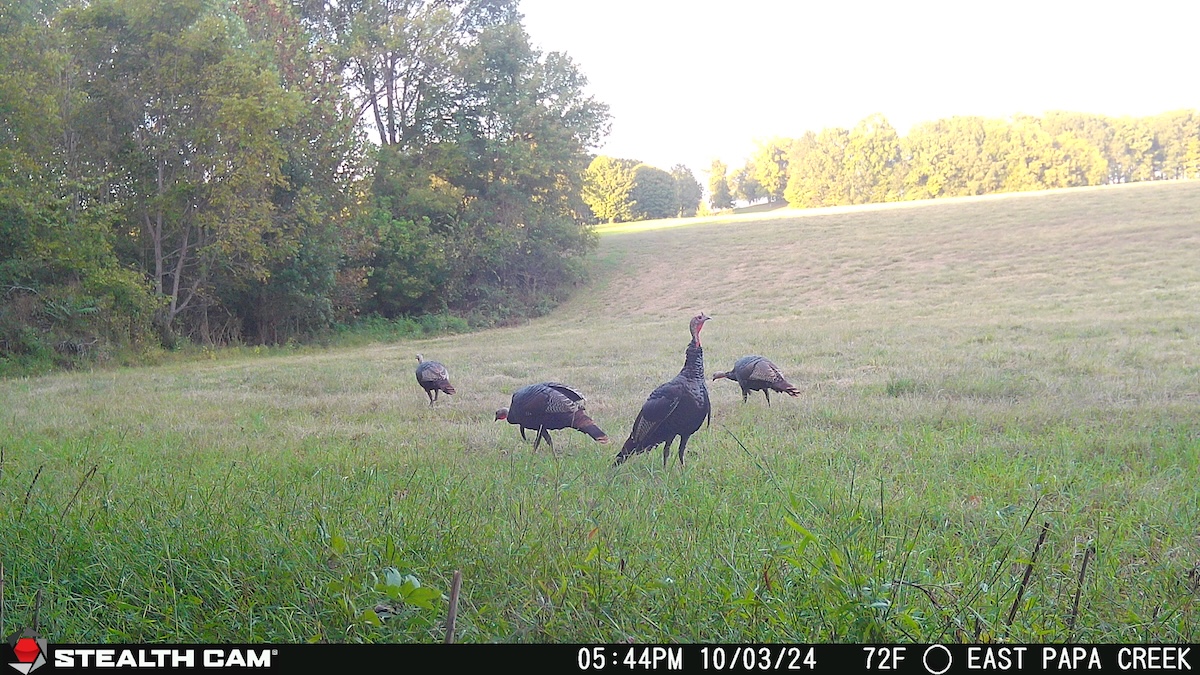
Monitor turkeys year-round with cell cams.
4. Analyzing Real-Time Pre-Season Movement by Birds
While Live View should not be used during turkey season, it’s excellent for analyzing real-time pre-season movement. While turkey behavior might change throughout the season, turkey activity for the first week of season should be close to the week prior to opening. Use that information to make better game plans for the opener.
5. Revealing Hour-by-Hour Pattern Movements
As noted above, HuntStand, cell cams, and Live View are great for learning macro patterns. These same tools can be deployed to reveal micro, hour-by-hour pattern movements, too. With well and properly spaced out cell cams, hunters can determine how birds maneuver the landscape throughout the day.
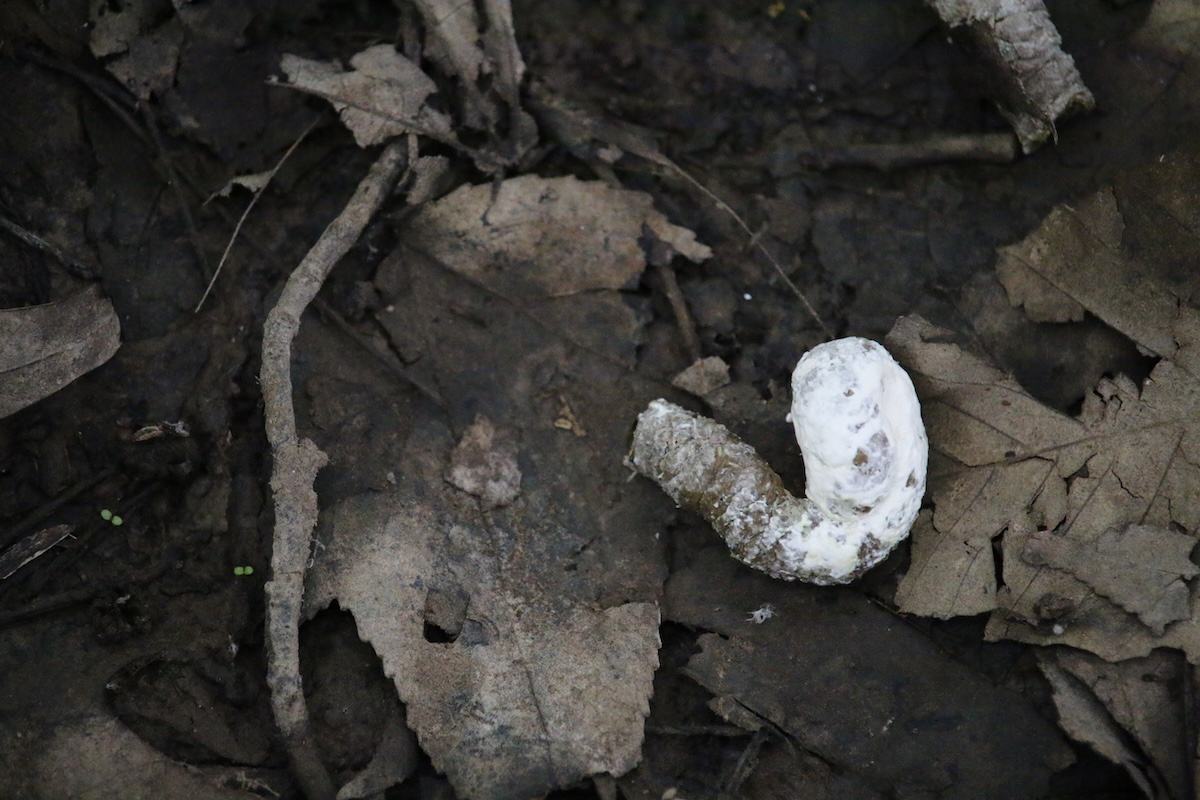
Use in-the-field scouting, listening on the roost, glassing from afar, and cell cams to assemble a great pre-season hunt plan.
6. Identifying How Very Specific Factors Impact Turkey Behavior and Movements
Are there interesting factors in play on your property? Maybe some logging took place? Perhaps a clover food plot is popping? Maybe a field has cattle in it for the first time? Whatever the case, use Live View to analyze how turkeys react. Drop icons and notes in HuntStand to remember these.
7. Determining Strut Zones and Other Important Areas
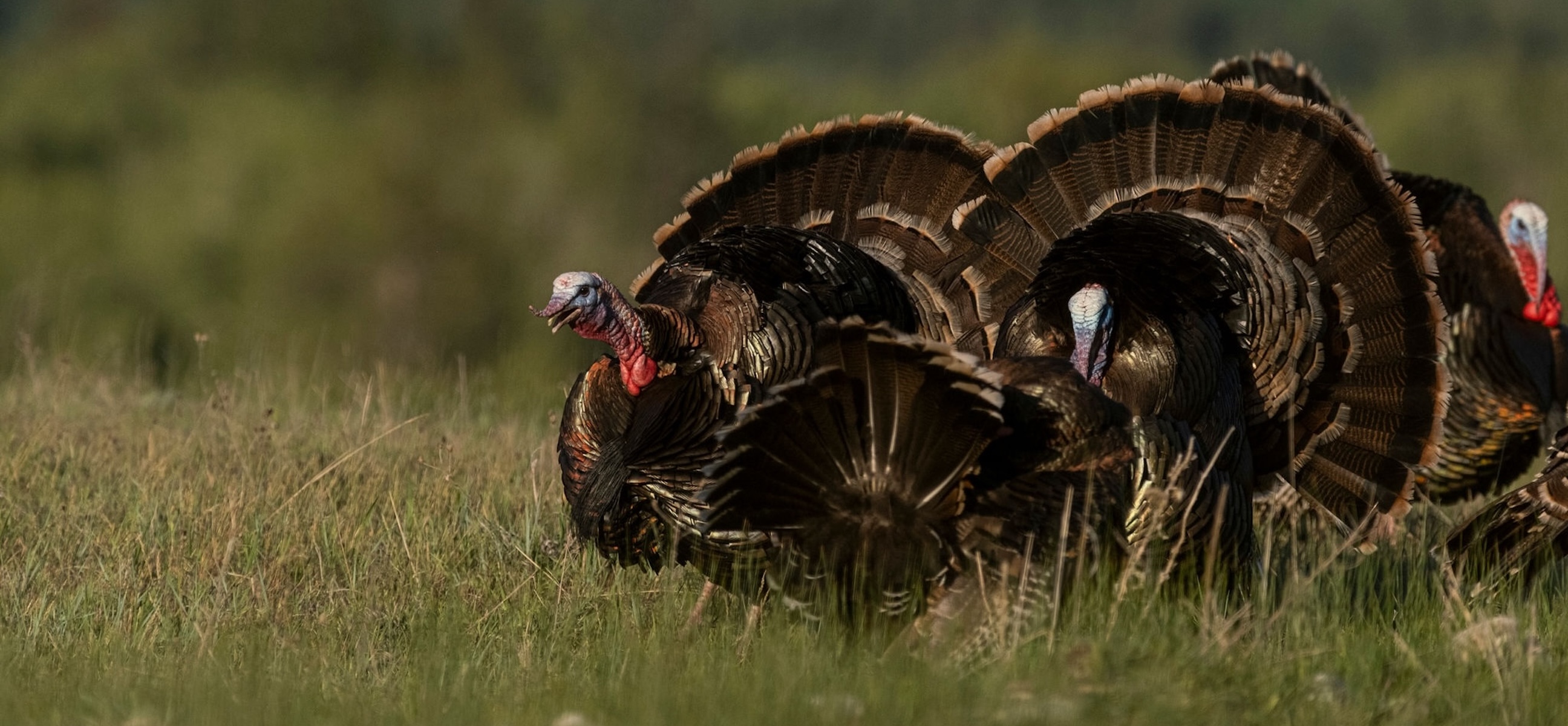
Gobblers find strut zones and routinely return there to display for hens. When they aren’t busy following hens, they’ll hit their preferred strut zones and show off for anything within sight. If you believe a spot to be such, post a cell cam with Live View and check it routinely for strutters. Use HuntStand’s strutting turkey icon to mark these spots.
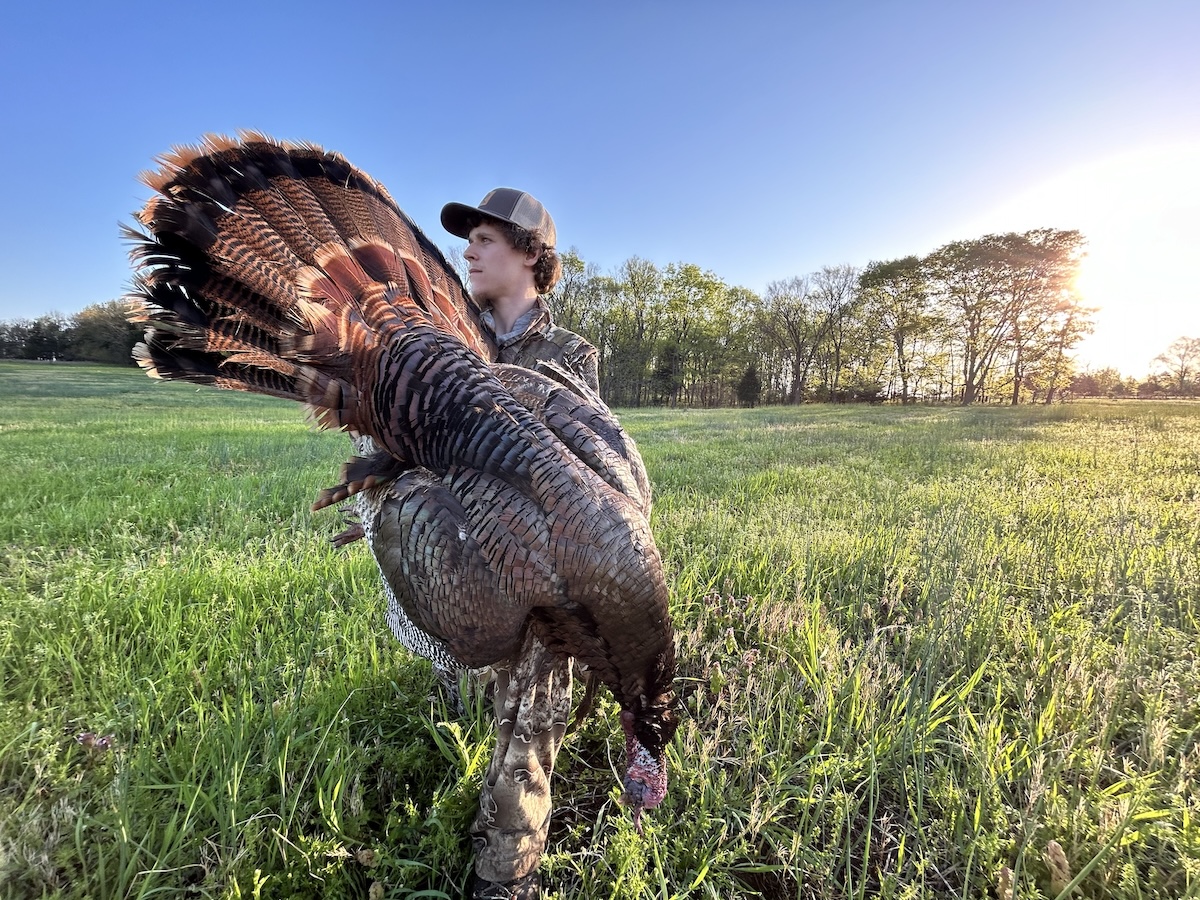
Use all available scouting tools to benefit your spring turkey season.
8. Enjoying Full-Scale Patterning Without Pressuring Birds
Perhaps the most beneficial element of Live View is scouting without being afield. This allows hunters to determine with notable efficiency the patterns of local birds. With enough cameras, it’s possible to establish a solid batch of turkey intel.
9. Listening to Roosted Birds with the Live View Feature
As previously noted, HuntStand and Live View help locate roost sites. But Live View is excellent for determining how often these roost sites are used, and by how many birds. This can help hunters to “rank” spots in preparation of upcoming hunts once the season opens.
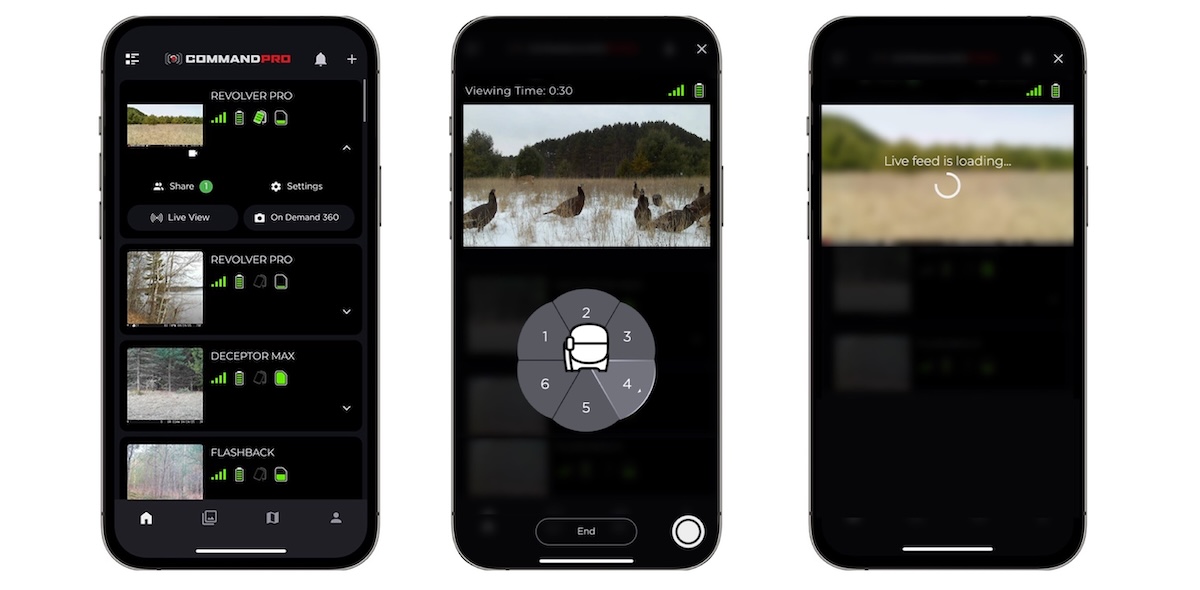
Live view offers excellent video and great audio.
10. Observing Turkey Behavior with the Live View Feature
Curious how turkeys are acting amongst themselves? Is there a gang of jakes wreaking havoc on the gobblers? Maybe there’s a couple groups of longbeards, and you want to know what they’re up to? Use these tools to observe turkey behavior and better understand all factors in play on the property.
Integrating the Command App with HuntStand
Those who wish to get the most out of HuntStand and their cell cameras can do so. By integrating the Command App (compatible with Muddy and Stealth Cam cellular cameras), hunters get the most from both sides of the digital scouting coin.