






With the explosion of wildlife management across whitetail country, it makes sense to pay attention to what your neighbors are doing on their side of the fence.

Good neighbors could also be producing great hunting over there. Combine that with your efforts and the payoff equals more deer for everyone.
Good fences make good neighbors. Better fences allow deer to easily move back and forth with efficiency. With the explosion of wildlife management across whitetail country, it makes sense to pay attention to what neighbors are doing on their side of the fence. Good neighbors could be producing great hunting over there. Combine that with your efforts and the payoff equals more deer for everyone.
Of course, whitetails live in a home range. In spring and summer, when life is easy, they dial it back to a smaller area. The rut causes them to expand that territory exponentially. Winter does, too, and if it bites hard, deer make significant forage forays. Regardless of the wandering reason, you can hunt neighboring deer when they roam, and expand upon your deer density for a wider selection of bucks to consider.
On a hunt several years ago, a buck suddenly appeared on a food plot that did not summer on the farm previously. It took me more than a week of dogged hunting, but the buck finally slipped up for a 20-yard bow shot, landing my best buck to date. As news spread, a neighbor revealed that buck lived on his property nearly the entire year until it took a road trip in front of my hunting blind. That is a good neighbor.
So, how do hunters capitalize on this concept?
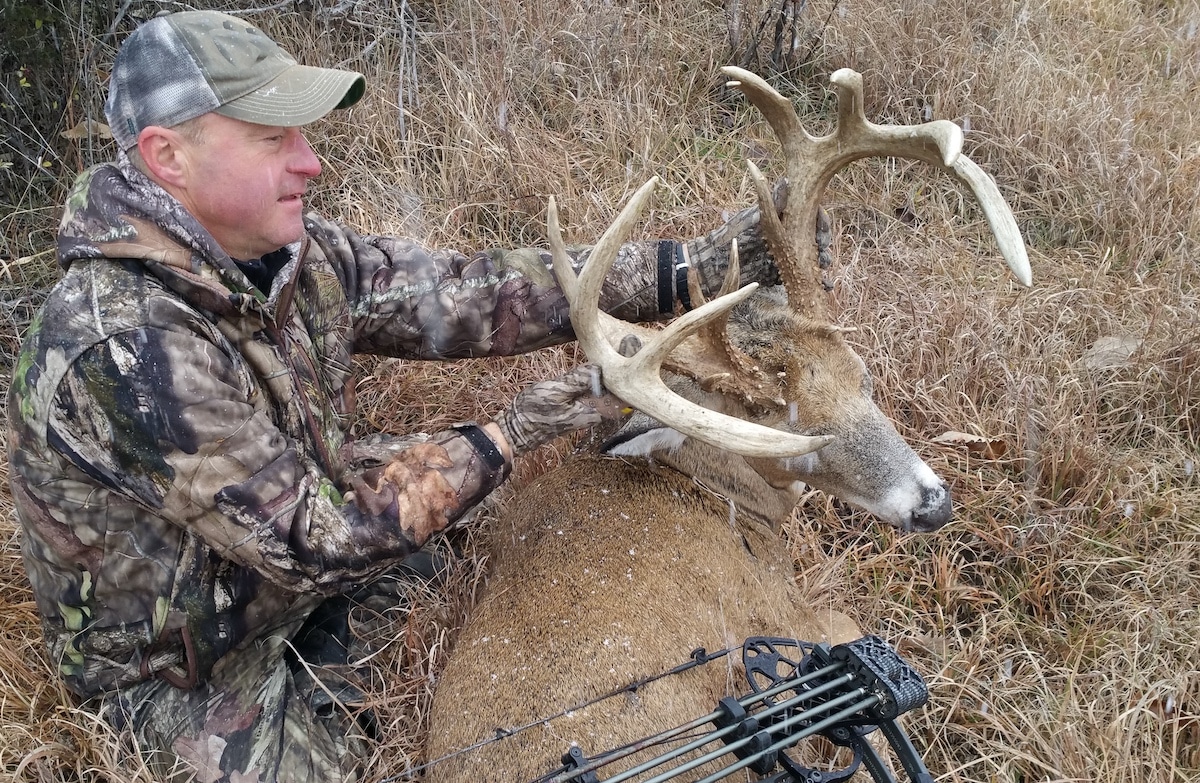
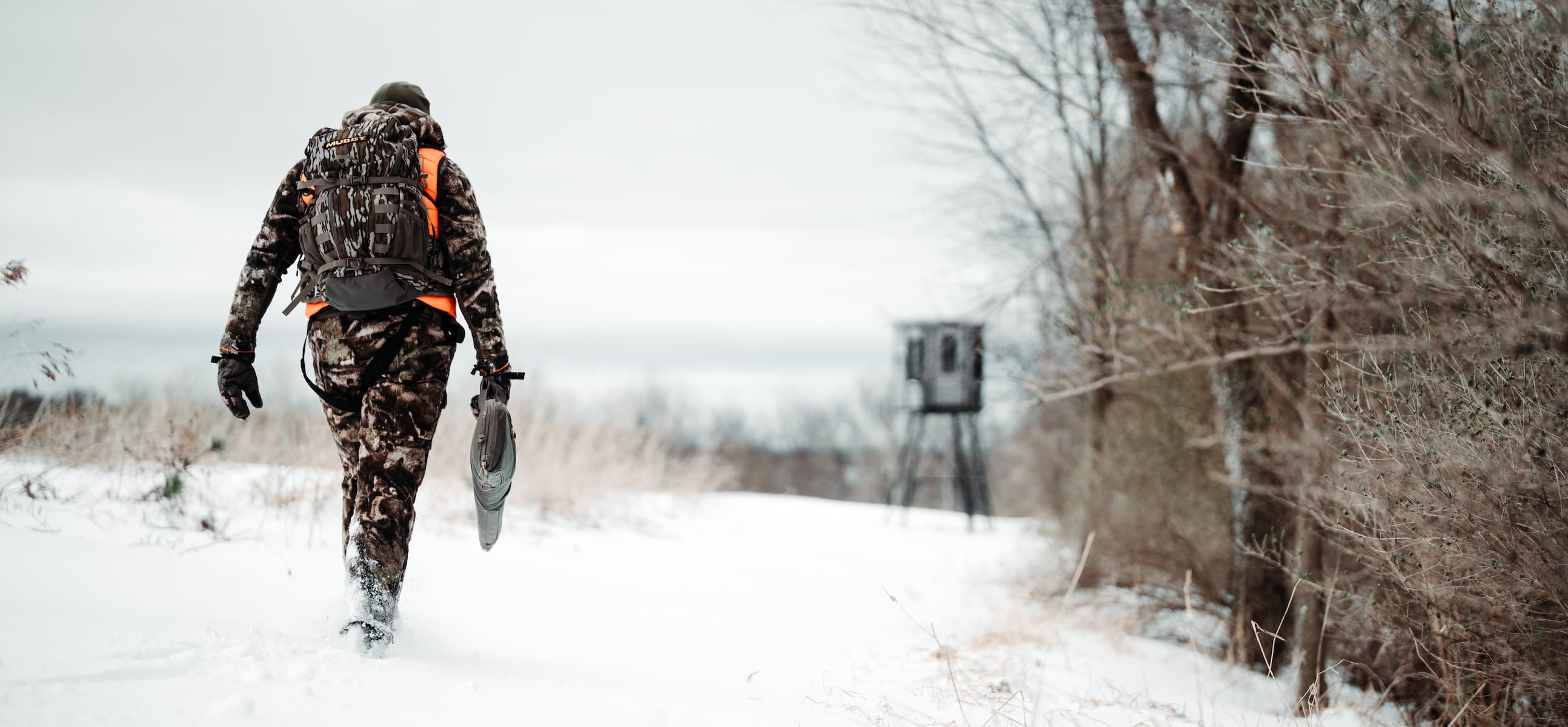
Kayser’s best archery whitetail was the result of it being lured from a neighboring property by food plots.
Step 1: Gauge the Relationship
There’s plenty to do each year on your own property, but it doesn’t hurt to evaluate the neighboring tracts to evaluate their wildlife management efforts. By evaluating surrounding properties, you can include a mixture of food plots, set aside the highest quality sanctuary, monitor water sources, and even patrol to ensure trespassing is minimized for all.
For some, that chore is moot as you have a good relationship with neighbors and know their lands. For those who haven’t established good relationships, that should be a top priority. A friendly rapport allows you to plan an overall management scheme that benefits the entire neighborhood.
Of course, some neighbors simply want to be left alone. No worries. A Sunday drive might be all that’s needed to reveal their management scheme and help you add the missing links. Take an inventory of surrounding crops (large and small), thick refuge cover, open spaces, and possible water sources, such as flowing creeks or standing reservoirs. Make note of new buildings, properties for sale, livestock grazing, and any other activities that could affect deer territory and movement.
Best Trail Camera Locations by Month for Scouting Big Deer
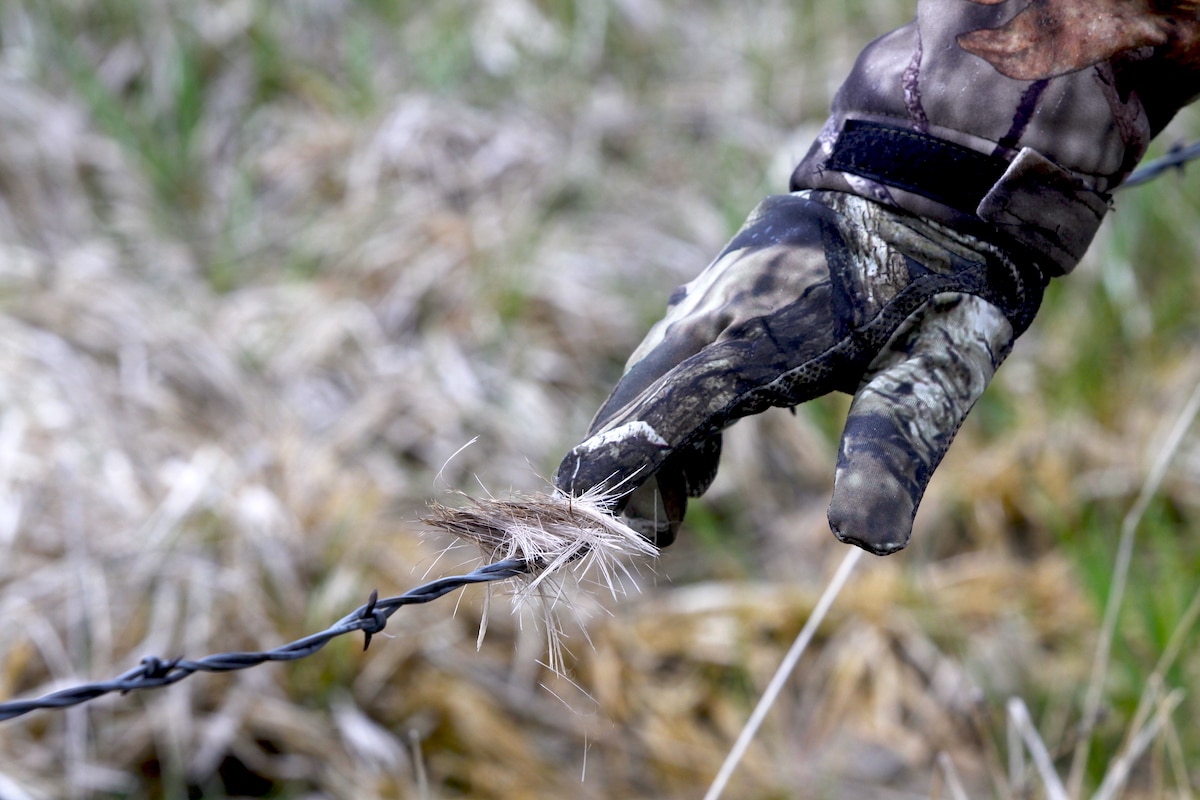
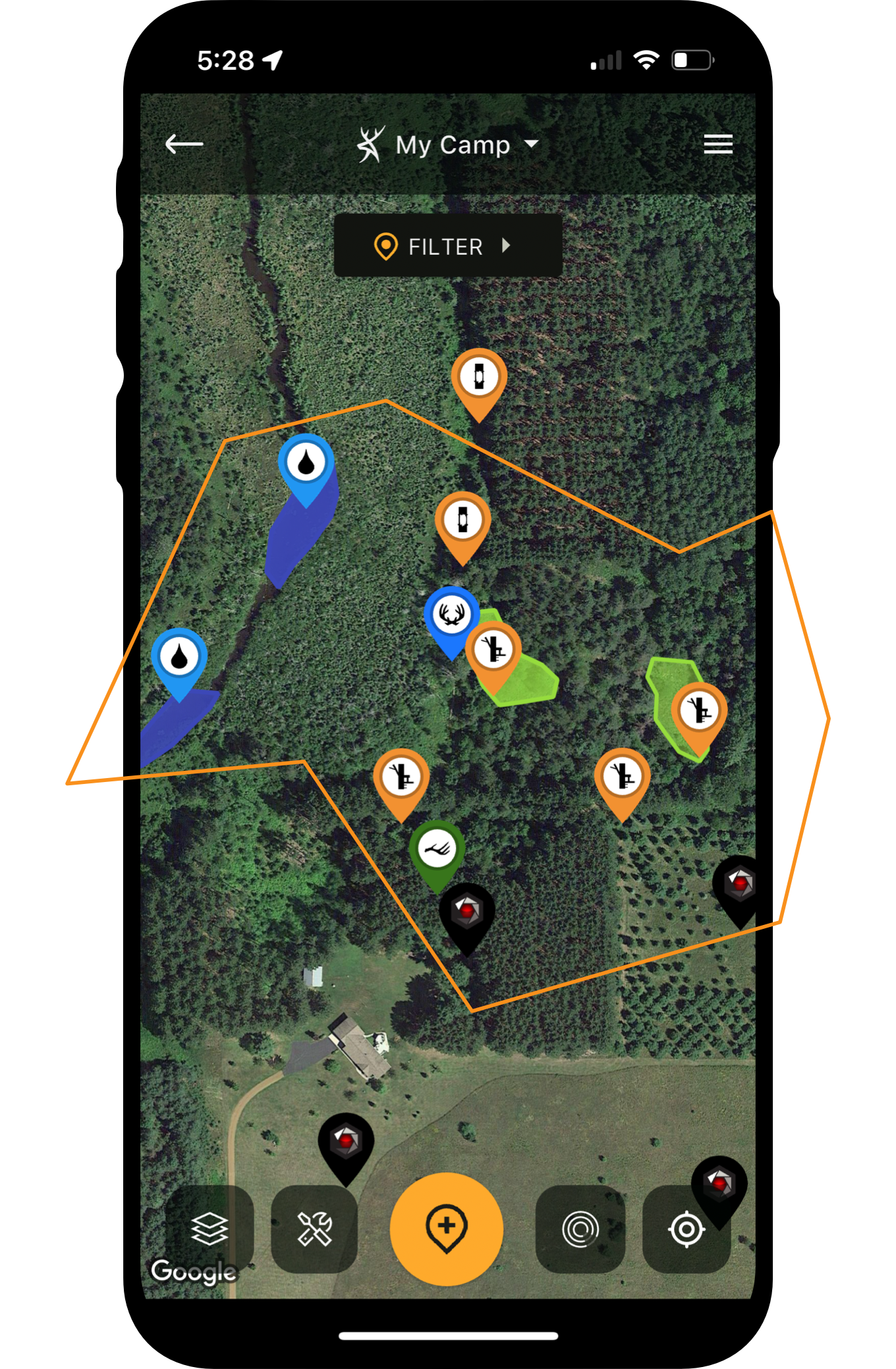
In addition to visual inspections and HuntStand sleuthing, a simple walk of your border fence aids in understanding travel between properties.
Step 2: Inspect the Boundaries
Start by walking the property lines. Look for downed fencing, especially if the neighbor hosts livestock from time to time. You do not want to drop $1,200 on a food plot, only to have it eaten overnight by cows because they walked over the fence where a tree fell on it.
Also, search for all fence crossings, trails and natural funnels deer might use to move between properties. These locations might be ideal for a stand-alone ambush or lead to locations you could manipulate for future management projects. Note all finds on HuntStand to easily return for the needed fixes or upgrades.
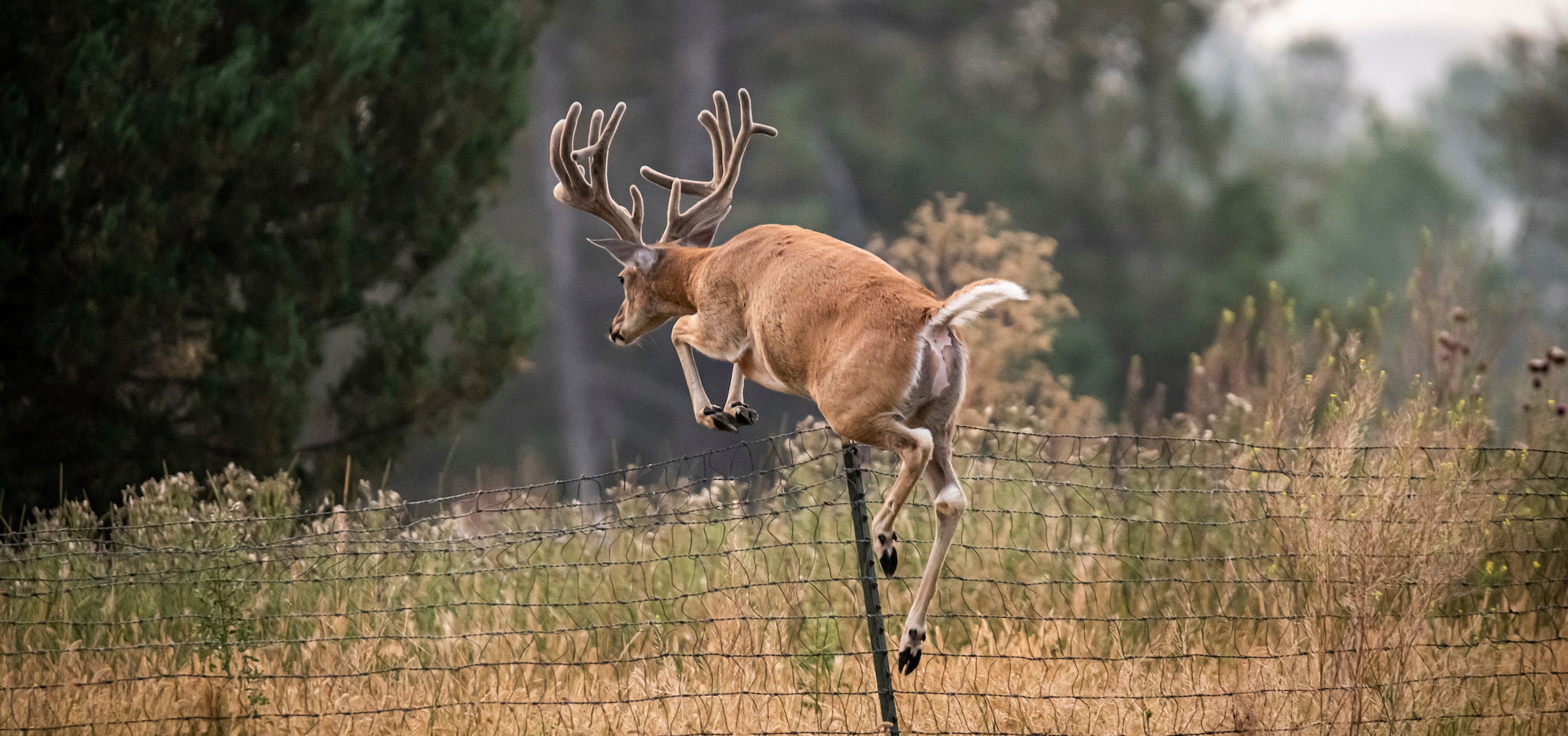
On fence reconnaissance missions, scan for freshly trampled trails and vegetation that could mean a new food plot or feeder on the neighbors. Also, scan for missing wires, sagging fence wires, or gaps underneath fences in low spots allowing deer to cross easily without jumping. Whitetails love the path of least resistance. Finding tufts of hair snagged in the fence further signifies a preferred travel route by the local ungulate population. Dig a little deeper and you might discover nearby rub lines and old scrapes that will reignite during the pre-rut. A trail camera easily reveals usage within a few days.
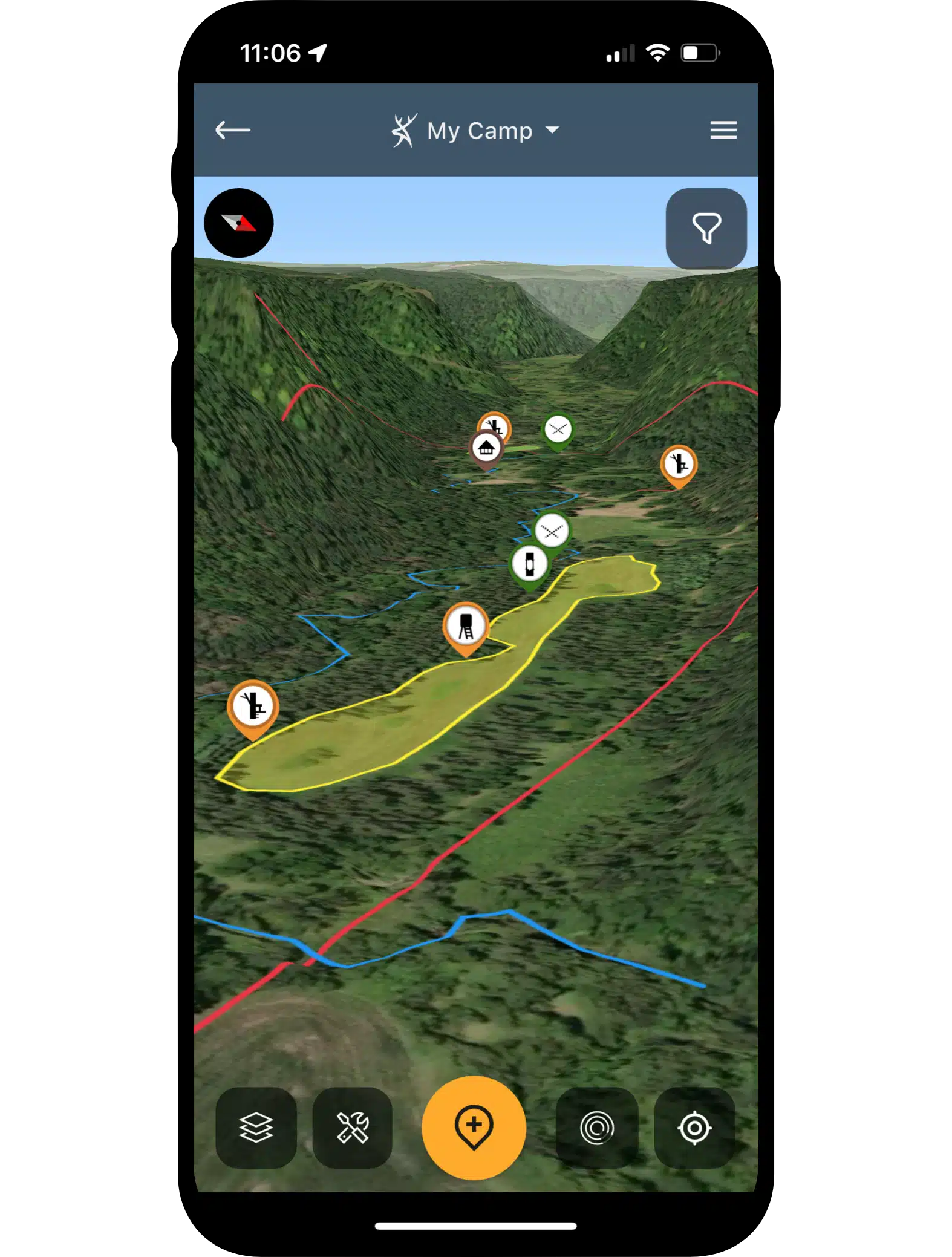
Visual inspections and HuntStand sleuthing can aid in understanding travel between properties.
Step 3: Inspect the Interiors
Unfortunately, some properties might be in a valley or veiled by cover. This blocks your spying eyes and limits evaluation from your side of the fence. Obviously, do not trespass. Furthermore, don’t use a drone. Instead, use HuntStand. An upgrade to HuntStand Ultimate offers the power of surveillance, evaluation, and planning, all in the palm of your hand.
First, the multitude of HuntStand overlays grant satellite views into neighboring properties. Using the Natural Atlas and Quad Topo overlays, you can see the thickest and steepest cover in images plus topographical information. The new Crop History overlay excels in showcasing the agricultural endeavors surrounding areas offer.
But that satellite imagery might be several months old. Fortunately, HuntStand provides a Monthly Satellite imagery layer for a current view of what is up down below. The resolution is less than stored images, but it’s typically sharp enough to see crops, forest projects, new clearings, and any recent land modifications occurring on neighboring lands.
Finally, a 3D Map flyover showcases the entire property and terrain features. All this could influence your hunting future. Even more importantly, it might help draft a land management strategy to encourage neighboring deer to visit your hunting property.
The Value of Summer Scouting for Deer
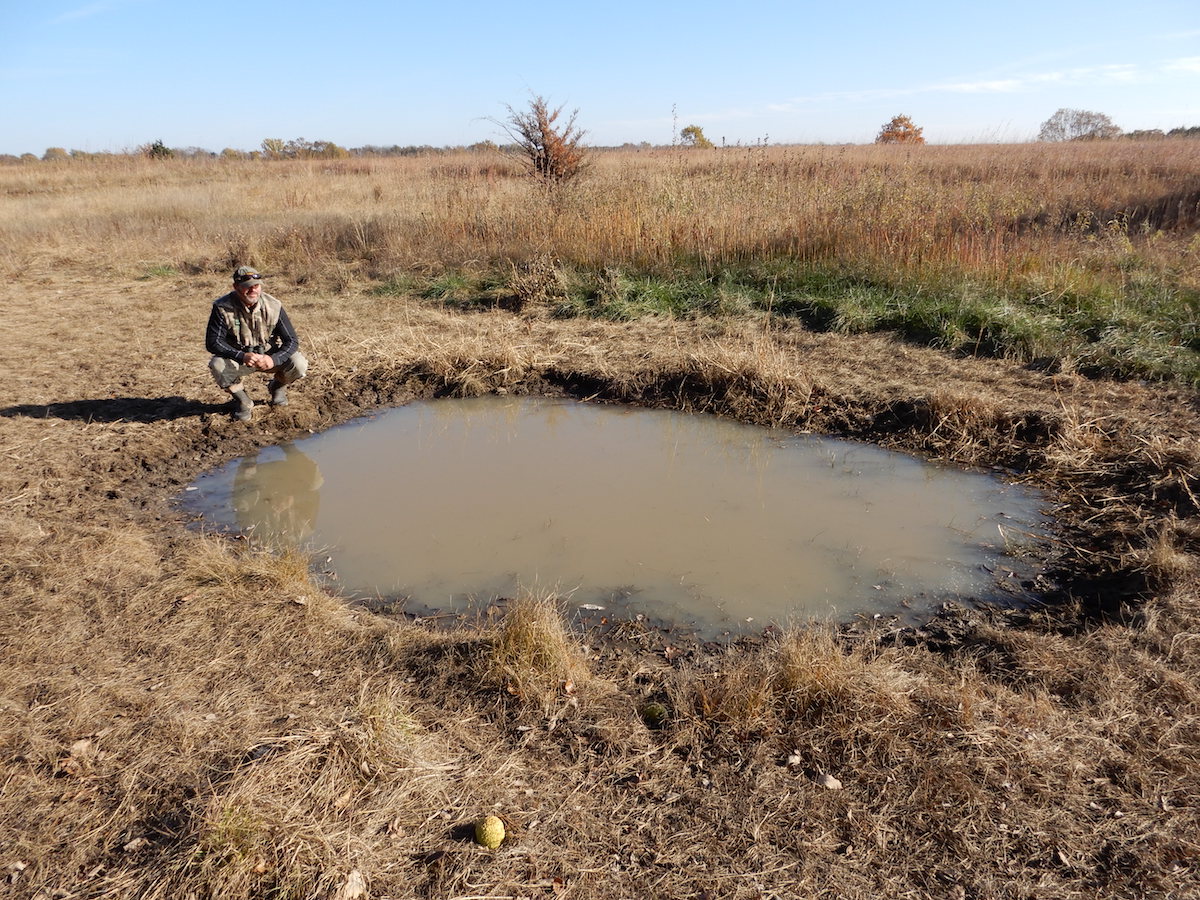
Although water resides in many hidden forms, adding water might be smart if it is a scarce commodity. It could be as easy as purchasing a livestock water tank and positioning it near food or refuge.
Step 4: Enhance Your Property
From your boundary walking, scouting drives, and app sleuthing, you likely have a good idea of what is occurring on the neighbor’s property. With evaluation completed, consider what, if any, adjustments need to be made for the hunting season. You might add to your management plan to attract neighboring deer.
First, consider adding ambush sites to take advantage of neighboring influences. Deer might use a nearby cornfield or food plot to feed, but still bed on your ground. A quick ambush site addition could keep you in the game. Add new blinds, stands, and trail manipulations to take advantage of established travel patterns.
It might help to add food, water, or bedding cover. Of course, this could alter the patterns of neighboring deer visiting your side of the fence. Sit down and consider what the neighbor offers the best of, and even scheme with them, if that relationship exists. In either event, provide something that deer do not have as much of on the other side of the fence.
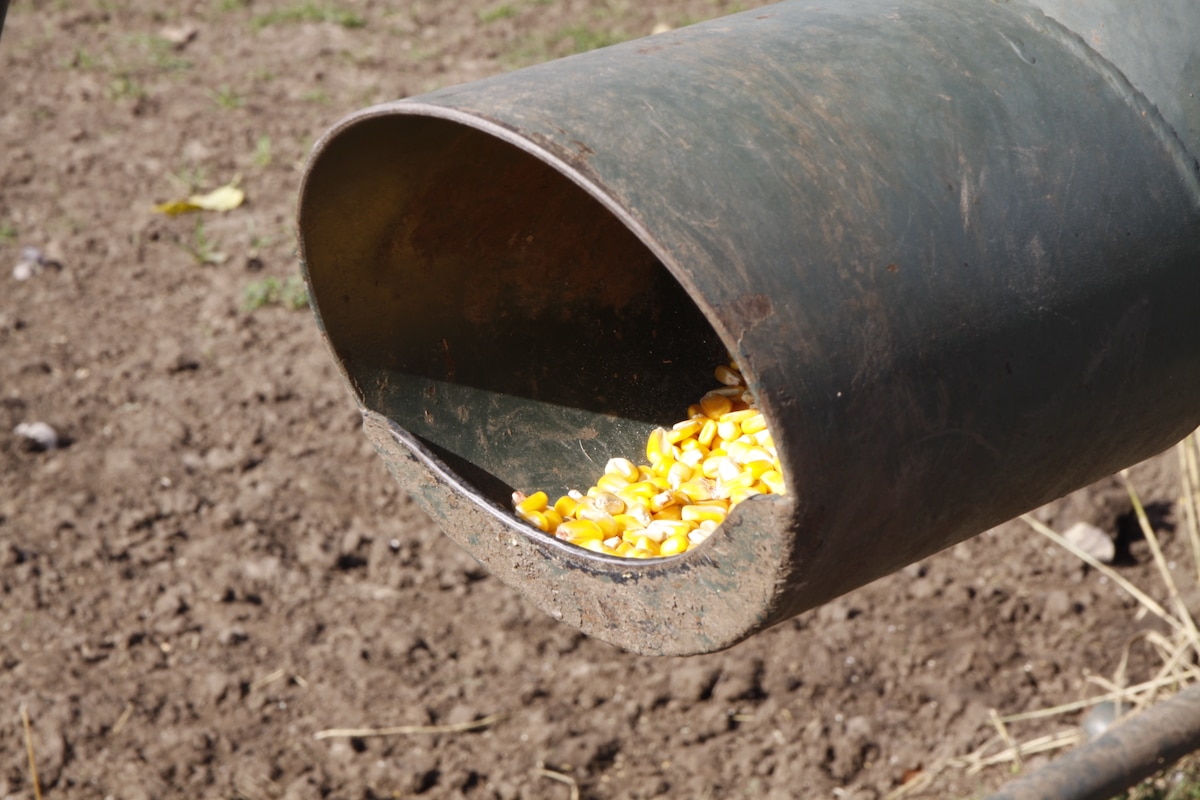
If your land is not conducive to food plots, where legal, use supplemental feeding to entice deer from the neighbor’s land.
You might already understand the missing link from previous hunting seasons, but now is the time to act. For example, a fall food plot needs time to green up before hunting season. Furthermore, expand on your food efforts to include several interior plots offering seasonal food such as alfalfa, brassicas, clover, and other nutrition to draw deer from the neighbors. And if food plots are not an option, but supplemental feeding is legal, corn lures deer, too.
Although water resides in many hidden forms, adding water might be smart if it’s a scarce commodity. Doing so could be as easy as purchasing a livestock water tank and positioning it near food or refuge. You can fill it via another water tank mounted in a truck bed, on a trailer, or on the back of a UTV. Long term, consider excavating a small reservoir in a good runoff area and lining it with a sealer.
Lastly, the neighbor might have loads of food, but lacking sanctuary. Restrict your brush clearing and set aside as much thick cover as possible as a no trespassing zone. Allow the deer to get comfortable with using it and not being disturbed. Your goal is to hunt the edges and give them a gated condo where they do not get human visitors.
And for those backup plan situations, or in case of a major shift in a deer pattern, always travel with a lightweight aluminum stand and climbing sticks for impromptu setups.
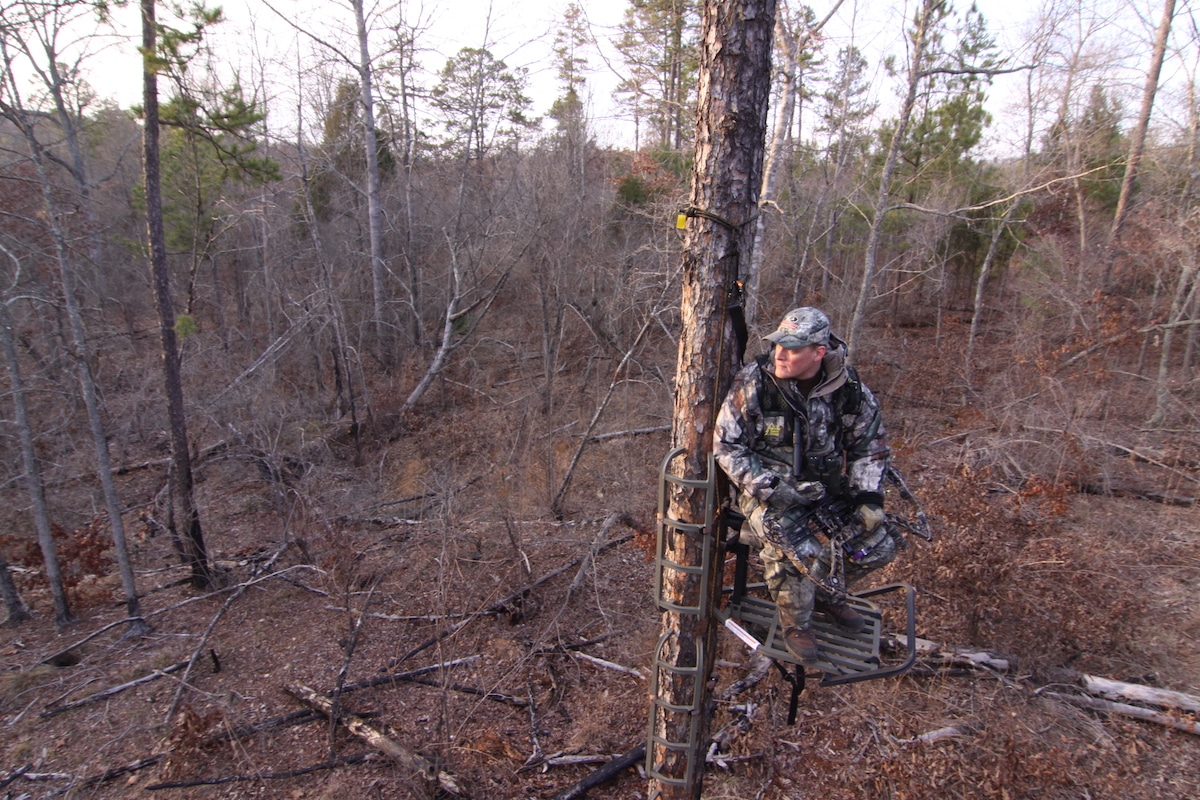
By understanding what is occurring on the neighbor’s side of the fence, you can create a simple or elaborate ambush plan.
Step 5: Hunt Property Lines Wisely
Hunting neighboring deer all sounds good and well, but if you do not have a Christmas-card relationship with the neighbor, be careful. You don’t want to hunt too close to a fence and have a wounded deer escape across a fence. This could leave you with an unpredictable recovery at best.
This is a common dilemma while bowhunting, but even occurs with firearm hunts. Sharp broadheads kill by hemorrhaging. An arrow-shot deer can run 100 yards or more even with perfect double-lung placement. You’ve likely heard of deer bounding 200-plus yards with a good shot. This means your minimum set-up distance from any fence should be at least 100 yards, with 200 being ideal.
Also, keep in mind it’s common for any animal to escape back to where it just came from because it likely felt safe prior to the shot. If you do make a questionable hit, and track the deer for more than 200 yards without finding a dead deer on your side of the fence, it’s time to back off. This is when preseason conversations with the neighbor can pay off. Obviously, don’t cross a property line to blood trail a deer without the required permission and documentation.

A good relationship with your neighbor can be helpful if a wounded deer crosses the neighbor’s fence.
Hopefully you have a great partnership with your neighbor. It can pay off in an overall neighborhood management plan. You can provide deer with the best food, water, and sanctuary. You can share buck information and cooperate on passing young bucks to grow older. Plus, if the herd grows too large, you can put together plans to cull antlerless deer.
Good fences make good neighbors, but they still allow deer to cross. So, you might as well take advantage of the bounty on the other side, even if the grass is not greener there. You can learn how to hunt your neighbors’ deer in a fair, respectful manner. They can do the same.