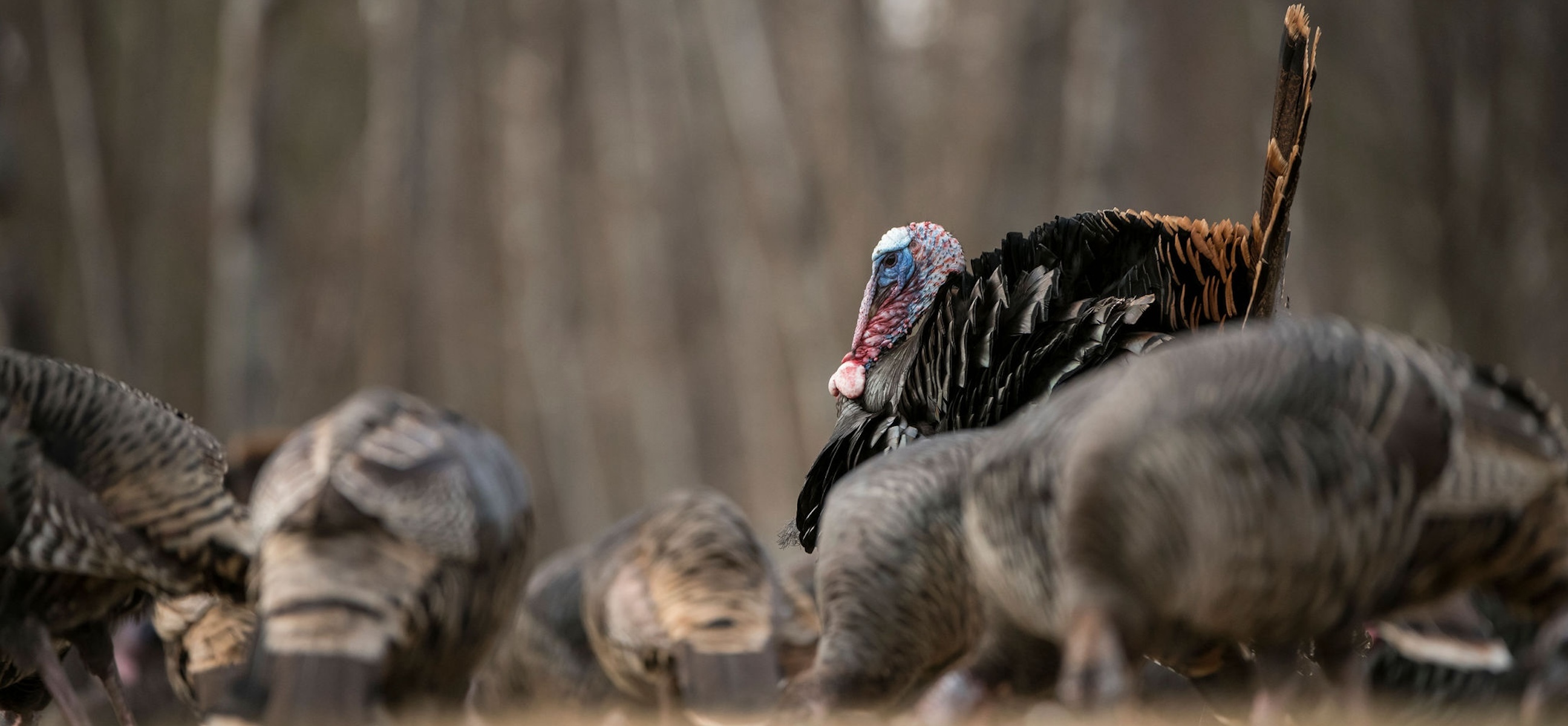






This turkey has a beard that looked a little different than its comrades' ropes.
Thirty steps up the roadbed, and I spotted that red gobbler noggin 70 yards ahead in the timber. With ample cover and shadowing all around, it never saw me. I patiently waited as it and the other 10 or so birds fed off over the rise.
Ten minutes later, I deployed the Avian-X hen decoy, plopped down, and started clucking, purring, and yelping. In short order, two longbeards popped their heads up in the cedar thicket. Then, a third and fourth. Soon after, a fifth gobbler.
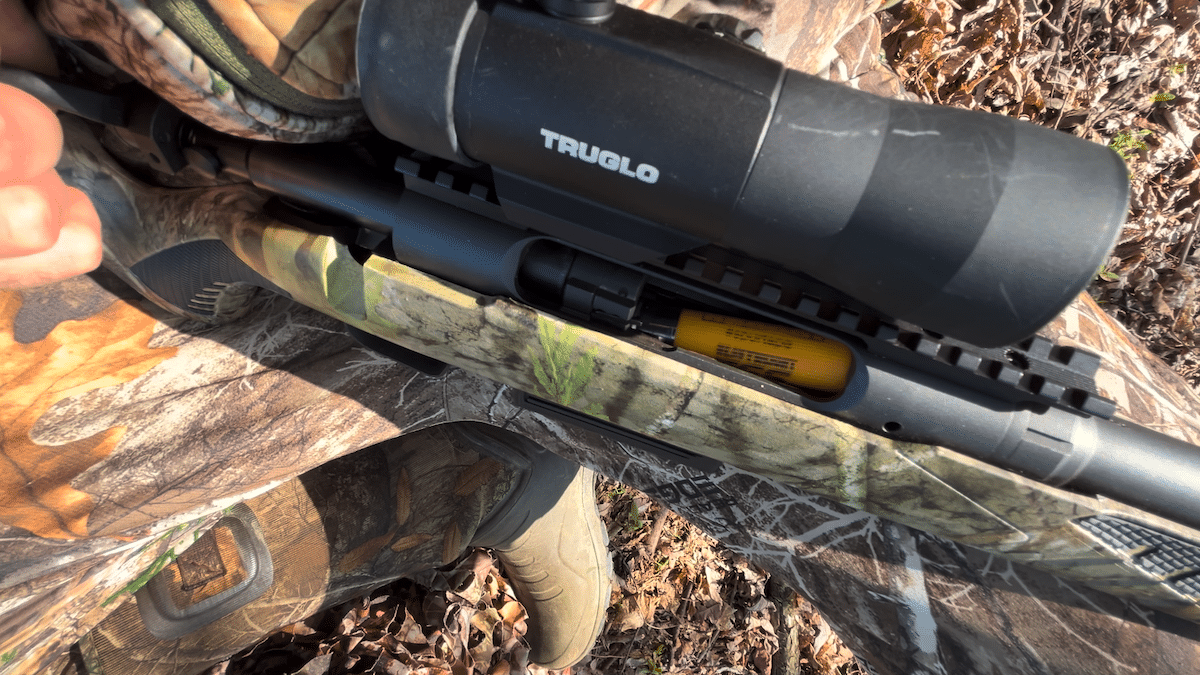
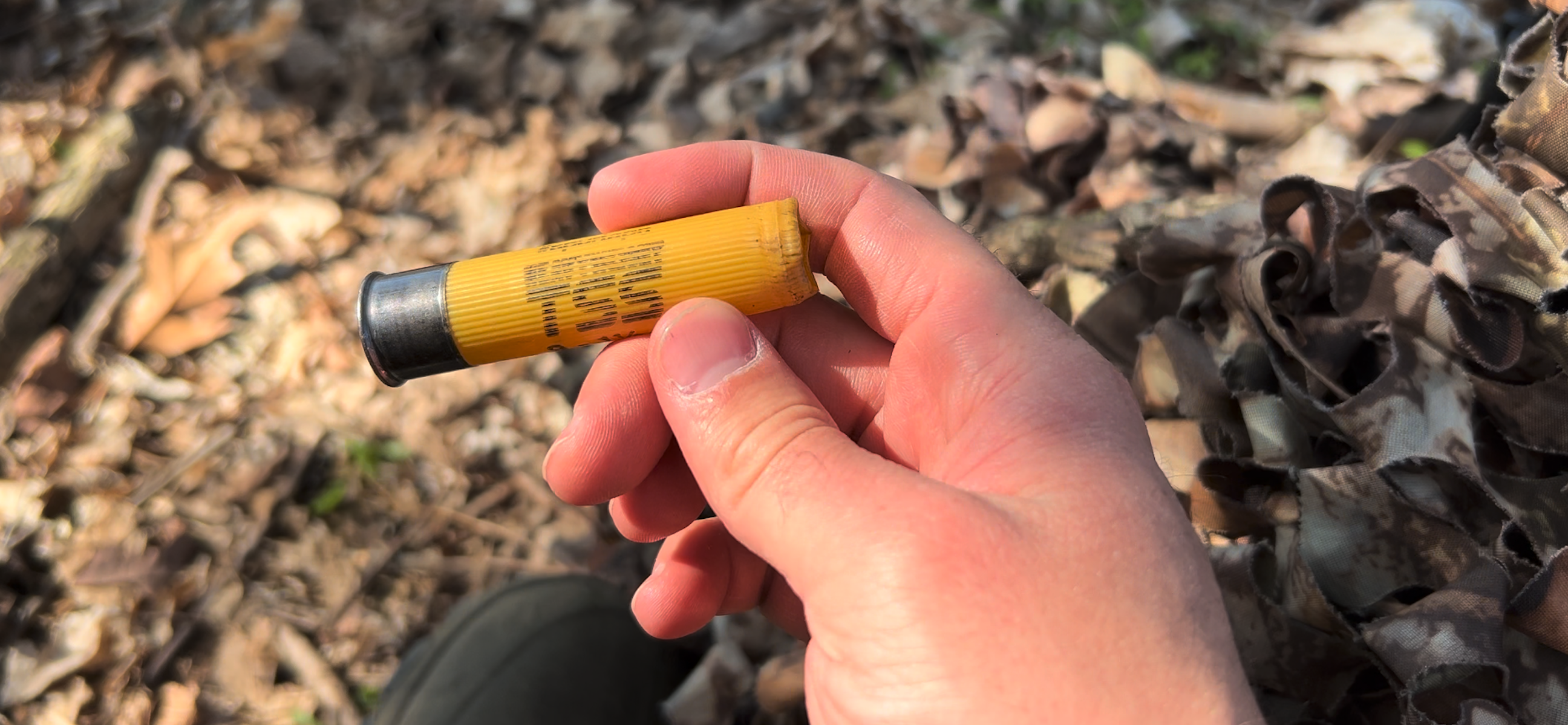
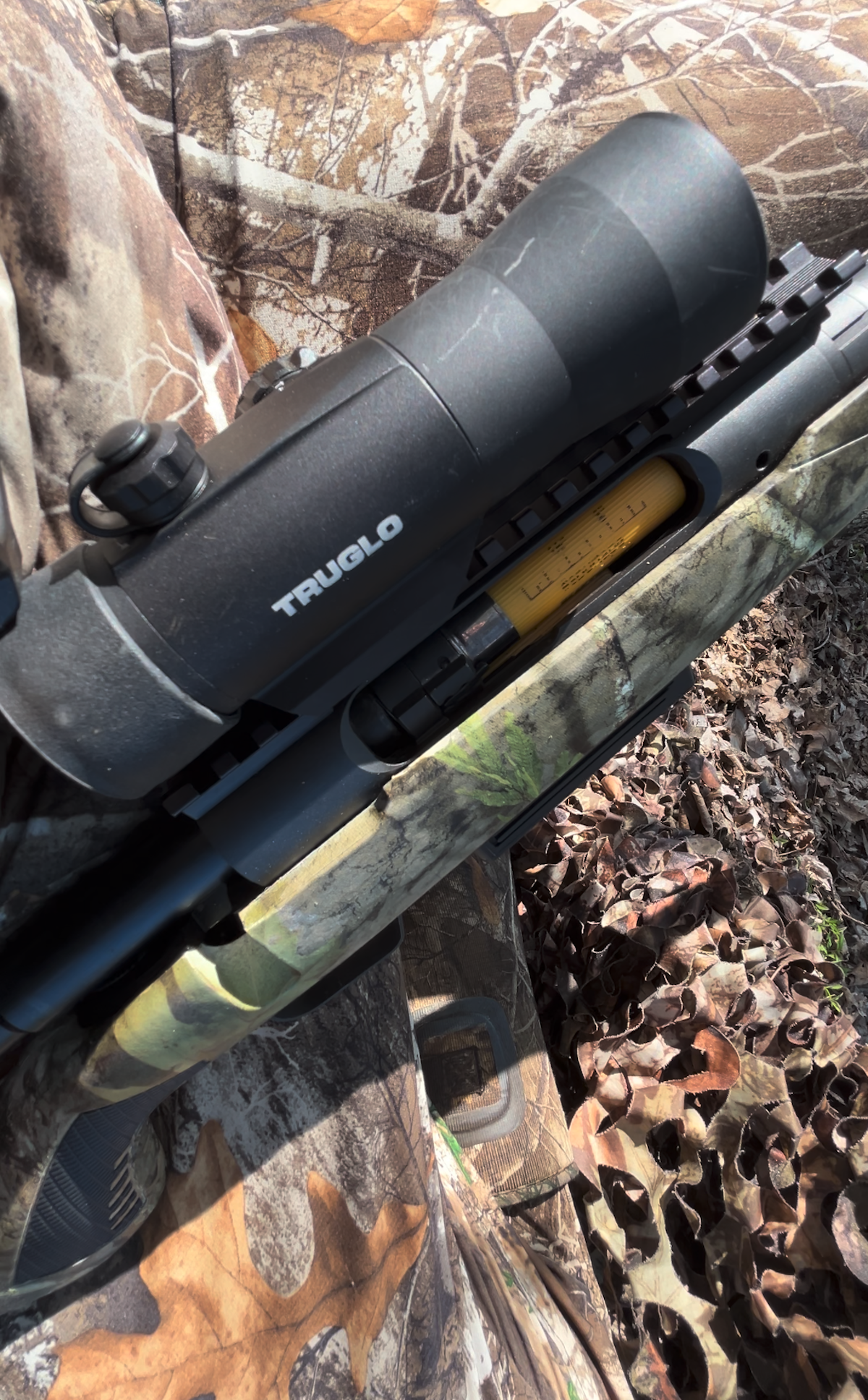
The Savage 220 bolt-action turkey shotgun is a mean machine. Topped off with a TruGlo red dot sight and sending TSS turkey ammo, the gobbler didn't stand a chance.
My Canon R5 camera shutter worked overtime, and after “killing” all those birds with my Canon, I noticed one of them had a rather odd-looking beard. Zooming in on the bird, I realized it sported at least one extra beard, if not more.
Thoroughly intrigued, I carefully sat down my camera, and slowly reached for my Savage 220 Turkey 20-gauge shotgun. With the group of turkeys focused on feeding, I shouldered the shotgun, peered through my TruGlo red-dot sight, and settled in on that multi-bearded turkey. Red dot met red neck, and that was that — TSS for the win. The bird wore 24 ¼ inches of beard, 1 1/8-inch spurs, and weighed 18 pounds.
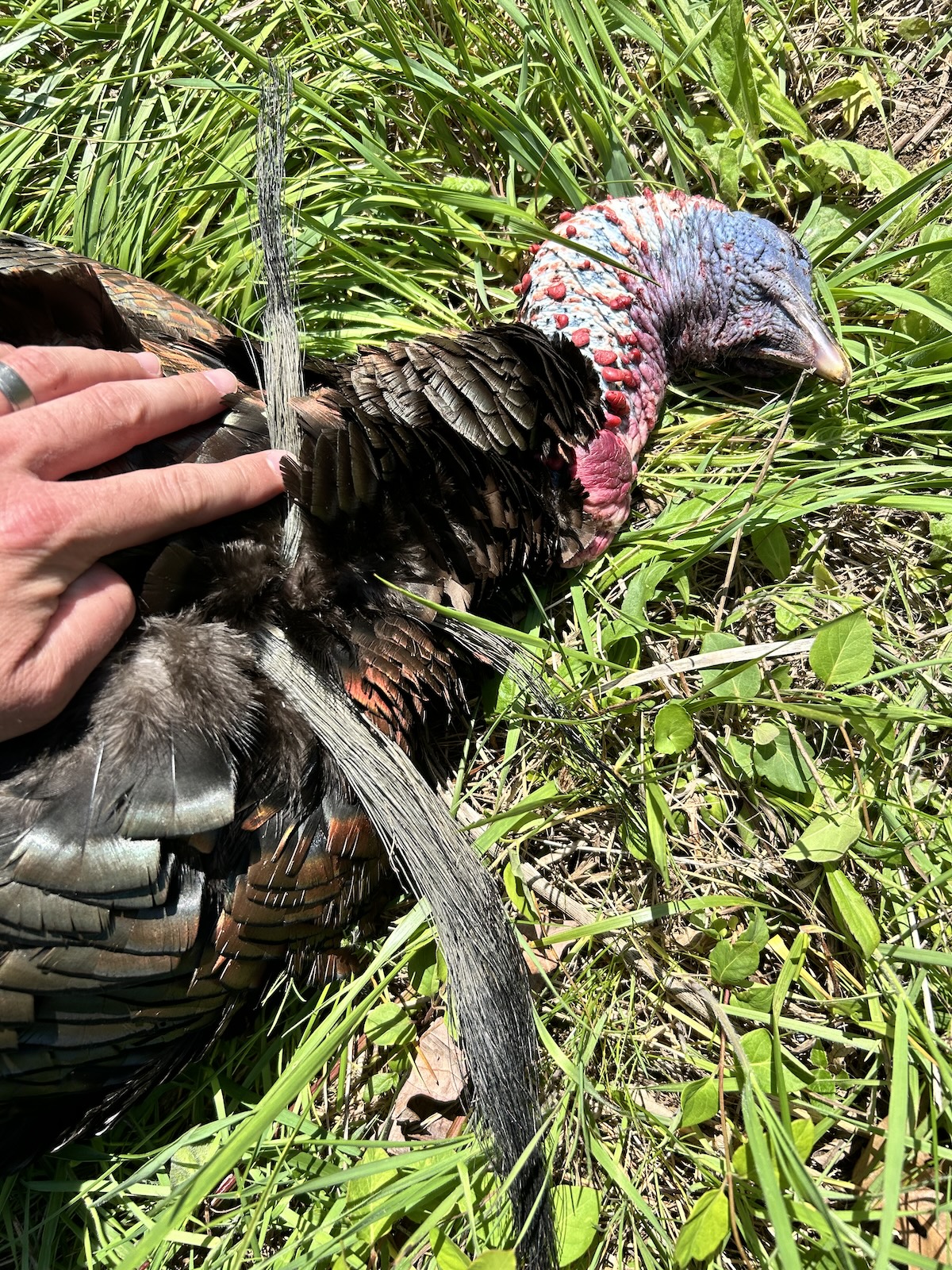
That's three beards totaling 24 1/4 inches of rope.
While lead ammunition is still great, Tungsten Super Shot (TSS) changed the turkey hunting game. It’s made turkey hunters more effective, and opened turkey hunting for those who wouldn’t be open to it without tungsten shot. (Think young or small-framed shooters who can’t hunt with anything but a .410 shotgun.)
That said, here are 10 reasons to shoot TSS ammo for turkeys.
Editor’s Note: TSS isn’t safe for or compatible with some shotguns and turkey chokes. (This is especially true for older shotguns made decades ago.) Check with manufacturers and product manuals to determine if TSS ammunition is a safe, viable ammunition option for your setup.
1. Denser Pellets
Lead shot for turkeys isn’t as dense as TSS, and measures about 11 g/cc. In contrast, tungsten is denser than lead, measuring approximately 18 g/cc. More specifically, it makes space for increased pellet counts, and produces better downrange energy.

2. Smaller Pellets
TSS generally comes in shot sizes No. 7, 8, or 9. Compared to common lead shot sizes of No. 4, 5, or 6, that’s significantly smaller. However, due to the greater density of TSS, you’re able to reduce shot size while still maintaining energy. A No. 9 TSS pellet generally holds as much downrange energy as a No. 5 lead pellet.
A Perfect Morning of Turkey Hunting | Decoy Beatdown [Turkey POSSE]
3. More Pellets
A load of TSS offers more payload pellets than lead and other options. For example, Federal Premium Grand Slam in No. 5 shot size (12-gauge) has 298 payload pellets, and its HeavyWeight TSS in No. 9 shot size (12-gauge) has 634 pellets. That’s a big difference with more pellets to hit the mark.

4. Shorter Shells
Most turkey ammunition comes in 3- or 3 ½-inch turkey loads. However, custom shops now offer TSS in shorter 2 ¾-inch loads. This makes it possible to shoot turkeys with guns that aren’t chambered for 3-plus-inch shotshells. (Again, be sure your gun barrels can handle tungsten ammo.)
How to Pattern Your Shotgun for Turkey Hunting
5. Smaller Gauges
Sub-gauge shotguns, such as .410s and 28-gauges, were once shunned as viable turkey guns. They simply didn’t put enough pellets in a 10-inch circle. TSS changed that. Now, turkey hunters can ethically deploy their favorite shotgun, regardless of gauge, and hunt turkeys. According to JJ Reich from Federal ammunition, studying 40-yard ammo data, a .410 chambered with TSS puts almost as many pellets in a 10-inch circle as a 12-gauge chambered with lead turkey ammo. That’s shocking, and reason enough to use TSS turkey loads.
The author patterned numerous turkey loads, and Federal Premium's HeavyWeight TSS performed the best.
6. Lighter Guns
Larger gauges tend to produce heavier guns. Smaller gauges tend to produce lighter guns. Because TSS makes smaller gauges viable turkey killers, it’s now possible to carry shotguns that aren’t as heavy. That makes it easier to carry all necessary gear, and to do so more comfortably.
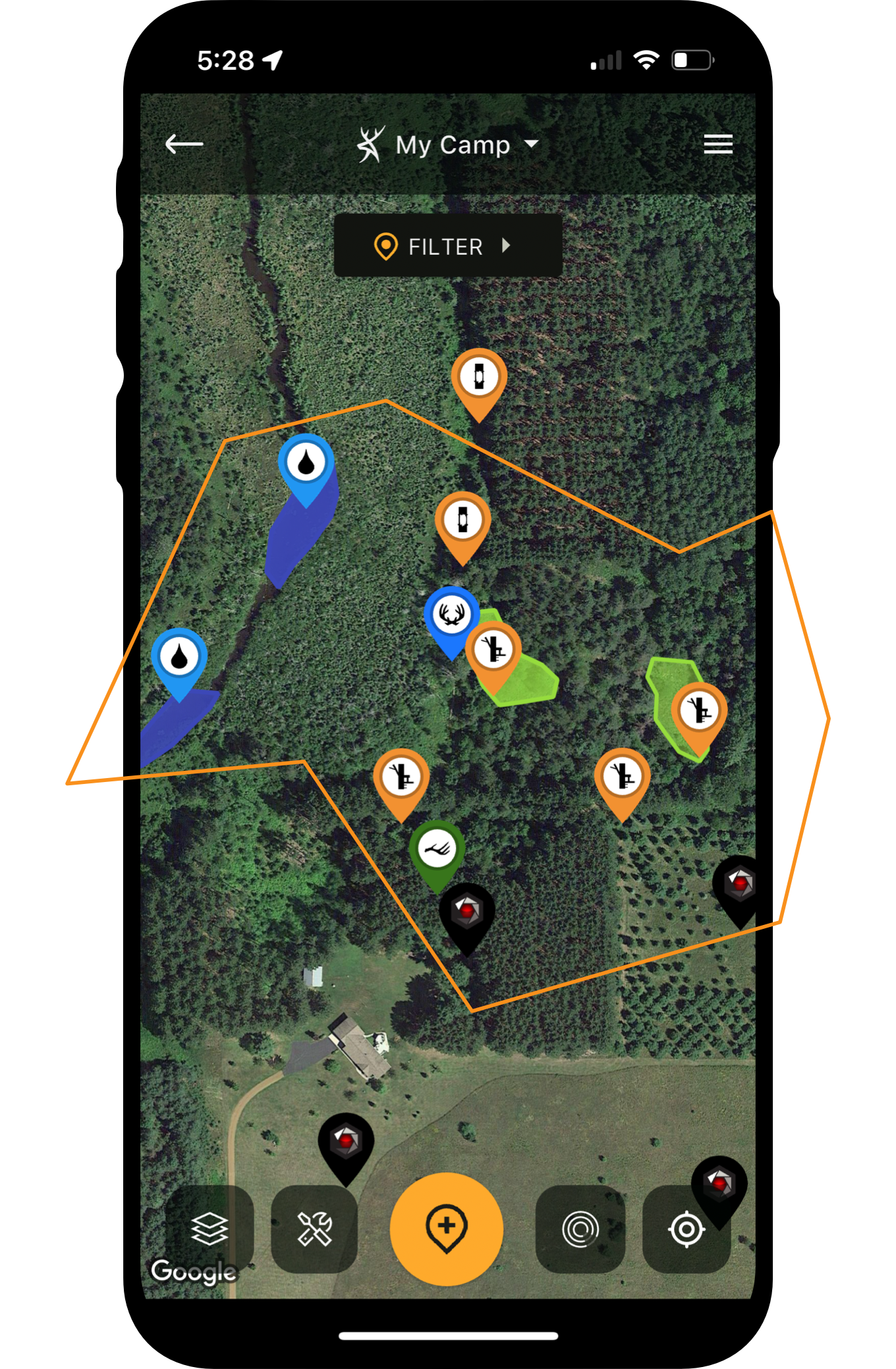
30 Ways HuntStand Pro Makes You a Better Turkey Hunter
7. Less Recoil
Oftentimes, lighter gauges chambered with TSS kick less than heavier gauges with lead (or TSS). It’s great for those who are more sensitive to recoil. That’s especially important for new, young, or smaller-framed shooters.
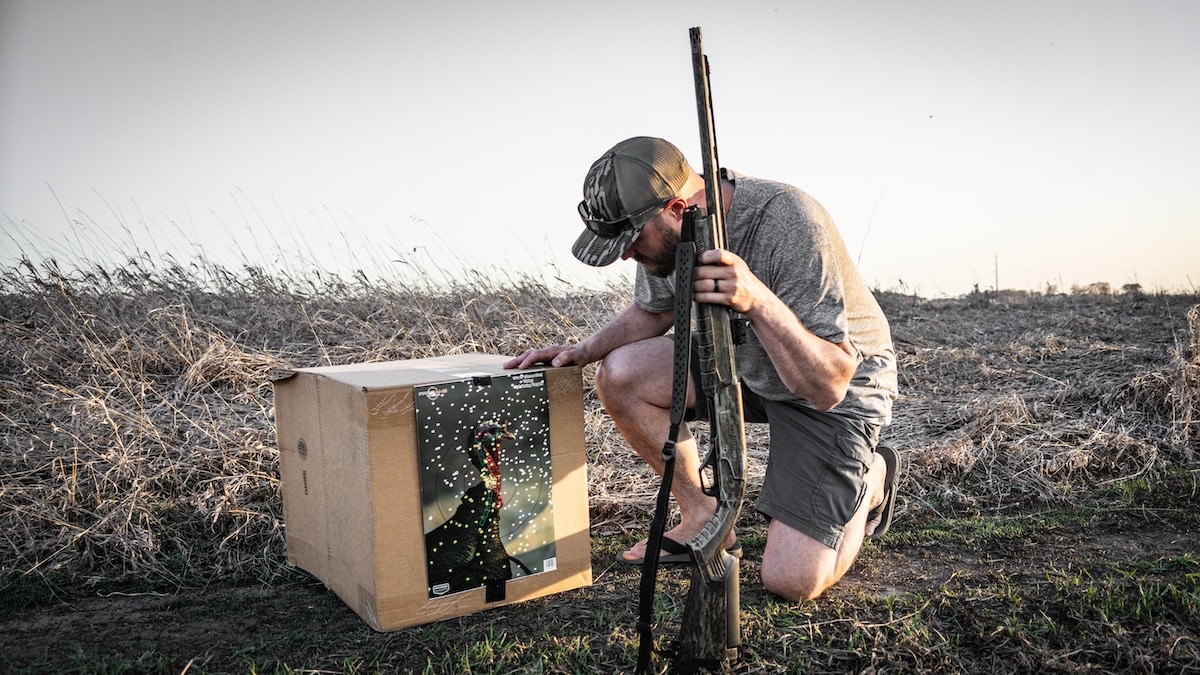
How well your rig and ammo patterns really matters.
8. Better Patterns
Having more pellets translates to better patterns. More pellets and better patterns lead to a cleaner, more ethical turkey kills. This increases confidence in a turkey gun and ammo setup, which matters. Pattern your gun in 10-yard intervals from 20-50 yards, or maybe even 60 yards, to see how it performs. Then, make a sound decision on your ethical range.
40 Foremost Public-Land Turkey Hunting Rules to Follow
9. Extended Ranges
Turkey hunters should maintain ethical shot distances. This is different for every gun-ammo setup, and even varies based on the effectiveness of the shooter. Tighter patterns that maintain downrange wad patterning efficiency make it easier to squeeze off those longer shots. It also makes more room for error, in case you hold just a little too high, low, left, or right.
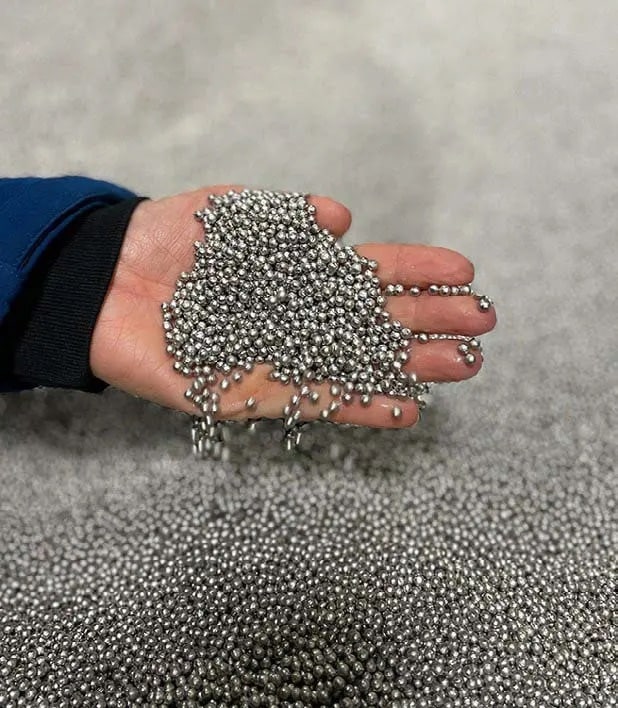
Payload count was once undervalued. With the arrival of TSS, it leads most turkey ammo discussions.
10. Regulation Appeasement
Some states and public lands don’t permit lead ammunition. In these areas, hunters are largely limited to alternative options, such as copper or steel shot. However, in some areas, TSS might be allowed. Check regulations to determine what ammunition type and shot size turkey hunters can use.
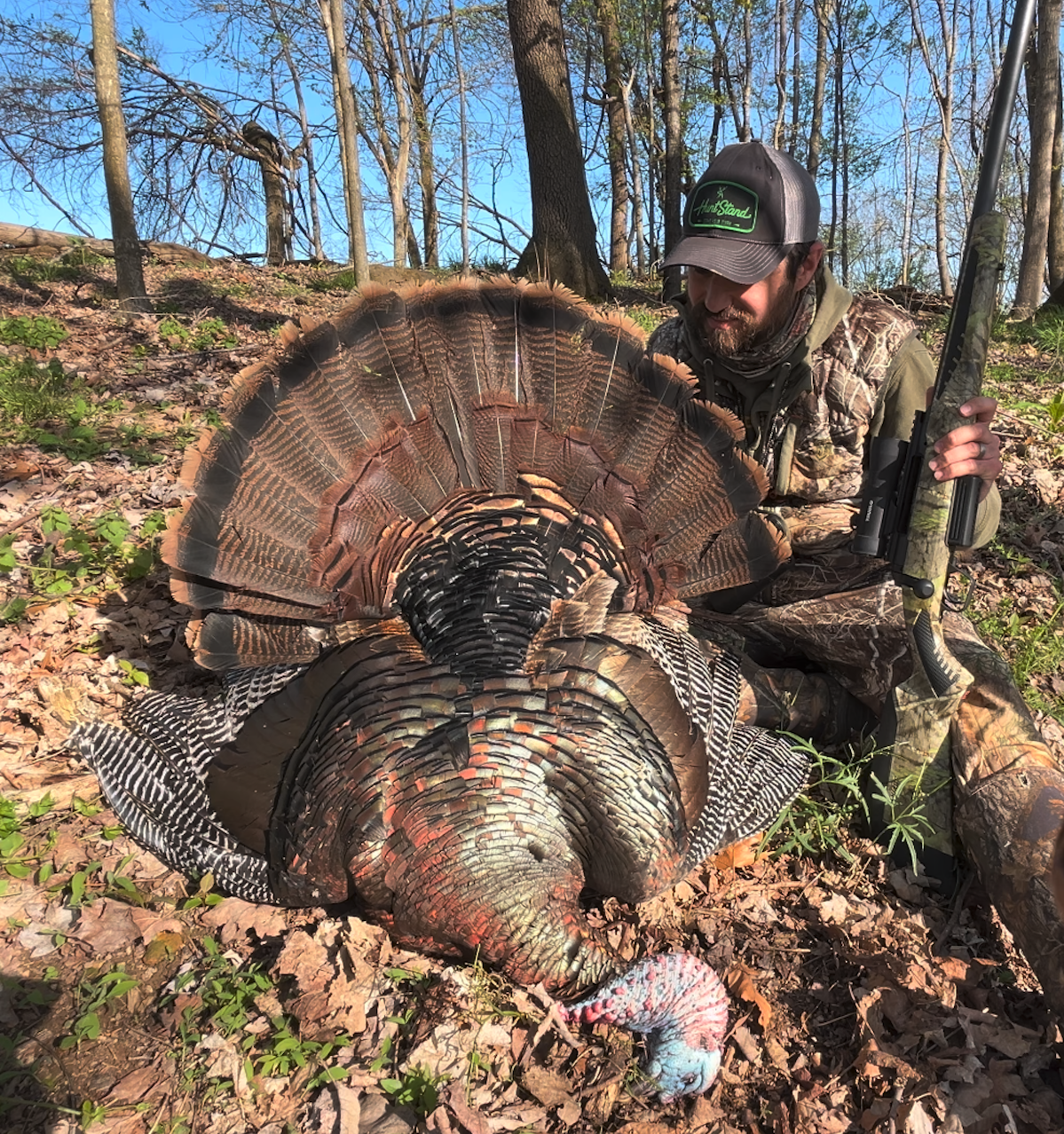
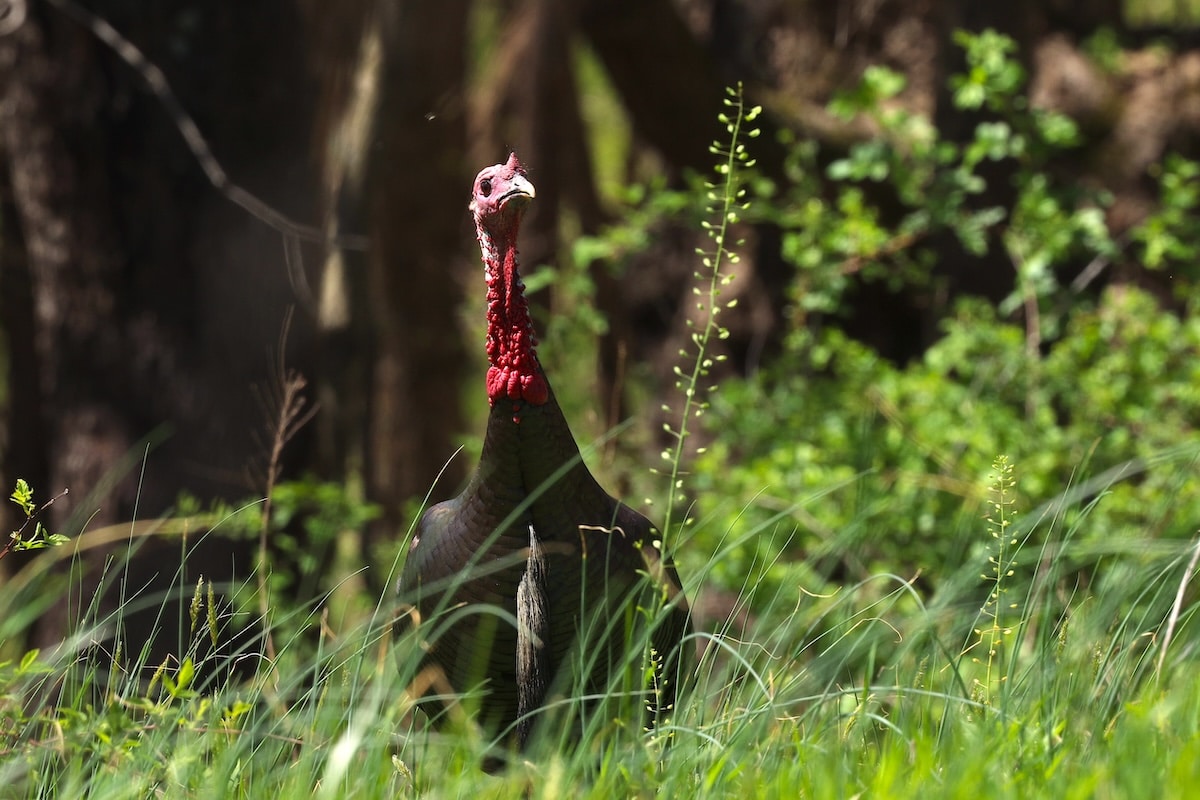
The author bagged this big bird with his Savage 20-gauge and TSS ammo.
Conclusion: TSS Is the Best Turkey Hunting Ammo
All things considered, in my opinion, TSS is the best turkey hunting ammo. Sure, it’s expensive. In fact, compare a box of TSS with lead, and it’s oftentimes three times pricier (for half as many shells). But we’re not talking about hunting ducks or doves with TSS. And if you’re among those who enjoy burning through bunches of boxes of turkey loads, perhaps lead is a better option. But for the average turkey hunter, spending a few more dollars to increase ethical and lethal abilities far outweighs costs. There are just too many reasons to shoot TSS ammo for turkeys.