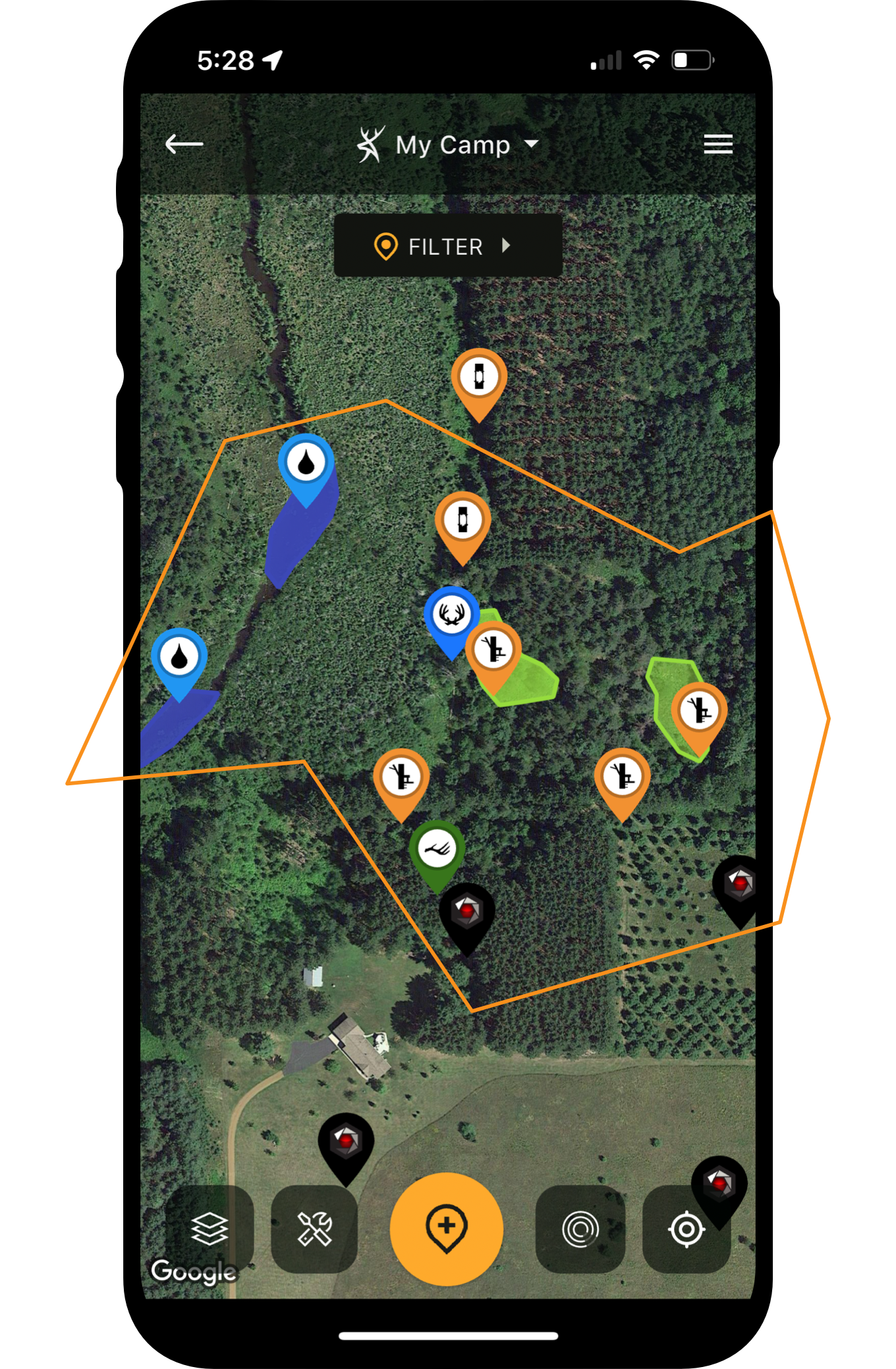






The 3D Map feature with HuntStand Pro helps you understand areas of a hill deer might use for bedding or travel.
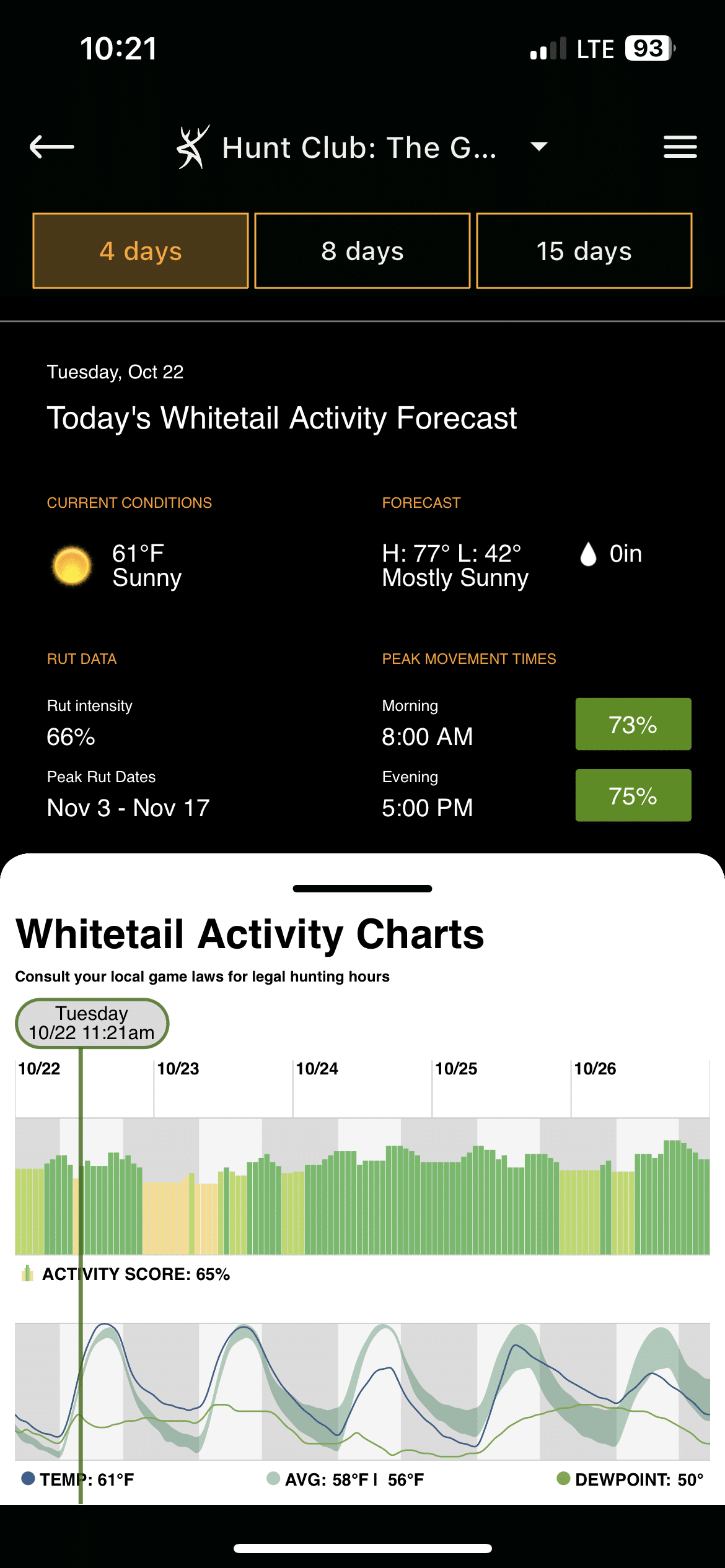
HuntStand Pro Whitetail’s Whitetail Activity Forecast feature gives you information to plan your hunt when challenges emerge.
Nobody said whitetail season would be as easy. Challenges lie ahead. Some have easy solutions, but others might never be solved. Read the deer hunting challenges listed here. Then, prepare for the worst with a chance for correction before a hunt disaster occurs.
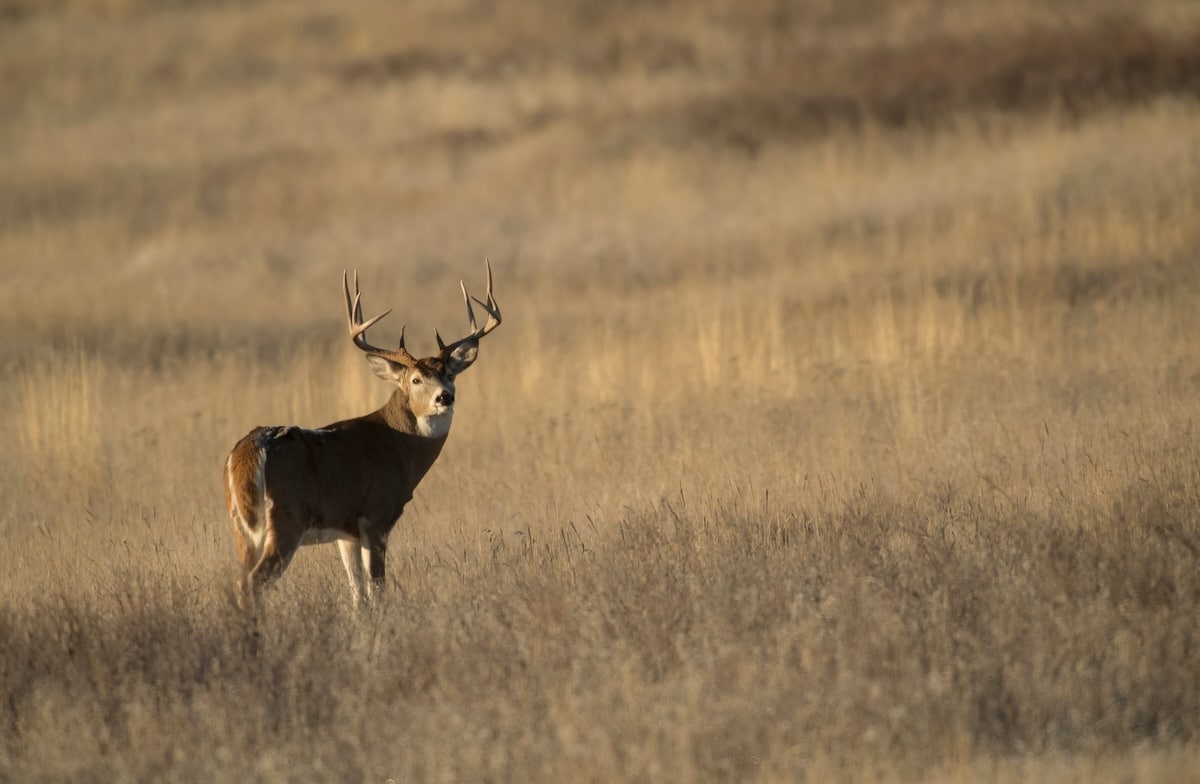
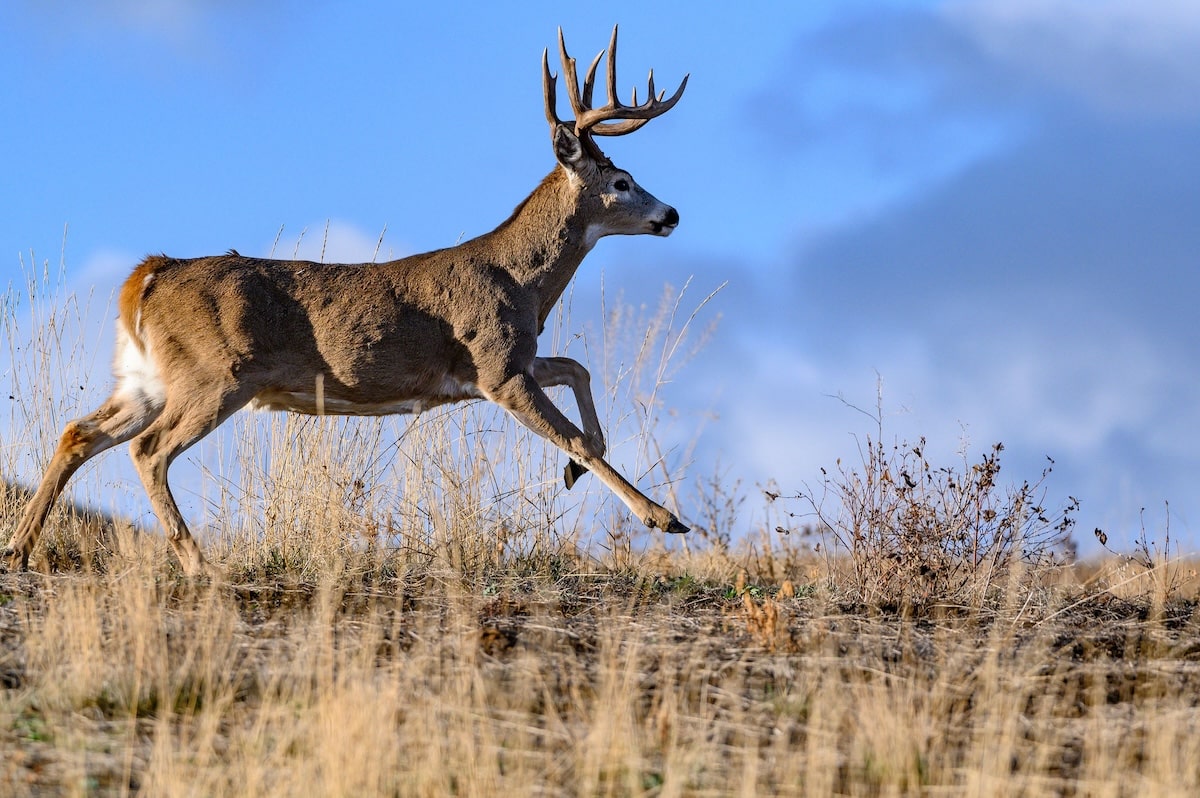
Prolonged warm spells can minimize deer movement.
1. Prolonged Hot Weather
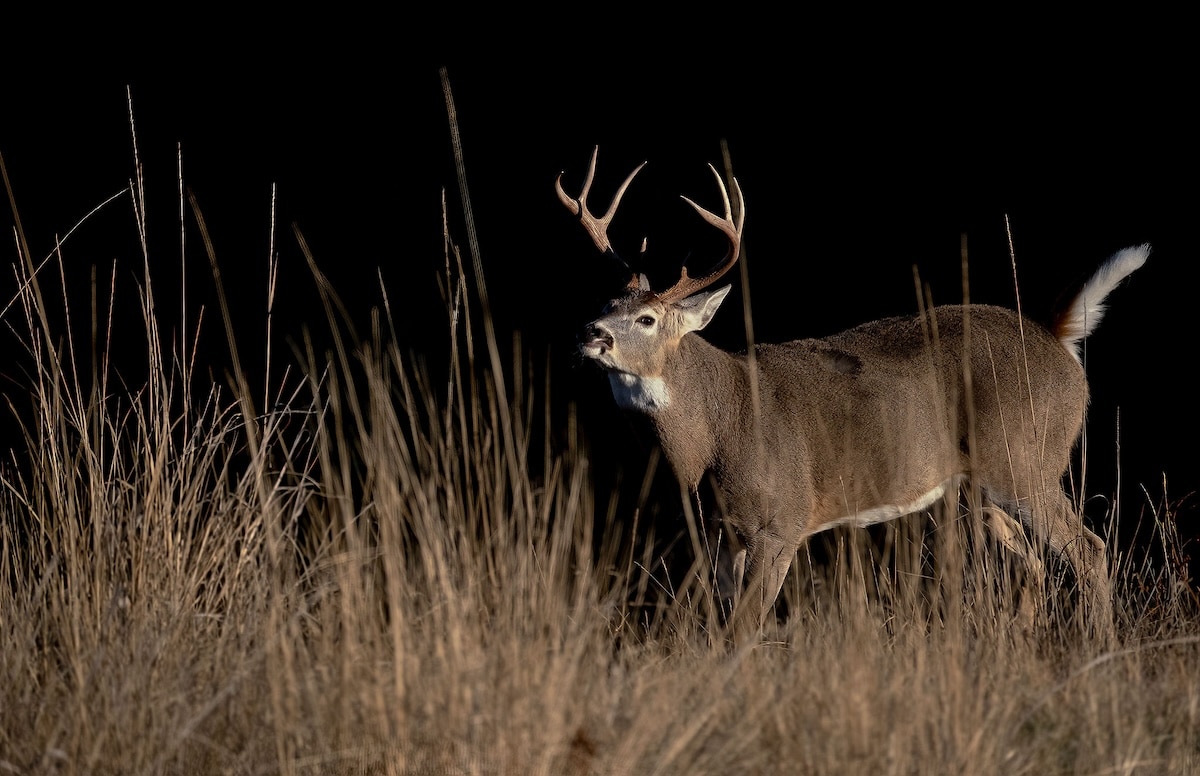
Whether climate change or just another whacky weather year on the planet, hot weather invades most hunting seasons. Even during the rut, it curtails whitetail activity. Whitetails move less because they have heavy winter coats. They drink more water and seek shade.
Solution: You should do the same, except ditch the puffy jacket. Hunt water and set trail cameras to monitor likely water sources, especially during the rut. To catch deer in the shadows, move stands 100 yards back from fields or near mast, like oaks. Use your HuntStand Pro Whitetail subscription to access the Nationwide Rut Forecast, Whitetail Activity Forecast, and other features, to take advantage of limited hours of movement with precision movement projections.
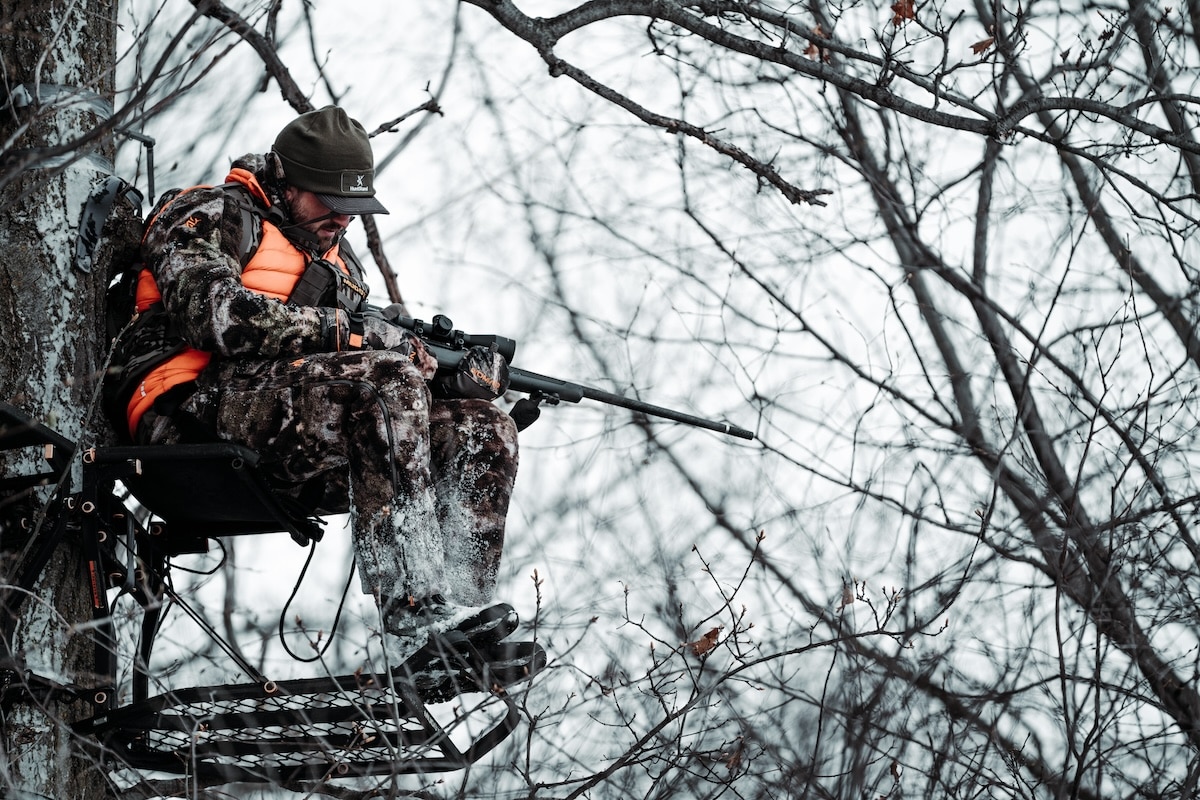
Challenging cold spells without a break in the temps can keep deer bedded to conserve energy, resulting in slow hunts.
2. Sustained Cold Weather
Like searing temperatures, frigid temperatures, especially when accompanied by a surprise fall storm, also can make deer hunker longer. Deer instinctively use prolonged bedding to preserve calories and retain as much energy as possible. When cold invades your hunt, early or late in the season, you have two choices.
Solution: First, you need to hunt for the highest quality nutrition possible. Energy-rich foods, such as corn, soybeans, and turnips, receive higher attention than native browse. Scout all food sources in your hunting area. Note them on your HuntStand app and scout for travel routes leading to these areas.
Next, have a backup stand set on the perimeter of bedding cover. When deer bed longer, be waiting for them to move toward feed, especially when the time is right. Do not fret cold or snow. It will not last long and the rut action is guaranteed to cancel it out soon.
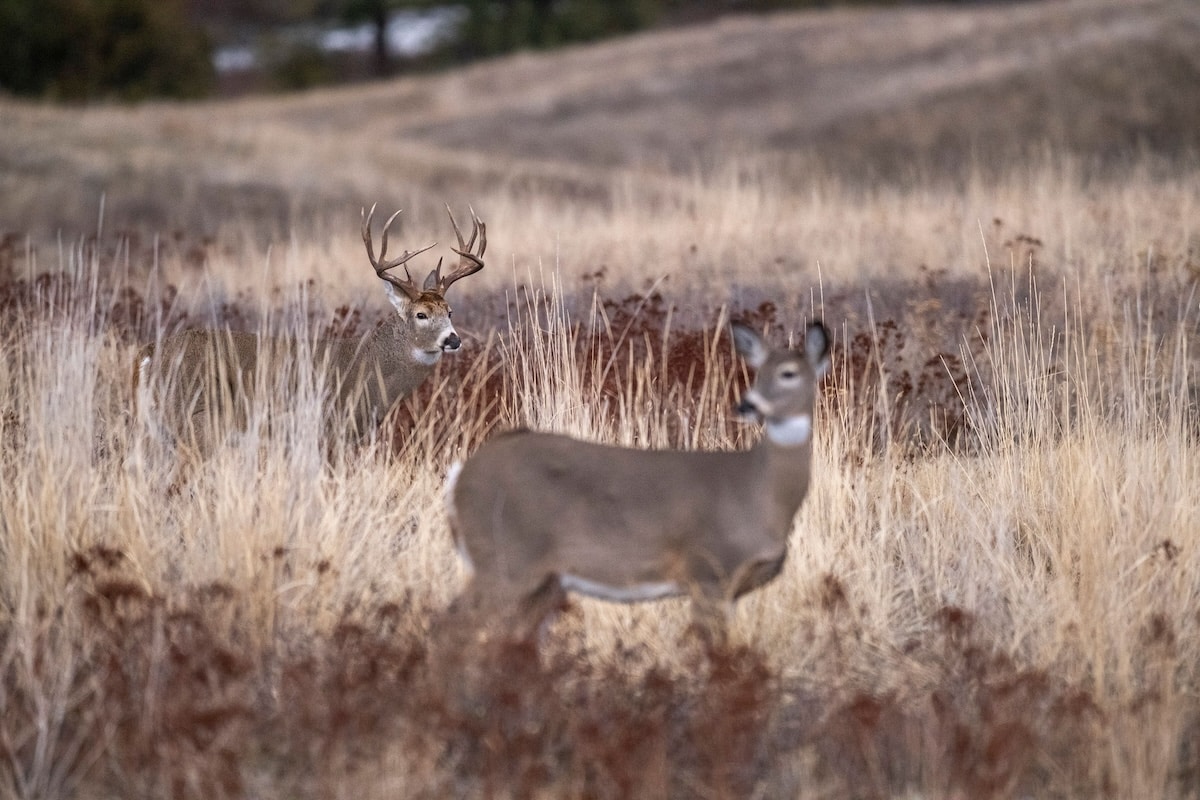
When bucks pair off with estrus does, it makes for slower sits in the stand.
3. “Typical” Rut Lockdown
Although the details of the rut lockdown have been disproved to a point with GPS tracking data, the phenomenon still appears due to deer behaving differently in the rut. Instead of visiting food plots with repeatable patterns, breeding behavior moves much of the whitetail lifestyle behind a curtain of timber for secrecy.
Solution: Do the same. When you see the first flurry of breeding activity, multiple bucks chasing one doe, transition to secondary treestands in secluded areas such as abandoned farmsteads, brushy draws and even wetland edges. Bucks and does seek out areas less populated with deer to breed in peace, and without competition. They still mingle, browse and bed, but in seclusion. Use the contour feature on HuntStand to find hidden benches on your hunting property as a start to finding hookup hotspots.
How to “Beat” a Deer’s Nose
When open country is an issue, consider using blinds and even blending them into backdrops, such as abandoned farm machinery, or dilapidated buildings.
4. Wide-Open Country
Growing up in South Dakota’s Great Plains backdrop, trees often were in short supply. That meant no treestands. No worries. Use Mother Nature’s inventory to help you hide. First, search for lines of travel that deer might use as they traverse open country. Fence lines, utility pole pathways, field edges, waterways, and more hold defined trails. Next, look for any natural cover you could utilize to craft a hide. Cattails, plum thickets, dirt banks, and other vegetation all offer the opportunity to be crafted into a natural blind.
Solution: If the landscape is bare, consider a commercial blind, but do your best to blend it into the background. You also need to set it out early. A month in advance is not too early, and stake it like someone will steal it. Open-country winds are unforgiving. A better bet is to find old fence corners, abandoned farm machinery or even a well house to secure your blind with a goal of making it look like part of the existing backdrop.
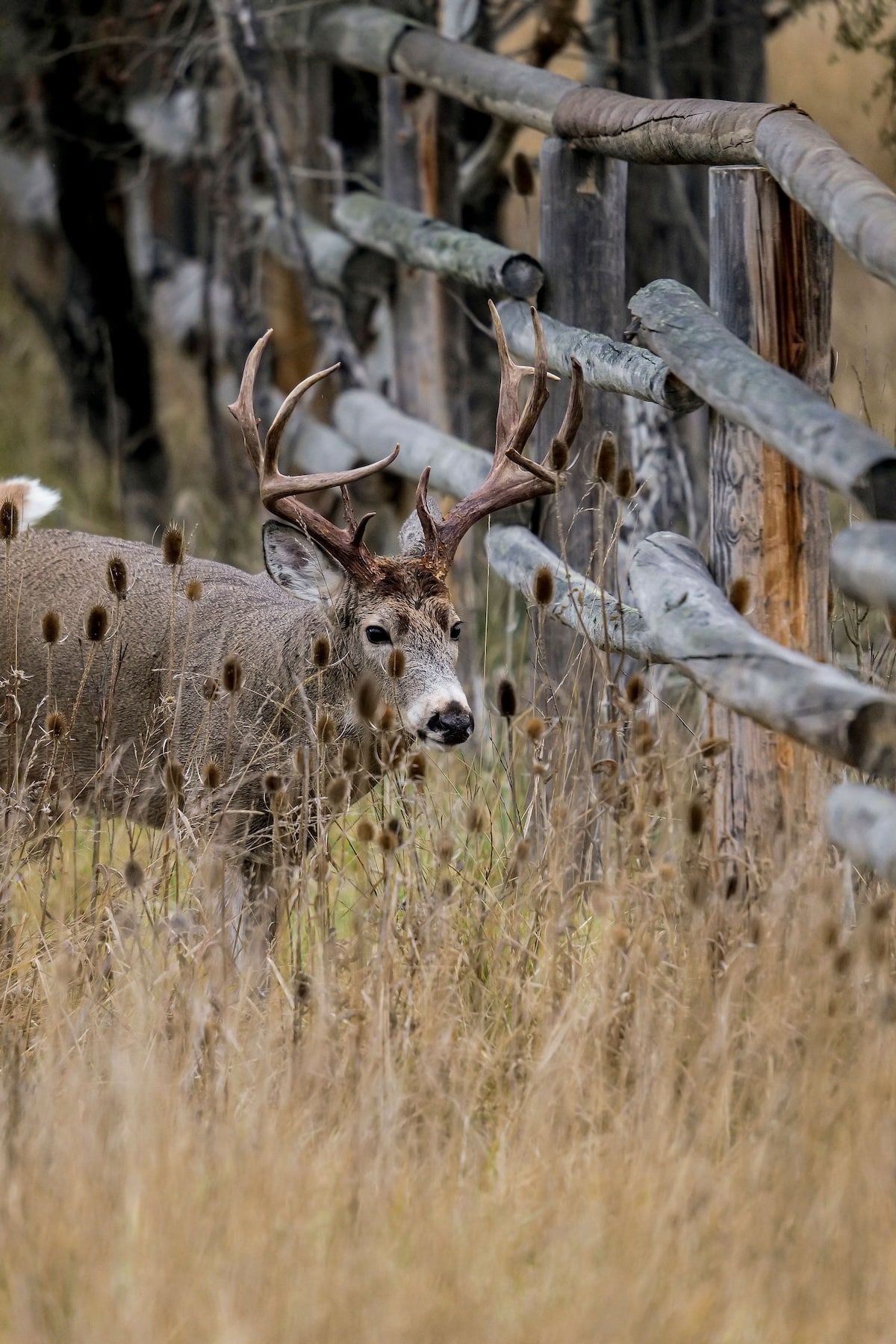
Hunting small tracts means some bucks will travel back and forth across property lines.
5. Small-Property Fence Jumpers
Deer rarely stay on a sole property, particularly during breeding season. Get ready for fence jumpers. Stay positive. The fence jumping goes both ways. A deer you admired down the road on a summer beanfield could be under your treestand during hunting season. Begin by being honest with yourself. A deer you managed for several years could become the neighbor’s social media post. Live with it.
Solution: Do your best to keep that deer at home, though. An easy step is to create a huge safe zone where you and your hunting partners do not hunt. Acreage depending, set aside 50% or more of a property as a refuge. It is not too much. Plan for as much food as you can and make food plot management a yearly objective. If baiting is legal, keep a site going to maintain a consistent pattern on your property. Finally, set up ambush points near fences to target those jumpers, but with plenty of space to avoid wounded deer escaping into “enemy” territory. The Property Info feature on HuntStand Pro Whitetail details all boundary information you need.
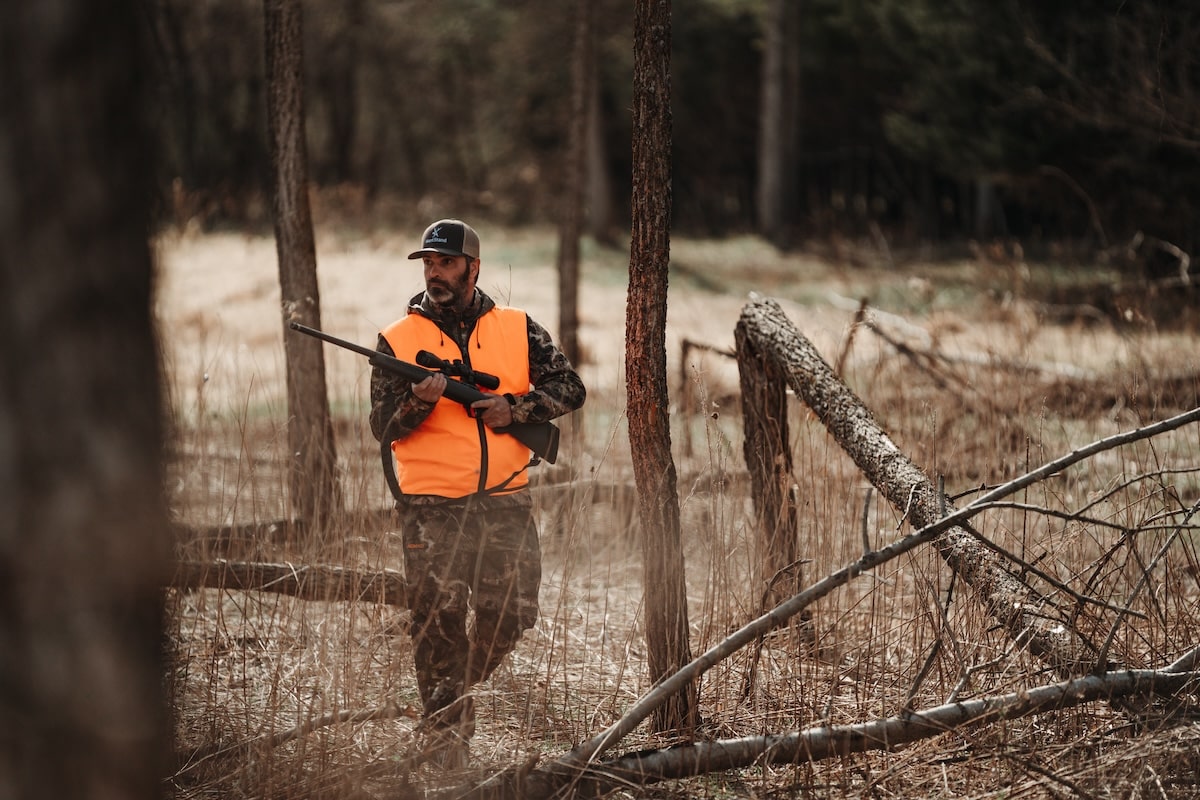
Increased hunting pressure creates significant challenges.
6. Intense Hunting Pressure
You alone are responsible for hunting pressure on any property you manage. If you hunt properties that openly allow others, or you join the public land army, you need to march to the sound of a different drummer. Intense hunting pressure alters deer behavior.
Solution: A beginning strategy includes hunting farther from trailheads and seeking out rugged terrain. HuntStand offers multiple layers to map your way from the crowds, including a virtual flyover with the 3D Map layer.
Next, hunt smart. Instead of hunting weekends, hunt weekdays when others must clock in. Arrive earlier than the rest to not only hike farther away from others but also your vehicle’s presence can discourage others when they see you are ahead of them.
Finally, hunt all day. When others leave for lunch, their movement could stir a buck right past your location.
How to Shoot a Deer on Opening Day
If an event is occurring on your hunting property and you need to find another location to hunt, refer to HuntStand Pro Whitetail’s Property Info feature for help.
7. Deer Noses and Wind Directions
Whitetails live or die by their senses and their sense of smell leads the security team. Oftentimes, it’s the nose that beats a hunter. Getting past that defensive layer is difficult.
Solution: You always need to start out with a downwind advantage and work your way into the wind. HuntStand’s detailed forecasts help you maintain command over changing weather factors, especially hourly wind shifts. Next, put the HuntZone wind layer to work for you. It displays a graphic showing wind direction, your scent dispersion and a 72-hour graph of forecasted winds.
Now work hard to erase your scent. Begin with the use of Muddy’s DV8 natural vulcanized boot. It eliminates footprint odor you might be leaving along the trail. Stay above any deer scent with the use of a treestand, or if heights worry you, set a blind downwind of the trail. Keep only one window open and seal the rest to hold in your scent.
HuntStand’s HuntZone feature provides ample details to help you plan a hunt and outsmart whitetails.
8. Untimely Farming Disruptions
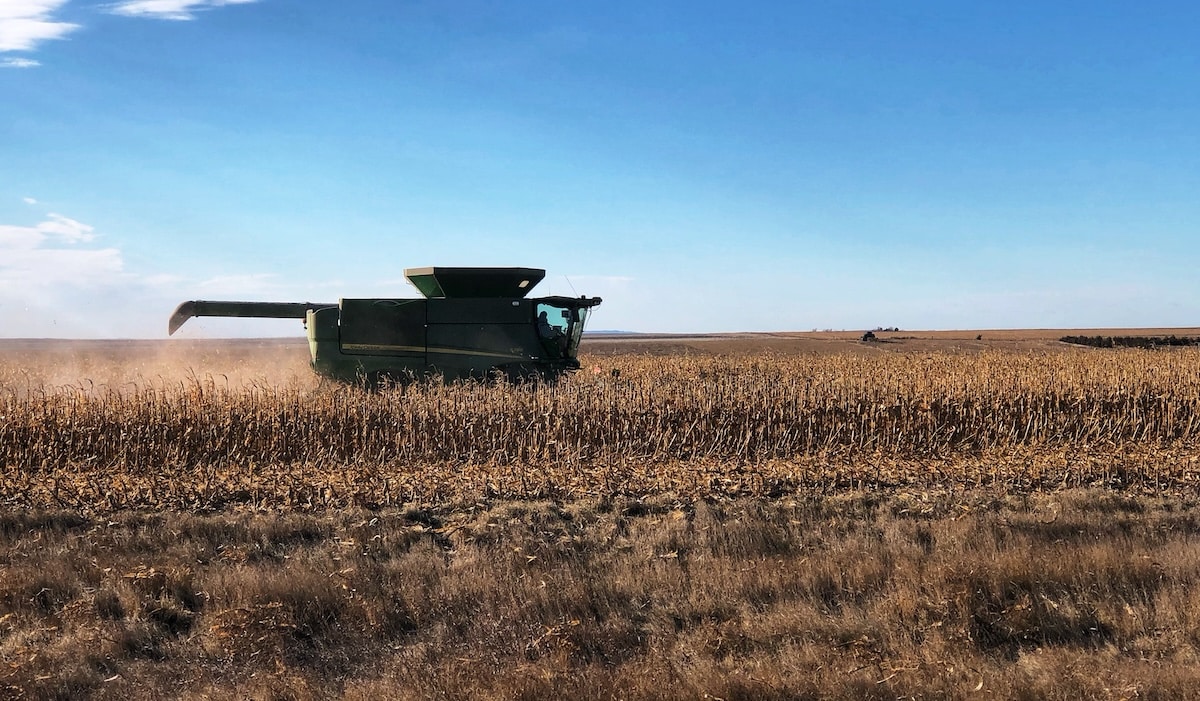
It never fails. About the time you settle in for a good sit, the landowner decides to harvest corn, move cows or fix fence. Grin and bear it. A better plan is to be prepared.
Solution: For starters, keep an open line of communication between you and the property owner. Ask them to text you any major farming plans or stop by weekly for an update. Do it at an appropriate time, like midday, not in the evenings.
To keep your hunt moving along, have backup ambush stands in place. Although you might wish to hunt an edge, have interior stands set along creeks, coulees, and near oak trees. That way when field chores take precedence, you can move into the timber and continue the hunt. Also, consider having a backup property, possibly public, on standby. The HuntStand Hunting Lands feature aids you in quickly finding a substitute when needed for a few days.
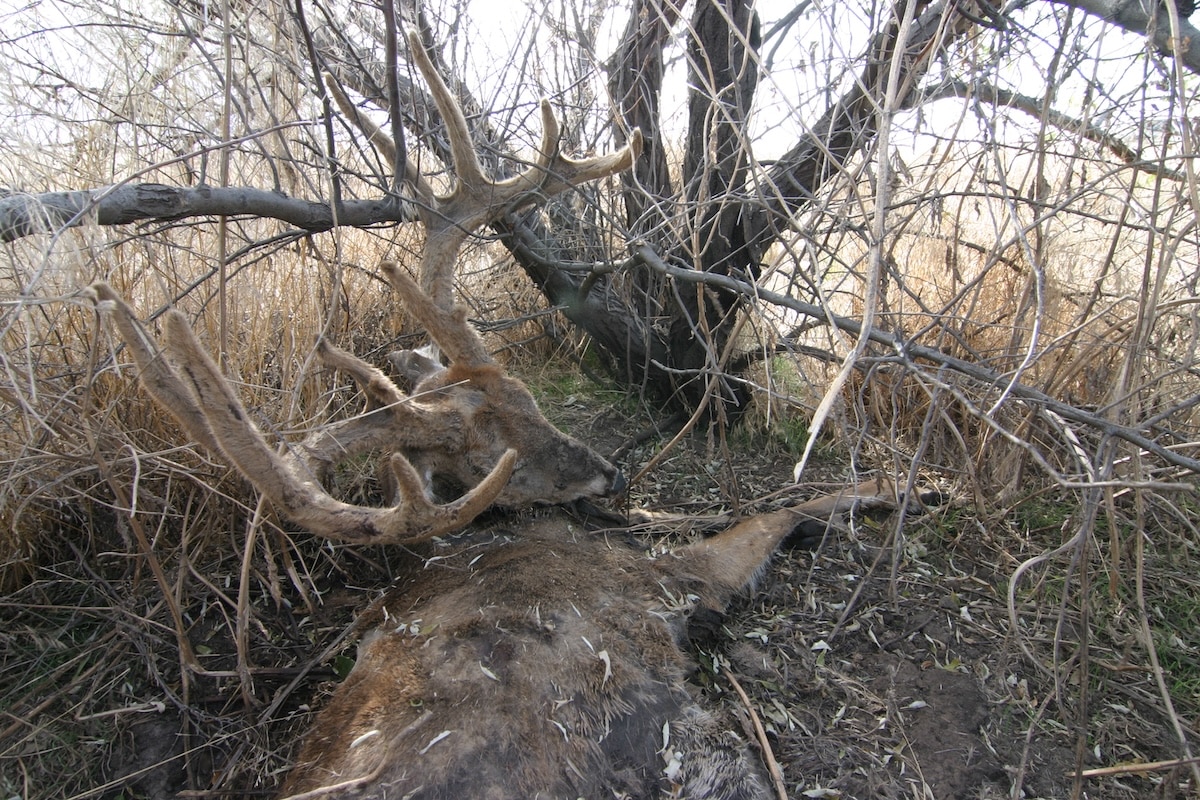
If disease, such as epizootic hemorrhagic disease has broken out, it leaves a trail of carcasses others discover and you will need to make a new hunting plan to overcome this challenge.
9. Sudden Deer Disappearances
When deer go missing you have two choices. Continue the hunt or take up pickleball. I advise you to keep hunting.
Solution: First, determine the reason for AWOL whitetails. Talk with landowners, hunting peers and the local game and fish personnel for insight. If disease, such as epizootic hemorrhagic disease (EHD) has broken out, it leaves a trail of carcasses others discover. Everyone will know.
Deer migrate as well. The rut is an obvious event causing shifts in deer populations, but agriculture can move deer around as well. A clean crop harvest could spur deer to move onto a neighboring property for food or the influx of a herd of cattle in a timbered parcel also might move deer.
Stay abreast of sudden deer disappearances and always have other hunting land options available. HuntStand offers features, such as the Public Lands feature, to keep you in the hunt.
Deer Hunting the October Lull (with HuntStand Pro Whitetail)
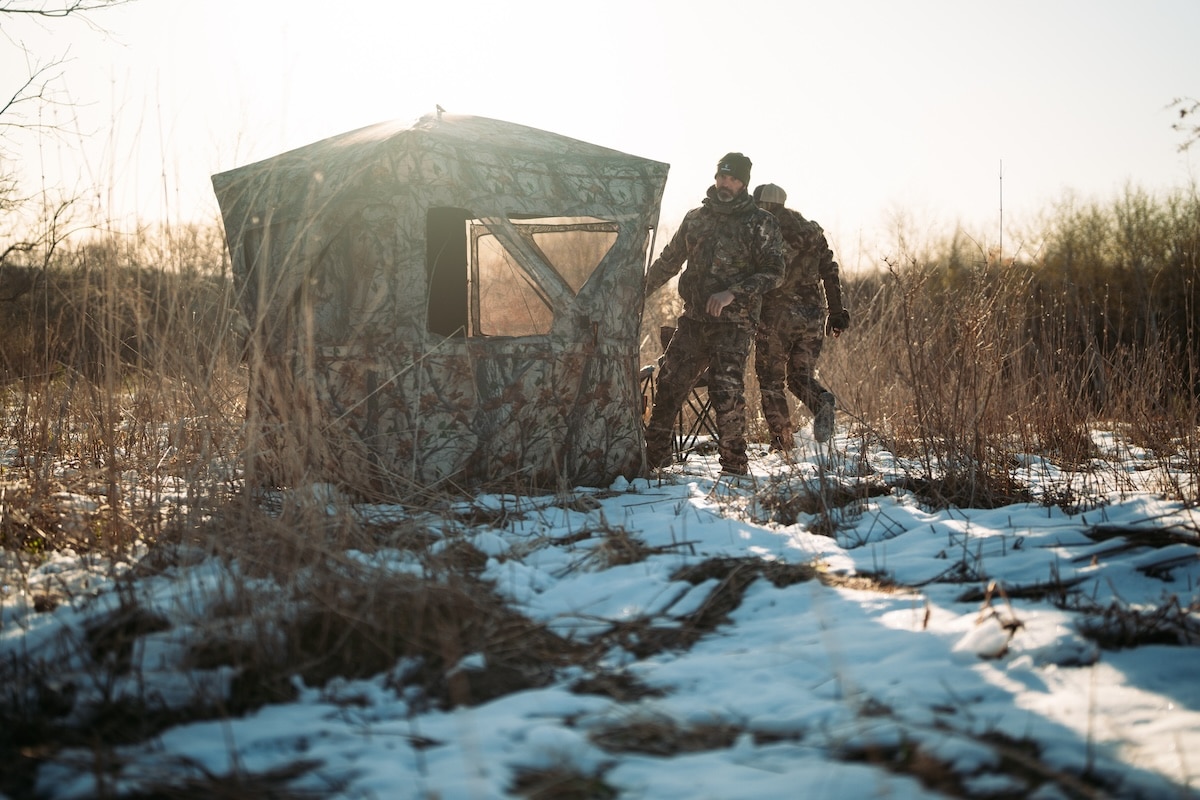
Get creative to create time to go hunting.
10. Not Enough Time to Hunt
Be honest. Nobody has enough time to hunt, but to make the best of the limited time you have to hunt, consider these remedies.
Solution: Start by researching the hunting lands nearest to you using HuntStand’s Pro Whitetail Hunting Lands layer. A short drive to new lands equals more hunting time. Another solution is to swap time with your spouse. You get to hunt now, but next week you are on duty to transport kids to after-school activities.
Another option that might be available is to work ahead. I personally do that all summer to prepare for fall hunting excursions. You could also swap hours with coworkers. Consider working their shifts over the weekends to give you openings to hunt on weekdays when lands might be less crowded.
The big takeaway is to be creative in carving out hunting time. And when you do land a window to hunt, do not squander it. Hunt hard and hunt smart to make the most of deer season’s ongoing challenges.
How to Use the HuntStand App
UPGRADE TO HUNTSTAND PRO WHITETAIL