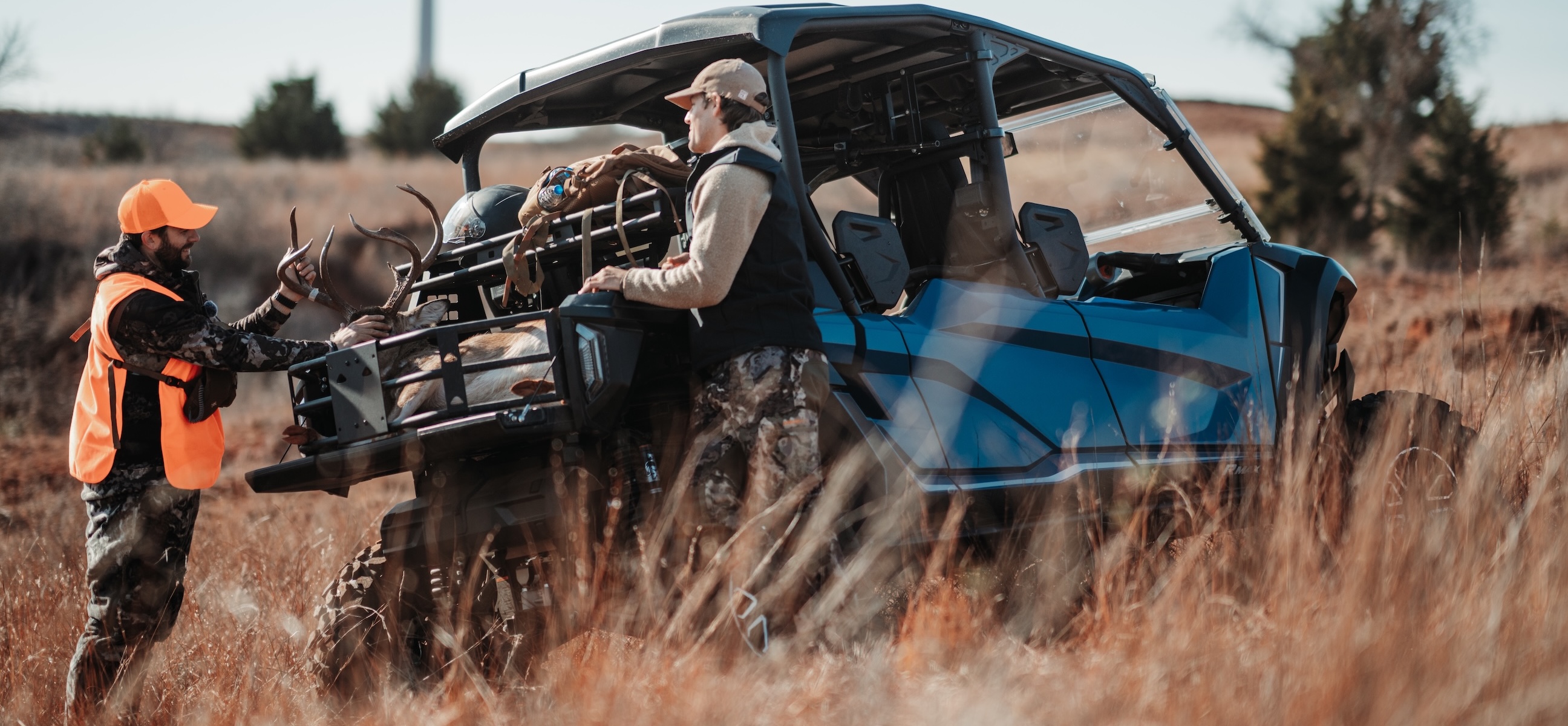






Hunting coyotes in spring and summer can provide low-pressure hunting situations.
A fawn-in-distress call screaming all manner of skin-crawling sounds, you wait patiently for a hungry songdog to slip in for closer inspection. Within minutes, two appear, and you ready that Savage rifle to take care of business. One yip to stop the pair, and a howl to stop the second one retreating after the first shot, brings both down.
Summertime predator hunters must understand the times. This is not the same game as when hunting cagey coyotes from late fall to early spring. In some ways, it’s harder. In others, it’s much easier.
One similarity? Adults are still very territorial. Mating pairs are raising their litters. They’re still attempting to control and defend a physical area.
Of course, most females have their pups in May and June. Now, pups are being born or are quite young. Those born earlier in May are even ranging out further from the den. By late summer, they cover a lot of ground.
In summer, adult coyotes can be easier to hunt, but ranging pups are easy pickings. Furthermore, few coyote hunters are in the field. Thus, it translates to lower pressure and better hunting conditions.
Here are summertime predator hunting tips to know.
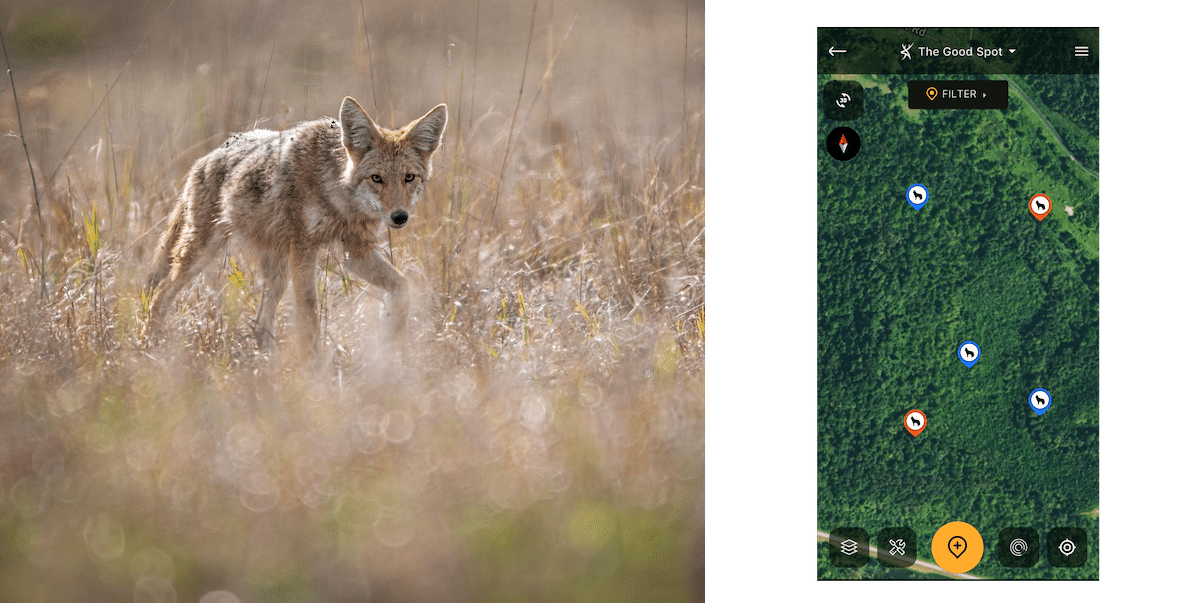
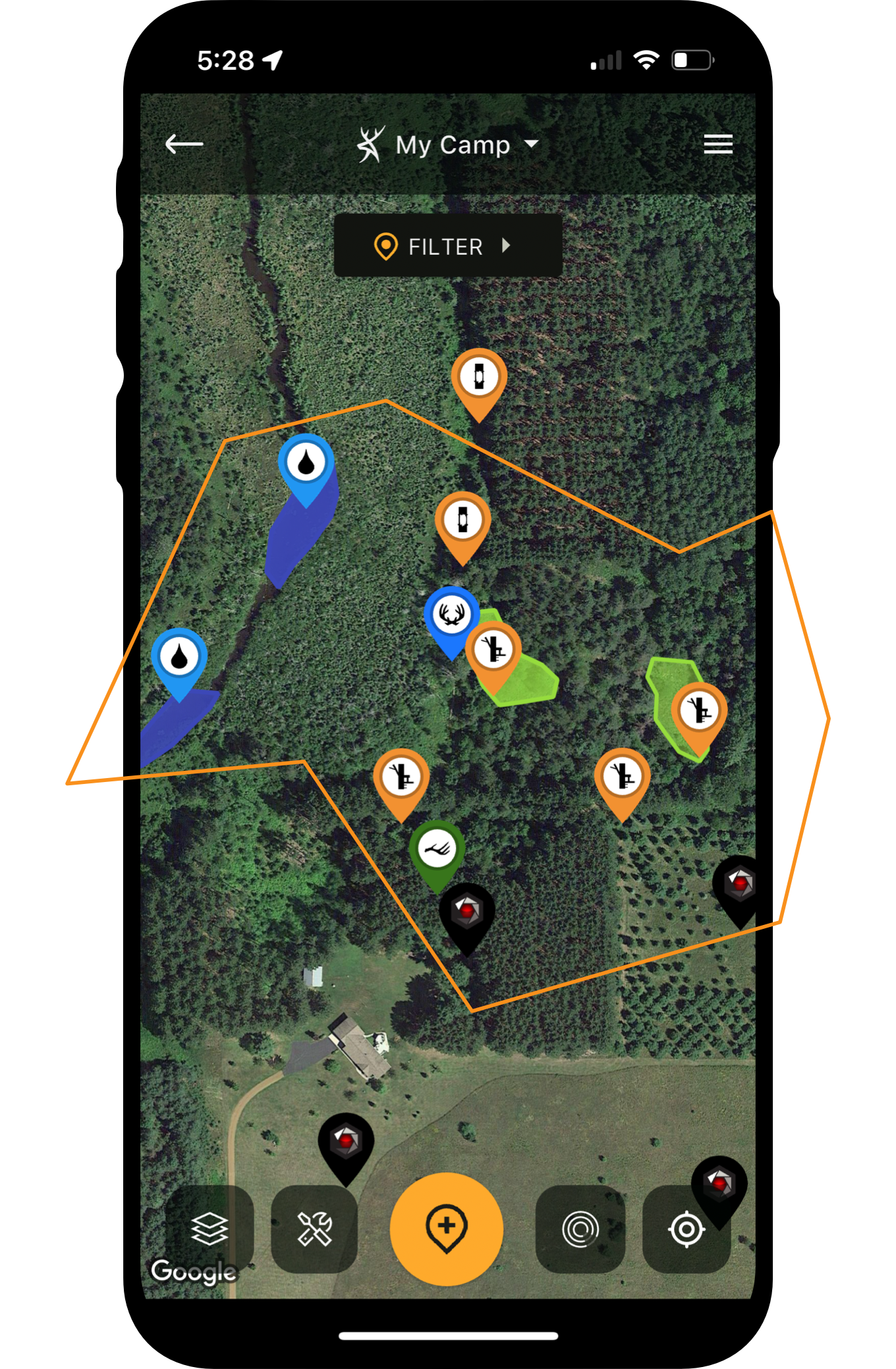
Use HuntStand Pro to maximize your coyote hunting experience.
1. Find Some Great Coyote Hunting Access
Gaining access for whitetails, turkeys, and other big game is an ever-increasing challenge. Gaining access for coyote hunting land is significantly easier, though. Oftentimes, landowners trip over themselves to get “yes” out of their mouth before you change your mind. Jokes aside, it’s much easier to gain permission to hunt predators than anything else.
HuntStand makes it even easier to find potential properties. By using the Property Info overlay, hunters can find landowner names and mailing addresses. That’s enough information to make initial contact. Knock on a door. Send a letter. See them in public. Whatever the method, make the ask.
Of course, the same is true for public lands. A lot of public lands are overrun by deer and turkey hunters. Many of these are void of coyote hunters, though. Use HuntStand’s Hunting Lands and Public Lands overlays to find potential hotspots.
2. Run Cell Cams for Coyotes
Cell cams are commonly used tools among deer hunters, and some turkey hunters. Many predator hunters overlook these tools, though. That’s a mistake. Hunters should run cell cams to push their efforts forward.
Plus, the integration of Command Pro and HuntStand allows coyote hunters to benefit from data-driven trail cam intel. It even integrates all trail camera photos into the HuntStand app right there where the camera is pinned in the Hunt Area map.
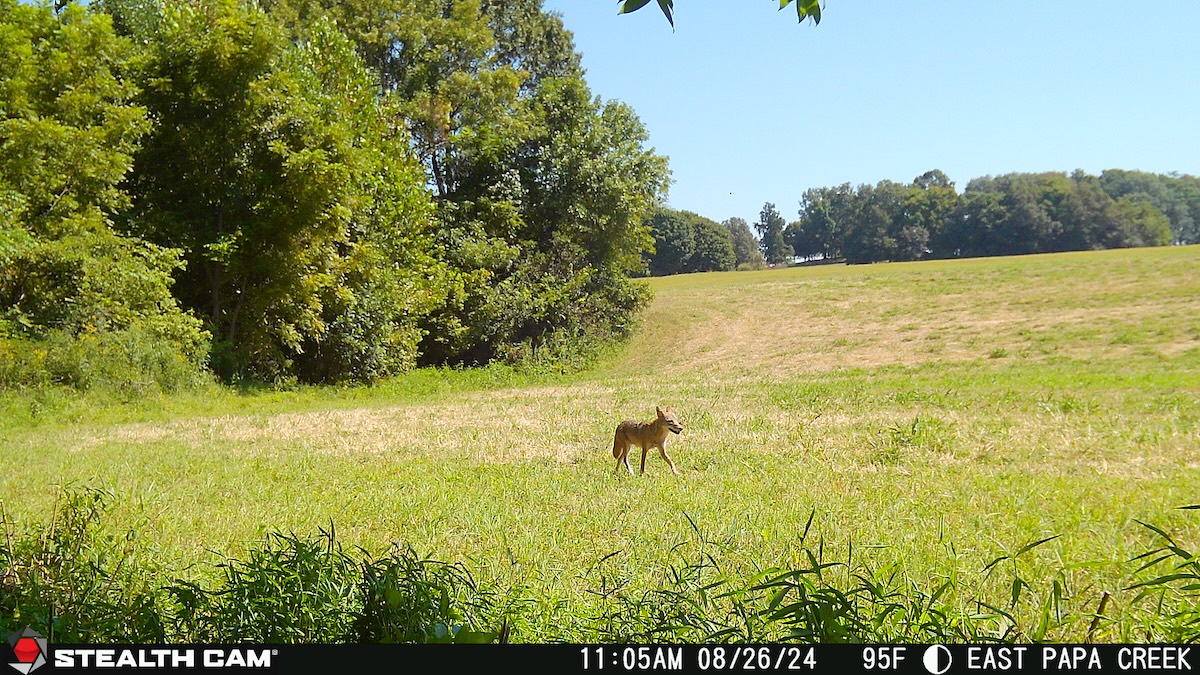
Run cell cams to determine likely coyote hunting hotspots, such as hay fields.
3. Hunt the Dawn and Dusk
Timing hunts right matters. Perhaps most importantly, coyotes are crepuscular animals. Meaning, they move most at dawn and dusk. Furthermore, summertime is hot. While it’s possible to see coyotes moving during the day, warm temperatures tend to draw down activity outside the first and last few hours of the day. Oftentimes, during daylight, movement is confined to shaded, timbered areas.
4. Mind Your Access
Serious whitetail hunters champion the task of managing proper access. The same is true for predator hunters. Proper entry and exit routes are crucial. Getting into the property without coyotes knowing it is crucial for the day’s hunt, and back out again to preserve the next one, is important. Thus, mind your access, and choose access points and routes that don’t allow coyotes to see, hear, or smell you coming and going.
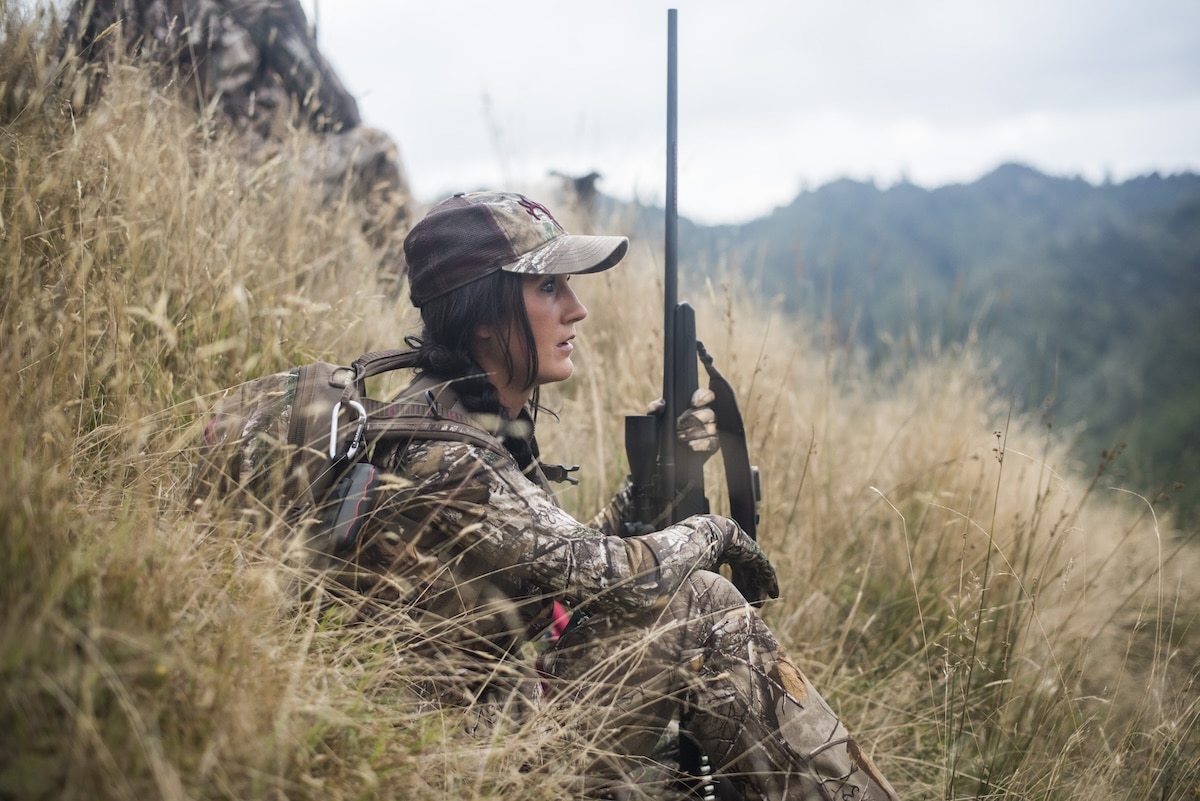
Hunt your way into a property.
5. Work from the Outside In
Unless already in tune with the inner-workings of a property, it’s best to work from the outside and move inward. Starting on the downwind-most side, ease into the property and conduct 20- to 30-minute setups. Keep chipping away at the tract, and if needed, take a break during the middle 2/3 of the day. Resume the effort later in the afternoon.
6. Find the Calving Pastures
Coyote diets vary greatly throughout the year. Seasonal dietary changes influence where they feed, travel etc. For example, in late spring through summer, find calving pastures. Coyotes routinely hang out around these areas.
Sure, they might eat the occasional still-born calf, but they aren’t killing many healthy ones. Instead, the afterbirth, and more importantly, the protein-rich dung passed by nursing calves, is a ‘yote fan favorite. Thus, conducting setups around pasture grounds can prove effective, and it’ll make some farmers happy, too.
Trigger Finger Placement [HuntStand Pro Tips]
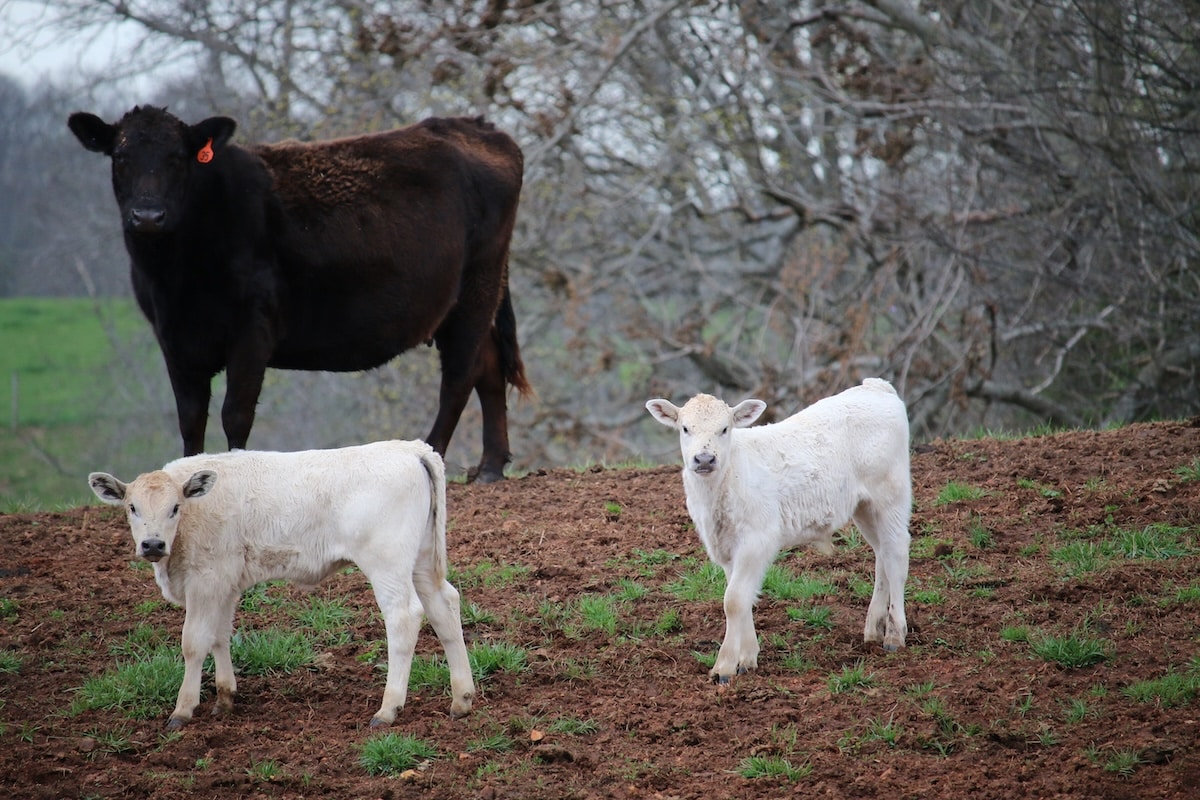
Calving pastures can be great hunting spots.
7. Sit Some Fresh-Cut Hayfields
Hayfields are excellent spots to intercept coyotes as well. The hay-cutting process tends to produce the unintended kill-off of small animals, such as rabbits, rodents, and even newborn fawns. Oftentimes, coyotes hang out around these areas to pick up what’s left behind. Of course, summer “meat” turns rather quickly, and so, hunt these areas as fields are being cut, and directly afterward. Even if coyotes don’t come to the calls, they might be there by default.
8. Find the Cicadas
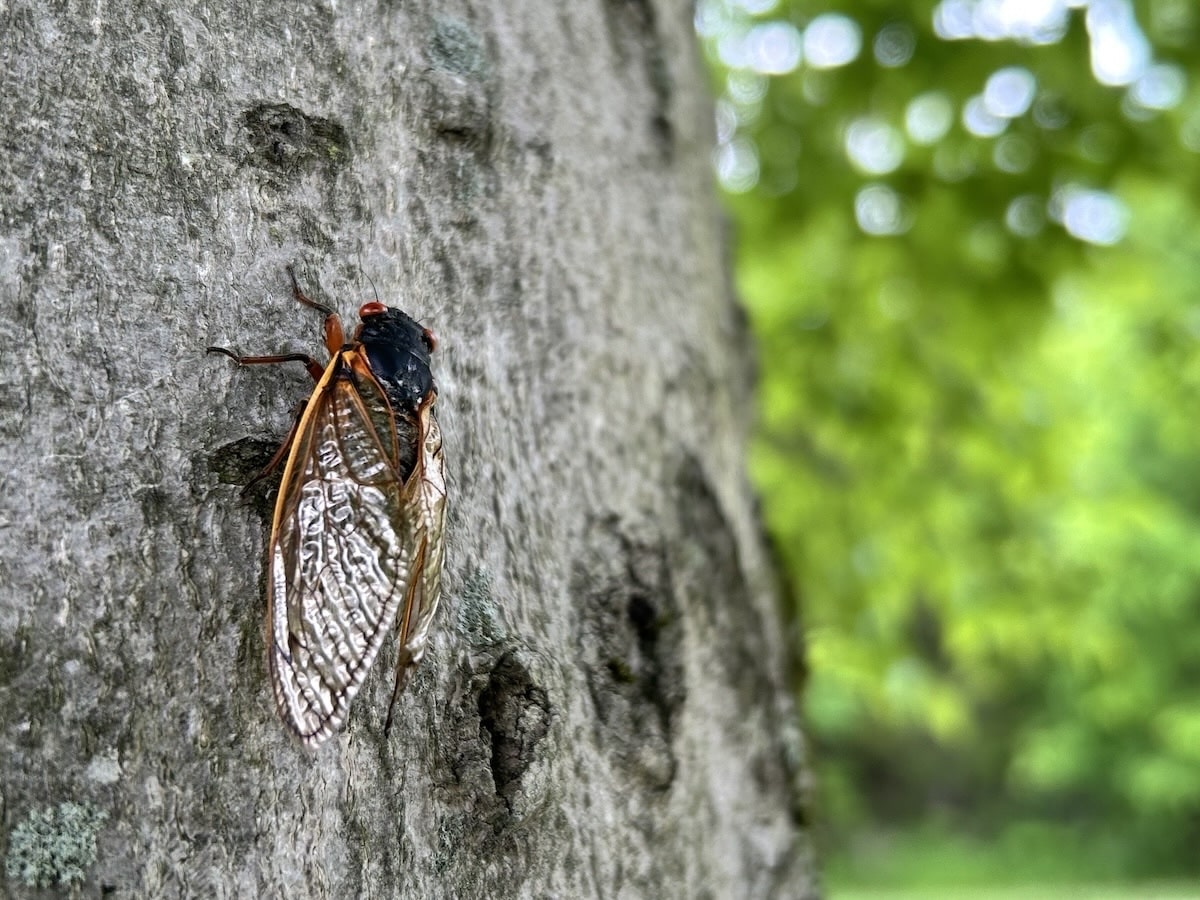
Cicadas play major roles in the lives of coyotes and other predators. Of course, periodical cicada hatches get the most press. These are on 13- or 17-year cycles and usually emerge from late April to late May. However, annual cicadas hatch every year, and arrive in late summer.
Regardless of the cicada designation, warm-weather coyote hunters can capitalize. Coyotes tend to target these cicada hatches due to high levels of protein and easy pickings. For bugs, cicadas are quite large (periodicals are about 1 ½ inches long and annuals are approximately 2 ½ inches). A good mess of these can provide a lot of nutrition for coyotes and other toothy critters. Setup up shop in wooded areas you hear these and wait for the song dogs to trot through.
Don't ignore areas with high concentrations of cicadas.
9. Hunt Close to Isolated Water
Water works for stand locations just the same for coyotes as whitetails and other game. If water is limited, hunting close to isolated sources can prove quite effective. While lakes, rivers, and other larger bodies of water provide expanded access, smaller and more limited sources are more potent.
10. Get Up High
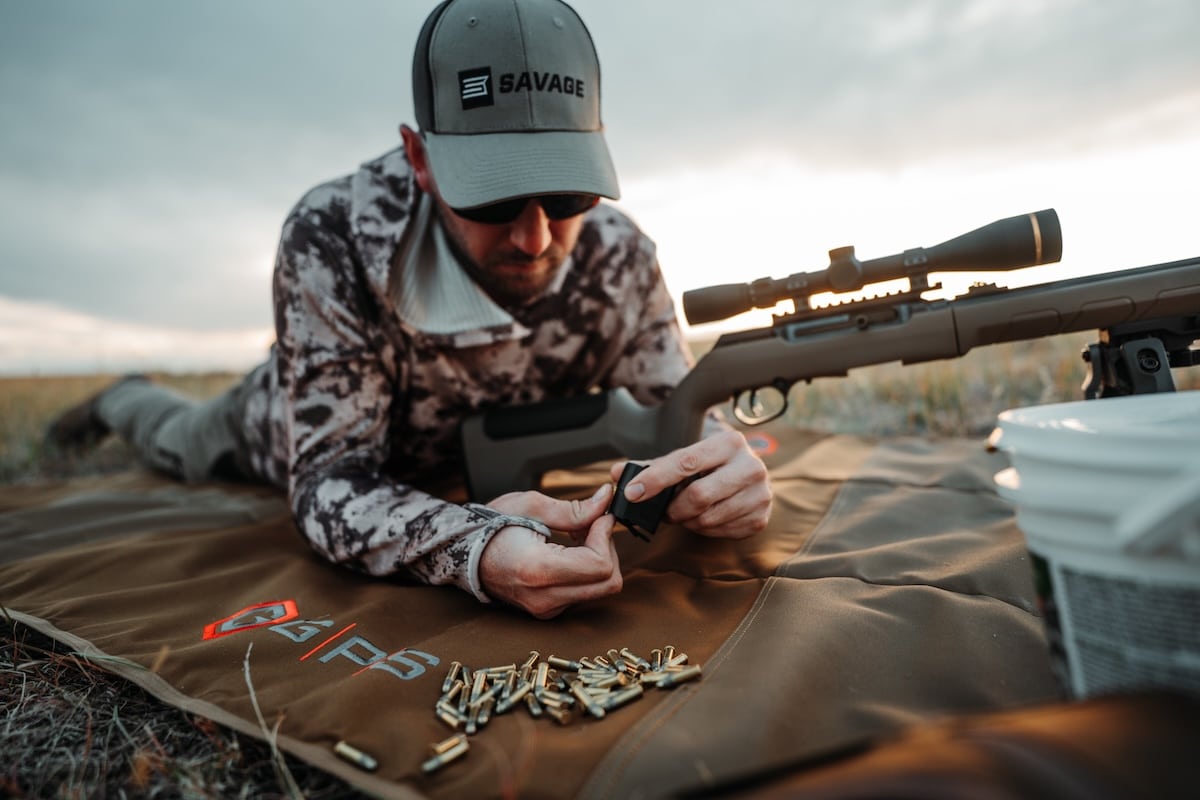
Summer is known for significant plant growth. During wetter years with greater rainfall, it’s even more necessary. In some instances, it can prove beneficial to hunt from elevated positions. Maybe that’s a treestand, elevated blind, or merely high ground looking downward. Whatever the case, getting up high can lead to better visibility and overall experiences.
Get up high and utilize vantage points.
11. Hit Those Coyote Locator Calls
While coyotes aren’t quite as aggressive or vocal as late winter, they still communicate. Even in summer, coyotes can be quite mouthy, especially when pups are involved. Thus, howls can still work. So can siren-like sounds. Regardless, locator calls are especially useful when finding coyotes. Consider implementing these at night a day or two before the hunt to pinpoint possible areas to try.
12. Deploy Pup-in-Distress and Similar Sounds
Most adult mating pairs have litters, and they’re significantly territorial because of it. A pup-in-distress sound can bring ‘yotes running. Whines, whimpers, and other pup vocalizations can do the same. Regardless, these pup-related sounds can spark big responses from adult males and females, effectively luring these targets out into the open.
Ways to Use Live View with Cell Cams
Fawns are being born. Use fawn-in-distress calls to your advantage.
13. Run Fawn-in-Distress Calls in First Chair
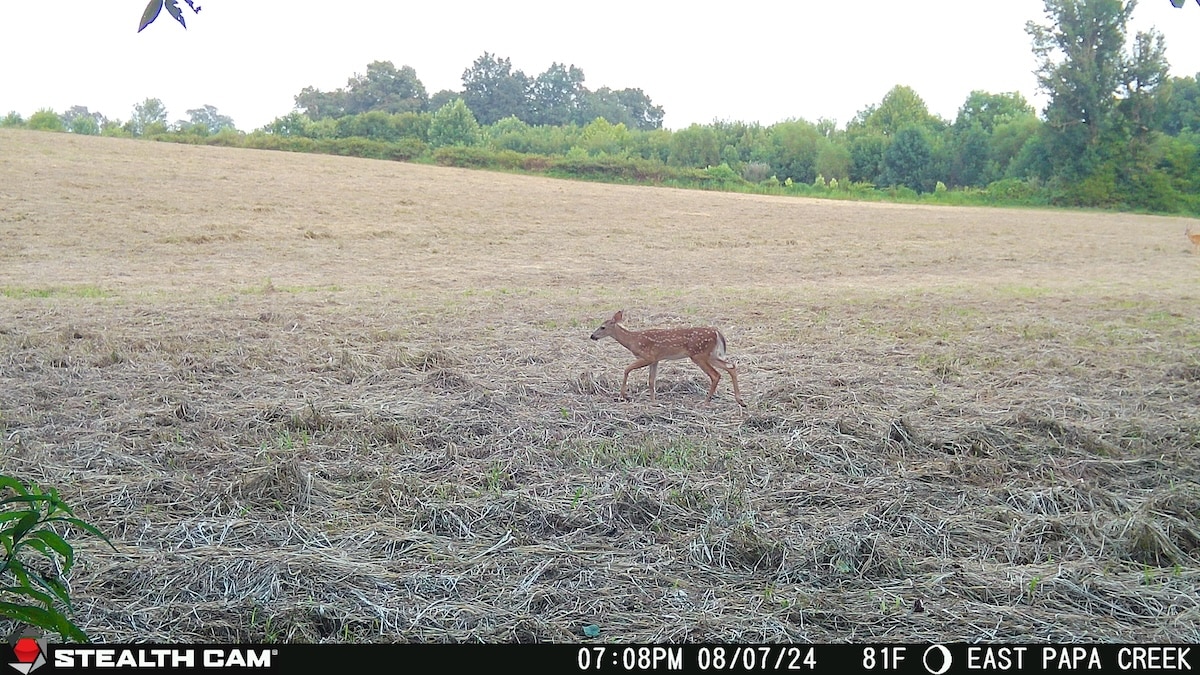
Prey sounds work year-round. But fawn-in-distress calls are best suited for summer coyote calling attempts. It’s a timely option that coyotes are targeting heavily. It’s a great play for luring a warm weather songdog into the open for a shot opportunity.
14. Push Rabbit-in-Distress to Second Fiddle
The rabbit-in-distress call is king of prey sounds, especially in fall and winter. While it can be effective in late spring and summer, consider putting it on the back-burner. Don’t use this as a first play. Instead, keep it in your hip pocket for a secondary or tertiary option.
Squeaker calls are always in style.
15. Keep the Squeakers, Squealers, and other Lighter Calls at the Ready
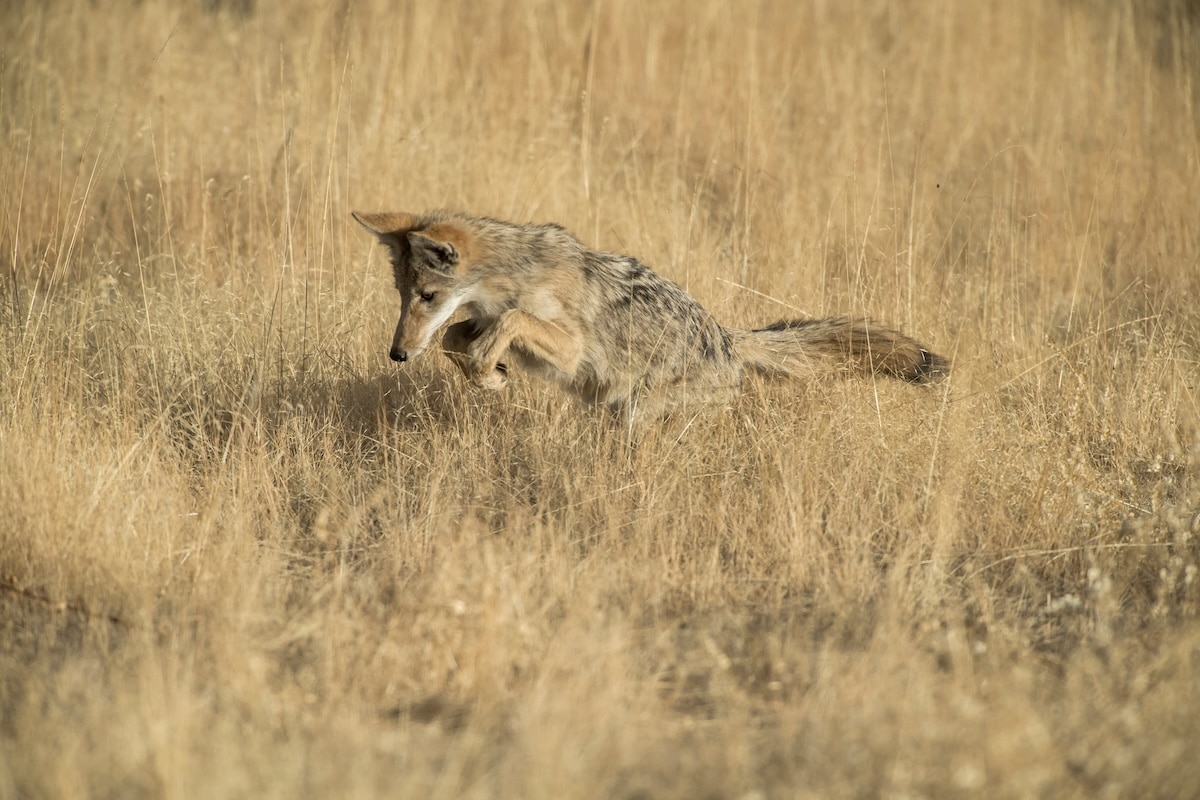
Some hunters keep other calls on hand. The classic squeakers, squealers, and other lighter calls can be just as effective in summer as in fall, winter, and spring. These can be especially helpful if coyotes are in close proximity but too close to use louder, sharper calls. As with all elements of hunting, think situationally and enjoy more success.
16. Get Weird on an E-Caller
Those in pressured settings might consider alternative calls. Some of these can be vocalized on mouth calls. Most should be covered via an e-caller. And don’t be afraid to get weird with it. Try unique prey-in-distress sounds that are common to your geographical region but that most predator hunters don’t implement. With the help of an e-caller, you can competently deploy new and different vocalizations.
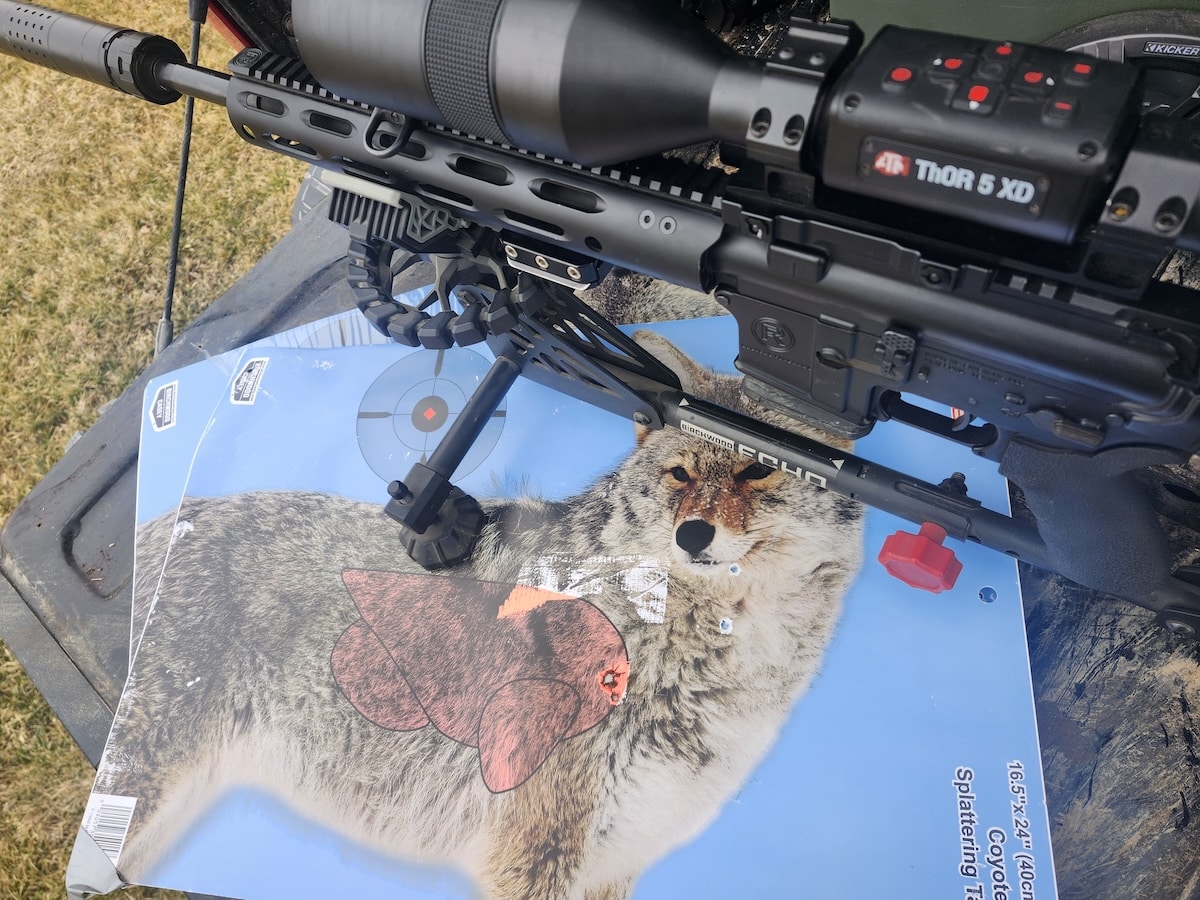
Make sure you're dialed in and ready for that crosswind hunt.
17. Sit with a Crosswind
Most coyotes attempt to circle downwind of the calling sequence. Thus, hunting with the wind directly in your face likely won’t produce results. Instead of hunting with the wind in your face, consider sitting a crosswind. It’s the same concept as implementing a just-off wind hunt on a mature whitetail buck. Keep track of HuntStand’s HuntZone wind-indicator tool to plan hunts.
18. Do a Nighttime Coyote Hunt
Some states allow night hunting for coyotes. Generally, this is regulated by season dates and only during portions of the summer. Oftentimes, the best play is to work in pairs. One hunter acts as the shooter, and a second operates as a looker. This ensures the greatest likelihood of spotting incoming coyotes. Use a Coyote Light to enhance visualization.
HuntStand 101: Hunting App Guide for Scouting, Mapping, and Tracking [HuntClass]
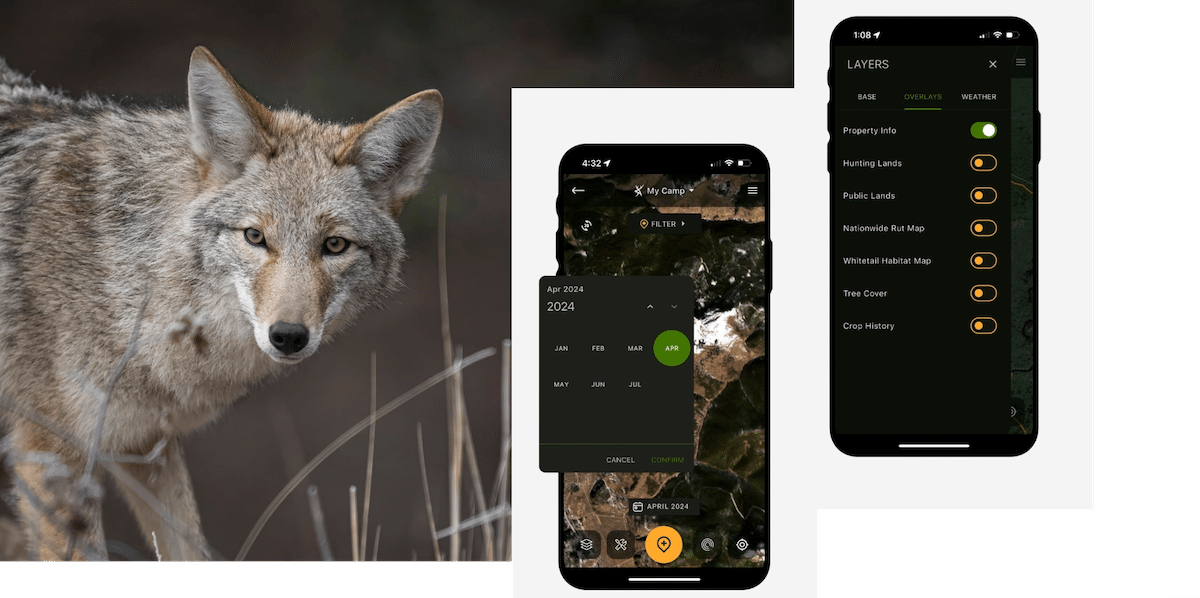
Use HuntStand Pro to take your coyote hunting to the next level.
Why HuntStand?
Those who plan to maximize their summertime coyote hunting effort can do so with HuntStand Pro or Ultimate. These subscription levels increase a hunter’s abilities to accomplish certain tasks.
Base Layers to consider (with an emphasis on habitat) include the 3D Map, Hybrid, Mapbox Satellite, Monthly Satellite, National Aerial Imagery, Satellite, and 3D Map. The Crop History and Tree Cover overlays are helpful, too. Those focused on topography include 3D Map, Quad Topo, and Terrain. Don’t forget the Contour overlay. Then, smack some coyotes.