




Water is far more important than many hunters give it credit for.
I can’t tell you how many articles I have read that state you can get away from the hunting pressure by getting “way back away” from the road. Just go a mile or more into the property, the thinking goes, and you will have it all to yourself. And while this strategy certainly can prove wise at times, it’s far from foolproof, or the only way to go if your goal is consistent public deer hunting success. Rather, consider overlooked public deer hunting hotspots.
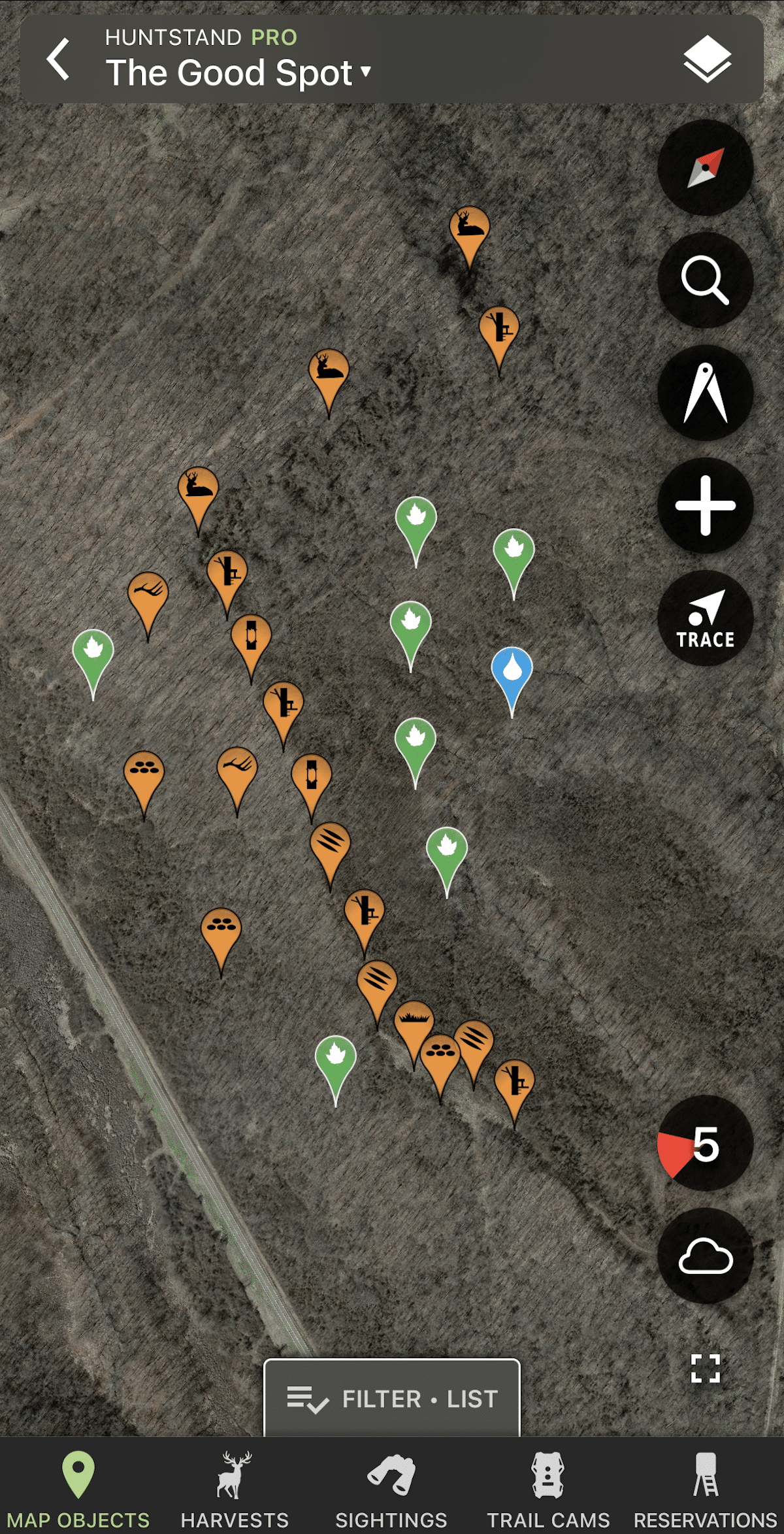
Find the bedding areas and food sources. But water sources help tie things together.
I was scouting on the first day of a western Iowa hunt a few years ago, more than a mile back into a good-looking public hunting area. I was thinking it would take a really big buck for me to let an arrow fly way back in there, because of the nightmare it would be to get a buck out. One more ridge in, I came across another hunter. He was boning out a whitetail doe and putting the pieces of meat into his backpack.
The point is, there are a lot of diehard hunters on public land who are willing to do whatever it takes to find and shoot a deer. The days of getting back off the road and finding no pressure are largely gone. These days, you have to find “overlooked” areas, and hunt where others don’t think there are any deer. Some of the most-productive areas to contact pressured whitetails on public land are places most hunters never think to go: In swamps, on or near islands, and near waterholes.
So, keep in mind these overlooked public deer hunting hotspots.
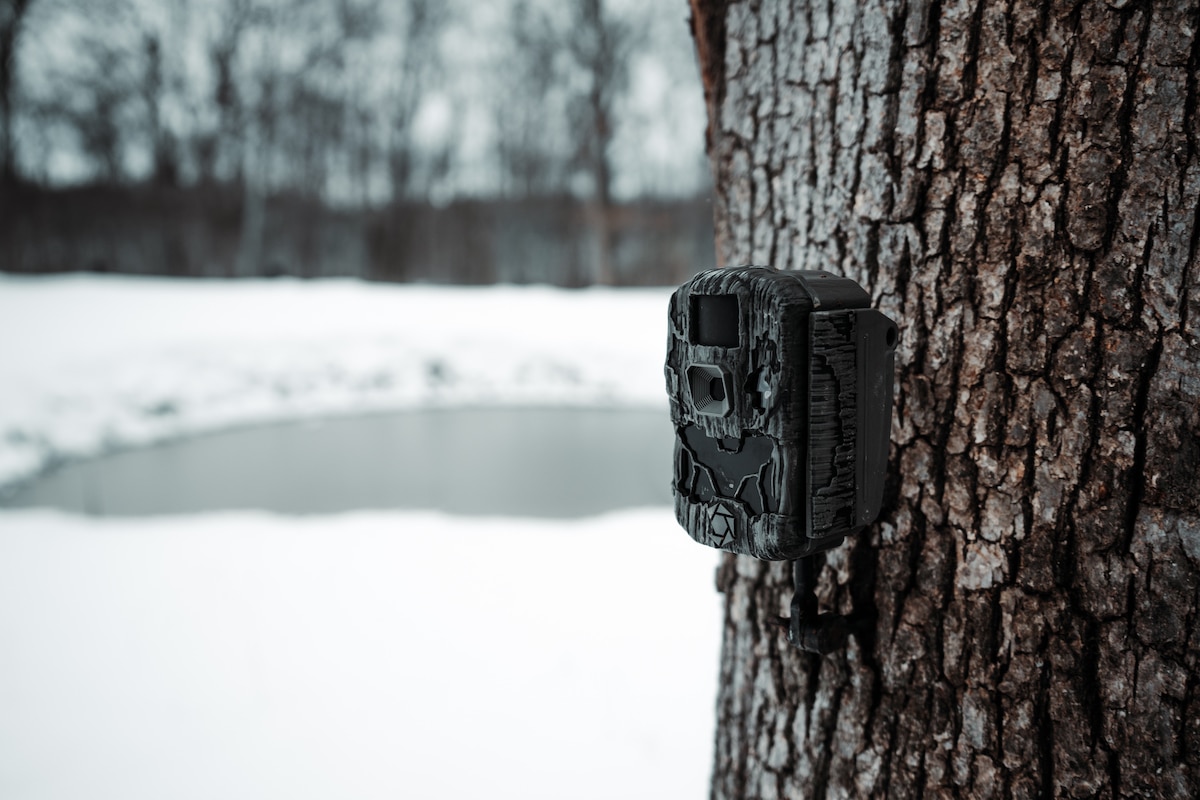
Small watering holes can be great treestand locations.
Big Bucks Need Water, Too
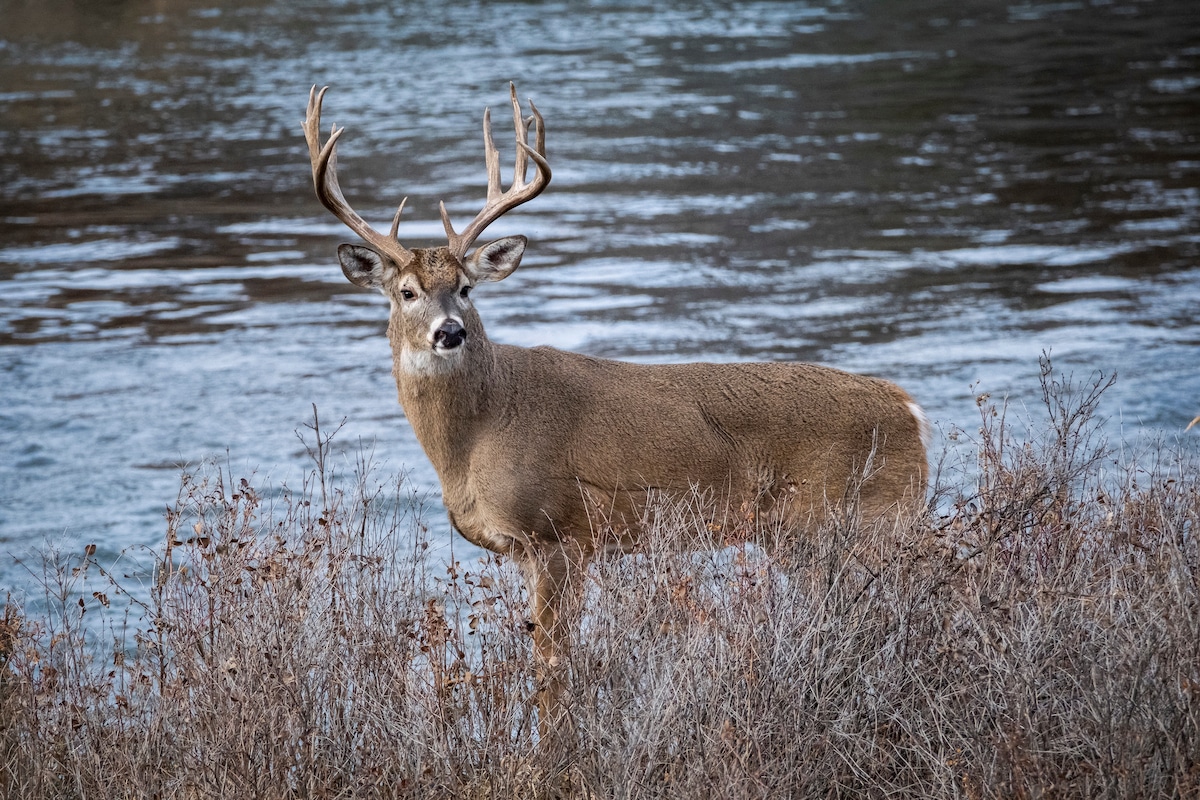
Whitetail bucks must drink most every day. Early in the season when the weather is warm, they will seek out water as soon as they exit their bedding area. During the rut, when they are running around all day, they may not eat much, but they still drink every day.
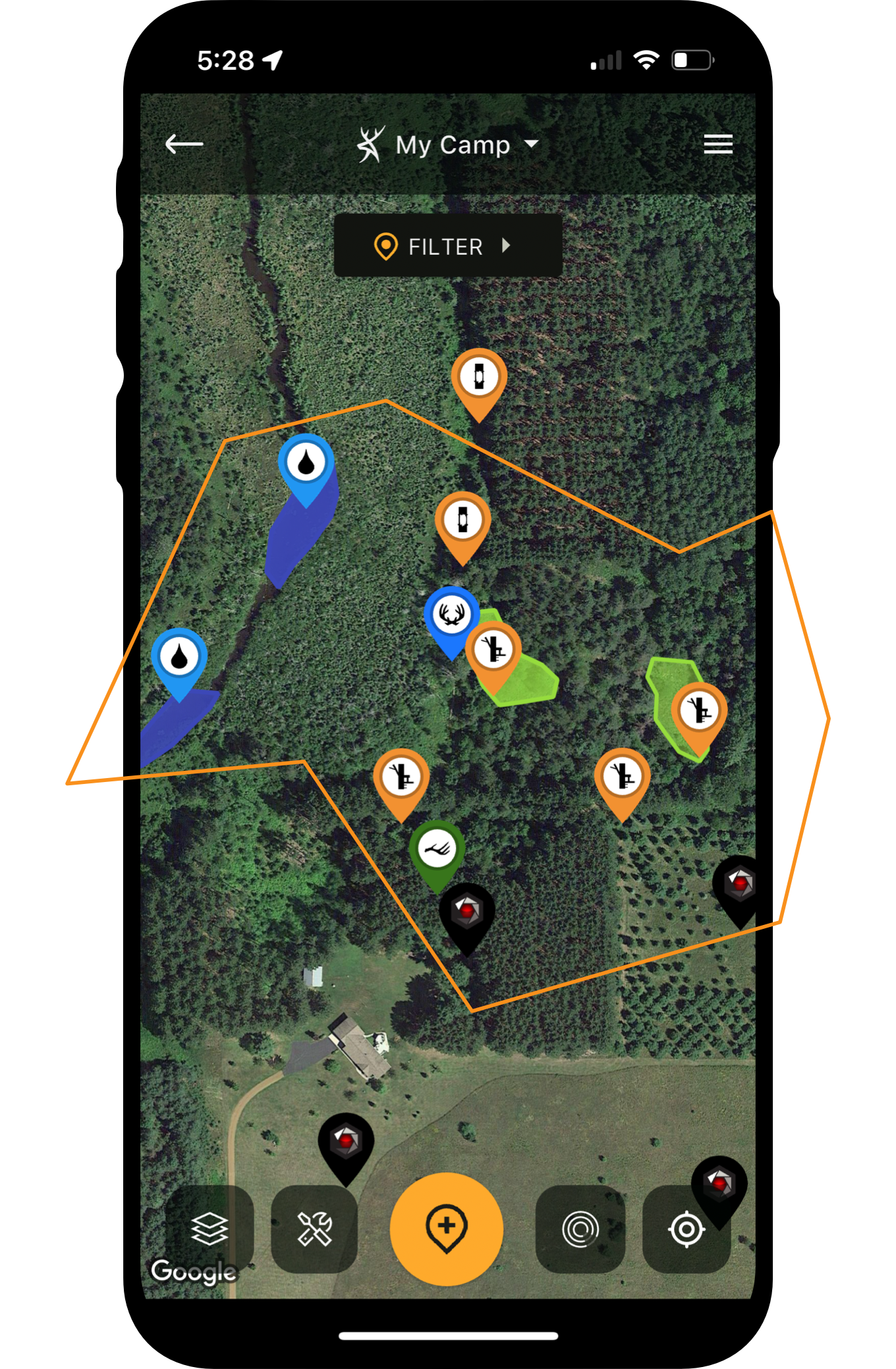
Lots of small, overlooked ponds can easily be located with help from your HuntStand app. Simply “zoom in” on your hunting property and look for little, out-of-the-way ponds and swamps. They are terrific places to waylay a buck during the evening hours. Once on site, check the pond banks/edges for fresh tracks, and be sure to set up within range of the place deer have been accessing the water.
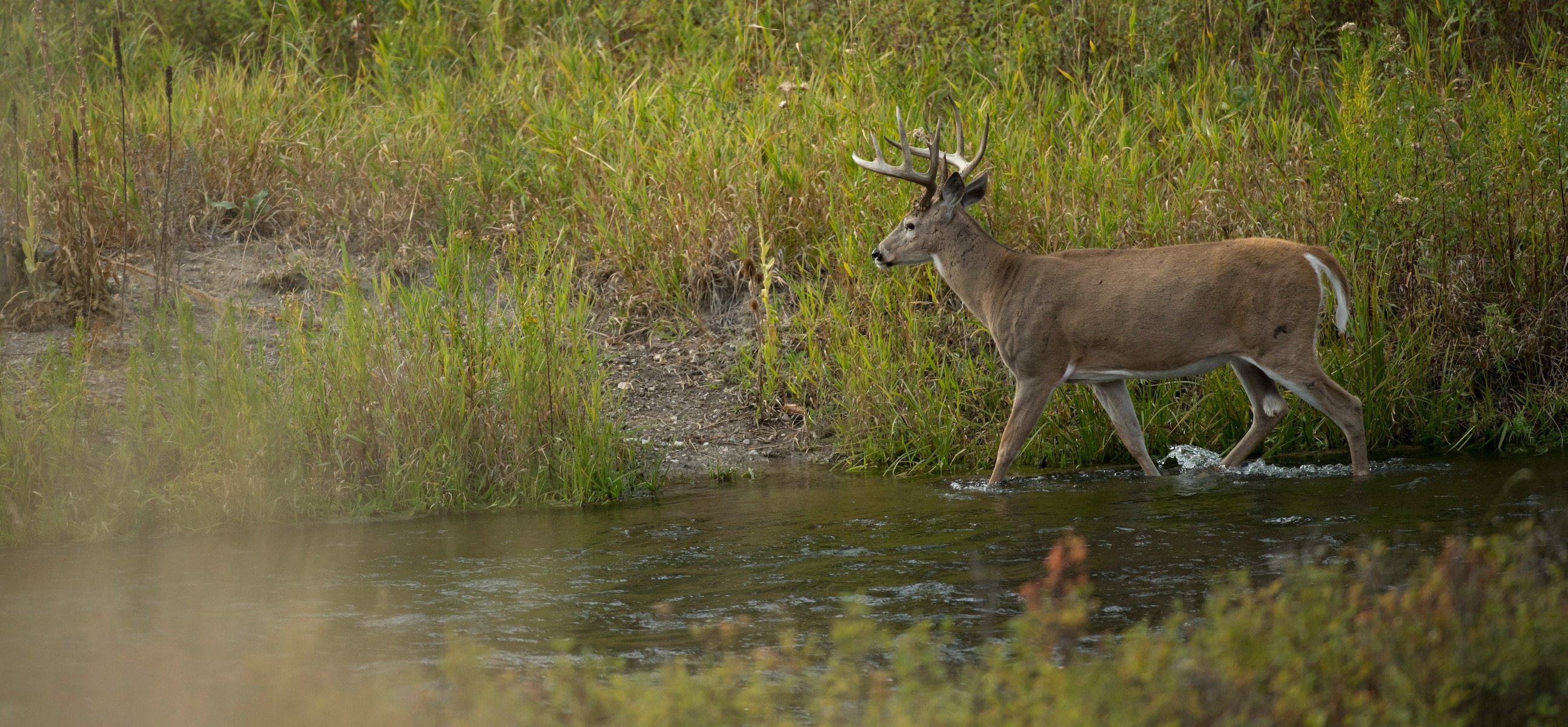
Creek crossings are more great places to arrow local bucks. These areas can be good all season; even better is that traveling bucks will often pause at these locations long enough to take in some water, even when they are hot on the prowl for does. It doesn’t take much water to attract a buck, and it doesn’t have to be clean or clear water. When they are thirsty, deer will drink what’s available.
HuntStand’s Whitetail Activity Forecast Tool
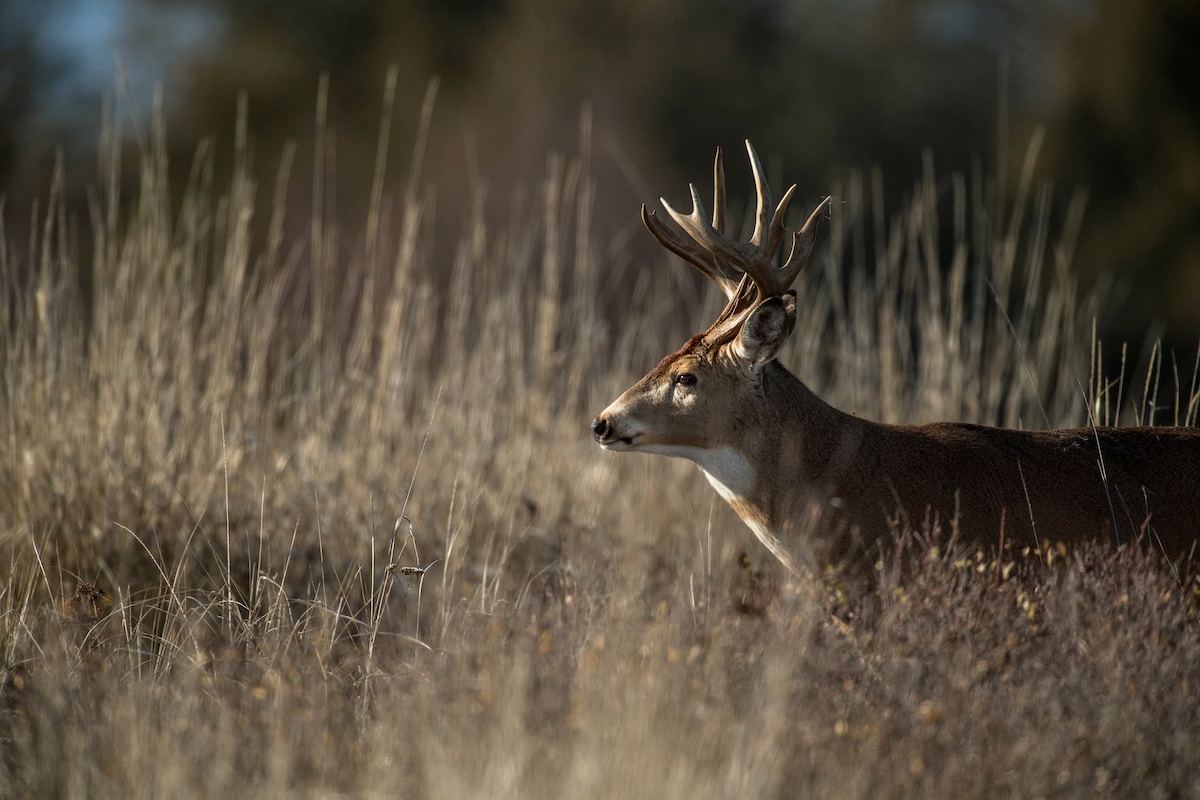
CRP fields and prairies are excellent for hunting big whitetails.
Hotspot: CRP and Prairie
Tallgrass prairie is common on many public-hunting areas in the Midwest. In fact, many public hunting areas are designed for upland bird hunters and get little pressure from deer hunters. These prairies will often have potholes in them; low spots that offer deer a cool shady place to hide out during the day.
I have seen these potholes literally laced with deer trails and beds. Mature bucks like them because they can travel using both the wind and their eyesight to feel secure while they enter and exit them. Bucks often sneak into these areas during the morning hours, then leave to feed in surrounding crop fields in the evening.
Whitetail Rut Map : A HuntStand Exclusive Feature
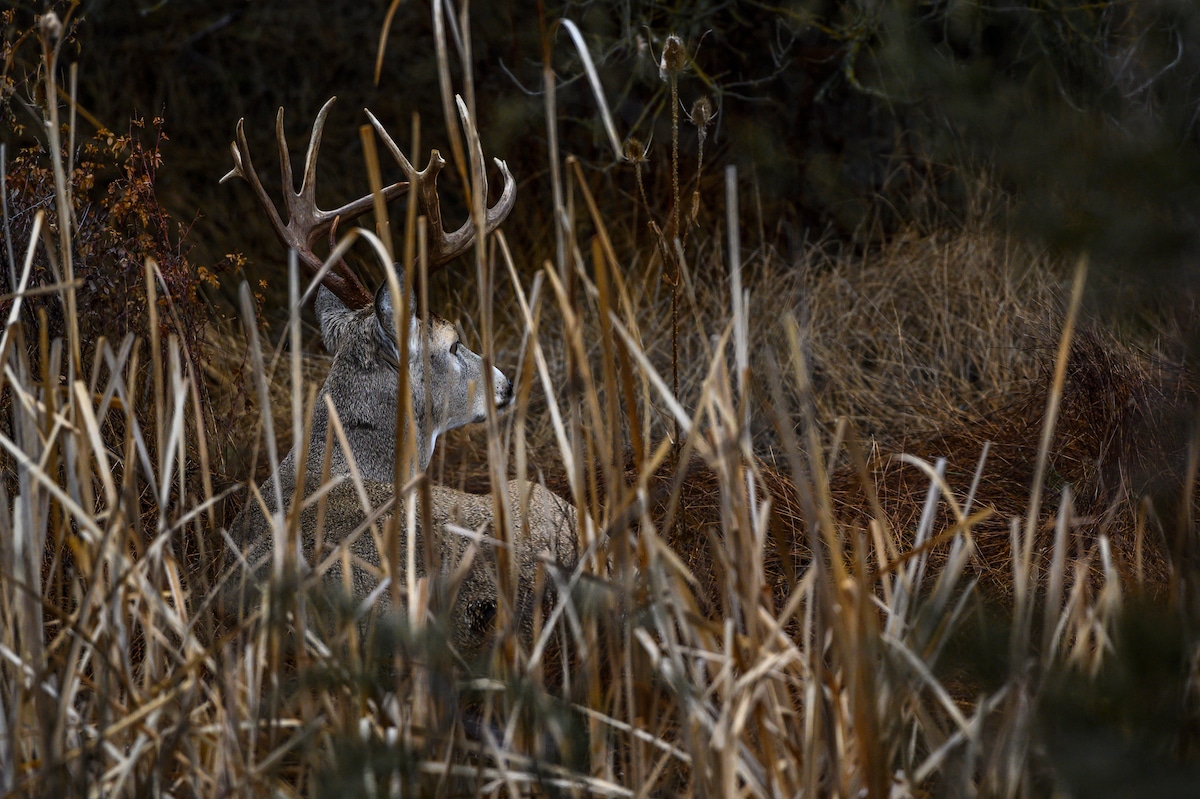
Mature bucks routinely spend daylight hours in cattail marshes and swamps.
Hotspot: The Cattails
I have found that bucks will often choose wet areas to bed in during the summer and early fall. They will even lie down in the water to keep cool. Cattail swamps offer excellent deer habitat and provide most everything they need. The more I pay attention to cattails and how deer use them, the more I am convinced that they are a preferred bedding area, and very few hunters pay any attention to them.
Cattail swamps are often characterized by areas of shallow water mixed with areas of damp, cool dirt. On hot days, the deer can lie right in the water and during cold weather, the deer have protection from the wind as they hunker down amongst the thick standing stalks and lie on a dry bed of fallen stalks.
When most hunters think of public hunting land for deer hunting, they think of wooded areas. Make no mistake, there are a lot more deer on “waterfowl production areas” than you might think. Properties that get used by more duck hunters than deer hunters offer the bucks a chance to grow to maturity and with little pressure. Don’t overlook large public marshes; they can be a gold mine when it comes to producing big bucks.
Monster Bucks: The Truth About Hunting Huge Deer
Distinct trails develop in these cattails, and tracks are easy to read in the soft muck. Hang a scouting camera on these trails to learn the preferred times and direction of the local deer movement. You can set up to shoot a buck where it exits a swamp, or you can do like a friend of mine did: He simply “stomped down” a few shooting lanes among the cattails, and sat downwind of a major trail, on a plastic bucket. Don’t laugh; it worked just fine.
As always, use your HuntStand app to watch the weather and wind direction. When the wind is right, make your move. You can be quite aggressive in these swamps. The deer simply do not encounter people in these areas, and when they do, they often seem like they do not believe their eyes.
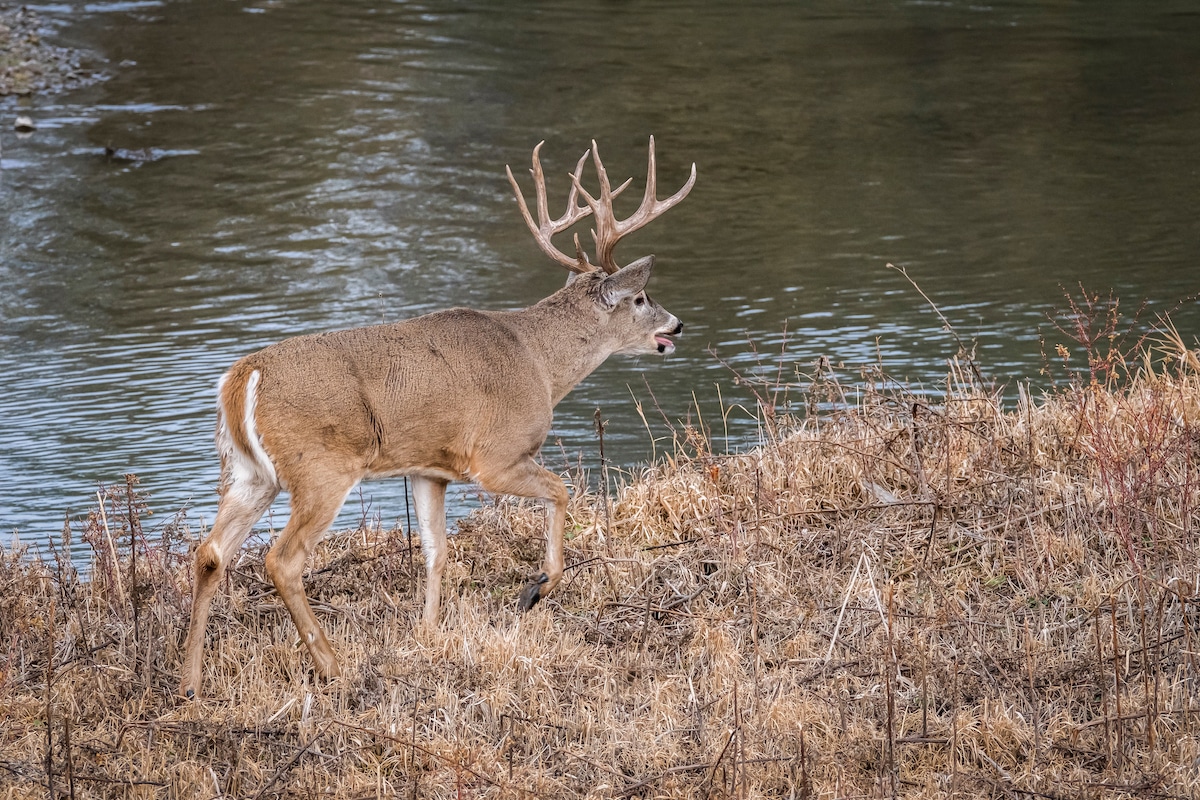
Some deer grow old by spending time on overlooked islands.
Hotspot: The Islands
Most of these swamps, especially the larger ones, have a few small islands (see above example) in them. Most people know bucks head to these islands when hunting pressure gets intense, but think about the reason why. These bucks are going to the islands because they have prior experience feeling safe there. That means they have spent lots of time there before the pressure got bad. Why not hunt them before the pressure builds?
Islands are difficult to hunt; but, the harder the better. All other factors being equal, the more difficult the access, the less pressure and the better the hunting. Some islands are big enough that you can sneak onto it and set up right on the island. But I have found that is a very difficult task. Bucks know these islands intimately. Entering the island and getting in a stand is difficult unless it’s a pretty good-sized one. In this case, using a canoe or sneaking in with waders can put you in position to shoot a buck that is totally unaware.
21 Great Early Season Treestand Locations
More often, I have found that mature bucks choose smaller islands so they can easily monitor the entire island by hearing, smell, and sight. In this case, it’s best to set up an ambush where they access the island. Generally, these islands are surrounded by a sea of cattails or rushes, and the trails are obvious. If you carefully scout around the island, you can find a buck’s preferred exit and entry routes—they may or may not be one and the same. In many cases, I can “zoom in” on my chosen property using my HuntStand app on my smartphone, and actually see the primary trails on the aerial photos. That way I can walk right to them and determine a way to set up an ambush point.
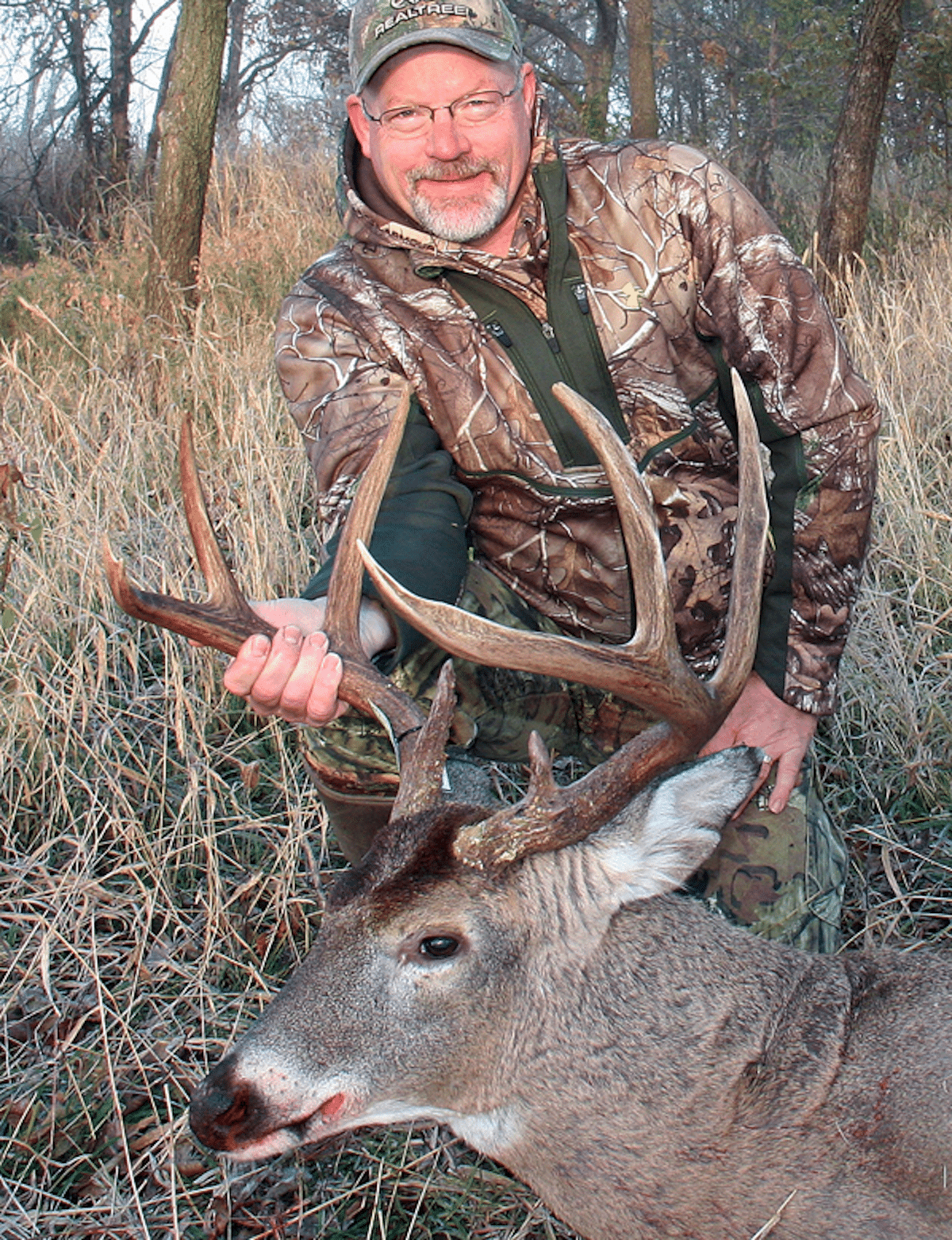
The author poses with a buck he shot in an overlooked spot.
While getting “way back off” the roads may put you within reach of an unpressured buck, the chances are good that you may be walking right by bucks that other hunters overlook. Swamps, ponds, creeks and cool, low-lying spots in open fields attract more deer than most hunters realize. Your takeaway? Find the water and find the deer.