






While hunting mature bucks is difficult, finding a top-end whitetail is even more so.
Some hunters just keep killing giant deer. They stack Booners like spent checkers. But that isn’t reasonable for 99% of hunters though, right? To answer that, it’s important to understand the key reasons that these mega-giant, big-buck killers keep doing their thing. This is the truth about hunting huge deer.
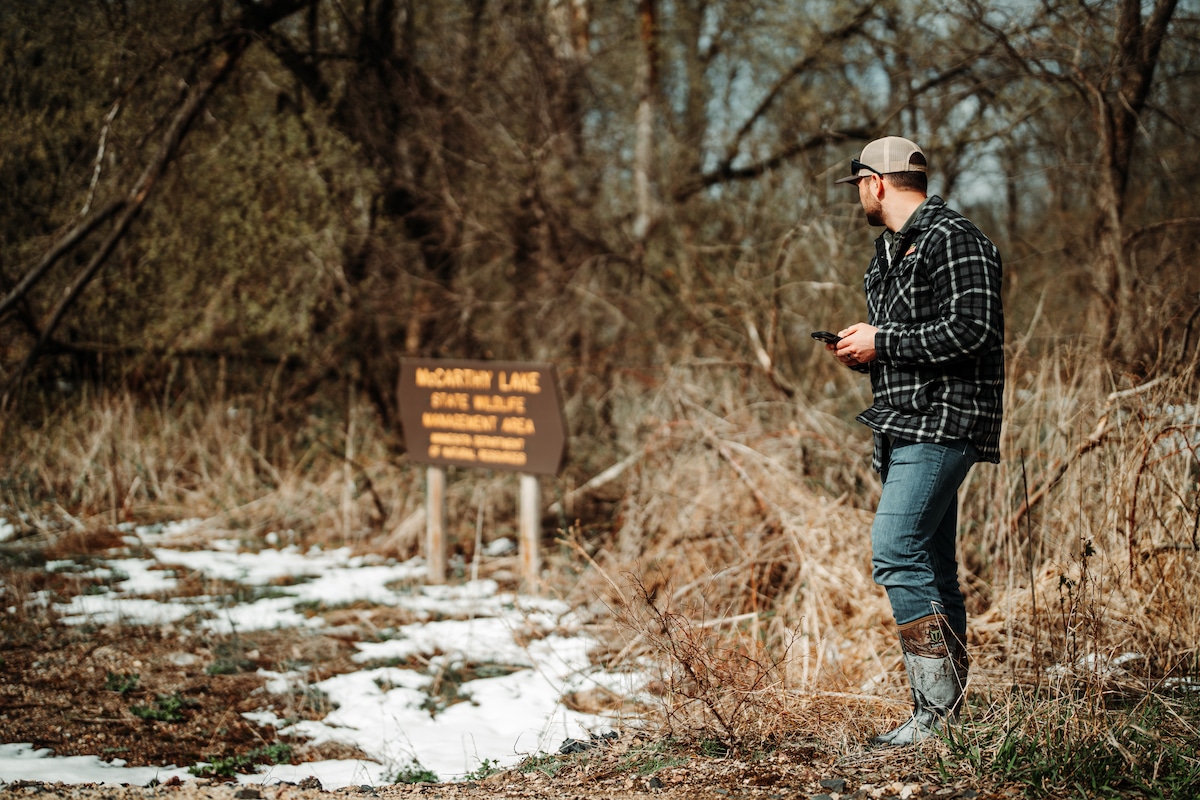
Hunters who consistently tag record deer tend to either own a lot of land, or travel extensively to hunt.
Shocking Boone & Crockett Stats
As Bergman’s Rule explains, animals that are further away from the equator tend to have greater body weights. That doesn’t really influence antlers, though. Rather, antlers are impacted by age, environment, genetics, nutrition, soil quality, water availability, and more. And where they grow, there’s a lot that plays into hunting these huge deer.
For those unfamiliar with the record books, a whitetail must score 170 inches typical or 195 inches non-typical (after the 60-day drying period) to make the all-time Boone and Crockett record book. In some areas, that’s very doable. In others it’s completely impossible. Places like Kansas, Illinois, Iowa, Wisconsin, and others are hotbeds for record deer. Other states like Florida, South Carolina, etc., certainly aren’t.
As of September 19, 2023, and since 1830, there are 18,742 total B&C whitetail entries (11,652 typical and 7,090 non-typical). That might seem like a lot, but given the vast number of deer taken during that timeframe, it isn’t. Record-class whitetail bucks are rare.
According to B&C, a hunter’s chances at a B&C buck are about 1 in 20,000 (0.005%) nationwide. Of course, buck-rich areas have better odds. But in areas with fewer top-end deer, the odds drop significantly.
Despite the odds, mega-giants can pop up seemingly randomly. But there are some common threads. These places include being in, on, or near, big-ag country, highly managed tracts, un-huntable lands, and more. But even if you find such a place (or adjacent to it), it requires additional things to go correctly.
How to Build a Habitat Plan for Deer [Deer Dirt]
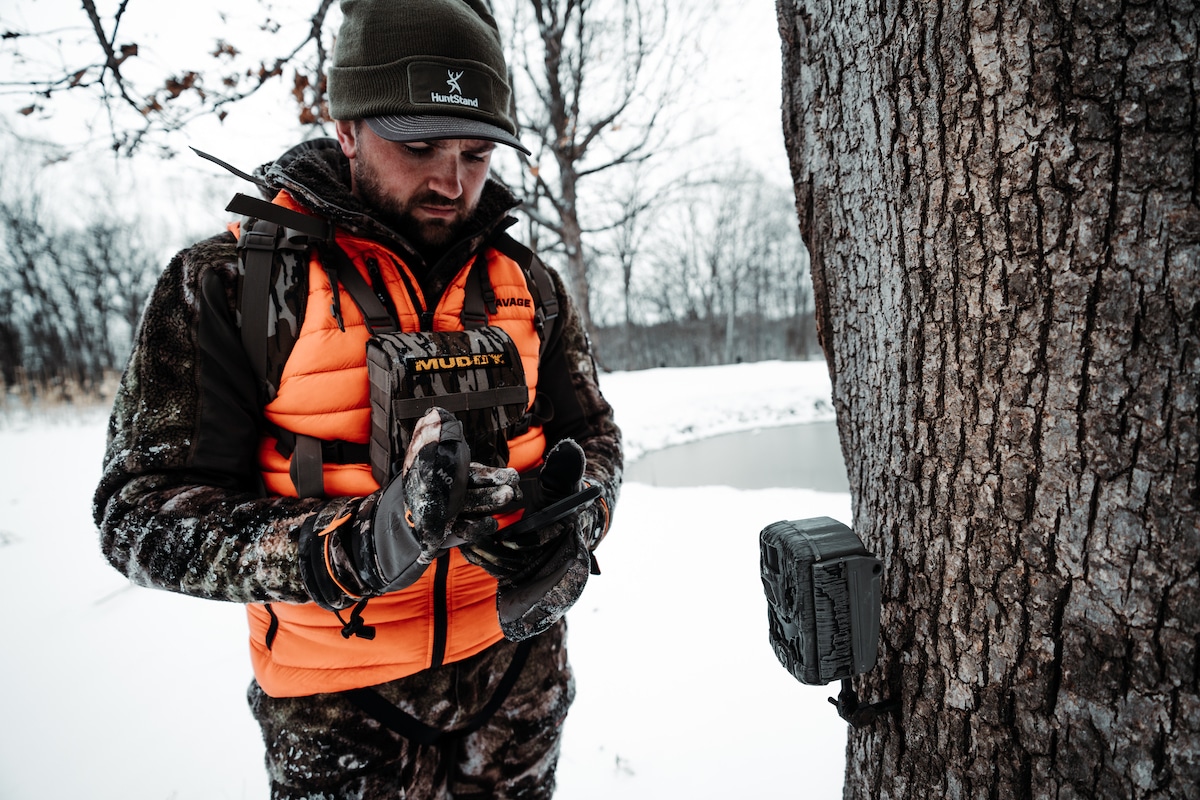
Capturing top-end bucks on trail cameras isn’t easy. Out of 1,000 unique bucks, the author has only seen a few bucks that approached the 170-inch typical minimum. He’s never had one close to the 195-inch non-typical barrier.
What Consistent Big-Buck Killers Do Differently
Those who consistently tag massive whitetail bucks do things differently than those who rarely or never do. They subscribe to and implement specific ideologies, mentalities, practices, and tactics that are attuned to finding and hunting high-scoring deer.
For starters, they hunt where big, mature bucks live. You’re only as good as the land you hunt. And you can’t kill a record-class deer if one doesn’t exist on the landscape which you have access to. Some states, counties, and properties can’t or rarely do produce top-end deer. Others produce more opportunities. Consistent big-buck killers find the latter.
Likewise, they are constantly looking for new ground. Hunting land is difficult to come by. Lands holding record-class deer is even rarer. It takes time and effort to find, or grow, wild deer of this magnitude. This remains true even in the best of big-buck country.
Once they find a big deer, they stick with it. They profile the deer to see what makes it tick. Each deer has a personality, of sorts. They express habits and tendencies. Learning these intricacies unique to specific bucks is a part of the process. Knowing where they bed, feed, water, and how they use the landscape, are all important elements to understand.
Other key characteristics of hunters who routinely tag the biggest deer:
- They scout more than they hunt.
- They allow promising bucks to reach peak ages.
- They pass smaller non-target bucks.
- They know how mature bucks think and behave.
- They scout for specific buck beds and travel routes.
- They truly understand how bucks use the wind.
- They hunt just-off winds.
- They understand the importance of good entry and exit routes.
- They recognize an opportunity when they see one.
- They learn how to adapt when necessary.
- They know when to make their move.
- They have a true love for white-tailed deer.
- They exhibit a tenacious spirit.
- Giving up isn’t an option.
Find Public-Land Deer Hotspots on the Fly with HuntStand Pro
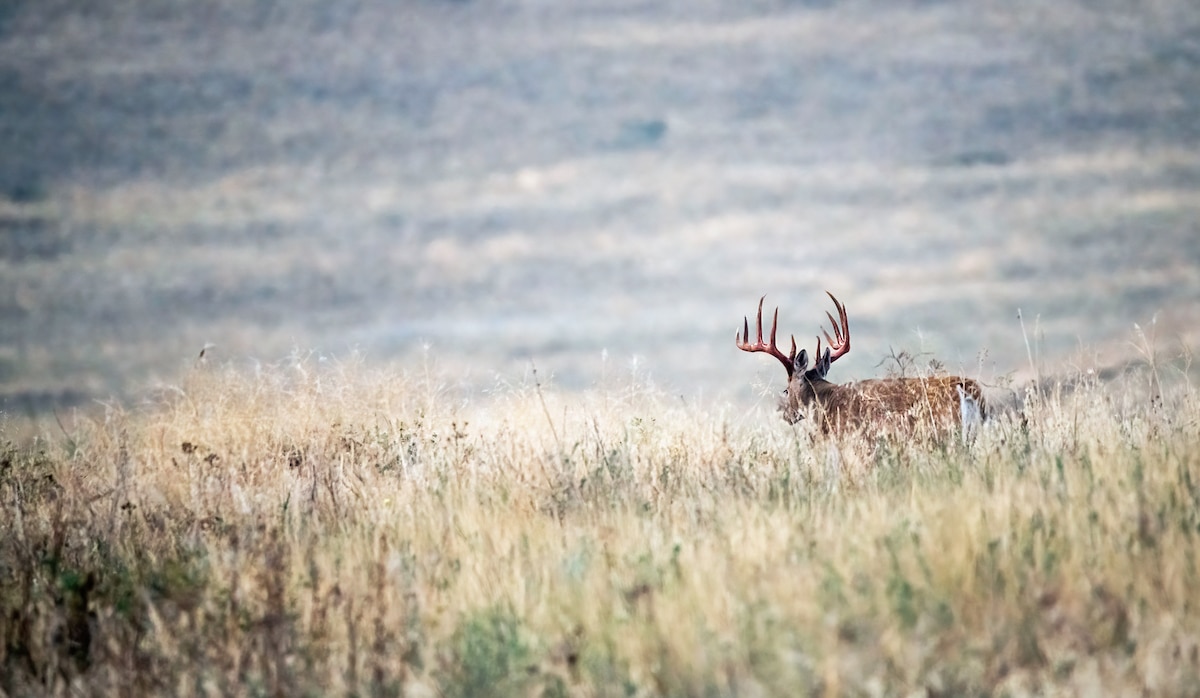
If record whitetails aren’t in the chips for you, focus more on targeting mature bucks, rather than deer with bigger antlers.
Farming and Finding Monster Bucks
A new term on the landscape, “farming for deer” is a label some use for managing large acreages of land for quality deer management. In short, this requires owning or co-oping thousands of contiguous acres. To be successful, hunters and land managers within that area are on the same page. Without that, buck age structure and antler scores don’t reach goals. Many of the hunting personalities who kill huge whitetails year in, and year out, are doing just that, or at least a version of it.
If they aren’t “farming for deer,” they and/or a group of people are covering a lot of ground and scouting many different properties in search of a record whitetail. I call that the “whack-a-mole” route. They wait for a mature buck to pop up, and they gain access to that property to hunt it.
Most blue-collar working people can’t afford either of those options. Thus, they’re left with managing the land they have for the best opportunities available to them. As one who’s in just that situation, I find my groove in hunting the top 10%-15% of bucks that I have access to. For me, that’s usually 4 ½- to 5 ½-year-old bucks scoring 130- to 145-inches. Occasionally, a 150- to 170-inch deer hits the landscape, creating a serious buzz with the local deer hunters.
Even if you hunt a small acreage, it’s possible to attract and hold some of the better bucks in the area. You might not keep them on the property 100% of the time, but if the deer spends most daylight hours there, that’s great. To do that, it’s crucial to at least offer the various bedding area needs a buck has throughout the year. Offering year-round food sources is, too. Placing water sources close to each bedding area is important as well. Then, leave the property alone and don’t permit human intrusion.
Point is, if hunting big bucks is important to you, find the legal, ethical route that gives you the best access to the biggest possible deer for your location and circumstances.
How to Read Buck Rubs and Associated Patterns
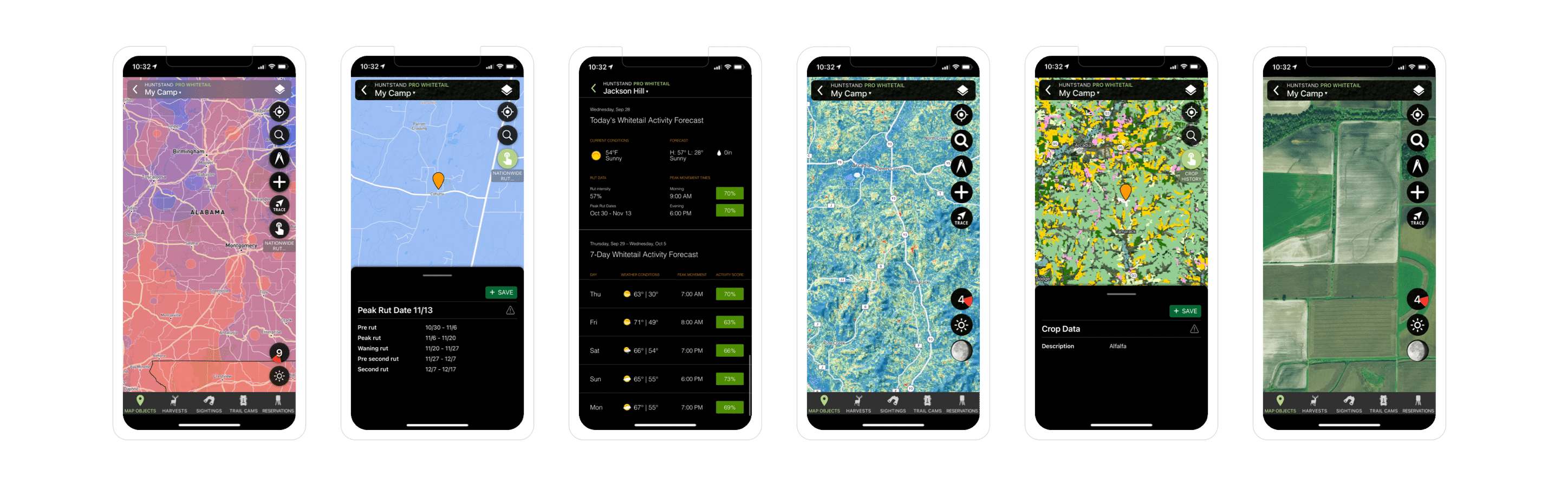
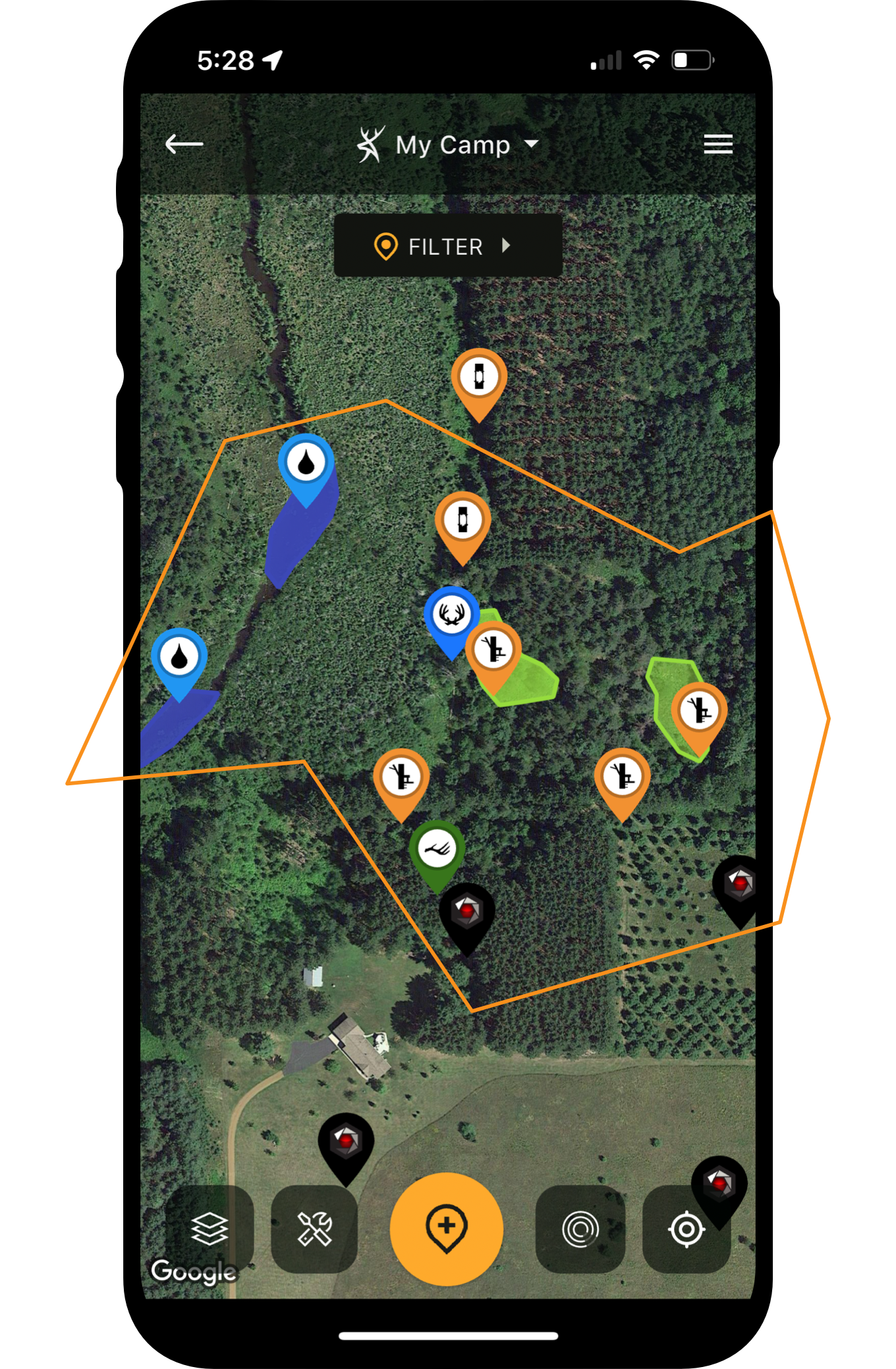
Once you find your target buck, use the many benefits of HuntStand Pro Whitetail to aid in the hunt.
TOP 5 B&C TYPICALS ALL-TIME
No. 1: The Milo Hanson buck scored 213 5/8 inches. It was taken in Biggar, Saskatchewan, on November 23, 1993.
No. 2: The Dustin Huff buck scored 211 4/8 inches. It was harvested in Decatur County, Indiana, on November 4, 2021.
No. 3: The James Jordan whitetail scored 206 1/8 inches. It was bagged in Burnett County, Wisconsin, on November 1, 1914.
No. 4: The Larry Gibson whitetail scored 205 inches. It was tagged in Randolph County, Missouri, on November 21, 1971.
No. 5: The Frederick Kyress deer scored 204 6/8 inches. It was shot in Montgomery County, Pennsylvania, in 1962.
TOP 5 B&C NON-TYPICALS ALL-TIME
No. 1: The Missouri whitetail scored 333 7/8 inches. It was found dead and picked up in Missouri in 1981.
No. 2: The Ohio (Hole in the Horn) buck scored 328 2/8 inches. It was picked up in Portage, Ohio, in 1940.
No. 3: The Luke Brewster deer scored 327 7/8 inches. It was harvested in Edgar County, Illinois, on November 2, 2018.
No. 4: The Brian Butcher buck scored 321 3/8 inches. It was killed in Chase County, Kansas, on October 11, 2019.
No. 5: The Stephen Tucker whitetail scored 315 1/8 inches. It was shot in Sumner County, Tennessee on November 7, 2016.
Find Staging Areas to Find More Deer
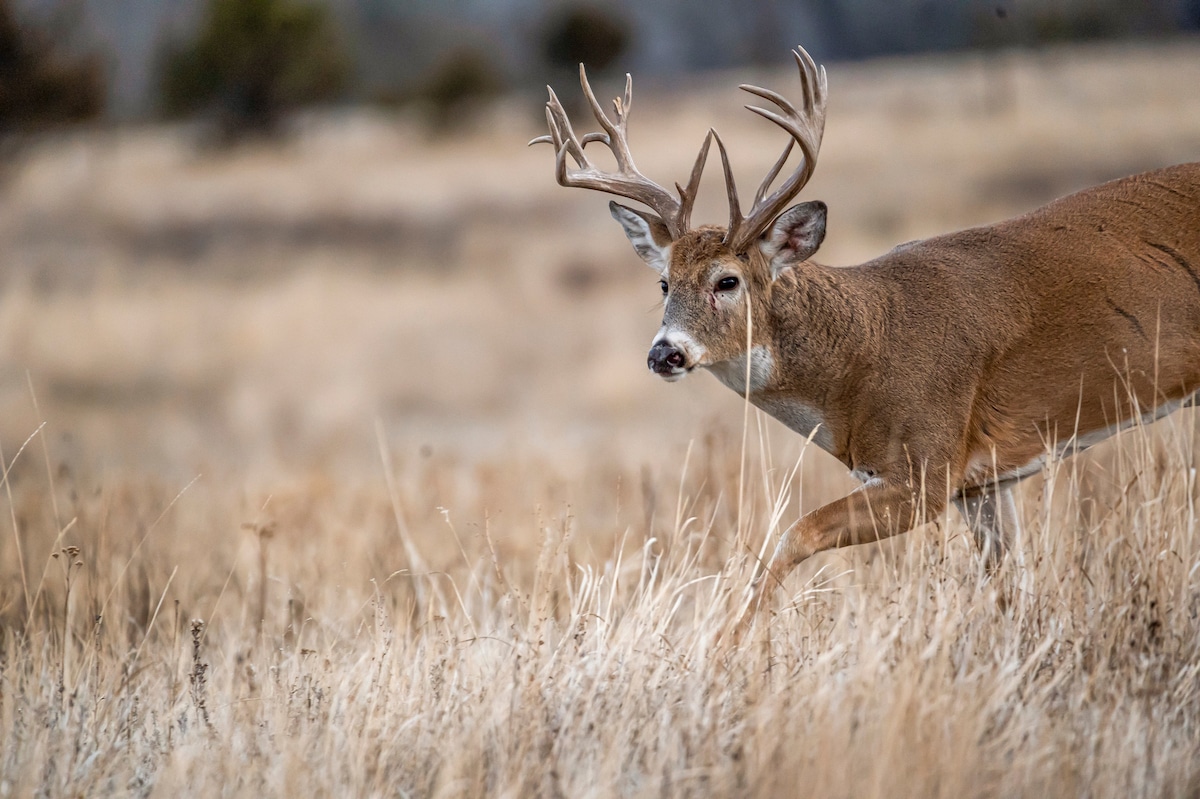
Most deer hunters must be content and happy with targeting the most mature bucks on the landscape, regardless of their score.
Beating Buck Fever
Some hunters might have access to big whitetails, but don’t have enough ice in their veins to get them killed. They’re presented with opportunities, and like a rookie kicker on the football field, absolutely botch the execution.
Trust me, I know, because I’ve been there. I’ve killed some good, even great, bucks. But I’ve also whiffed or otherwise screwed up more big-buck encounters than I care to recollect. Because of this, I’ve worked on overcoming buck fever, and you should, too. So, consider:
Practicing Correctly: Practicing for the sake of practicing doesn’t work. Instead, hunters must practice with their weapon as if it’s a hunting situation. Attempt real-life scenarios. Mimic in-the-field opportunities, such as from treestands, ground blinds, etc. Sprint a short distance—as if to simulate an adrenaline rush—and then safely take the shot (from the ground). These things and more mimic real-life situations that are truer to the real thing.
Establishing a Regimen: Having an established shot process and mental checklist is crucial for all hunters. For bowhunters, draw back. Bend at the waist. Find your anchor point. Pick a pinpoint on the vitals. Check for debris in the flight path. Check the bow level. Settle the pin. Envision a good shot. Send it. And follow through.
Similarly, for gun hunters, be consistent. Find the target. Shoulder the rifle as you find the deer in the scope. Keep it in the scope. Settle into the shoulder. Cheek down on the stock. Place your finger on the trigger. Breathe in and out. Settle the crosshairs on the target, and then slowly squeeze with property trigger-pull form. Let the muzzle blast surprise you. Stay on target with the scope throughout the shot. Don’t raise your head up until a couple seconds after the shot.
Simulating Opportunities: It’s very difficult to simulate a big buck encounter. That said, watch a video of a big deer, pause it right before the shot, and take your own shot at the target. Shoot at a 3D buck target at broadside and quartering-away angles to add realism. This method, and others, can increase the adrenaline, albeit slightly.
Breathing Right: Executing proper breathing is important, too. Effective breath control is necessary for accurate shooting of any kind, especially when a big deer is in range. Study the associated breathing with various shooting types and styles. Then, implement those.
Distracting Yourself: Hunters who still can’t control buck fever enough to get it done should distract themselves. Consider looking at any part of the buck except its rack. Squint your eyes at the deer until time to shoot. Take exaggeratingly-big breaths.
Hunting Small: If you can’t seem to master buck fever, consider hunting small game. Learn to master adrenaline rushes for “lesser” animals, and it’ll be easier to control it when a big buck steps out.
Overall, it requires experience when learning how to find big deer. That’s equally true for making the best of shot opportunities. The truth behind hunting big, mature whitetails isn’t as easy as social media and television might make it seem. A lot plays into successfully killing mature deer. It’s a complicated, and oftentimes financially costly, endeavor.
Oftentimes, the truth about hunting huge deer reveals a workload that’s more than most are willing to take on. Killing big deer isn’t easy. Killing them consistently is nearly impossible.
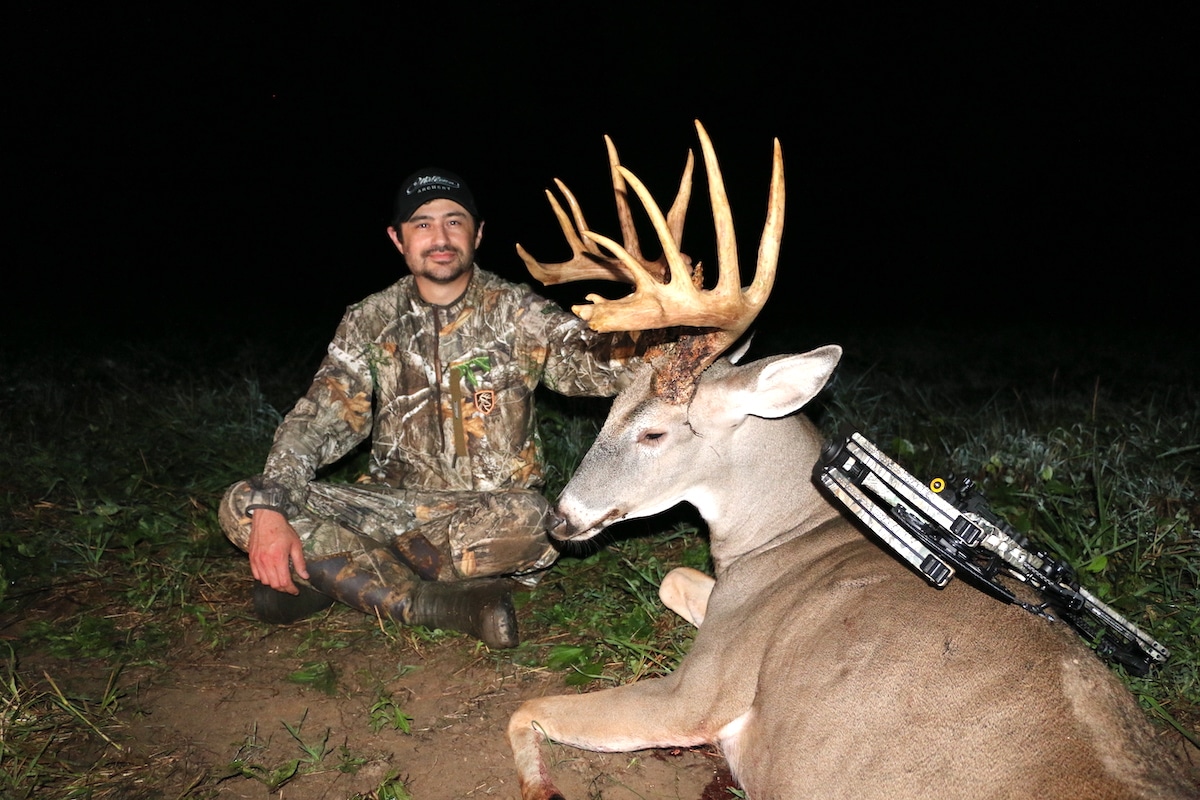
Most deer hunters must be content and happy with targeting the most mature bucks on the landscape, regardless of their score.
So, strive for your goals. But enjoy the journey along the way. And no matter the heights you reach, or don’t reach, never measure your life as a deer hunter by the number of inches in the back of the truck or above the mantle. Instead, measure it by the impact had and memories made. Deer hunting is about more than inches. And that’s the truest truth of hunting deer, big or small.