


Whitetails aren’t wired to move during daylight. First light, last light, and after dark are the times when you’ll almost always find the most deer activity. Because of this, they rarely make it far from their bedding areas during shooting hours.
That’s why it’s important to find staging areas to find more deer.
So, what’s a staging area? In short, this is a location between a bedding area and a destination food source where deer hang out until they feel comfortable emerging into the open. If you’re not hunting staging areas for whitetails, you’re missing out on what’s arguably the most consistently productive deer hunting, no matter the phase of the season.
UPGRADE TO HUNTSTAND PRO WHITETAIL
How to Identify Deer Staging Areas
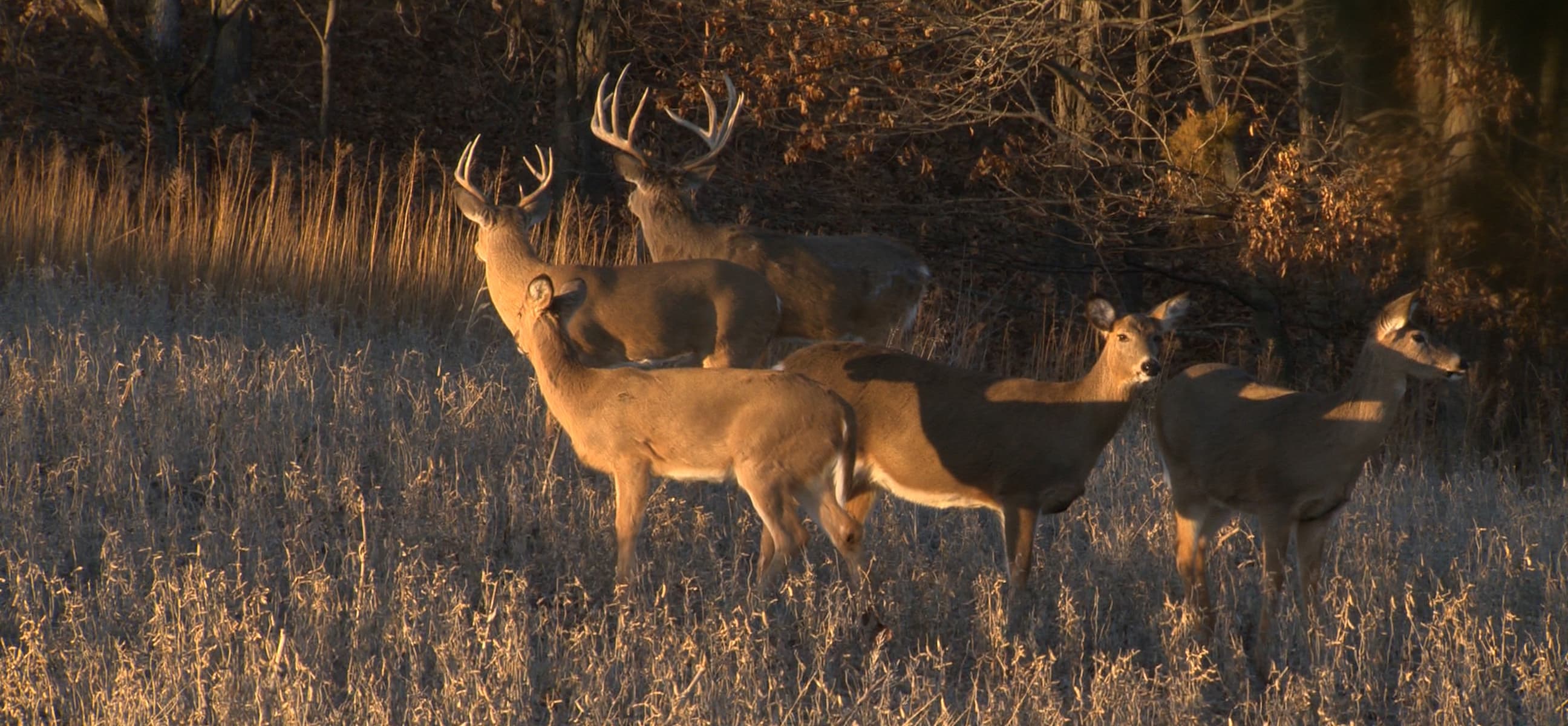
Staging areas can have subtle differences, but in general it’s easy to identify a staging area no matter where you’re hunting. Find a bedding area, and then peel apart the layers outside the bedding area to figure out where the deer are likely to hold up prior to making their evening journey. A staging area will typically have a moderate level of cover, while offering quick escape routes to thick security cover — which is often the same as the bedding area. Staging can be a solo affair, but several deer will often congregate and socialize in staging areas.
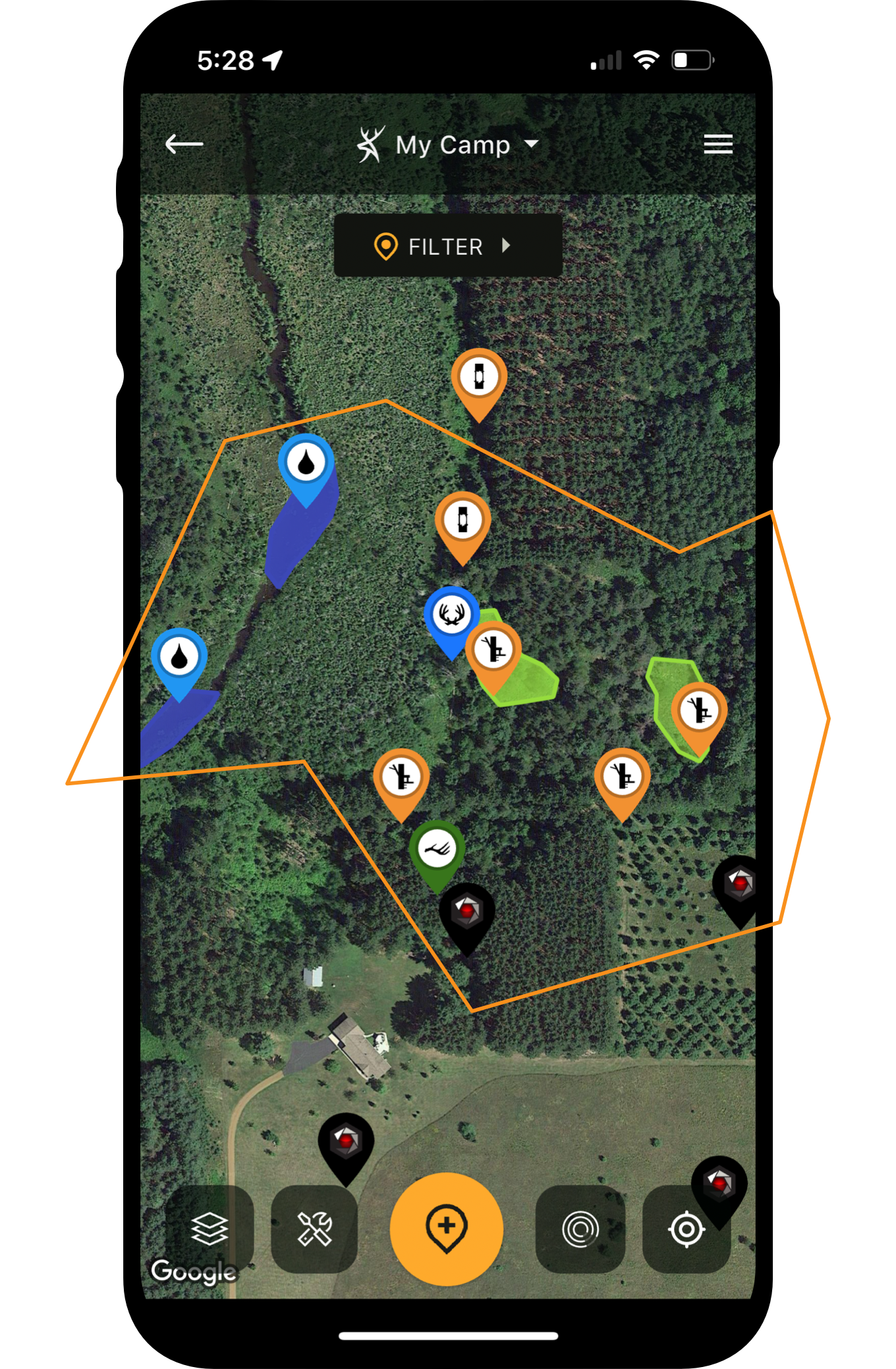
You can use HuntStand to find likely staging areas by sorting through multiple map layers. Look for thick cover that transitions into more open cover. Sometimes this will be an obvious two-zone transition, or in other cases (like in the staging area featured in the video above) there will be multiple layers of cover butting up to a bedding area, and the deer could stage in any of these zones. As shown in the side-by-side map layer comparison below, HuntStand’s Monthly Satellite imagery can be money for discovering bedding areas. Toggle to the winter and spring months with the least amount of foliage, and you’ll quickly identify the thickets pockets of cover. Areas that remain thick all year — such as cattail sloughs or early successional habitat — will typically be primary bedding cover that holds deer 365.
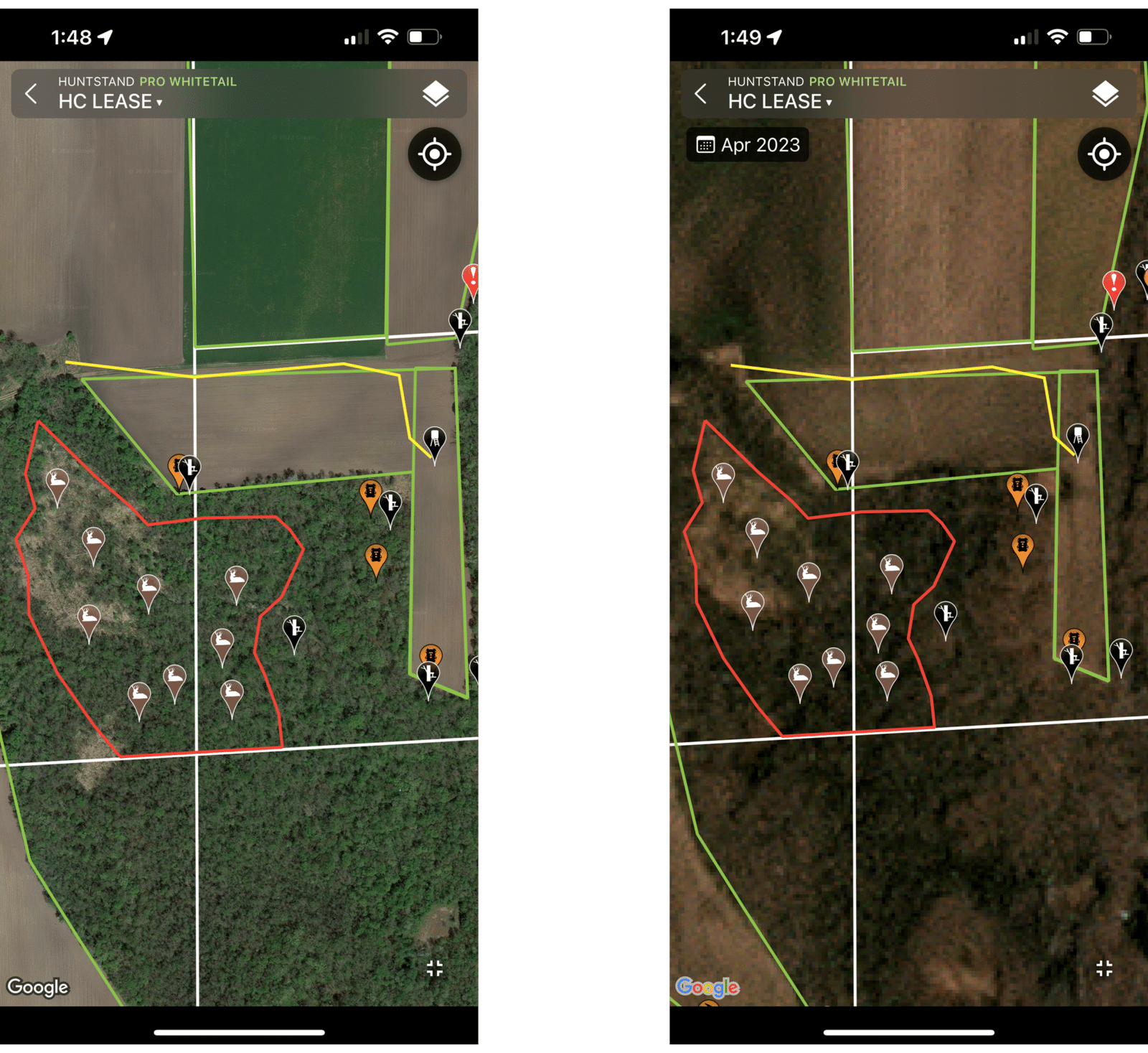
Then, use the aerial imagery to get an idea of destination food sources. A destination food source could be a food plot or an ag field, or even a bait pile or feeder — basically any considerable food source that whitetails won’t readily find in the woods. The Crop History map layer in HuntStand Pro Whitetail is a great tool for finding ag fields, and other high-resolution options like the National Aerial Imagery map layer make it easy to find food plots or smaller plantings. Remember, just because the food source isn’t on your property doesn’t mean your deer aren’t traveling to and from that buffet.
How to Hunt Deer Staging Areas
Once you learn to identify staging areas, they key is finding one that’s huntable. Vegetation needs to be manageable for you to have some shooting lanes. Also, whitetails are notorious for moving with their nose into the wind, so you’ll need to find a staging area that will allow you to effectively hunt a crosswind or a “fringe” wind. A fringe wind means setting up on the edge of the wind current so that your scent is blowing just off the path of your target deer. This can be a roll of the dice, but that’s why it’s critical to use the HuntZone wind map in HuntStand to properly approach, hunt, and depart from staging areas without being detected.
You can hunt staging areas all year, from early archery season into firearm season, and through late muzzleloader season. Prior to the uptick of rut activities, deer will tend to be on a somewhat predictable bed-to-food pattern, so catching them in staging areas can be a no-brainer. During the rut, bucks will swing through staging areas on the downwind side of bedding areas to scent check for hot does. Once the rut is over, eventually deer will resume their bed-to-food pattern just like the early season.
It’s natural to gravitate toward staging areas for evening hunts, but keep in mind they can be equally effective for morning hunts. However, pay close attention to trail cameras to get an idea of when deer are using staging areas during the morning hours. You’ll want to slip in well before they stack up for morning staging.
As security/bedding cover becomes more limited and hunting pressure increases throughout the year, finding a thick hellhole can be heaven on earth for a serious deer hunter. Do your homework and be waiting in a staging area with a cooler full of ice.