



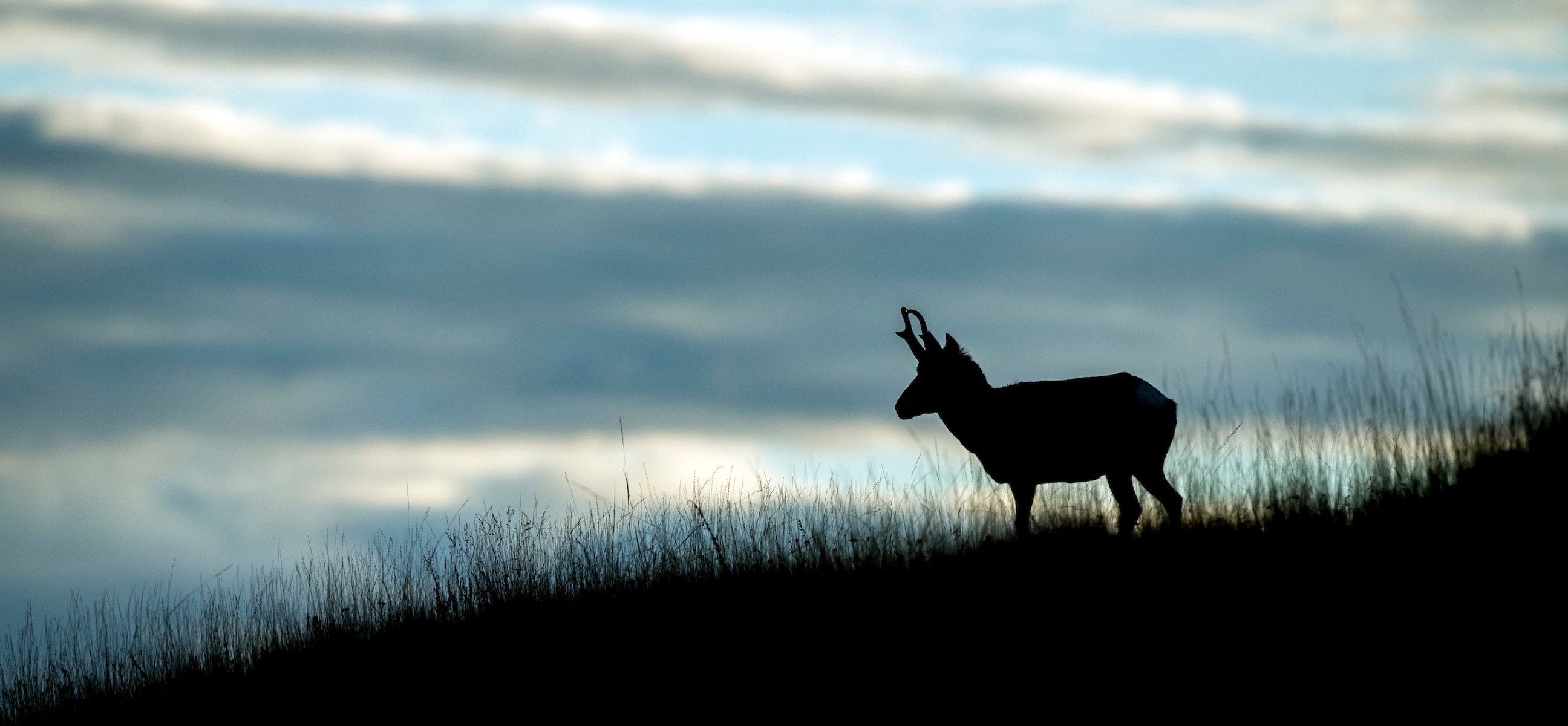



Pronghorn eyes are quite keen.
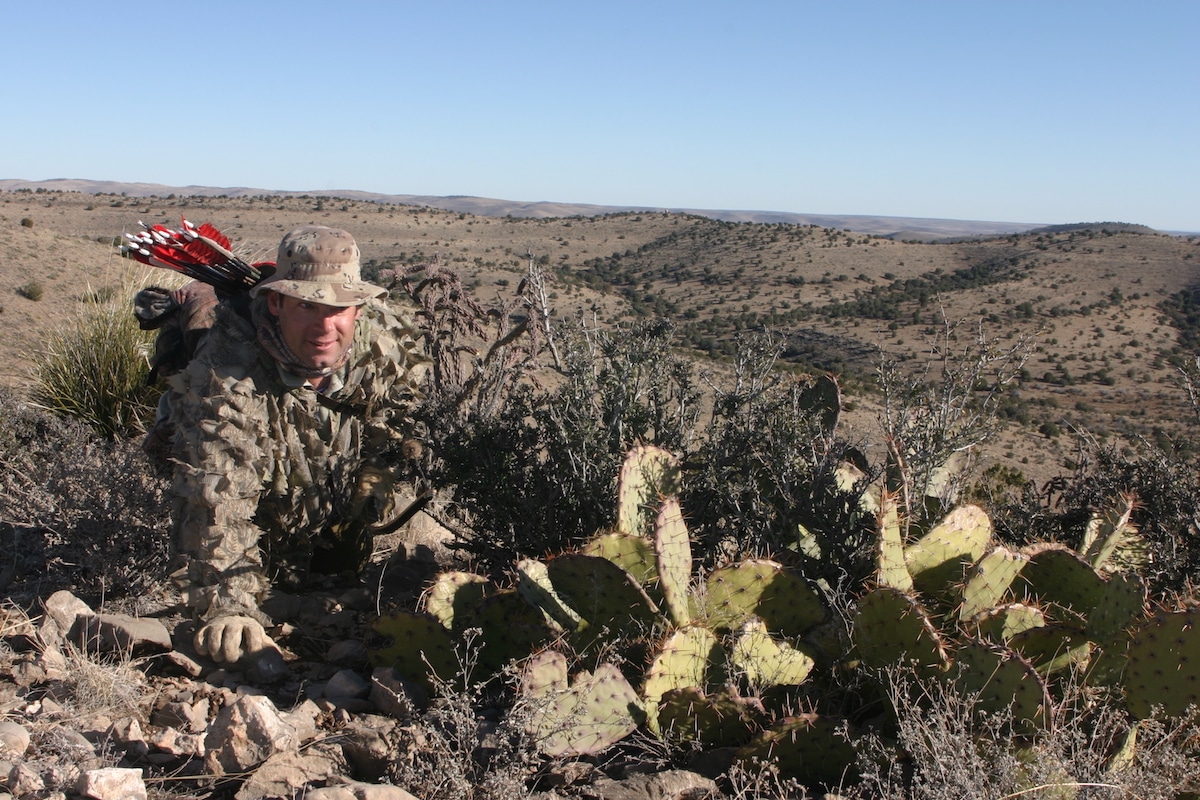
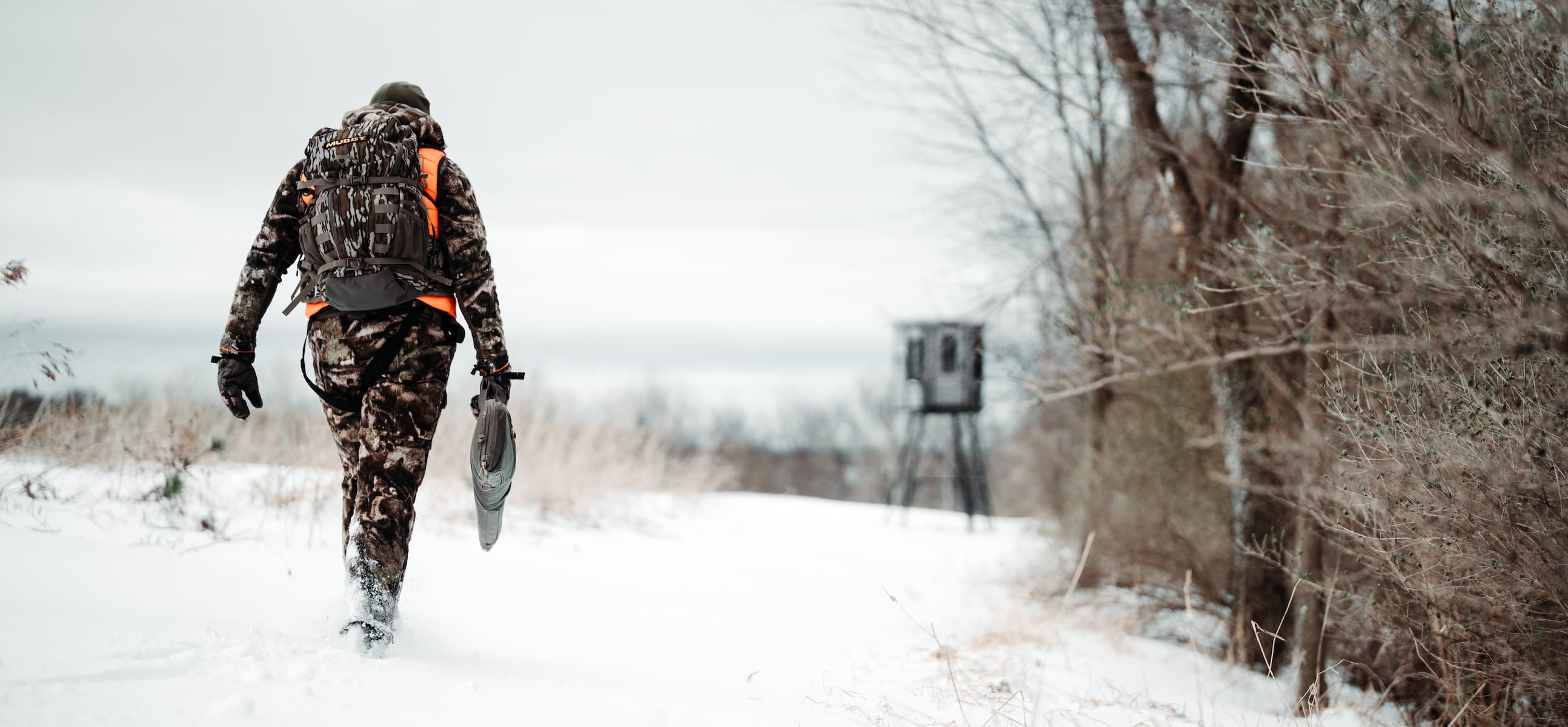
Use the terrain to get within bow range.
Bowhunting antelope can be one of the most exciting pursuits in all of big game hunting. Many shrug off antelope hunting as a second-tier western hunting opportunity, putting the prairie prince in a class below a big bull or wide muley buck. But those who dig into the nitty gritty of this unique species often become addicted, and the reasons are many.
First of all, let’s address the erroneous title of this article. We just used “antelope” so you could find this article on Google, as the species is actually “pronghorn.” If you didn’t know that already, there you go. In layman’s terms, if we’re speaking in the context of North America, the two names are synonymous. Jump over to Africa and the game changes, as the Dark Continent is a mural of different antelope species. The North American antelope (pronghorn) is the only of its kind.
The pronghorn is the second-fastest four-legged animal in the world, falling behind only the cheetah in a short-range land race. These animals once populated the North American grasslands in vast numbers, nearing estimates of the mighty bison herds prior to the European invasion. At present, the herds once numbering 30 to 40 million and spread from the Mississippi to the West Coast, have dwindled to approximately 1 million. Wyoming claims half of that figure alone and the rest are scattered throughout the states and provinces surrounding the Cowboy State. That’s actually a success, considering numbers plunged to less than 14,000 during settlement of the West.
Pronghorn populations yo-yo because they require a very specific niche habitat and environment to survive what can be a brutal neighborhood. Areas of Wyoming and northwestern Colorado lost more than 50 percent of their localized populations due to a brutal winter early in 2023.
Overall, if a hunt for one of these speedsters is in your future, consider a game plan that mitigates their strengths and behavioral attributes. Its aforementioned speed, extreme vision, a small frame, and supreme dominion over its wide-open turf—you’ve got your work cut out for you, especially if you’re trying to get it down with stick and string. With that in mind, here are proven tips and tactics for bowhunting antelope.

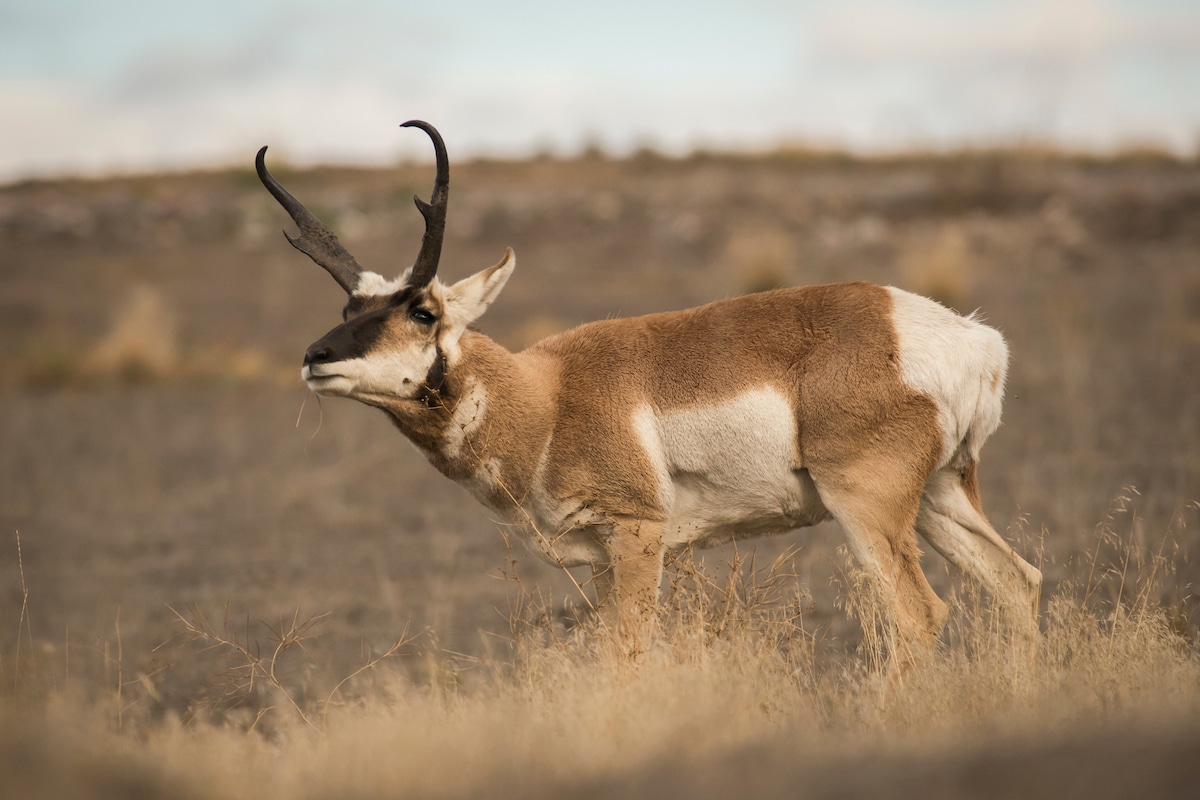
Compared to other big game, pronghorns have remarkable eyesight, often equated to a six or more-power binocular.
Overcome Pronghorn Eyes
Speed aside, another great sense pronghorns hold is eyesight. Compared to other big game, pronghorns have remarkable eyesight, often equated to a six-power binocular (or more). Plus, the placement of their 2-inch diameter bulging eyes gives them nearly 360-degree visibility. Keep this in mind when closing the deal on a stalk.
Of course, your best chance of drawing your bow or raising your firearm is when an animal is turned completely away from you. In a herd situation, expect alarm bells to ring if you expose any movement as herd heads continually revolve to monitor the surrounding terrain. Herd members signal danger by snorting a loud nose expulsion—like a whitetail snort—and fluffing their white rump patch as a visual alarm signal.
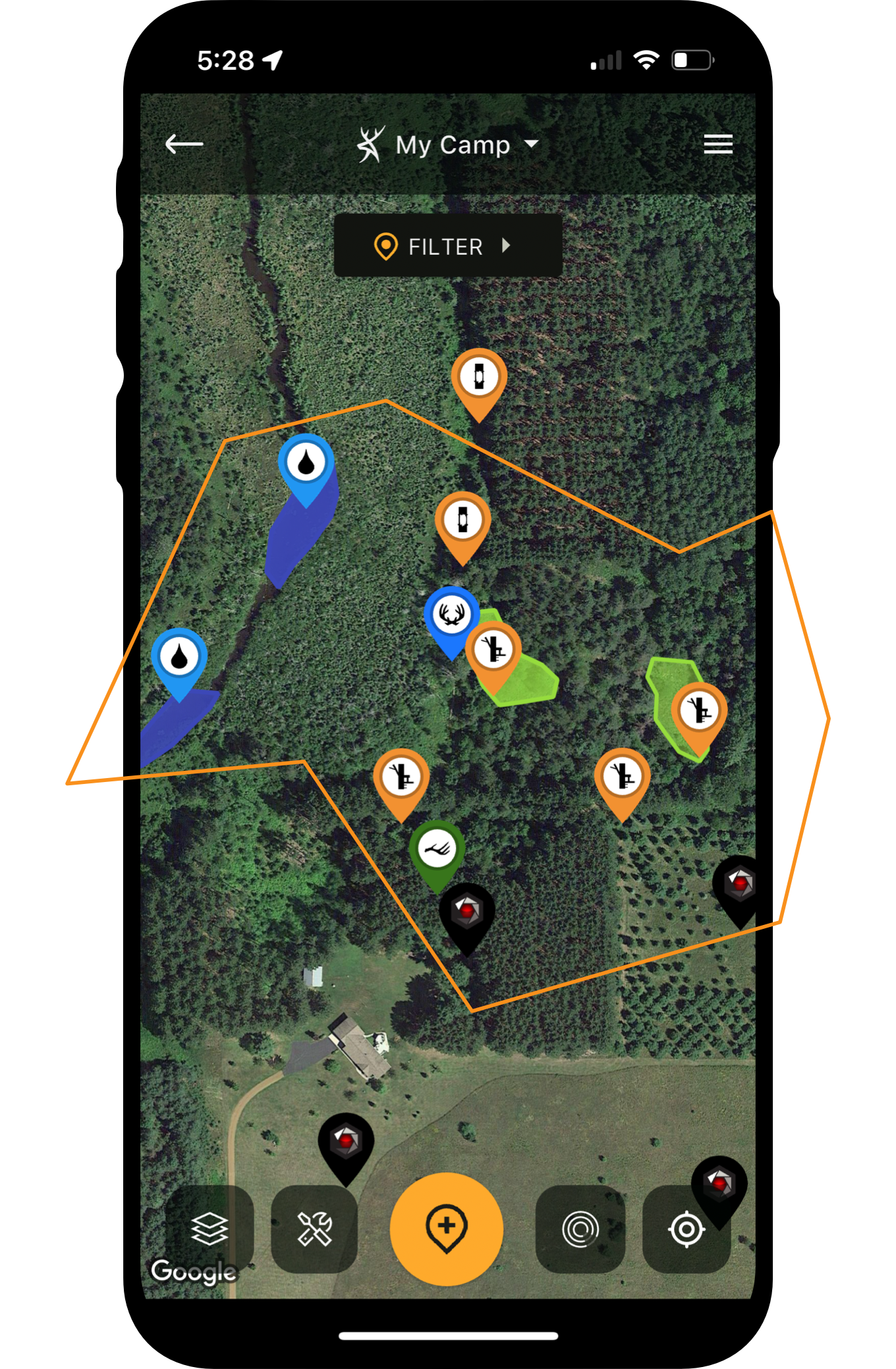
That doesn’t mean a stalk is impossible. It just takes the right stuff in both terrain and pronghorn densities. Consider terrain as you scout out a hunting area. Your HuntStand app is a standout partner in this job. An upgrade to HuntStand Pro or Pro Whitetail also makes sense to tap into the best features available.
How to Shoot at Running Game Animals
A variety of mapping tools provide overlays over maps to guide you into stalking terrain ideal for a pronghorn ambush. Consider using the Quad Topo, Contour, and Terrain overlays after you pinpoint your hunting area. These will reveal rolling and rugged terrain features, allowing you to disappear in draws, underneath hills, and behind buttes. Confirm your finds with a virtual flyover utilizing the 3D Map feature. Trying to pull off a stalk in a flat basin will lead to frustration and tossing in the towel after being spotted again and again. Look for terrain that signifies the best of the sage-land West for an approach to pronghorn.
While it’s tempting to go straight from the spot to the stalk, patience can pay big dividends, especially when you have limited terrain to work with. If you see a herd moving in one direction, consider setting up in their path and use any available cover. Even just one scant piece of sagebrush might provide the cover you need to make your final moves and get on target.
A perfect stalking scenario is a solo buck bedded in rolling terrain. You’ll be dealing with only one set of eyes instead of a herd. If you can’t find a lone buck, disappear into the lowlands as you ease toward a herd with the wind in your face. Use the HuntZone wind map in HuntStand to visually monitor changing wind conditions; sometimes stalks might take hours, and the wind won’t always remain consistent.
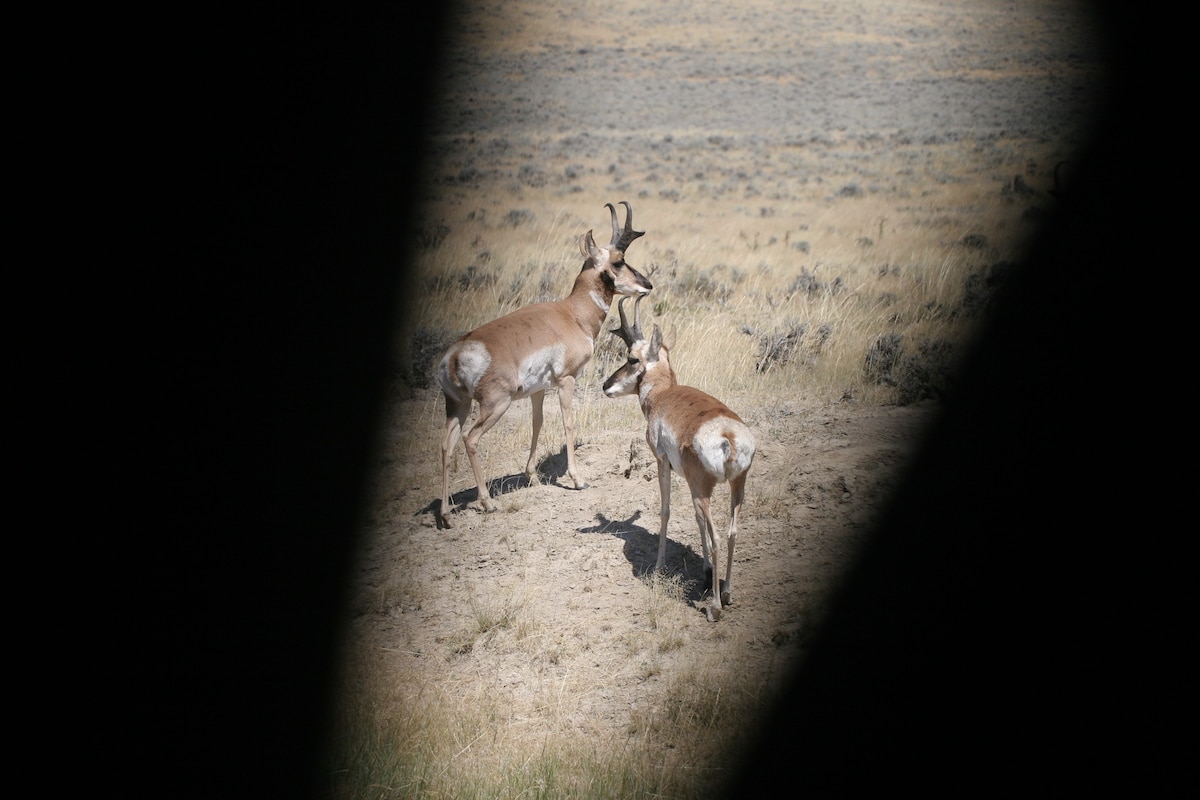
Ambush opportunities at waterholes, aided by use of a ground blind, provide a unique opportunity to hunt cagey pronghorns.
Benefit from Pronghorn Movements
Pronghorns do have some great traits that play out to your benefit. Consider the fact they lead a sunny, beach-style life. Unlike many other big-game species that can be notoriously nocturnal, antelope prefer to spend time in the sunshine. They roam, rut, and wander all day long.
Pronghorns are designed for the hunter who appreciates a good night’s sleep and hunting in a style similar to their 9-to-5 job. In fact, antelope oftentimes operate like you at night and hunker down. During the rut, they might wander a bit under moonlight, but it’s common to spot a pronghorn or herd at dusk and find them in basically the same location at dawn. Think of it like roosting a turkey if you locate a herd too late in the day. Get up early and you might just find them in the same location the following morning. Even if not exactly where you dropped a pin in HuntStand, they’re bound to be close at dawn.
How to Spot-and-Stalk Spring Black Bears
Although whitetails, mule deer, and elk have no aversion to slinking into the shadows and impenetrable jungles during the day, pronghorns go about their daily business all day long. This extends your hunting time. How often have you taken a nap in deer camp or snoozed on a mountainside at noon while elk did the same? Pronghorn hunting doesn’t offer that luxury. In good country, you won’t want to snooze, but instead glass for your next target. Don’t forget to pack plenty of provisions and stay hydrated, because the days can become deceivingly long.
If you’re bowhunting antelope all day, outfit yourself with a quality binocular, and possibly a spotting scope, as this all-day movement offers all-day spotting. In fact, if you hunt pronghorn Meccas like Wyoming, Montana, or South Dakota, expect to see hundreds a day in a window-shopping hunt. Depending on your style or choice of tactics, you might have the option of passing on several bucks before shooting selecting your suitor.

Use HuntStand to help locate water for a pronghorn ambush. Back up your findings with a firsthand review of the water and tracks that indicate usage.
Locate Water Sources for Pronghorn
In the most arid of pronghorn country, another behavioral aspect to focus on is a pronghorn’s need to rehydrate. Even in moderate antelope areas, like the Dakotas, drought occurs. In late summer, the rain disappears like the tourists. Pronghorns require 3 to 4 quarts of water daily on warm, fall days. That might decrease on cooler days or increase considerably during the raging rut. And if an early snow arrives, expect pronghorn to eat snow and snub water sources. Even so, I’ve watched pronghorn bucks run to water from a mile out in their desperation to refresh after a long chase during breeding season.
Although antelope vary their schedules like many big-game species, they do follow a basic routine during late-summer archery seasons and the September rut. This schedule is something many hunters overlook, particularly hunters armed with archery tackle. First, set up along water at the break of dawn. A trail camera surveillance team can aid in determining if your waterhole has a consistent presence of pronghorn.
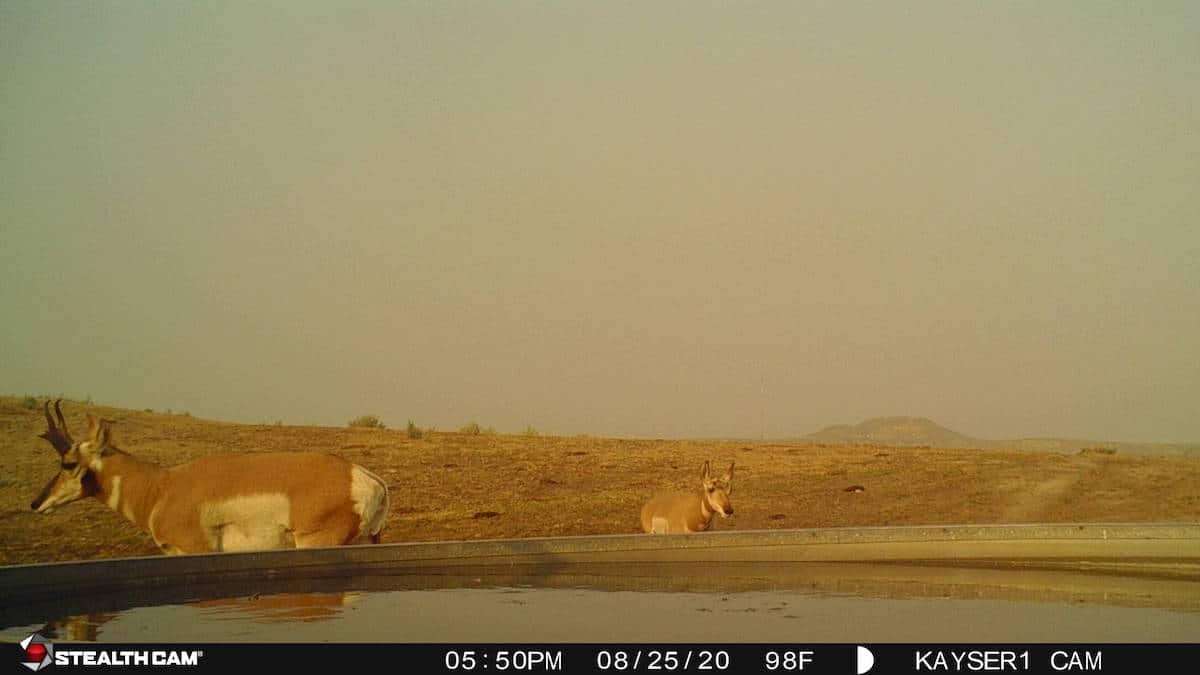
Pronghorns require water daily, especially during the heat and the rut. Find a used water source and you will find pronghorns.
Pronghorns can arrive at a waterhole at any time throughout the day, but as previously noted, they tend not to roam randomly at night. Arrive at your water ambush location in the dark to avoid detection. Be alert. It’s not uncommon for a rut-thirsty buck to head straight to a favored waterhole immediately at daybreak. Far-off herds might take longer to arrive.
Even when within sight of a water destination, antelope will approach cautiously as they survey for danger. Your wait can last all day, or you can abandon it by midmorning for another hunting tactic. In hot weather, I’d stay put all day, especially if water is scarce and pronghorns plentiful. During the rut, this is a guaranteed tactic.
How to Plan a Whitetail and Mule Deer Combo Hunt
To find good water, begin with HuntStand and utilize map overlays. Outdoor and Natural Atlas illustrate water and a quick review with the Monthly Satellite overlay gives you a refreshed image, albeit at a lower resolution, of the most recent images taken from overhead.
Confirm your findings with those folks who have boots on the ground. Landowners, range managers, BLM employees, and conservation officers all hold a wealth of knowledge in the location of consistent water sources. Most of these folks are relatively easy to track down online.
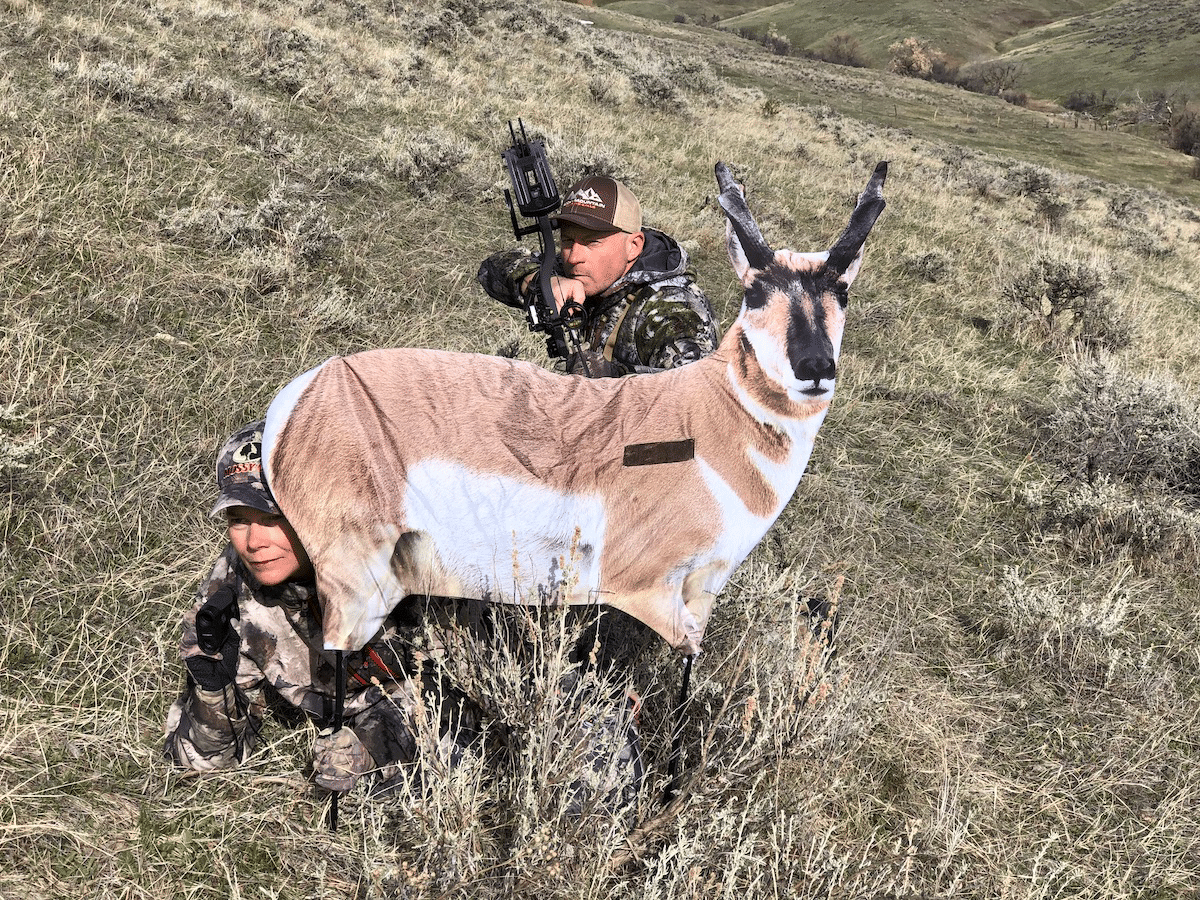
In the peak of the September pronghorn rut, decoying works well to sucker a pronghorn into shooting range.
Focus on the Pronghorn Rut
A final quality of pronghorns you should consider as a mainstay strategy is to hunt them during the rut. Most antelope seasons open in mid August and the remainder by September. Peak breeding takes place around mid September. Fierce competition for herds of does seems to be the most chaotic from September 15-25.
Pronghorn don’t rut like whitetails, but do have a very similar breeding behavior to elk. Mature bucks gather harems of about a dozen does. They stick with that herd and breed as many females as possible during peak estrus. Throughout the rut, these dominant bucks must protect their gals from constant incursions from adolescent, satellite bucks. This constant hoof race increases that thirst factor and the reason waterhole sitting can be so successful.
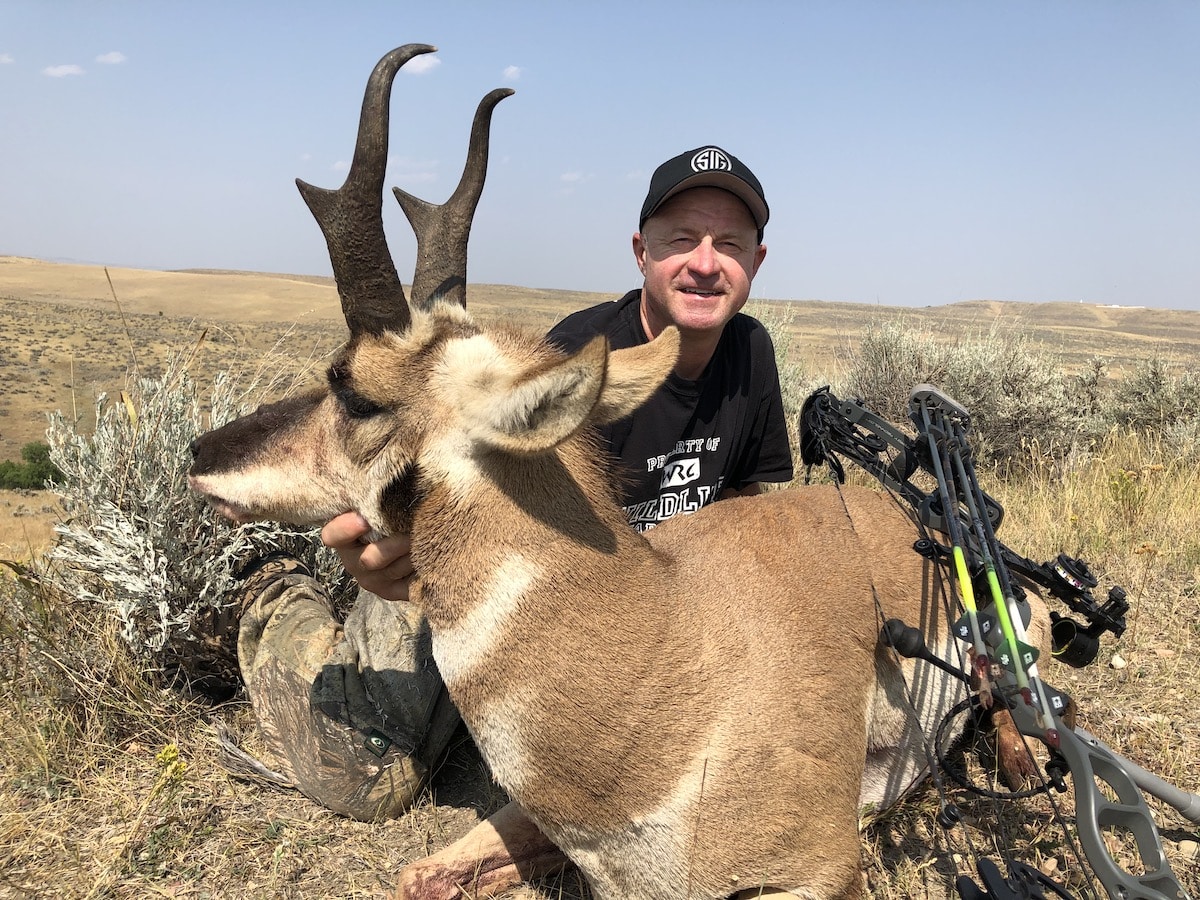
After locating a waterhole with consistent use, Mark Kayser set up an ambush to arrow this respectable Wyoming pronghorn.
This period also rocks as a great time to decoy antelope, but for safety reasons we’d recommend sticking only to archery season. Use a lightweight decoy and stalk the open country to find a herd. Next, circle downwind and use terrain to invisibly sneak to within 150 to 200 yards. Stake your decoy slowly to imitate a buck walking up a rise and wait to see if the herd buck sees the decoy. A slight and slow flash of the decoy typically attracts herd attention, and hopefully a response from the herd buck to run over and chase the perceived satellite buck away.
Don’t freak out if the buck circles downwind, as sometimes they disregard your scent and focus solely on the buck in front of them. They trust their eyesight. If you’re solo hunting, keep your release on your string while simultaneously preparing to use your rangefinder. Once you’re confident in the distance to your target, draw your bow in a low position and come up over the decoy to shoot. You might also be able to launch an arrow from the side. If you’re buddy hunting, let the hunter focus on their bow and the partner can run decoy and rangefinding duty.
Overall, pronghorns are uniquely North American. This hunt represents a great opportunity for a safari without leaving the continent, and hunting one of nature’s greatest survivors. Just keep in mind their eyesight and capitalize on chinks in their armor. With a little luck, you’ll bring home some backstraps.
CAMP CUTTERS | Pronghorn Hunting Glory on the High Plains