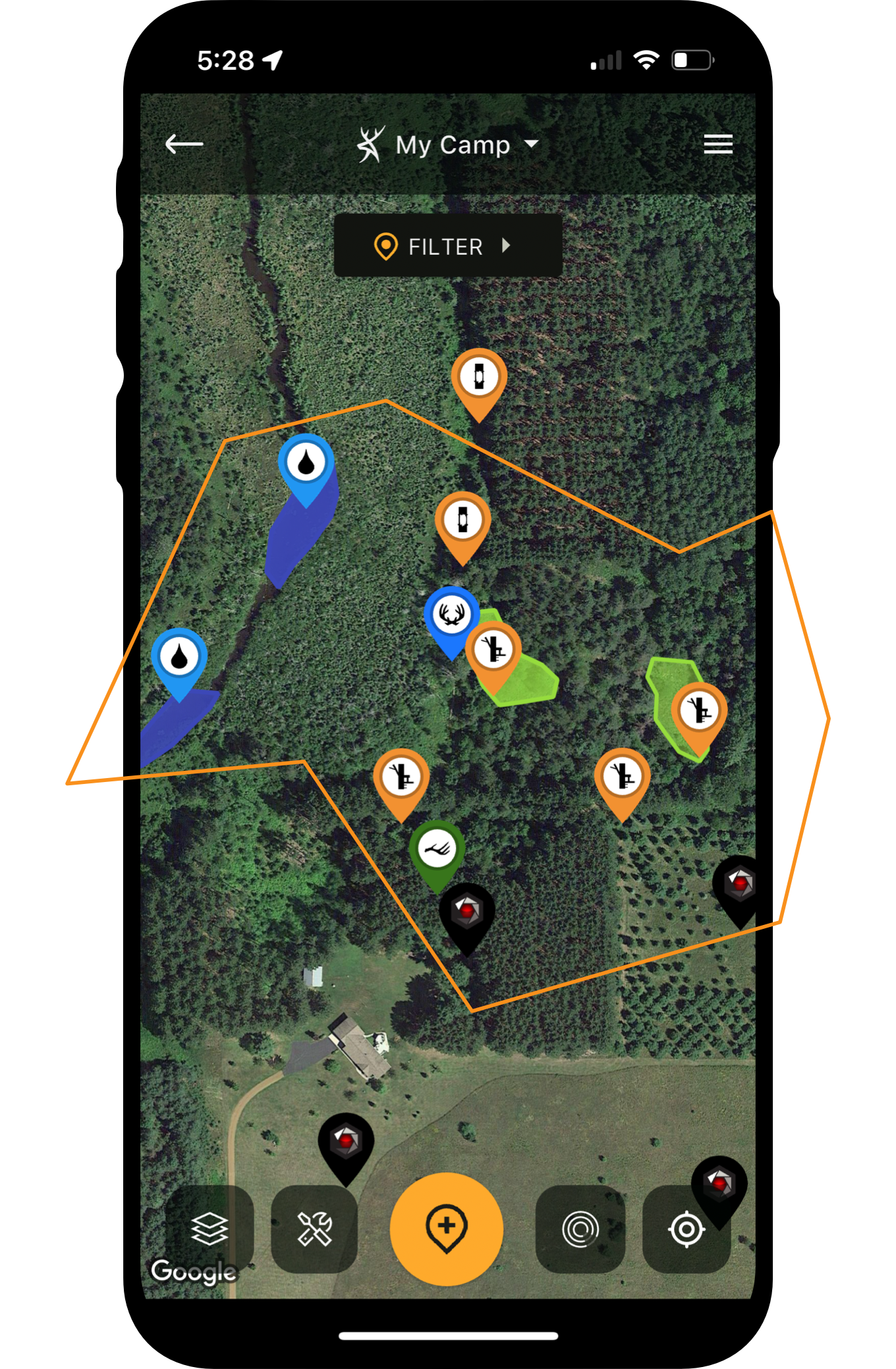







HuntStand can help when planning your food plots.
A mature buck exits the timber, materializes in the screening cover, wades through the edge buffer, and starts mowing down brassicas. At one point, he rips a turnip out of the ground, and munches on the leaves while the turnip dangles beneath his chin. It’s all thanks to building the best food plot possible.
Of course, it’s good to know food plot basics. Taking soil tests. Spraying for weeds. Prepping the soil. Creating a good seed bed. Planting in areas with proper drainage. Planting at the right time. Seeding according to planting zone recommendations. Using deer-resistant barriers. Implementing quality mowing and maintenance efforts. These are good, and basic, things to remember.
There are more advanced things to know, though. Here are secrets to building the best food plots possible, with some much-needed help, courtesy of the HuntStand app.
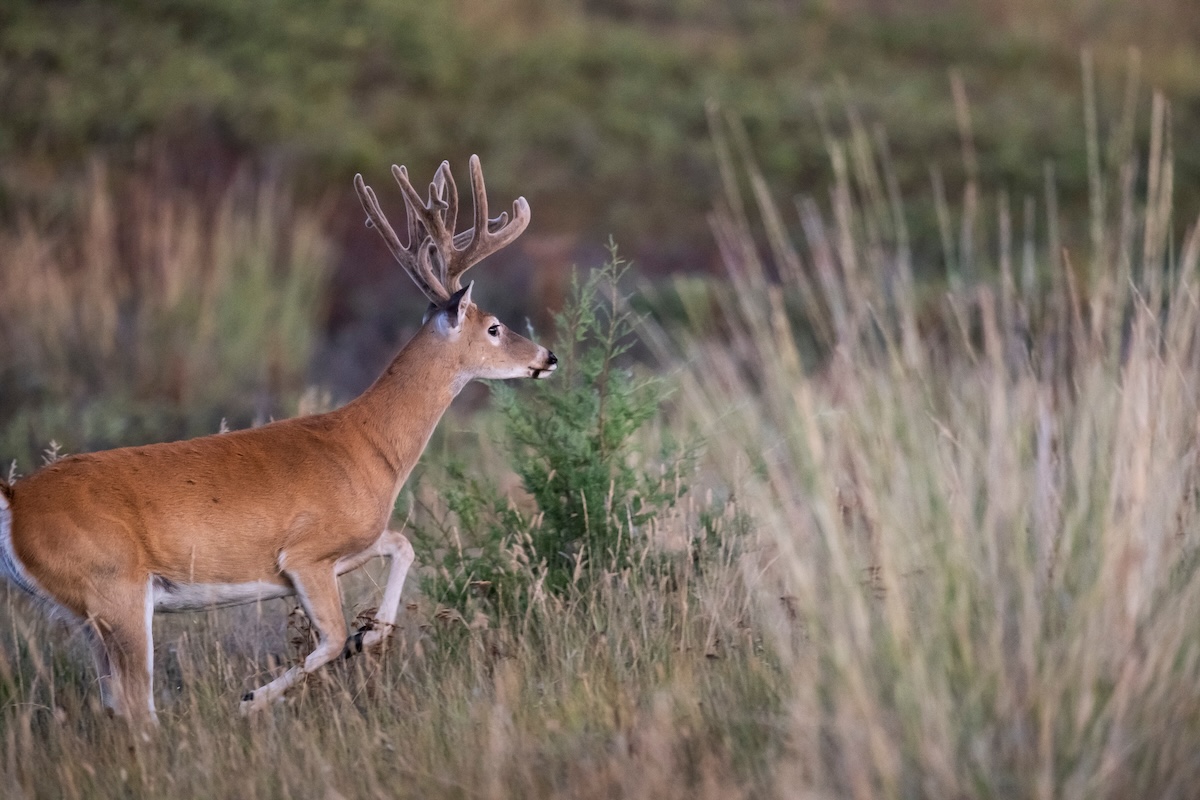
Plant food plots along known whitetail lines of movement.
1. Successful Food Plots Start with Location
Those who hope for food plot glory must consider location before anything else. Understanding general lines of movement, or how deer traverse the landscape, is a critical prerequisite. Placing food plots along these existing lines encourages more deer to adopt the plots. It also increases the odds of deer using new plots faster.
Of course, you can choose to plant food plots deeper in cover, too. Planting these closer to bedding, and/or with cover on all sides, increases odds of mature bucks using these plots during daylight. At least, it provides better odds than positioning plots on the edges of open fields.
2. Plant Multiple Smaller Plots Rather Than a Single Larger One
Some might plant larger food plots. Unless the area significantly lacks food sources, it’s oftentimes better to plant multiple smaller plots rather than a single big one. For example, planting five 1-acre food plots spread out over 200 acres is better than one 5-acre plot in the middle of it.
Pairing several small plots close to known bedding areas helps spread out the local bucks. Theoretically, this increases the number of bucks that will live there, effectively giving them their own space to thrive while reducing meetings with other local bucks.
Additionally, this increases hunting opportunities. If the wind is wrong for one, it might be right for another. Plus, a particular target buck might prefer one of these plots over the others, which wouldn’t be possible with just one big food plot.
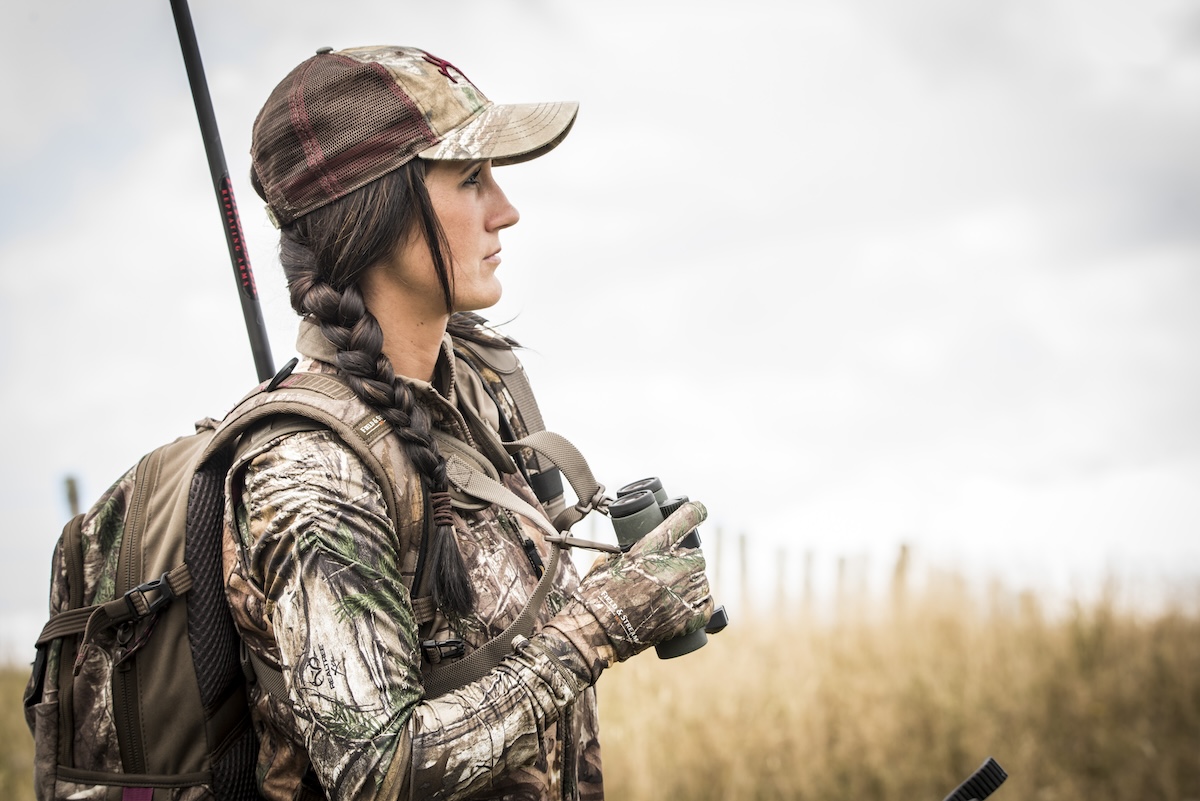
Ensure food plots have quality entry and exit routes.
3. But Value Quality Access Ahead of Top Locations
If a food plot has a good entry route but poor exit route, it’s prime for one good hunt. If it has a bad entry route and good exit route, it’s good for none. Obviously, a food plot is only as good as the access routes to and from it. Good entry and exit routes are crucial, and a spot shouldn’t be hunted often, or possibly at all, if it doesn’t offer these two important elements.
Generally, natural elements create the best access. Riding a boat, canoe, or kayak down a lake or river. The creek banks of a shallow, wadable creek or stream. A deep ditch line that hides the human figure. The back side of a steep ridge line that shields approach and departure. These and more are ideal access routes.
Of course, planted screening cover can offer the same. Giant miscanthus (a perennial) and Egyptian wheat (an annual) are two of the most popular options.
4. Choose a Proper Food Plot Shape
Classic circular, oval, square, and rectangular shapes get the job done. But these are stale food plot shapes, and aren’t as effective as other options. More unorthodox shapes, such as J, K, L, U, V, W, Y, field goal, hourglass, turkey foot, and other unique shapes, are much better. These make it so that deer can’t see the entire food plot from one location. Oftentimes, this encourages more deer to use the plot, and they commonly travel to the vertexes (bends) in the plots to see the other parts of it. That makes the vertexes (pinch-points) incredible options to position hunting blinds and treestands.
How to Find Deer with Topo Maps
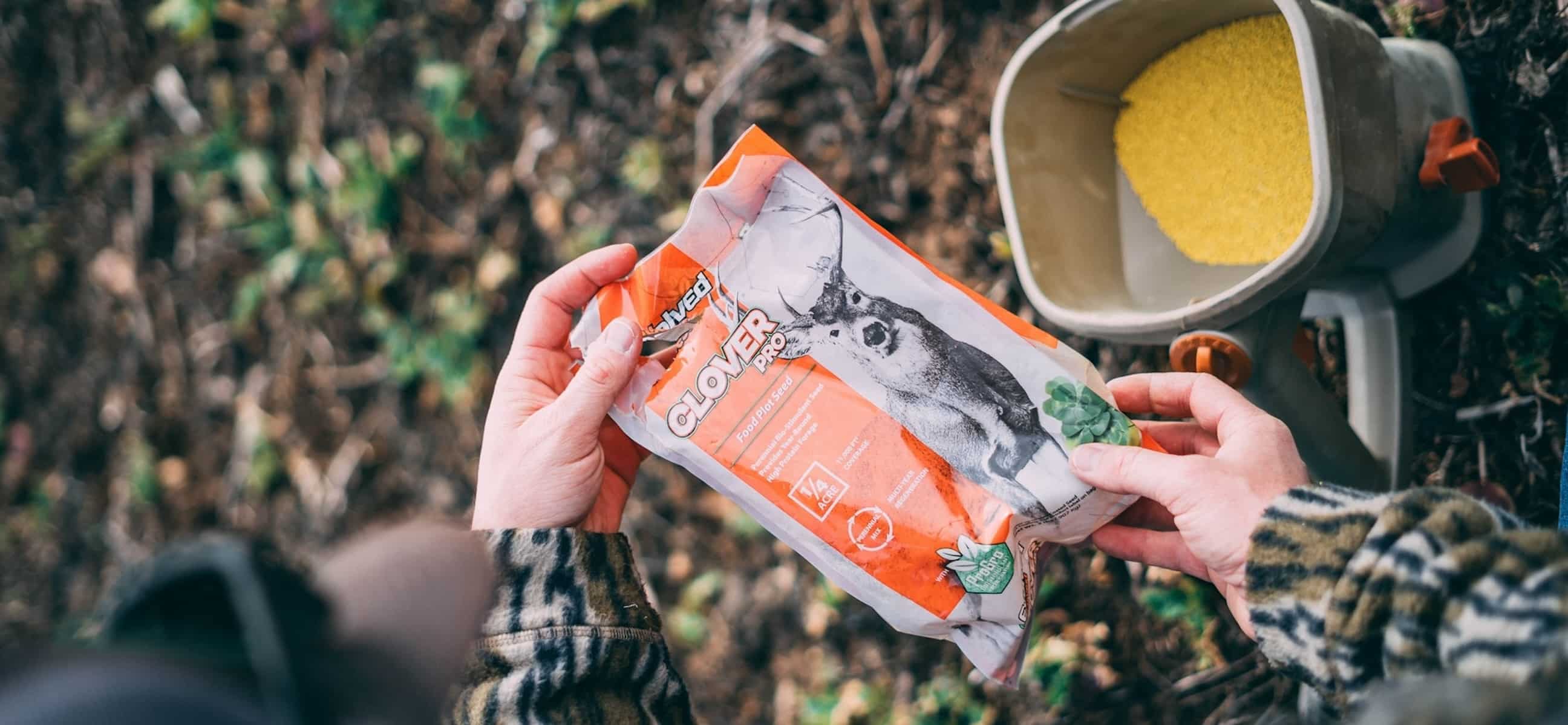
Plant a food plot seed that offers good attraction and nutritional values.
5. Offer Food Plot Species with High Nutritional Value
A good food plot offers nutritional value to the deer herd. Whitetails need key nutrients at different times of year. For example, deer gorge high-protein feeds in spring and summer, but rely on high-carbohydrate food sources in fall and winter. Plant food plot species that satisfy these important seasonal needs.
One protein-rich option includes soybeans. Clover is good, too. Carb-centric selections include turnips, among other brassicas. Also, it doesn’t hurt to throw in a glucose-heavy plant, such as radishes or sugar beets.
6. Provide Unique (But Proven) Food Plot Species Deer Can’t Get Elsewhere
Whitetails are concentrate selectors, meaning they eat the best parts from many different plant types. Therefore, giving them a plant species they aren’t getting elsewhere offers a unique appeal. Just make sure it’s something that’s proven to attract deer, and that’s compatible in the given growing zone. This, too, is part of building the best food plots.
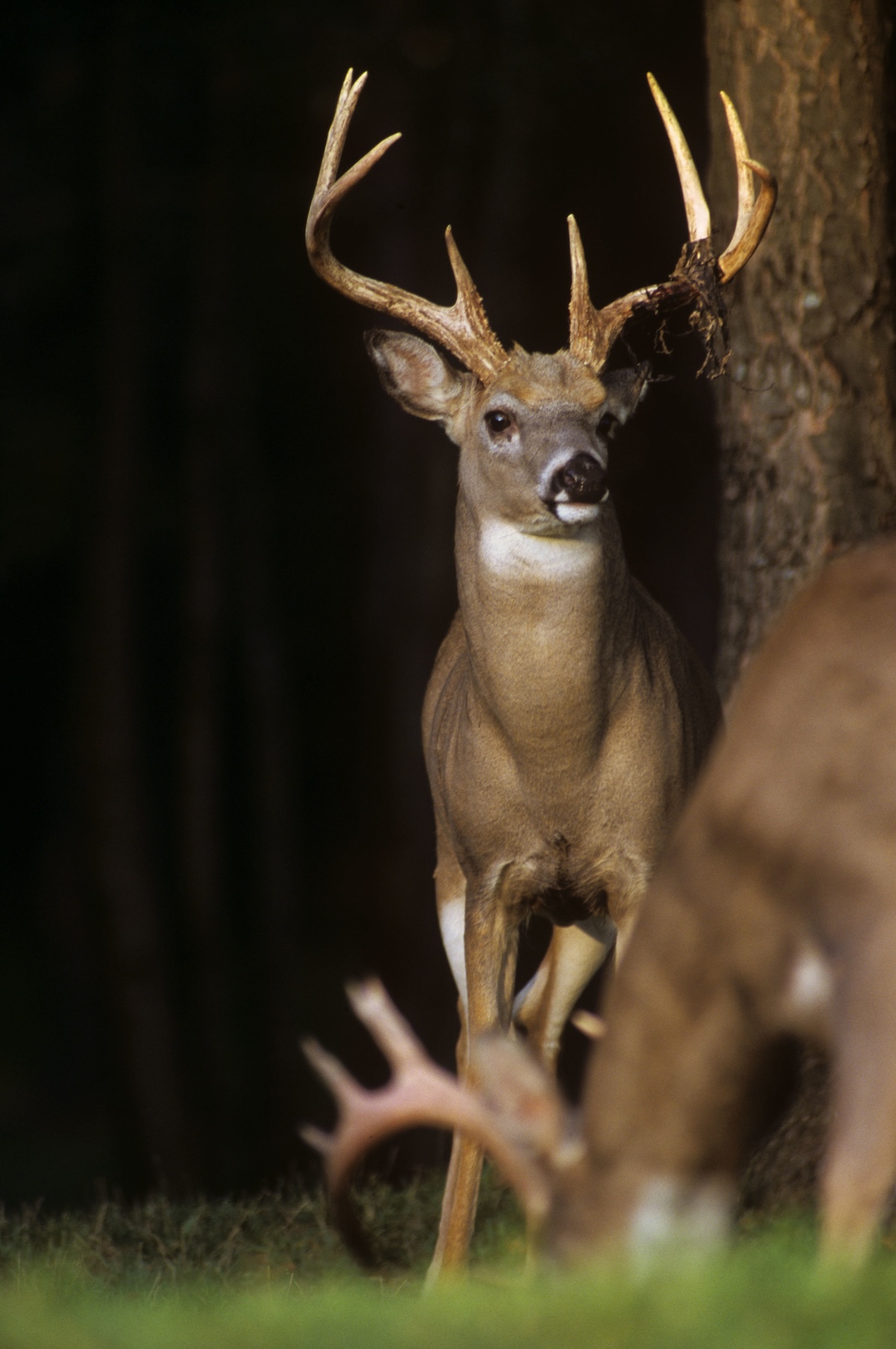
Provide food plot plant species that peak during times of year that deer need the added food sources.
7. Supply Plot Species That Peak at Key Bridge Points Throughout the Year
Whitetails have a significant volume of food sources available to them at certain times of year. Examples include spring, when fresh green plant growth is abundant. Summer takes a dive, as plants mature and become less nutritious. Then, early fall brings another wave of food, much in part thanks to ag fields, soft mast, hard mast, and general browse.
Late summer, late fall, and winter provide fewer food sources, though. Planting food plot species that peak during these windows can help the deer herd significantly, and might even draw neighboring deer from miles around.
8. Quit Using 13-13-13 (and Other Pre-Mixed Fertilizer) as a Crutch
Soil pH and quality are more nuanced than most realize. While a standard fertilizer like 13-13-13 can correct some issues, it’s much like throwing something on the wall and hoping it sticks. It’s a crutch for the unprepared.
Instead, take soil samples, and receive detailed information on what the soil needs. This provides an exact projection of the level of key nutrients in the soil, including calcium, copper, magnesium, manganese, phosphorus, potassium, sodium, sulfur, zinc, and more. The soil test generates a suggested fertilizer mix and lime recommendations. Generally, the combination is nowhere near 13-13-13, making it obsolete.
8 Advanced Scrape Hunting Tips to Know
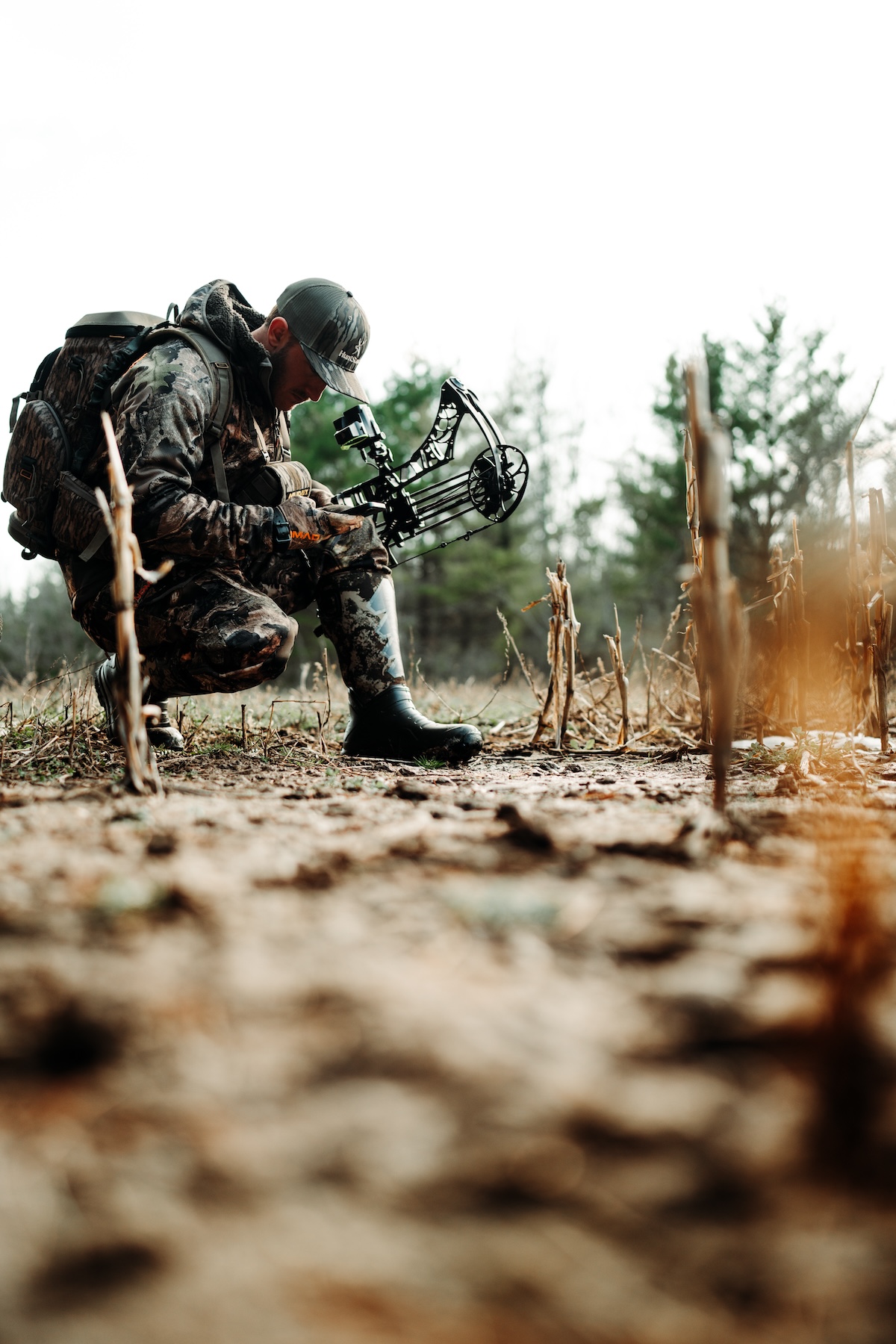
Follow the suggested seeding rates on the food plot bag, and experience better germination rates and overall yield.
9. Don’t Try to Outsmart Suggested Seeding Rates
The suggested seeding rates are there for a reason. Biologists conduct research to determine the ideal seeding rate. These are the optimal number of seeds per acre. Outside of that window, food plot failures can occur. Planting too few seeds results in unused ground. Planting too many seeds can overcrowd plants, stunts their growth, and diminishes food plot yield. Stick to the seeding rates on the food plot seed bag.
10. Plant a Screen
Planting a screen around food plot perimeters offers additional security. This increases comfort for deer as they enter and feed in the plot. This visual shield keeps them from seeing beyond the food plot, and other things from seeing in. It adds a degree of ease for deer as they feed in the open.
Consider starting with a layer of cedar trees (or other conifers) along hardwood edges. Then, next to that, plant a native grass, or something taller. Good options include the aforementioned giant miscanthus, which is a perennial, or Egyptian wheat, which is an annual. These latter options are especially useful when separating plots from roads, fields, and other open areas.
Screening cover can also be used to help create the desired food plot shape, which might not already exist naturally. Fill the opening with screening cover except for the planned food plot shape.
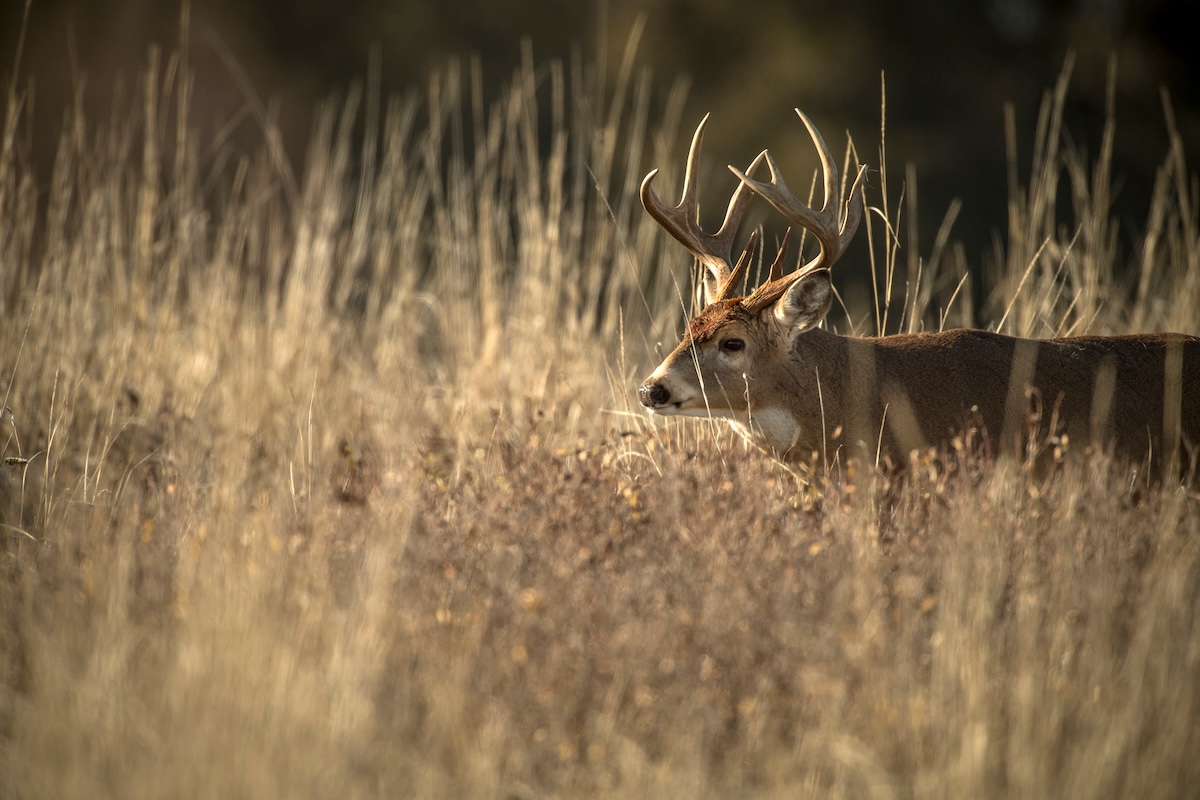
A buffer between timber and food plots, such as native grasses, encourages deer to use food plots more during daylight.
11. Blockade with Barriers
Like screening cover, blockades offer a visual barrier. Their truest purpose is funneling deer and blocking them from getting downwind, though. Consider layering downed trees, hinge-cut trees, and other things that serve as barriers. Leave open key access points to the food plot. These should be strategic entry and exit points into the food plot that best serve your hunting efforts.
12. Consider Direction of the Sun
While sun direction is secondary to wind direction, when possible, orient food plots and position stand locations so the sun is in your favor. For this, it should be in a deer’s face when entering the food plot. This requires a complete understanding of the herd’s typical lines of movement.
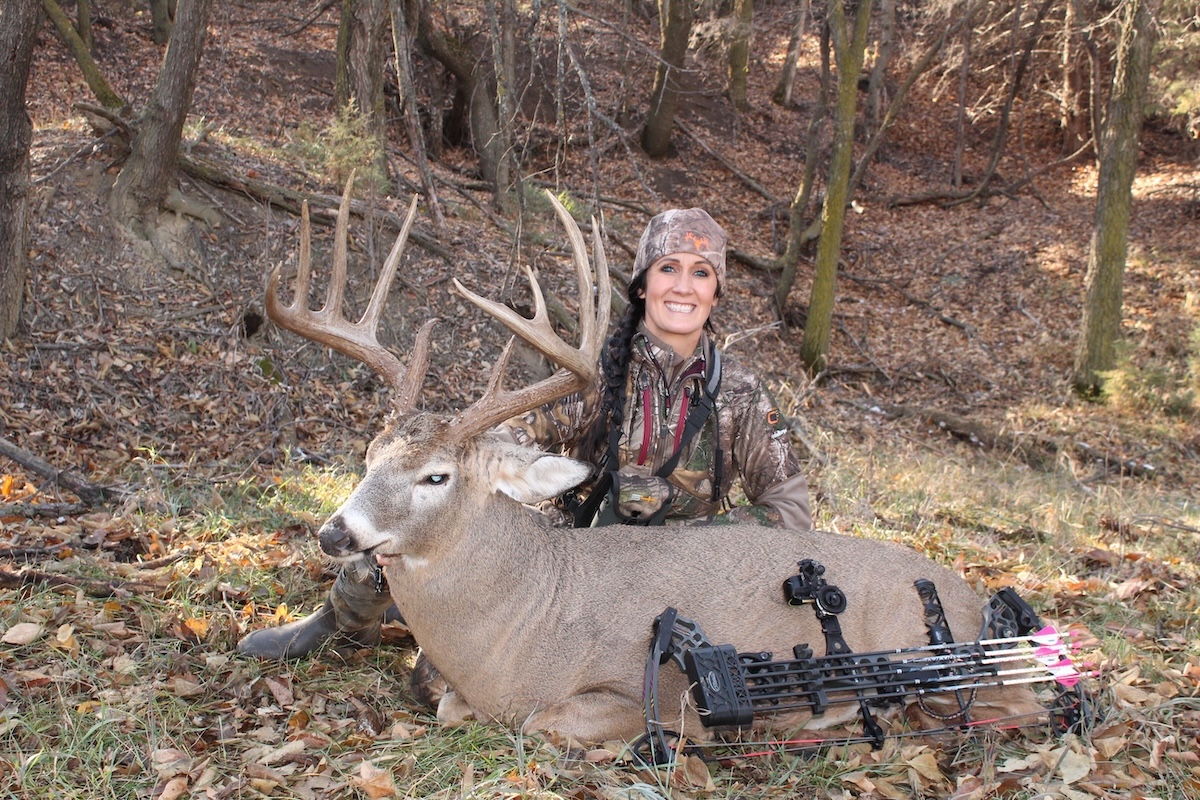
A good food plot program helps fill tags on big bucks like this huge deer Melissa Bachman arrowed.
13. Give Deer the Wind (Sort Of)
Hunting a just-off wind is one of the best tactics for consistently tagging mature bucks. This is where the wind is slightly in the buck’s favor, which gives it confidence to move. However, it’s just off enough that your scent coasts by. Maybe a ridge line bluff, or part of your food plot barricade, keeps deer from getting directly downwind of your position.
15 Ways You Aren’t Using HuntStand Ultimate, But Should Be
14. Ramp Up the Attractions and Extras
Food plots are great. Offering the extras makes these even better. Consider putting in small water holes, mineral licks, rubbing posts, scrape posts (mock scrapes), bait stations (where legal), and more. A few hard mast and soft mast trees serve as great long-term additions. Adding these things provides extra incentive for deer to use the food plot.
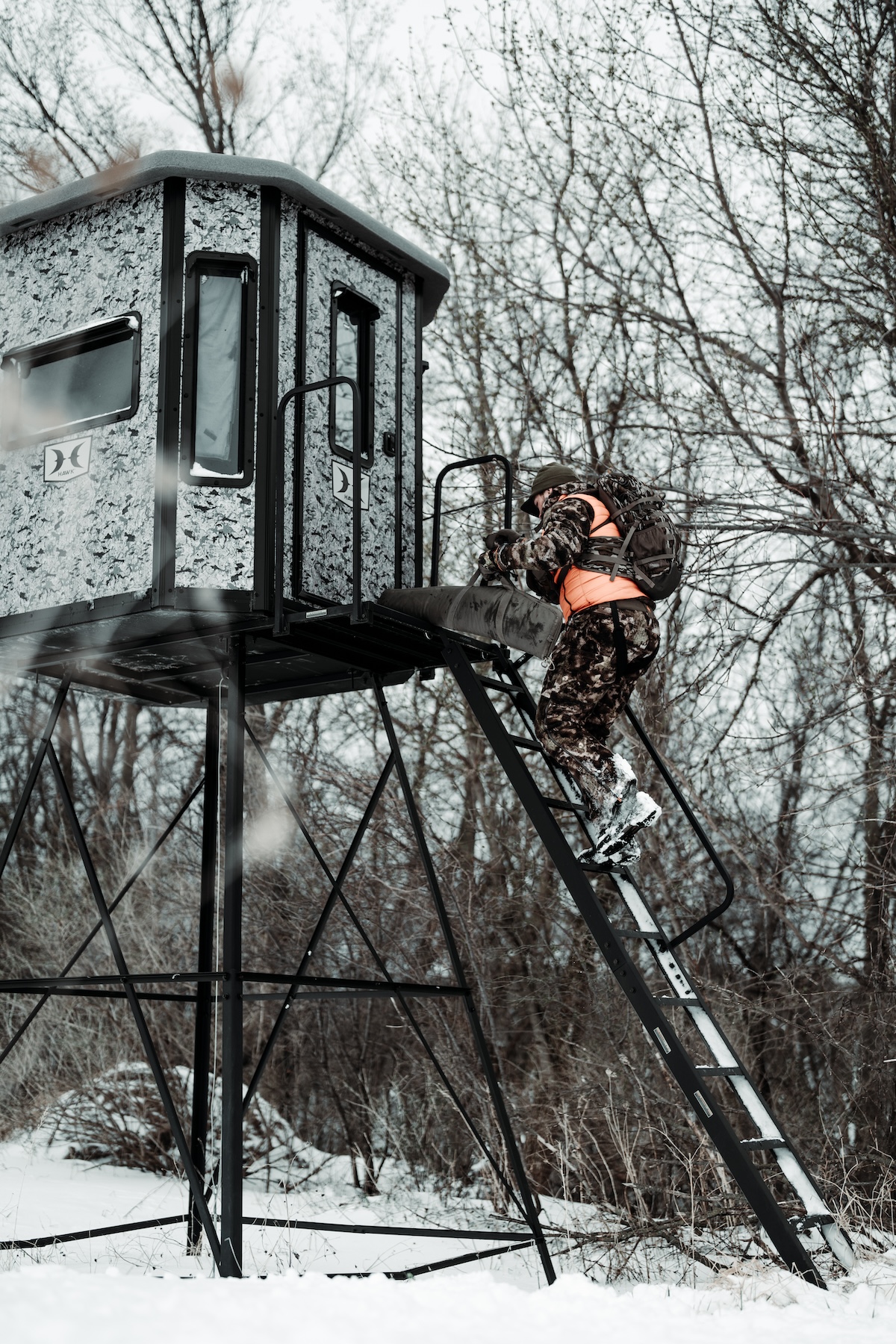
A food plot box blind helps manage scent, which is important in preserving the longevity of a hunting spot's quality.
15. Deploy a Scent-Proof, Hard-Sided Hunting Blind
One of the most important additions to any food plot is installing a scent-proof, hard-sided hunting blind, such as the Muddy Bull Steel Box Blind. This decreases the hunting pressure, as it makes it more difficult for deer to see, hear, and especially smell you. With all windows closed, hunters can virtually eliminate the wind and thermal effect. Then, once time to shoot, open the appropriate window, and take the shot before scent begins circulating outside the blind.
16. It’s Optional, But Don’t Hunt Plots
A new movement involves not hunting food plots. Food plots remain un-hunted to reduce pressure on the local herd. Instead, hunters focus on transition routes between bedding areas and food plots. These are lower-impact hunting spots, and usually are much easier to get in and out of without alerting deer. Plus, this approach makes it more difficult for deer to associate bedding areas and food sources with human intrusion.
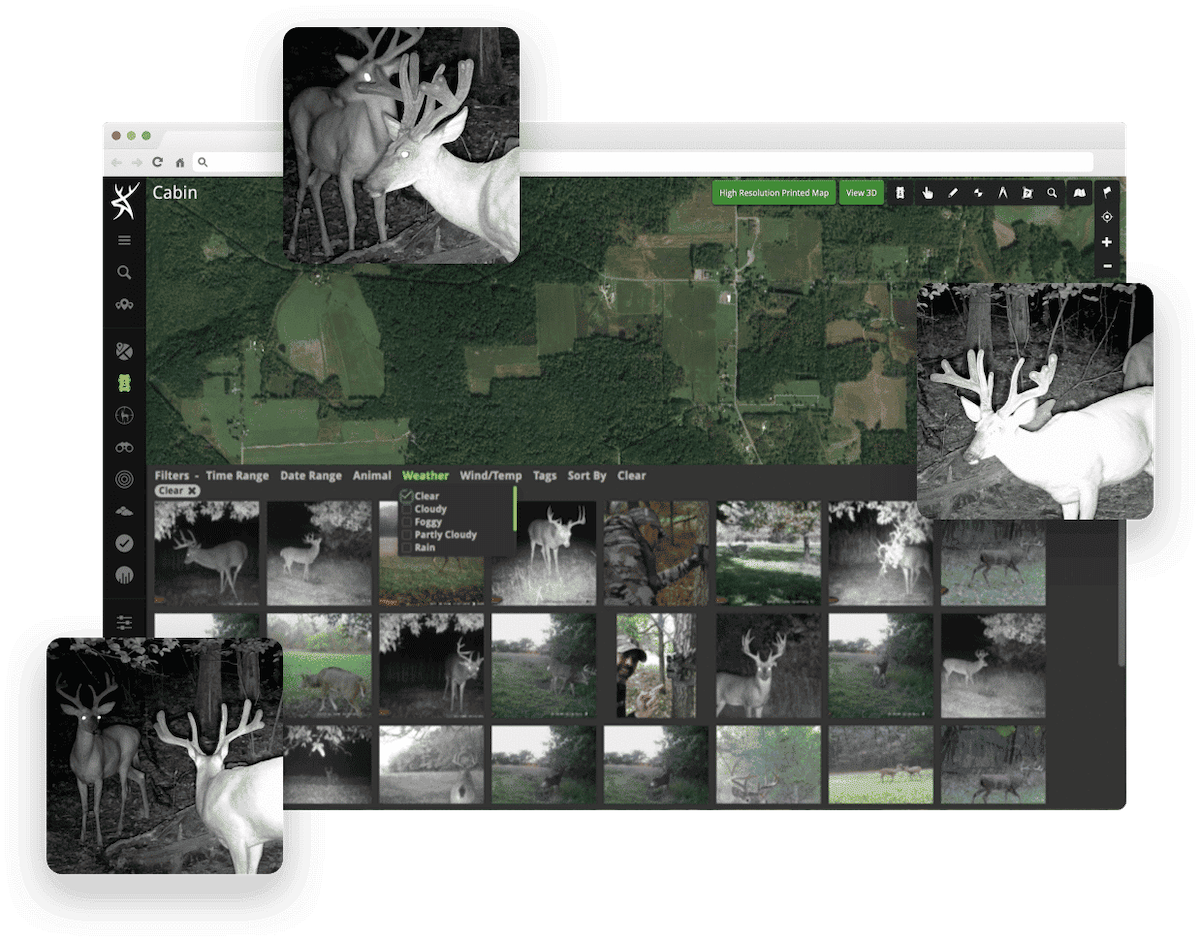
Monitor food plots with cellular cameras, and integrate those cell cams into the HuntStand platform.
17. Monitor Plots with Cell Cams
Cellular Muddy and Stealth Cameras are perfect for keeping eyes on food plots. The Command Pro app integrates with HuntStand, and keeps your photos organized by location. That’s a very handy tool, and it even helps generate data to making hunting decisions.
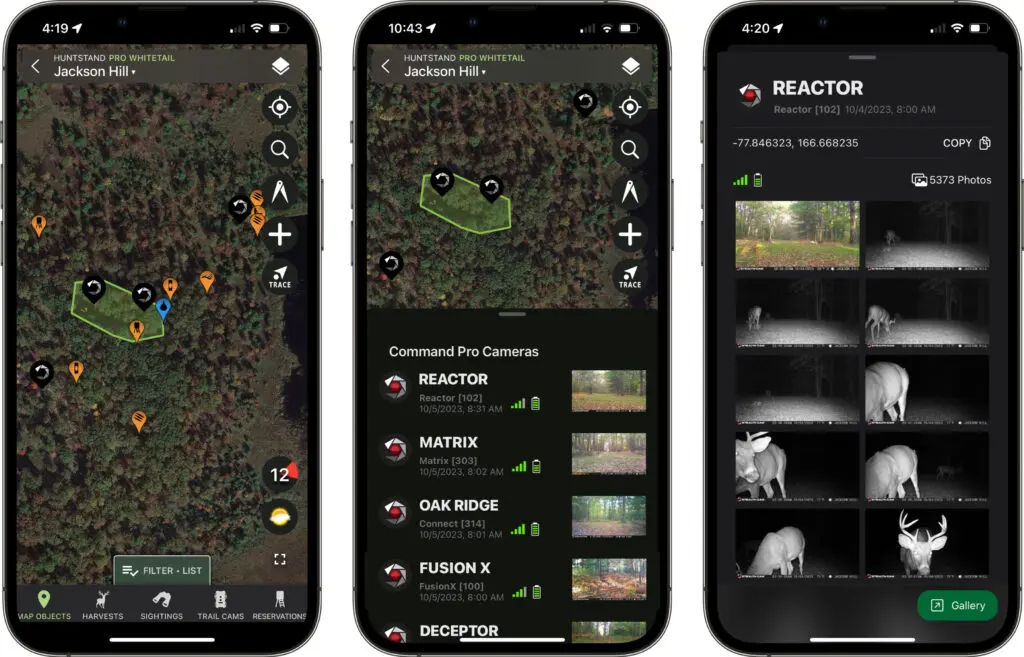
Use HuntStand to help plant and manage food plots.
13 Ways HuntStand Helps Build Better Deer Hunting Food Plots
18. HuntStand Can Help with Building the Best Food Plots
Food plots are getting more expensive each year. And for some, the learning curve isn’t getting any easier. Food plots can be a challenge, especially for those who don’t have agriculture, horticulture, or similar backgrounds.
Those who plan to put in food plots can benefit from HuntStand Pro and HuntStand Ultimate subscriptions. These subscription levels offer numerous food plot advantages, including the following.
- Recording location data to build plans for food plot programs.
- Studying location data on bedding areas, food sources, water sources, and more.
- Understanding local terrain features and how they impact food plot integration.
- Choosing the food plot shape based on the situation.
- Measuring food plot size for seed and fertilizer distribution.
- Choosing the proper seed type.
- Observing forecasted weather patterns.
- Tracking food plot planting rounds for calculating key numbers (i.e.: expected fuel costs).
- Marking and making notes for finished food plots.
- Plotting blind and treestand locations.
- Mapping entry and exit routes.
- Monitoring wind directions.
- Reserving blinds and treestands (in hunt clubs).
- Keep your food plot trail camera photos organized.
- And more.
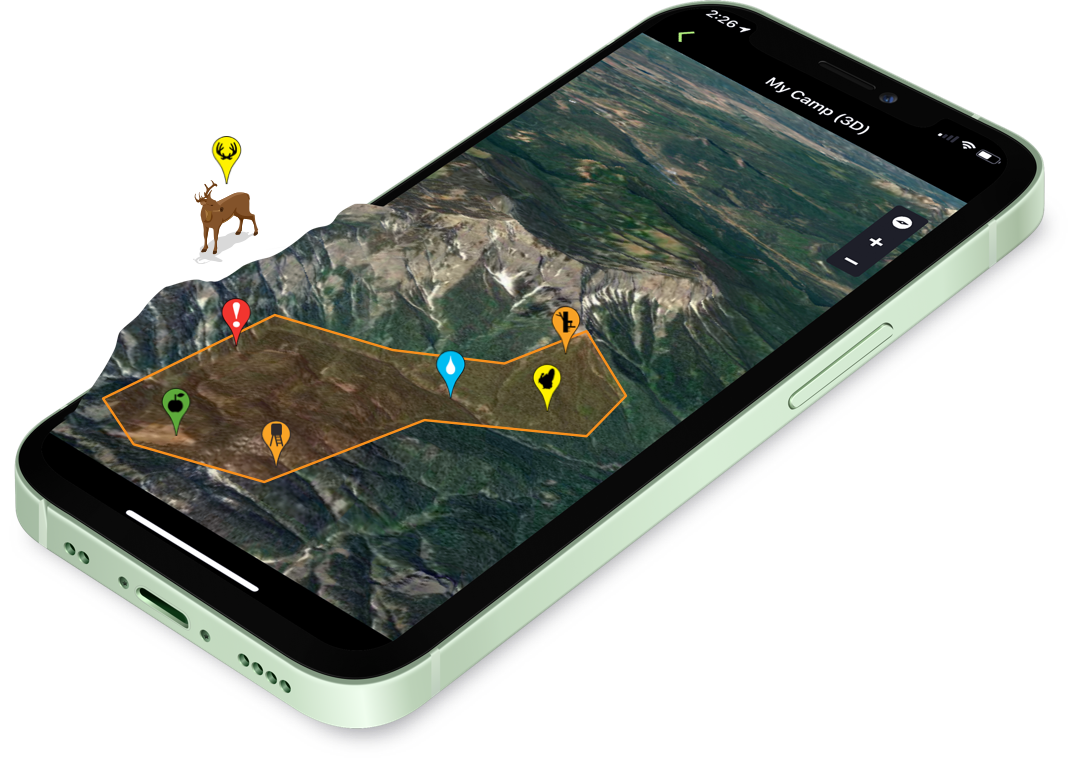
Outline food plots, and mark them with dropped pins. Add any necessary notes. Reflect on these and improve your food plot program over time.
To learn the details of each point above, check out the detailed guide on 13 ways HuntStand helps with building the best food plots. You’ll be a food plot pro in no time.