



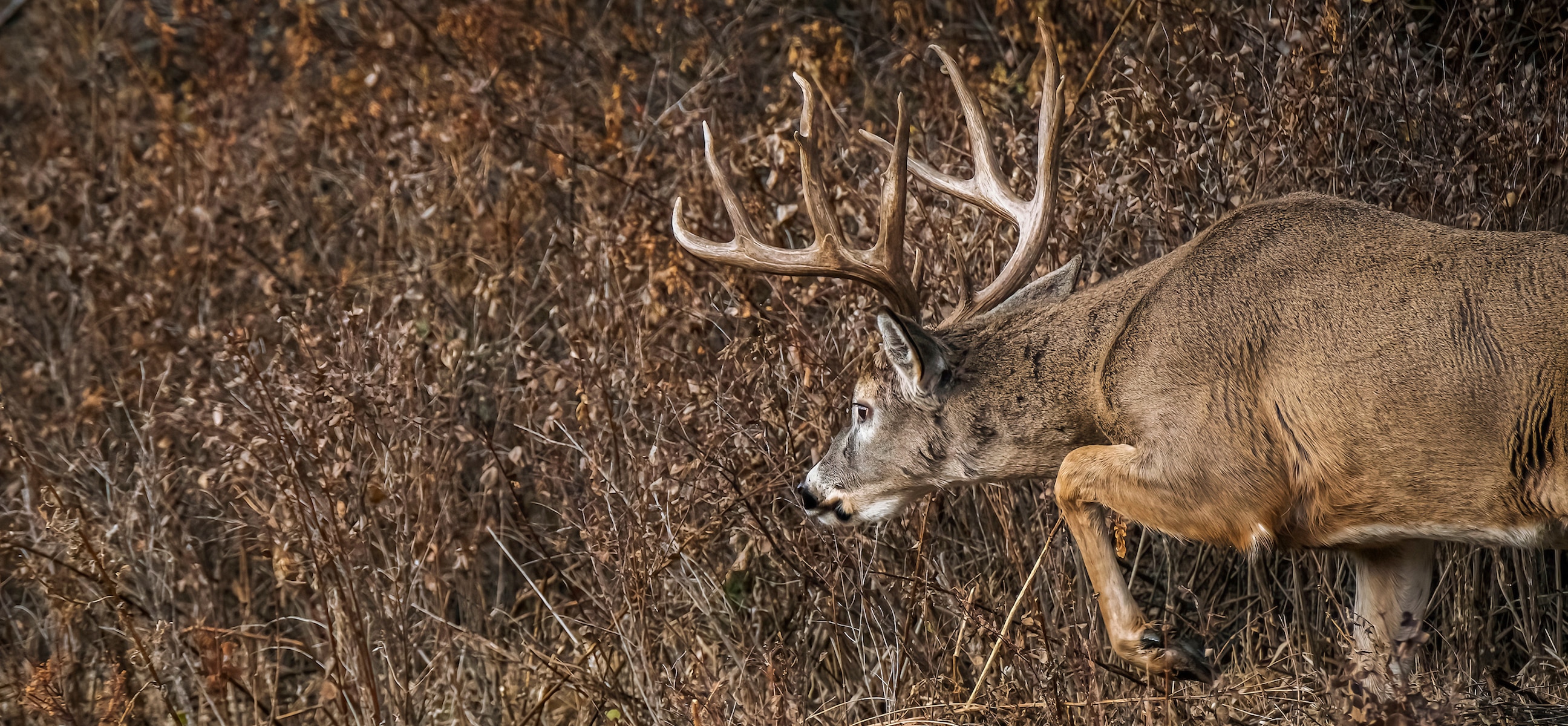

The Midwest is king of the deer hunting world. From numbers to quality, you’ll find the best whitetail action in the heartland states. Here’s the 2024 Midwest region deer season forecast.
DON’T MISS
The 2024 Southeast Deer Season Forecast
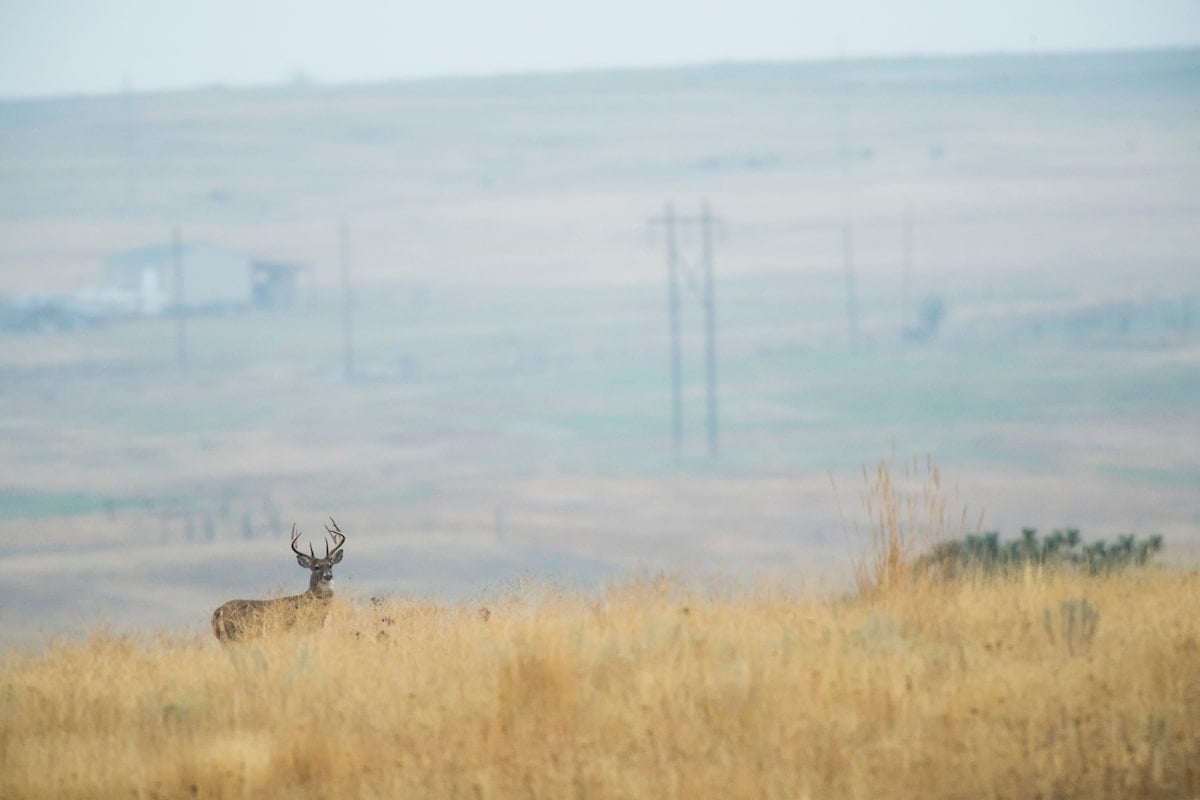

Some Midwestern states had significant die-offs during the 2022-23 winter.
Illinois
Some 300,000 deer hunters will buy tags in Illinois this year. The deer population is approx. 800,000, and with over 1,500 bucks in the books, it’s an excellent destination for trophy-class whitetails. While its quality has declined some in recent years, hunters should be generally optimistic about this fall.
“Hunting quality is dependent on the location in question,” said Peter Schlichting, deer project manager for the Illinois Department of Natural Resources. “With average spring rainfall and crops on track to be harvested by firearm season, we hope for a good deer harvest. It’s hard to predict at this point, but with an extended drought this summer, EHD may have an impact on the herd in localized areas. Time will tell.”
Indiana
One of the newest states to become a heavy-hitter, Indiana should give deer hunters excellent opportunities for the 2024 season. Gun season is slightly later than usual this fall. To target the rut, consider bowhunting before gun season kicks off.
“The start of firearms season moves a bit each year because it starts the first Saturday after November 11 (Veteran’s Day),” said Joe Caudell, state deer project leader for the Indiana Department of Natural Resources. “Because of this, in some years, firearms season is closer to the peak of the rut for much of Indiana. This year, firearms season will start on November 16, which is a little less than a week past the peak of the rut for much of the state.
“The deer license bundle only allows one buck and two antlerless deer,” Caudell continued. “There is no longer the option to harvest three antlerless deer using the bundle license. Also, youth hunters can take no more than one antlerless deer during the youth deer season on DFW-managed properties, as well as Salamonie, Mississinewa, and Patoka reservoirs.”
Of course, EHD struck in 2022. Sadly, it’s hitting again this year. It’s especially prevalent in numerous north-central, northeastern, northwestern, and a few southwestern counties. That said, unless affected by the 2022 or 2024 EHD outbreaks, most of the state’s 325,000 hunters should anticipate a good year.
“There are several areas where we have had an EHD event in the state,” Caudell noted. “This is still developing, but hunters can keep track of the number of reports at on.in.gov/EHD to understand if the area where they typically hunt will be impacted.”
And don’t forget to keep track of how deer season is going. “Hunters can track the harvest,” Caudell said. “This data is updated on a daily basis and includes harvest by county and equipment type.”
Iowa
Iowa has a legendary reputation as a deer hunting destination. Last season, about 166,000 hunters went afield. This year should be about the same.
“One major change is the addition of the January antlerless-only deer seasons that are held in certain counties based on deer population and disease concerns, as well as unsold county tag quotas,” said Jace Elliott, state deer biologist for the Iowa Department of Natural Resources. “These seasons have been successful in adding antlerless deer harvest where it is needed the most throughout the state.
“The biggest [thing] for the upcoming 2024-2025 deer hunting season is the [continuation] of main-beam length reporting in harvest registration of antlered deer,” he continued. “This change was made to provide our department with information on the age structure of our buck harvest in Iowa. Hunters who register antlered bucks will be required to simply select whether each antler is greater than 14 inches, or 14 inches and greater. Using data from over 1,000 bucks sampled across the state of Iowa, a 14-inch main beam is a threshold that can be used to determine whether bucks are yearlings [1 ½ years old] or 2 ½-plus years old.”
A hunter must have three to four preference points to hunt in Iowa. Don’t forget to submit your annual application if you’re hoping to get a crack at a big Iowa buck. “We have no reason to expect a major departure from the deer harvest totals and success rates that we’ve observed over the last several years, which have been relatively predictable and stable,” Elliott concluded.
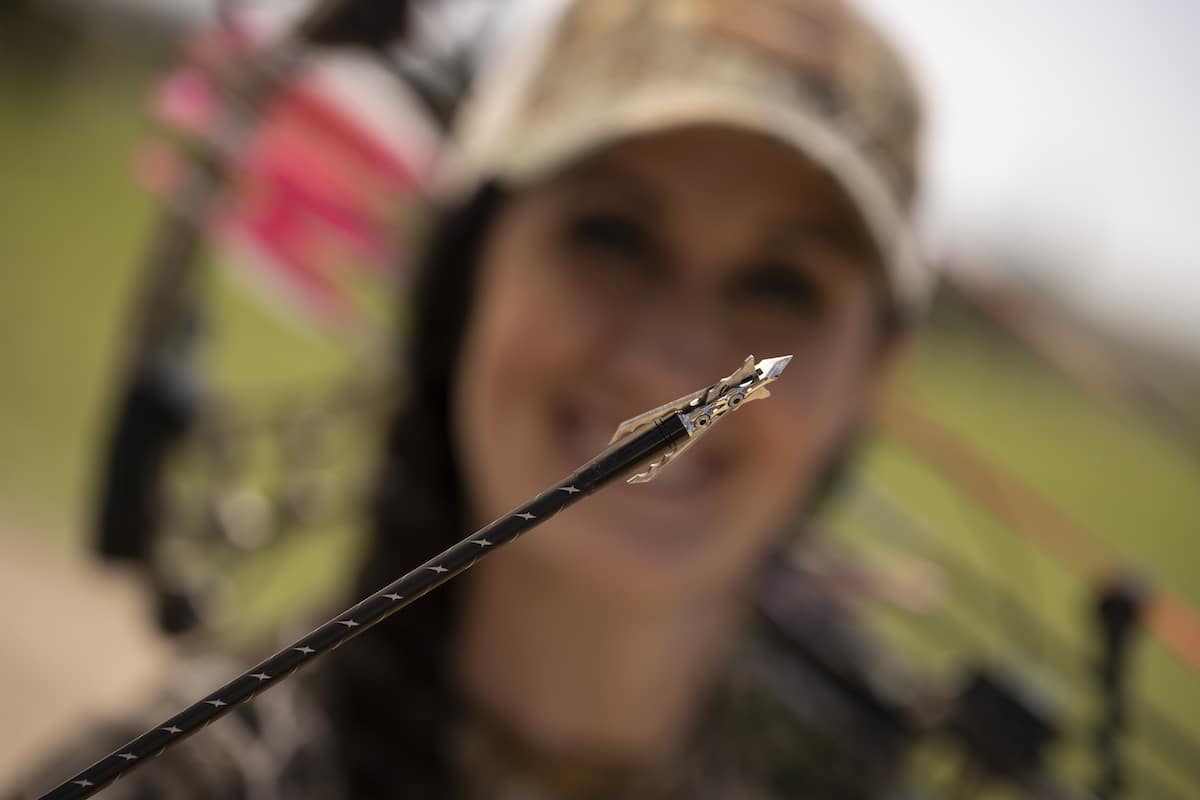
Long archery seasons are common throughout the Midwest.
Kansas
Kansas continues to get more difficult for non-resident tag draws. Most parts of the state now require two preference points. This season, the state should see about 107,000 deer hunters and 776,000 whitetails.
Unfortunately, CWD was recently discovered in the eastern portion of the state. “CWD was detected in eastern Kansas deer management units,” said Levi Jaster, big game program coordinator for the Kansas Department of Wildlife and Parks. “Kansas has also changed regulations regarding proof of sex evidence to allow greater in-field processing, so hunters can voluntarily help limit CWD by leaving the most potentially infective parts (i.e. head and spine) at the kill site.”
Other big changes are in effect: No trail cameras may be used on KDWP owned or managed lands, and DMU 12 has an extended pre-rut antlerless deer season.
“Due to bad drought [in recent years], western Kansas habitat conditions were very poor going into winter. So, hunters in western Kansas should expect poorer hunting. Current year conditions are much better, but it will take time to recover,” Jaster said. “Eastern Kansas is in good shape, and hunters are encouraged to harvest antlerless deer to keep the herd healthy and hunting good. We are nearing a point, especially in southeastern Kansas, where hunting may get worse because bucks won’t need to search for does. Deer numbers are beginning to have a negative impact on habitat, reducing the chances of deer reaching their full potential.
“Hunters in Kansas have to learn that our deer need cover, but that cover doesn’t necessarily mean trees,” Jaster continued. “We had good conditions this year in much of the state, so things should be relatively better. Although, hunting might be a bit tougher since there is better cover than we’ve had for a while. But it will still take more than one better year to recover in some areas that have been down due to poor conditions over the last few years.”
In other words, don’t overlook the prairie, and obscure pockets of brush, to find big whitetails.
Michigan
Another heavily pressured state, Michigan sees about 1.3 million harvest tags each year. That’s a lot of hunters. Even so, the deer herd looks strong, especially in the lower peninsula (LP). And with approximately 325 bucks in the big book, there are some wall-hangers running around.
There’s a lot of opportunity here. Public land is moderately available. Plus, the Hunting Access Program offers hope to those who don’t have a place to go.
There were numerous changes last deer season, though. According to Chad Stewart, the deer, elk, and moose management specialist with the Michigan Department of Natural Resources, the following parameters took effect in 2023:
“Liberty season [youth season] hunters can now take more than one deer,” he said. “Hunters in this season can still only take one antlered deer, but can now take multiple antlerless deer if they are interested.
“There has been an emphasis to reduce deer numbers in the LP,” he continued. “With this, traditional deer licenses historically good for only antlered deer are now also good for antlerless deer during the firearms and muzzleloader seasons. Our antlerless licenses have also been changed to have more flexibility in their use between management units. We also removed the baiting ban from a portion of the UP.”
Hunters can expect some major changes this season, too. “Several new regulations were implemented for this upcoming deer season,” said Chad Fedewa, acting deer, elk, and moose management specialist with the Michigan Department of Natural Resources Wildlife Division. “Without getting into too many specifics, many of the regulation changes were meant to either restrict antlerless deer harvest in parts of the Upper Peninsula, where there are few deer, or to expand antlerless harvest in much of the Lower Peninsula, where there are too many deer.”
What can hunters expect this season? According to Fedewa, after one of the milder winters on record in northern Michigan, deer came out of the winter doing very well.
“Body conditions were good and fawn recruitment is high,” he said. “Most of the southern part of Michigan still has very high deer densities. However, reports of EHD are currently coming in for many counties in southern Michigan. While we don’t expect a large impact on the overall deer population in southern Michigan, some areas will be significantly impacted locally. Hunters in areas with significant EHD mortalities will have to adjust their harvest strategies accordingly, while other areas are still encouraged to harvest more antlerless deer.”
Interestingly, Michigan has more than 10 million acres of land open to the public for hunting. So, that’s a positive note.
Minnesota
Like other states, Minnesota is no stranger to hunting pressure. The past few seasons, about 455,000 hunters went afield. “We are a unique state with multiple different biomes (prairie grasslands, tall-grass aspen parklands, coniferous forests, and deciduous forests) that present very different hunting styles and challenges, different predator bases from north to south, and very different deer numbers or densities,” said Todd Froberg, big game program coordinator with the Minnesota Department of Natural Resources. “There are opportunities to hunt metro areas, rural farm areas, the long-stretching transition zone (coniferous to deciduous to prairie habitat), the Driftless region in southeastern Minnesota that presents some of the best whitetail habitat in the nation, prairie and farmland regions in the southwestern part, big woods hunts in the northern part of the state with ample public lands, or complete wilderness style hunts in the Boundary Water Canoe Area Wilderness.”
Most of the state is currently experiencing drought conditions. If that continues, it will produce increased importance on finding available food sources and watering holes. The latter might be especially effective.
7 Trail Cam Spots for Public-Land Deer Hunters
“CWD has expanded its footprint to new areas of the state beyond southeast Minnesota, including areas near the south Twin Cities metropolitan area, one in north-central Minnesota (Brainerd), northern Minnesota (Grand Rapids and Bemidji), and northwestern Minnesota,” Froberg said. “Thus, with the expansion of CWD, we have expanded recreational feeding and attractant bans to certain areas of the state. Intrastate carcass movement restrictions are in place in certain areas where CWD is a concern, as well as existing interstate carcass movement restrictions.”
Additionally, regarding CWD, new rules are in place to moderate carcass importation. “The biggest change for hunters this year will be a change in our carcass importation ban,” he noted. “Hunters, who are hunting out of state are allowed to bring in heads from cervids with or without the cape and a portion of the neck attached if they are delivering it to a licensed taxidermist within 48 hours of entering Minnesota. Similarly, hunters hunting within a CWD management zone are allowed to take a head from a deer with or without the cape and a portion of the neck attached if they are delivering it to a licensed taxidermist within 48 hours of leaving the CWD management zone. Taxidermists are required to show receipt of proper disposal at a lined landfill.”
Furthermore, Froberg says 2024 will be the second year that allows anyone with an archery license to use a crossbow or vertical bow. Plus, harvest registration is mandatory and will designate a weapon type.
Other recent changes include the rescinding of antler point restrictions, allowance of crossbows for all archery hunters, increased usage of non-toxic ammo (in certain public-land situations), requirement for 144 square inches of orange on each side of a hunting blind (on public land), and more.
Some negatives weigh heavy on the 2024 forecast, though. “Severe winters have taken a toll on deer populations in much of northern Minnesota,” Froberg said. “Couple recent winters with robust predator populations and an already low deer population in some areas, there will be areas in northern Minnesota that will have very tough hunts. With that said, the central (transition zone) to southeast part of the state should have great opportunities, with ample deer populations and liberalized hunting regulations. Lastly, in southwest Minnesota deer populations have been doing well and hunters should see an increased opportunity to harvest deer.”
Fortunately, the 2023-24 winter was mild. Even so, hunters experienced the second lowest harvest of the 2000s. Froberg says that, in other parts of Minnesota that have not been experiencing harsh winter conditions, deer populations should be ample. He notes reports from around the state are showing very good fawn production. Overall, he expects a higher harvest this season.
Upgrade your HuntStand app to a Pro Whitetail membership and gain access to the most powerful tools for whitetail hunting. Whitetail Activity Forecast. Nationwide Rut Map. Whitetail Habitat Map. And more …
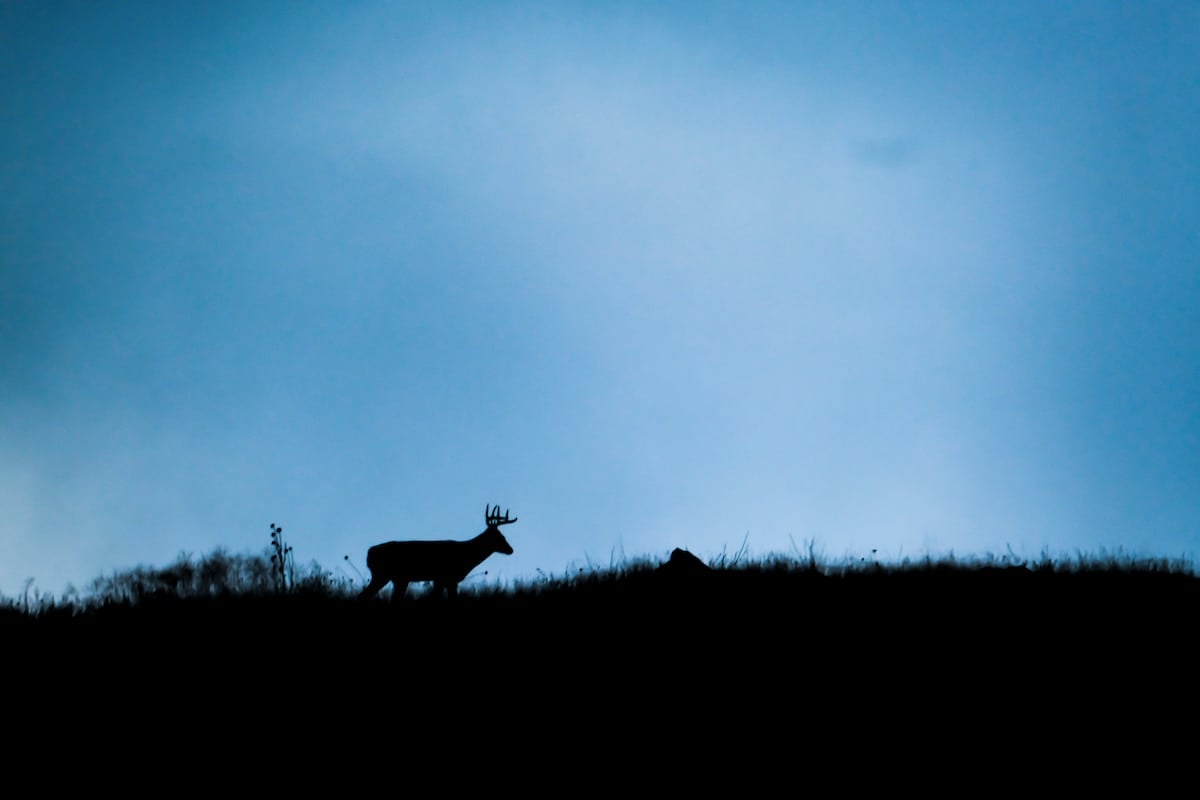
Some midwestern states are reporting increasing whitetail populations.
Missouri
Each year, about 475,000 deer hunters chase 1.5 million Missouri whitetails. According to the Missouri Department of Conservation, deer numbers continue to grow in every county.
“Beginning this year, an early antlerless portion of firearms deer season will be open from October 6-8 in most Missouri counties,” said Jason Isabelle, resource scientist. “Also new this year, the maximum number of firearms antlerless deer hunting permits that can be filled by a hunter has increased from two to four in most counties. Within CWD Management Zone counties, a newly established CWD Portion of firearms deer season will provide hunters with five additional days of firearms deer hunting opportunity (November 22-26) on the tail end of the primary firearms deer season.”
On the CWD note, he reminds hunters that, as a result of additional CWD detections, 18 counties were added to the CWD Management Zone, and the antler-point restriction was removed from 13 counties.
Hunters will find a tremendous amount of public land here. There’s also a healthy crop of top-end bucks on the landscape. But there is a hotbed to key into for bigger deer. “Although nice bucks are harvested throughout the state each year, northern Missouri generally has the greatest potential to produce larger-antlered bucks,” Isabelle said. “The mixture of forest, cropland, and grassland of many northern Missouri counties provides ideal habitat for whitetails. There is an antler-point restriction in place in many northern Missouri counties which helps to increase age structure of the buck segment of the population.”
Find public land hunting opportunities courtesy of the U.S. Forest Service, U.S. Army Corps of Engineers, and others. Additionally, the Missouri Department of Conservation manages numerous public lands throughout the state.
“Depending on hunter preference, there are public hunting lands that allow statewide methods, muzzleloader and archery methods only, and archery methods only,” he said. “Visit mdc.mo.gov for more information.”
Overall, this season looks positive. Isabelle does not expect this year’s harvest to exceed last year’s record harvest, but it should be good. He says deer numbers are increasing in most counties.
“I expect that hunters in the vast majority of Missouri counties will enjoy a great deer season,” Isabelle said. “Deer numbers are increasing in most Missouri counties and the regulation changes occurring this year will provide hunters with more opportunity to hunt and harvest deer.”
Interestingly, according to Isabelle, hunters may now use drones to track wounded deer. Of course, this is currently a hot topic in most states.
Nebraska
Another popular midwestern state, Nebraska looks promising for 2024. It has about 280,000 whitetails and 130,000 permits sold. Furthermore, tag prices are reasonable, even for non-residents. Factor in about 375 Booners in the books, and it’s enough to give you some hope.
This year, expect major changes to tag allocations. Recent harvests have been down, and as a result, the wildlife agency is reducing tag numbers. Visit their website for more information.
“Our drawing timing and permits was restructured with more (not all) non-resident permits going to a draw status,” said Luke Meduna, a Nebraska deer biologist. “We have a number of opportunities early in the season, with archery deer opening September 1, and we have both whitetail and mule deer.”
All said, the 2024 deer season forecast is good. Deer hunters should expect a solid representative year with plenty of tags filled. As with any destination, the harder you work, the better deer season will be.
“We’re definitely down, 2023 saw the lowest mule deer buck harvest since 1977, and the lowest whitetail buck harvest since 1994,” Meduna said. “With our permit reductions these past couple years, I expect another down year for harvest, but our changes should allow deer populations to start rebounding.”
North Dakota
North Dakota doesn’t know its whitetail population estimate, but it seems to offer good odds of success. The state’s early September archery opener has become quite popular in recent years among bowhunters hoping to tag a velvet buck.
This year, 53,400 deer gun licenses are available in the lottery, which costs $30 for residents and $250 for non-residents. That number is lower this year than recent seasons, due to a large deer die-off resulting from the severe 2022-23 winter. Habitat loss is encroaching on deer herds, too.
It’s fair to expect fewer deer and a lesser buck age structure on the ground this year, but in general the state still offers promise for dedicated whitetail hunters.
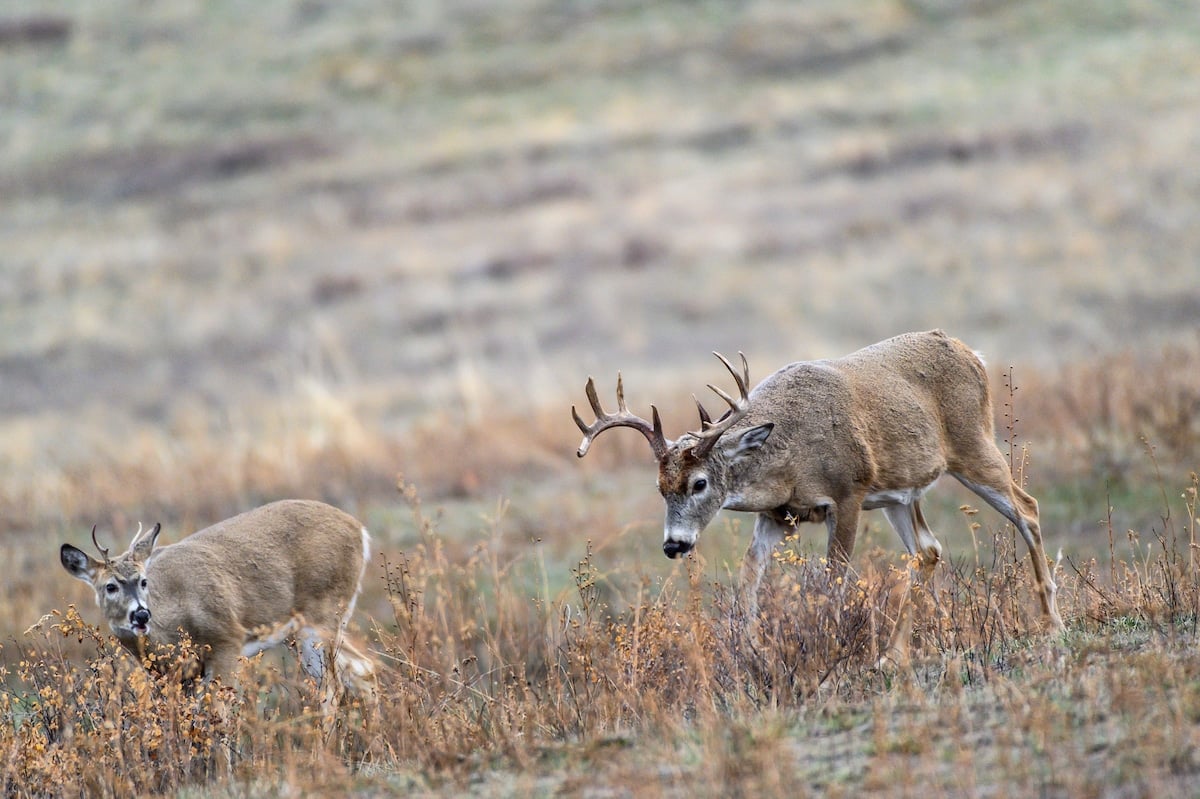
Traveling out of state to deer hunt this year? Get a HuntStand Pro Whitetail membership for more helpful resources to plan your hunt.
Ohio
Perhaps the state with the hottest streak in the country, Ohio continues to perform well. It has about 750,000 deer and over 400,000 hunters. According to the Ohio Department of Natural Resources (DNR), a record 98,733 deer were harvested during the 2022-23 archery season and 72% of them were taken with a crossbow. Despite that, there were 71,000 fewer licensed hunters in 2022 than in 2011 – a decline of nearly 20%. Still, the state produced an unprecedented 41% success rate. The 2023 season harvest was great, too.
There are some recent changes to keep in mind, though. “Hunters will be able to purchase and use the $15 Deer Management Permit through the 2-day December Bonus Gun season this year,” Tonkovich continued. “Historically, these permits expired at the start of the seven-day traditional deer gun season. Thus, hunters will have an additional three weeks to use the permit. While the permit is good for an antlerless deer only, it is half the cost the either-sex tag, is valid statewide, and may be used by nonresidents as well. These permits are not valid on public land, however.”
On one negative note, the southeastern part of the state was hit by EHD in 2022. That might’ve knocked back the buck age structure a bit in some areas. Even so, it looks mostly positive for the coming season. “Deer numbers should be as strong or stronger than last season,” Tonkovich said. “In the last three years, nearly two-thirds of Ohio’s 88 counties have set buck harvest records. I expect we will add more to that list this year, along with a slightly larger total harvest.”
South Dakota
This year, South Dakota should see about 115,000 deer hunters pursuing the 370,000 whitetails that live there. With over 200 Booners in the book, it offers good trophy potential. South Dakota Game, Fish and Parks (SDGFP) expects a good 2022-23 season.
“One change that hunters should be aware of is that there are now limited non-resident archery licenses available on public lands,” said Andy Lindbloom, senior big-game biologist with SDGFP. “Individuals may still purchase private land-only licenses over the counter.
“Hunters should also be reminded that South Dakota consists mostly of private land, much of which is available for public access through GFP’s access programs. Permission is required to hunt on private land that is not in one of these programs. It is a good idea to obtain permission prior to the season to make your hunt more enjoyable. These processes are vital for maintaining positive landowner/sportsman relationships.”
Wisconsin
Wisconsin expects about 600,000 hunters and approximately 1 million deer for the 2024 season. In short, the Wisconsin deer herd is pretty strong and hunters should expect a positive season.
“Deer numbers have been trending up over the past decade, especially in the Farmland Zones of the state,” said Jeffrey Pritzl, deer program specialist for the Wisconsin Department of Natural Resources. “Numbers may be down a bit in some parts of northwestern Wisconsin, but overall numbers are up. Season structure and harvest opportunity will be very similar to recent years in Wisconsin. Somewhat reduced opportunity to harvest antlerless deer in the Northern Forest Zone in response to the lower harvest experienced in 2023.
“The regular firearm deer season, which generates the bulk of the harvest, will be as late as possible on the calendar this year,” he continued. “This usually results in a 10-15% reduction in the overall harvest due to the season being further removed from the peak of the rut and associated daytime deer movement. The archery harvest could see an increase this fall, as hunters shouldn’t have to deal with another incredible mast crop that occurred in 2023, which affected deer distribution and feeding patterns.”
According to Pritzl, a Wisconsin deer license comes with a buck tag that is valid anywhere in the state (with a few exceptions). He says hunters can take advantage of the very diverse landscape across the state and pursue different hunting experiences throughout the season.
8 Ways Deer Hunters Use Maps