




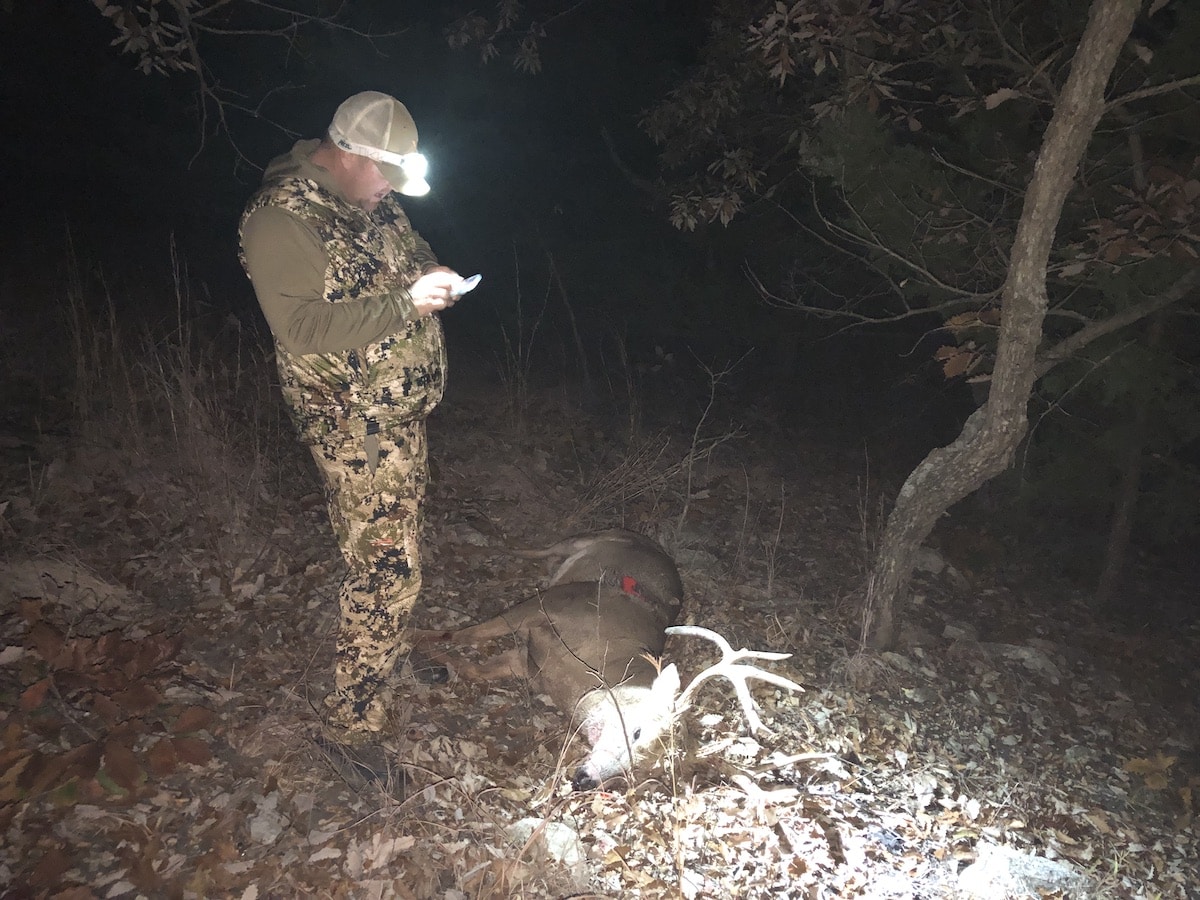

Tracking a wounded deer at night requires good lighting. If successful, mark the location of the dead deer on your HuntStand app.
Blood trailing deer isn’t easy. The odds are against you. If you hunt whitetails, the likelihood you will wound a deer that requires tracking is … likely.
You can be the most practiced hunter in your hunting party, but some elements fall outside your control. Combine a dose of buck fever with fidgety deer, an unseen branch, a gust of wind, or a simple distance miscalculation. Any or all could lead to a bad shot. Instead of going into the hunt believing it won’t happen, prepare for the worst, and accommodate the best outcome if a wounded scenario arises.
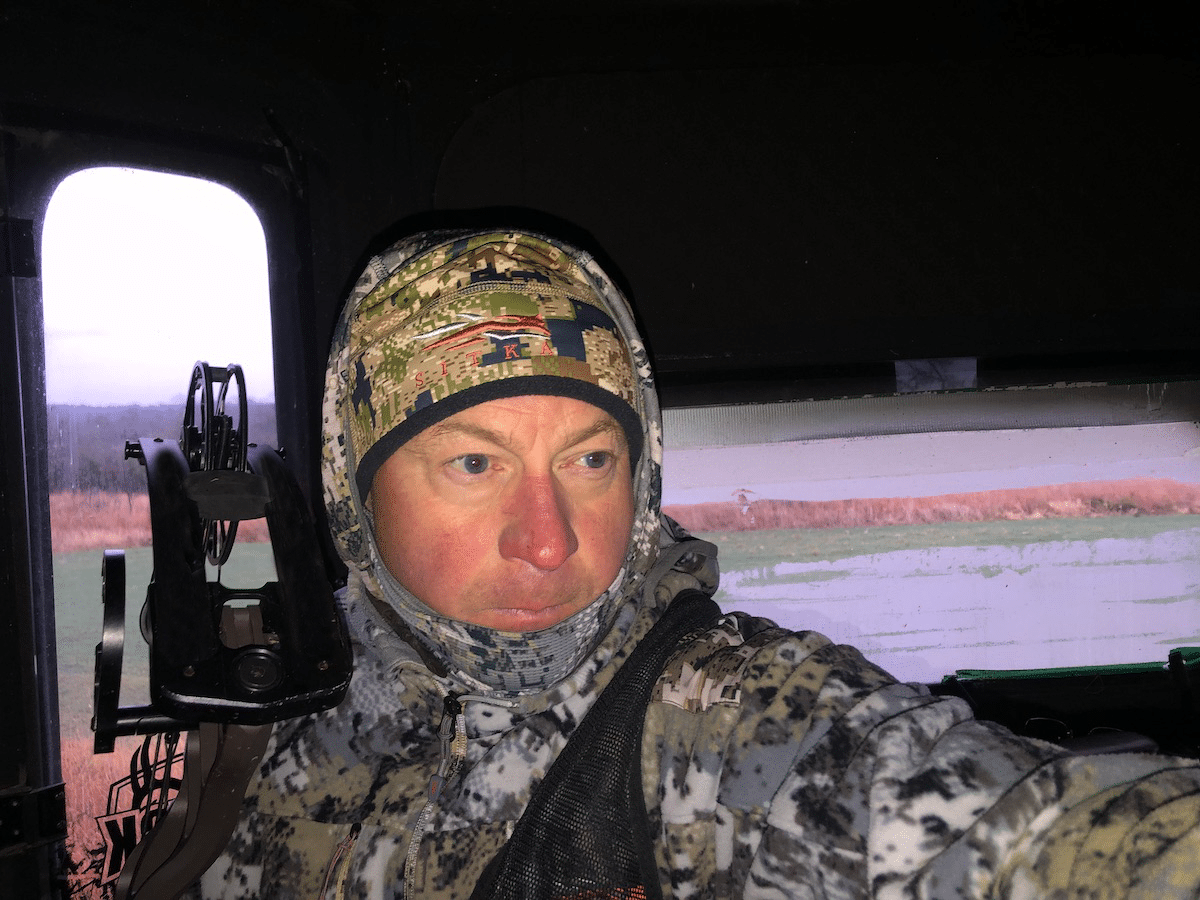
The best thing to do after you hit a deer, and it runs out of sight, is to do nothing at all. Calm down, review the hit, and wait for help to assist you.
Prepare for the Worst
Don’t just keep your fingers crossed and hope for the best outcome of your next shot. Prepare the recovery items required to confidently track down a wounded deer. A few minutes of preseason map sleuthing also increases a positive outcome.
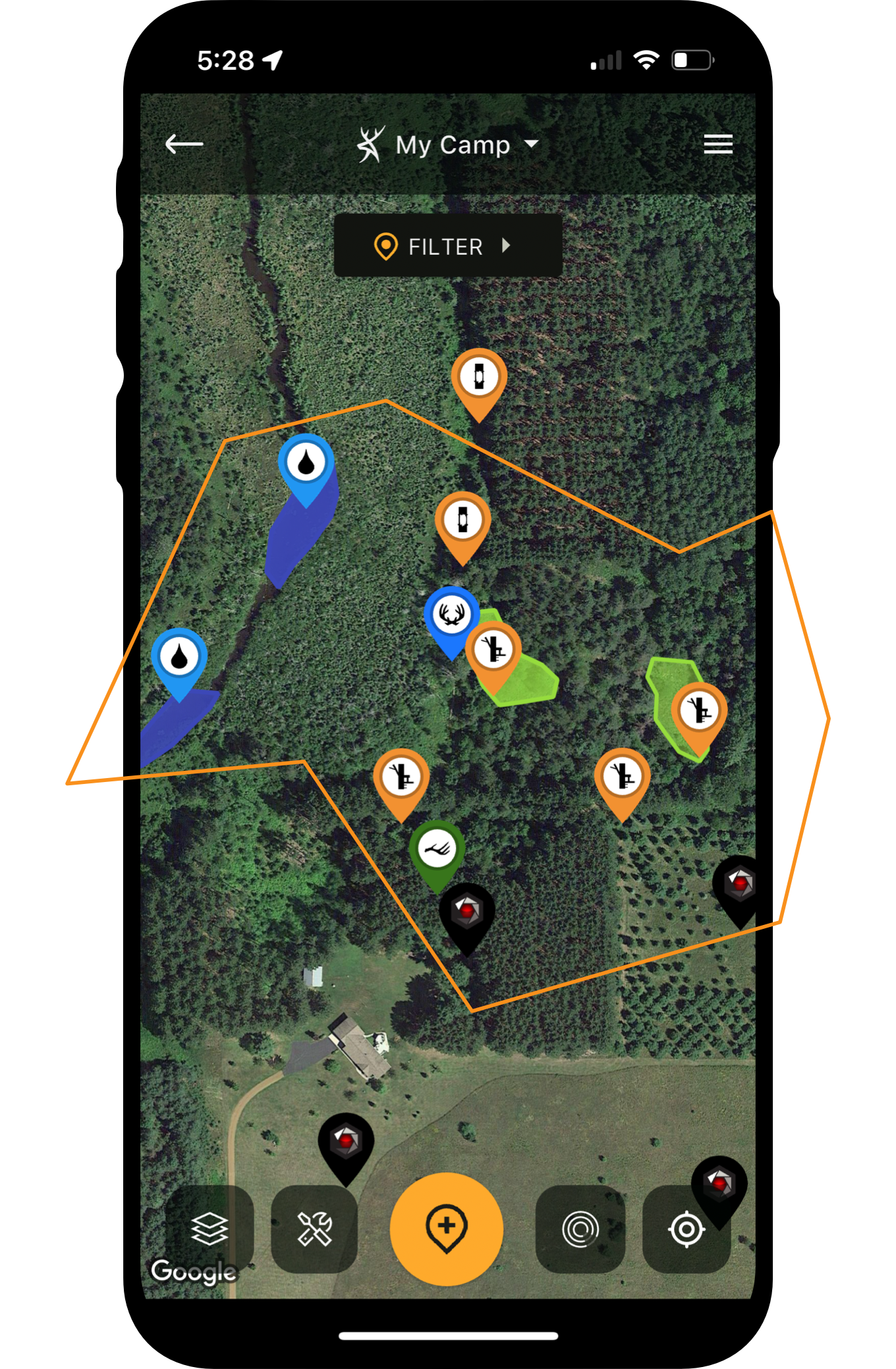
Begin with the use of HuntStand. Open your Hunt Area map and look at each of the main stand locations. Measure their distance from any neighboring property lines. If neighboring boundaries are close enough for a gut-shot deer to make its way outside your property, you should establish a relationship with your neighbors. If you don’t know that neighbor, meet them and store their phone number and any details of your conversation as a note within their property details in HuntStand. The Property Info feature in HuntStand Pro or HuntStand Pro Whitetail speeds along the discovery period of who holds the deed to surrounding properties. If a wounded deer crosses the fence, you’ll likely require permission to track beyond your hunting boundaries.
Many states now allow the use of tracking dogs to aid in the recovery of wounded deer. A well-trained dog can be a godsend. Don’t wait until you need a tracking dog to frantically search for contacts. No different than getting to know your neighbors, try to establish at least one reliable tracking dog handler that you can call if the going gets tough.
Locate and confirm all bedding or refuge areas where deer might escape to when wounded. This could include nasty thickets, deep coulees, tall grasslands, or cattail swamps. Oftentimes, a wounded deer retreats to the direction it came from while seeking the best hideout available. HuntStand can help you pinpoint these areas. Plus, trail camera confirmation, along with real-world scouting, can confirm established usage. You can manage all your trail cam images within HuntStand’s trail camera management system to easily organize images with tags on species, weather, activity, and more.
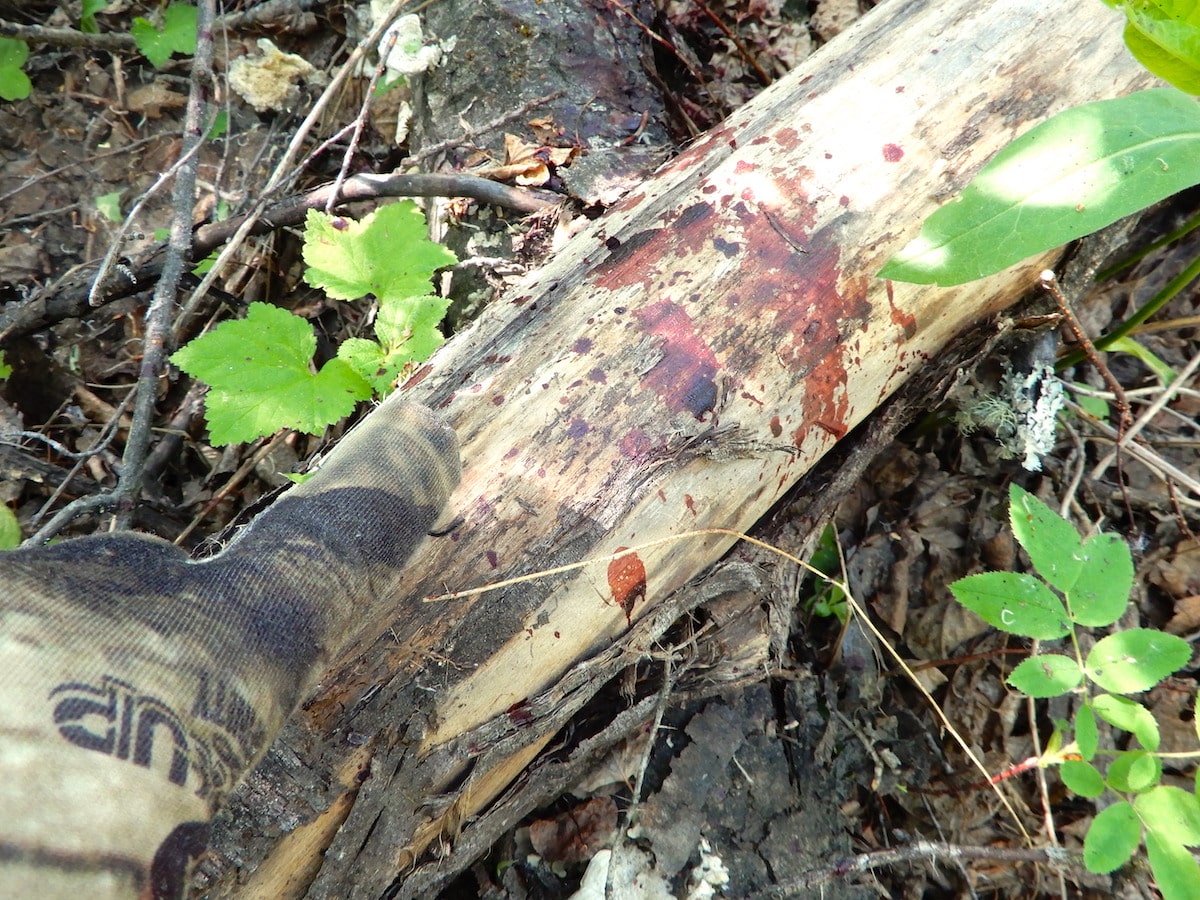
Reading blood sign can help you greatly in making decisions on how long to wait before taking up the trail of a wounded deer.
Next, prepare all recovery gear. Explore HuntStand to understand ways to mark blood sign with map objects. Furthermore, track your real-time movements with the Trace tool. Even with your hunting app in hand, it pays to carry biodegradable blaze-orange tape to hang from branches above blood sign or escape clues. This provides a quick, real-time visual review of a deer’s getaway path.
Pack a flashlight fueled with new batteries. At dusk, fresh blood shines brighter under artificial light. You might even wish to purchase a light aid designed with LEDs to assist in highlighting blood. Pack extra batteries.
How to Protect Your Hunting Spot
Another inexpensive way to confirm blood is to pack a small spray bottle filled with hydrogen peroxide. When sprayed on blood, hydrogen peroxide foams for confirmation. Approximately 8% of North American males have a red-green color vision deficiency, less for females. This little trick aids in recognizing fresh blood quickly.
Finally, take your binocular along for tracking. Use it to scan ahead to spot any signs of your deer, bedded or standing.
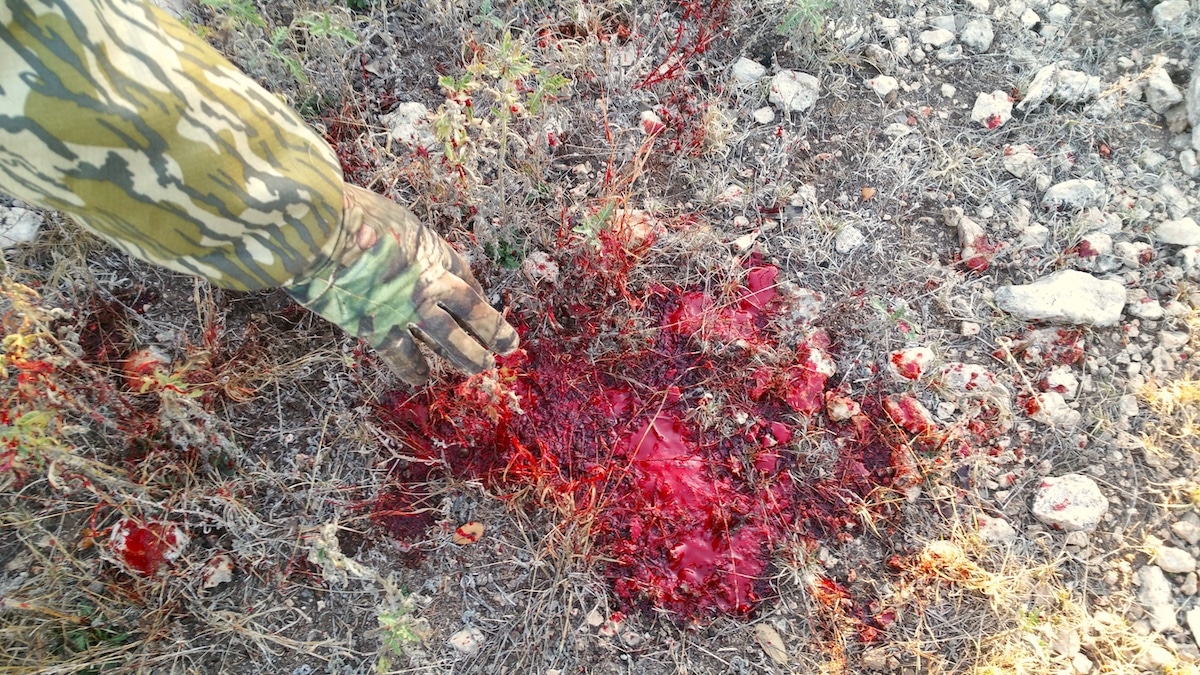
The best sign in the world is bright-red blood, and lots of it.
Pay Attention and Hit the Brakes
In our TikTok world, paying attention for more than a few seconds is challenging at best. Fortunately, most escapes by wounded deer last fewer seconds than a viral reel. After the shot, your No. 1 goal is to pay attention. Watch and remember every move the deer made, the direction of its escape flight, the way it moved its body, and if you could see any direct signs of a hit. Be especially alert to any odd movement, such as hunching its back, tucking its tail, or dragging a leg.
If the deer didn’t drop in sight, and you believe your shot was on, but less than perfect, the first step is easy: Do nothing. Sit still and reflect on what happened. Try your best to remember the location of the hit, where the deer was standing, etc. Recollect the actions the deer when hit, and how it fled. Mentally mark the last place you saw it before it disappeared. Mark it in HuntStand as well. If you know the shot distance, use the distance measurement tool to mark the precise location before you ever step foot away from your stand or blind. It also pays to take a picture, if light allows, as a reference before leaving your shot location.
With the ever-growing popularity of filming hunts, now’s a great time to rewind. Review any footage, scale up the image, and make notes on what you see in the video. On nearly every one of my filmed hunts, where the whitetail escapes into the brush before dying, I review the footage.
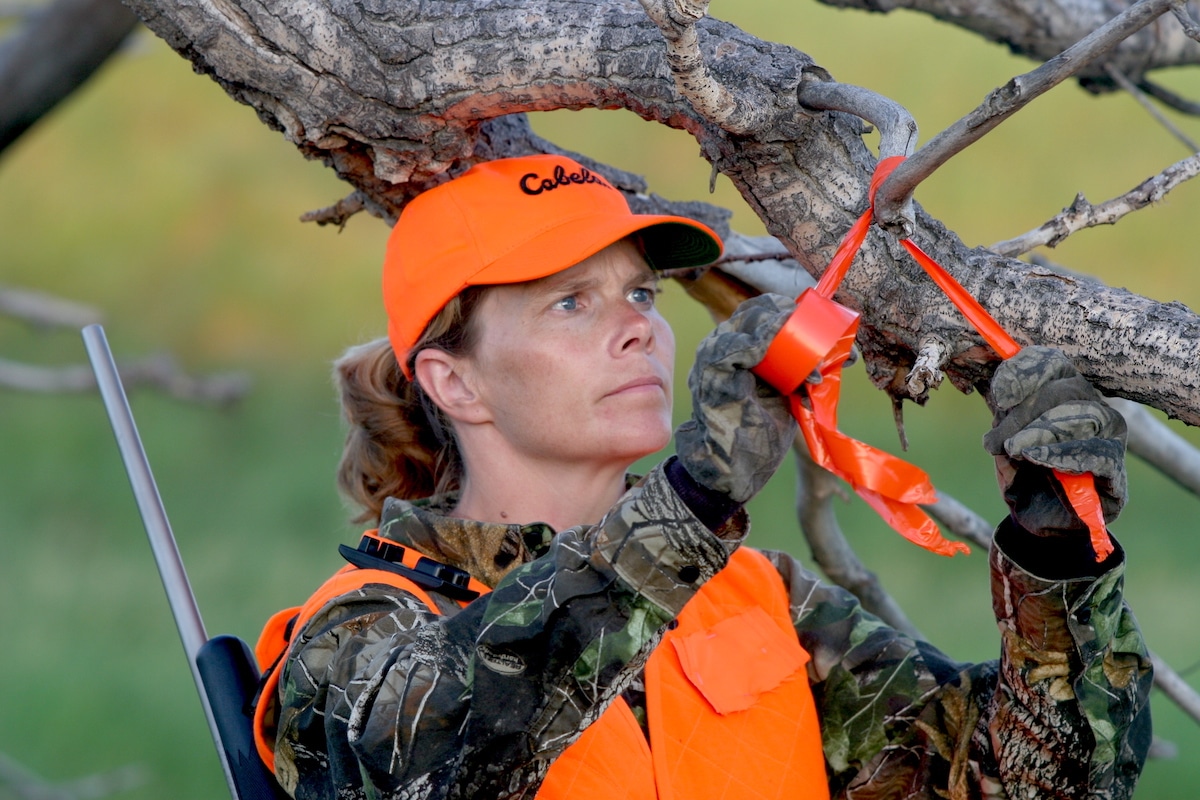
In addition to flagging each blood sign with surveyor’s tape, mark the clues on your HuntStand hunting app.
With mental notes made, video reviewed, and your heart rate returning to a safe level, it’s phone or text a friend time. Right now, another brain not fueled by adrenaline makes sense. Plus, two brains are better than one, especially as you begin to hatch a logical plan to follow up on a potentially wounded animal.
When you hit the ground, two sets of eyes are better than one. One person scans the ground for clues to an injured animal. The second person scans ahead in case the animal still has enough go juice for another escape attempt.

Pre-scouting bedding areas before hunting season and marking them on your HuntStand app gives you a jumpstart on where deer might head if wounded.
A Medical Assessment
You won’t be doing triage, but you will assess every wound possibility to consider the outcome. Remember, archery and firearm deaths differ greatly. Archery deer die from hemorrhaging, while firearm deaths begin with shock and overall destruction of vital organs.
Consider a hopeful scenario, such as a double-lung or heart hit. Deer die from double-lung and heart shots almost immediately. Nevertheless, you might not know it was a direct hit, so proceed with caution. Wait at least 30 minutes before following up. It’s common to misjudge shot placement in the rush of adrenaline. A good rule to follow is to wait a minimum of 30 minutes, regardless of the shot placement. Waiting an hour or longer is even better, especially when you consider the following shot circumstances.
What if you only pierce one lung or nick the liver? These shot placement situations might take three, four, five, or more hours for the animal to die. I once tracked a one-lung hit deer all day before my buddy was able to get another arrow into it.
Can You Speak Deer Antler Lingo? Here’s a Quick Guide
A paunch (gut) shot requires even more patience. Those wounds require a minimum of 6 hours for deer to expire. I wait even longer. Gut-shot deer typically hunch up when hit through the midsection of the body. Deer understand they’re mortally wounded, and they oftentimes hold up close to the shot. After the long wait, sneak out and return. A hit to the paunch always kills a deer. So, patience is a virtue.
At the location of the hit, look for blood, hair, and the arrow (if archery hunting). Bright-red blood indicates an arterial wound (high probability of recovering the deer). Dark-red blood generally means a muscle hit (questionable recovery success). It can also indicate a liver hit (moderate recovery success with proper wait time). Brown- or green-colored blood means a paunch hit (moderate recovery success with proper wait time).
Hair also tells a story. White hair points to a low hit. Dark hair could mean a brisket shot. Brown, body hair could indicate a good, marginal, or poor shot. Combine all clues to help you determine which follow-up procedure is best.
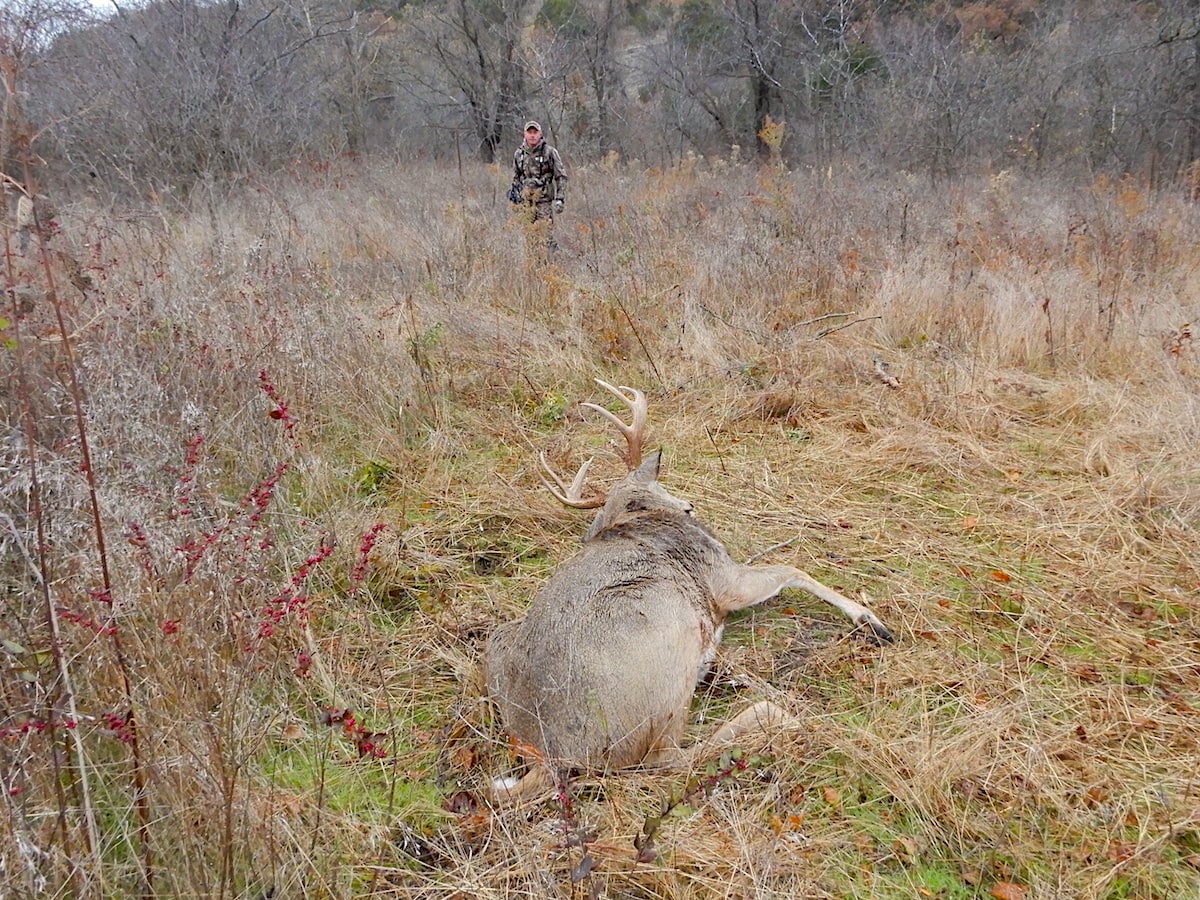
Mark Kayser took his time to blood trail this buck into a dry creek bed where it expired.
Proceed with Caution
All the clues determine how quickly to trail a wounded deer. That said, weather, predators, and other hunters also come into play. Rain washes away clues. Snow covers evidence. Coyotes and other hunters could find your deer, if you wait too long. Additionally, early season heat could ruin meat, if you don’t move quickly enough. These are all circumstances to consider, along with post-shot clues, as you plan a recovery timeframe.
When it’s time to take up the trail, move slowly and quietly. Every speck of blood, tissue, and disturbed dirt should be marked in HuntStand and with that orange tape I mentioned earlier. Expect to backtrack using your indicators. One person should be on the blood trail. The other person should be off to one side and painstakingly scanning ahead for the animal. You might unexpectedly walk up on it, alive or dead. Handle your weapon safely, but keep it at the ready when legal.
Wounded deer don’t always follow textbook rules. Still, severely wounded deer seek the path of least resistance to sanctuary. Expect a faltering deer to travel downhill for a less strenuous route. Or, to head toward water to rehydrate. Nevertheless, they might go straight uphill and sneak into a desolate valley, especially if they believe they’re being tracked.
Research Confirms It: Deer Have a Sixth Sense
In closing, plan for the worst. All deer are not found. If you still believe the deer is mortally wounded, yet the trail disappears, go home, recharge and try again in a few hours. Deer oftentimes circle back to the area where they were wounded. It can also pay to spend time in the woods and listen for birds and other scavengers, such as crows, causing a ruckus over a carcass. If your search fails, you’ll have to accept the inevitable. You might not find the deer.
It’s a sad prospect. But if you hunt enough, expect to lose a deer. Take solace in that there’s an outside chance the wound isn’t fatal, and the deer will survive. I once arrow-hit a giant buck high through the back. It turned up on trail cameras for several years after the encounter. Alas, a gravely hit deer might not recover, but it will join the circle of life and its carcass will feed other wildlife.
All things considered, do your best to prepare for a wounded deer. Execute a high-quality recovery mission each time.
UPGRADE TO HUNTSTAND PRO WHITETAIL