





Your hunting land is valuable. Do what you can to legally and ethically protect it.
I’ve lost access, ruined hunting properties, and made far more than my fair share of mistakes. I daydream about the property I hunted about 20 years ago. Of course, I didn’t know what I had, and the property slipped through my fingers. Another property’s quality slowly eroded because the neighbors started making big-scale habitat improvements. And I’ve captured a staggering number of trespassers on trail cameras. The list goes on. Obviously, it’s crucial to learn how to protect your hunting spot, regardless of the threat.
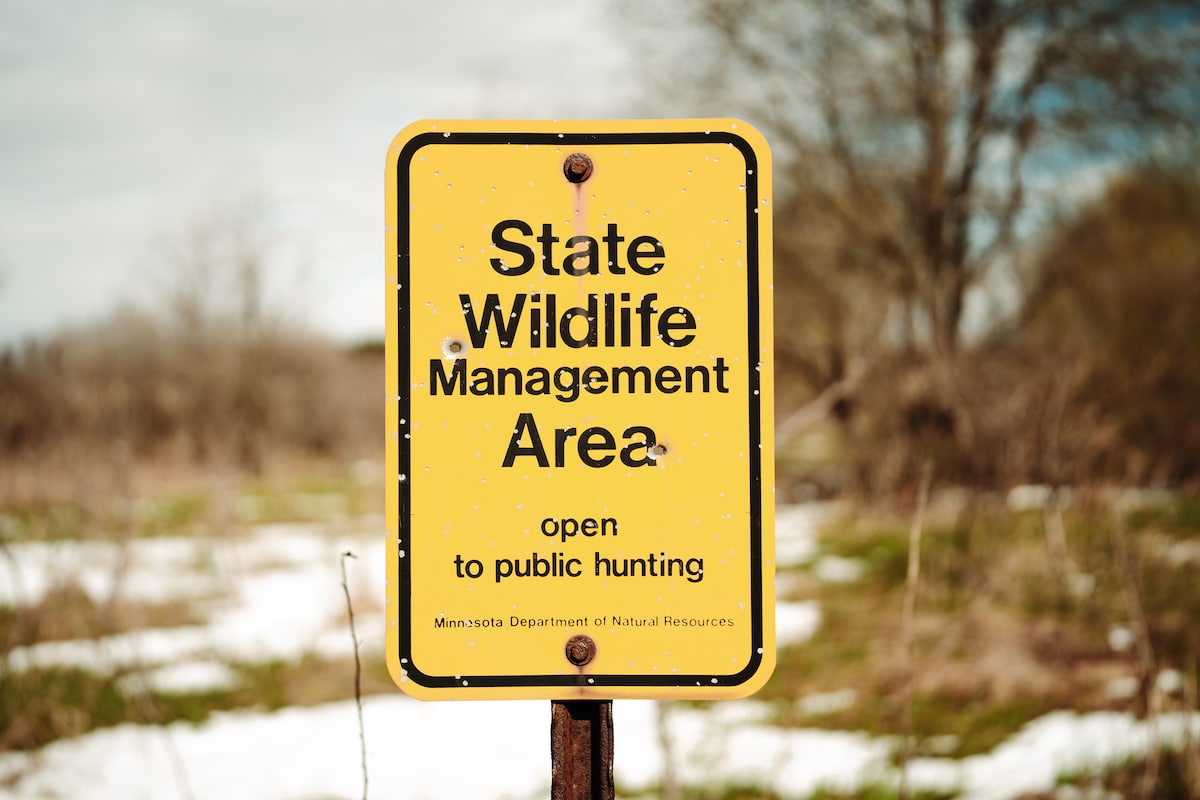
Some aspects of "protecting your hunting spot" applies to public land, too.
Protect It from Other Hunters
It’s unfortunate, but hunting seems to be morphing into a cut-throat environment. It doesn’t matter who you are. There’s always someone with a better permission pitch, fatter checkbook, or bigger will to succeed. All three of which often applies to gaining access to premier deer hunting ground.
Of course, access is a challenge, and hunters attract other hunters. This is especially true for hunters with some notoriety. Those who have a bit of local cred tend to draw other hunters like flies to rotten flesh. Eventually, it can lead to lost access, even if you hold long-standing permission or already pay for the lease.
Therefore, don’t draw attention to yourself. Refrain from driving a flashy vehicle, or one that’s easily identifiable. On private land, conceal your vehicle from public roadways. On public land, park in discreet (but approved) locations. In the worst of instances, if someone follows you, don’t turn in at the property. Drive on down the road and loop back around.
The discreetness doesn’t end at the vehicle, though. On public land, take routes that don’t leave boot tracks (i.e.: shallow creek beds, grassy areas, etc.). Once in the field, don’t hang treestands in plain view. If brush trimming is allowed, don’t trim too much, either. Consider the hang-and-hunt treestand method, or the mobile saddle approach, instead of using permanent stands.
How to Hunt Your Neighbors’ Deer
Social media is a factor, too. Don’t post location-specific info on the socials. Keep identifying elements out of the public arena.
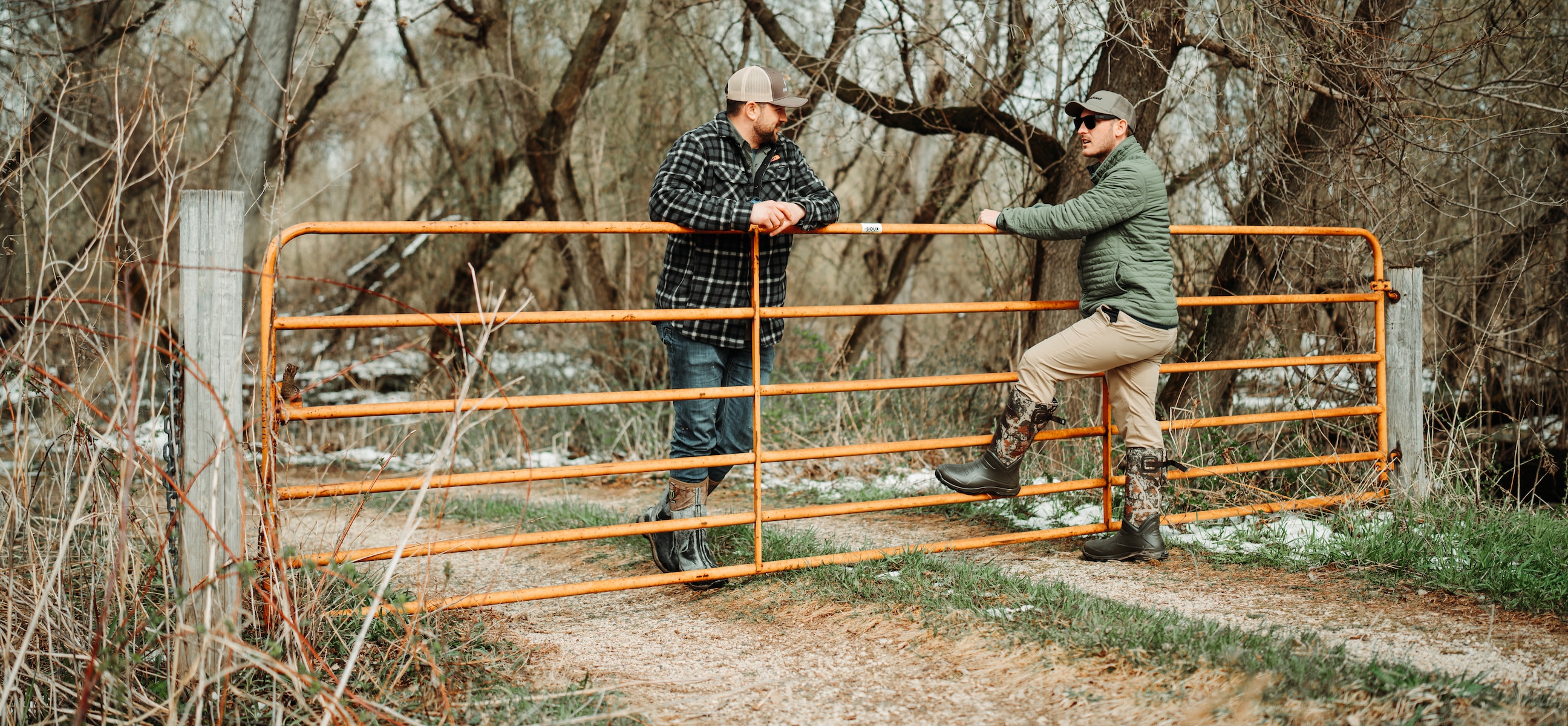
When it comes to hunters already familiar with the area, the best route is good communication. Talk to those you share private land permission with. Conversate with neighboring hunters. Chat with public-land hunters you encounter. When people communicate effectively, everyone wins.
Of course, you don’t have to tell them everything you know (especially knowledge of a big buck). But being honest and genuine goes a long way. Good relationships require give and take.
If those around you refuse to play nicely, do your best to avoid and ignore them. Take necessary steps to protect private property. Install fencing. Establish locked access gates. Post “No-Trespassing” signs. Create screening cover around property lines. Design access routes in a manner that make these less visible. Furthermore, consider using cellular cameras as security tools. And certainly, notify the local conservation officer of any issues.
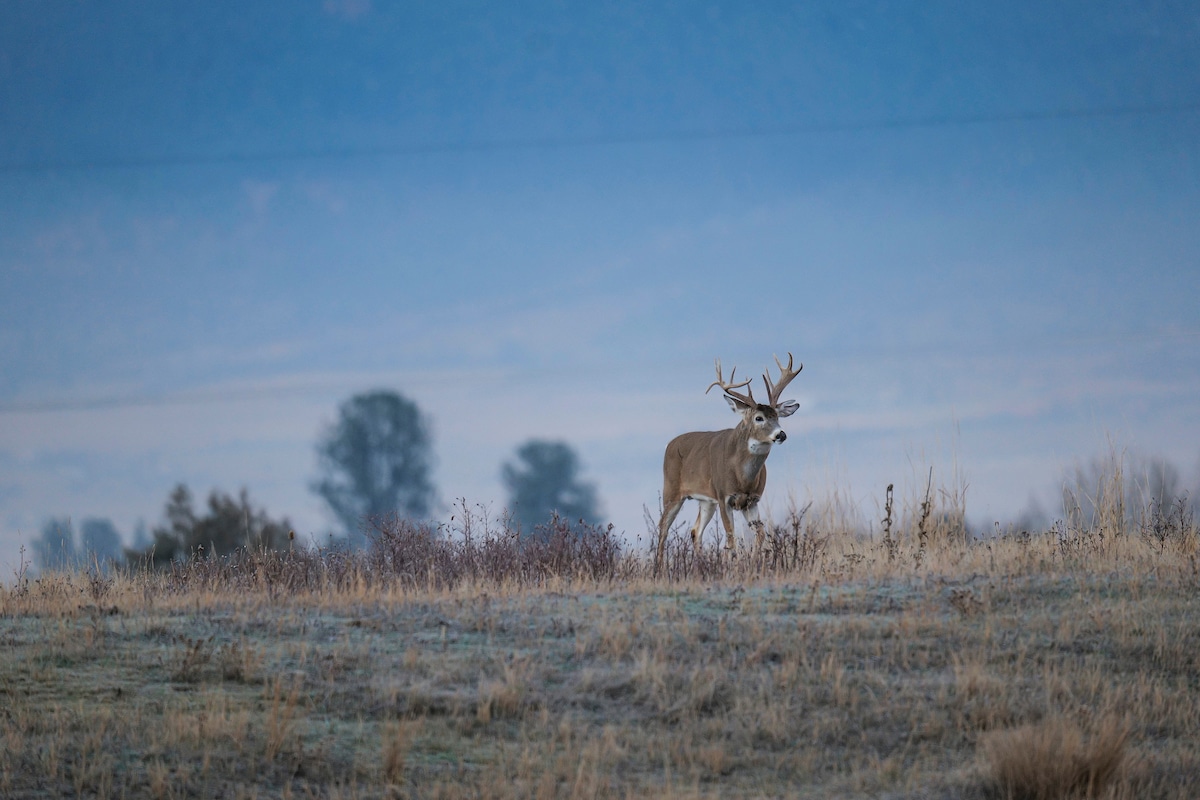
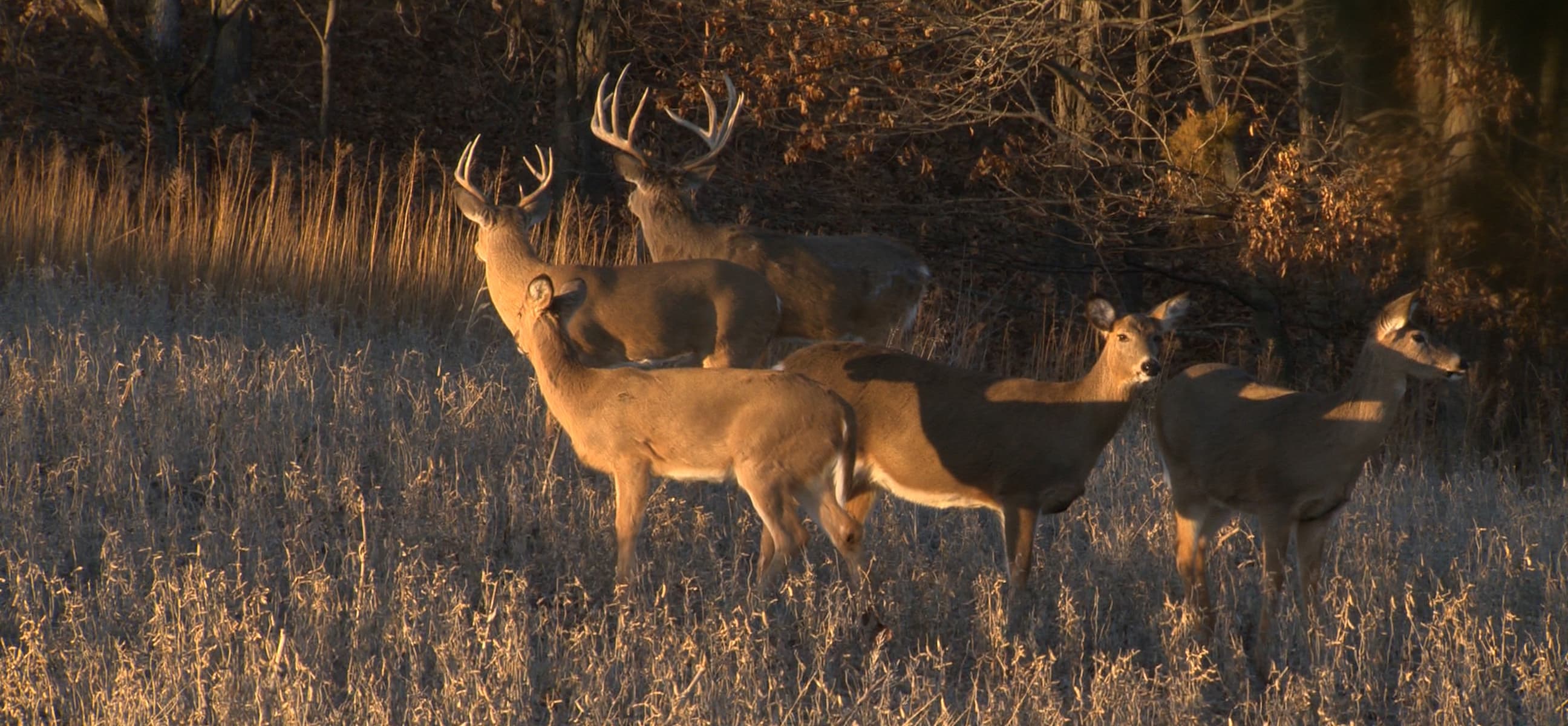
Offer the local deer herd the best bedding, food, and water sources.
Protect It from Neighboring Lands
It isn’t just nearby or neighboring hunters you must worry about. The neighboring lands are far more likely to steal away your target buck. Owning and managing hunting land requires taking reasonable guesses on what’s happening across the property line, and making your side of it more appealing to deer.
Naturally, the ideal situation is that landowners work in co-ops with other landowners. Instead of competing with one another, neighbors begin to work together. Everyone wins.
That doesn’t always happen, though. Landowners who find themselves in a situations where neighbors don’t want to play nicely, or who simply have different goals and expectations, might not align with your vision.
Planning Deer Hunting Vacations: Are Opening or Closing Days Better?
Whether neighboring landowners and hunters choose to work with you, or not, doesn’t change much, though. In short, make your property the best it can be. If you don’t, chances of deer departing for other lands increases.
Offer deer what they need. Give them the various types of seasonal bedding cover they require. Provide different food sources for various times of the year, especially during the key hunting months. Create or promote water sources in strategic locations. Establish sanctuaries where deer rarely, if ever, experience human intrusion.
Furthermore, gauge how much hunting pressure exists on neighboring lands. Drive public roads to see where and how many hunters are parking. Look up available harvest records. Check out their social media pages.
Additionally, Use HuntStand’s Monthly Update layer to determine possible habitat improvements neighbors are making. Then, make your property better.
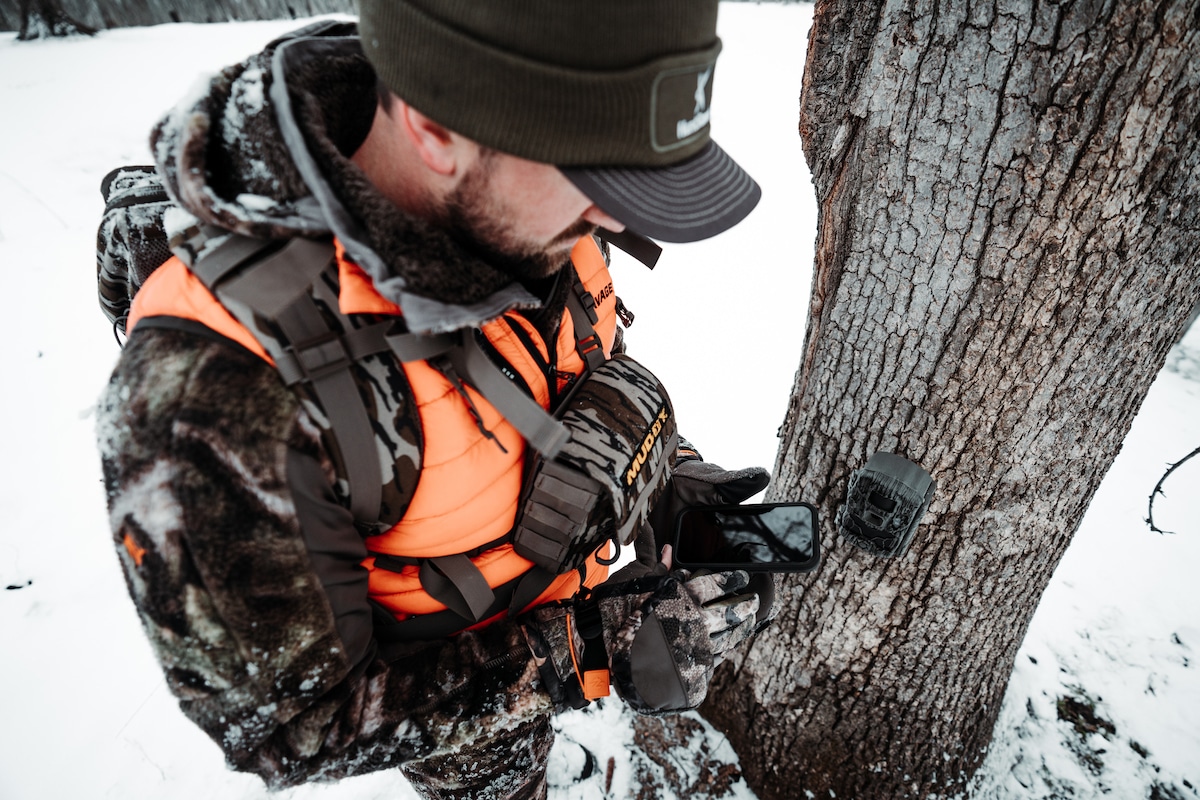
Monitor boundaries with trail cameras.
Protect It from Yourself
Oftentimes, the biggest problem isn’t other hunters, or their lands. It’s you. Make sure your property receives less hunting pressure than neighboring tracts. Use creative entry and exit routes. Avoid stand locations that risk spooking deer. Find better ways to use the property without alerting deer to your presence, even if that means hunting less often.
Make habitat changes that help, and doesn’t hurt, the property. Improve the quality and variety of food sources on your land. Design food plots and other hunting locations in a manner that permits you to come and go without spooking deer. Create screening cover where needed.
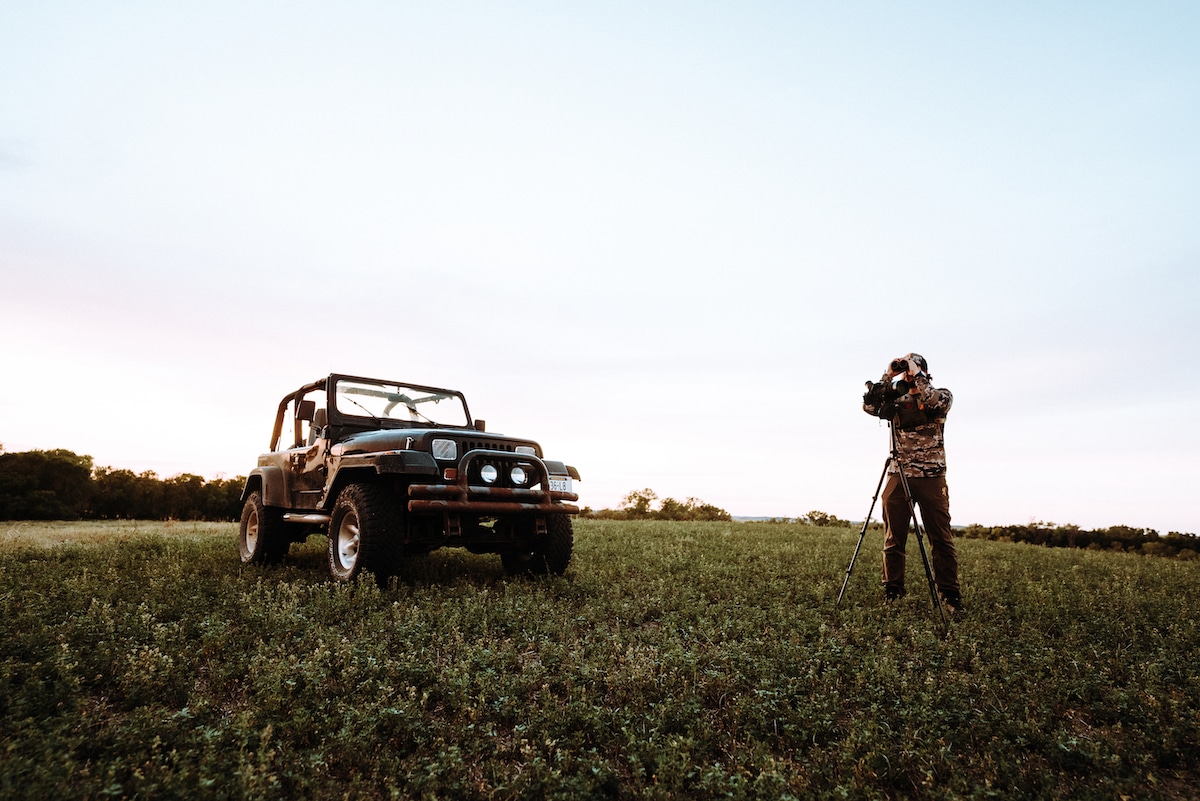
Use low-impact scouting methods, too. Deer can’t determine the difference in a hunter who’s merely glassing and one that’s there to kill them. Pressure is pressure, and limiting it is vital to success.
Natural Food Sources for Deer Every Hunter Should Know
That doesn’t just apply to in-the-field glassing and scouting. It impacts trail camera use, too. Therefore, deploy and check trail cameras in a way that doesn’t pressure deer. Make these less visible to whitetails.
Examples? Run smaller cameras. Post cameras on larger-trunked trees. Hang them higher (and angle them downward). Place some moss around the cams to camo them up. Most of all, use cell cams with long-term external battery sources.
Additionally, hang treestands and position hunting blinds in locations that work effectively. Brush these in, when necessary, and try to limit the herd’s ability to pinpoint these ambush locations. Use access routes that don’t alert deer to your presence. And stay out of your hunting area as much as possible.

Create a great hunting property, and the deer will come.
HuntStand Helps
There are numerous ways that HuntStand can help a hunter protect their hunting spot. As outlined above, every hunting property needs protection. The app can help mitigate or minimize negative influences.
Of course, to begin, make sure your HuntStand Hunt Area is set to “Private” and not “Public.” Otherwise, that hunt area is publicly searchable by other HuntStand users.
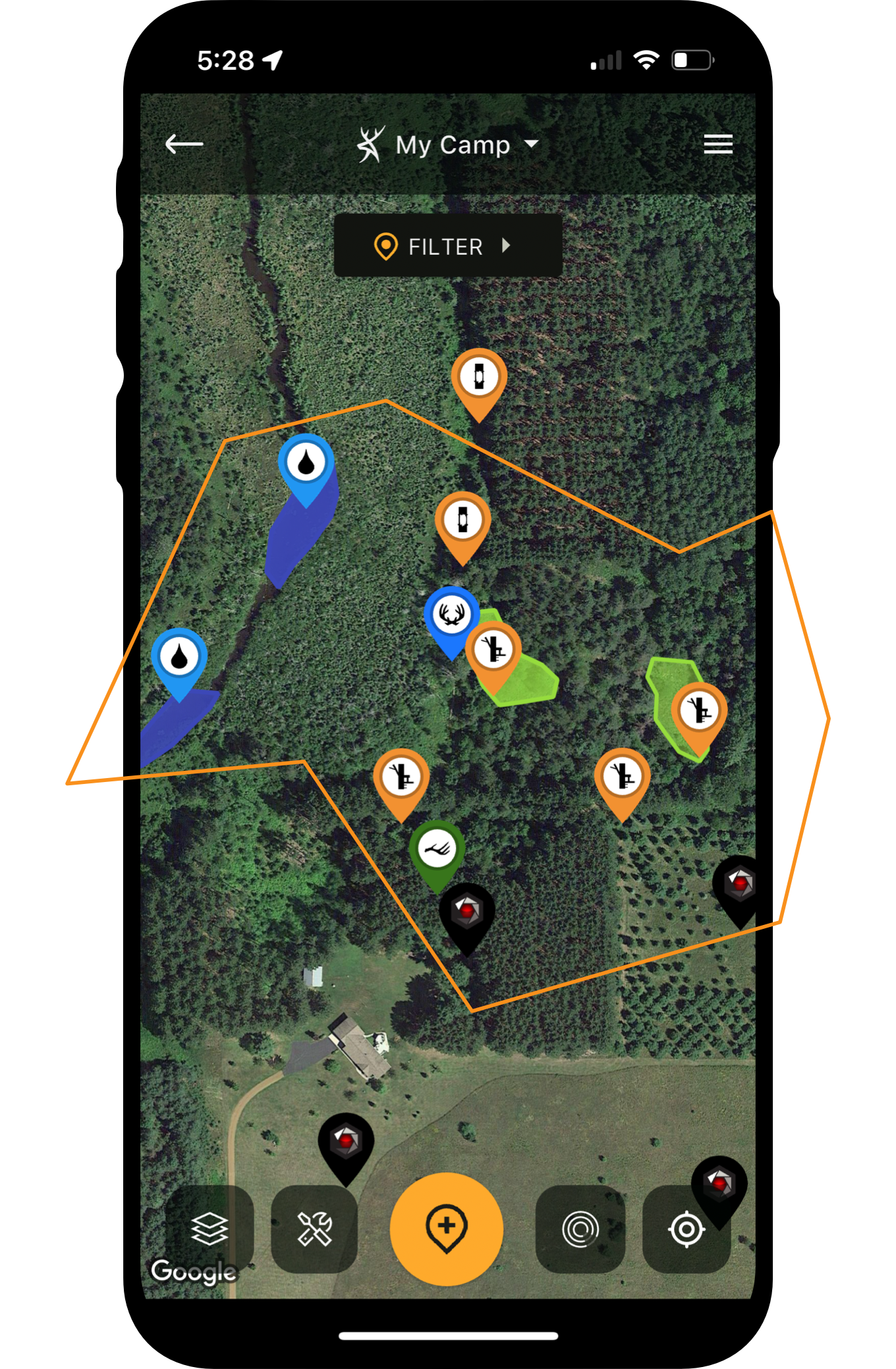
Access Routes: Remember the days when hunters placed flashy thumb tacks to mark access routes? It completely lit up the way for other hunters to find their honey hole. That’s no longer needed. Instead, mark the path digitally on HuntStand.
HuntZone: Accessing or hunting a property with a bad wind direction can negatively impact a property. So, keep an eye on the HuntZone wind direction indicator to be sure unwanted scent isn’t wafting into places it shouldn’t.
Miscellaneous Layers: Aerial- and topography-based layers offer key advantages when protecting a property. On the aerial side, specific layers include the Hybrid, Mapbox Satellite, National Aerial Imagery, Satellite, and Whitetail Habitat Map. With topography-based layers, key app offerings include 3D Map, Contour, and Terrain.
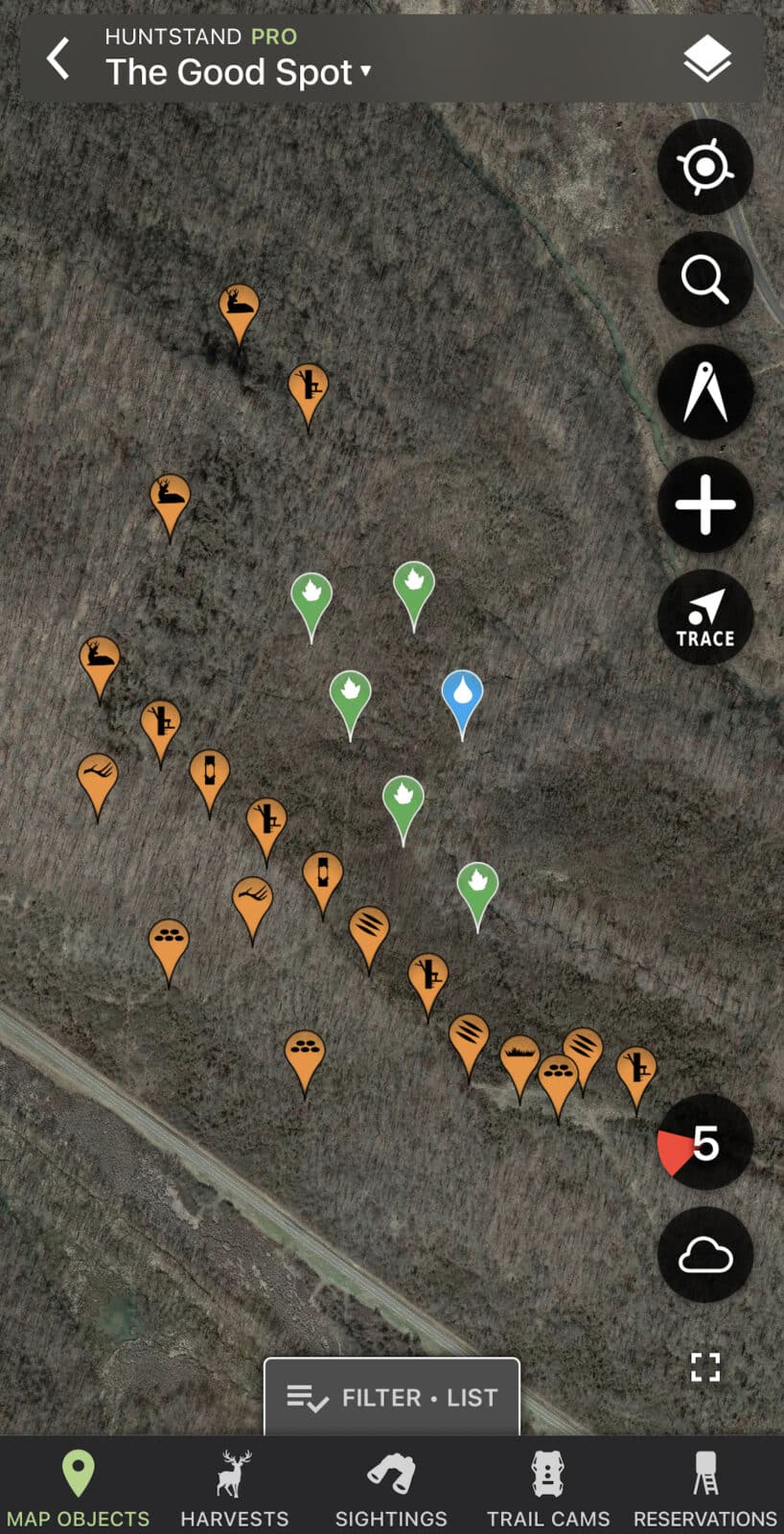
Monthly Update Layer: Want to see recent habitat changes neighbors made to a property? The Monthly Update Layer can help with that. Then, it can help you determine what changes to make to counter improvements to neighboring lands.
Nationwide Rut Map: Oftentimes, if a buck is still on a property by the end of the pre-rut, it will likely remain there through the rut itself. In some instances, it might pay off to wait until this period to begin hunting. The Nationwide Rut Map gives the peak rut dates for your specific county.
Property Info: Establishing and maintaining good relationships with neighboring landowners is important. Because of this, hunters should use the Property Info tool to generate address info. Then, send a letter to introduce yourself.
Trail Cameras: With increasing levels of trespass, trail cameras are viable tools for monitoring hunting land. With a lot of cams deployed, it’s easy to lose these. Keep track of cams with HuntStand’s Trail Camera management feature.
Whitetail Activity Forecast: Waiting until the best times to hunt can up the odds. Fortunately, HuntStand’s Whitetail Activity Forecast shows the best times to do so. Sometimes, waiting until these days can limit hunting pressure and increase odds of success.
How to Find a Dream Hunting Property [Deer Dirt]