



Antler shedding in whitetails is a wildly popular topic. Of course, shed hunting is a common pastime among hunters and non-hunters alike. Millions of individuals each year take to the woods in search of cast crowns.
Generally, whitetails shed sometime between late December and April. Obviously, that’s a wide window, and most deer shed in January or February. Still, why is the antler shedding window so long?
Oftentimes, mature bucks are among the first to lose their antlers in northern states, while in southern states, older bucks are among the last to shed. What causes this?
It’s rare to find matching sets for shed antlers. Why is it so difficult to find two antlers that go together?
According to a recent report from the National Deer Association, a study conducted by Brian Peterson of the University of Nebraska at Kearny (UNK), determined the likelihood of accomplishing this feat. The 12-year study examined the distances between discovered matched sets. Of 1,059 shed antlers collected, 775 were singles, and 142 were matched pairs. The greatest distance between matched antlers was 1,251 yards, closest distance was less than 1 yard, and half of all pairs lying less than 11 yards apart.
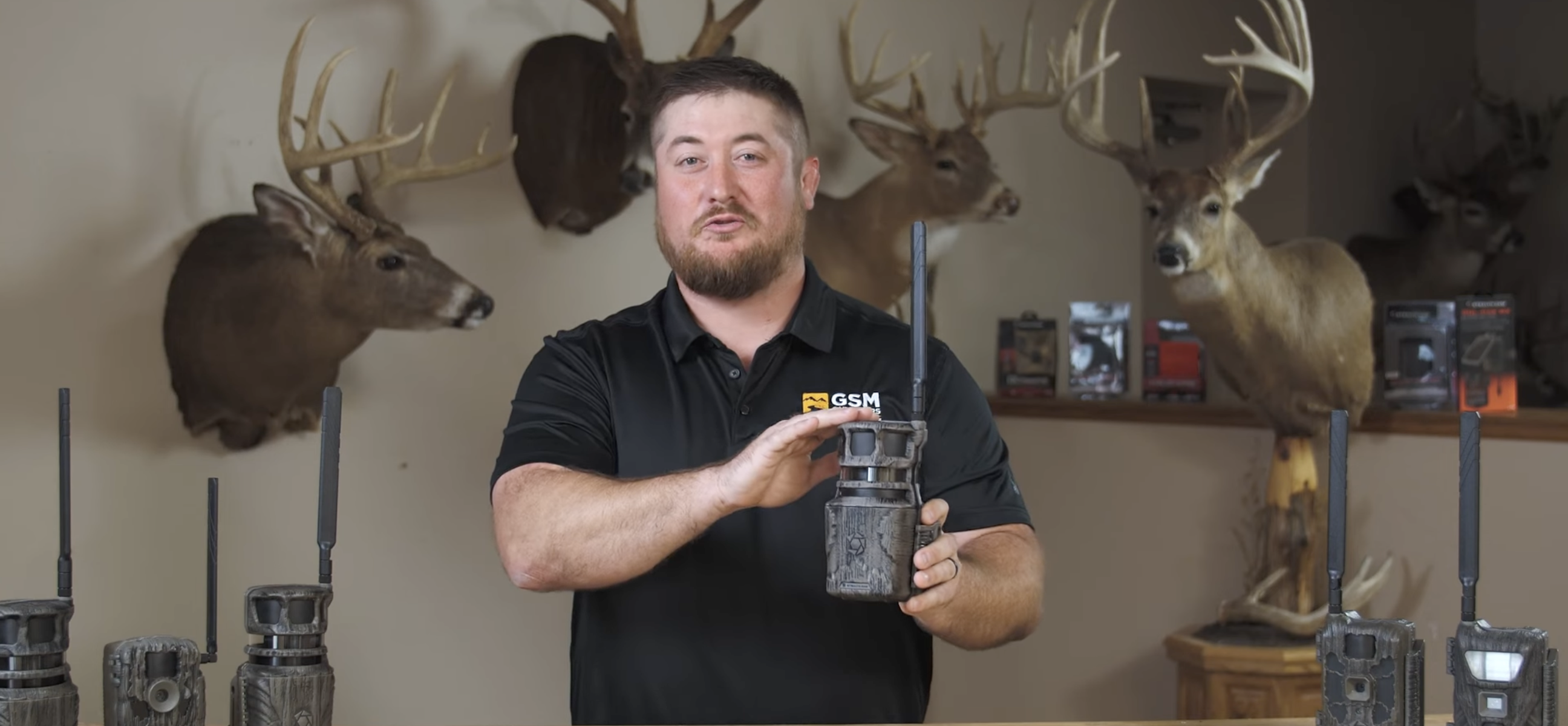
All said, you might have questions in reference to the notes above. It’s questions like these that HuntStand’s Brian Murphy has answers to in the video above.
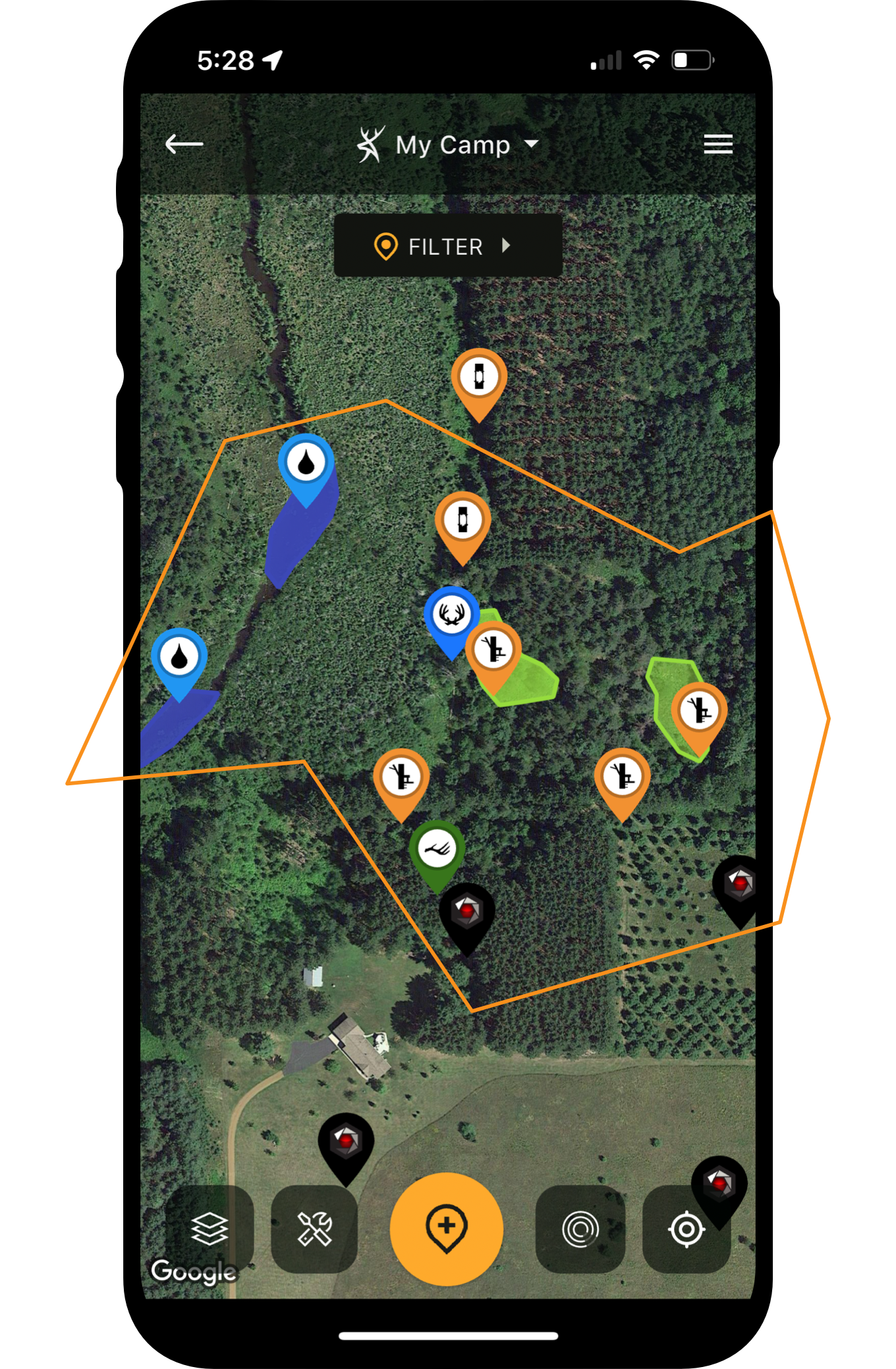
Here are the hows and whys of shed hunting in your hunting area. Of course, allow HuntStand Ultimate to assist in the endeavor.