





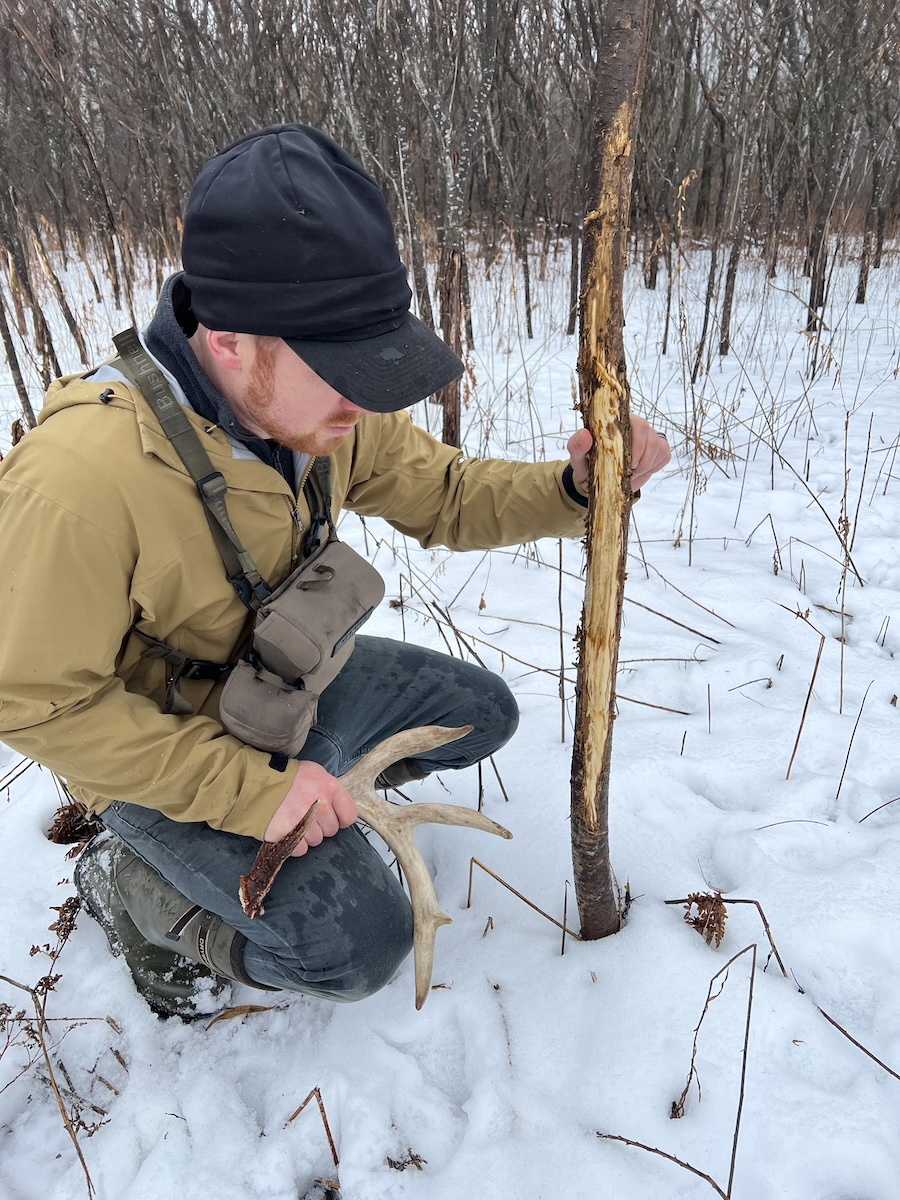

Be attentive to leftover rut signs, such as rubs, scrapes, tracks, trails, and more. Details such as these can help inform next fall’s hunting playbook.
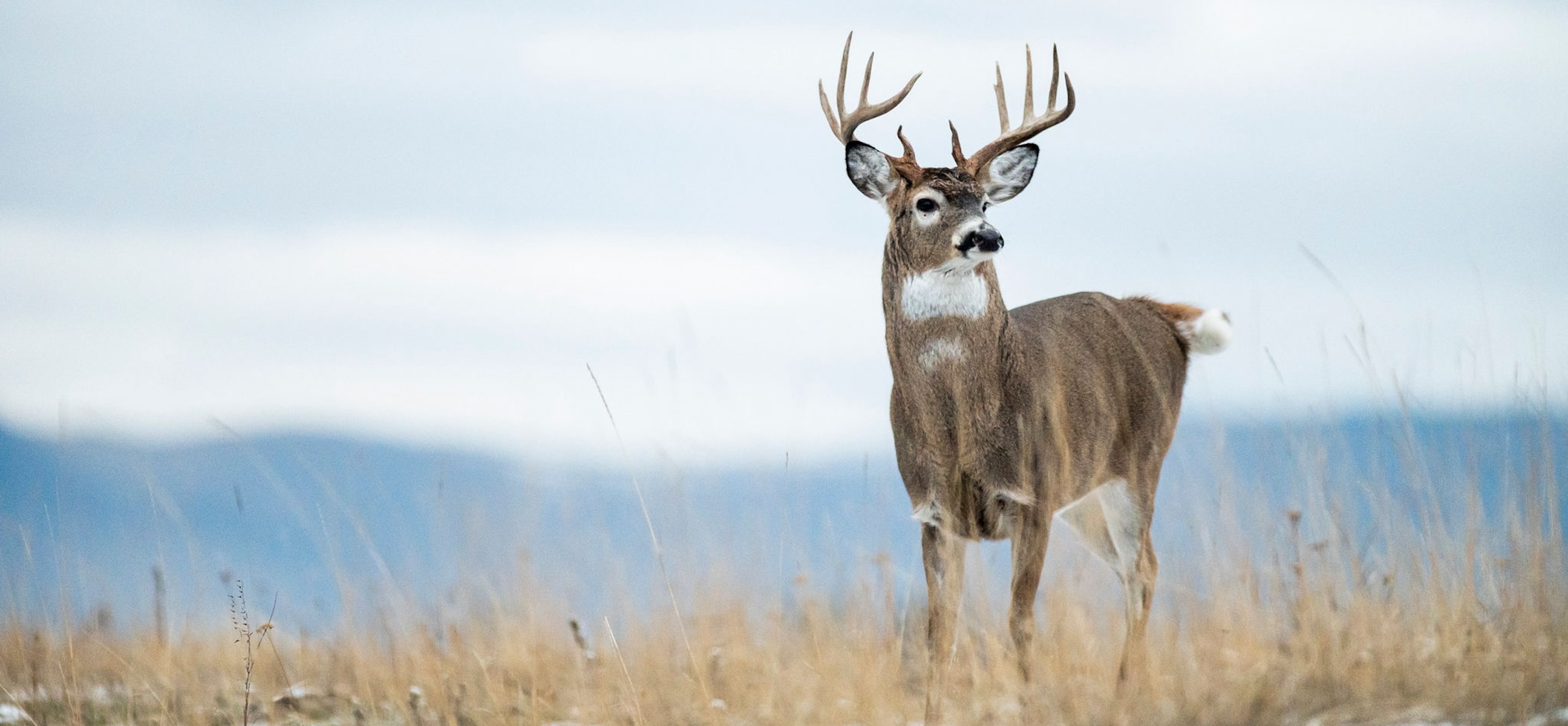
Bucks tend to feed in sessions throughout the dark hours, and they often bed on the edge of the food source to rest and digest their food in between feeding sessions, making it a good spot to look.
The tail end of deer season leaves hunters feeling mixed emotions. Some of us are satisfied with the season’s outcome. Others had a little bit of success but can’t fathom how deer season is already done or soon ending. Still, others are sulking in the aftermath of a deer season gone wrong. And then, there’s the crowd that doesn’t skip a beat; regardless of the outcome, they’re already planning and prepping for fall 2025.
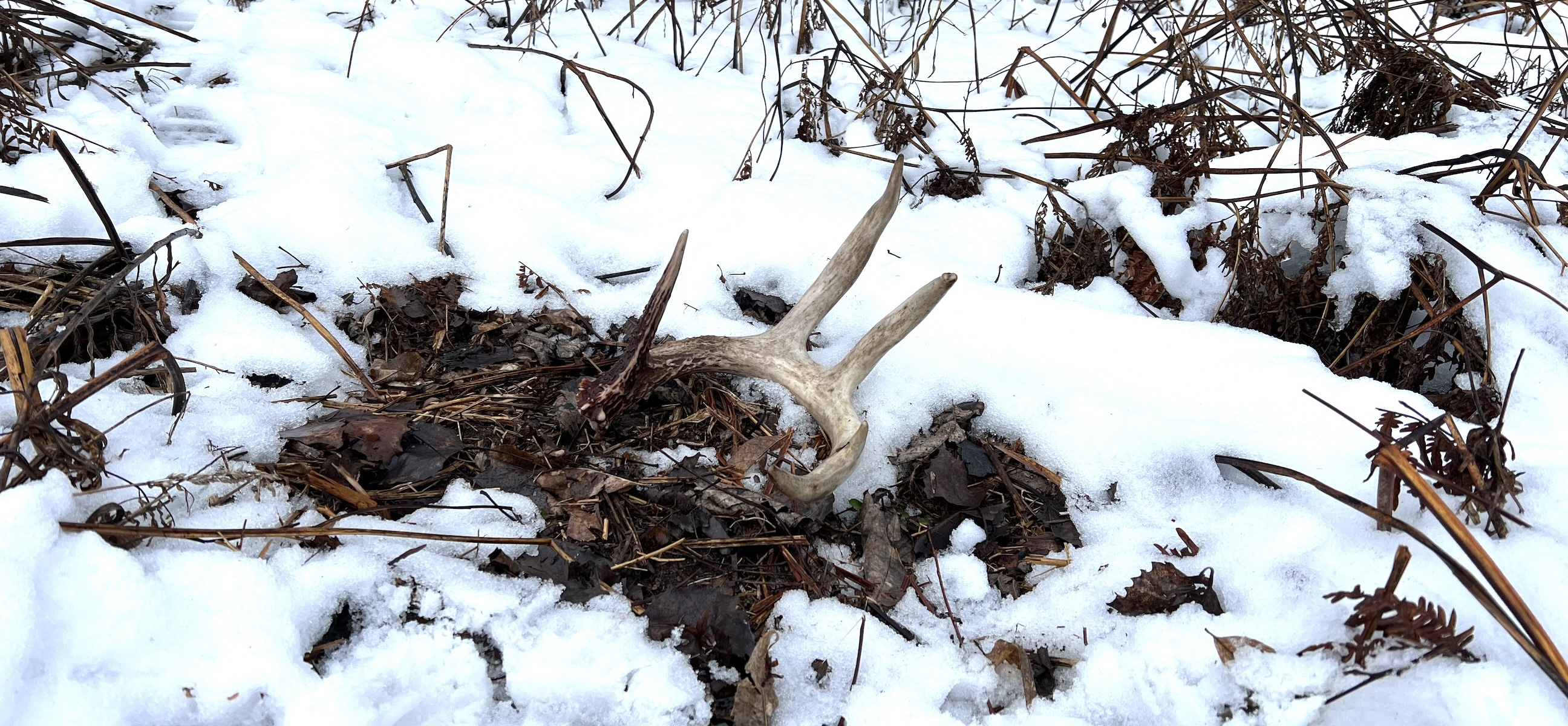
Whatever boat you’re in, perhaps shed hunting is on your agenda. If not, perhaps it should be. But if you’re the guy or gal who finds a truckload of shed antlers each spring, then this article probably isn’t for you.
Contrarily, if you’ve had little success with shed hunting in the past, it’s time to up your game just a bit by leveraging HuntStand Ultimate’s practical uses, which we’ll discuss in the following paragraphs. Read on to see how you can bolster your shed game this winter and spring. Don’t miss these shed hunting hacks, tips, and tactics.
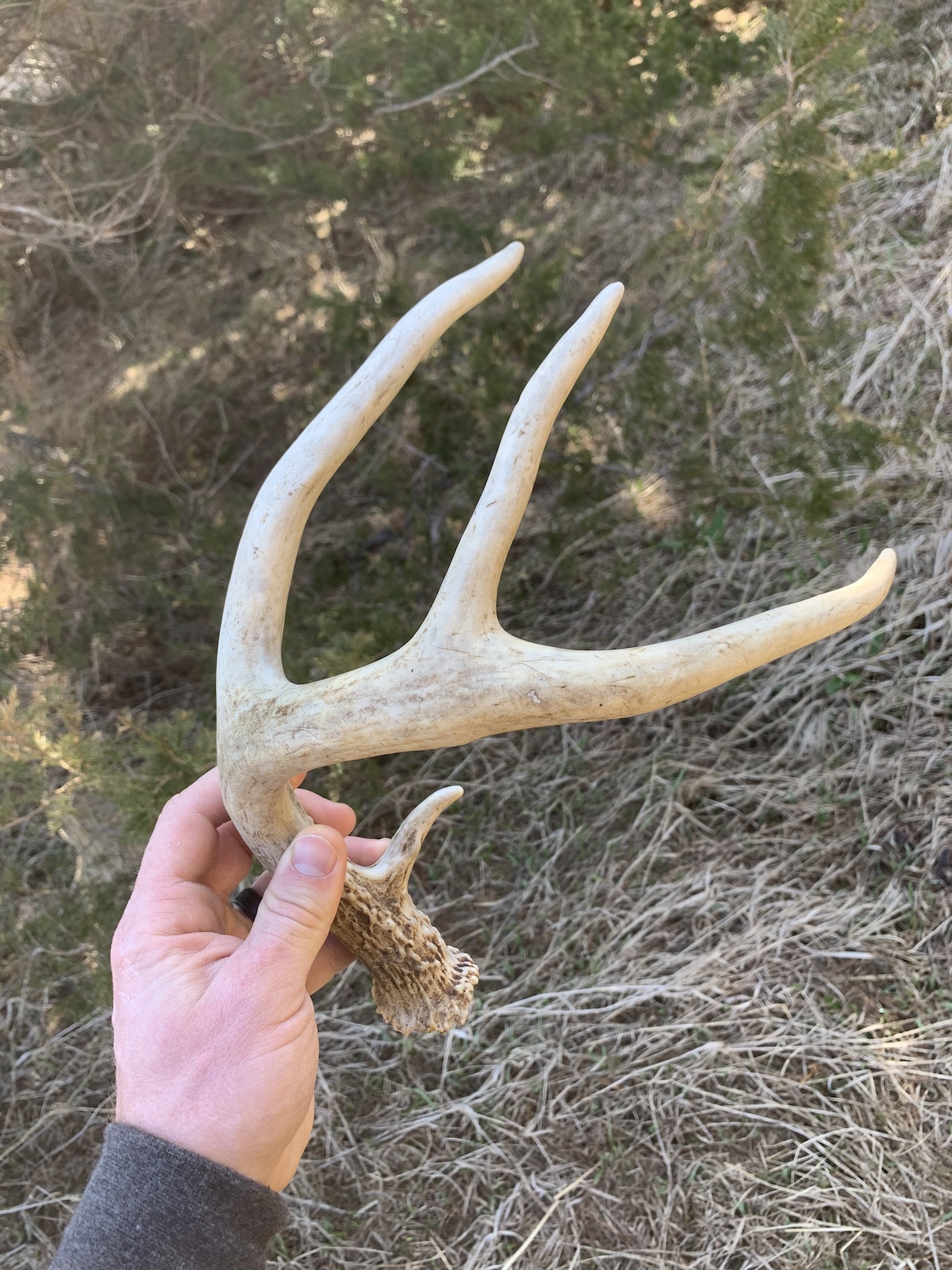
If you begin shed hunting as soon as the bucks begin dropping their antlers, focus around food sources and the very edges during the middle of the day.
Shed Hunting 101
Before we get too deep into the weeds, let’s take care of some basic housekeeping up front. Winter, especially in climates with extremely inclement weather, can be very exhausting for deer and other wildlife. Making shed hunting into a competition of seeing who can find the first shed when the deer have barely started shedding imposes needless stress on them during a time when they’re already stressed out from a taxing rut and now brutal weather.
That’s why states like Colorado and Wyoming have shed seasons. The idea is to make it illegal to shed hunt during the critical months when deer and elk are exhausted and merely surviving.
How to Use the HuntStand App
Some hunters are plagued with the desire to be the first one in their friend circle to post a shed selfie on social media, but it’s at the expense of pressuring the deer. Either stay out until the spring thaw or do some very light looking on food sources. Make little to no impact on the animals.
Resist the urge to go scouring the area for any early-drop sheds. If it is legal to go and you’re chomping at the bit, shorten up your leash. That is, focus solely on food sources (and maybe the edges) during the middle of the day when deer are in their bedding areas so that you don’t disturb them.
Now, let’s dive into some tips and tactics.
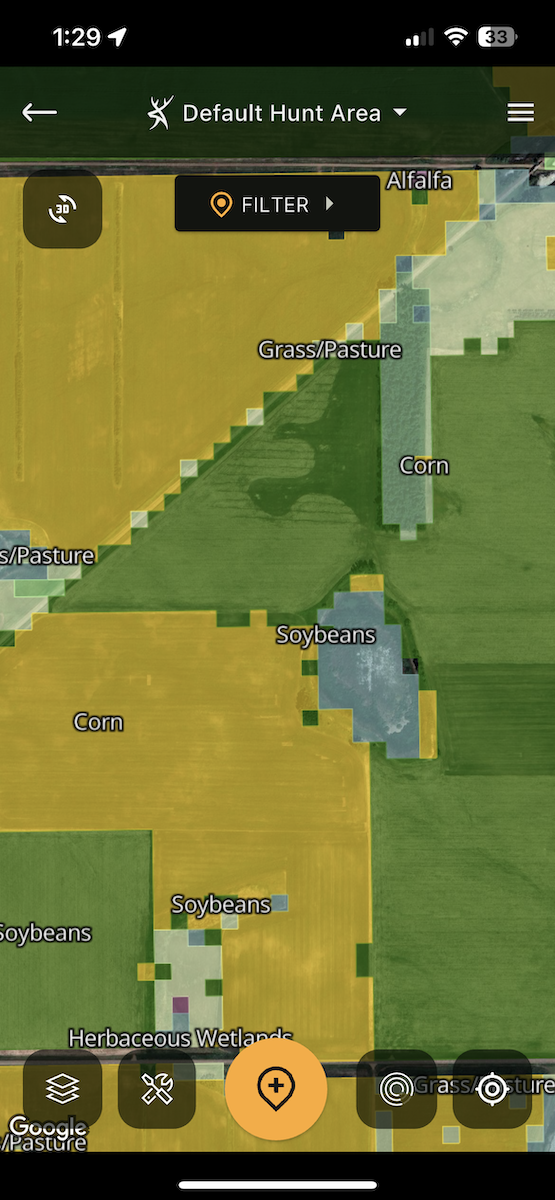
Crop History is a good way to map out all of the food sources in the area. You’ll have to visit in person to learn if each one was a winter food source for deer or not, but Crop History is a great starting point.
Find Whitetail Food Sources
While a buck can cast his sheds anywhere that he happens to be during a given 24-hour period, the probability is high that it will happen where he spends a lot of time. Winter food sources are a solid bet.
In the HuntStand Pro Whitetail app, use the Crop History overlay to map out agricultural food sources in the area. If shed hunting on your own land, or land that you lease and manage, then you probably already know what food sources are on your hunting property. But wait! There is a hack. Use Crop History to ID food sources on adjacent lands that deer bedding on your land potentially traveled to during the winter feeding season.
If shed hunting on public land (check regulations, as some states/parcels have special restrictions), Crop History is your go-to tool. It’s possible that not all of the food sources visible in the app were winter food sources, but quickly visiting each one in person will confirm or deny that. If the place is practically void of deer sign, then you shouldn’t expect to find any sheds there. Anyway, Crop History is a great starting point and will help you map out all of the area’s agriculture. Hit those areas first and check for deer sign.
Crops such as corn, hay, milo, soybeans, and winter wheat are likeliest to have been attractive to deer all winter, and of course, brassica plots can also be dynamite.
Finding Late-Season Food Sources with HuntStand Ultimate
While you’re looking for sheds on food sources, be attentive to areas along field edges where deer bed in between feeding sessions. Typically, these are tall grassy spots that offer some shelter or cedars that provide thermal cover. Deer feed on and off throughout the night, but they don’t likely travel back and forth between their bedding area and the food source between feeding sessions. That would be a poor use of their calories. Instead, they often stage up right on the food source or many times just off the edges of it in a little bit of cover. Always check those edges for sheds.
Another reason why agriculture is a good place to look for sheds is that bucks often congregate on attractive food sources, and when you put a bunch of bucks together, they can’t help but spar with one another — bucks are known to spar anytime they’re hard-horned. A little sparring match is all it takes to pop an antler off.
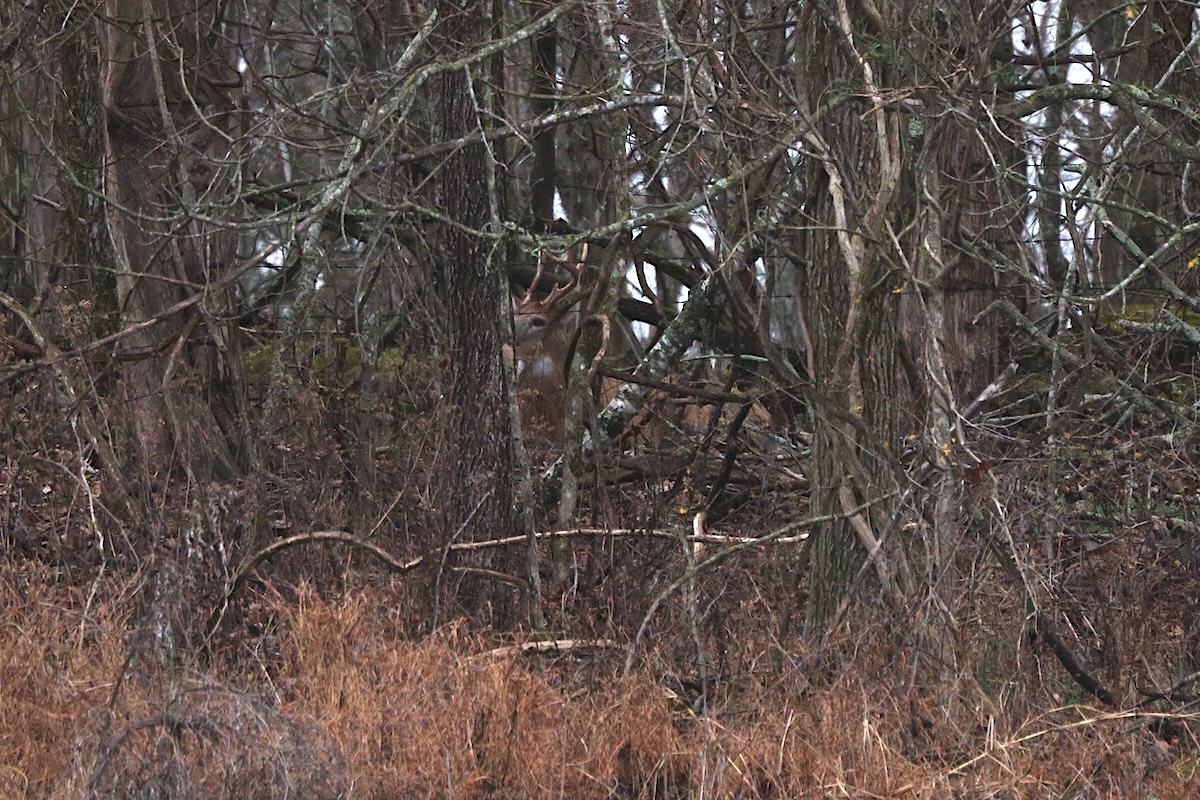
Bedding areas in the big timber are a little trickier to identify. Look specifically for south-facing ridges and benches that offer bucks sun exposure on cold winter days and a clean getaway in the event of danger.
Identify Whitetail Bedding Areas
It’s important to identify known bedding areas. If you own or manage land, this would be your property’s sanctuary or sanctuaries (if you have multiple).
This is the only time of the year that going into a sanctuary (for up to a few days) is acceptable. It’s not only acceptable, but it’s beneficial, too. While the idea is to find sheds, also be attentive to the sanctuary’s attributes and see how it might need improvement via hinge-cutting or by planting some thermal cover to thicken it up. Also, look for buck beds and rub lines protruding from the bedding areas.
If you don’t quite have your property dialed in, or you’re shed hunting on public land, you might not know where the bedding areas are. Again, HuntStand Ultimate to the rescue. In the satellite-based maps, study for thick areas whether they’re isolated blocks of timber, thickets, swamps, or even cattail sloughs. Those are great places to not only look for sheds but also to confirm or deny if they indeed are bedding areas, which can inform next season’s hunting playbook.
Why Deer Hunters Shouldn’t Manage for Genetics (and Other Deer Facts)
Now, in big hardwood timber, bedding areas are often more difficult to identify, and for that matter, bucks have more places to bed. Focus on areas where visibility goes from more than 100 yards down to, say, 40 yards, due to topography changes. (Use the app’s Terrain or Quad Topo base maps for this.) Likewise, find habitat changes (a transition from hardwoods to a cedar swamp, for example).
While you’re on the Terrain or Quad Topo map, specifically look for south-facing ridges and benches. Unlike the fall season, winter is when bucks will post up on south-facing ridges to soak up the sun, so long as their perch offers great chances to detect danger either by sight, sound, or smell. South-facing slopes and benches are good places to check for antlers in the big timber.
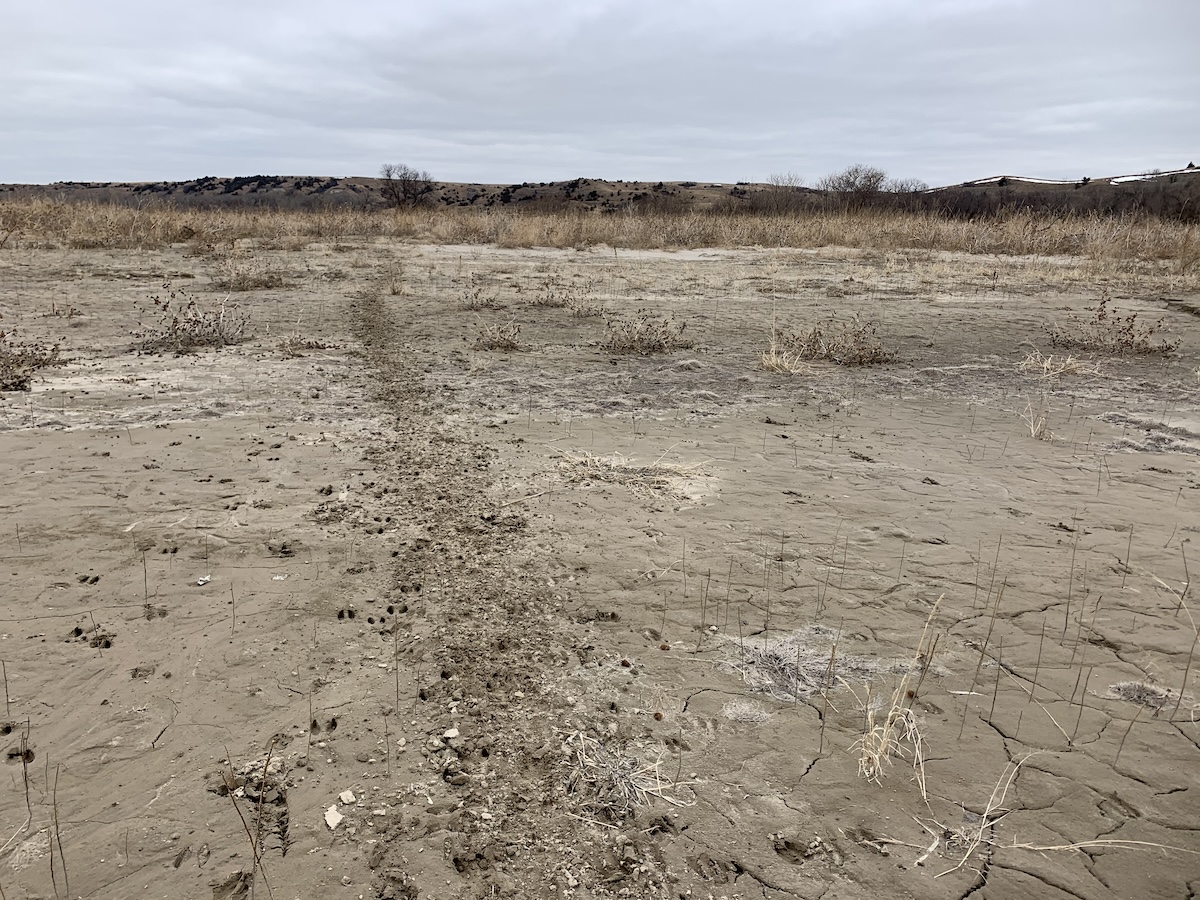
Once you’ve covered the food source, check along the trails that create a wagon wheel from bedding to feeding areas.
Follow the Wagon Wheel Spokes
In deep snow, deer tend to congregate in fewer bedding areas and travel a handful of main trails back and forth from those bedding to a common feeding area. This makes the search for spring sheds a simpler undertaking. If you can see the huge trails in the melting snow, then the probability is good that you’ll find a shed (or several sheds) somewhere along one of them. Think of these huge trails as the spokes of a wagon wheel and be sure to walk them once the spring thaw hits.
If snow was shallow and deer did not struggle to travel, they most likely inhabited a larger area, had more bedding areas, and visited more food sources. With a broadened daily range, the wagon wheel has more spokes. In other words, sheds are likely to be more dispersed than they would be during a spring when the deer had a more arduous winter with brutal temps and deep snow. This means that you’ll have to get a little more creative in picking apart the trails leading between bedding areas and food sources. And in some cases, deer don’t always travel trails. For example, if a coyote enters a food source full of deer and causes them to bolt, they’re not always going to stay on trails as they vacate.
With the unpredictable shed dispersal, reference any of HuntStand’s satellite-based maps and look for thick areas — especially those with thermal cover — anywhere within the vicinity of winter food sources. If there was no snow or little snow and the deer could travel more freely, use your knowledge of cover and the way that deer travel to predict some of the different routes they might have used to travel between necessities.
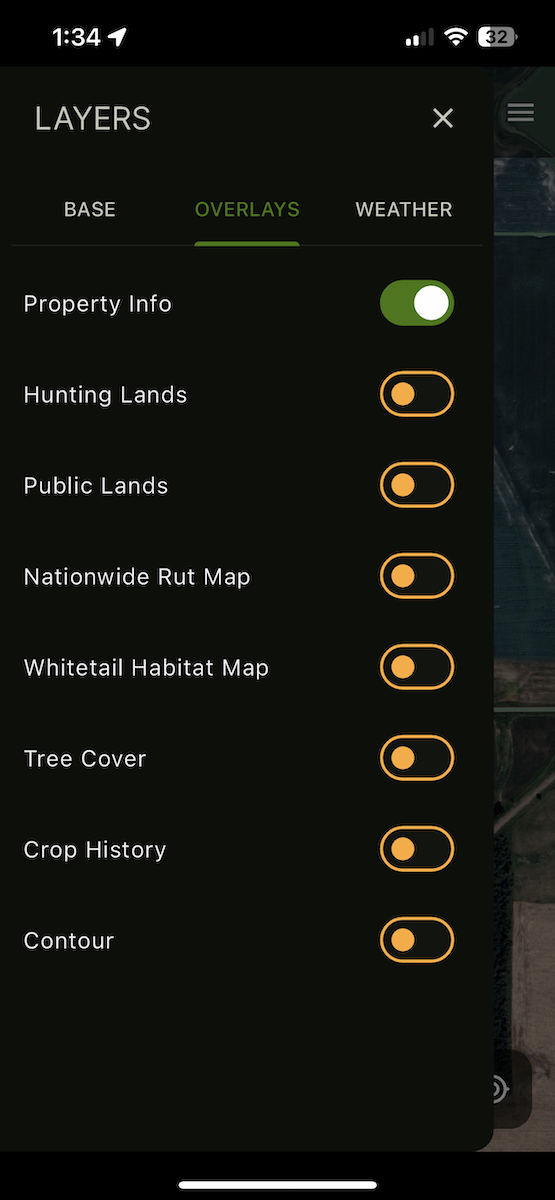
Engage the Property Info overlay so that you don’t wander onto someone else’s property. Then, engage the tracking feature before you begin searching for sheds. It will help you to see what you’ve covered and areas you missed.
Use HuntStand’s Property Info
When shed hunting, it’s easy to wander. Be sure to keep HuntStand’s Property Info overlay handy. Whether you’re shed hunting on your land or public land, the last thing you want to do is wander out of bounds and onto private land that you don’t have permission to be on.
HuntStand ambassador, Darron McDougal, once spotted a big mule deer shed just across the fence on private land while shed hunting with his wife on public land. Property Info allowed them to identify the landowner, and then McDougal looked up the landowner’s phone number and called him. After explaining the situation, the landowner granted him permission to cross the fence and get the antler. It pays to have the Property Info overlay.
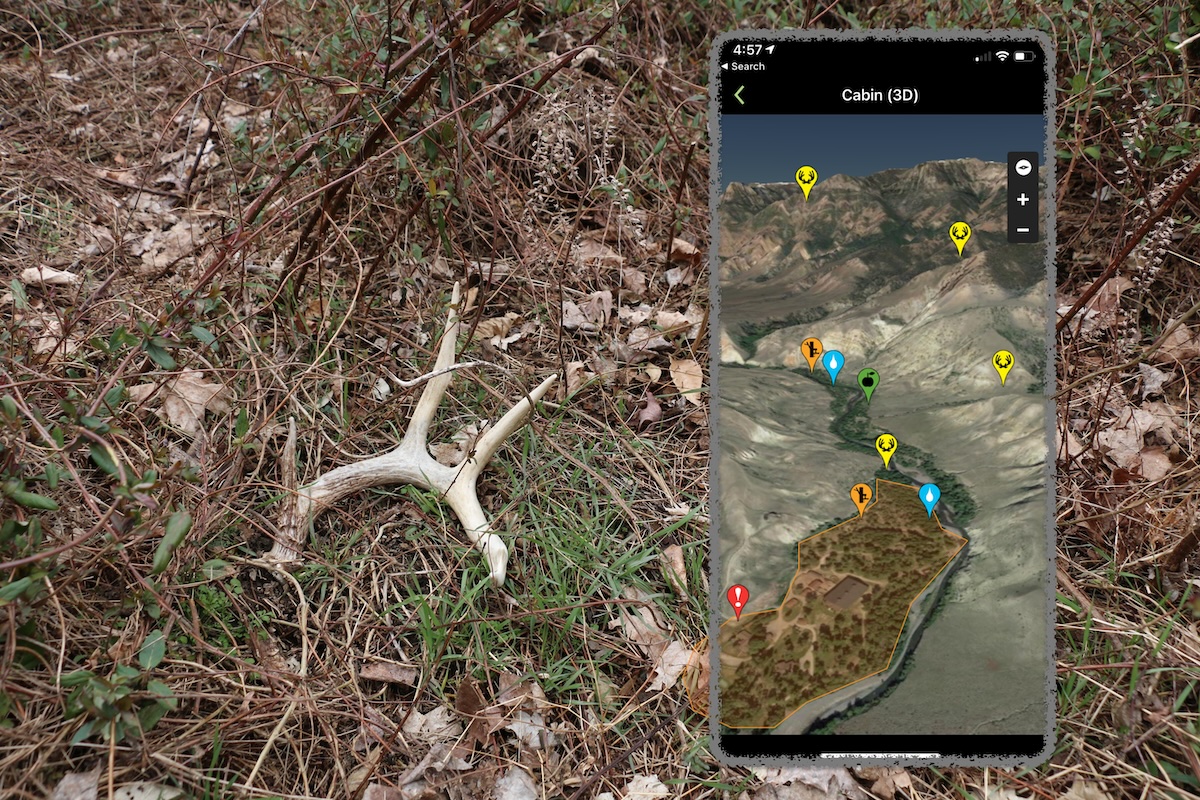
While shed hunting, you’re liable to see some incredible things and learn a lot about the area.
Drop HuntStand Markers and Enable Tracking
While it’s easy to get caught up in the antler-locating part of shed hunting, don’t forget how invaluable time afield during the spring can be for planning your next hunting season. Oftentimes, you’ll see rut leftovers such as rubs and scrapes. You’ll likely find beat-down trails, big trail intersections, saddles, funnels, hard- and soft-mast trees, and other details that can make a difference next hunting season.
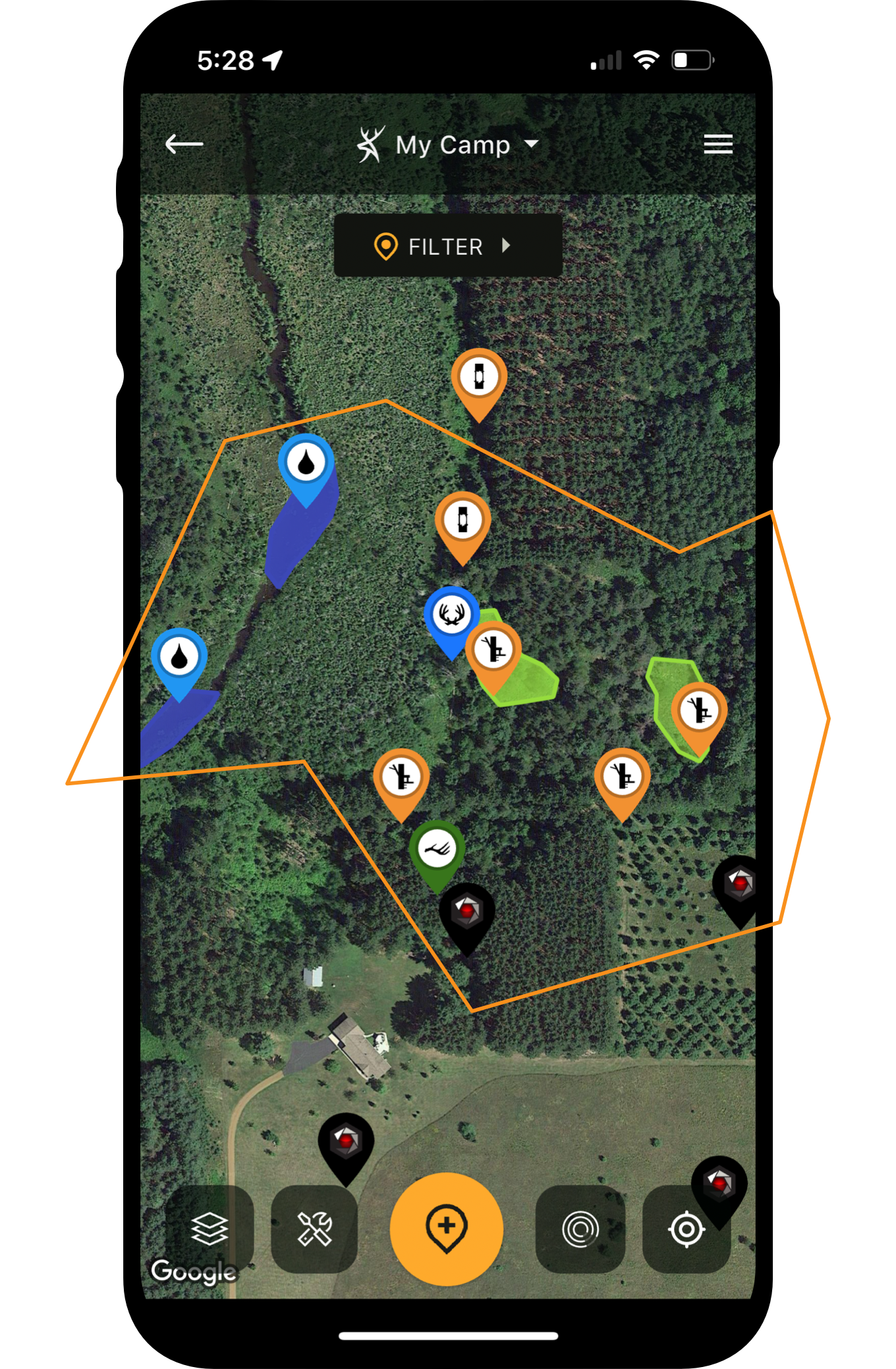
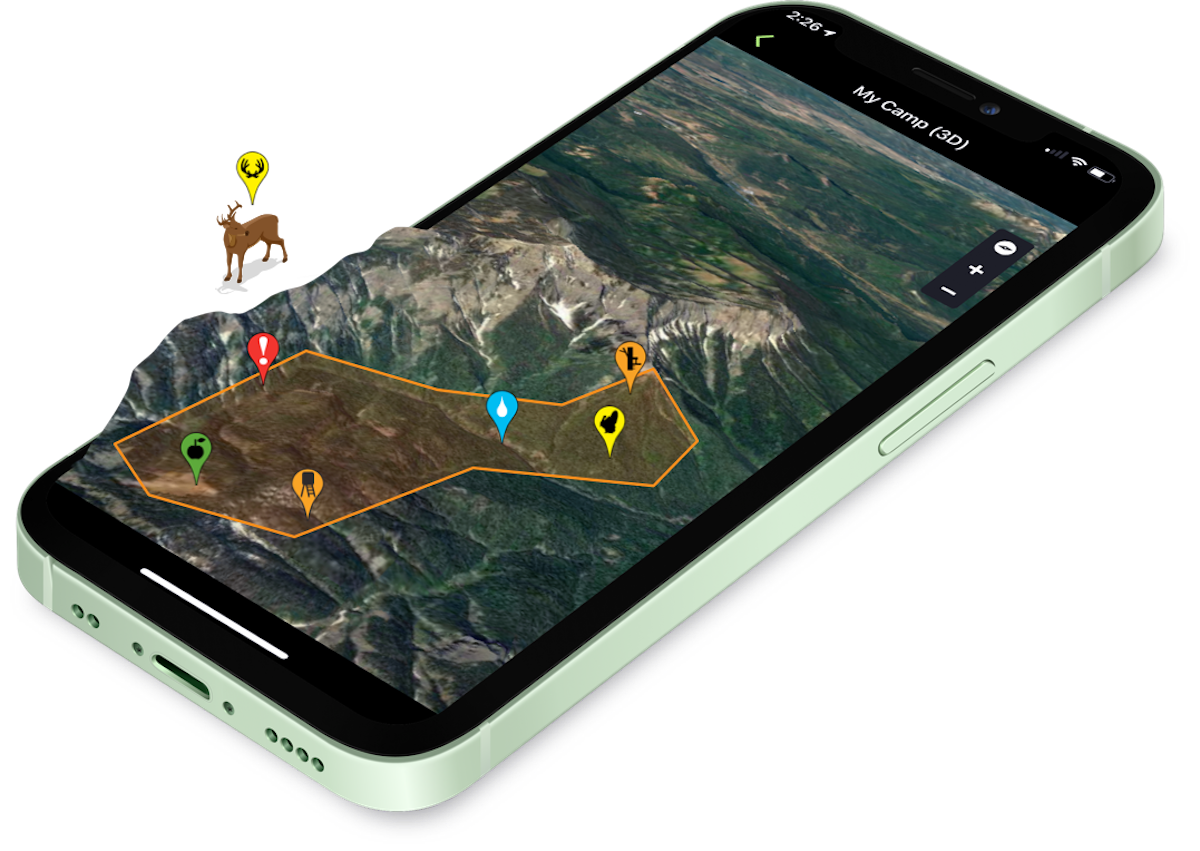
Of course, HuntStand Ultimate offers many different markers. So, rather than commit the sign and land features to memory, build out a Hunt Area in the app with the markers so that you don’t forget important details, including exact coordinates to your shed grabs.
Another important step to shed hunting with HuntStand is enabling the tracking feature. No matter how well you think you’ve covered a property, there’s always a little chunk that you missed. By tracking your footsteps, you’ll be able to see what you’ve covered and what you missed. Sometimes, those little spots you didn’t cover quite as well as you thought you did are where you’ll find a shed or two.
Deer Hunting Challenges to Overcome This Season
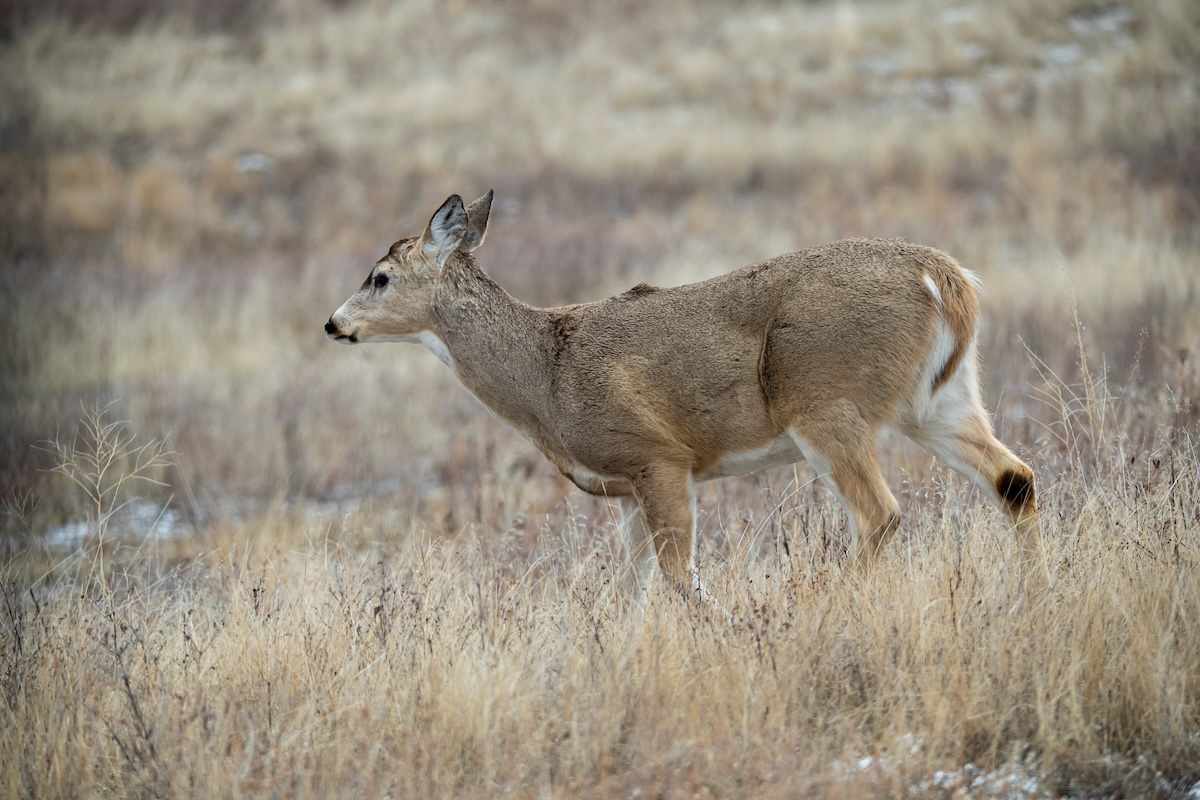
Avoid pressuring deer at a time when they’re already stressed out from the past hunting seasons, rut, and now inclement weather. Use a Stealth Cam cellular camera to monitor bucks where they’re congregating so that you can track shedding progress.
Shed Hunting Conclusion
While a prestigious shed selfie is what a lot of folks are after when they head afield during shed-hunting season, this is an informative time to be afield when you can afford to bump deer in order to learn a lot about the property that you hunt and the deer that inhabit it. Yes, finding sheds is cool, but don’t get too caught up in the competition side of it.
Remember that the whole point of this is to learn and become a better and more effective deer hunter. In fact, this spring’s shed outings could help you piece together the puzzle on a big buck that has been eluding your bullets and broadheads for a few seasons.
Finally, rather than heading afield and pushing deer around before they’ve even cast their antlers, monitor your hunting area(s) with Stealth Cam cellular trail cameras (check the regs if you’re on public land), such as the Revolver Pro 360, Deceptor Max, or Fusion Max. You’ll start to see bucks with one antler or no antlers, and then you know that the shedding has begun.
Follow these tips to make your shed-hunting program more effective. Even if you don’t find as many sheds as you’d like, you can tighten up your game, learn more, and document your findings all in the user-friendly HuntStand Ultimate app. Happy shed hunting!