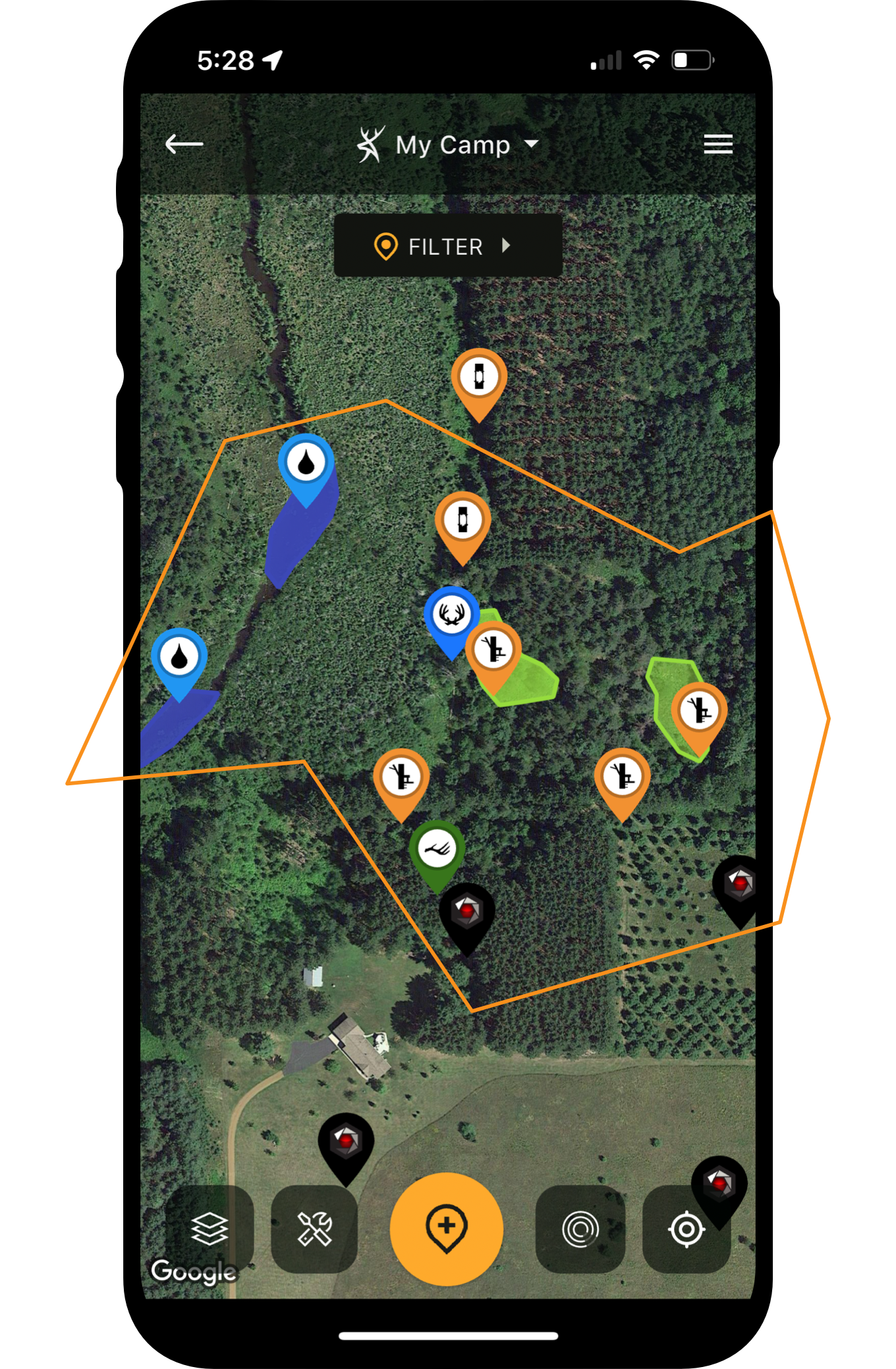





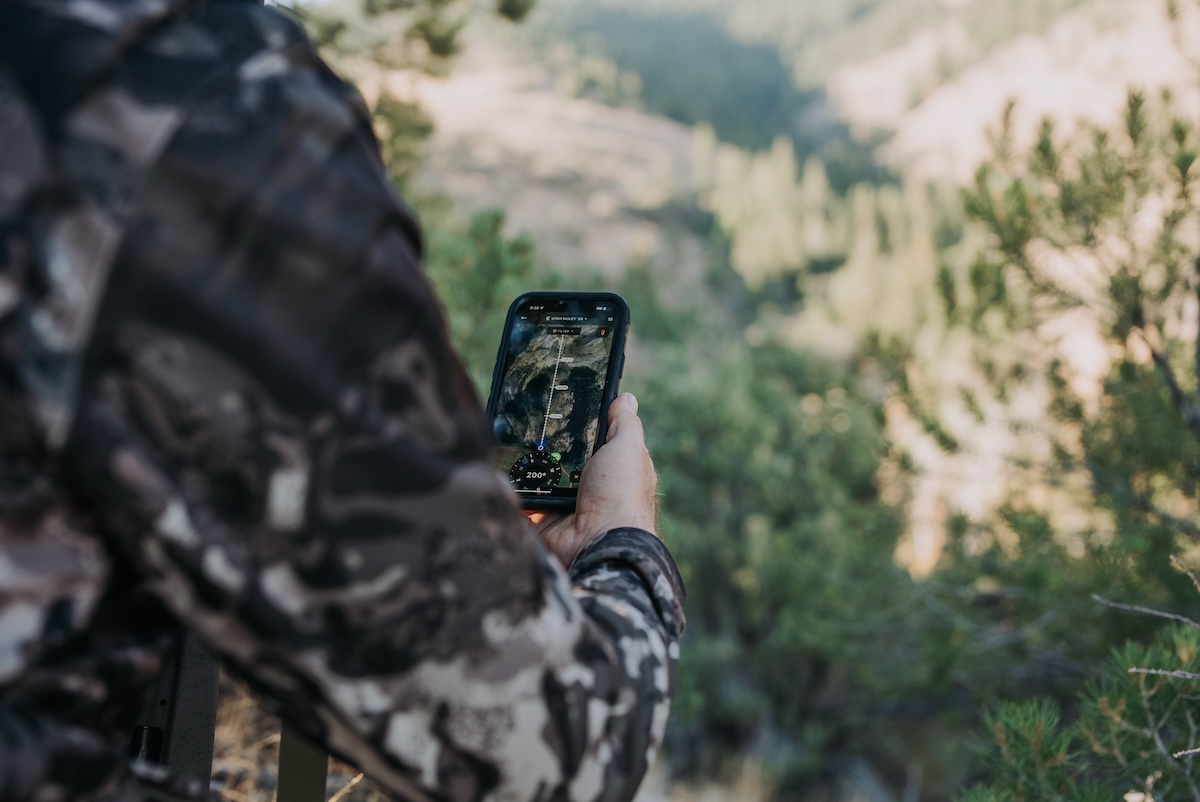

Use your HuntStand app to locate outside-the-whitetail-norm areas and go investigate.
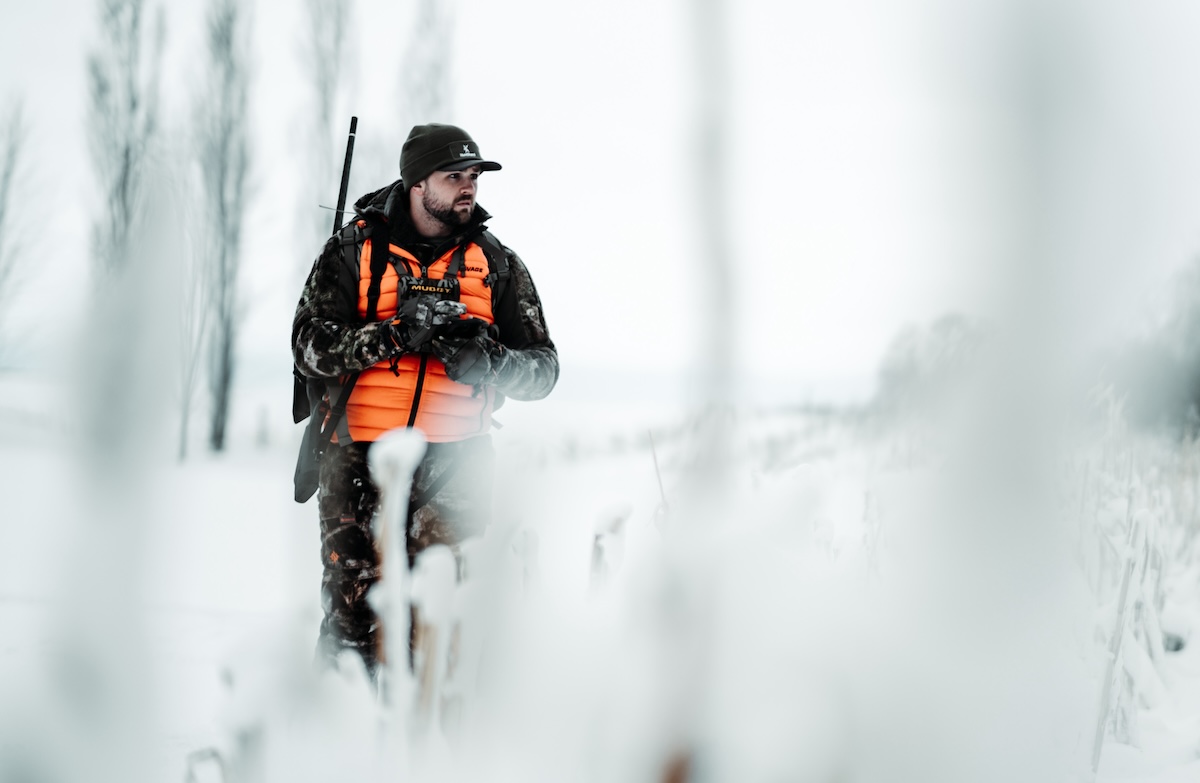
Whitetails can be found in non-traditional whitetail habitats.
What do you think of when you dream of western hunting? Elk? Mule deer? Pronghorn? I get it. I’ve lived in the West for all my 44 years and love it. The various game species and diversified habitats, many of which drop the jaw with their awe-inspiring beauty, make this region of the country remarkable.
There was a time when the thought, or especially the act, of whitetail hunting in the West never occurred to me. Of course, a Grand Canyon State Coues whitetail hunt has always been on the wish list, but aside from that, I wasn’t about to give up time chasing elk or mule deer to pursue whitetails.
Oh, how times change. I last pursued mule deer in my native Colorado in 2013. In 2012, I went on my first whitetail hunt in Illinois. It was a fantastic pursuit, and the second I returned home, I started exploring my western whitetail opportunities. What I discovered is that whitetails abound in the West.
The more research I did, the more excited I got. Not only were whitetail numbers solid throughout the West, but tags were easier to come by due to a heavy hunter focus on mule deer. Thus began my adventure and quest to become an effective western whitetail hunter. The learning curve was steep, but for those willing to put in the time and effort, the West is an excellent locale to chase your whitetail dreams.
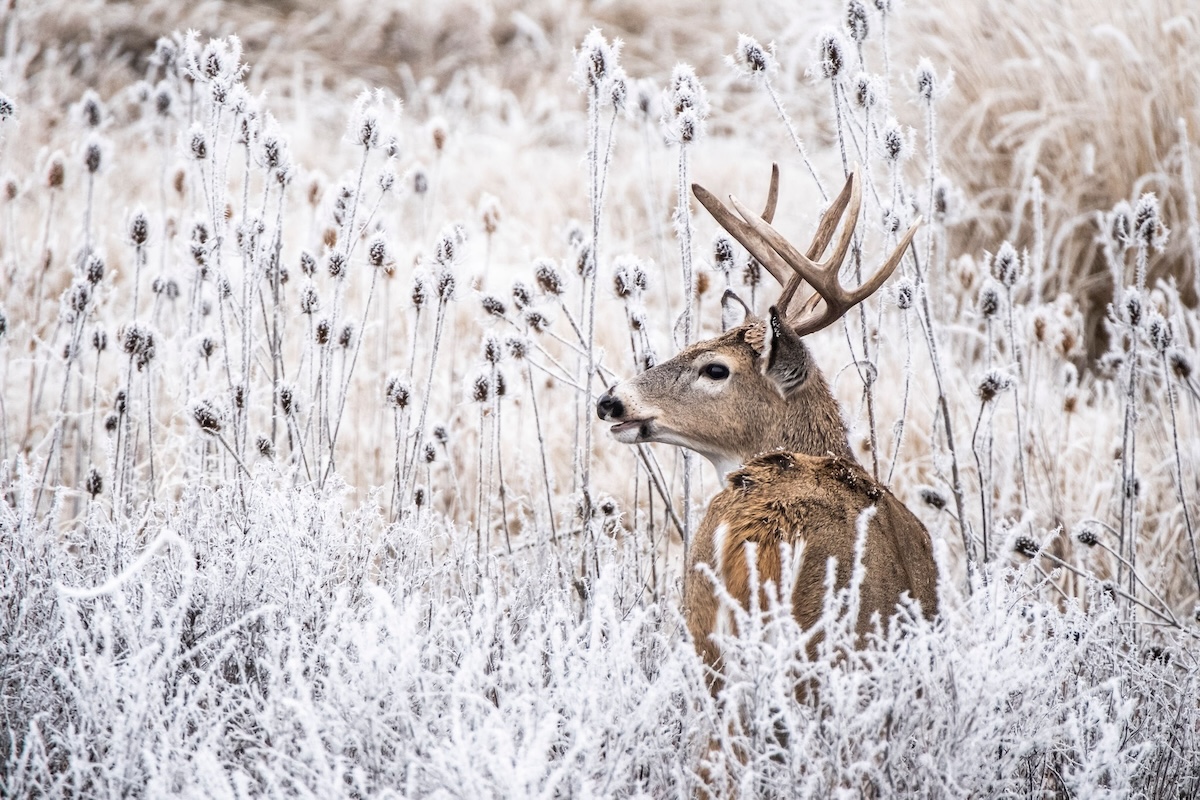
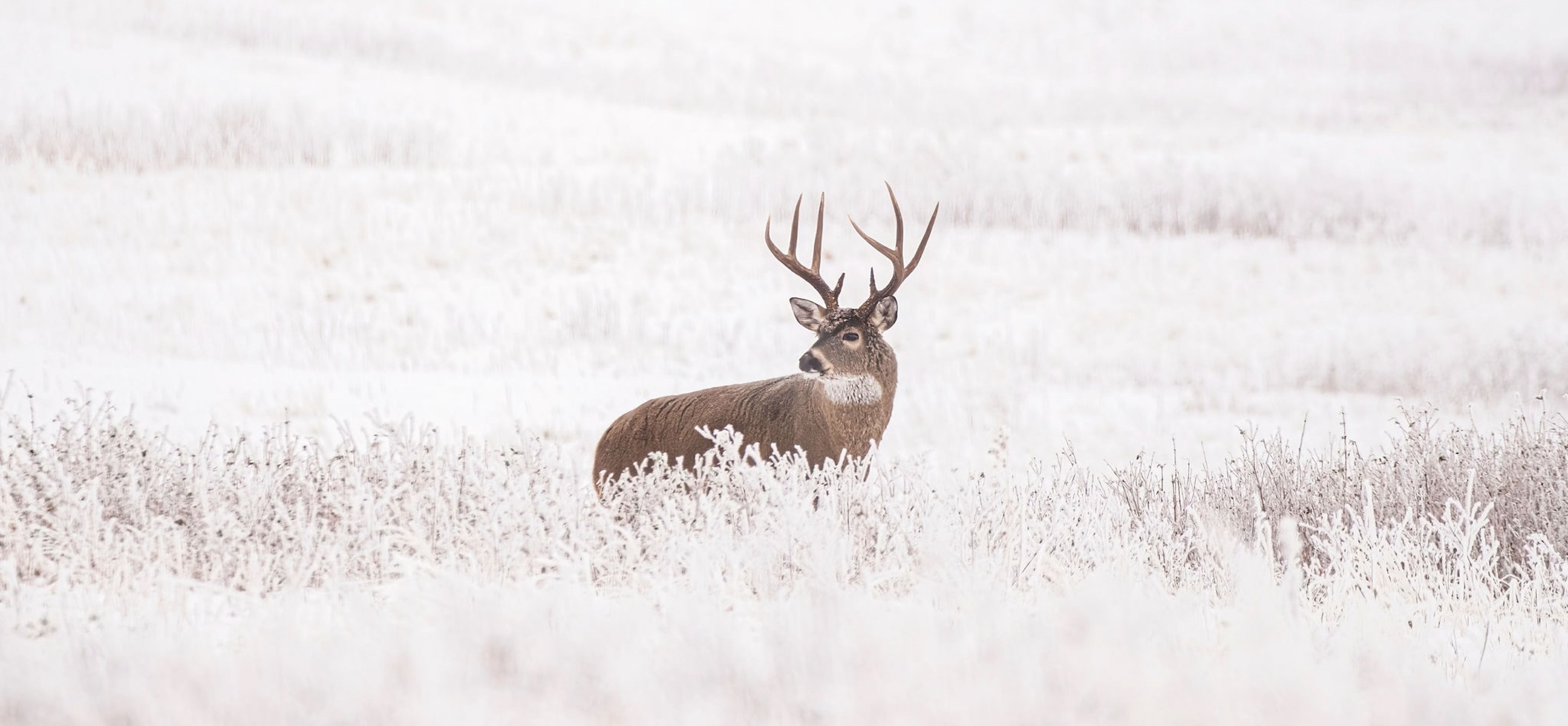
Late in the season, pressured whitetails push into more open prairie-type landscapes.
Late-Season Western Whitetail Hunts to Go On
No one can tell you where your western whitetail journeys should take you, but if you have yet to chase bucks in these four states, you’re missing out.
Montana
Montana has many white-tailed deer and diverse habitats, from Milk River bottoms to lowland mountains to bitterbush hillsides, making it a prime western whitetail destination. As of 2023, the state’s estimated whitetail population was 193,475, and the state has more than 30 million acres of public land. Tags are liberal. Do your research and make a Montana plan.
Idaho
Though the majority of Idaho’s whitetail population is north of the Salmon River, the species does well along riparian habitats in the central and southern parts of the state. Counties in the north like Clearwater and Nez Perce, are excellent jumping-off points. Tags are easy to come by, and the Gem State’s most recent whitetail population estimate is near 227,000.
Colorado
A sleeper whitetail state known for big mule deer and North America’s largest elk herd, the Centennial State flies under the whitetail radar. Though public access can be difficult, several National Grassland areas and Walk-In Access locales across the state’s eastern region (from north to south) hold generous numbers of whitetails. Whitetail-only tags are available in regions with solid populations, meaning tags are easy to draw.
Arizona
Coues deer are impressive little whitetails, and Arizona has many of them. The state’s current estimated population is around 94,000, and though tags aren’t as easy to come by as they once were, if you do your research, learn the draw system, and know when to buy OTC tags, you might hunt Coues deer in Arizona with little to no wait.
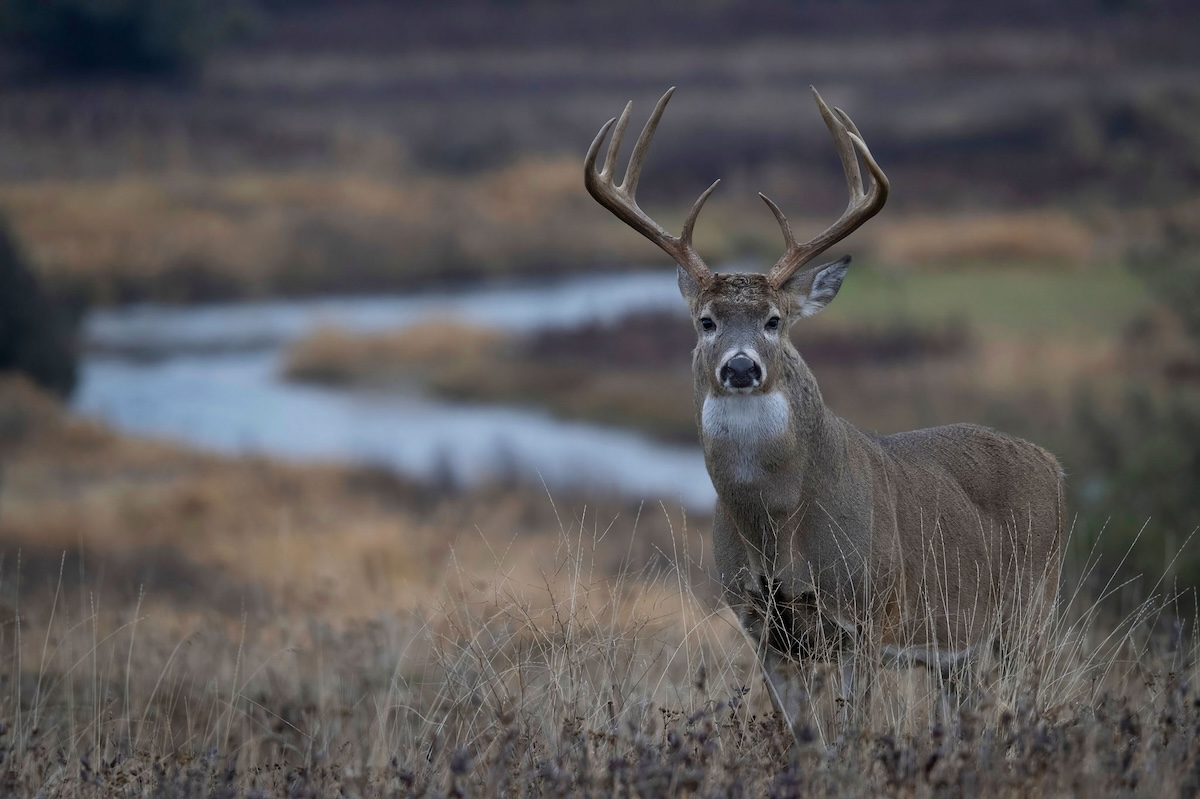
Waterways tend to create excellent deer habitat.
Late-Season Western Whitetail Habitat Types to Know
Whitetails adapt remarkably well. They not only find a way to thrive in various habitats but also these deer can withstand remarkable temperature swings. Wherever your western whitetail boots take you, the to-come locations are excellent places to turn up a shooter buck.
Key Waterways
Rivers, creeks, and canals cut the West. Whitetails love waterways. Many waterways are near agriculture, another whitetail favorite, and most have adequate cover. Whitetails love cottonwood timbered bottoms rich with tall grasses, willows, tamarisk, and other vegetation. Focus on riparian habitats when you travel westward.
CRP, Open Prairie, and Sage Flats
Remember, whitetails adapt. The West is riddled with sagebrush, CRP, and endless rolling prairies dotted with cactus, coulees, and dry creeks. I often find whitetails in these areas, especially during the late season.
Why? Hunting pressure moves deer. Deer will move if significant hunt pressure along agricultural fields, waterways, and other normal whitetail areas is heavy. Pay attention to sagebrush flats, CRP, and open prairie areas. Whitetails are masters of finding cover and food and have no trouble thriving in these habitats.
Cedar-Sprinkled Canyon Country
Nothing screams mule deer like cedar-dappled rocky canyon country. Still, as whitetail populations continue to expand across the West in recent years, whitetails have pushed into core mule deer habitat. Put your glass to work, and you’ll find deer.
The Mountains
Like the prairies and cedar country, whitetails have entered the Rockies. While hunting spring black bears in northern Idaho a couple of years ago, I saw hundreds of white-tailed deer. A local hunter told me he kills a Pope & Young whitetail buck hunting typical elk and mule deer mountain habitat every year.
In 2025, I have whitetail hunts in Wyoming and Montana. Both hunts are in mountainous terrain where permits are easier to draw, deer numbers are lower, and hunt pressure is less. Pay attention to mountain areas when it comes to whitetails.
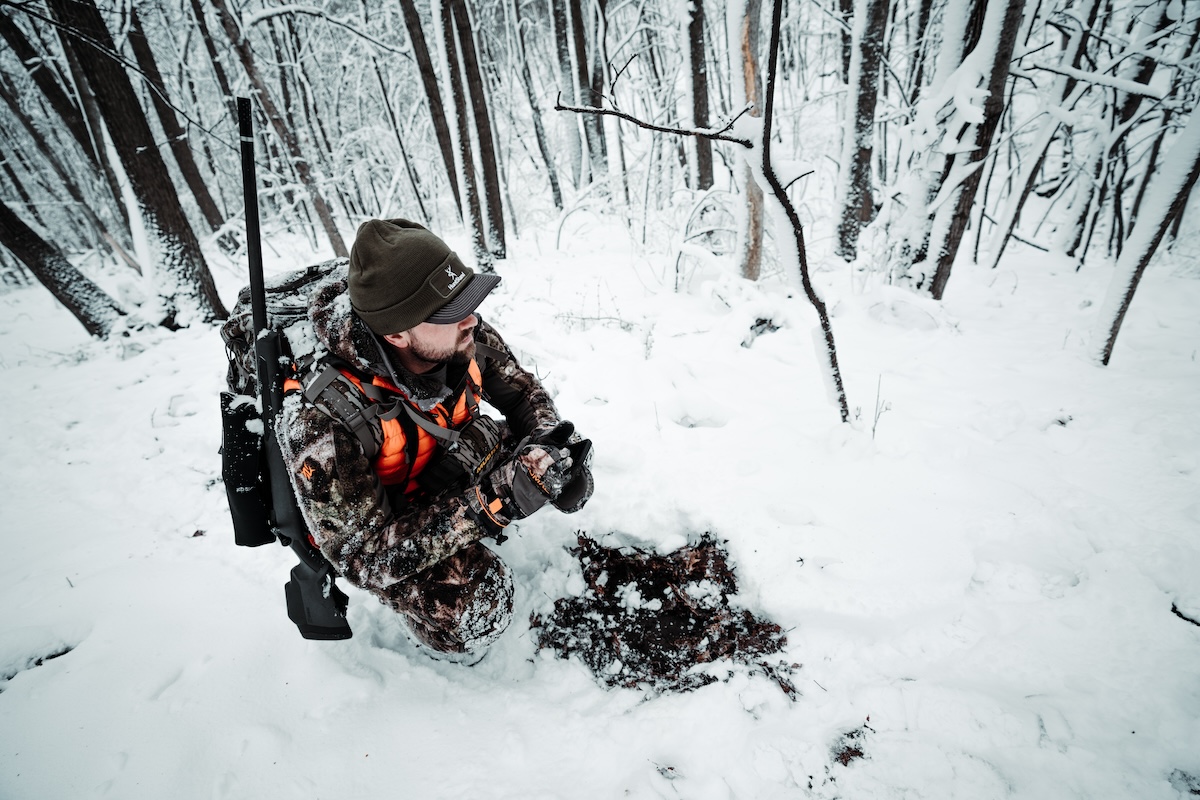
Hunt late-season bucks while spot-and-stalking after glassing.
Finding Late-Season Whitetail Bedding in the West
Food and bedding cover are king regardless of the terrain. The late season is a difficult time for bucks and does. The rut is over, and both sexes are worn down from a month of chasing and breeding. They are biologically expendable, and they need to consume calories.
With food at the forefront, whitetails look to hit the carbs and greens, and the closer food is to a heavy bedding cover, the better.
If hunting along a waterway where ag fields abound, use your HuntStand app and the Monthly Satellite feature to locate the thickest, nastiest cover possible close to bedding. Tamarisk, willows, swamps, and heavily weeded ditch rows make excellent sleeping grounds.
Mountain and canyon bucks tend to dwell on south-facing slopes where snow melts quickly, and grasses are readily available. Focus on open to semi-open south-facing slopes close to heavy timber.
Pin the pockets of the heaviest sage and cactus in sage and prairie habitats on your HuntStand app. Next, locate any dry creeks or coulees that likely held water during the summer and early fall. Often, these areas hold nutrient-rich grasses that are still stained green. Deer know where the best grasses and forbs are, and you should, too.
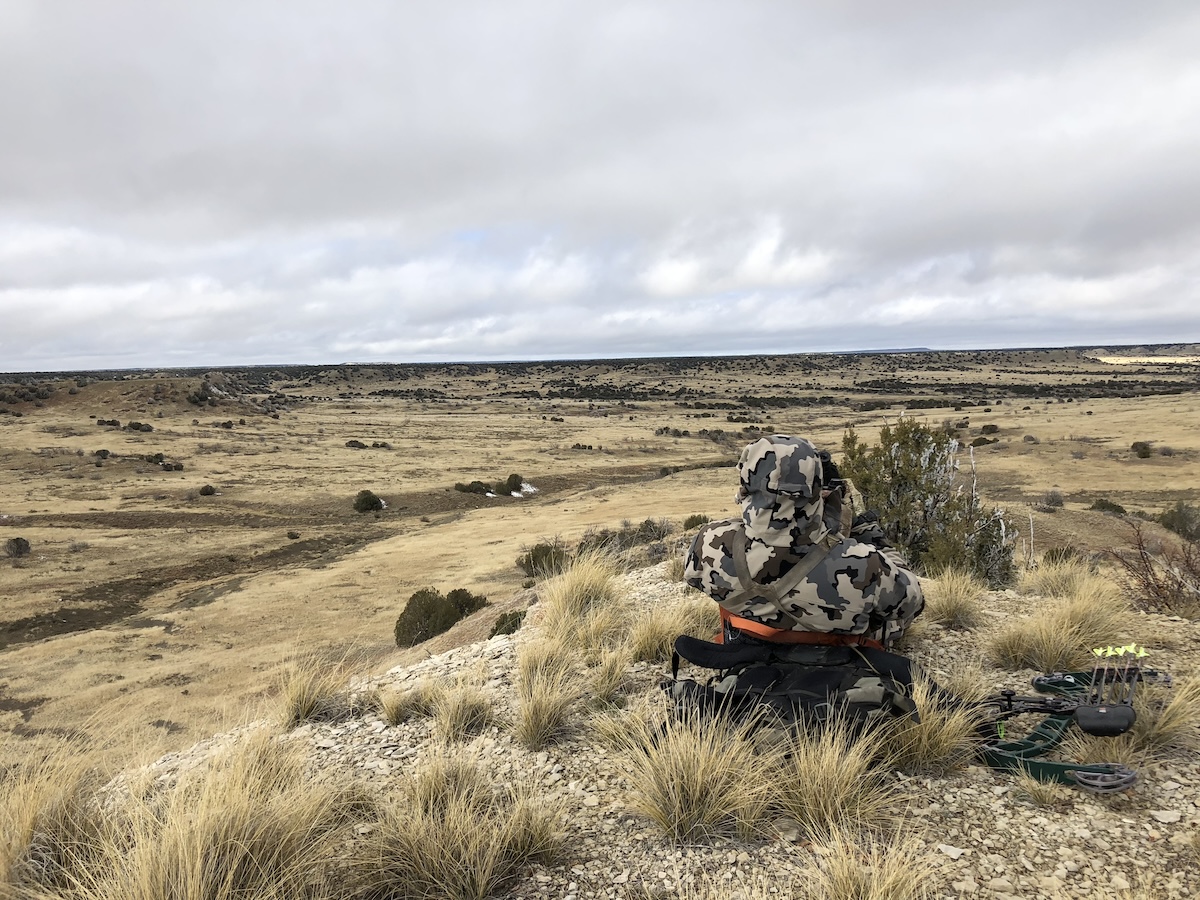
When hunting whitetails in cedar/canyon country, let your optics do the walking.
Finding Late-Season Food Sources in the West
Finding food in the West isn’t rocket science, especially if you’re in an area where agriculture abounds. Kingpin late-season food sources include corn, beans, milo, alfalfa, and winter wheat.
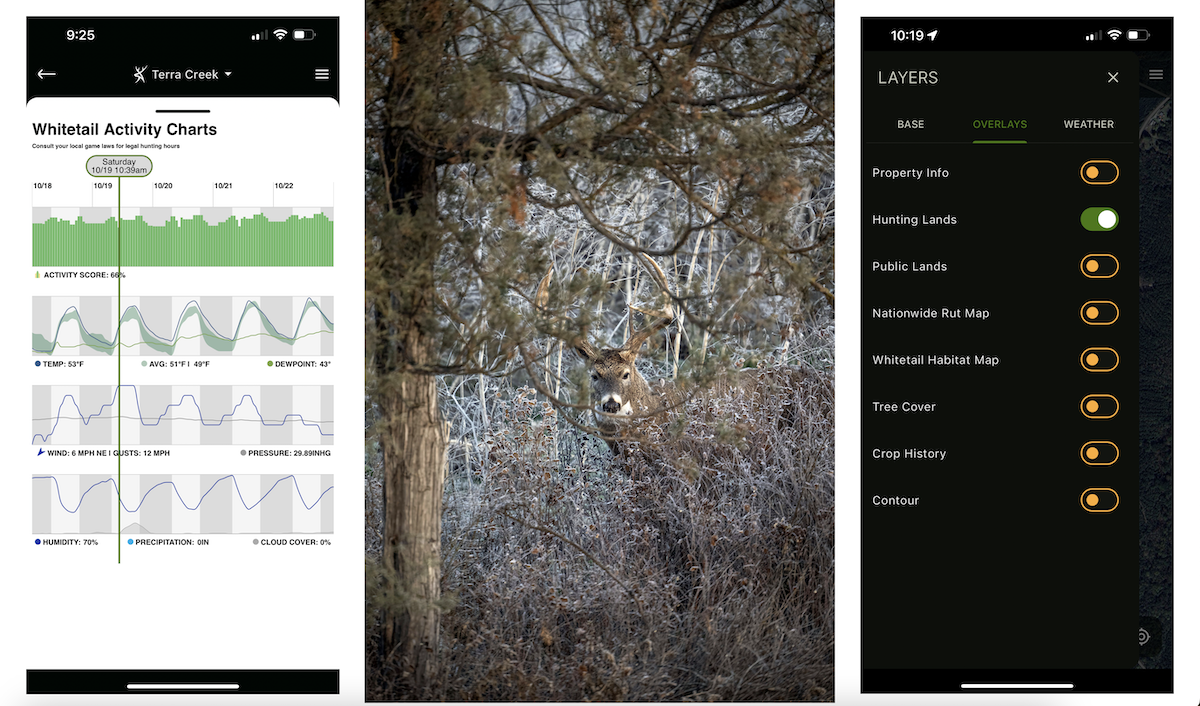
If you’re a whitetail nut, you’ve probably subscribed to HuntStand’s Pro Whitetail package. If not, stop reading this and do so. The information available that WILL help you succeed (regardless of the time of year) is invaluable. One of my go-to late-season resources is the Crop History overlay. With this map overlay, color-coded shading lets you click and identify the crop from the previous year. You can then jump to your updated Monthly Satellite feature and get a good idea of what’s currently planted in the field.
When hunting in less traditional late-season whitetail habitat, I always start by looking at my hunt area in Hybrid Base Map mode. The Hybrid map provides a crystal-clear high-resolution satellite image. In this mode, I discover grass-rich south-facing slopes and areas with excellent natural browse and locate those dry creeks and coulees holding feed.
If you’re not in an agricultural area, forget about planted food sources. Favorite western whitetail deer are quaking aspen, common snowberry, dogwood, grama grass, bearberry, purple three-awn, soapweed, and other short grasses and weeds.
Some late-season bucks are harvested in cornfields and other agricultural openings.
Using HuntStand to Bag a Late-Rut Buck
Hunters favor digital mapping apps because of public/private land boundaries. Knowing where to find public dirt is essential, and HuntStand will tell you. However, if you’re limiting your HuntStand use only to land boundaries and discovering hidden public land honey holes, you’re doing yourself a big disservice.
Take me, for example. My youngest son, Brody, has his first-ever whitetail deer tag. The season dates are December 1-14. My son goes to school, plays basketball, and is limited on time. For this reason, I use HuntStand’s Whitetail Activity forecast to help me know when to strike.
HuntStand’s Whitetail Activity Forecast uses a science-based algorithm to provide peak movement times throughout the day. The forecast model lets you see predicted activity up to 15 days in advance. I also use HuntStand to stay on top of significant weather shifts, wind direction, and more.
The nastier Mother Nature gets, the better late-season whitetail hunting can be. Cold weather works on deer, and bucks and does must get up from their bedding areas earlier and move to food sources to fill their bellies and warm their bodies. Access to current and future weather conditions and wind directions is a huge advantage.
Of course, we’ve already touched on mapping features like Hybrid and Monthly Satellite, but don’t forget about them. Use them in combination with the whitetail activity forecast to tell you when and where to strike.
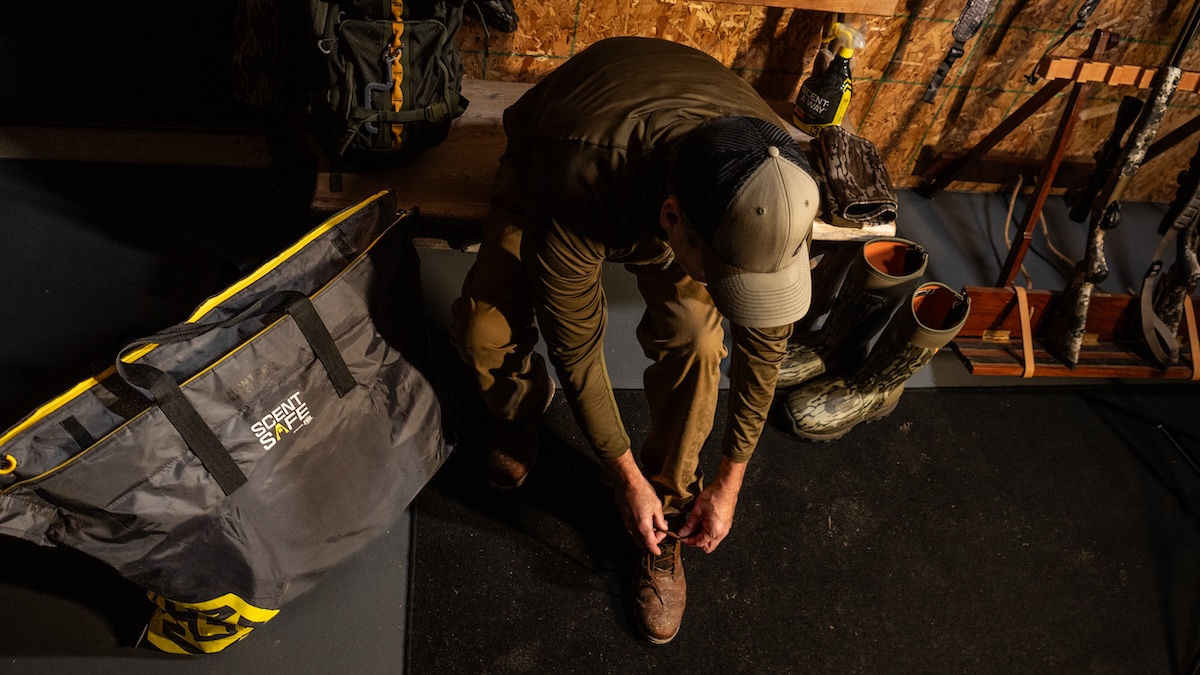
Gear up with warm weather clothing to boost your late-season hunt.
Must-Have Gear for Late-Season Deer Hunting
One of the most critical pieces of the late-season deer hunting puzzle is the gear you choose. Late-season weather conditions can get miserable, and if you get cold and wet, you’ll head for the truck. The key to late-season success is time in the field, and if you have the right gear, you can stay warm, dry, and comfortable no matter how horrid the conditions get. Here are must-have gear-items for late-season deer hunting.
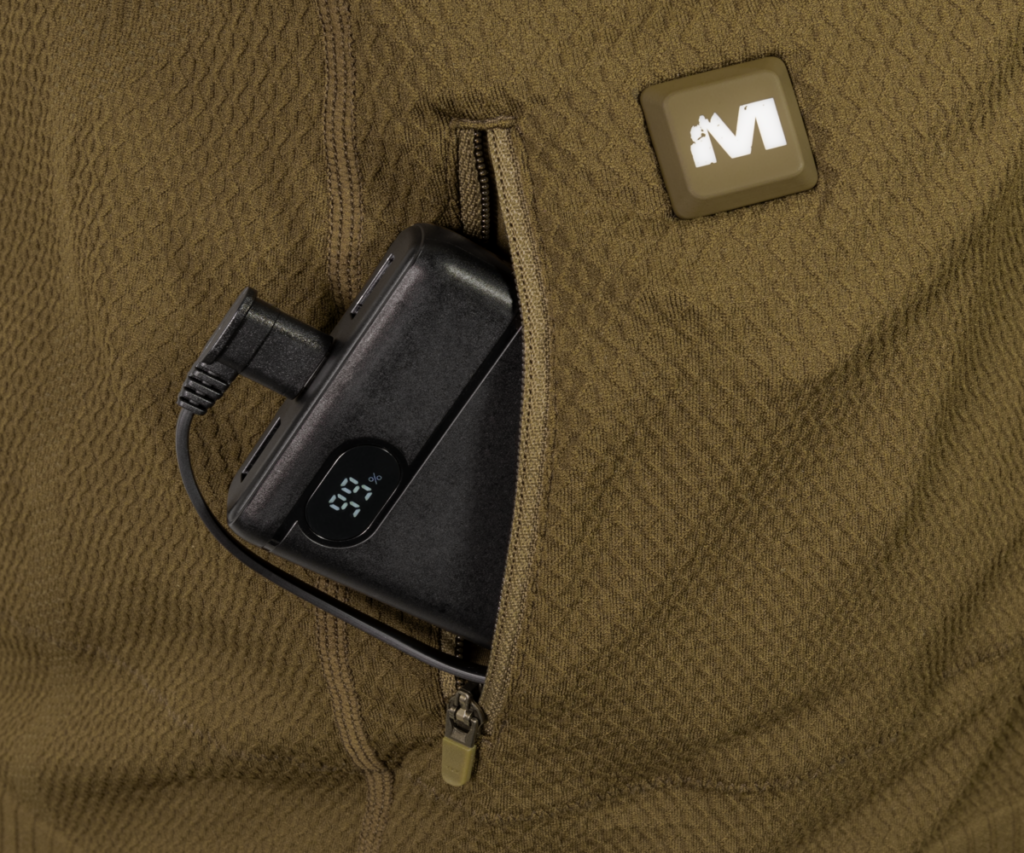
Muddy Nucleus Heated Gear
I’ve extensively tested Muddy’s Nucleus Heated Vest, Quarter Zip, Bottoms, Socks, and Hand Muff, and all will forever be part of my late-season whitetail system. Battery-heated coils in the core areas of each garment provide three user-selectable heat levels (High, Medium, and Low). A glowing color (High-Red, Medium-Green, Low-Blue) Muddy-branded button offers a solid visual for each heat setting. These garments provide exceptional warmth and help keep you comfortable in the field.
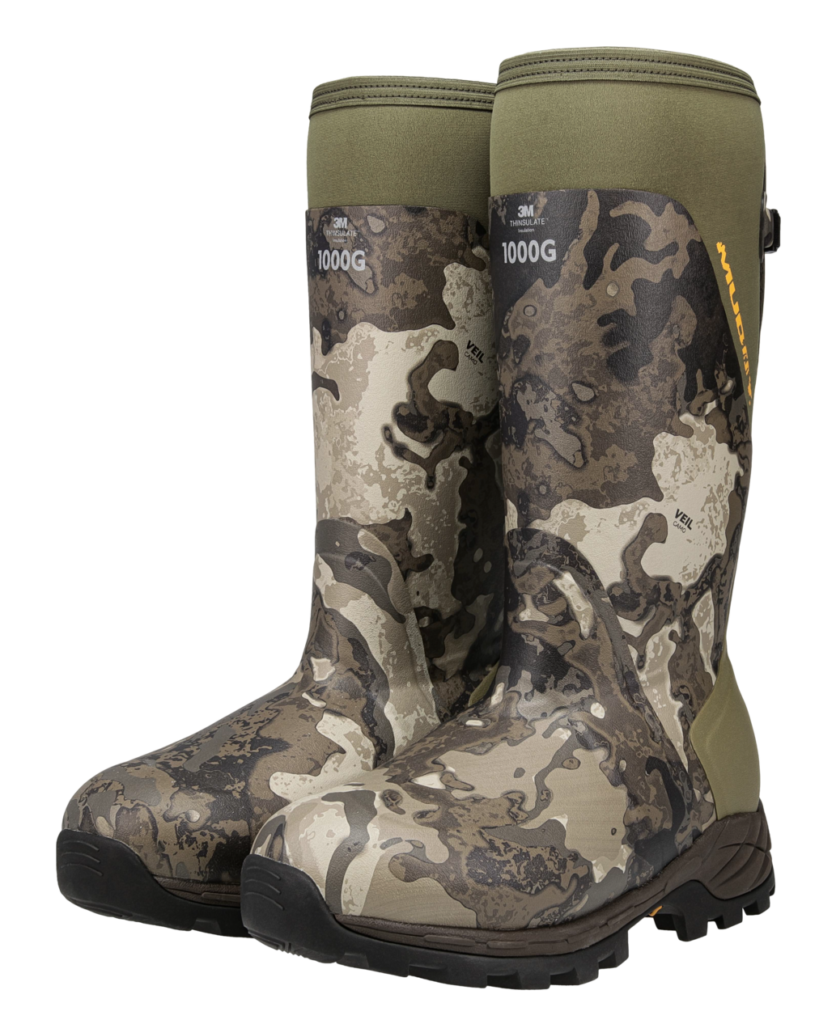
Muddy DV8 17″ Insulated Boot
I had no money for good boots in my teens, but waterfowl hunting was my passion. The result was lots of dead ducks and geese but two nasty cases of frostbite. Today, my feet get cold fast. I pair the Nucleus Heated Socks with Muddy’s all-new DV8 17″ Insulated Boot to combat the cold and keep deer-spooking odors at bay. The boots are warm and comfortable, and the 1000G of 3M Thinsulate Insulation and Nucleus Heated Socks keep my feet toasty. The outsoles increase grip and traction, and the FeatherTech footbed promises shock absorption and maximum comfort. Oh, and the boots are as durable as the day is long.
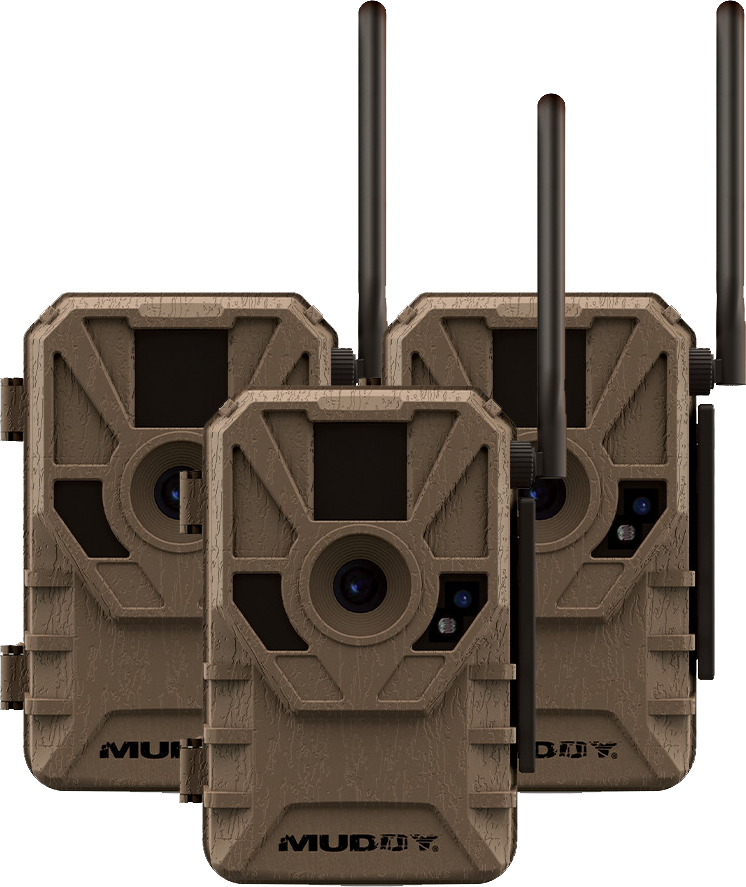
Muddy Manifest 2.0 Cellular Trail Camera 3-Pack
Yes, I’m staying on the Muddy bandwagon. Why? I’ve tested all of the gear I recommend. I don’t want to give you a pile of recommended gear if I have no in-the-field experience to back it up. Muddy’s Manifest 2.0 Cellular Trail Camera 3-Pack is a win. The pack hits a pleasing under $150 price point, pairs seamlessly with the Command App, and captures excellent day and night images. The Quick Scan QR code makes setup a breeze, and you can add an external power jack for a solar battery pack.
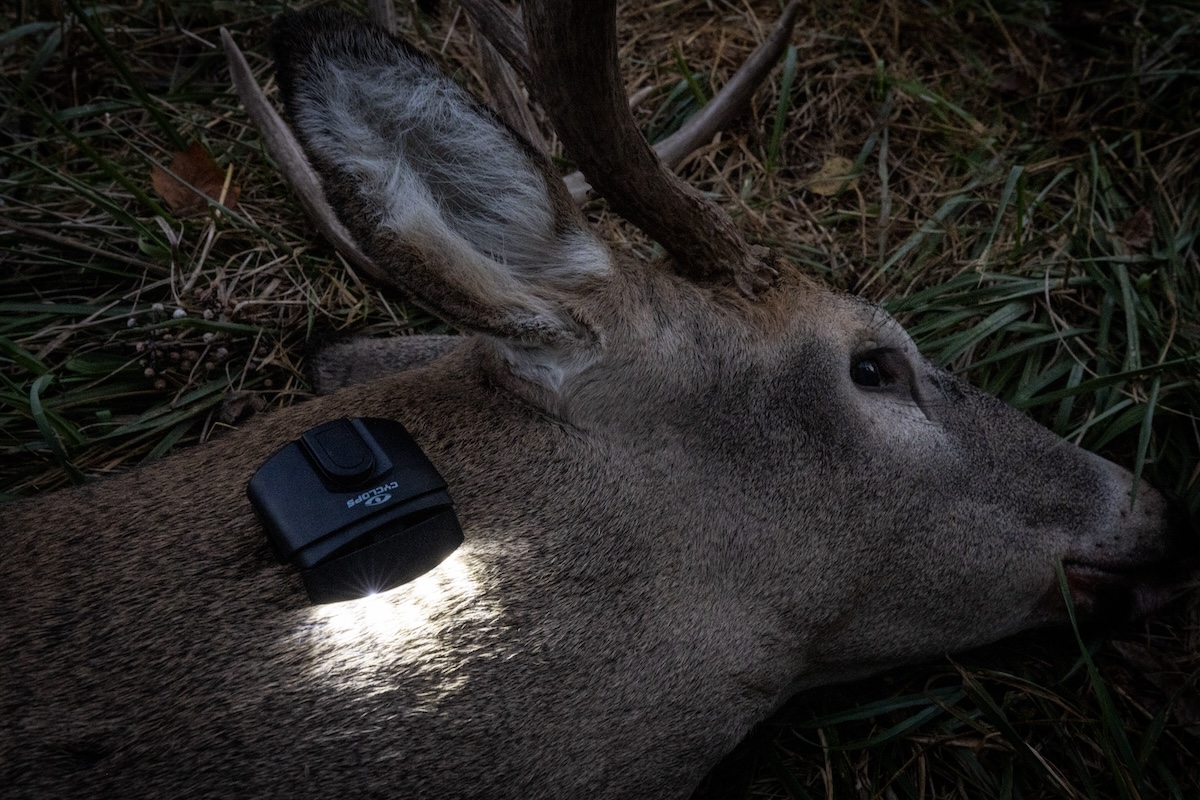
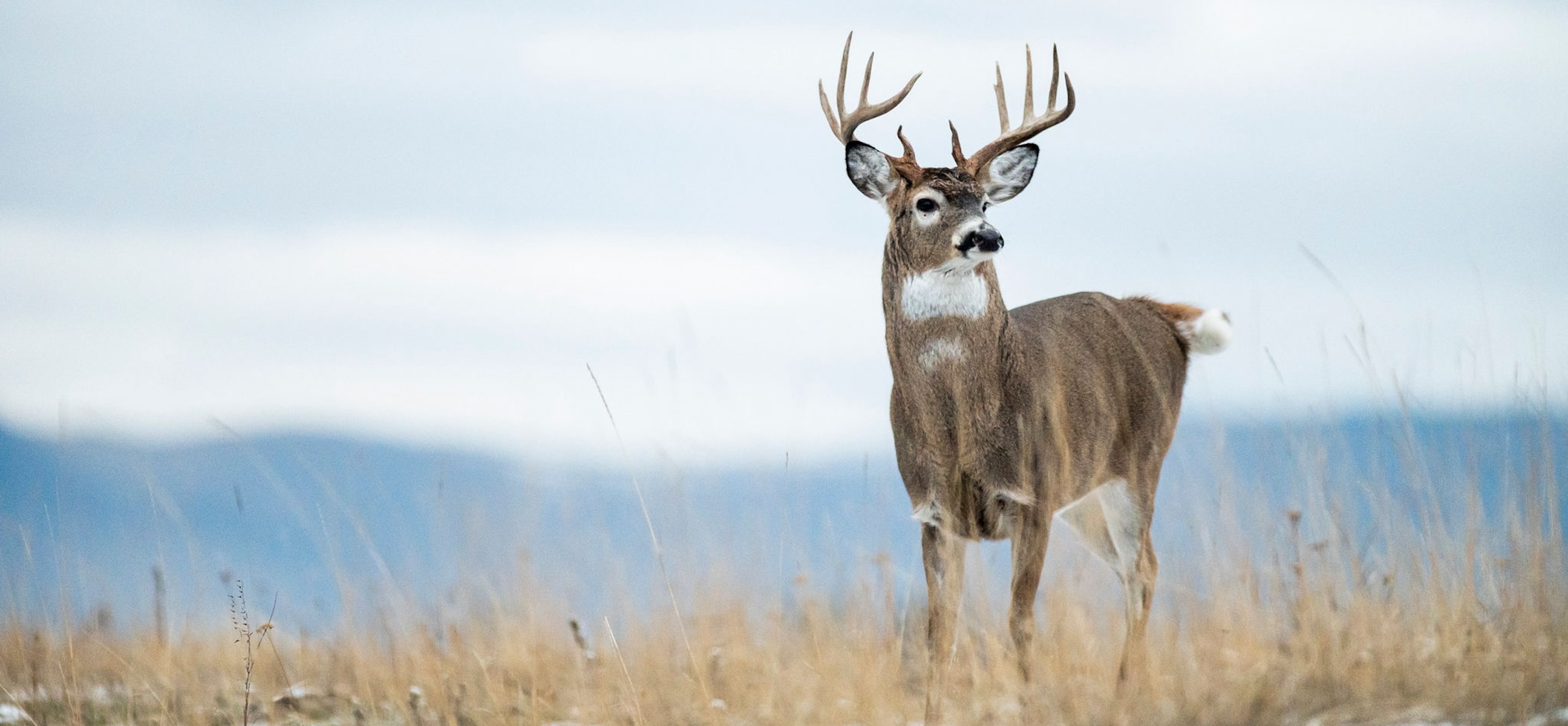
When the snow falls, whitetails go to south-facing hillsides to get warm and find food.
UPGRADE TO HUNTSTAND PRO WHITETAIL