





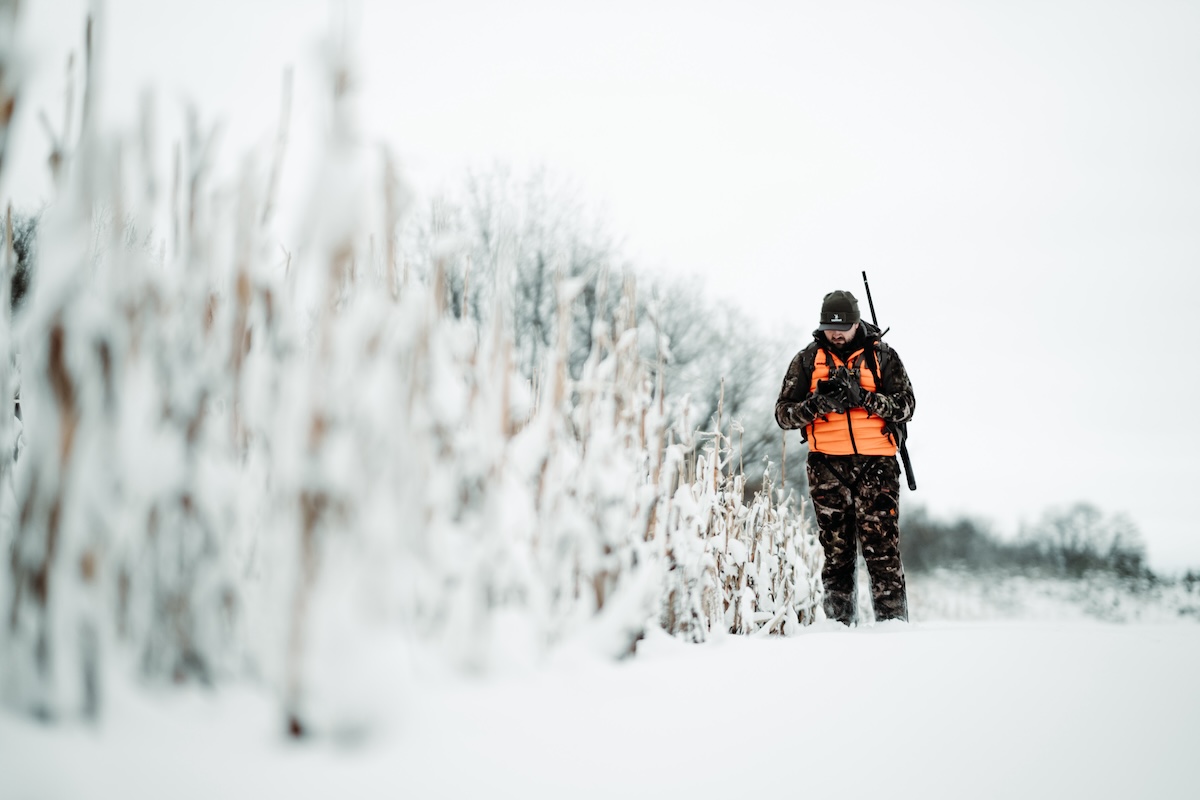

Most hunters focus on the timber because it holds the most deer and has the best treestand trees. However, if you’re willing to hunt on foot, you can lose a lot of the hunting pressure.
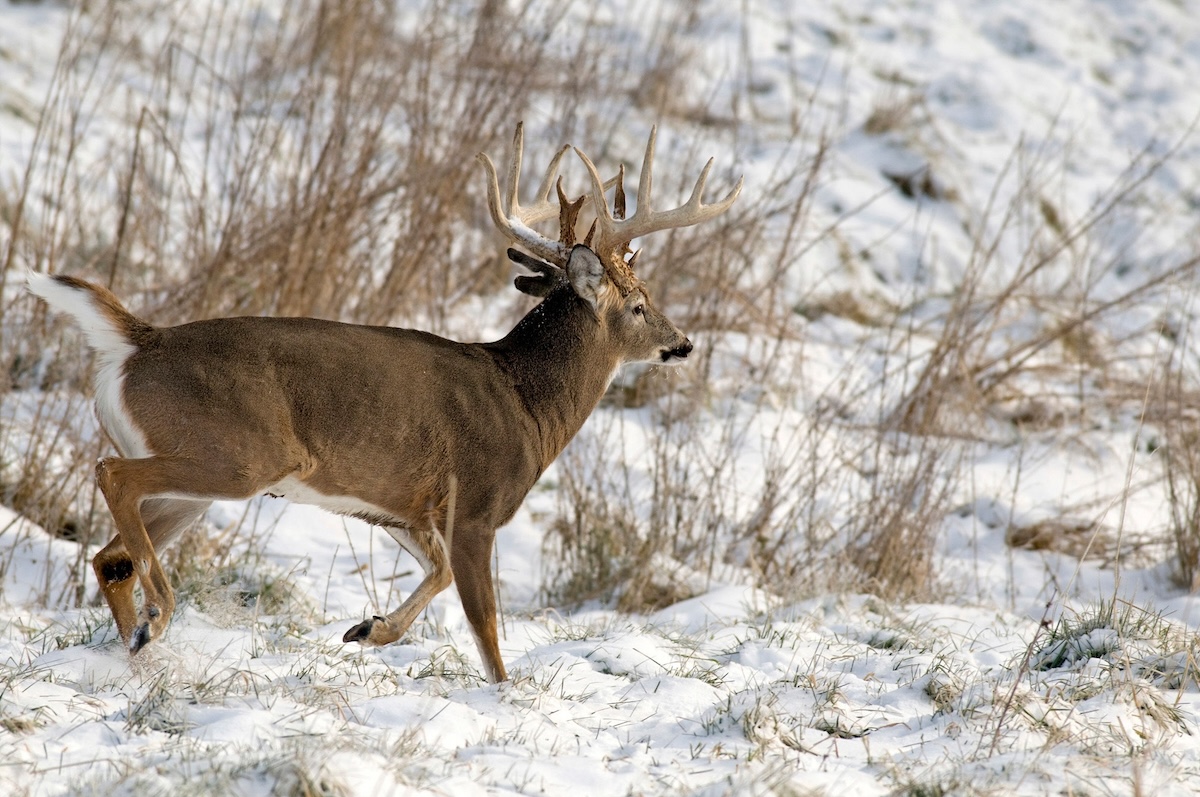
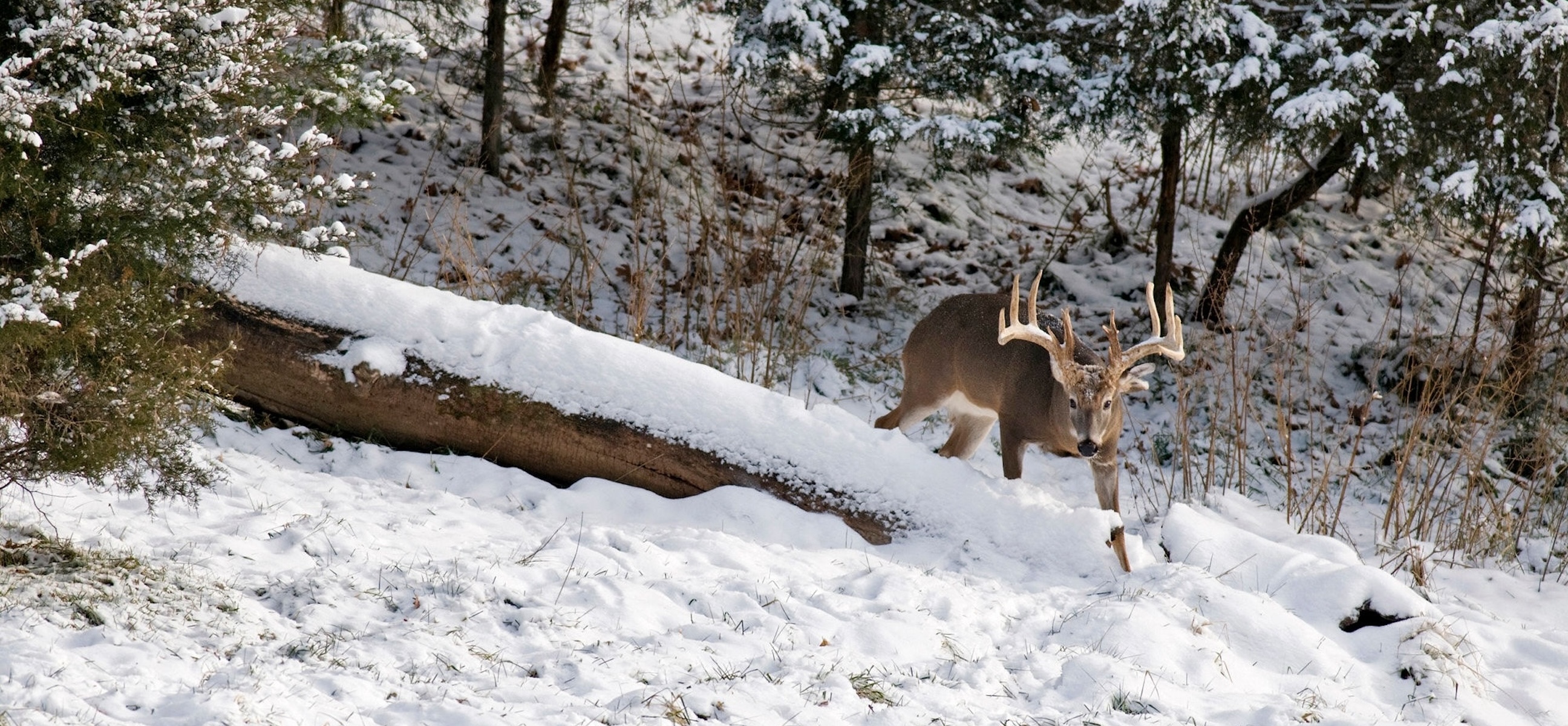
Deer densities are often lower, but the chances for a buck in the older age class could be strong because big bucks often go where they don’t get pestered.
One of the most popular trends in whitetail hunting is public-land hunting. In fact, “public” and “land” are buzzwords that decorate magazine pages, YouTube video titles and thumbnails, and many deer hunting conversations. Conventionally, hunting on public land was what blue-collar folks did because it was all they had. Today, public-land hunting is so popular that even folks who own or lease private land are striking out onto public soil because it’s the “in” thing to do.
Dozens of YouTubers, influencers, and writers have done, and continue to do, a great job of showing everyday hunters that you don’t need your own land and big farm equipment to hunt big bucks. Big bucks can be had on public land with some planning and hard work. The downside to all of the publicity is that public lands now seem to be busier than ever, and that includes public lands in states that previously saw minimal hunting pressure.
In some ways, the good old days of public-land hunting are over. The cat is out of the bag, and there really aren’t any “secret spot” parcels that no one knows about or hunts. If a few hunters shoot big bucks on a parcel, word of it spreads like wildfire, and then other hunters flock there and hunt the tar out of it.
Before you go get a second full-time job in order to afford your own hunting land, there is a way to consistently find mature public-land bucks where few other hunters go. To clarify, we aren’t saying that there are public parcels that nobody hunts. There are, however, locations within many public parcels that are overlooked.
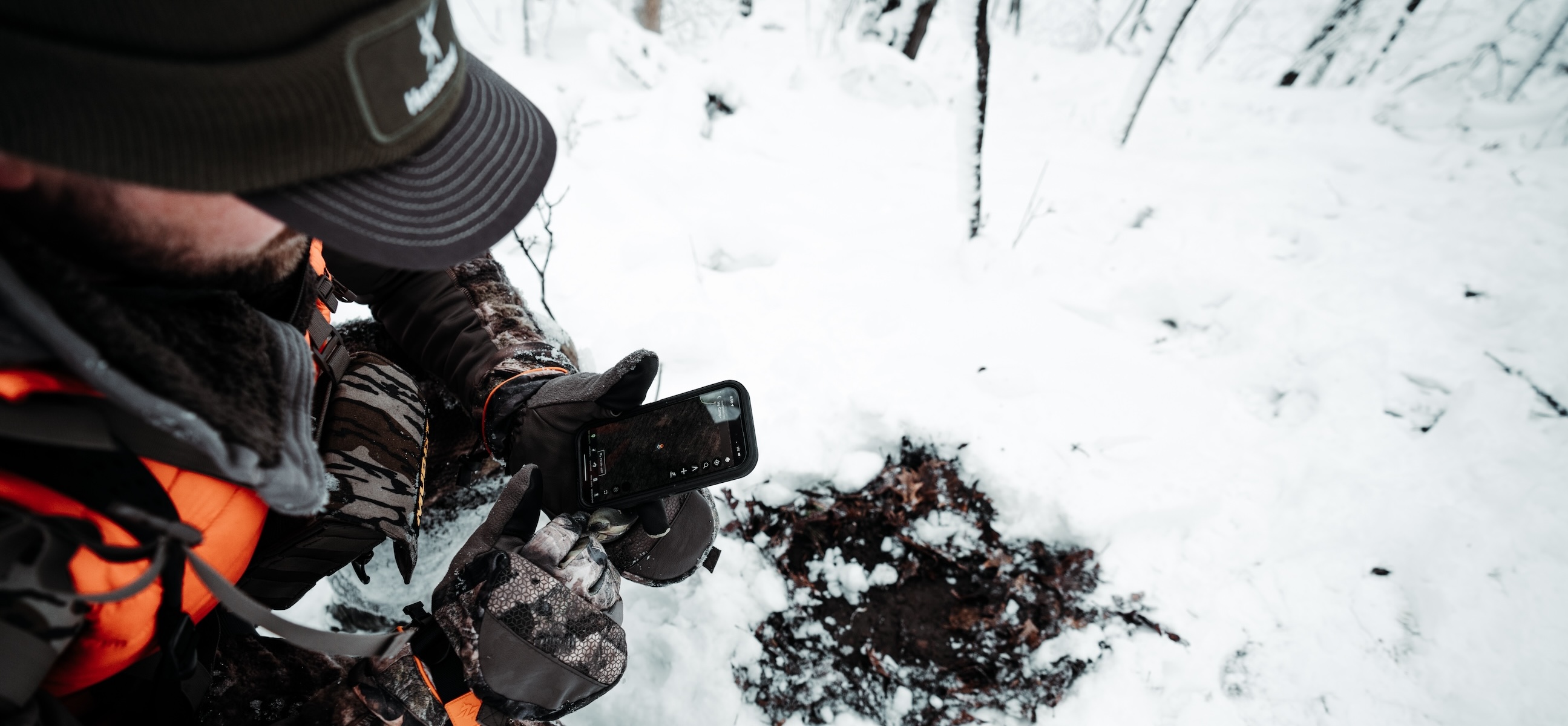
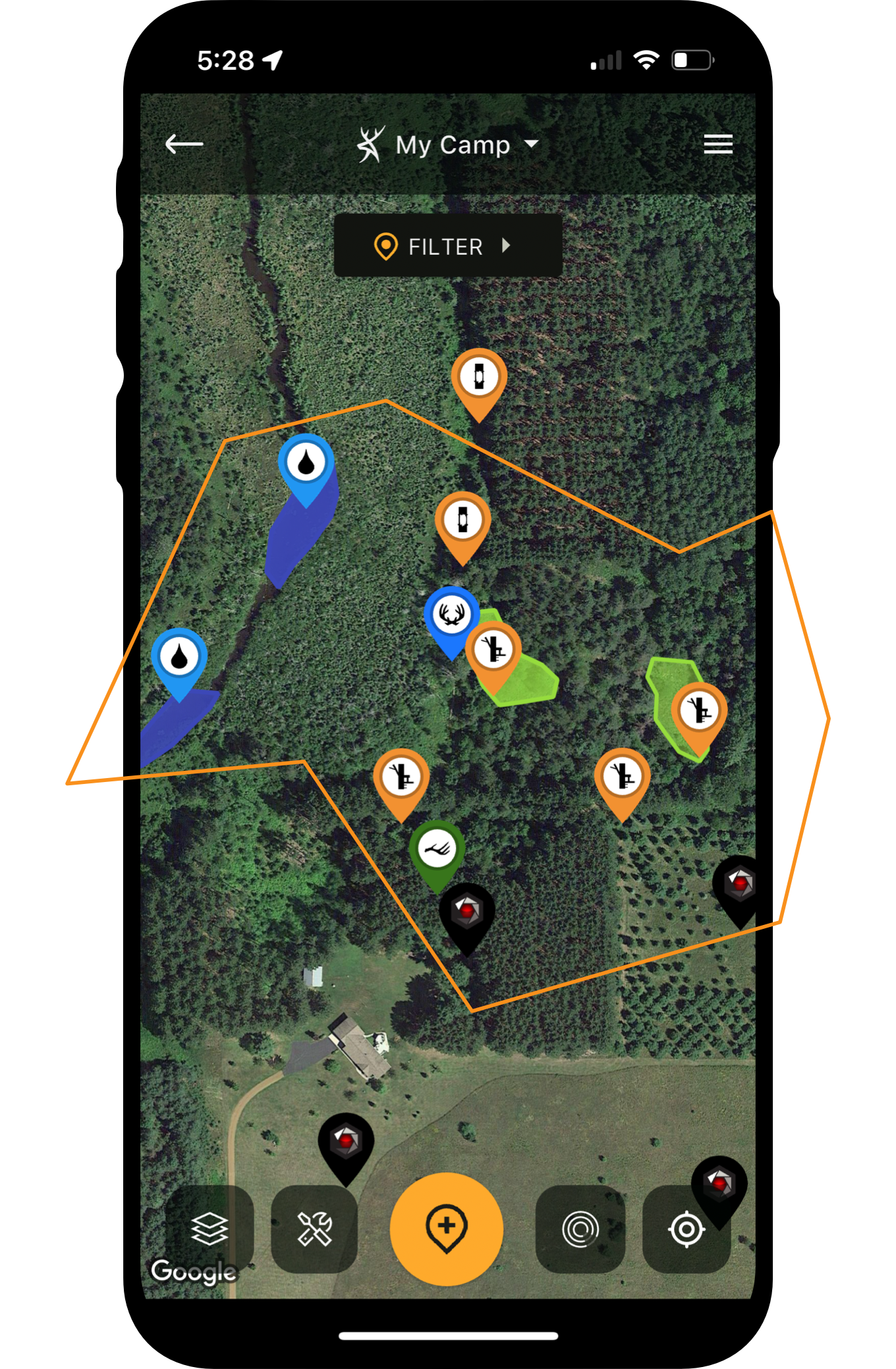
So, if all you have is public land, but you want to hunt mature bucks, consider using HuntStand Pro Whitetail to navigate to the less popular reaches of the public land you hunt. You might just find some big public-land bucks that no one else is hunting.
A lot of hunters misunderstand that you must get way off the roads.
Deer Hunting on Public Land
Before we discuss specific locations, let’s get some up-front business squared away. Big buck hunting on public land has many nuances. Let’s go over several. Everyone has their own idea of the term “big buck.” So, there’s that. Also, in order to hunt a big buck, the area you hunt must hold them. In other words, don’t expect to routinely hunt big bucks in parts of Pennsylvania where hunters raid the 1 1/2-year-old-buck pool, or Florida, where very few truly “big” bucks roam. Finally, it’s possible that every corner of the parcel you hunt is well-covered by hunters and that it has no isolated pockets of little to no pressure, even in the locations we’ll discuss. If that’s true, look for a different parcel before applying the following paragraphs.
That being said, many public-land parcels have spots that people focus on and spots that they do not. Those overlooked areas often hold a mature buck or two. Following are some places to seek out that which most other hunters overlook.
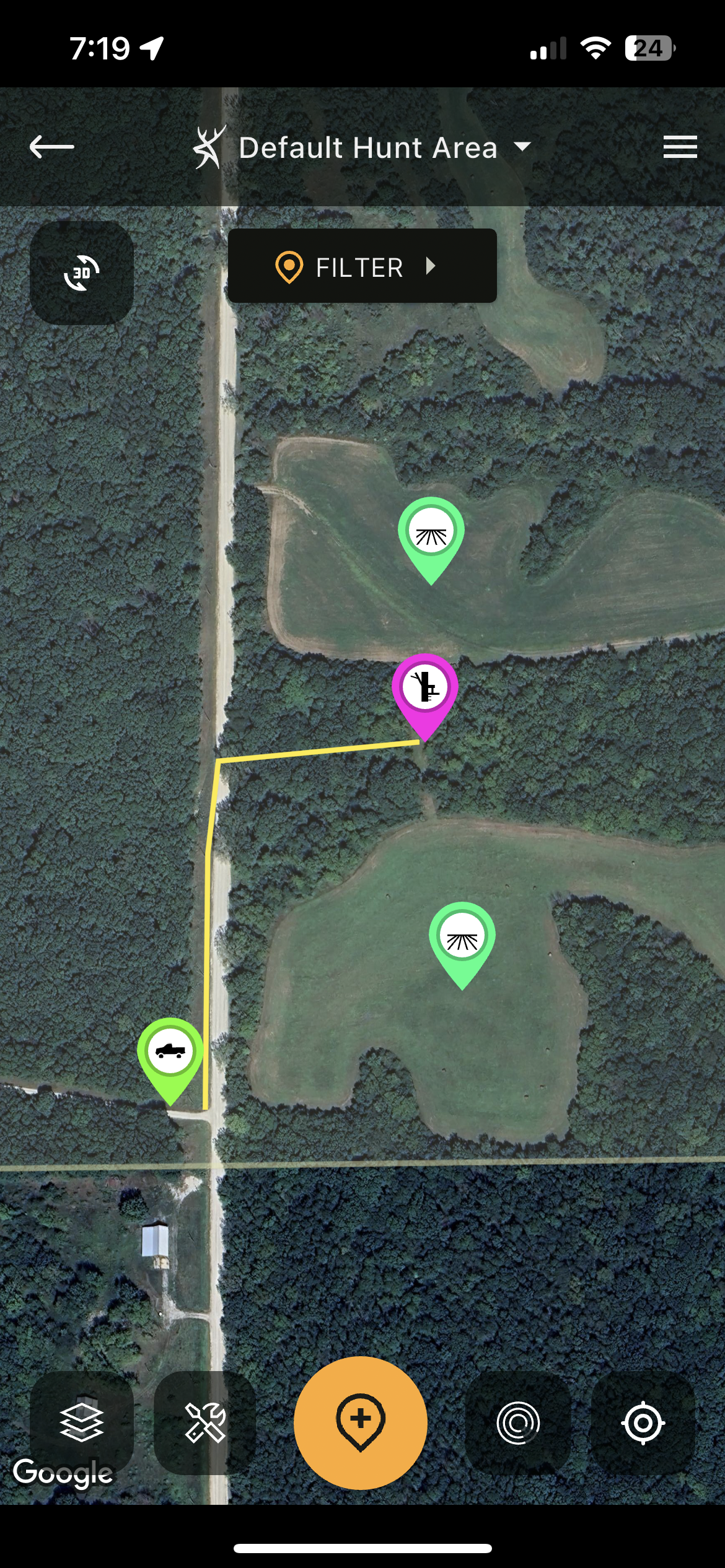
Don’t overlook easy access perpendicular to a parking area, as most hunters will park and utilize the trail that leads away from the parking area to access their hunting spots.
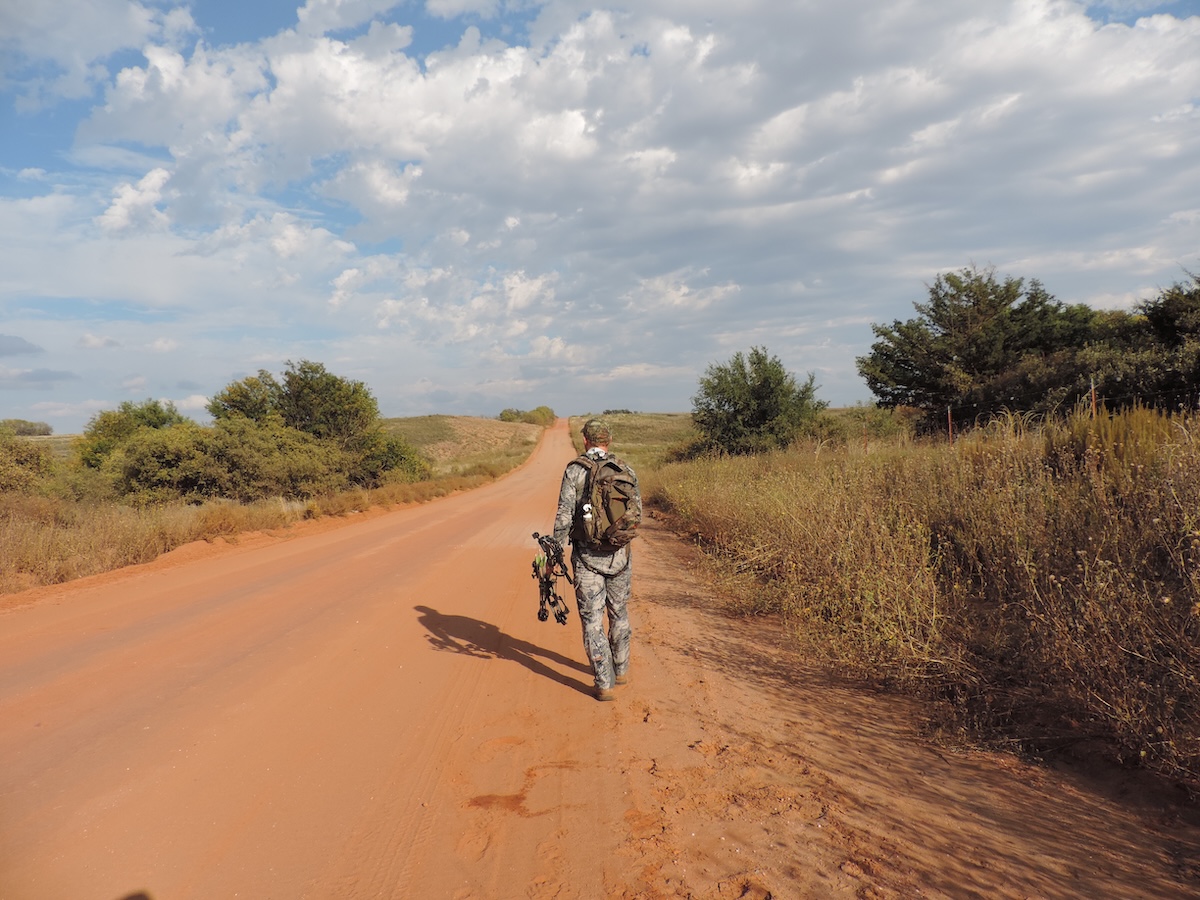
Sometimes there are road crossings perpendicular to a parking area that remain overlooked.
1. Near Roads Adjacent to Parking Areas
It’s constantly preached that you’ll find more deer when you get far away from roads. There are some instances in which you can get away from other hunters by outworking them. However, hunters are getting better at reading maps and putting in the work. Don’t be surprised to find treestands and trail cameras up to a mile from the road or parking area. While some hunters push deep into the parcel, many overlook hotspots near roadways.
Hunters constantly imagine that big bucks avoid roads, but it isn’t true. Sometimes, a bedding area is on one side of a road and a food source is on the other. On HuntStand’s Hybrid or Tree Cover base maps, look for timber on public land, then use the Crop History map to locate a desirable ag field across the road on private land. This requires a buck to cross a road, so be attentive to trails that cross the road.
If there isn’t a parking area nearby, all the better. You could set up in the timber and catch bucks coming from the bedding and heading toward the road to feed on the adjacent agriculture. Be sure to abide by the minimum legal distance from the roadway listed in the hunting regulations.
During the rut, a buck will bounce between doe bedding areas, and that might entail crossing roadways, particularly in areas where he won’t be exposed for long. Also, where a hot doe goes, he’ll go. Most of us have seen bucks chasing does across the road in front of our vehicles, and it happens more than we realize.
Finding the Best Rut Hunting Spots with HuntStand Pro Whitetail
Although a rutting buck is liable to cross a road anywhere, concentrate on land features that funnel deer or offer security. Rivers and creeks are good bets, especially if they offer cover, and you can find those using the Natural Atlas or Quad Topo maps. If a parking area is treeless and has a trail leading to a block of timber or a bottom, look for a small stretch of timber or even a handful of trees that are a few hundred yards diagonal from the parking lot. Few hunters will go there, but deer will utilize that area to commute from one side of the road to the other.
If you don’t have the luxury of scouting before you hunt, HuntStand’s Hybrid map can help you identify habitat where deer can cross roads securely. While everyone else hikes the obvious trail leading out from the parking area, you might be able to walk the pavement or gravel for a few hundred yards or half of a mile and hop into the woods and have the place to yourself.
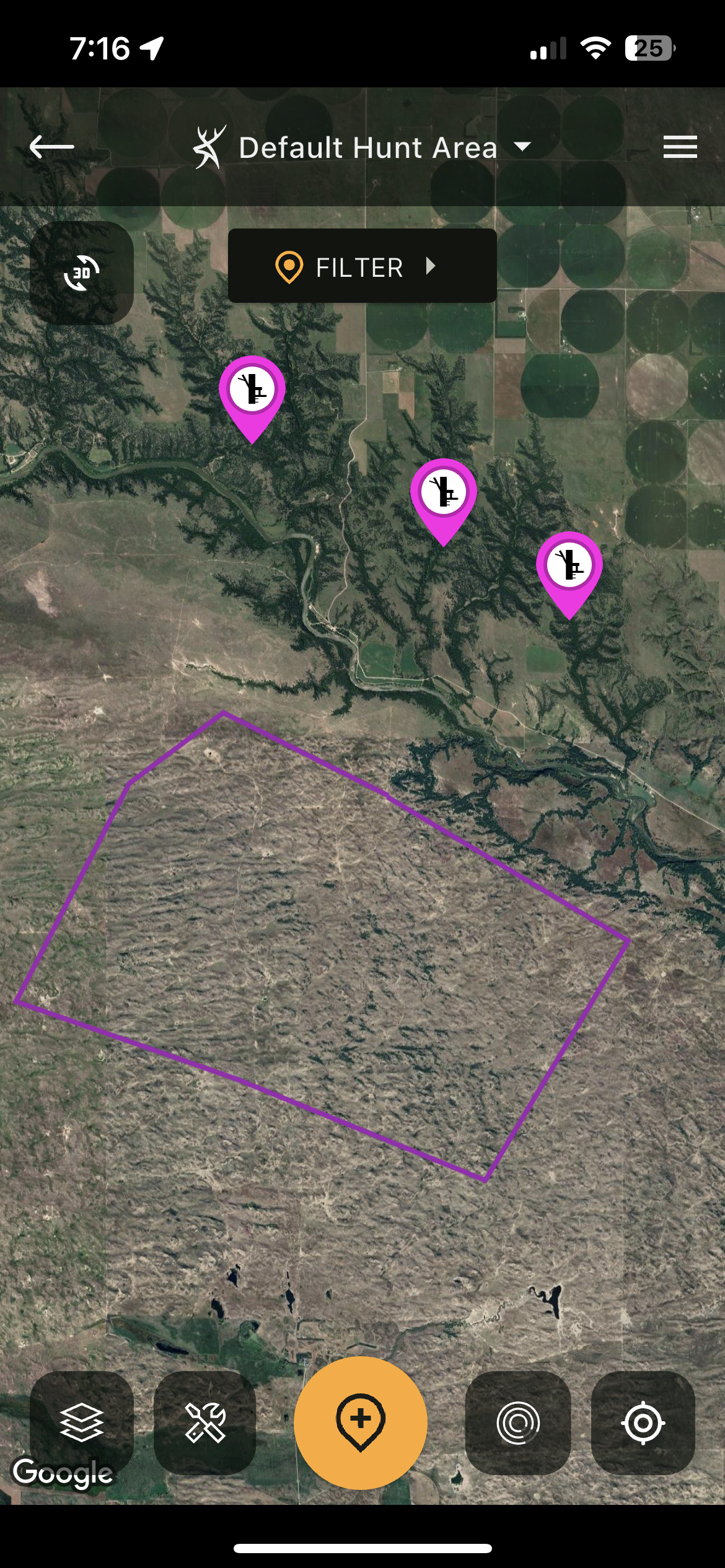
Treeless areas or at least spots where there are no suitable trees for a treestand can be barren of hunters and rich with big-buck opportunities.
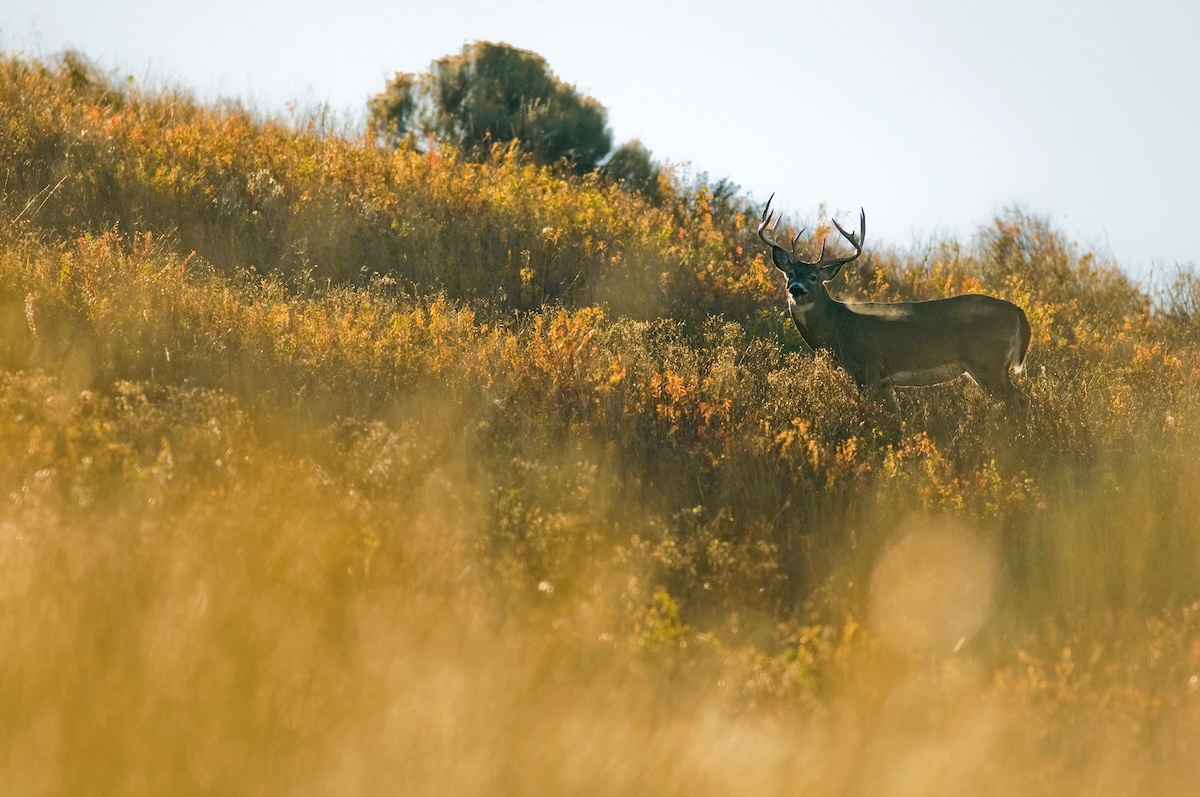
Find deer in prairie pockets with changes in topography.
2. Within Treeless Haunts
If you’re flexible with your strategy, put your treestands away and strike out on foot into habitats that are treeless or nearly treeless. The idea here is that most hunters (bowhunters in particular) rely on treestands and hunt the obvious timber hotspots, while few hunt the open or rolling pastures for a lack of trees suitable for a treestand.
Other than the occasional small game hunter, you’ll run into very few hunters when you hit open areas or thickets with only brush and no mature trees. Big bucks take refuge in areas like this, no matter how close or far they are from the parking area. Most of the time, they don’t get pressured. You can reference either the Tree Cover or Hybrid base maps to do your virtual homework prior to your hunt.
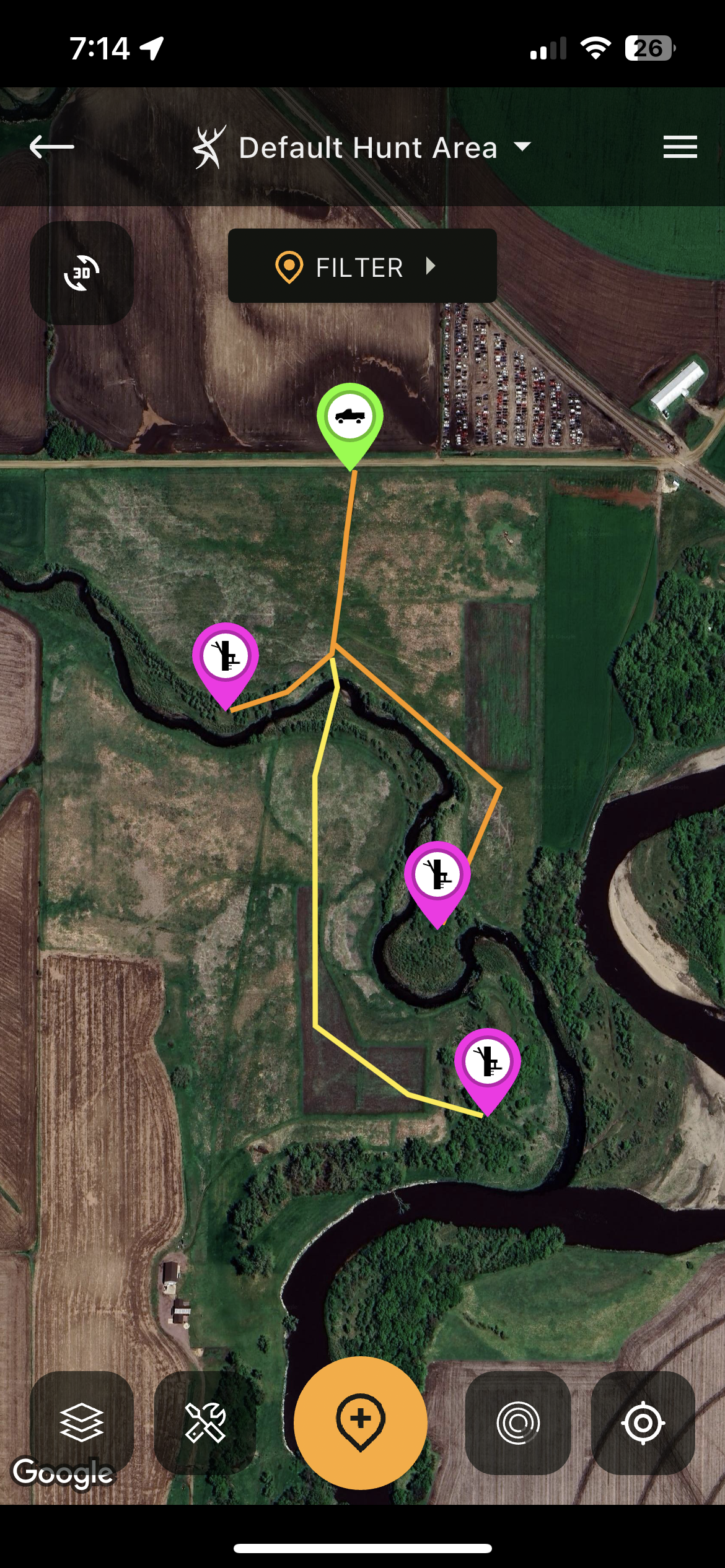
Creeks and rivers that are too deep to cross with knee boots are a dead end to most hunters.
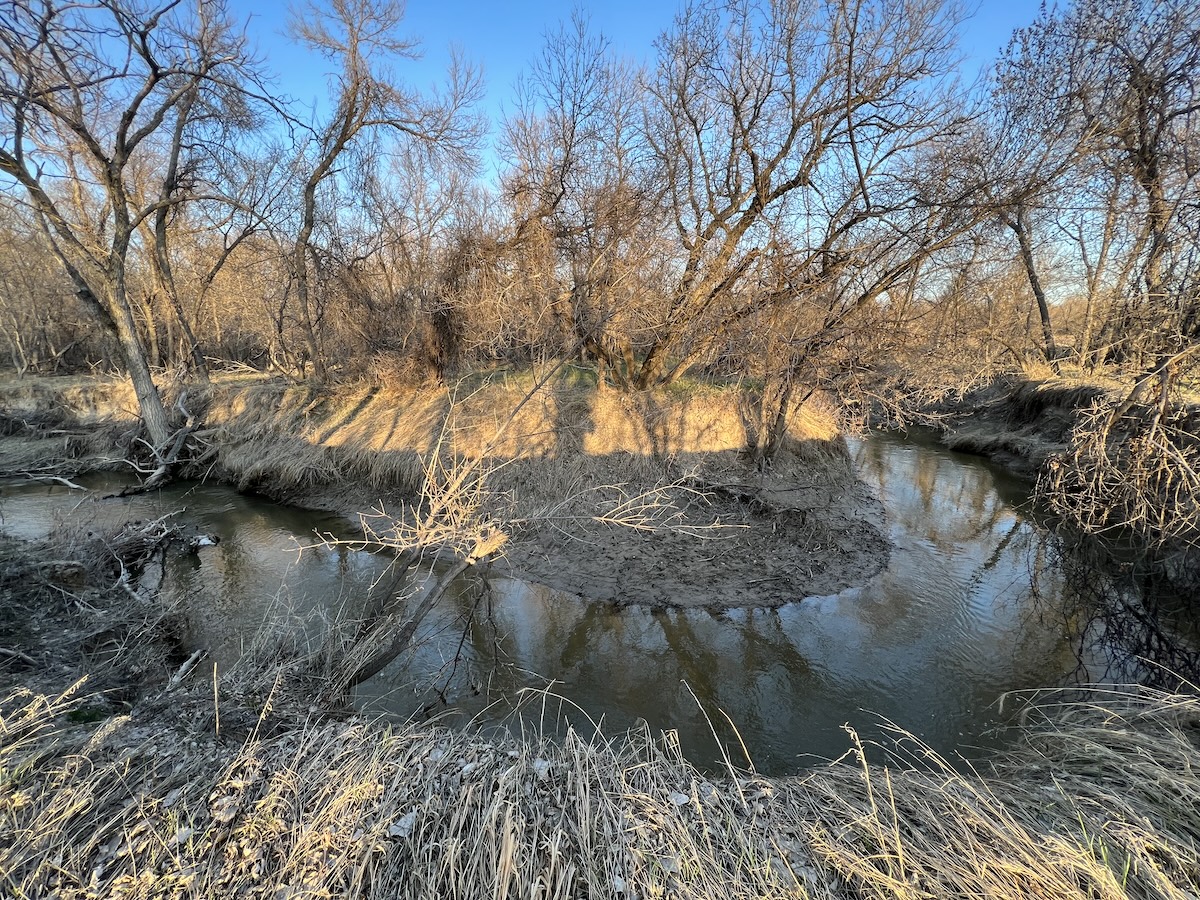
With a raft, kayak, canoe, or even waders, you can cross the water and reach places that few, if any, other hunters will.
3. Across Rivers and Other Waterways
Riparian areas are ultra-popular among hunters. Anyone can identify these using HuntStand. That said, it’s common to find treestands, trail cameras, and even hunters anytime you’re near a creek or river. But, if the water source creates a barrier (in other words, it’s too wide to jump across), most hunters will not hunt the other side because of the additional toil involved.
This is where waders, a raft, or a canoe can give you the edge. If you don’t have those tools or using them isn’t practical, give the water source a closer look using HuntStand’s Hybrid layer. Look for any clues of an inconspicuous crossing. Zoom in tight, and you might see rocks or sandbars at viable crossings that most other hunters don’t know about. You also might check Monthly Satellite Imagery, as changing water levels might cover or expose rocks or sandbars.
Using Canoes and Kayaks for Better Public Land Deer Hunting
When the opportunity exists to get 1-3 miles from the nearest road, you’ll work very hard to reach some of the best hunting.
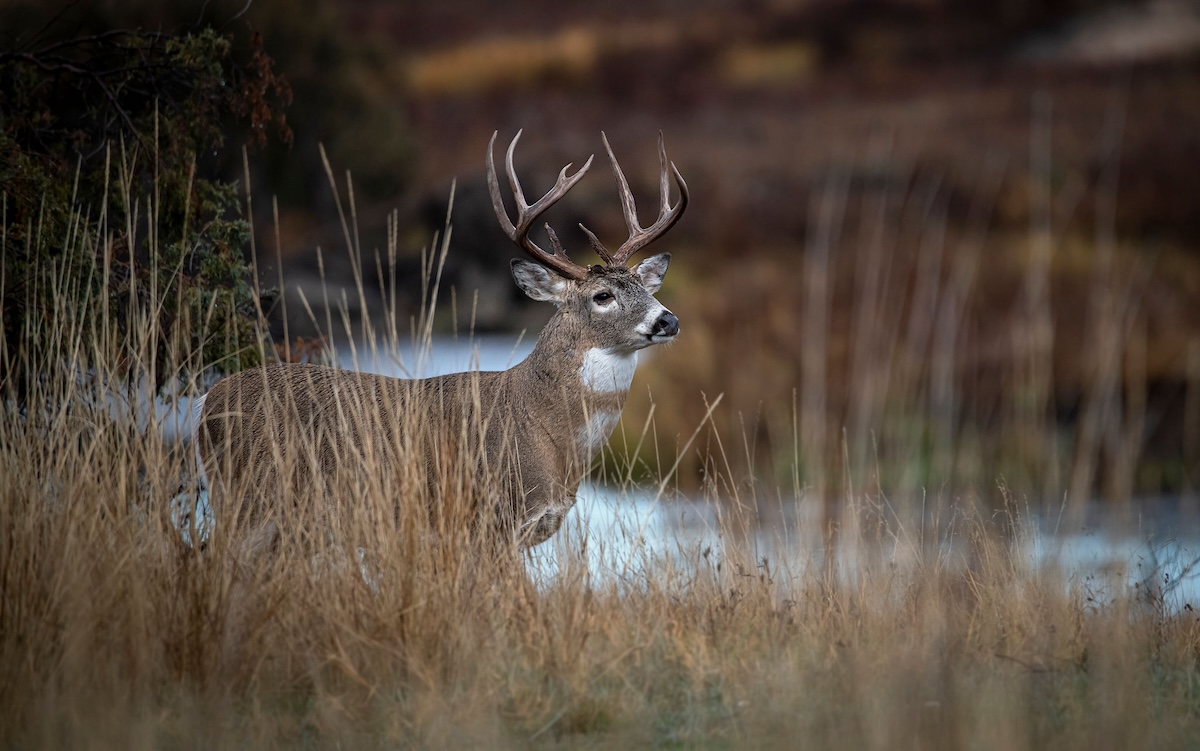
The dividends are often worth the investment.
4. Far From Roads and Trails
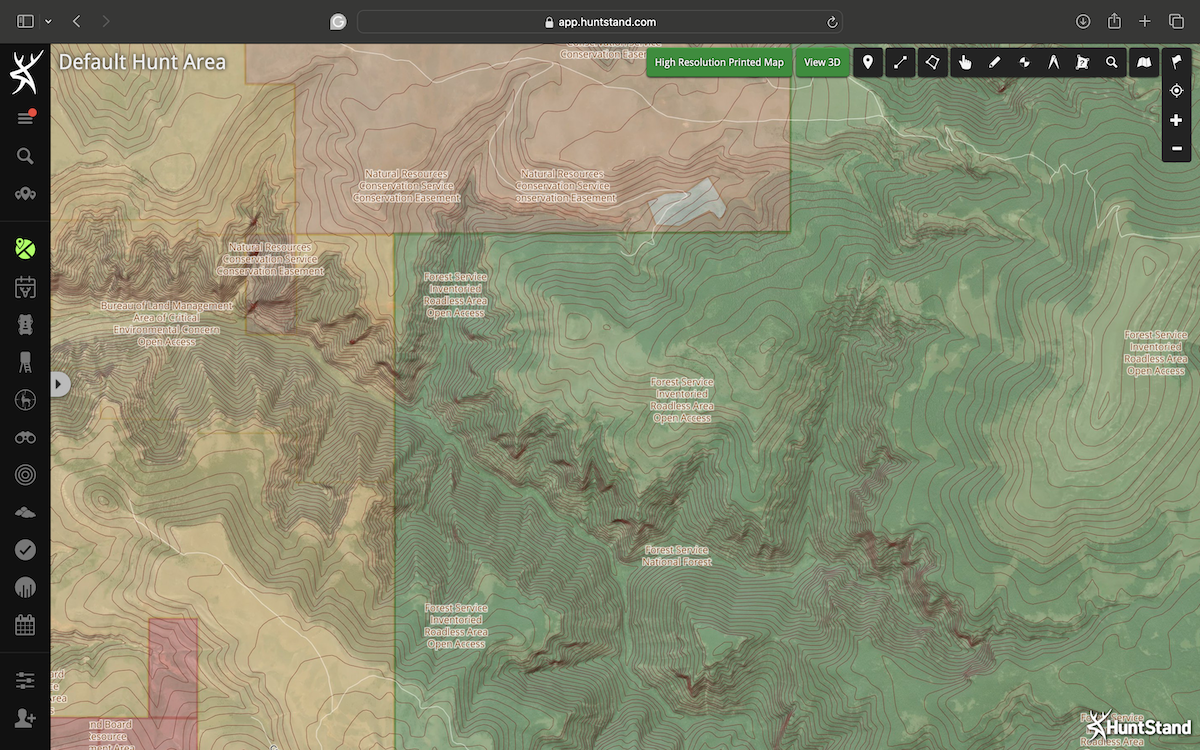
This isn’t possible in every state and certainly not on every public parcel, but when you can get more than a mile from roads, it’s a given that most other hunters will not outwork you. Most will stop half of a mile to three-fourths of a mile from the parking area, if not closer. The elite might go a full mile. You’ll lose a big chunk of the hunting pressure when you get 1-3 miles from the road. As a cautionary note, be aware that adjacent landowners can access that deepest part of the public land by coming at it from their land, but in most cases, this isn’t an issue because private landowners usually just hunt their own land.
HuntStand’s Public Lands base map provides a view of trail systems and even denotes roadless areas. This makes it easier to see just how far you can get from a road or parking area. Keep in mind that each parcel has nuances, and what looks like a road might be closed to motorized traffic. Or the parcel might have a road that you thought was closed to motorized traffic but isn’t. For the most part, though, you’ll have a great idea of what you’re getting yourself into by navigating the parcel in the app.
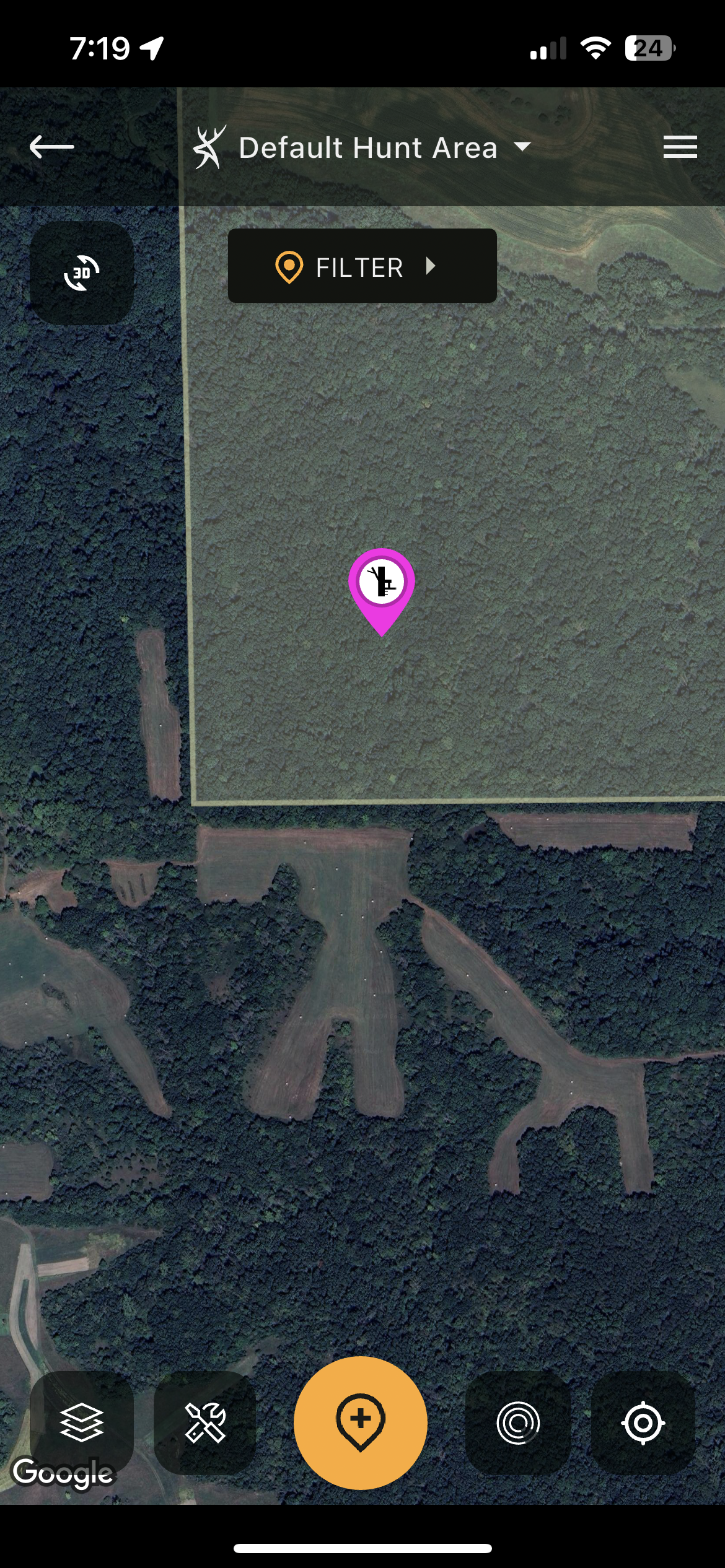
When public land has ample bedding cover and the adjacent private land has solid food sources, hunt in that corner of the public parcel, especially if reaching it is difficult.
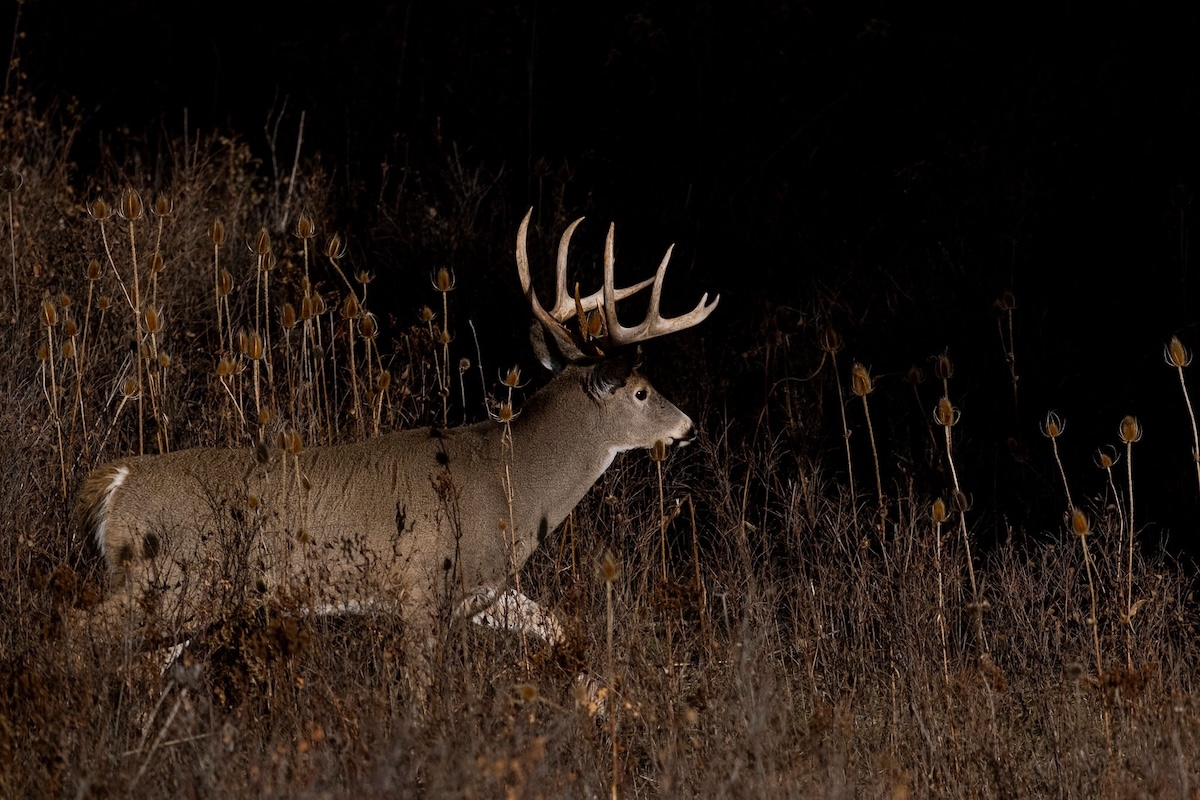
Don’t disrespect the private landowner and crowd the boundary, though.
5. Adjacent to Obviously Managed Private Land
One man’s work can yield another man’s reward, and that’s just how it shakes out in hunting. If hunting was 100% fair 100% of the time, we’d all be a lot happier. That said, no one owns deer (unless their land is high fenced). This means that deer that spend most of their time on private land but jump the fence onto public, or even someone else’s land, become susceptible to harvest by virtually anyone. That’s why we call it wild, fair-chase hunting.
That said, it’s usually easy to spot lands that are managed with plots and other updates using any of the satellite maps. Monthly Satellite Imagery can help you identify recent habitat changes such as land clearing and logging activities, which are attractive to deer.
Use the Public Lands and Hunting Lands maps to identify public parcels, and then study the Hybrid or Monthly Satellite maps, looking at private lands adjacent to the public that appear to be managed for wildlife. The private land might have the food, but the public land might have all of the bedding cover, making it a worthwhile place to hunt, especially if it is tough to reach.
Of course, you must respect the private landowners and not hunt the boundary. But it’s totally fine to hunt within 100-200 yards of the boundary, and scenarios like that can be productive for catching deer coming and going.
Whitetail Rut Deer Hunting Guide with HuntStand Pro Whitetail
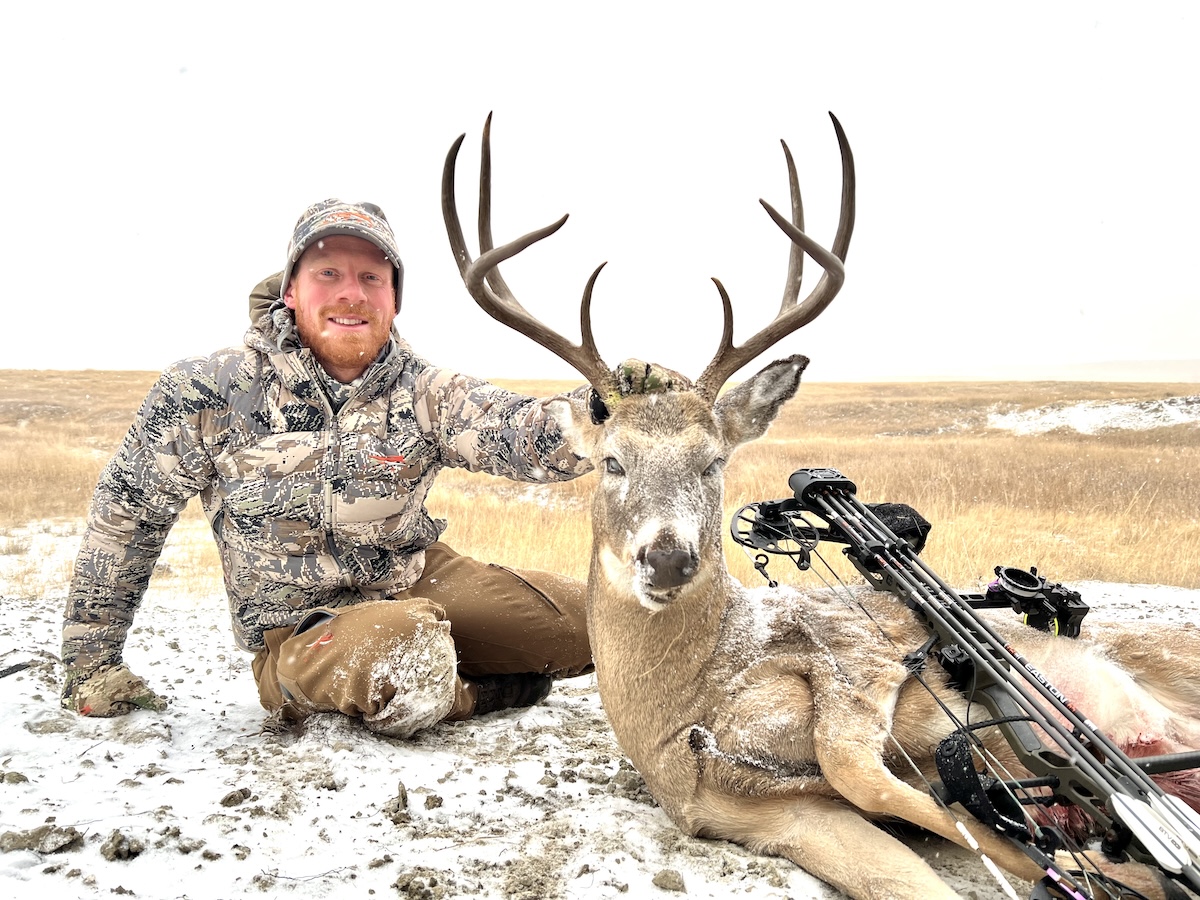
HuntStand ambassador, Darron McDougal, arrowed this big eight-pointer in wide-open country with not a tree in view that would hold a treestand, and his encounter with the buck happened only a couple hundred yards from a road.
Go Find Those Public-Land Hotspots!
Public-land hunting is more popular than ever. That makes it harder to find a chunk of ground to have to yourself. But, by thinking outside the box and scoping out some of the specific areas mentioned above, you can often find a place that just doesn’t get as much pressure, and that’s also a likely spot to find a big public-land buck or two to chase.
UPGRADE TO HUNTSTAND PRO WHITETAIL