



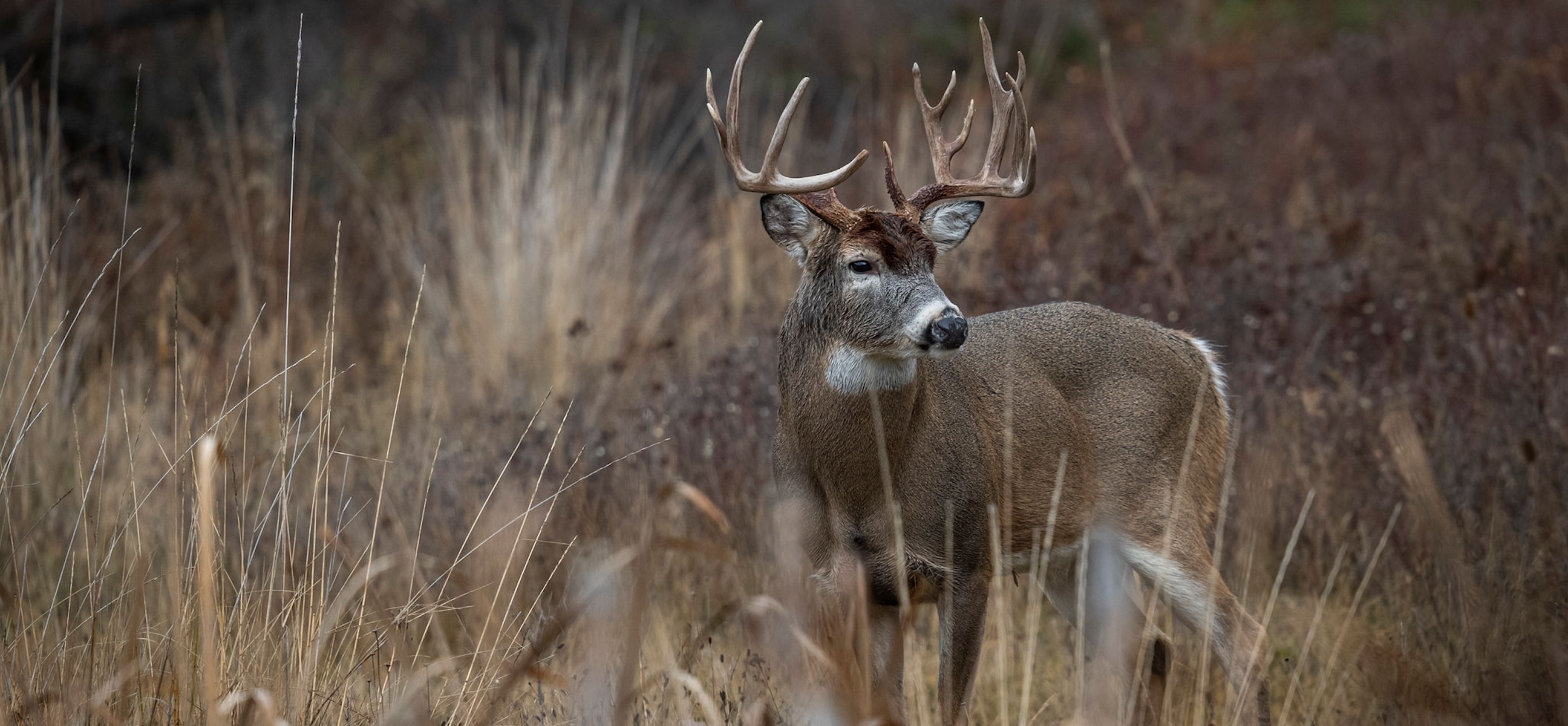



Rattling is very effective during the pre-rut and waning rut. During the peak breeding when bucks are locked down with does, expect less results from calling.
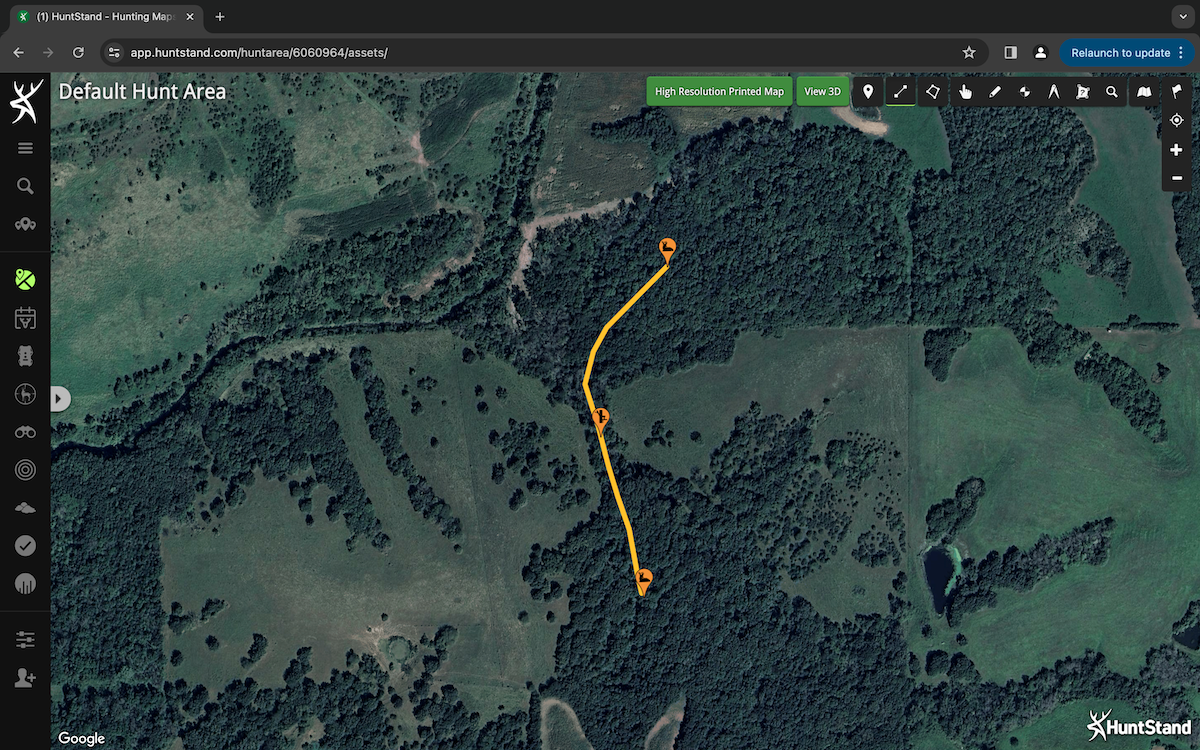
A classic example of a pinch point, which bucks frequent during the rut.
The whitetail rut means different things to different hunters. Most can agree, though, that it is the single most exciting time to climb a tree, hop into a ground blind, or hike the hills. The action can go from dead to 100 in the blink of an eye; one minute, we’re scratching our heads, and the next, a big buck appears. If that doesn’t get your blood boiling, what will?
While simply being in a tree during the rut might get you the opportunity you’ve waited for all season for, consistent rut success is more a product of what you know and how you apply it to your hunting strategy than simply dumb luck. Of course, there are many ideas, opinions, truths, and misconceptions about the rut and how it works, so this article aims to clarify the chaos.
Do you want to make the most of the rut this fall and in those to come? Follow along as we divide the rut into its different phases and discuss buck behaviors and hunting tips for each phase. Here is your whitetail rut deer hunting guide.
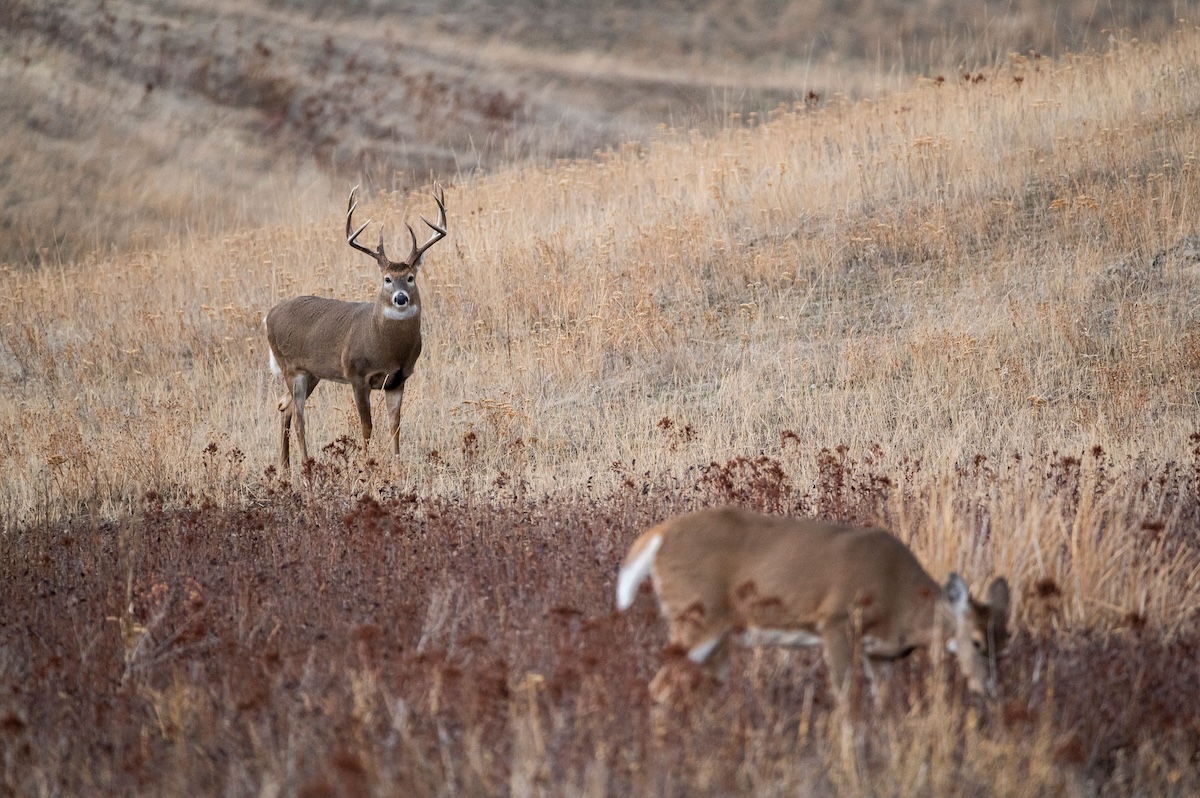
The rut is a great, but also challenging, time to deer hunt. What you know about the rut and how you apply it can directly impact your success.
First Things First
The first step in rut hunting is understanding that it isn’t one big elephant you can’t miss with untamed, month-long action. With that mindset, you’ll be severely disappointed, as the rut ebbs and flows in distinct phases. We must understand those unique phases to hunt the rut more effectively.
Whether you’ve been hunting whitetails for 50 years or five weeks, HuntStand Pro Whitetail can improve your chances of punching a rut tag this hunting season. Two Pro Whitetail features, the Nationwide Whitetail Rut Map and Whitetail Activity Forecast, work together to give you everything you need to know about when each phase of the rut occurs in your area and the best times during these periods to hunt. Both were developed from the ground up by HuntStand’s Brian Murphy, a noted whitetail biologist who previously served 23 years as the Quality Deer Management Association’s CEO.
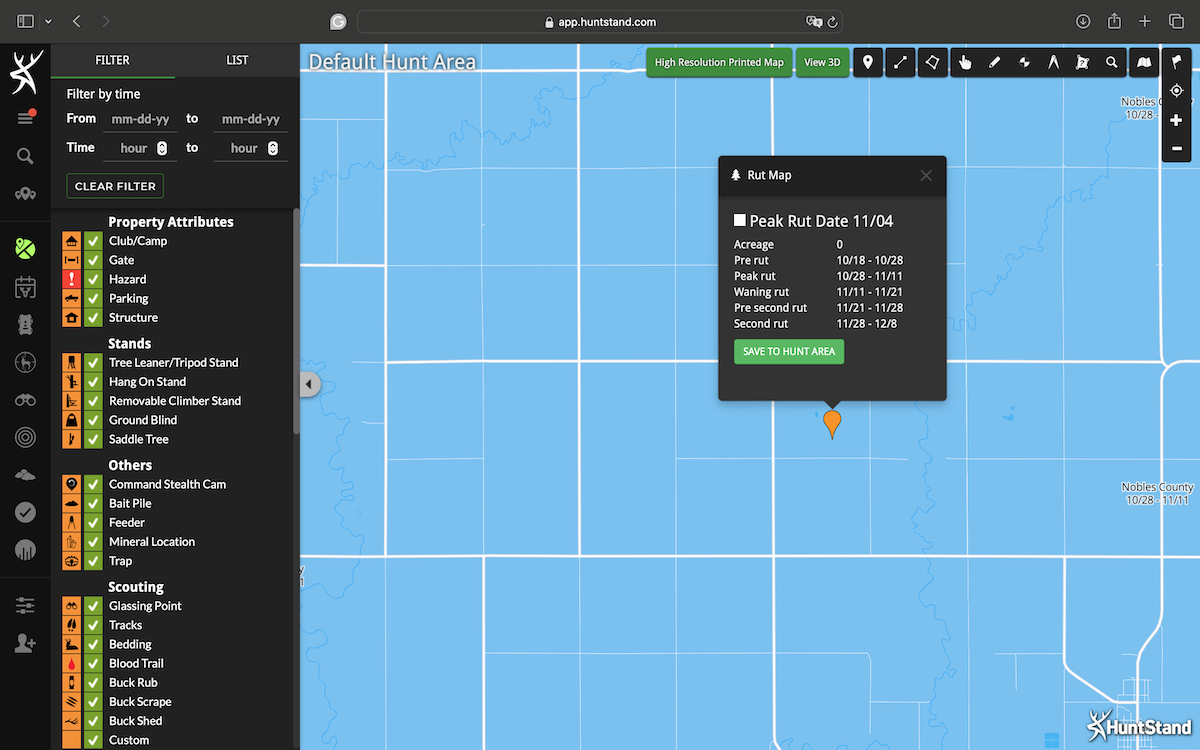
Nationwide Rut Map not only gives you a breakdown of the distinct rut phases but also tells you when they will transpire in your immediate hunting area.
Whitetail Rut Map
As the name implies, the HuntStand Nationwide Whitetail Rut Map details the peak of the rut for white-tailed deer throughout the United States. “Never before had whitetail breeding data been compiled and mapped to this level,” Murphy explained. This was a huge undertaking requiring many months working with state wildlife agencies to obtain, analyze, and map the whitetail rut to the local level across the United States.”
The map includes data from 4,240 counties, parishes, or other geographic designations in 43 states, and covers approximately 98 percent of the whitetail’s range in the United States. Since some counties or parishes have more than one rut, the map actually includes nearly 5,500 different data sets, allowing hunters to drill down to the exact rut timing where they hunt.
“For the purpose of this map, I defined the ‘peak rut’ as the two-week period during which most does are bred,” Murphy said. “In most areas, greater than 50 percent of adult does will breed during a two-week period, giving it the logical peak rut distinction.”
When you open your Hunt Area in the app, click the layer button at lower left, then choose Overlays from the top menu. Select the Nationwide Rut Map overlay. Next, click back to your Hunt Area. From there you will be able to see your area’s peak rut dates. To obtain dates for each rut phase, simply click on the peak rut dates for your area and a new window will open detailing this information.
Master the Whitetail Rut [HuntClass]
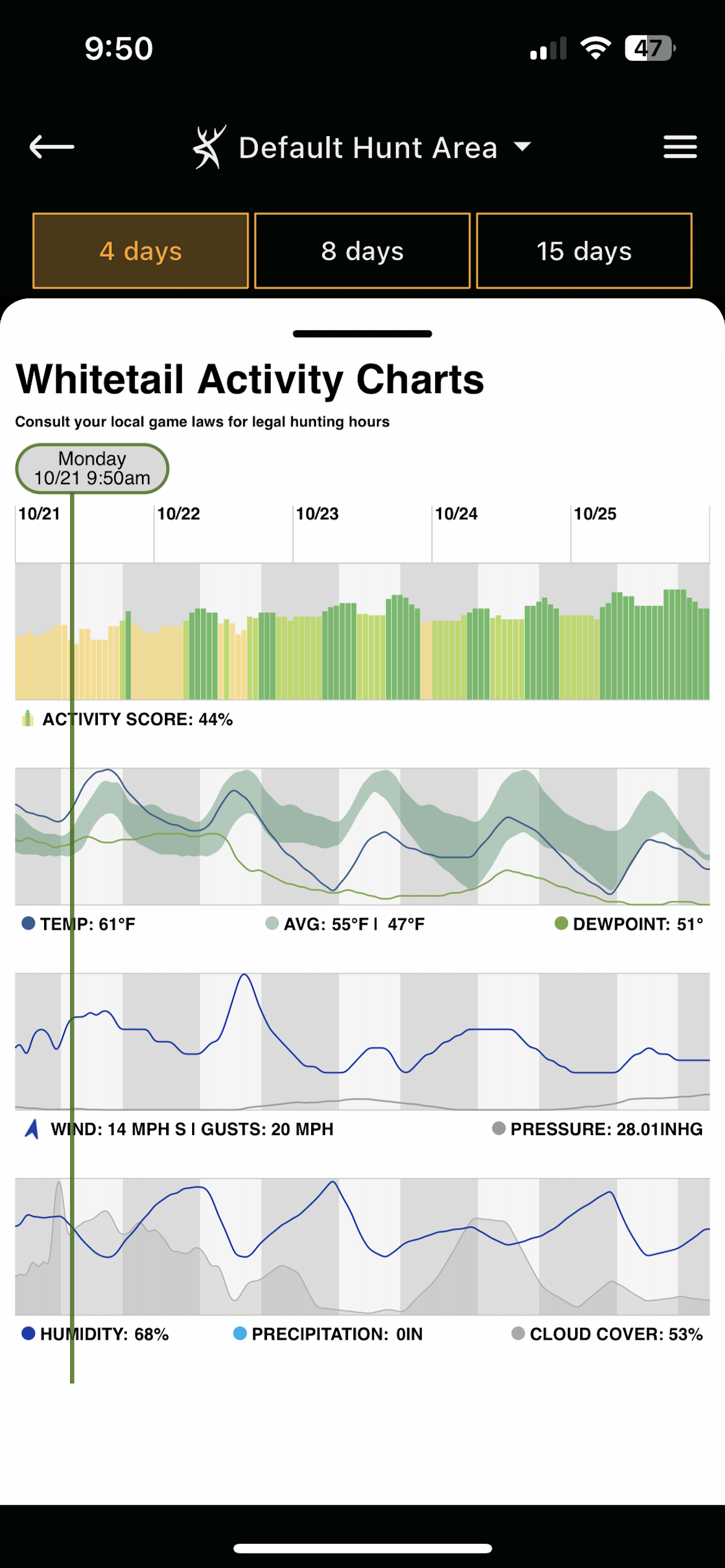
If you have limited time or a limited number of stands, let Whitetail Activity Forecast govern when you hunt. Take advantage of the days and times with high movement percentages.
Whitetail Activity Forecast
HuntStand’s Whitetail Activity Forecast (WAF) is a revolutionary tool that utilizes the latest research on deer movements and propriety rut data to inform hunters when the highest periods of deer activity are likely to transpire in their area during the coming days, much like a weather forecast. This model includes more than a dozen geographic, date, time, and weather variables with thousands of data combinations to give hunters every possible advantage during their time afield.
The WAF was developed following months of research and collaboration with many of the most respected whitetail experts in the United States. “This is not just another arbitrary deer-movement model based on the moon or a handful of weather variables in one location,” Murphy stressed. “This is the first and only biologically based deer-movement model that drills down to the county and even sub-county level.”
The WAF is designed to work in conjunction with individual Hunt Areas within the HuntStand app. After a hunter has selected a particular Hunt Area, they can engage the WAF tool to obtain detailed weather and activity information for that area.
“Once opened, the WAF provides two informative screen views detailing vital weather, rut, and movement information along with the best days and times to hunt a given area,” Murphy said. “The first screen view is divided into a ‘Today’s Whitetail Activity Forecast’ and tabs for 4-day, 8-day and 15-day forecasts. It also includes a current rut intensity value and a summary of the two-week peak rut dates for that area.
“Deer activity scores are presented as percentages and are directly correlated to the conditions impacting deer movement,” he continued. “This percentage is based on a maximum score of 100, which would only be possible during the rut when every environmental variable was optimum. For example, an activity score of 65% means that 65% of all possible conditions in the model are favorable for deer movement. Scores of 80% or higher are considered excellent and anything above 90% is considered optimal with high deer movement likely.”
Knowing the exact timing of each rut phase and best times during each to hunt will definitely enhance your plan of attack. With that in mind, let’s run through the different phases of the rut and discuss deer behaviors and some hunting strategies for each.
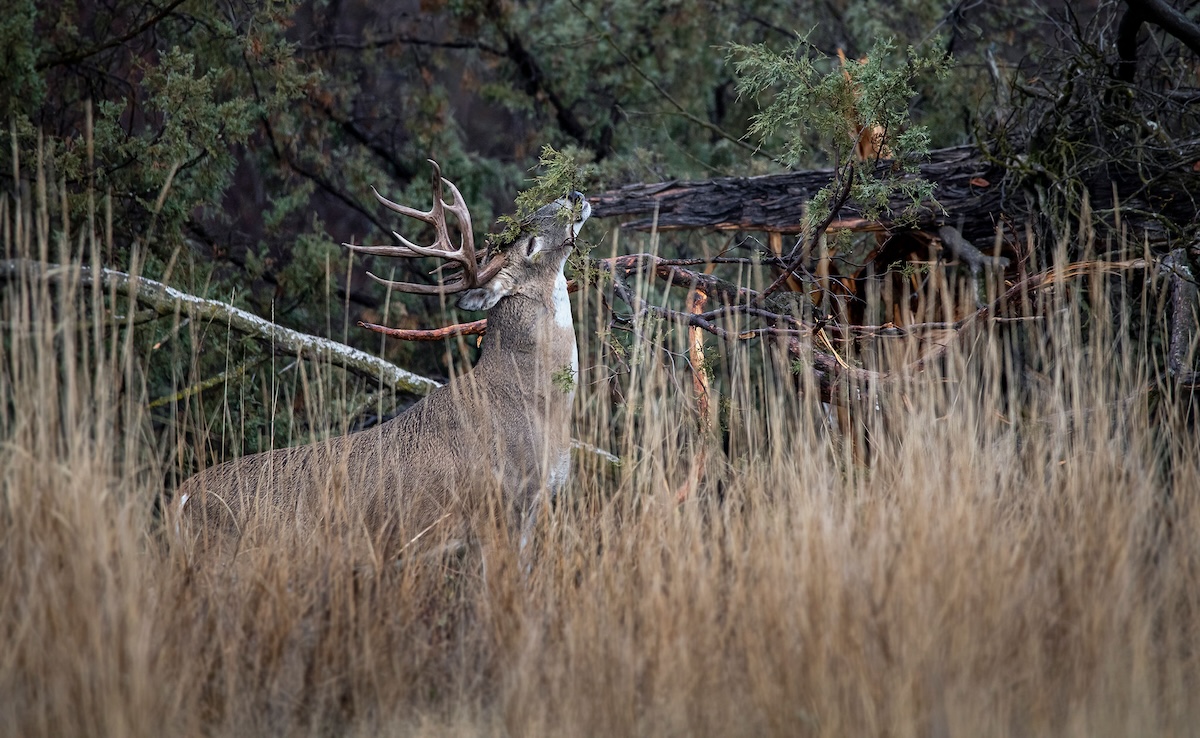
Late in the pre-rut and early in the peak rut, hunt downwind of food sources that does are frequenting. Mature bucks tend to cruise downwind of feeding areas, and they don’t often pop out in the open.
Pre Rut
The pre rut is when things start ramping up. Bucks are riddled with hormones — fueling the need to locate receptive does and spar with potential rivals. Scrapes will pop up in many places, especially along trails and logging roads. Scrape hunting can be productive during the early part of the pre-rut; however, the best daylight activity usually transpires near buck bedding areas and the fringes between cover and food. Rattling and grunting also become excellent tactics during the pre-rut window and can help attract a buck to your shooting lane. Be sure to reference the HuntZone feature to make sure you’re hunting or rattling downwind of a bedding area.
“The pre-rut can be a tricky time to predict deer movement,” said Murphy. “This is typically when the reliable late summer evening feeding pattern shifts noticeably to more balanced morning and evening movement, with occasional midday movement. Deer are especially sensitive to changes in weather at this time of year, so be sure to reference the Whitetail Activity Forecast, which computes thousands of weather and reproductive data combinations in real-time to provide a ‘living’ activity model. Just as weather forecasts change, so, too, will the Activity Forecast, so check it regularly.”
Toward the end of the pre rut, scrape hunting will become less productive as bucks shift focus from marking the environment to finding receptive does. In the afternoons, you’ll want to hunt downwind from where does feed, as bucks rarely come right out and bump them around in the wide open. Young bucks might, but mature bucks often scent-check the downwind edges of feeding areas, and if they don’t smell a doe in estrus, they keep moving to the next feeding area to scent-check the next doe group. Expect the cruising to be heavy during this window, as bucks are wound tight and ready to breed.
How to Shoot a Deer on Opening Day
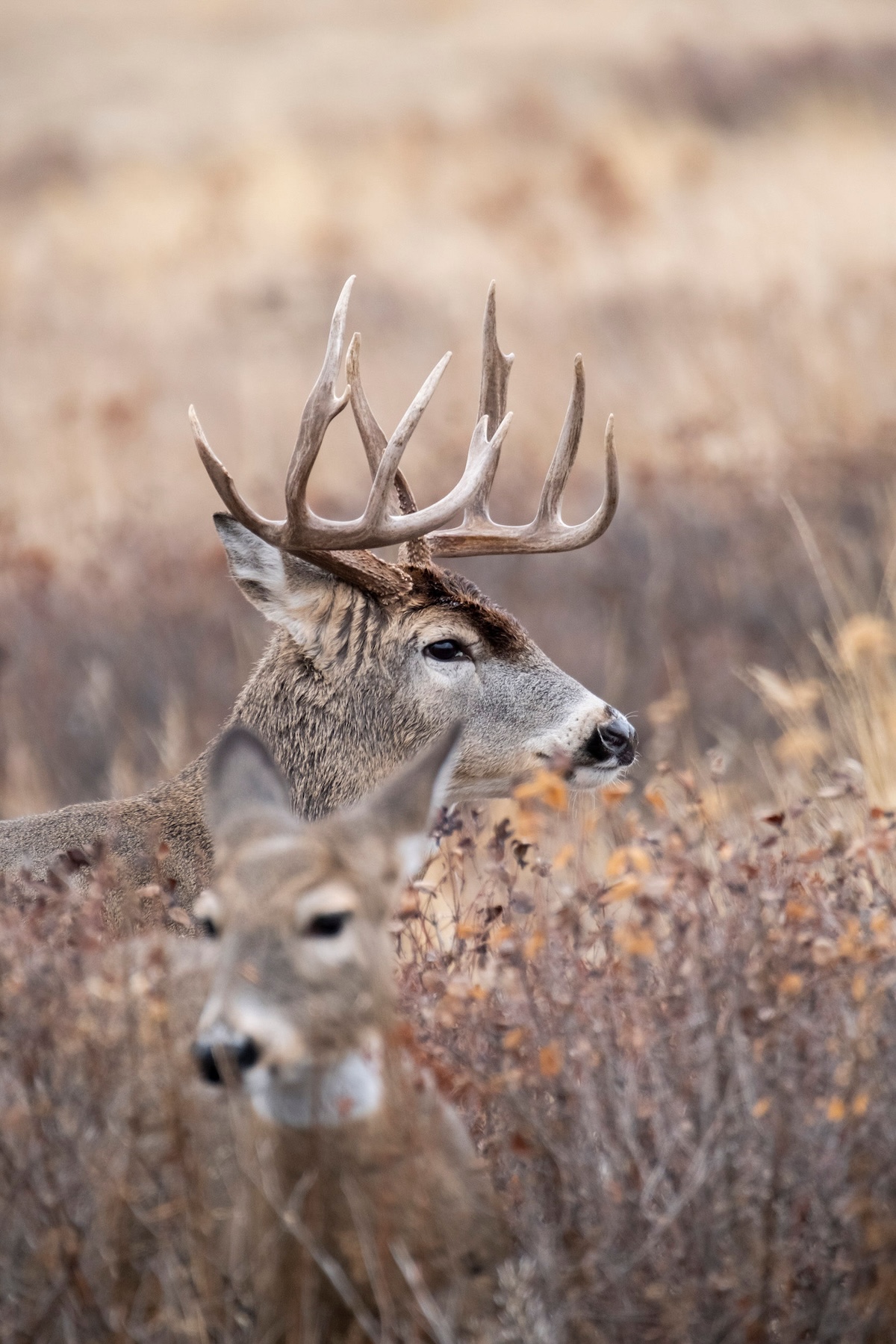
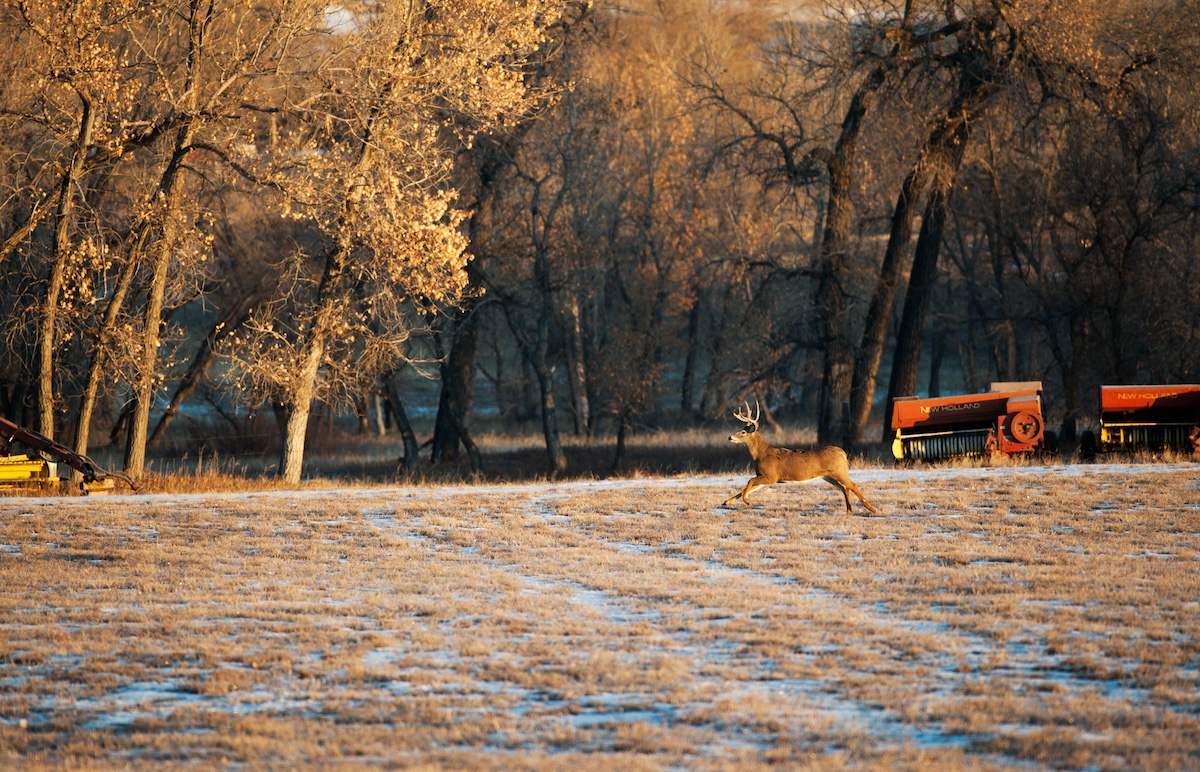
During lockdown, in states with lots of open ground, you might ditch your treestands and go looking for the action. The mobile hunter can experience some unbelievable hunting by taking the hunt to the bucks rather than waiting for the bucks to come to you.
Peak Rut
The beginning of the peak rut will be marked with similar activity to the end of the pre-rut with bucks cruising, but now they’re liable to do it all day long. Some of the most productive buck movement will take place midday, especially in funnels that connect doe bedding areas. Be ready for a buck to chase a doe past your stand at any given second.
Any location with high doe traffic can be money. Think of creek edges, wooded draws, bottlenecks, and funnels. In such spots, a doe could pull a bruiser right by you any time of the day. If you’re hunting on private property with light hunting pressure, you might consider moving from a funnel stand to a food source for the afternoon hunt to catch bucks chasing does on a crop field.
As the peak rut progresses and most mature bucks hook up with does, it is common for mature buck sightings to substantially diminish. This is called the lockdown phase and is when most breeding occurs. “If you’re watching scrapes with your trail cameras and they suddenly go cold, you can bet the rut and breeding have kicked off,” Murphy said.
Lockdown usually lasts for several days and can be a frustrating time to hunt, especially when previous days were filled with fighting, chasing, etc. During this period, a buck will typically stay with and guard a receptive doe for 24-36 hours, often in heavy cover. He will breed her as often as allowed during this period of receptivity and actively defend her against rival bucks.
Stationary hunters: Don’t give up during lockdown. The action can reboot without warning. Bucks can breed a doe and bust loose anytime, so persevere and stand firm. Downwind edges of doe bedding areas can be very productive during lockdown, as these are where bucks will likely try to intercept another doe. You might experience long hours of inactivity, but then things can go from flat to full throttle.
If you hunt more open country and aren’t seeing mature bucks along riparian areas from your stands or blinds during lockdown, consider going mobile. Often, open-country bucks head to the wide open to lockdown with does, or you might find them in a random patch of cover just outside the city limits or in a thicket along a dirt road where no other hunters think to look. While lockdown can be frustrating for stationary hunters, it is probably the most productive time for a mobile hunter who covers lots of ground — you aren’t waiting for bucks to walk by, you’re going to them.
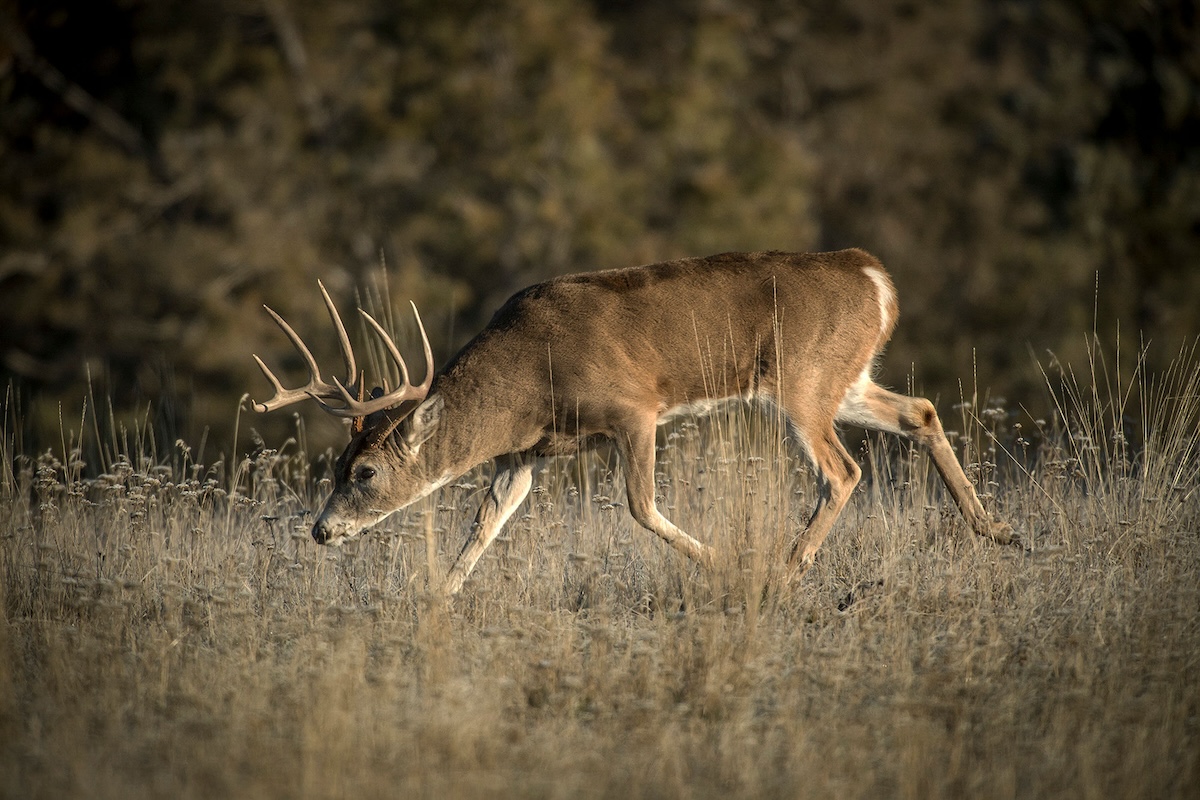
Later in the peak rut phase, expect minimal buck movement for periods of time as the majority of mature bucks are locked down with does. But the action can pick back up without warning, so stay ready.
Waning Rut
The waning rut is a wild time when anything can happen. Most does have been bred, but the bucks are still in active search mode. By now, their body mass has greatly diminished, so they also need to feed. A killer spot during the waning rut can be a food source — all day long — especially one that offers some security cover. Think of a food plot tucked in the timber or an oak ridge with acorns adjacent to a doe bedding area. Also, try hunting downwind of doe bedding areas and other areas with high doe traffic. Don’t be surprised to see bucks running through at a good clip and be ready on the calls to get their attention.
“One of my favorite times to rattle, call, and decoy bucks is during the waning rut,” Murphy noted. “Bucks are becoming increasingly frustrated by the lack of estrus does and often respond well to doe bleats, doe decoys, and a mix of calls including tending grunts and grunt-snort-wheezes. It’s definitely a great time to roll the dice with new tactics.”
10 Deer Hunting Challenges to Overcome This Season
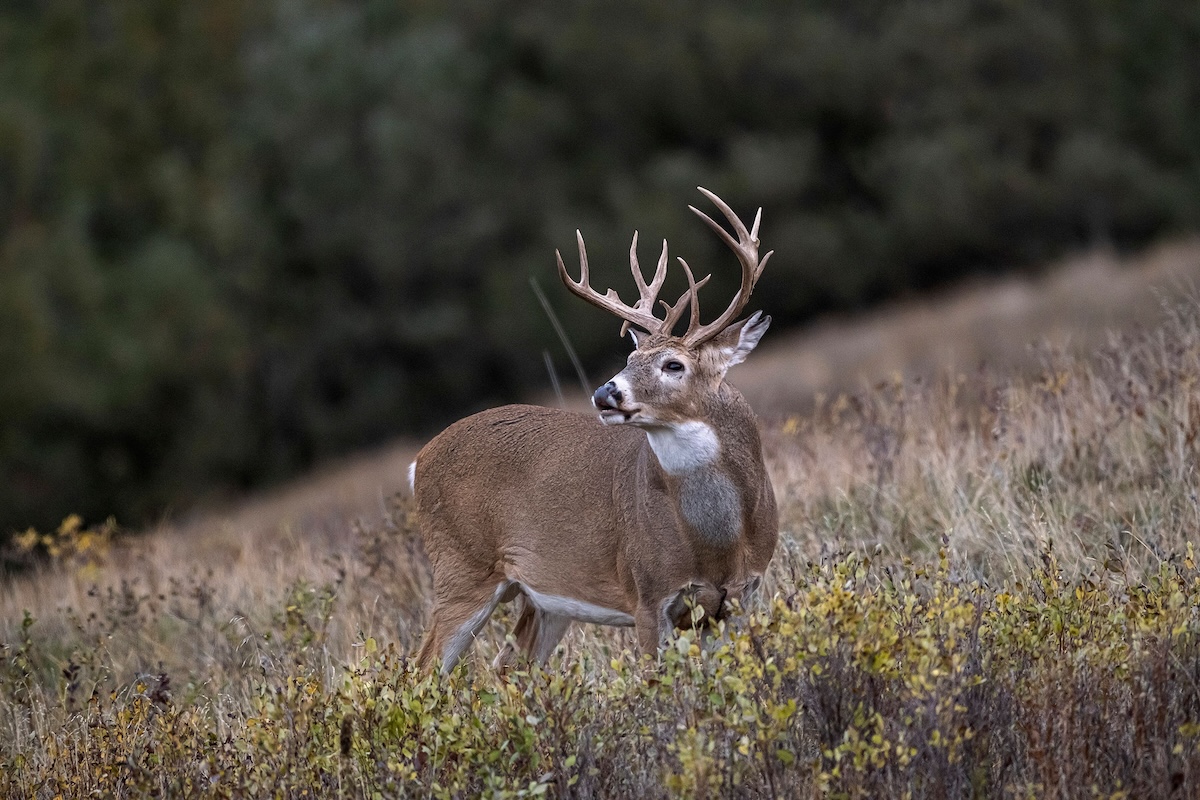
Some hunters misconceive that bucks run wildly about for a month straight. They do a lot of running around in daylight, but it is important to understand that the rut ebbs and flows in distinct phases.
Pre Second Rut
During the end of the waning rut, you’ll often see scrapes being opened back up and visited by mature bucks. Rather than a separate rut, the second rut can be more accurately viewed as a scaled-back continuation of the rut. Daylight buck movement is now substantially diminished, and you’ll rarely see a buck dogging a doe across a wide-open field during midday. Most movement is once again concentrated to the first hour and last hour of daylight much like it was before the pre rut.
Morning hunts are best in or near bedding areas, as most bucks will be off the food sources before legal shooting light. Often you can catch them as they return to their beds. A grunt could pull a distant buck in closer, but full-tilt rattling likely won’t have the allure it did during the initial pre rut. Bucks are smashed from the rut and aren’t walking around looking for a fight, though they still have some interest in breeding.
The primary focus should be on hunting bedding areas in the mornings and food sources or staging areas between the bedding cover and food source in the afternoons. Again, reference the Whitetail Activity Forecast and hunt the days with the highest movement scores if you have a limited number of stands or days to hunt.
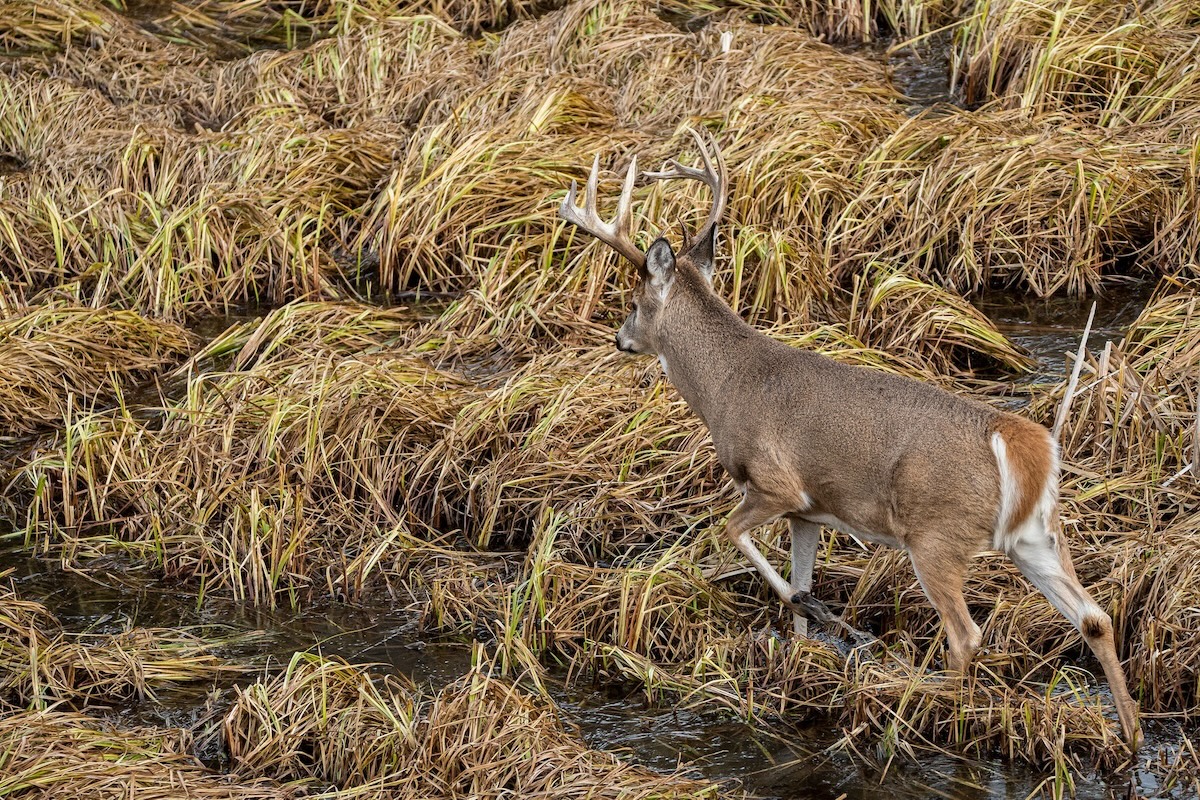
For most of the rut’s duration, hunting bedding areas or an hourglass funnel that connects bedding areas is a great strategy.
Second Rut
While breeding certainly occurs during the second rut, it is substantially less intense than during the peak rut. Most bucks are worn down and have endured months of intense hunting pressure. You likely won’t see bucks cruising around looking for does, especially during midday. Does that weren’t bred during the early estrous cycle can cycle into estrus again about one month later. Some doe fawns born early in the spring that have reached a body weight of 70 pounds also can cycle into estrous during the second rut.
Most of the “second rut” activity that you’ll observe will be on food sources in the afternoons. Bucks might have little sparring matches, and you might see a mature buck behind a doe as she enters a food plot or ag field. In areas with tight buck-to-doe ratios, don’t be surprised if several bucks are following an estrus doe. With winter impending, though, bucks need to fatten back up and likely won’t go miles out of their way to find a hot doe, so buckle down on food sources. That is likely where the action will be.
10 Ways to Use Trail Cameras That You Never Have Before
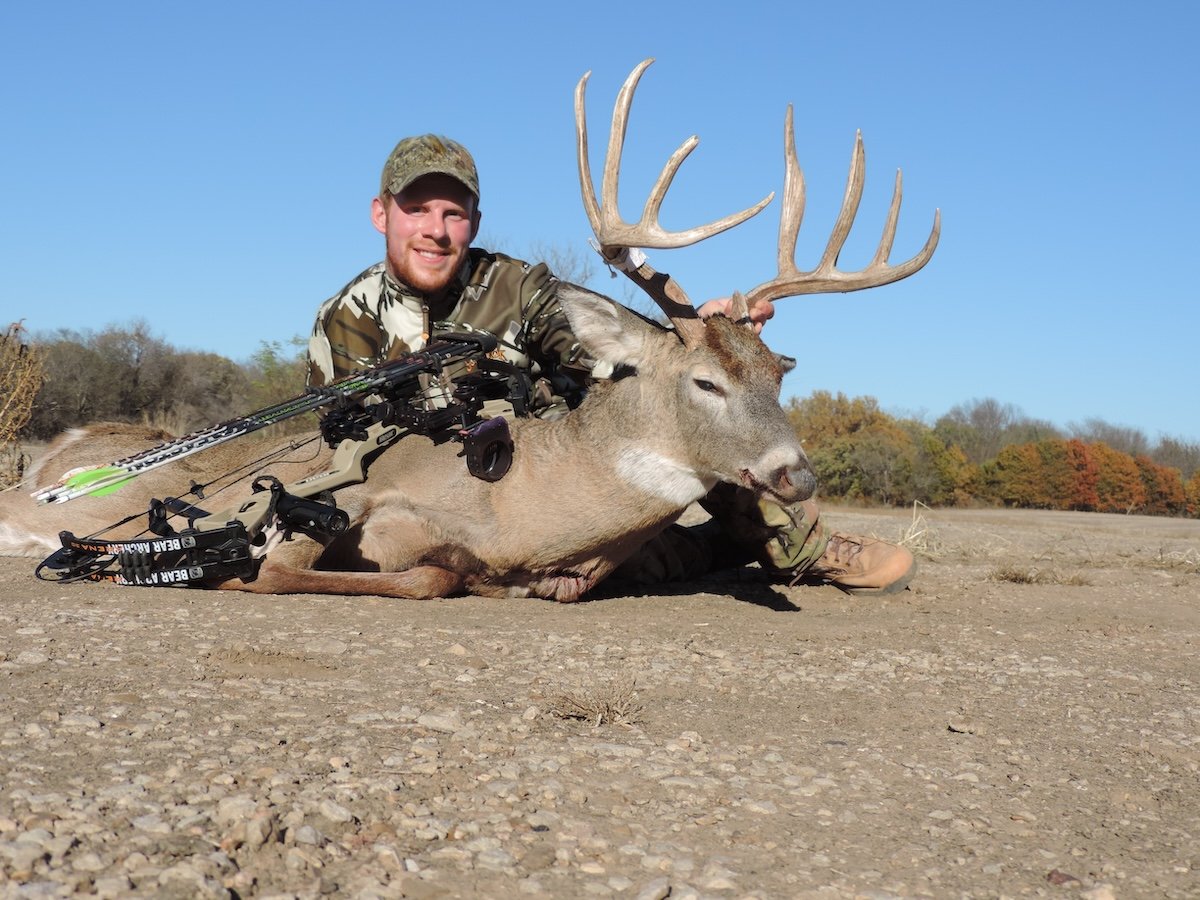
HuntStand ambassador, Darron McDougal, killed this buck on November 10 by hunting a funnel that connects a doe bedding area to rolling prairies. The buck was hot on a doe, and the two deer were likely about to go into lockdown in a tucked-away pocket in the hills.
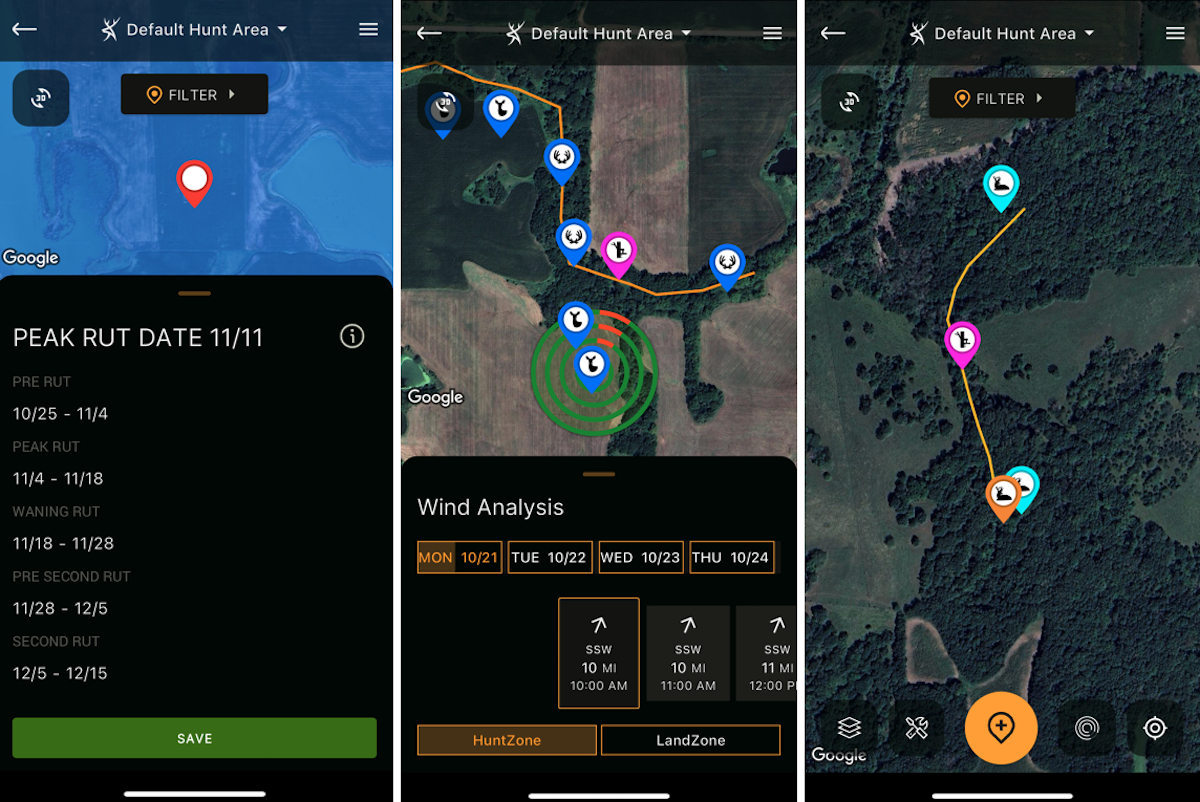
Check the rut dates. Monitor the wind. And sit that great rut funnel. That's the plan.
Make the Most of the Rut
The rut is the single most exciting time to hunt whitetails. But, we’ve all had seasons slip by without really getting into the action. If you think the rut is just one big elephant you can’t miss, think again. It is divided into distinct phases as detailed in the Nationwide Rut Map. Knowing what the bucks are doing during each phase can inform how and where you hunt, thus increasing your chances of success.
By combining information from the Nationwide Rut Map with the best days and times to hunt from the Whitetail Activity Forecast, you greatly stack the odds in your favor. So, if you haven’t already upgraded to HuntStand Pro Whitetail, do so today to gain access to the most sophisticated whitetail hunting tools ever created. Only then can you truly make the most of the whitetail rut this deer season.
UPGRADE TO HUNTSTAND PRO WHITETAIL