



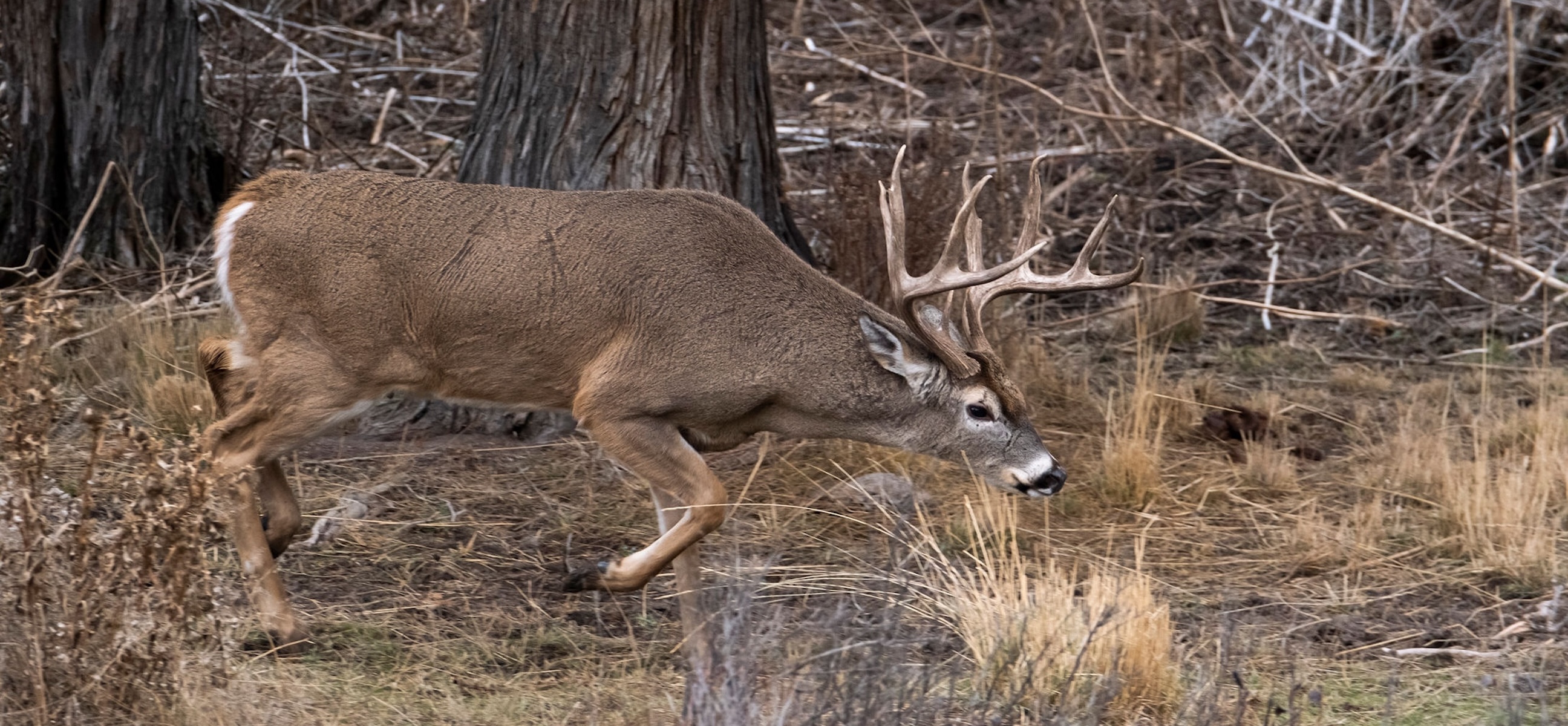


Mature bucks are meticulous in their movements.
That buck you’ve been chasing since September is still on trail cameras, yet continues to elude your every attempt to put him on the wall and in the griddle. Now, your deer season is over … or soon will be. You’re still packing that unfilled buck tag, and the building sour taste in your mouth now crescendos into the full-blown nastiness of tag soup.
Why? Because you failed to understand how mature bucks travel from A to B on your hunting lands. You didn’t identify the factors, and understand the nuances, of deer movement patterns and tendencies. If that’s true for your deer season, read on to understand how whitetails traverse the landscape, and about deploying hunting apps and maps to find the best hunting spots.
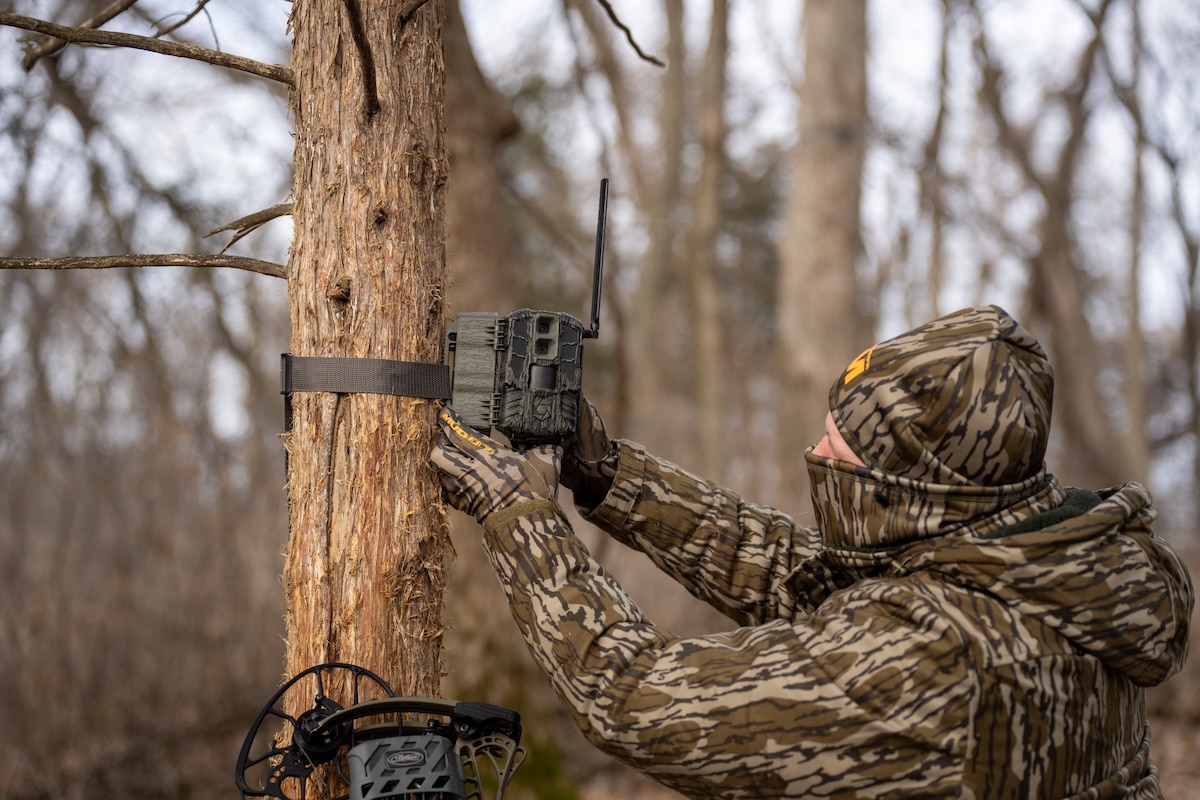
Run cellular trail cameras to determine key travel routes.
Defining A to B Deer Movement
Whitetails are crepuscular animals, meaning they move most at dawn and dusk — the first and last few hours of the day. Deer movement is best defined as a travel route between two endpoints. A to B deer movement can be any combination of places, including the bulleted examples below:
- Bed to feed (typical afternoon pattern)
- Feed to bed (typical morning pattern)
- Bed to water and water to bed (typical afternoon, but can happen anytime)
- Bed to bed (bucks cruising during the rut)
- Escape routes (when deer are more pressured, such as gun seasons, opening days, and weekends)
- And more
Deer movement is a blended combination of meticulous movements and random actions. Most of the time, deer choose their travel routes and destinations with a high degree of situational awareness. Mature bucks especially bed, move from point A to B, and otherwise operate in ways that allow them to best use their senses.
Find Next Season’s Public Land Stand Locations Right Now
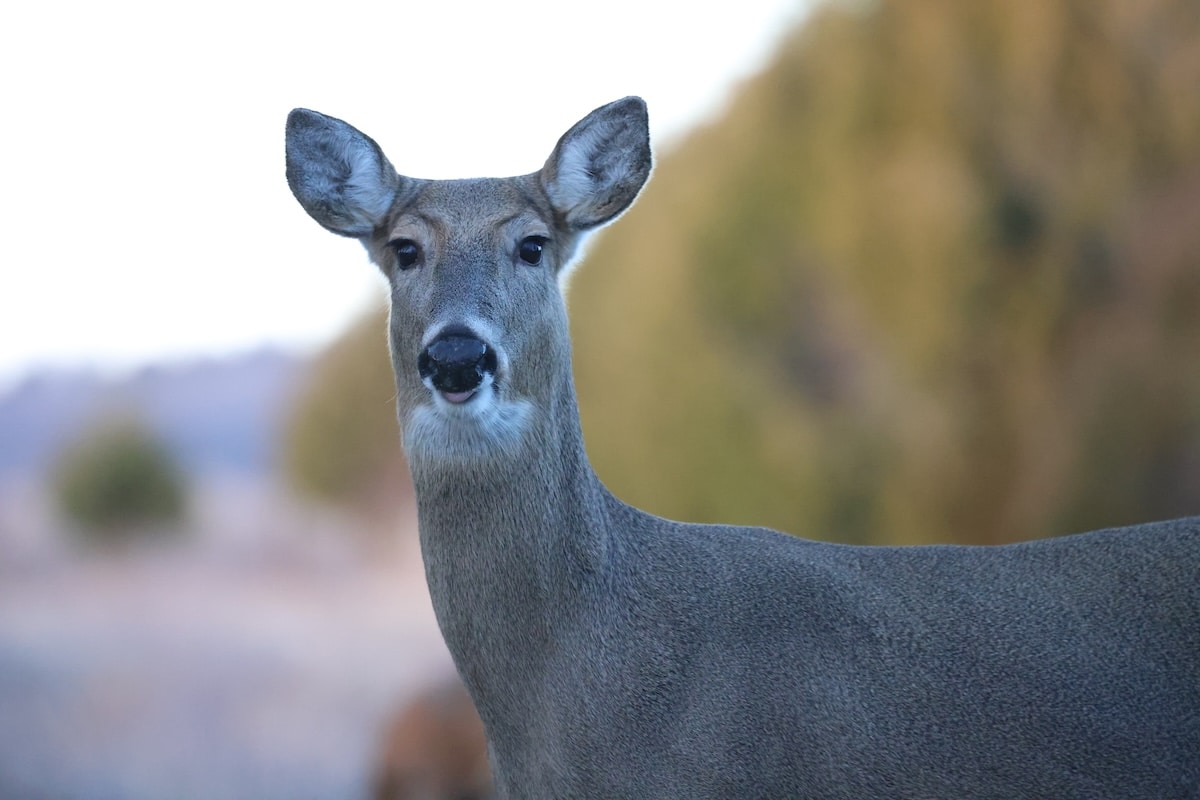
The rut impacts how deer travel the landscape, too.
The Eyes: Deer move in ways, and in places, that provide them with visual cover and other advantages. For example, when possible, deer oftentimes travel the inside edge of timber, or other cover, so they aren’t exposed for long stretches of the landscape. Furthermore, deer tend to move slowly and scan ahead as they go. They’ll stand still for long stretches and scan their surroundings in search of potential danger. During the late season, and in pressured settings, deer tend to move even slower as they watch for problems ahead and around. Of course, when bedded, or choosing where to bed, deer commonly select spots that allow them to scan everything in front of them.
The Ears: Deer also use their ears. One example of this is traveling to stagnant water sources, rather than moving bodies of water. Watering in smaller holes that aren’t moving allows them to use both their eyes and ears more effectively. Wind also impacts deer movement, which is why deer tend to move slower and more cautiously with higher wind speeds.
The Nose: Sense of smell is a whitetail’s No. 1 line of defense. Oftentimes, deer bed in spots, and in ways, that allow them to smell danger approaching from behind them. Sometimes, when on the move, they’ll choose directions and routes that allow them to smell danger ahead. That might be them traveling with their nose into the wind, or at least a crosswind, that blows scent from the direction they expect danger to potentially be lurking.
The Extras: Deer use more than their own sense of sight, hearing, and smell. They also benefit from the eyes, ears, and noses of other whitetails. These animals are very much in tune with their surroundings, including the behaviors of their fellow cervids. They might not retreat if a turkey spooks and runs, but if another whitetail flags and dashes, all other deer within sight are likely to do so as well.
Deer also choose their travel routes and based on other factors. These are usually impacted by convenience and safety. Potential scenarios include:
- Traveling through a saddle in a ridge line to avoid spending unnecessary energy needed to walk up and over higher elevations.
- Moving through a short pinch point that funnels deer through cover, yet that still offers escape routes out the sides, if needed.
- Avoiding a long, skinny ridge line with steep, unnavigable slopes on either side due to being potentially trapped and in close corridors to predators.
While basic whitetail sensory and safety elements greatly influence deer movements, it’s far more nuanced than described above. There are additional factors influencing buck travel patterns.
How to Set Up a Small Property for Deer Hunting
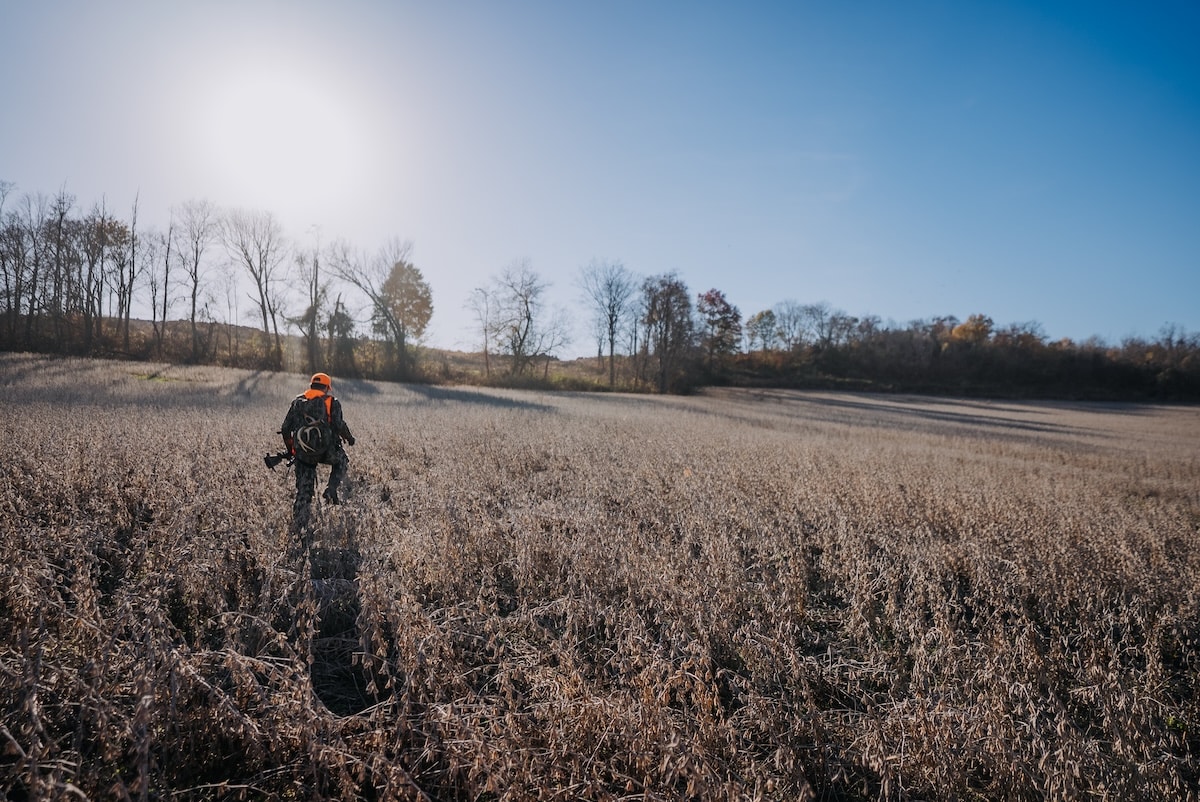
Food is a major driver of deer activity.
Factors Influencing Buck Travel Patterns
Deer movement is influenced by many factors, including some of which is detailed below. Environmental elements, property structure, seasonal factors, and much more, impact how deer use and maneuver the landscape.
Home Range Establishment: Bucks settle into areas eventually established as their home range. The average home range of whitetails is 650 acres, or 1 square mile, but this fluctuates greatly by region, habitat type, habitat quality, deer densities, hunting pressure, and more.
Core Area Selection: Bucks choose core areas within their overarching home ranges. These are smaller areas — often 30-50 acres — where they spend the bulk of their daytime, and many of their nighttime, hours.
Habitat Type: The habitat type impacts where deer bed, feed, and travel in-between. For example, in hill country, they’ll bed on ridges. In flat, wet ground, they’ll bed on pockets of dry ground within marsh and swamp islands.
Habitat Structure: The habitat structure influences deer movements, too. The orientation of cover, food, water, human presence, and more, determine where, when, and how deer traverse their environment.
Topography: Topographic features hold great sway over deer movement. For example, in the afternoon, when thermals are dropping, deer routinely enter open fields from the lowest points where scent collects. The same theory applies to thermal hubs. Of course, topography impacts deer movements in dozens of ways.
Property Flow: The flow of a property also impacts deer travel patterns. Bedding cover, food sources, water sources, and hunting pressure are major factors. Convenience and safety are two other significant drivers of how deer move about a property.
Edge Availability: Deer rely on edge cover. This habitat feature can help create bedding areas, food availability, escape cover, and more. That’s why deer travel routes often parallel edge habitat.
Wind Directions: The wind direction oftentimes influences where deer bed, when they move, which direction they travel, the specific trails they choose, and more.
Thermal Impacts: When the air cools (usually late afternoons), thermals (and therefore scent) fall downward. When the air heats (usually mornings), thermals (and therefore scent) drift skyward.
Seasonal Factors: Things change throughout the year. Thus, seasonal changes impact bedding area needs, food source availability, hunting pressure, and much more. As seasonal factors come and go, so do associated variations in deer movements.
Personality Types: Each buck exhibits its own set of habits and tendencies. These culminate into a perceived personality, which impacts how they travel and move about the land.
Excursion Trips: Deer make irregular excursions to remote corners of their home range, and sometimes, well outside of it. This is a documented and researched phenomenon in whitetail behaviors.
Hunting Pressure: Lastly, hunting pressure is a major influencer of where deer bed, feed, water, and travel in-between. They’ll go to great lengths to avoid it, when possible.
Ways to Improve Treestand Ambushes
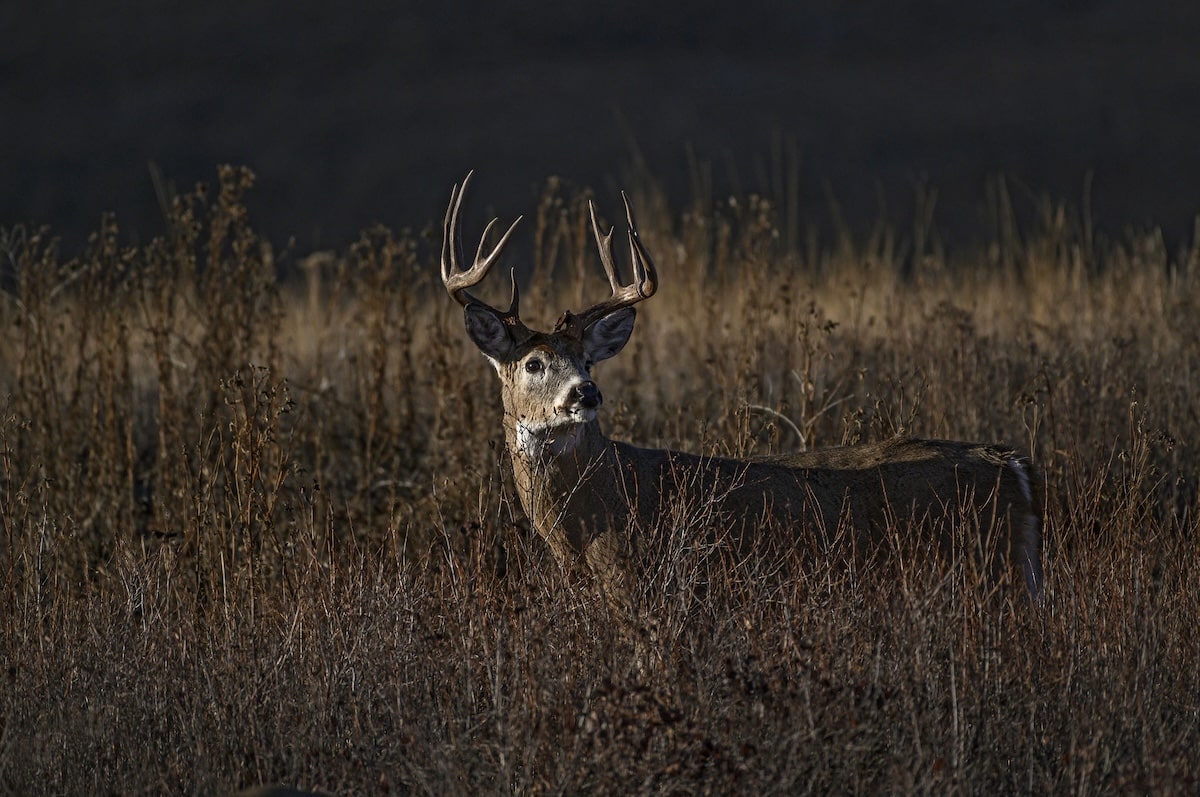
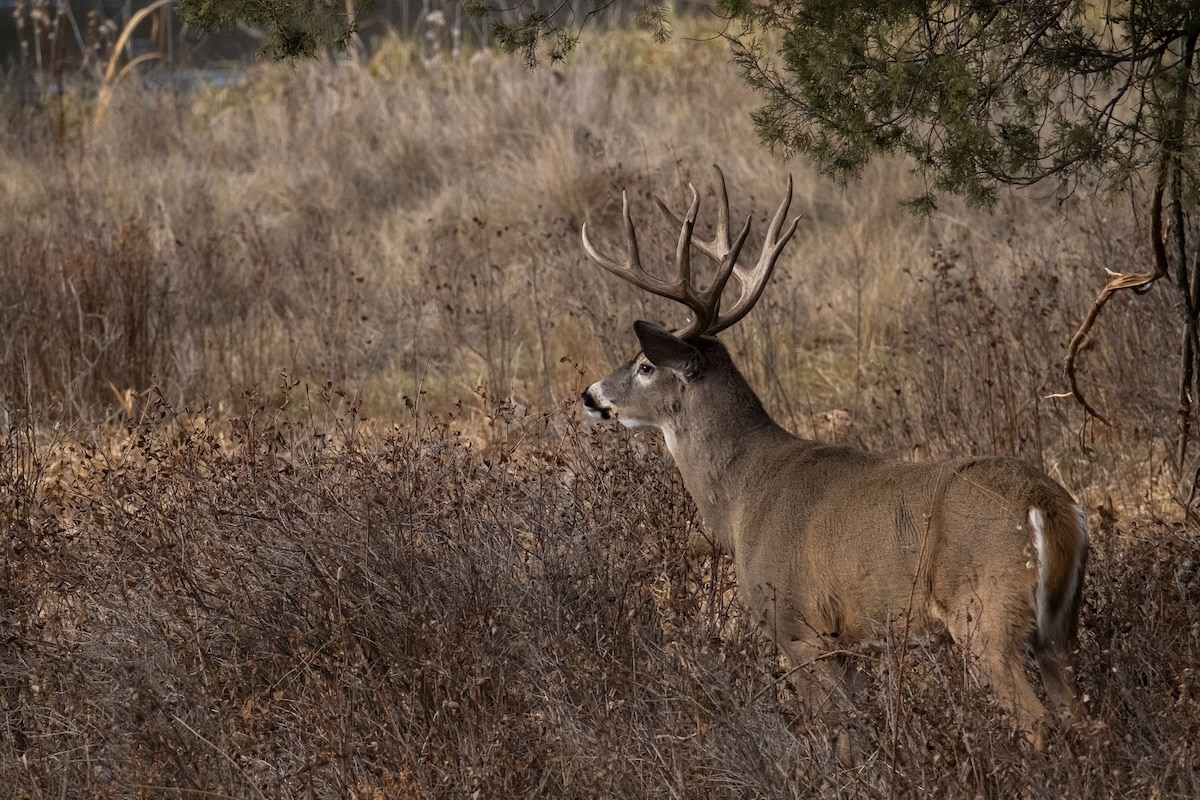
A big deer will use the conditions, habitat, terrain, topography, and more, to its benefit.
Bedding Area Selections
Mature bucks choose bedding areas based on various factors, such as human intrusion, hunting pressure, predator prevalence, available security features, bedding behaviors, food sources, water sources, hierarchy (herd status), personality traits, weather conditions, and more. In short, it’s a highly nuanced and micro-tuned subject.
Without question, deer put serious thought, or at least impressive reactionary response, into bedding selection and behavior. This too, impacts overall movement patterns.
Obviously, deer need reprieve from human activity. They won’t bed in areas that receive heavy human presence deemed as a threat. Regular hunting pressure eliminates areas as bedding, too. Predator presence can impact bedding area selection in the same way.
Of course, weather and wind, and their relationship with habitat and topography, are also important. Typically, deer bed with the wind at their backs, and routinely bed on the leeward (downwind) side of a ridge line, or in a leeward bowl or thermal hub. Inclement weather, such as heavy snow, can drive deer into areas with thermal cover (in the form of dense conifers).
Food and water play roles, too, as bucks need both to be within or at least very close to their daytime bedding areas. This allows them to get up and feed once or twice during the day without exiting that area they feel safest in.
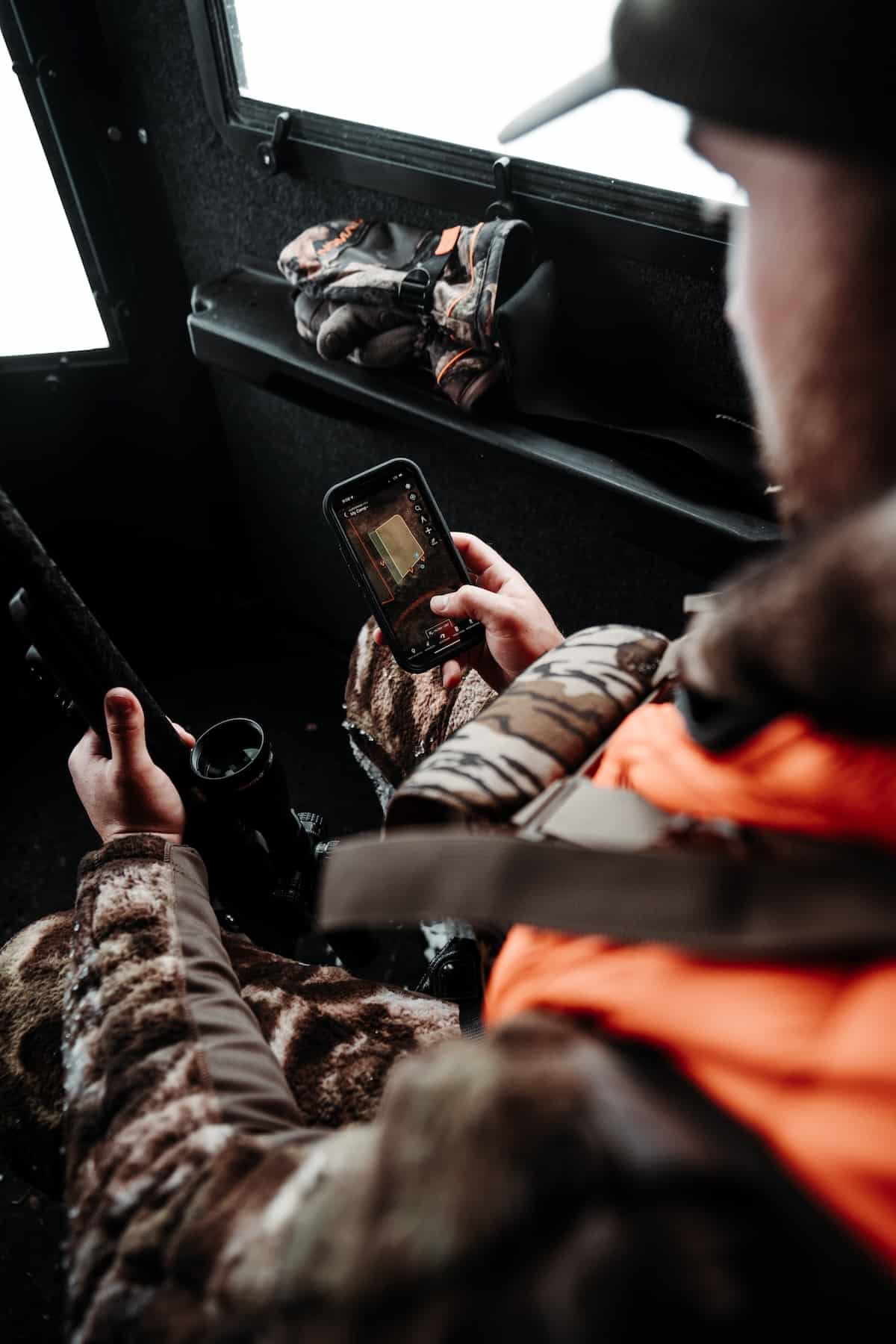
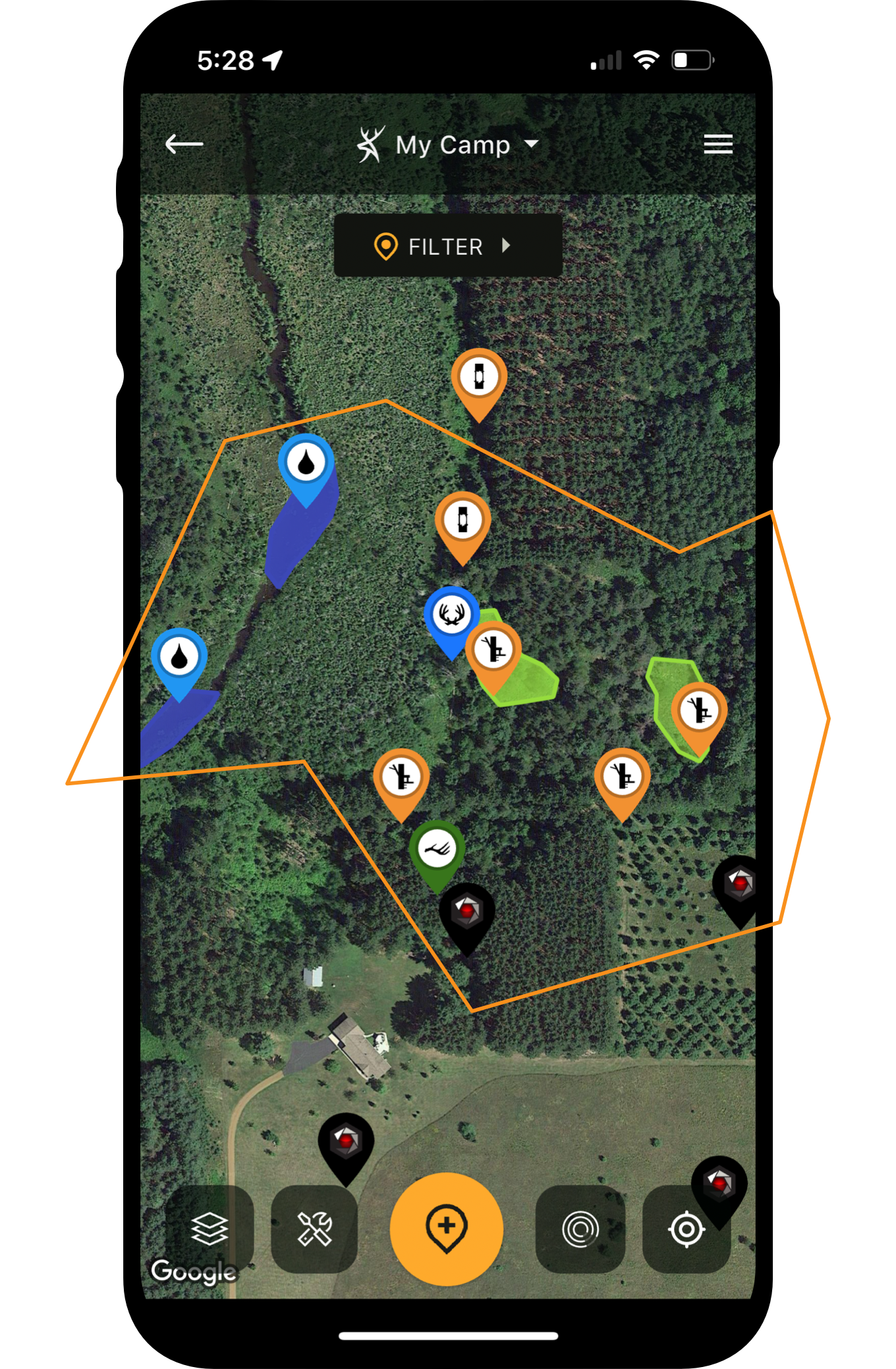
Use HuntStand to visualize deer movements.
Analyzing Morning Feed-to-Bed Deer Patterns
Deer bed during the day, meaning that, around dawn, they head back to bed. This produces morning travel patterns from food sources to bedding areas. Therefore, hunting travel routes, and closer to bedding cover, often proves effective for hunting the first half of the day.
Studying Afternoon Bed-to-Feed Deer Patterns
Once afternoon arrives, deer begin rising from beds and spending more time on their feet. They’ll mill around the bedding area, and gradually filter out toward destination food sources, feeding in staging areas and smaller food sources as they go. Again, hunting along travel routes, and closer to food sources, is a good play for hunting the second half of the day.
Understanding Rut-Based Movement Patterns and Tendencies
Some movements aren’t driven by hunting pressure, security, or pangs of hunger. Rather, these are influenced by rut-based variables. Knowing this, it’s important to understand how these translate into patterns during the rut.
Examples? Bucks traveling trails between doe bedding areas, cruising along the downwind edges of doe bedding, visiting areas known and frequented by specific doe family groups, cycling around their home range in a circuit-based manner, and more. These are instances of rut-based movement tendencies.
Reasons HuntStand Ultimate Makes You a Better Deer Hunter
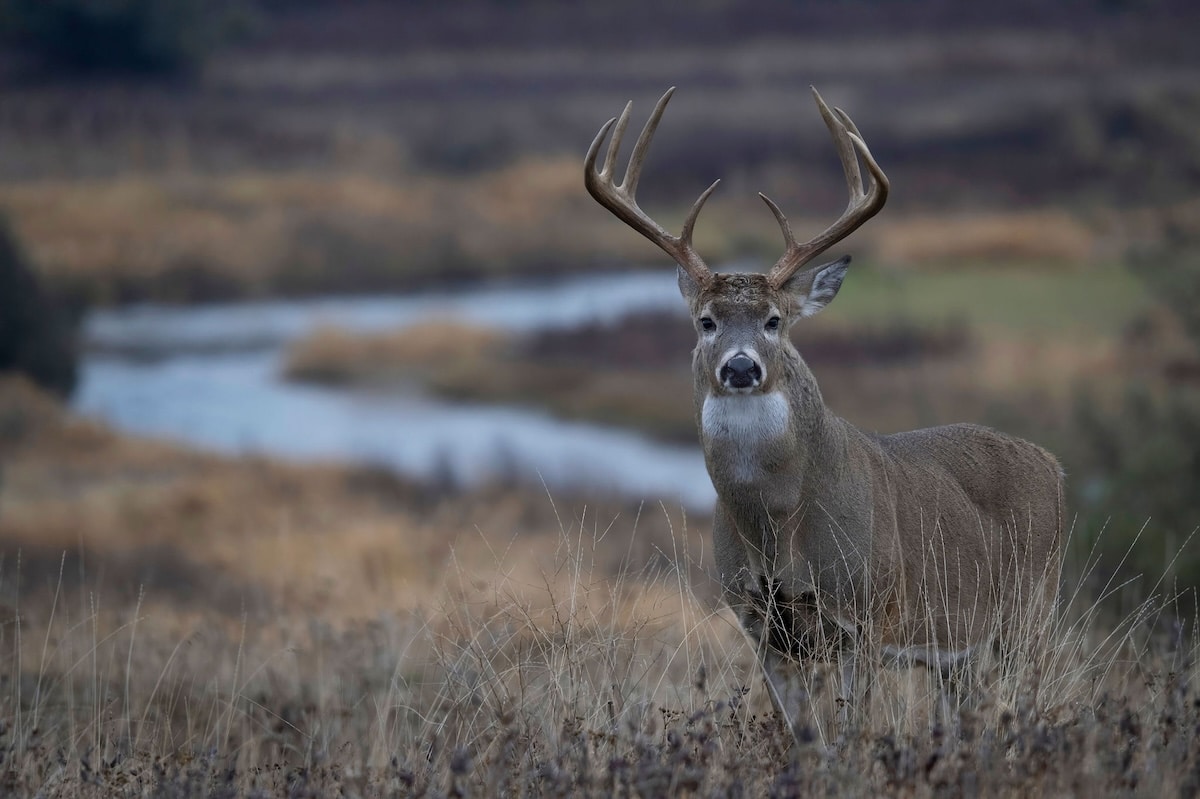
Find your target deer, make a plan, and stay committed.
Visualize Mature Buck Patterns with HuntStand Ultimate
You’ve been hunting without the help of HuntStand. Perhaps you’ve had some luck. Maybe you haven’t. It’s possible you’re already a bona fide deer hunting genius who’s shot more deer, skinned more bucks, and holds more knowledge of the white-tailed deer than Fred Bear, Saxson Pope, and Davy Crockett combined. But I’ll tell you now, I’m betting all three of them would’ve used HuntStand if given the chance.
Fortunately, HuntStand is designed for users to visualize whitetail patterns. By locating bedding areas, food sources, water sources, and trails, you can see each key piece of the puzzle. Add in integrated trail camera photos and sightings of target bucks, deer sign, and more, and the picture becomes even clearer. You can quite literally begin to see where bucks are vulnerable, spots to hang stands and position blinds, and determine what conditions and winds to hunt with.
So, no matter where you land on that spectrum outlined above, HuntStand Ultimate can take your whitetail pursuits to the next level. Sign up for a subscription today.