





Hunting does oftentimes means tricking a lot of eyes, ears, and noses.
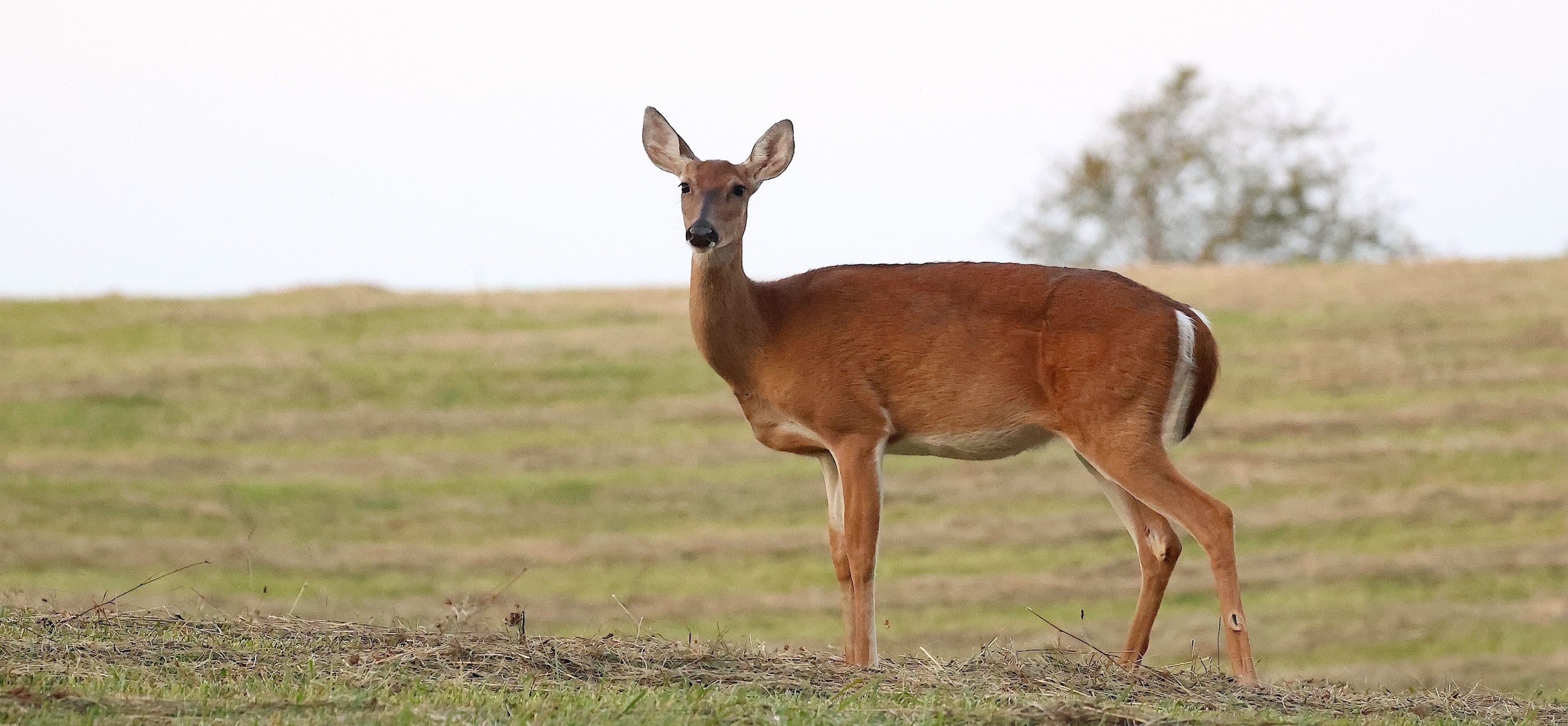
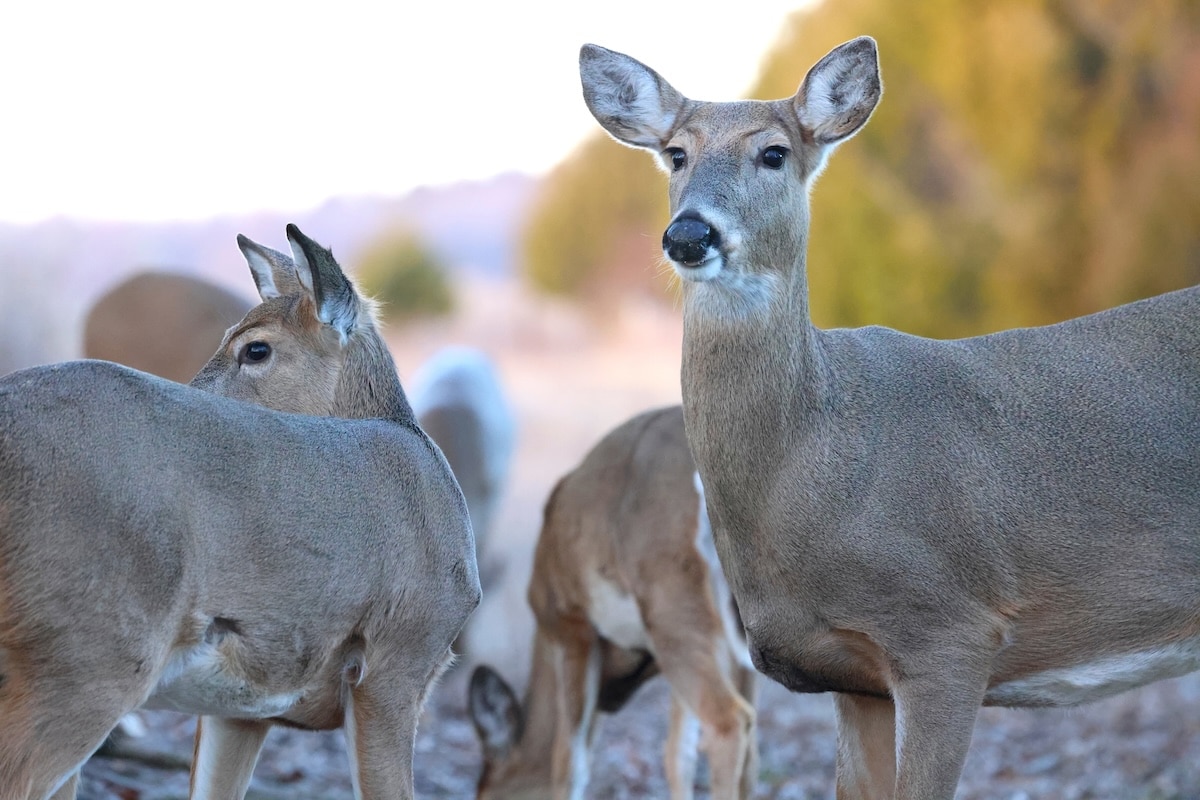
A long nose appears in the brush. Then, two beady eyes, two long ears, and a slick head. It isn’t a buck, but it’s just as wary. The old matriarch doe swishes its tail, signals the all-clear, and the parade marches out. A doe family group trots into the field.
Everyone wants to talk about shooting big bucks. That said, each season, more does are harvested than antlered deer. You can even purchase guided whitetail doe hunts. So, here’s how to hunt whitetail does.
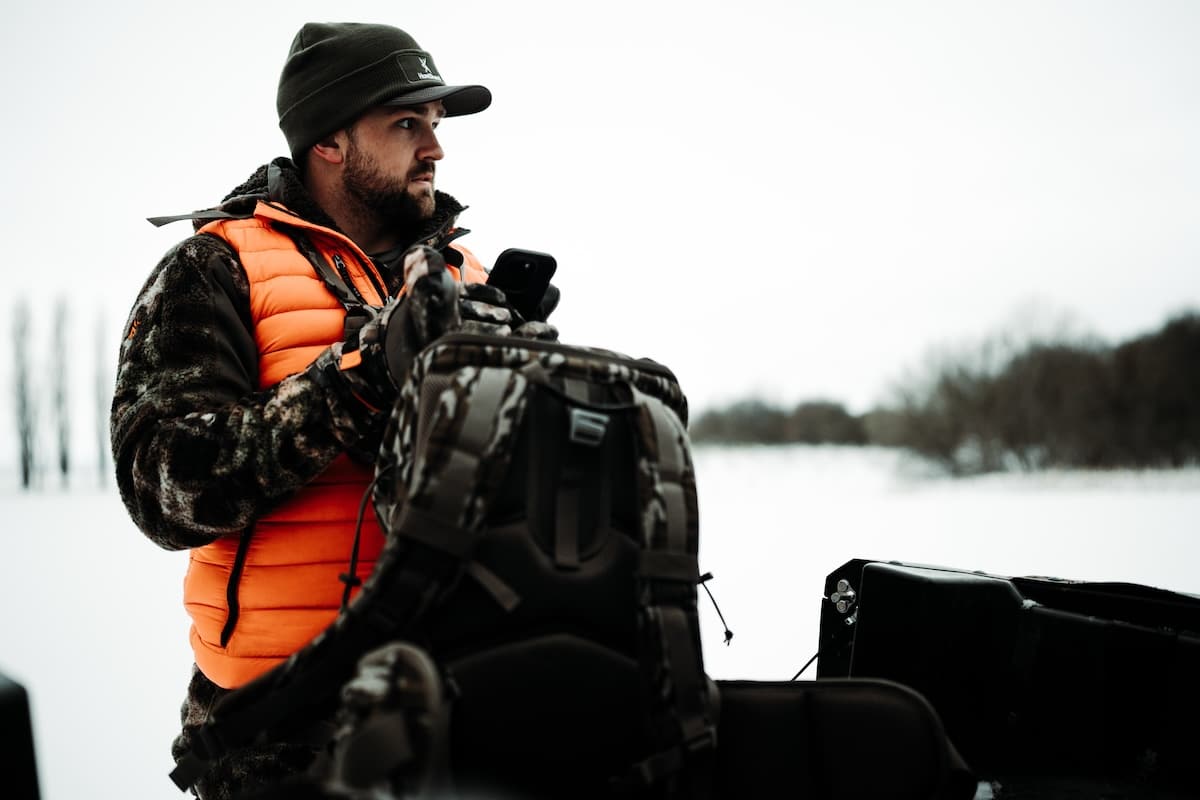
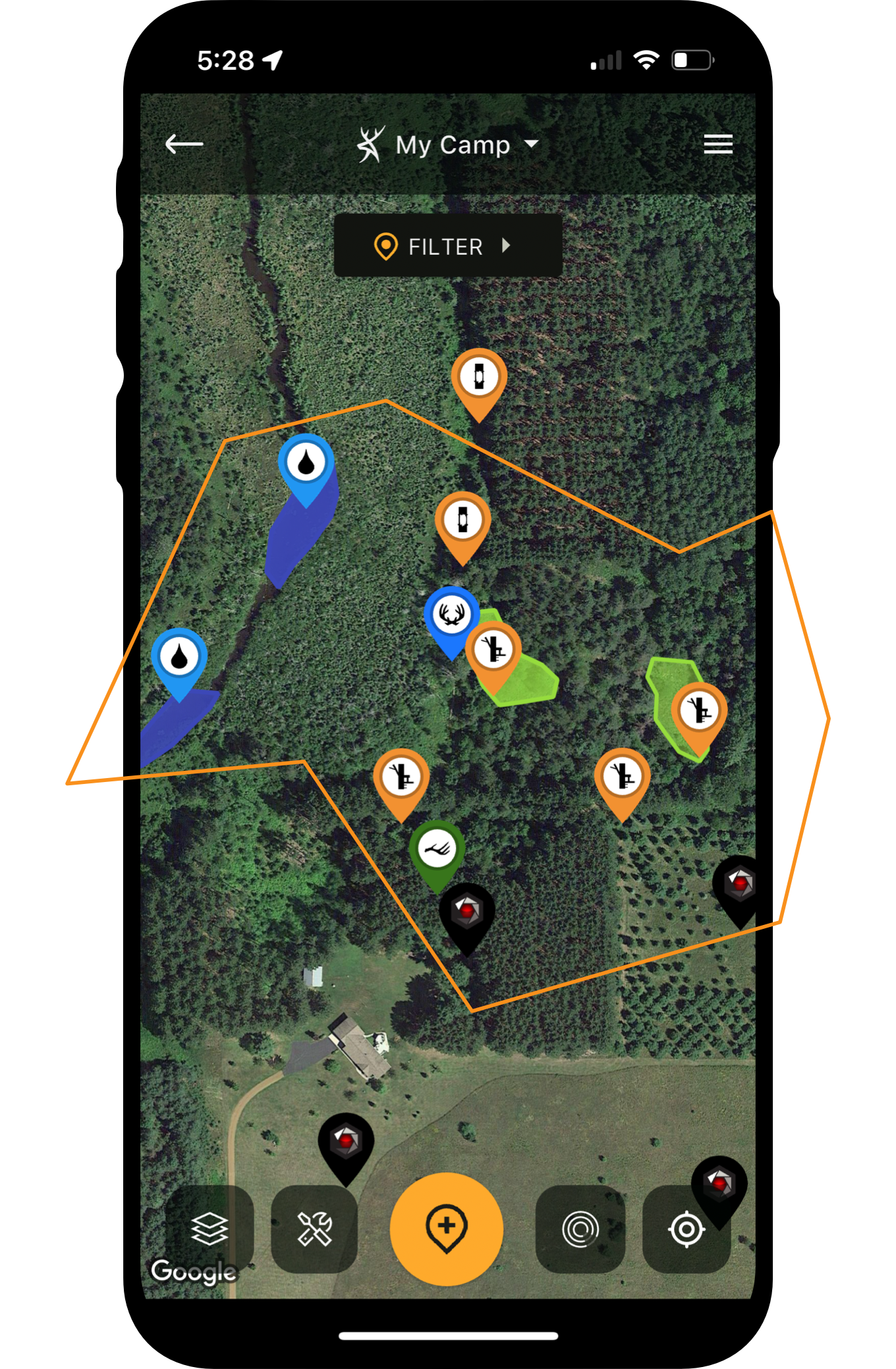
Use HuntStand to plan your doe hunt.
Doe Hunting Logic to Remember
When hunting does, there are certain bits of logic to remember. Some are tongue-in-cheek. Others are downright serious.
- There are reasons to shoot does, and reasons not to. Know what you’re doing and know the purpose behind filling doe tags.
- It’s sometimes necessary kill old does that get wise. If they pick you off, and you continue to hunt that spot, they can ruin every hunt after that. Either shift the stand location or remove the problem doe.
- Leave the matriarch alone. One doe I have on trail cameras has been on the property since 2011. She has a big, arched nose that’s unmistakable, and she’s completely off limits to hunting. At this point, she’s the farm mascot.
- You can kill too few, or too many, does. Always study the deer density, and buck-to-doe ratio, before filling doe tags. Then, make decisions accordingly.
- Knowing when to kill does isn’t just about if you should do so. It also entails deciding if the early season, or late season, is the best time to do so.
Of course, there are other points to remember, but the above five are among the most important. Keep these in mind when doe hunting.
Finding a Buck’s Core Area with Cell Cams
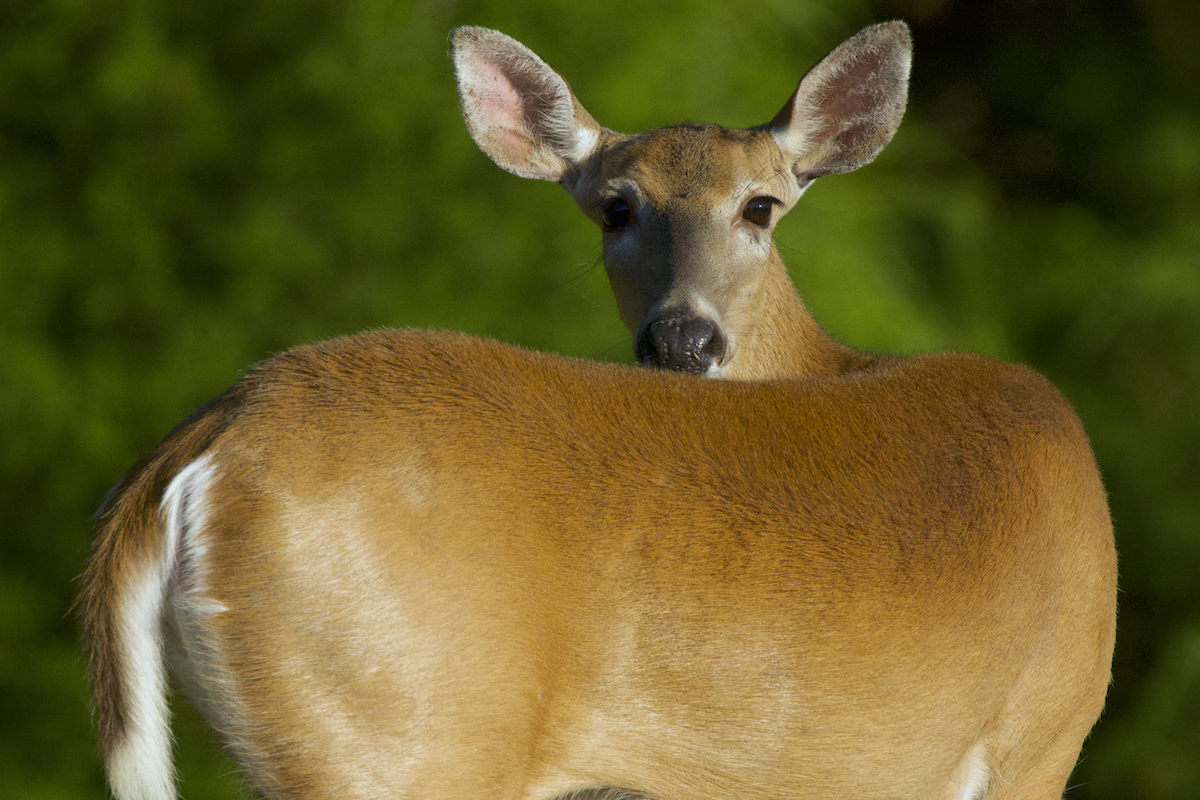
In some instances, harvesting does is necessary. Other times, it isn't good for the herd.
Reasons to Hunt Does
There are many reasons why hunters might shoot does. Doing so can provide numerous advantages, benefits, and solutions to certain challenges and issues.
First, hunting does increases hunting opportunities. It offers additional chances at filling tags. This is a positive for numerous things.
In most states, hunters only receive one buck tag. Obviously, shooting does helps fill the freezer. This can feed you and your family in the year to come.
Does provide chances to test new hunting gear. Additionally, hunters can launch new-to-them hunting tactics. They can sharpen hunting skills.
Of course, harvesting does also helps balance the buck-to-doe ratio. This accomplishes multiple things. First, a proper herd structure, which improves overall health. Second, a shorter rut, which is easier on bucks’ health. Third, a more defined rut, which produces better daylight buck movement.
Reasons to Not Hunt Does
Despite the numerous reasons to shoot does, reasons not to exist as well. Today, in a time when many deer herds are stable or declining, some hunters find themselves in the latter camp.
First, if deer densities are already low, consider eating all antlerless tags. Allow the deer population to re-build before taking does.
Second, and similarly, if a recent EHD kill-off occurred, consider halting doe harvests. This is the only way to improve the deer herd dynamics.
Third, if does have young fawns, it’s best to pass. Waiting until fawns are older, and not so reliant on their mother, is good practice.
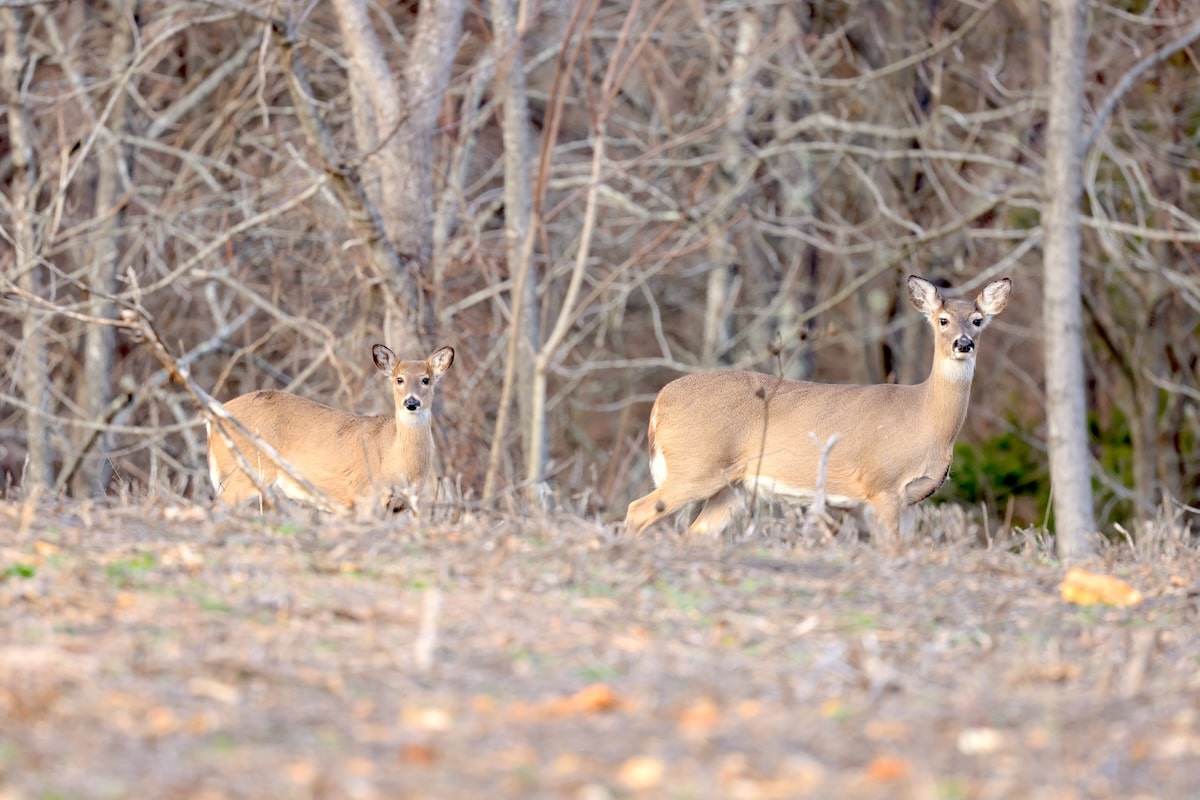
Knowing what does to shoot, and when, is an important part of the decision-making process.
What Does to Shoot
Deciding what does to shoot, and which ones to pass, involves numerous factors. Shooting one doe or another is largely influenced by current and projected deer densities.
In part, hunters should choose the proper age of does to target, too. Removing older or younger does from the landscape can produce different outcomes. In short:
If you want the deer population density to increase, shoot less productive does that produce fewer fawns. Pass does that successfully raise two or three fawns.
If you want the deer population density to decrease, shoot more productive does. This reduces the deer density. Shoot does that have two or more fawns with them.
15 Best Strategies for Hunting Big Deer (With HuntStand Pro Whitetail)
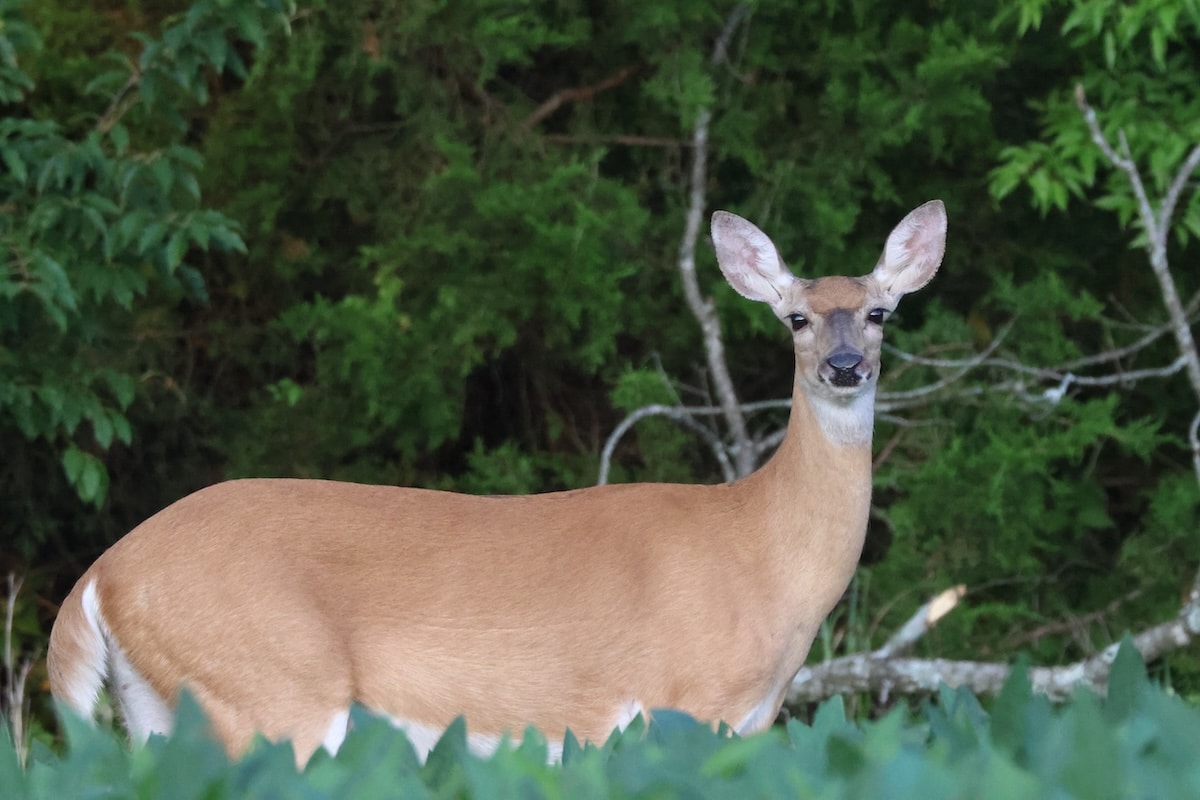
A big, mature doe is not an easy hunting challenge.
When to Shoot Does
Regarding timing, and best periods to shoot does, there are two schools of thought. Some prefer to shoot does before the rut. Others choose to do so afterward. Pros and cons follow both.
Before the Rut: Some hunters prefer to use the early season to hunt unpressured bucks. Hunting does during the early season subtracts from that. However, there are good reasons to shoot does early.
- Hunting does earlier tends to offer an easier hunt with less pressure.
- Shooting does during the early season balances the buck-to-doe ratio and intensifies the rut. This increases mature buck visibility.
- Removing does from the landscape earlier provides more food availability for remaining deer.
- Fewer does to cover reduces stress on bucks during and after the rut.
- Shooting does earlier makes it easier to refrain from shooting button bucks.
After the Rut: The post-rut and late season are challenging times to shoot does. But like the early season, there are good reasons for it.
- Shooting does during the late season allows for better herd assessment. It’s easier to gauge other mortality factors (i.e.: EHD die-off, other hunter harvests, etc.).
- Shooting does later can also assist in decreasing fawn mortality. Staying with their mother increases odds of fawns surviving difficult challenges.
- Cooler weather translates to better deer movement. Furthermore, it provides better conditions for post-harvest meat care.
Regardless of the timeframe chosen, there are positives and negatives to each one. Just remember to make smart harvest decisions, whenever they come.
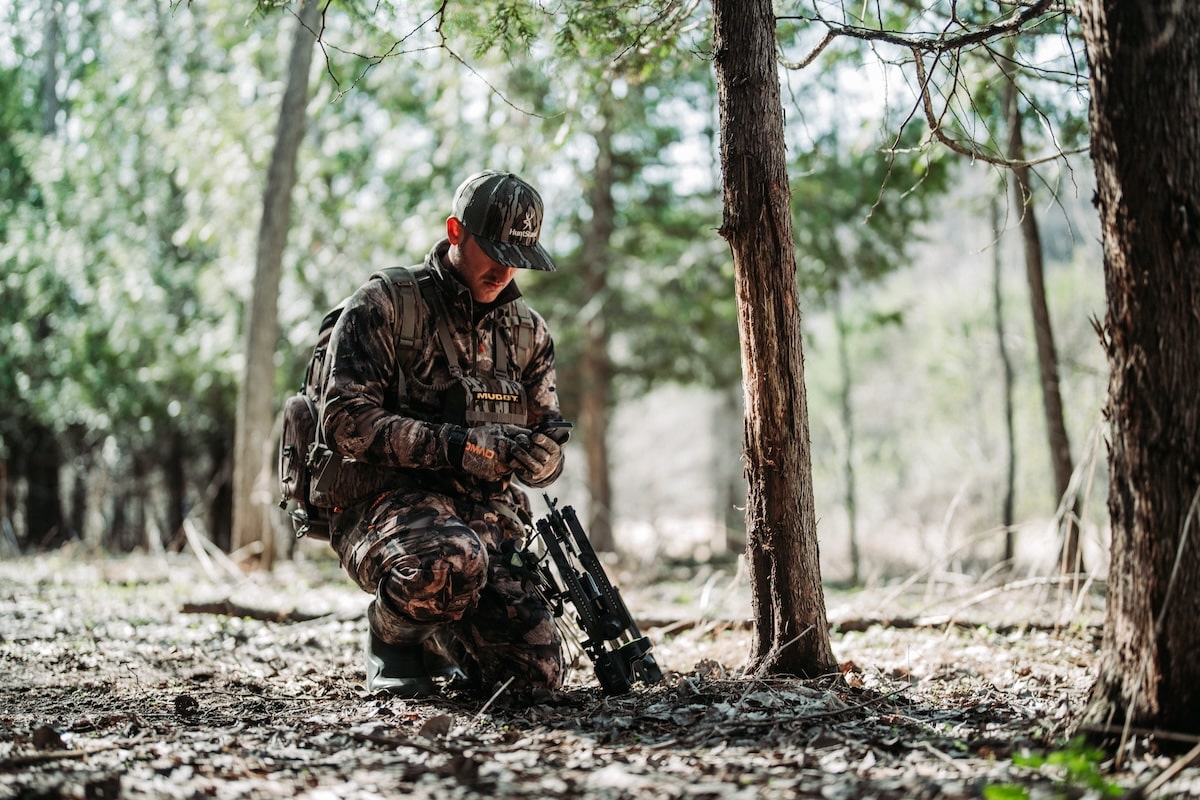
Certain tactics are especially good for hunting does.
Doe Hunting Tactics
Most deer hunting tactics are completely applicable to doe hunting. While certain tactics used to target specific individual bucks are different, what works for hunting bucks in general is largely the same as hunting does. That said, it’s good to remember certain things that apply more to the females.
Find Doe Groups: Does tend to bed in family groups. These consist of a few to several closely related does (mostly mothers and daughters), fawns, and maybe yearling bucks (that haven’t dispersed yet). Oftentimes, there are spaces of unused cover between doe groups.
Locate Doe Bedding: Bucks and does sometimes bed in different locations. In hill country, bucks tend to bed in areas where they find seclusion, including away from other does and bucks. But when you locate does, it’s oftentimes closer to food sources, and not as deep within cover.
Don’t Dive as Deep: Because does bed closer to major food sources than bucks, diving deep into cover isn’t advised. Generally, this leads to spooking does rather than filling tags. In many places, does live in the same area year-round. They aren’t as likely to shift as bucks. So, once you find the does, they’re more likely to stick around for the long haul.
Use a Fawn-in-Distress Doe Bleat: Early in the season, using a fawn-in-distress call can bring a doe running. Be aware, though, does that respond are on edge, and getting a shot can be difficult.
E-Scout Differently: Because does use the landscape slightly differently than bucks, it’s important to e-scout differently. Using HuntStand Pro or HuntStand Pro Whitetail, study different aerial- and topography-based layers and scan your hunting properties. Search for potential areas that might be home to doe family groups.
30 Reasons HuntStand Pro Whitetail Makes You a Better Deer Hunter
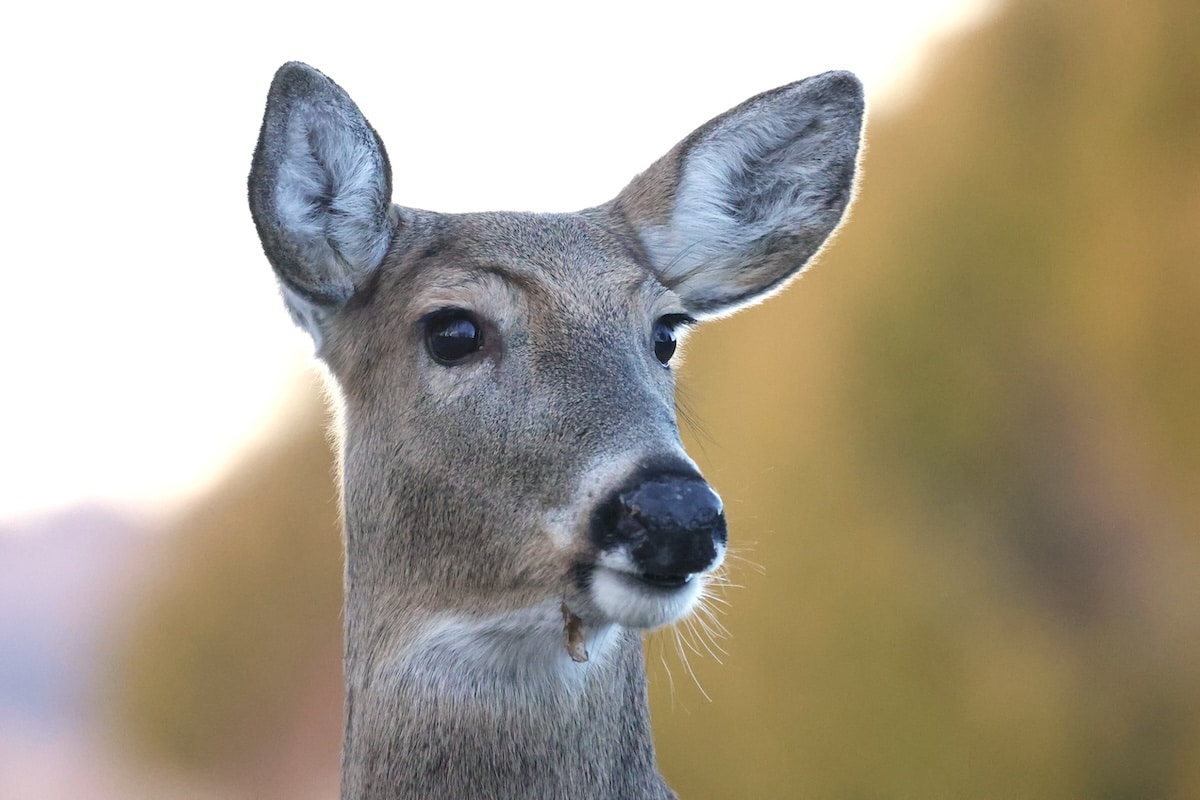
Does are oftentimes even more challenging than younger bucks (and some older ones).
Don’t Underestimate Them
Doe hunting offers a different challenge than buck hunting. But don’t underestimate them. Mature does can be very difficult to hunt. The oldest does in the herd are true matriarchs, and they aren’t pushovers. Old does are even better at pinpointing trouble than younger bucks, and some mature ones.
If you decide to match wits with an old doe this season, best bring your A game. You’ll likely need it, and then some.
UPGRADE TO HUNTSTAND PRO WHITETAIL