





Many persistent hunters have lots of success during the late season. Give up early, and you’ll have tag soup. Keep going, and you might get your opportunity before time runs out.
Many hunters have had an unbelievable deer season, but for others, it’s been nothing but a grind with not a scrap of venison to show for the hours logged, miles driven and hiked, and sacrifices made. Is that you? Despite the constant big-buck photos flurrying social media newsfeeds, understand that others are struggling, too.
In fact, I was until just a few days ago when a mature post-rut buck finally gave me an opportunity after I’d hunted early season and the entire rut. So, good things can still happen, but you have to keep your head in the game.
There’s still a lot of time left in many states. Yes, the rut is over across most of the whitetail’s range, and bucks are no longer running around in the middle of the day. They’re more predictable now that they’re starving and have little else but food in mind.
Despite the predictability, taking a mature deer — doe or buck — during the late season is a tall order in most places. Deer have been pestered for 2-3 months straight, and they’re worn from the rut. For those reasons, encountering them in the daytime is just shy of impossible. And when you do, they’ll typically be extremely wary. There isn’t room for mistakes.
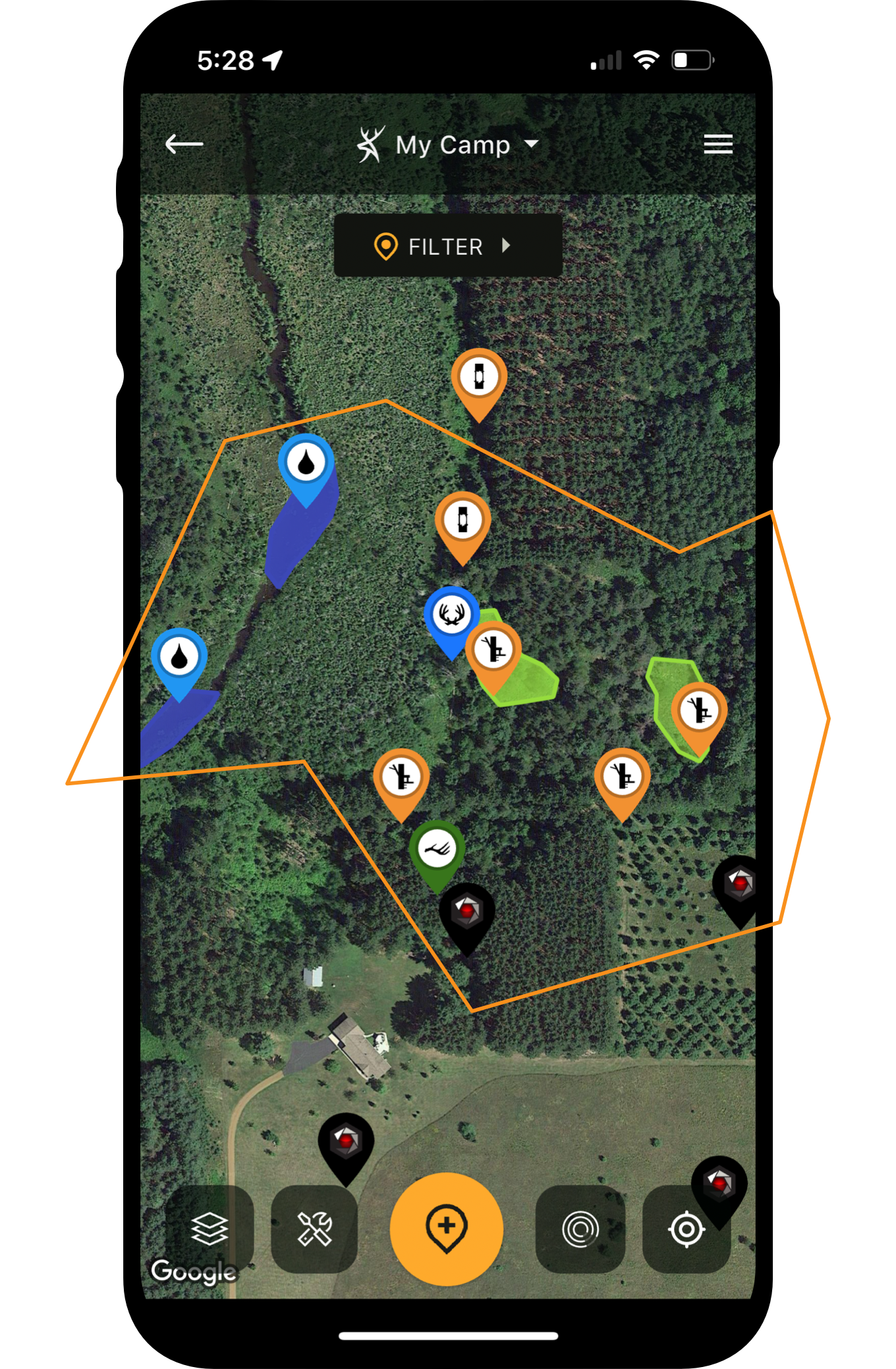
To that end, following are a handful of tips that can enhance your late-season game. Some are related to weaving HuntStand Utimate throughout your strategy, and some are more general. Regardless, let’s dive in.
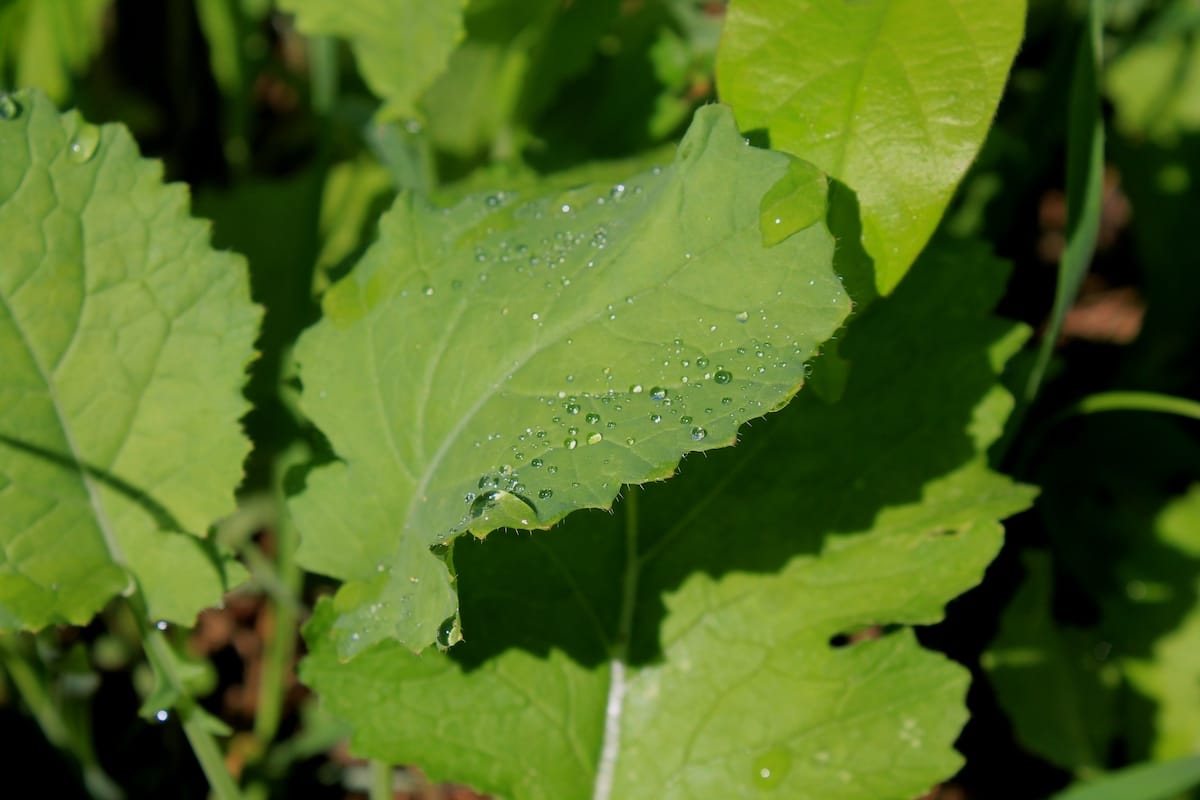
Bucks have to eat a lot following the rut to prepare for a long winter. Jump on a food source when the wind and weather are ideal, but also use trail cameras (where legal) to track buck movement so that you can strike when the time is right.
Map the Food
If you have any version of HuntStand, then you should be very familiar with the satellite features such as Hybrid or Property Info. These provide excellent high-res overviews of the area/property you intend to hunt. Of course, property owners, managers, and lessees typically know exactly what crops exist. But, for those of us who live hours away, it’s difficult to know what’s left for deer to eat. Are the corn and soybean fields you hunted earlier in the season still standing? Good question.
While it’s not possible to definitively tell what deer have left to eat, you can make some calculated assumptions. Open Monthly Satellite Imagery and pan around your intended hunting area. I always do this before heading out on late-season hunts hours away. With or without snow cover, study ag fields in the vicinity.
How to Scout Deer in Winter
Those that are gold are typically corn. Although the Monthly feature’s imagery is lower in resolution than the primary satellite features, in some instances, you get enough detail to see if the corn is standing and if the field was disced or tilled. Soybean fields appear slightly browner. It’s tough to tell if they’re standing or harvested, but you should be able to tell if the field in question was tilled or not. Corn and beans are dynamite in the Midwest, East, and even in some plains states.
Of course, pay attention to green food sources, too, such as alfalfa and winter wheat in drier regions where corn and beans aren’t present. Green fields will stand out like sore thumbs in Monthly Satellite Imagery. These are usually very productive to hunt down in the South because acorns are usually mostly gobbled up by late season. And for the public-land hunter, winter wheat is often what state wildlife agencies plant on state-owned public parcels, so it’s primarily what deer eat when they’re on public dirt.
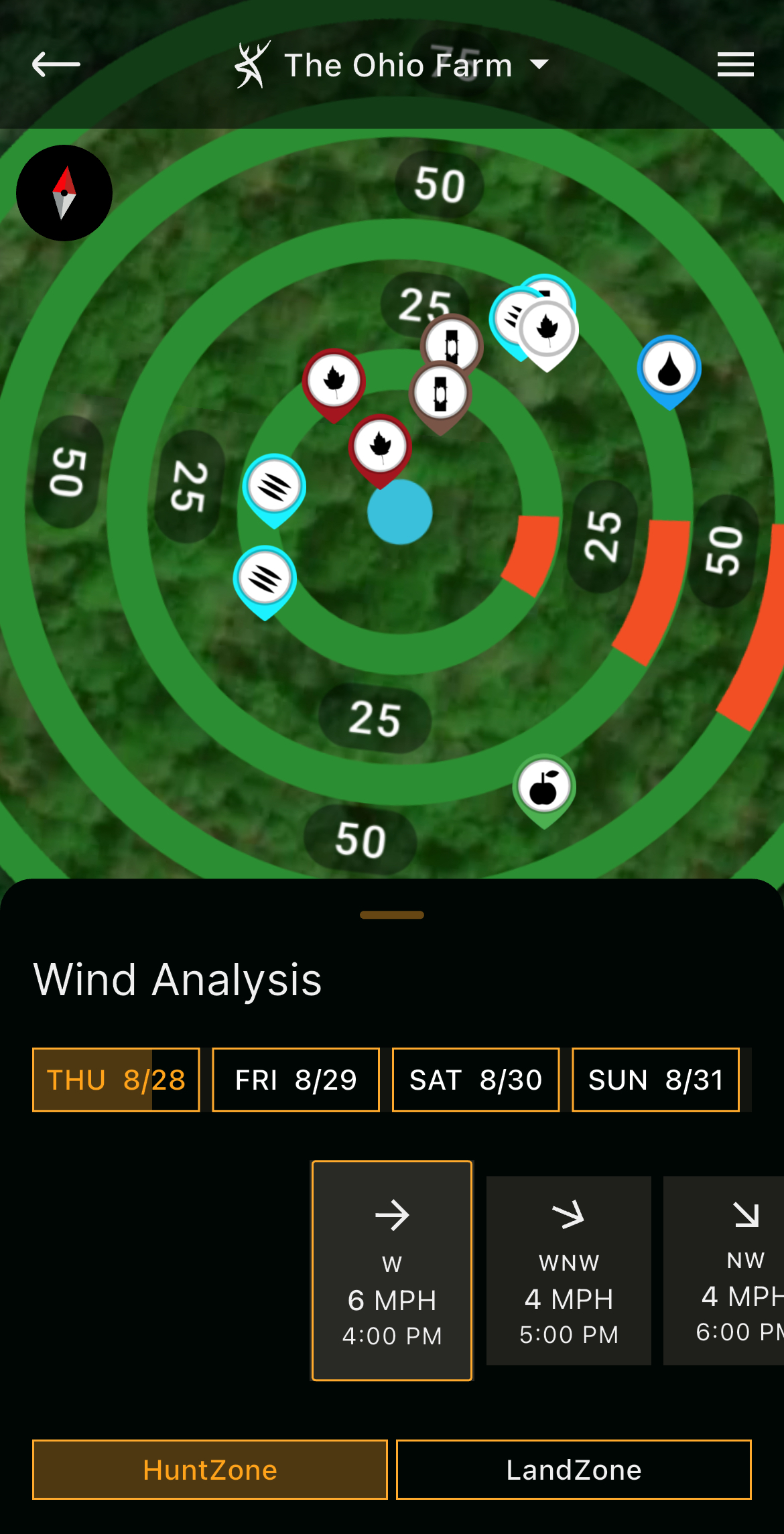
Wind is the No. 1 consideration for going up against wary late-season whitetails. HuntZone can show you how your scent will disperse at your hunting area, as well as along the route to and from your stand or blind.
Monitor Wind and Access
As I said earlier, late-season whitetails are the elite. There’s no room for mistakes, and wind is the No. 1 detail a hunter must consider. Open the HuntZone feature so that you know what your wind is doing, both where you’ll be hunting and on your access route to that location. Be mindful of potential bedding areas along the way. HuntZone displays how your scent will disperse from any given location. Check it often.
As a side note, brutal conditions can cause deer to bed closer to a food source — sometimes even right in it — to conserve energy they’d otherwise use if they were bedding farther away. Last December in North Dakota, brutal snow drifting rendered shelter belts and cattail sloughs non-navigable. So, deer were much closer to food sources — even right in them — and that influenced how I approached to scout and hunt.
Next, dial in your exit strategy, especially if you’re hunting directly over a food source. When you don’t harvest a deer, deer will likely be feeding nearby as darkness settles in. The best-case scenario is to have someone drive out to pick you up with a tractor or vehicle. But, if you have to walk out, choose the least disruptive exit path and one that won’t let deer smell you. It’s less than ideal, but as a last resort, you can clear the field by snorting like a deer, barking like a dog, or howling like a coyote. Do everything in your power to avoid human detection.
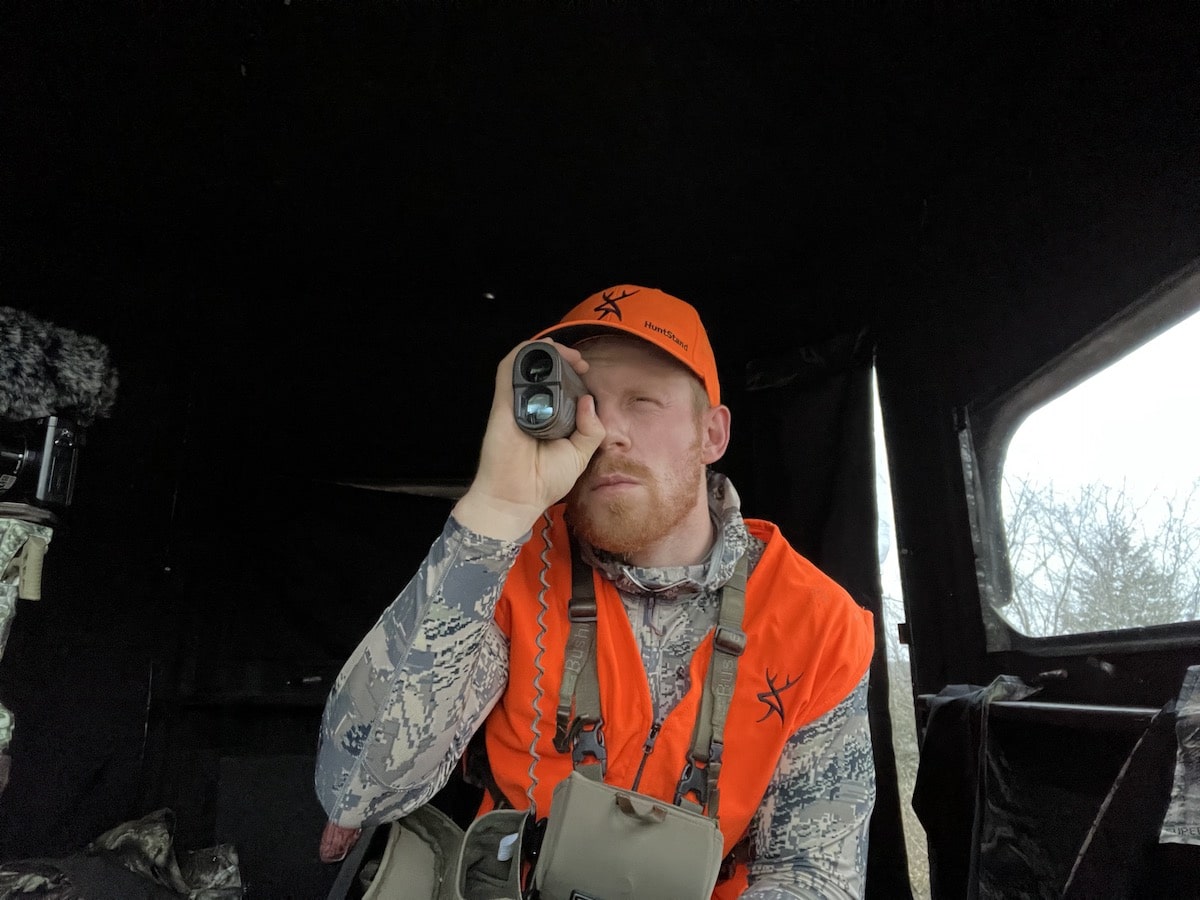
Hunting for the entire season without a single opportunity can be taxing on the mind and body, but just know that at any second, your luck could turn around. Don’t give up.
Focus on Afternoons
As far as the best time to hunt, every situation is a little bit different. But, in general, afternoons are usually the safest and best. The morning movement window is generally very tight, especially with mature bucks. Unless you know that you can catch a buck coming off a food source on his way to bed down, hunting in the mornings is risky. Hunting right over a food source usually isn’t an option unless you’re hunting with an extended-range weapon, such as a muzzleloader or rifle that doesn’t require you to get extremely close. Even then, bumping deer is likely, and transition areas closer to the bedding area can even be difficult to access without bumping deer. Most deer leave food sources before daylight, at least in pressured areas.
That said, afternoons give you a great chance to reach food sources, or transition areas between food sources and bedding areas, with a much lower chance of spooking deer. But a word of caution: Remember, deer are extremely cagey at this point in the season. So, if you’re after one specific buck, it’s best to use a mix of strategies to determine when to hunt rather than hunt as often as possible. You might get one or two afternoons when he’ll appear in daylight throughout the entire late season, and hunting the area repeatedly when the conditions aren’t ideal will hinder a daylight encounter.
How to Find Missing Late-Season Bucks
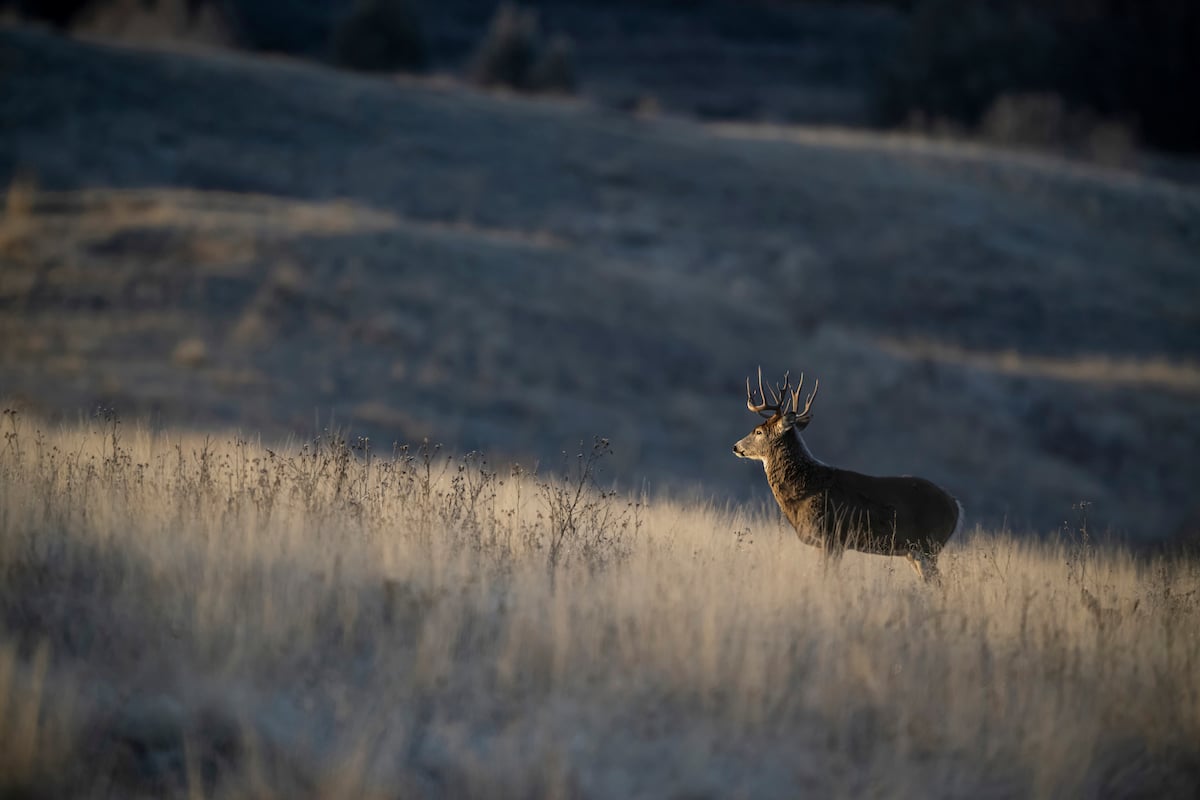
While deer are cagey during the late season, they often congregate near remaining food sources and can be pretty predictable in their feeding patterns.
So, jump on the Whitetail Activity Forecast to determine good times to hunt. Movement in the 70-plus-percent range are usually ideal, and if you’re hunting a good location, you can expect to see deer if you have the wind advantage. Trail cameras are ideal to track movement and identify a pattern, too. Bucks immediately coming off the rut are liable to grab a bite at any time of the day.
Other great conditions? Extremely overcast and gloomy skies with rain or snow forecasted later at night, and through mid-morning the following day, can be good. And to that point, watch HuntStand’s weather feature. Incoming and outgoing weather events can prompt deer to move earlier than normal.
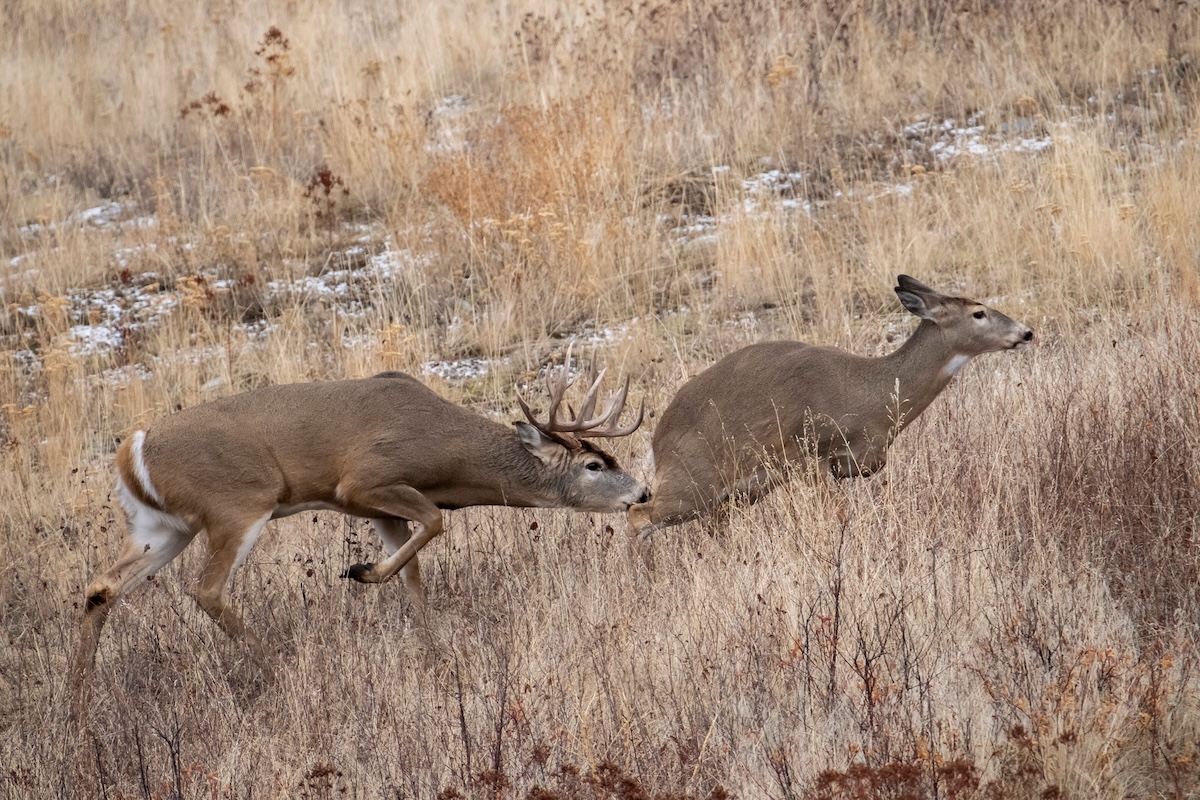
The second rut gets its share of press, but the main thing you need to know is that rut funnels won’t likely be active all day as they were during the primary rut. Instead, focus on doe-rich food sources during the second rut dates.
Time the Second Rut
In the HuntStand Ultimate Version, you have access to the Whitetail Rut Map. It details pre-second rut and second rut dates for every county of every state. While most does were already bred during the primary rut, some weren’t and will enter a second estrus cycle. Plus, doe fawns can potentially go into estrus. According to an article by the National Deer Association’s Kip Adams, this happens when southern doe fawns reach approximately 70 pounds and northern doe fawns reach approximately 80 pounds.
So, what does this mean for hunting strategies? Well, in my opinion, the Whitetail Rut Map’s second rut dates simply align with when bucks will most likely be susceptible to a daylight encounter around a food source that does are frequenting. Yes, breeding happens in December and January, but the intensity doesn’t nearly compare to that of the primary rut. So, hunting rut funnels all day will be of little help. Be on the lookout for a doe-rich food source and try your buck luck during the second rut dates for your area noted in the Whitetail Rut Map.
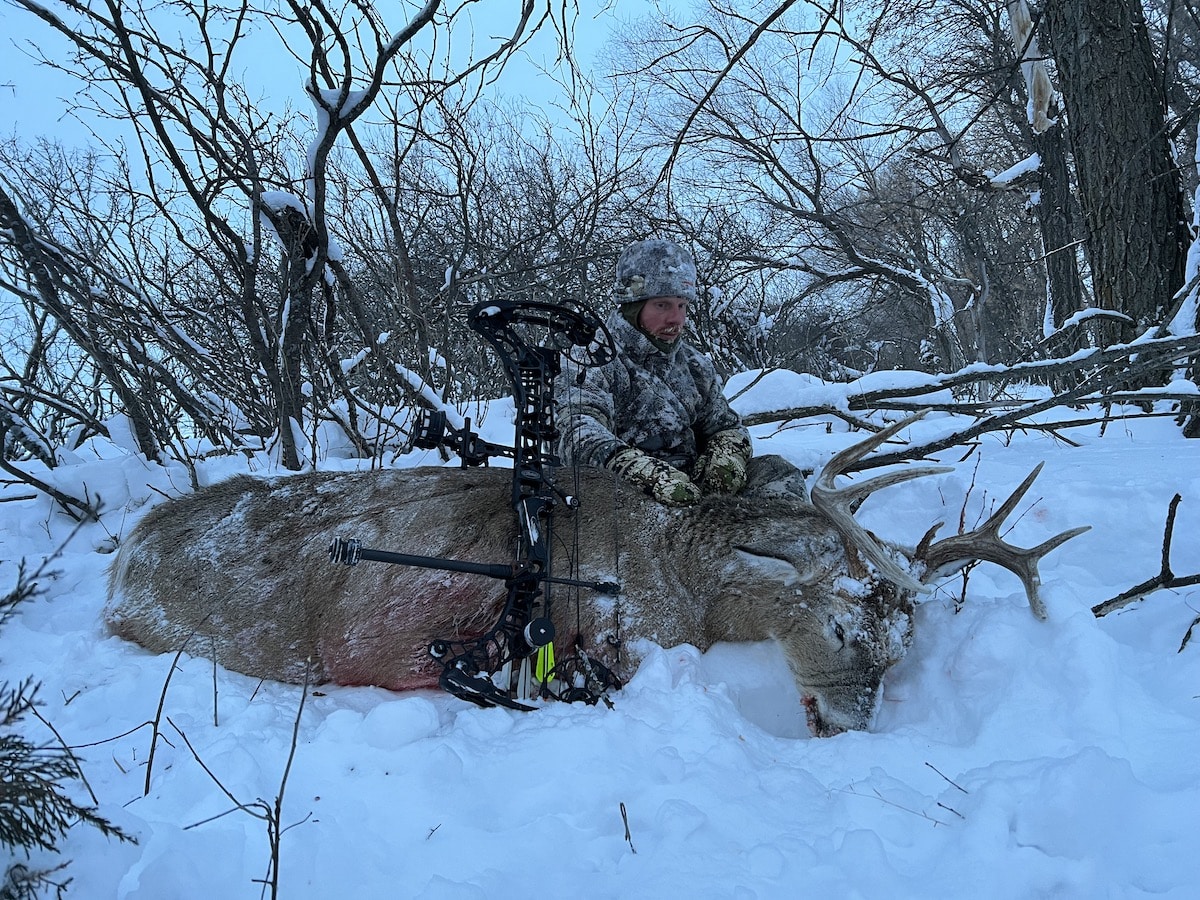
Arrowing this late-season buck was the result of heavy HuntStand Ultimate use. Features such as Monthly Satellite Imagery, HuntZone, and Whitetail Activity Forecast played a major role in the success.
Bag That Buck
Late-season hunting isn’t as glamorous as a balmy September afternoon when you have a target buck patterned. It’s not as attractive as the rut when simply cracking the rattling antlers together could spark a point-blank encounter with the buck of your dreams. However, the late season has the advantage of a major let-off in hunting pressure, as most folks have either filled their tags or given up. It can be a great time to capitalize, as deer need to feed.
I’ve personally killed late-season bucks in the last three seasons, proving that a season can be redeemed when it’s least expected. Utilize the tips outlined herein, and you have a shot at punching that tag that’s been burning a hole in your pocket.
5 Deadly Late-Season Deer Hunting Tips