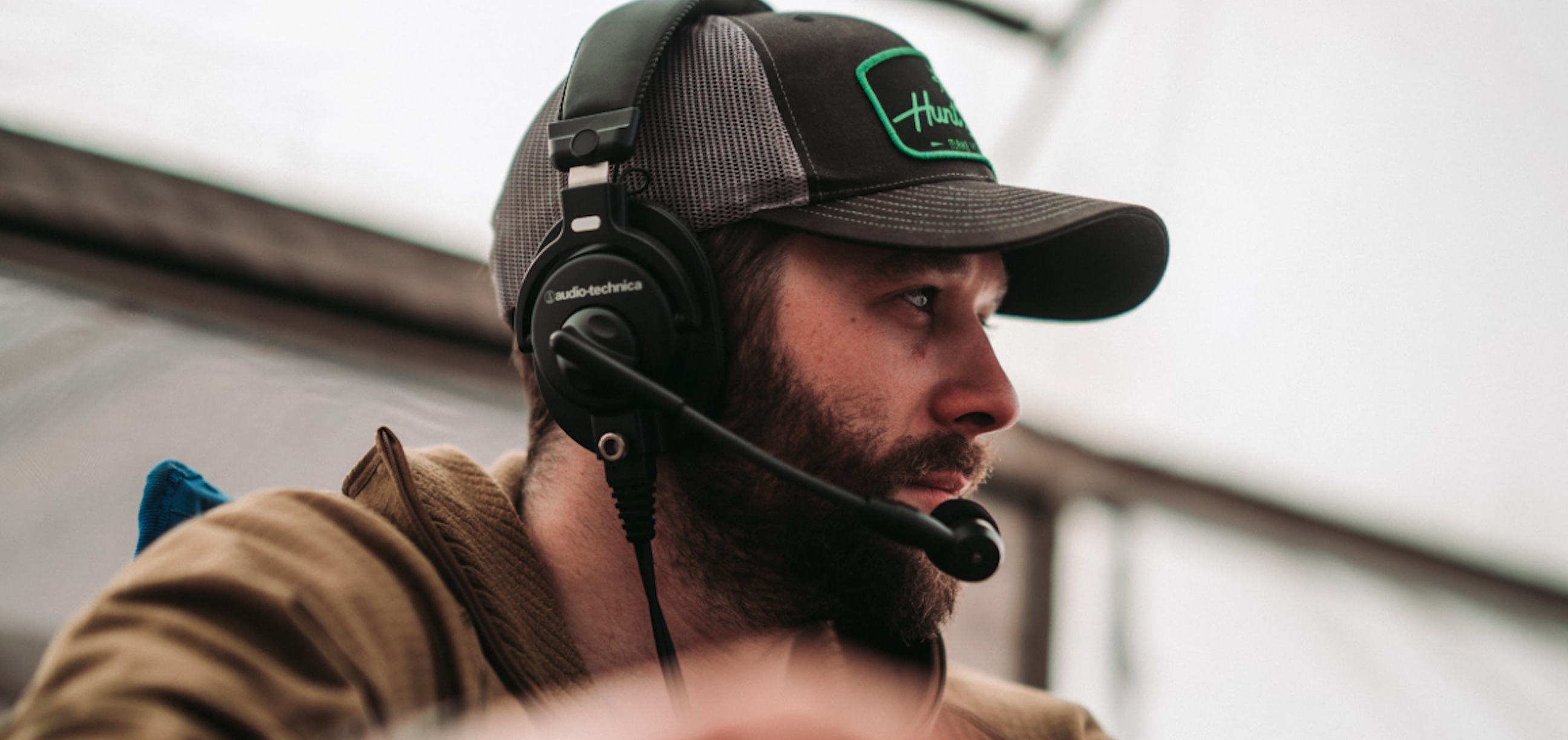






Get the best optics you can afford and put them to work.
By now, most song dogs — even those that were pups this past spring or summer — have heard all the dying screams and screeches they can stand. Many have had lead slung at them from coyote hunters, ranchers, etc., making popping pelts difficult during this time of year. That said, it’s easier if you know how to hunt coyotes during the mating season.
Because prey sounds aren’t quite as impactful now, it’s good to have other tools in the toolbox. Understanding coyote behavior is the key to earning close encounters with toothy critters from late February through mid-March.
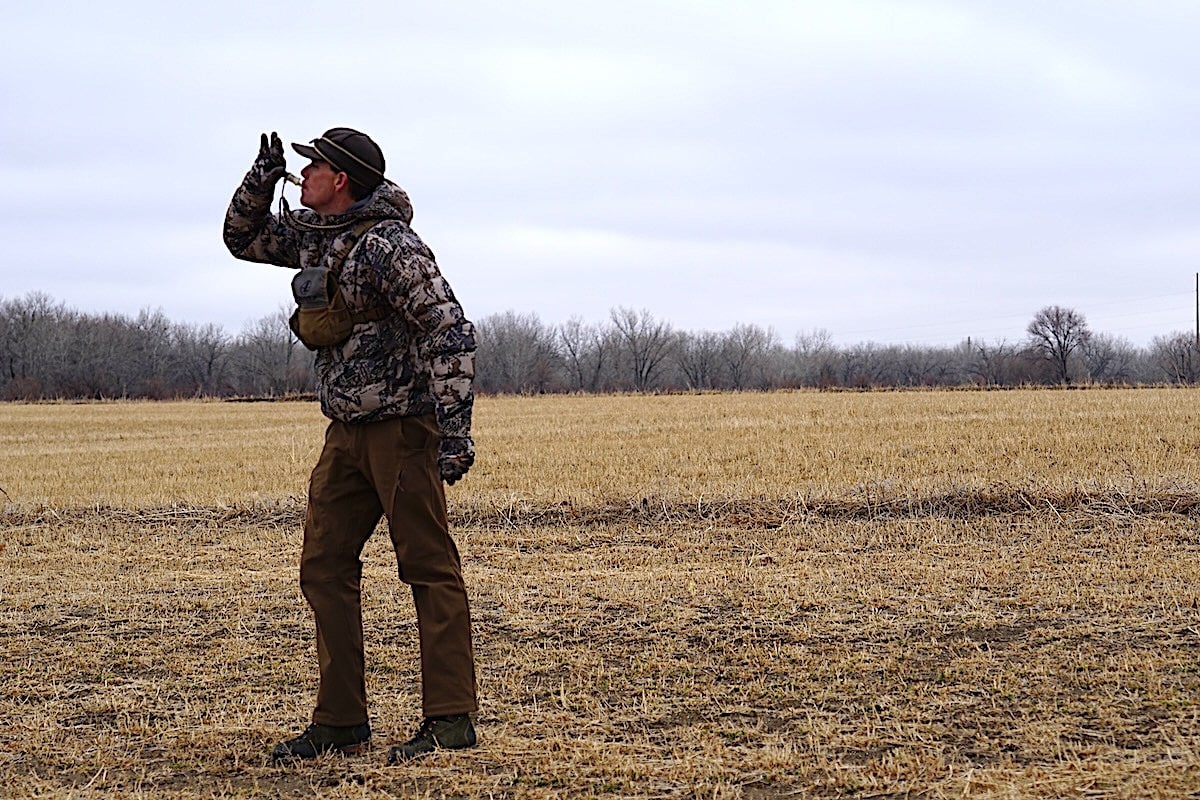
From mid-January through mid-March, howling can be an ultra-effective tactic for bringing song dogs within rifle and, sometimes, shotgun range.
The Coyote Breeding Window
In most places, late January through mid-March is coyote breeding season. Breeding season for coyotes typically lasts between four and eight weeks, peaking in late February to early March. Most scientists believe there is no “peak rut” as with most ungulates. However, rut activity varies yearly depending on weather conditions, prey quantity, and other environmental factors.
Most coyote females are ready to breed as early as two years old, while males typically need another year (age three) before being able to pass on their genes.
Coyote pups are born roughly 63 days after conception, meaning May and June are primary birthing months. The average litter size is three to four pups, but litters as large as seven are not uncommon. Because pups are born during late spring or early summer when the weather is mild and food is abundant, survival rates can be high. This may be why controlling coyote populations is so tricky and why there always seems to be an abundance of Canis latrans.
Fawn Recruitment Rates Declining? Start Killing Coyotes.
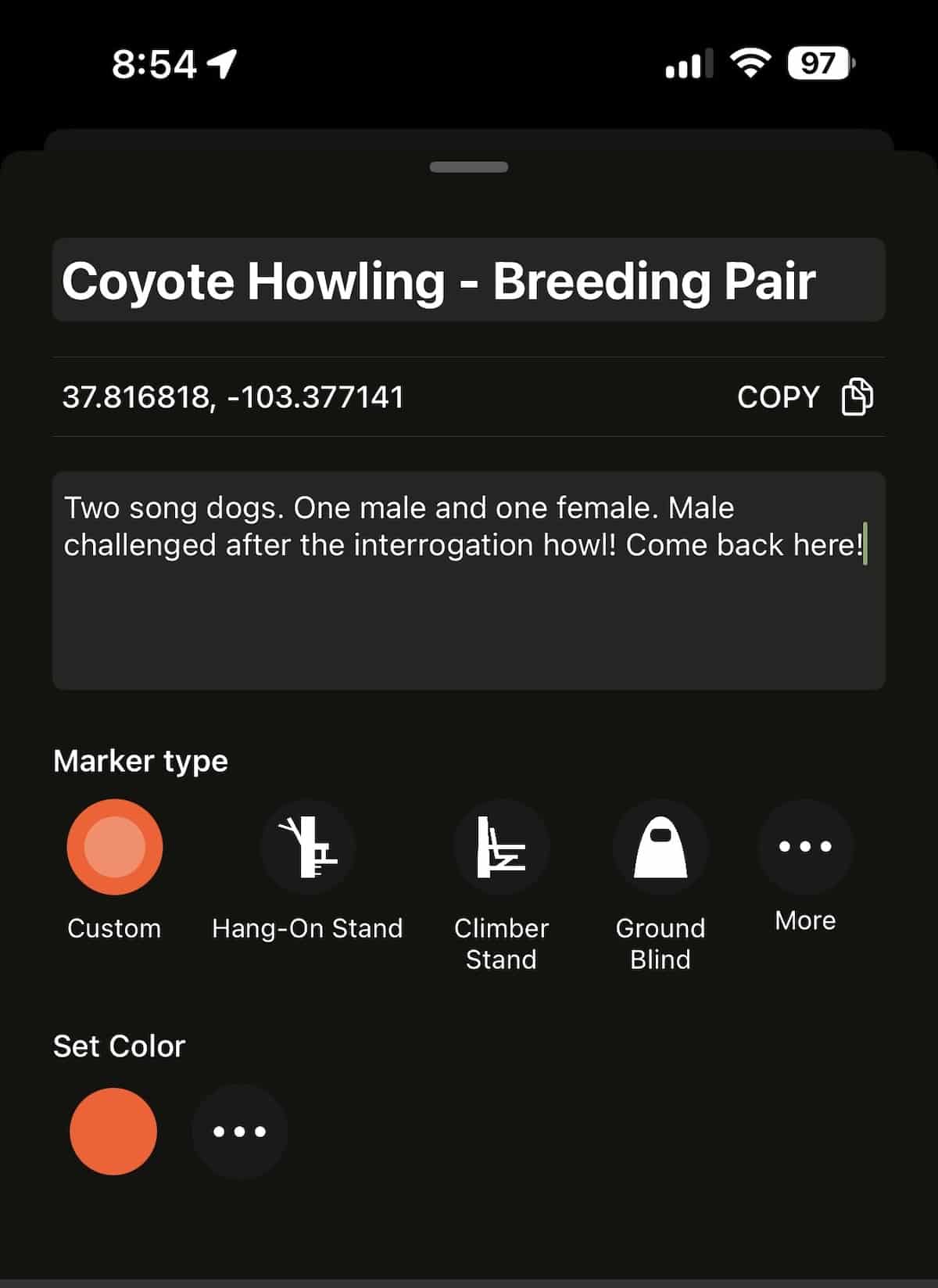
Scouting is the key ingredient to any coyote howling mission. Use your vehicle and spend time not only finding where coyotes want to be, but also where you need to make your stand from. Drop a pin when you hear coyotes.
The Dynamics of the Coyote Breeding Season
As is common with most mammals, male coyotes start feeling the need to breed long before females come into heat. Males often extend their range and wander to and from, desperately searching for a female companion. During this timeframe, males become less focused on food and more focused on finding a mate. Males also get extremely territorial once they find a location with a willing female. Once they pair with the female, male coyotes fight off other males wandering too close.
When it’s time to breed, the male and female will copulate multiple times to ensure genetics are passed on successfully. Then, the two will select a denning sight or create a new one to share the parenting responsibilities.
This means they remain ultra-territorial and curious about new dogs wandering into their area, even after a male and female breed.
How to Use HuntStand for Predator Hunting
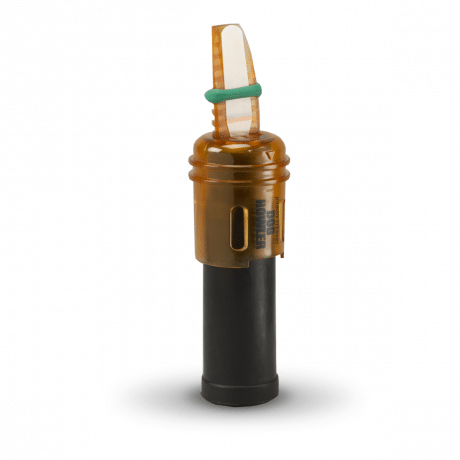
Priced at $7.99, the Coyote Dog Howler by Hunters Specialties is a great buy.
What It Means for Coyote Hunting
It’s time to put away the prey calls and start talking coyote. From late January through mid-March, howling becomes my primary method of calling coyotes. Coyotes are more focused on breeding than food, and as noted, most song dogs have heard every prey call in the book.
Your job is to use howls to appeal to ready-to-breed males, challenge males with females, and push breeding pairs’ frustration and curiosity buttons.
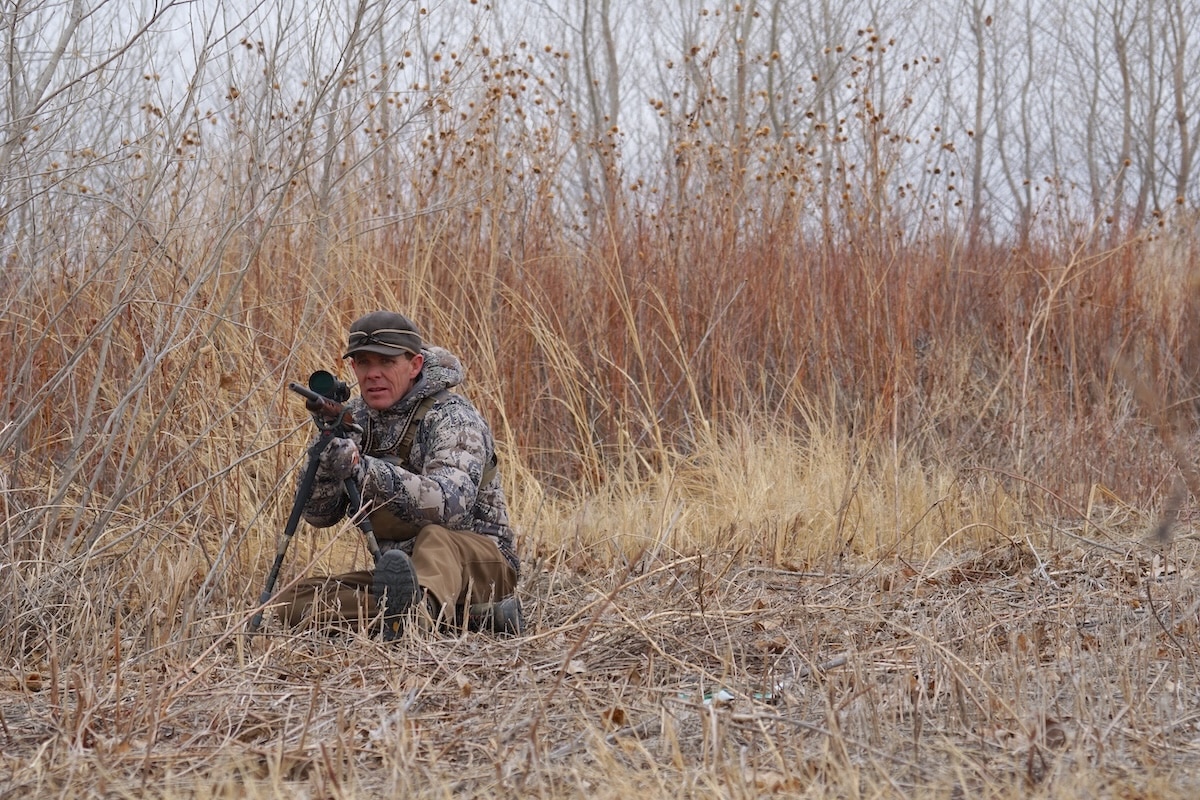
Obtain some good back cover and use a set of shooting sticks to ensure shooting accuracy.
How to Hunt Coyotes During the Breeding Season
My how-to-hunt-the-breeding-season tactics have changed over the years. As with most hunting pursuits, predator calling has exploded in popularity. In my youth, I could hunt for weeks on end on the Colorado plains and never see another hunter. Now, the public tracts I roam get some attention.
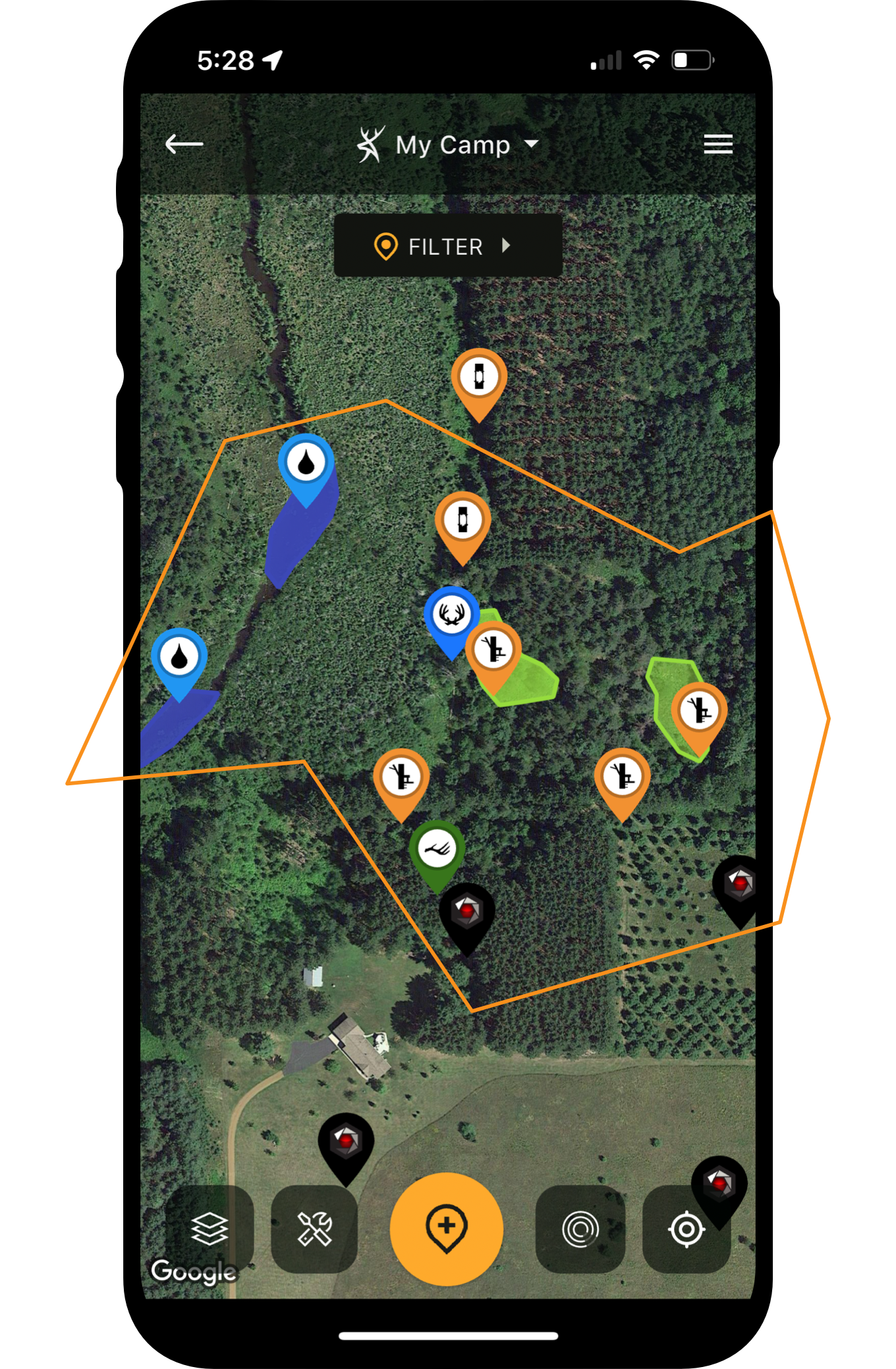
The key to an excellent breeding season fur count is scouting. A night or two before I plan to hit the plains and make coyote music, I jump in my Chevy, open the HuntStand app, and start driving county, farm, and two-track roads.
Over the years, I’ve input enough pins and notes in HuntStand that I know where mating coyotes like to be. If you don’t have these pins or are hunting a new area, no problem — you must start somewhere.
Coyote Hunting on Cattle Farms: Find Cows, Find Mating Song Dog Pairs
When you’re driving through great coyote country, whether that be rolling sage-dotted hills, cedar-sprinkled canyons, farm country, etc., stop regularly, roll down your window, and listen for a few minutes. If you don’t hear anything, step out of your vehicle, use your e-caller or a hand call, and send an interrogation howl into the air.
An interrogation howl is nothing more than a long, drawn-out howl that starts low, gets higher, and then fades off without any dramatic ending. Coyotes use interrogation howls to get a response from other coyotes. It’s non-threatening, and basically says, “Hey, what’s up all. Who’s around tonight.”
After making an interrogation howl, I listen for a response. Throughout the night, I cover many miles and make many calls. When I get responses, I drop pins in HuntStand. By the end of the night, I usually have more locations than I will be able to hunt, but that’s a good problem to have.
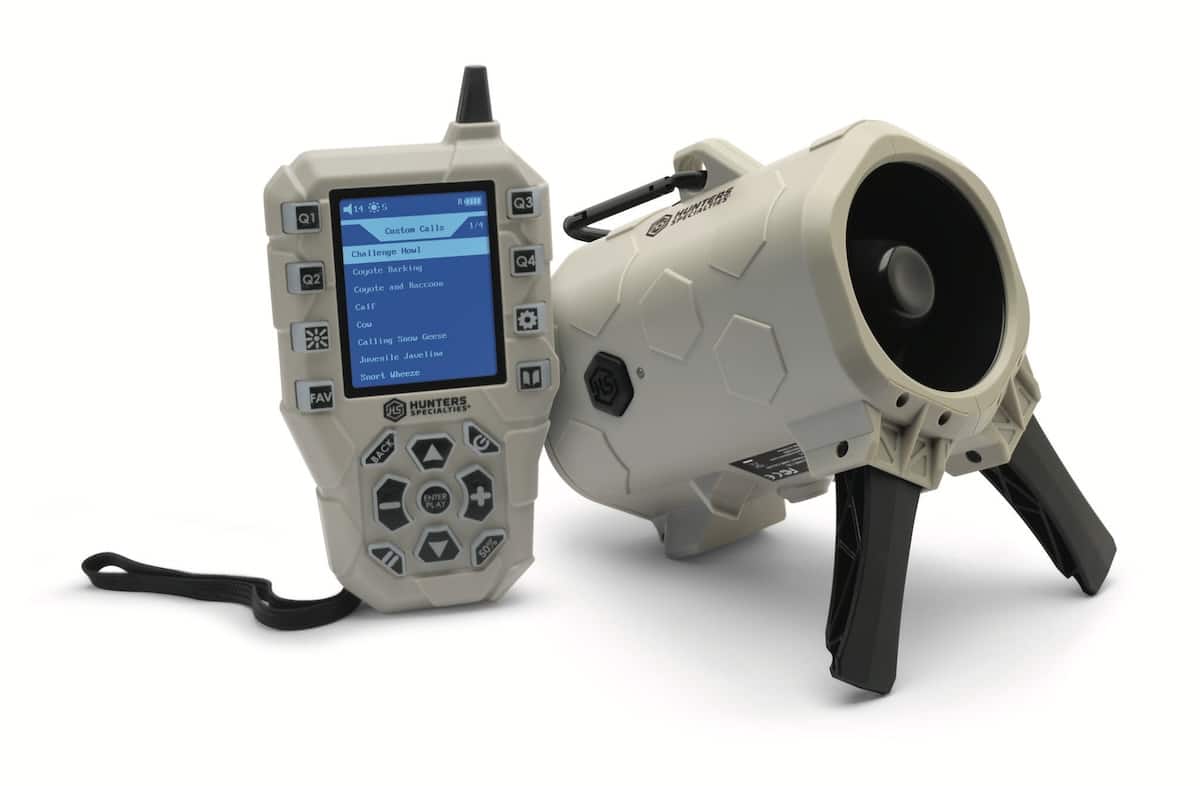
The Executioner Electronic Game Caller by Johnny Stewart is a solid e-caller.
In addition to the interrogation howl, I often crack out my e-caller, highlight the coyote serenade sound, and hit play. The coyote serenade is what you hear when you’re in coyote country, and all of a sudden, for one reason or another, the woods come alive. Suddenly, it sounds like 15 or more coyotes are howling, yipping, and barking. It’s usually three or four dogs, but those dogs singing in concert sound like a lot more.
A coyote serenade will usually be answered by another pack, which will usually be a juvenile pack during the breeding season. Also, from time to time, it might be answered by a lone dog or a breeding pair.
4 Predator Hunting Trips to Tackle This Winter
Though I never drive down private two tracks where I don’t have permission, I often strike howls off county dirt and paved roads. When I do, I use the Property Info layer in HuntStand to find the landowner. If the area is intriguing enough, I contact the landowner the next day and usually get permission to hunt.
After my nighttime howling, I burn more gas. I drive to the locations I plan to call, pull HuntStand back up, and use it with my optics to plan exactly where I want to make my stand. I also plan entrance/exit routes that ensure maximum stealth. In addition, I also pull up HuntStand’s three- and five-day weather charts and the HuntZone Tab to check wind speeds and directions.
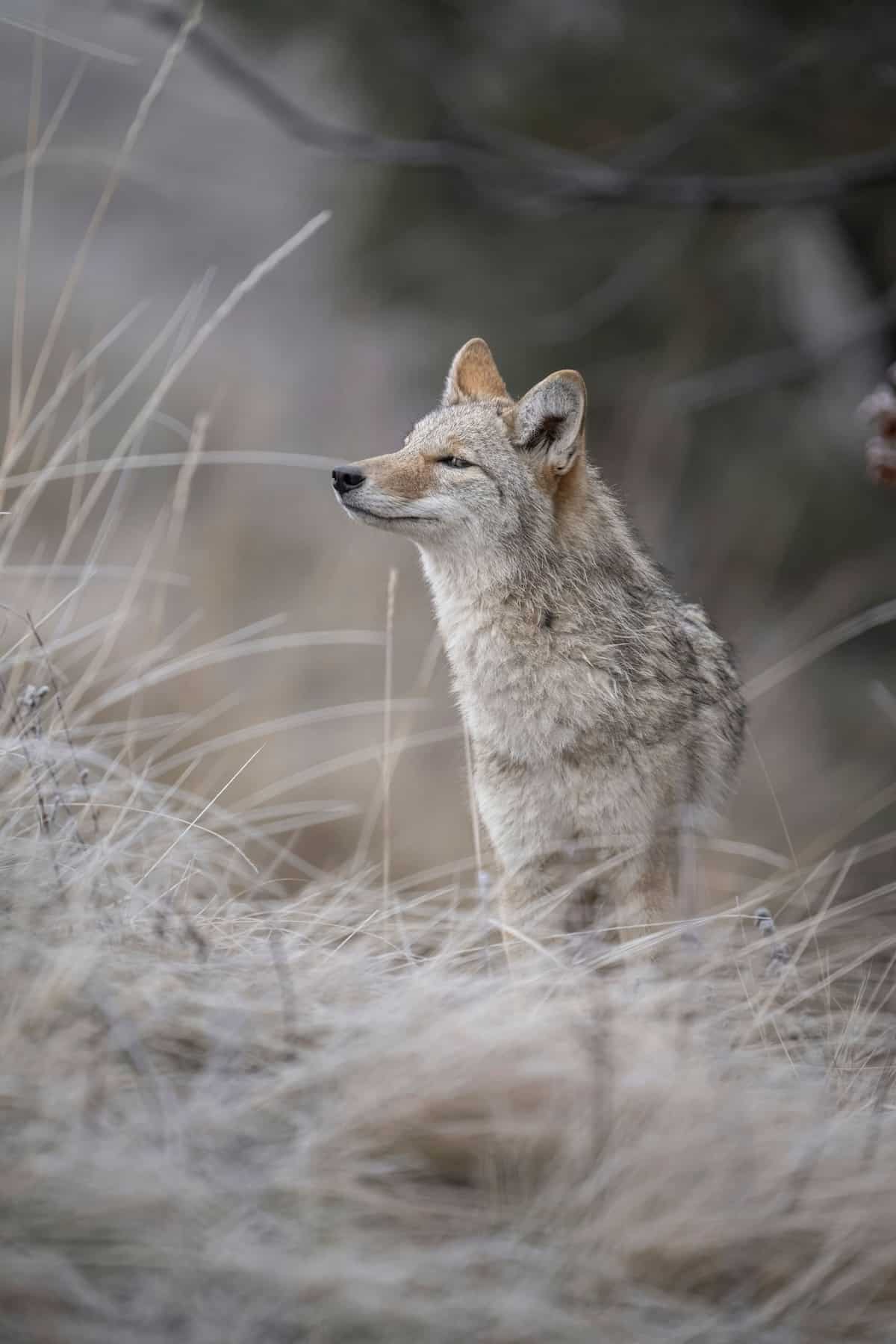
Plan entrance and exit routes carefully. The last thing you want is to silhouette yourself and tip your hand in the coyote's favor.
Move in for the Kill
You’ve done the hard work. Now, all you need to do is play it smart. Creep into your location, give it a few minutes to settle things, and then start with an interrogation howl.
Over the years, I’ve called in a pile of coyotes using nothing more than an interrogation howl. The reason is that during coyote breeding season, it’s not uncommon for a mating pair to find solitude, and then, suddenly, a newbie shows up out of nowhere. If this is the case where you’re calling, an interrogation howl will usually seal the deal.
You may also stumble into an area where some juvenile males and females are running together. Possibly, one crew separated from the others, and when the juvies hear your interrogation howl, they come in for a closer look.
Often, a boisterous, territorial male will cut me off when using the interrogation howl. This is a challenge howl. Challenge howls are more low-pitched and aggressive, and they usually end abruptly. When I hear a challenge howl, I immediately send a challenge right back to the territorial male. The challenge howl is my favorite, because if you respond within seconds of the live male’s challenge, nine times out of 10, he’ll come on a string. If he’s already hooked up with a lady, his mate is usually in tow.
5 Ways to Outsmart Pressured Coyotes
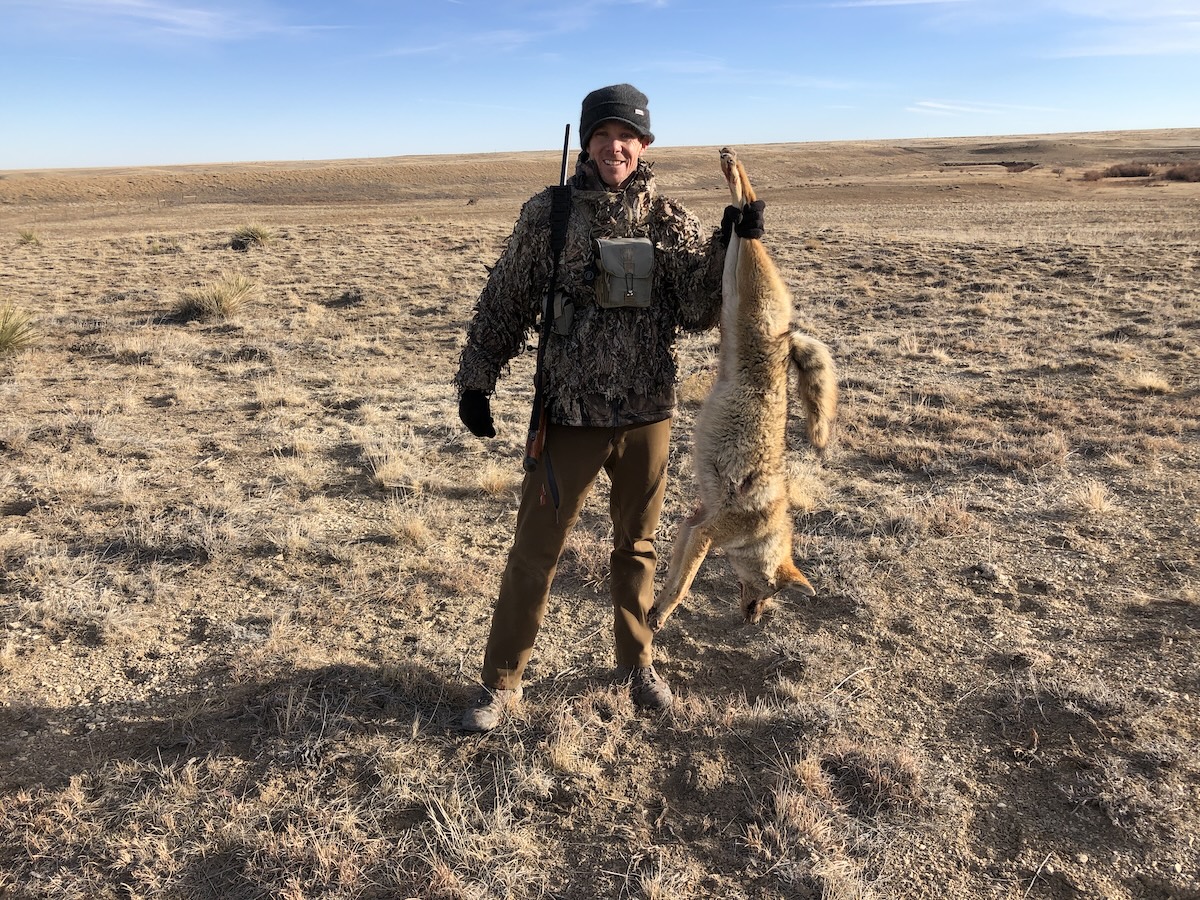
When it's time for coyotes to start breeding, send more coyote sounds into the air and less dying prey noises, and you'll up your fur count.
Another deadly call is the female invitation howl. This howl simulates a female who is ready to breed. Think soft and sexy when you make this howl. It’s a lot like an interrogation howl. The big difference is the howl is more delicate and shorter. Play with different tones when making this call. You never know what tone will trip the trigger of a ready-to-breed male. This call can also spark the curiosity of dogs, especially older females, who don’t want a new girl in town stealing their man.
I don’t overcomplicate my howling sounds. There are more, and if you want to test and tinker with them, get a quality e-caller, or spend time in the garage/car learning to make different sounds on your hand call. I know many coyote hunters swear by lone barks, a few yips here and there, and pup distress sounds. I like pup distress sounds but use them more during denning than mating season.
Overall, I keep my howling simple, and it works for me. And, frankly, I don’t think my breeding season calling success comes as much from my calling as it does from my scouting efforts. Put in the time to find out where breeding coyotes want to be, play it smart, and you’ll earn plenty of February and March coyote encounters.