





It's possible to find big public-land whitetails. But it takes skill, effort and maybe even a big-buck blessing.
Hunting rutting whitetails on public land sometimes requires kindergarten-teacher levels of patience. Not because of the deer, but because of dealing with “other” hunters. For those, we deliver a guide on public land rut hunting tips to avoid other deer hunters.
To be fair, not all hunters deserve the label. Most don’t, in fact. Most of them are just out there trying to take advantage of the deer magic associated with the time of the year. There are others though, who clearly don’t know what they’re doing.
I’m not judging inexperienced hunters here, because we’ve all been there. You don’t know what you don’t know. However, it’s those folks, and others who lack the basic deer hunting skills that make public land much more difficult to hunt for everyone. That’s the reality of more hunting pressure, and on Uncle Sam’s ground, it’s unavoidable. This is especially true once the kids are finished trick-or-treating and it’s suddenly November. To work around this influx of hunters possessing vastly different levels of whitetail savvy, a public-land hunter looking to fill his tag needs to go the contrarian route in nearly every way. And that all starts with location.
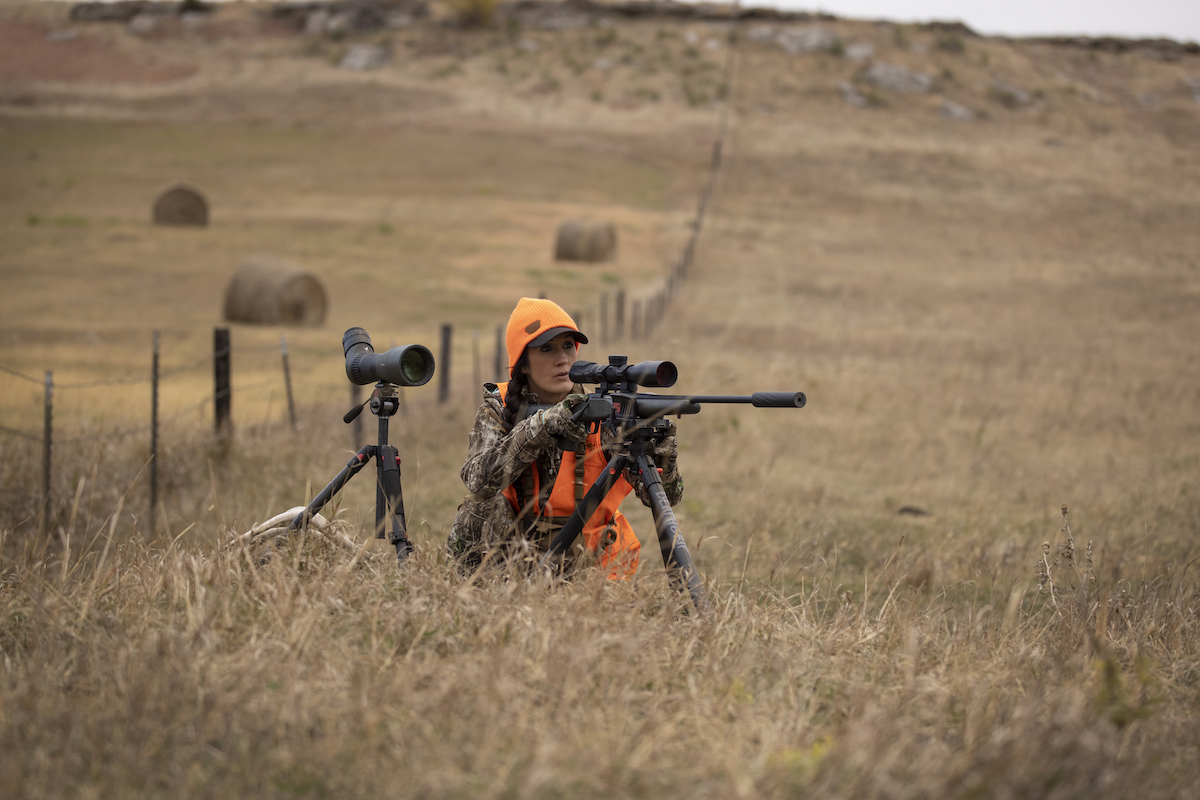
Hunting borders where private and public land meet is a very real and effective tactic. Just be courteous and considerate toward hunters on the nearby private ground.
Step 1: Find Overlooked Areas
During a rut-hunting trip to a few Walk-In Areas in South Dakota, I thought the agricultural fields on the public ground would be the ticket. I didn’t anticipate much pressure in my chosen location. What I was quickly reminded of, is that it doesn’t take much field-edge pressure to ruin the hunting. This point was driven home as I watched a sweating hunter bang a full-bodied buck decoy on every piece of brush he could as he walked past my blind. I needed to re-think where the deer would choose to be to do their thing and avoid the two-legged predators.
That led to some time sitting on peaks, observing. What I saw was whitetail movement that centered on winter grass, some kind of volunteer clover sprouting up on the hillsides, and a litany of browse, like the red tops of sumac bushes. The deer I saw were living in areas much more suited to mule deer.
With that info, I scoured my aerial photos to try to find a few ponds tucked into no-man’s land thinking that all of those deer browsing and chasing on the ridgetops would eventually get thirsty. The first waterhole I hiked into had a buck on it at 11 a.m., and so I hung a stand and got out. The hope was to play off of the hot weather and the fact that with the weekend, more hunters were likely to pile into the no-brainer spots.
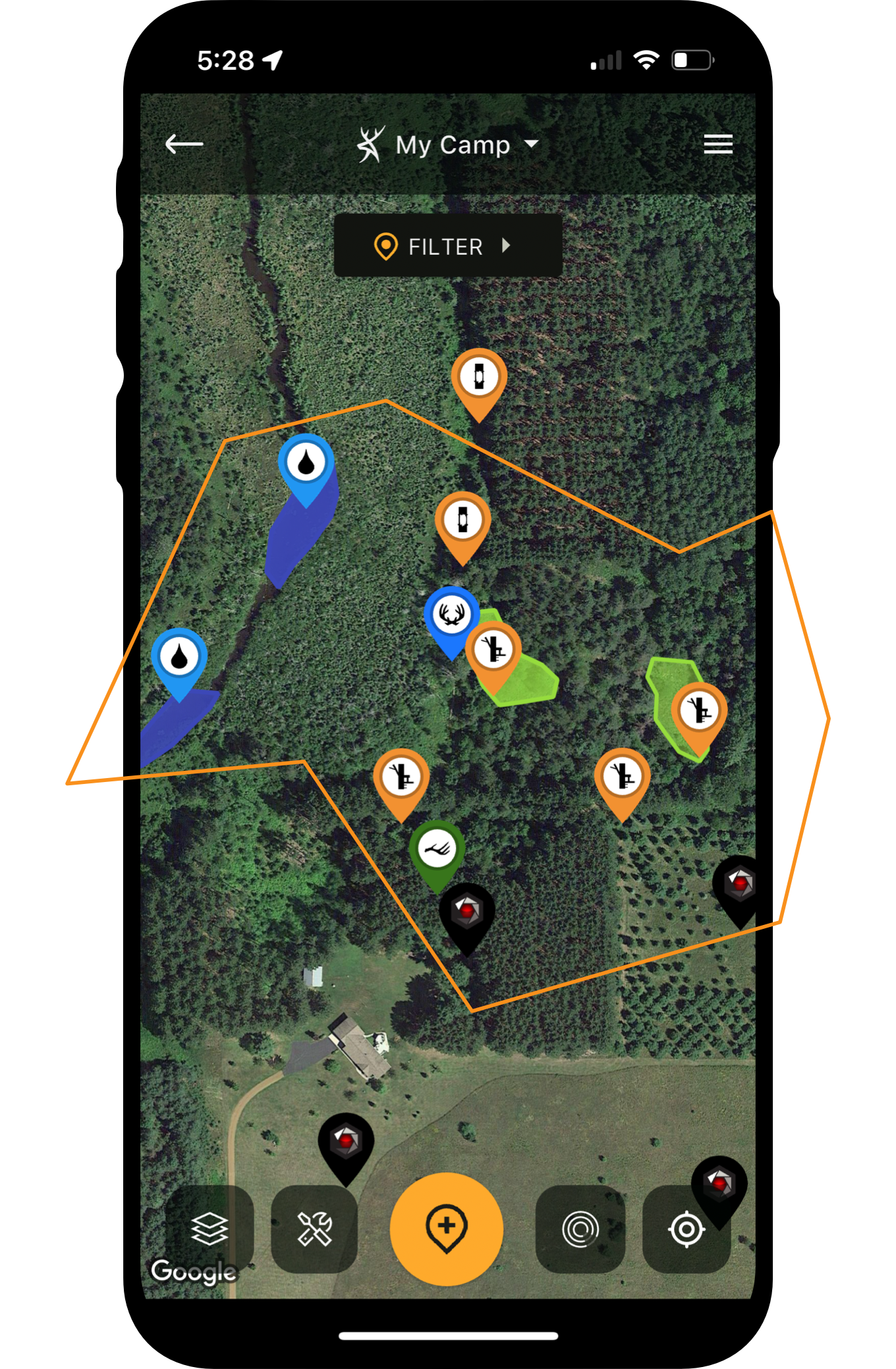
4 Reasons You Need HuntStand Pro’s Property Info Layer
It took only two hours perched over that pond before two bucks chased a doe fawn past me. The second deer, an oddball non-typical, caught an arrow as he grunted his way through. He died 40 yards from my stand, tucked deep into an area of the Missouri River Breaks that didn’t look anything like typical whitetail ground.
Make a plan to find several areas that might hold deer, and resign yourself to the fact that the best-looking stuff will be covered in competition. This is tough to stomach, but can actually work in your favor. Hunt the thick stuff, well away from the fields, and you’ll find more deer. The farther the better for the most part, but remember that overlooked is overlooked. The spot I arrowed my South Dakota buck was only half of a mile from a road, which is much closer than I thought I’d be if I filled my tag.
UPGRADE TO HUNTSTAND PRO WHITETAIL
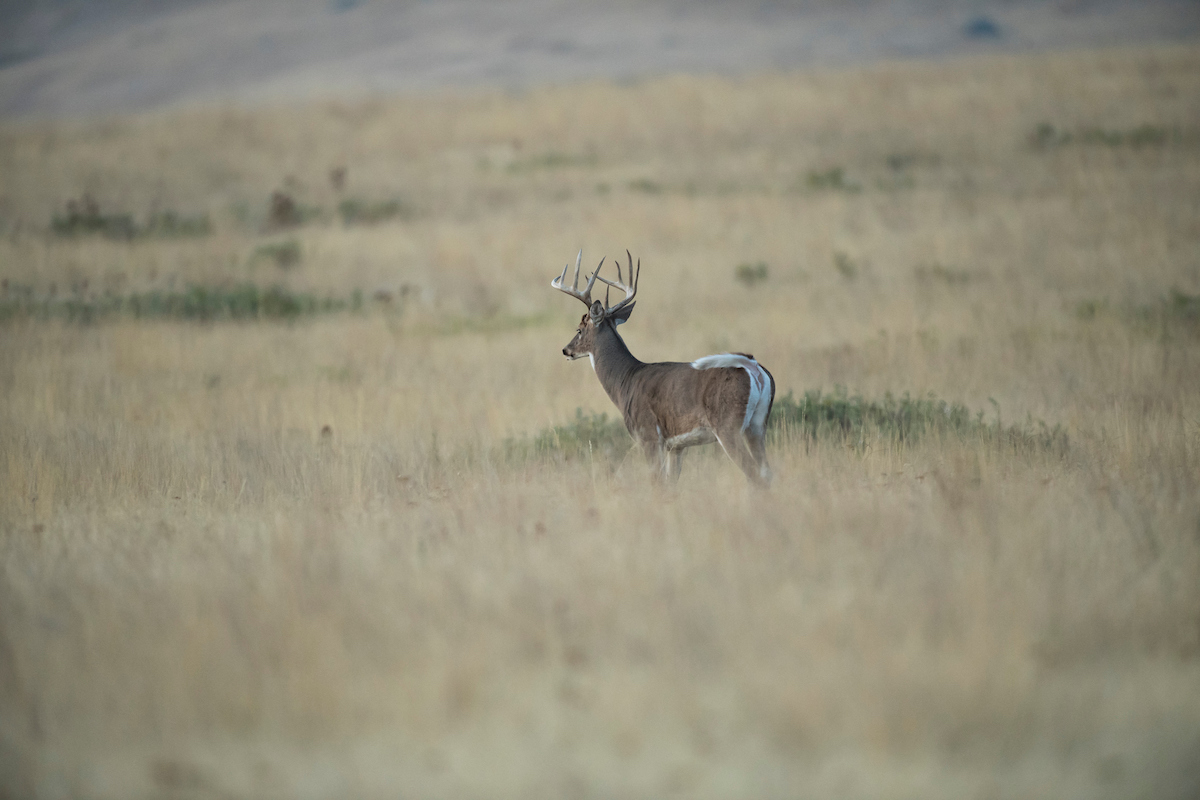
Finding public-land whitetails takes considerable thought and planning, especially when other hunters start pressuring areas.
Step 2: Forget the Gimmicks
All those other hunters who are going to be jockeying into position for the same deer you’re hunting have one thing in common: get-rich-quick products. They’ll have rattle bags, calls, scents, lures, and decoys. And they’ll use them. All might work, but the reality on public ground is that it’s a far better bet to go find where deer like to be and hunt them there. This is something that can really only be learned by experience, but it’s almost a better bet on public land to simply stay quiet and wait out natural movement.
On public land, most deer that make it past 1 1/2 years old have encountered every kind of trick we can throw at them. The ones that fall for any of the tricks usually have a negative encounter with a hunter, which may or may not end up in death. If it doesn’t, they’ve learned a valuable lesson. Those lessons stack up over time, creating deer that are much harder to fool and much easier to spook.
Scout hard, look for fresh sign, and learn to read the terrain for your rut stands. And remember, the thick stuff is your friend. Go where the deer want to be and leave the gimmicks to your competition.
5 Times for All-Day Sits in the Deer Woods
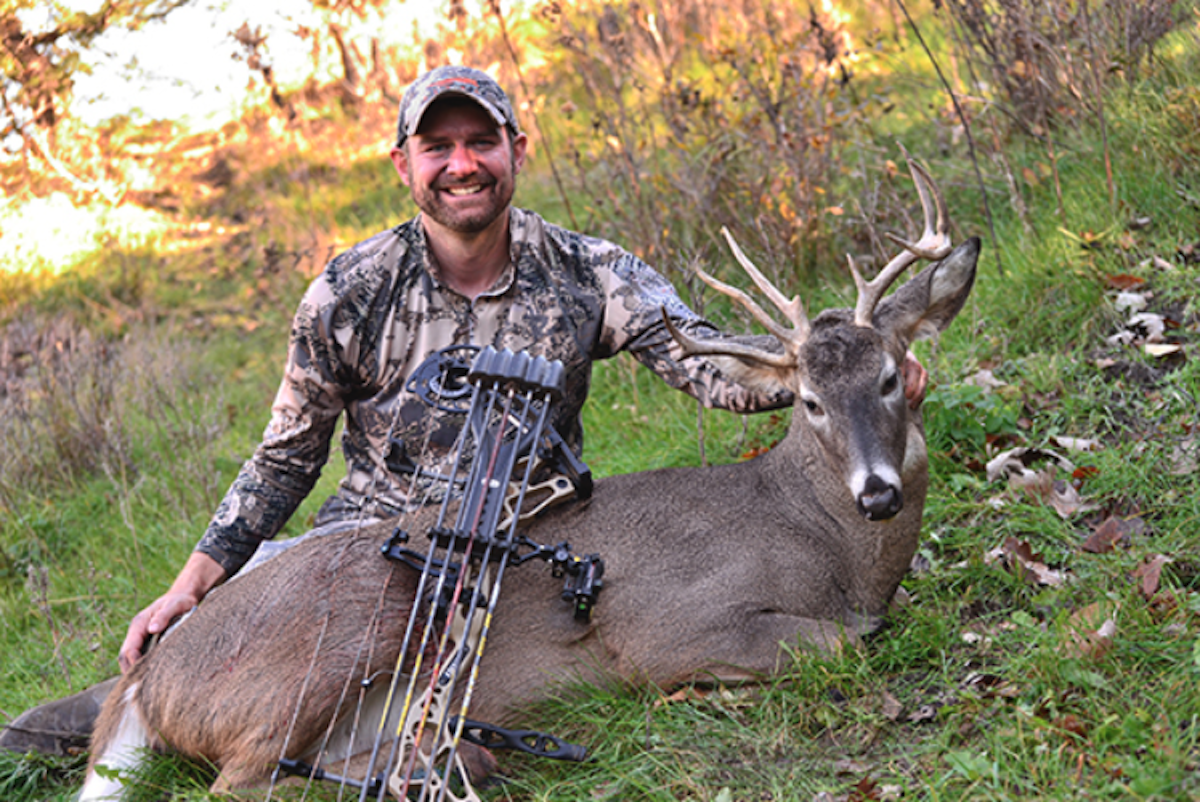
The author poses with a nice rut buck of his own, advice applied, of course.
Step 3: Keep Your Head Straight
A couple of buddies and I spent some time hunting a national grassland down in Oklahoma this fall. Through our scouting efforts, we identified one creek-bottom that was by far the most consistent spot for mature bucks. It also held plenty of bonus turkeys and pigs. On opening night, one of my friends snuck in at 2 p.m. to sit out the evening. Three hours later, two hunters walked right up to his stand.
He was bummed, but not out of the game, which carries a big distinction. Attitude has a lot to do with hunting success, and it’s easy to get frustrated on public land. During the rut, when everyone is out hunting, this can happen daily. How you deal with it will dictate whether you kill a buck or not. If it gets you down and you let your guard slip, you’ll start to get sloppy and become the hunter you’re trying to avoid. If you rally, sit it out, or move to a Plan B or C spot, you’ll keep your odds up. It’s that simple.
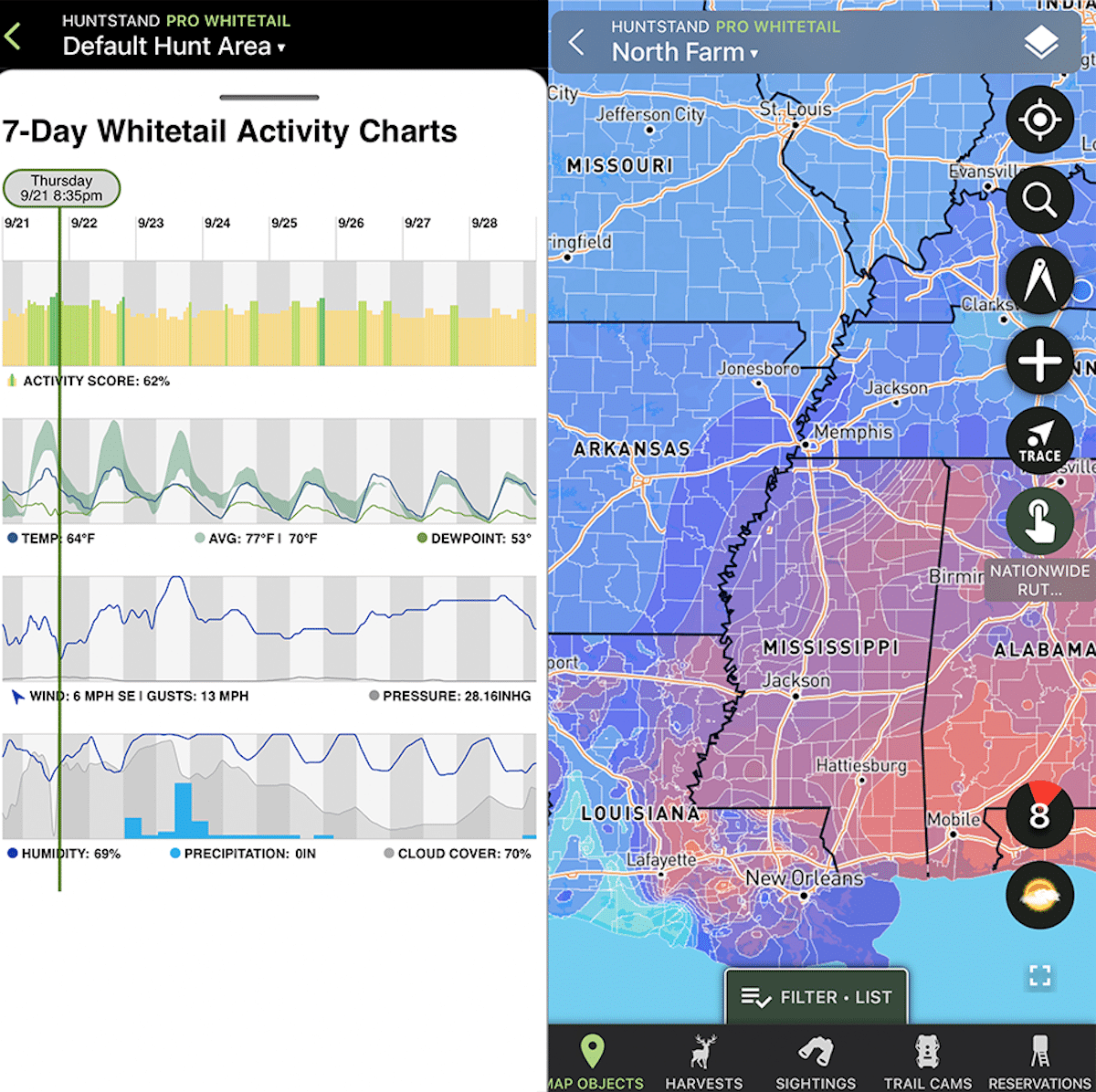
Use HuntStand's Nationwide Rut Map and Whitetail Activity Forecast to choose the best days to hunt.
Smart Synopsis
Conventional deer hunting wisdom doesn’t steer most hunters to totally contrarian hunting styles, but most of the hackneyed deer-speak out there doesn’t come from public land hunters. It comes from folks hunting places where pressure is tightly controlled. To succeed on public land when the general public of the bowhunting community is out in full force, it is necessary to be an individual and do what others aren’t. It’s not easy, but it’s the best way to tag out while others are struggling.
Choosing High-Odds Deer Hunting Days