



Spring bear hunting is a popular pastime that many outdoorsmen and women enjoy. Of course, not all bears are world records, or even trophy-class. But you can try to stack the odds in your favor. Here is how to hunt trophy-class black bears.

Learn as much as you can about outfitters of interest.
Research Your Outfitter/Area
A lot of information can be gleaned from various trophy books that list records of trophy-class black bears. A quick look will provide insight into regions where you should start looking for an outfitter. Pennsylvania, North Carolina, northwest Saskatchewan, and central Alberta are a few examples of locales where bears with massive skulls regularly make the recordbooks.
An area that regularly churns out trophy bruins benefits from several contributing factors. To consistently turn out top-end bears requires genetics, plenty of the right habitat, and relatively light hunting pressure.
Much like with trophy white-tailed deer, if the genetics are not present in a particular region to grow big antlers — you can’t expect to shoot a trophy buck there. Black bear skull size is a genetic trait passed on from generation to generation. Rest assured, areas logging multiple trophy entries for black bear offer solid trophy genetics.
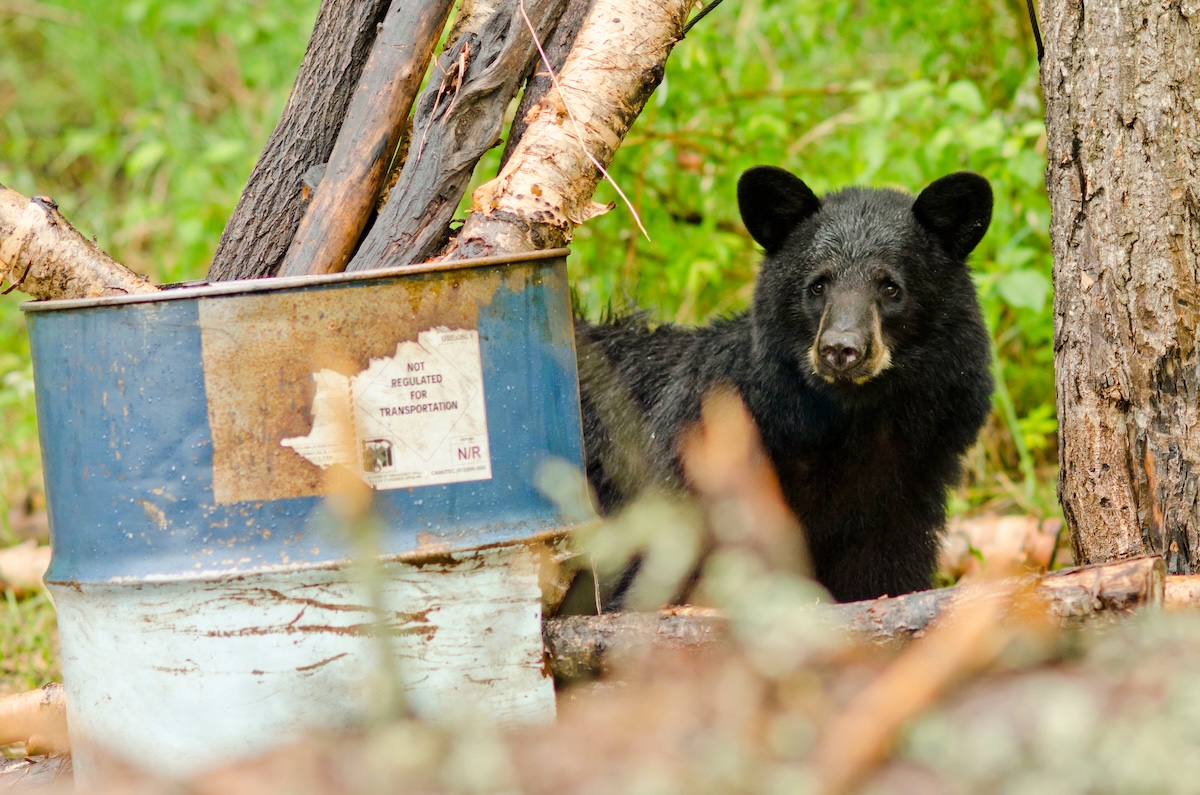
Ask all the right questions before booking with an outfitter, and before going on the trip.
Ask Before You Go
When researching outfitters, ask them how many hunters they take every year. Fewer is better. What are the success rates? An even better question is, how many bears are typically seen in a week of hunting? It’s also important to know exactly what you are looking for in a hunt. Are you simply looking for a quality shot opportunity, or do you want an outfitter who encourages hunters to pass up the mediocre bears with the hopes of shooting a slob? What percentage of bears harvested at any camp make the minimum for Boone & Crockett or Pope & Young recordbooks? The answers will provide a quick snapshot of what to expect.
Keep in mind, an outfitter touting a 100%t opportunity rate and only a handful of big bears taken, should not be overlooked. If there have been some big bears taken, it can mean most successful hunters are simply not holding out for a trophy bear. It’s awfully hard for first-time bear hunters to pass on a medium-sized bear, and hold out for the local top-end bruins that are likely to be the last to show up at a given bait site before darkness.
Other considerations are, how big of an area is being hunted, and how long has the outfitter been in operation? Has the quality of bears remained consistent, or has it changed over time? Trail camera images are often used to entice hunters, so be sure to check their dates. Your goal is to learn the latest, most-current information, and peruse photos of bears that are still roaming.
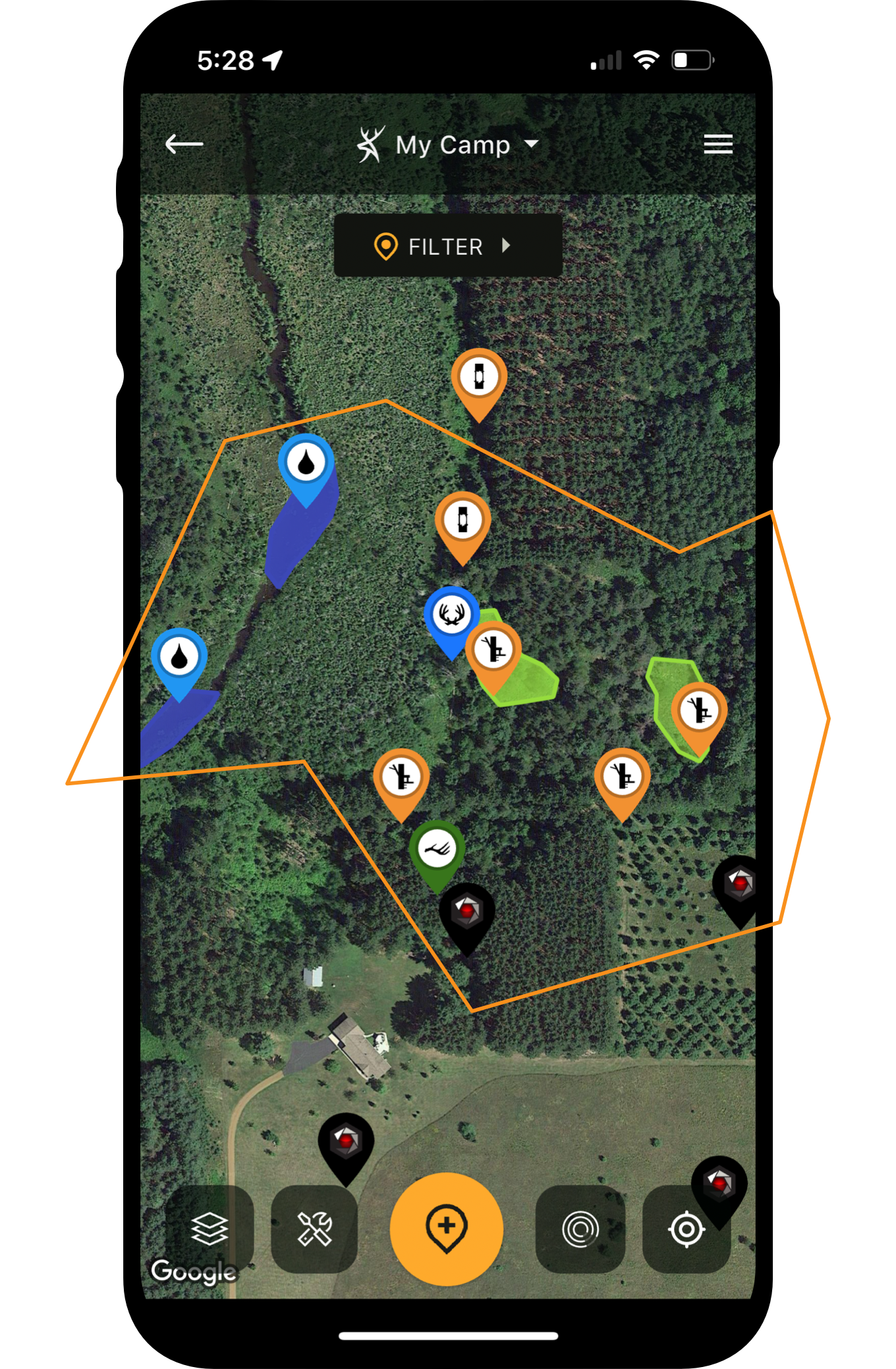
Ask outfitters if they use HuntStand. If so, when arriving at camp, bear activity and other pertinent information on specific stand sites can be shared. This up-to-date “insider” intel is a good part of the reason hunters utilize outfitters in general; to partner with specialists who have done the necessary legwork to help you find success. Being able to have that info at the tip of your fingers when getting into camp, will not only provide a clear picture of what has been happening, but what lies ahead.
How to Spot-and-Stalk Spring Black Bears
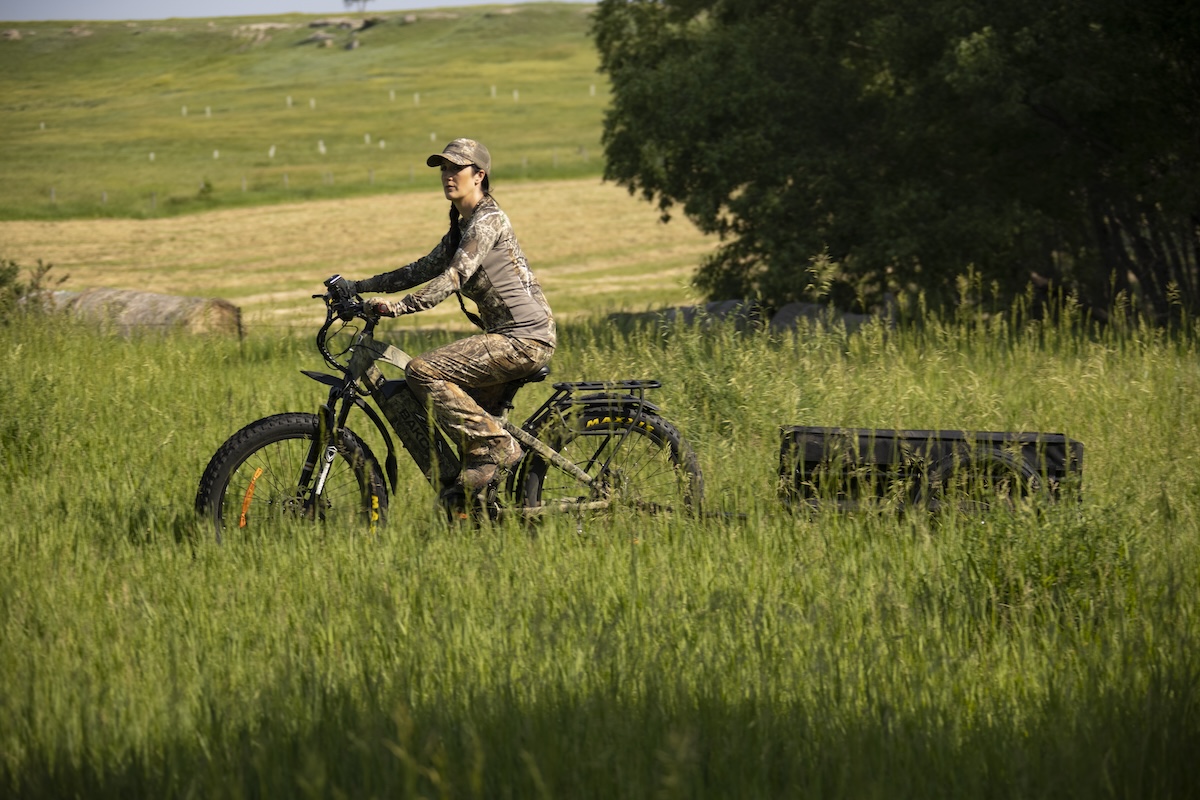
More remote areas tend to produce better bear hunts.
More Remote the Better
Yes, you can drive to good bear hunting. But quality hunting gets easier to find when other modes of transportation are required. Hunting in truly remote locations is a unique experience. Bears are often uneducated, and close encounters are common. In heavily hunted areas, it may take days before a big bear makes itself visible during daylight hours. Conversely, on many remote hunts, bears often come to investigate as soon as you show up — maybe to check out their “competition.”
Be forewarned, remote wilderness hunts often cost more, due to float plane flights, or other unusual means of access, and the increased costs of hauling in camps, food and fuel. The extra costs should be weighed against this type of extreme experience, and of course, your desire to shoot a big bear versus just any bear.
It’s important to note that with HuntStand’s offline mapping capabilities, you can take HuntStand with you even if your hunt for a big bruin takes you far off grid.
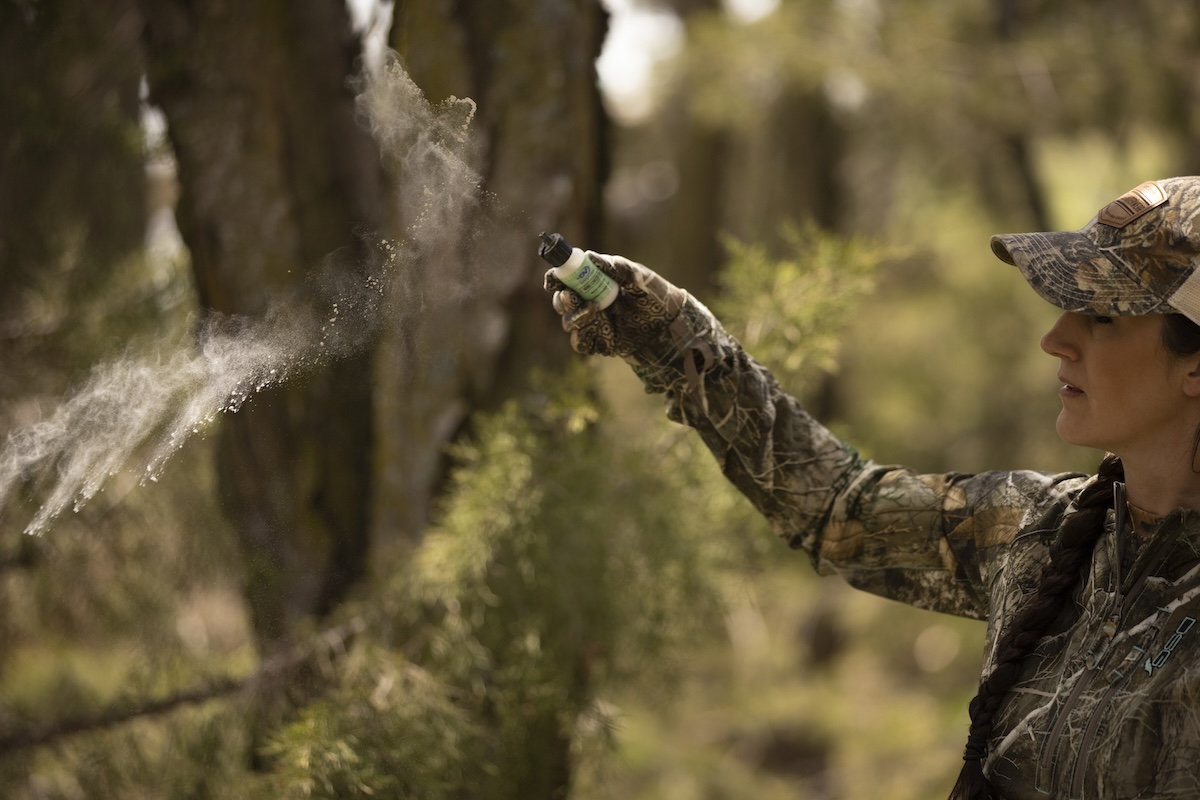
Scent control really matters, especially with mature bears.
Don’t Skimp on Scent Control
Larger, mature bears have keen senses and know how to use them to their advantage. Make them work by using every available means to cover up sound and scent. Whatever your precautions, big bears can sneak in surprisingly close before you’ll detect their presence, and will likely know if humans are present. More than one outfitter has expressed the fact they are happy bears have not figured out how to count; guides know the value of dropping a hunter at a stand site, and then making noise while leaving, to help get the drop on wary bruins lurking close.
Carry scent-eliminating spray and use it from the bottom of your boots to the top of your hat. Store hunting clothes in a tote with a quality scent-eliminating product. Create a regimen and stick with it. It is easy to contaminate clothing with scent, and a big bear will smell it when coming in downwind. From your laundry, to pre-hunt showers and clothing storage, to hunt time, make sure to put the odds in your favor.
5 Best Spring Black Bear Hunts (in Canada)
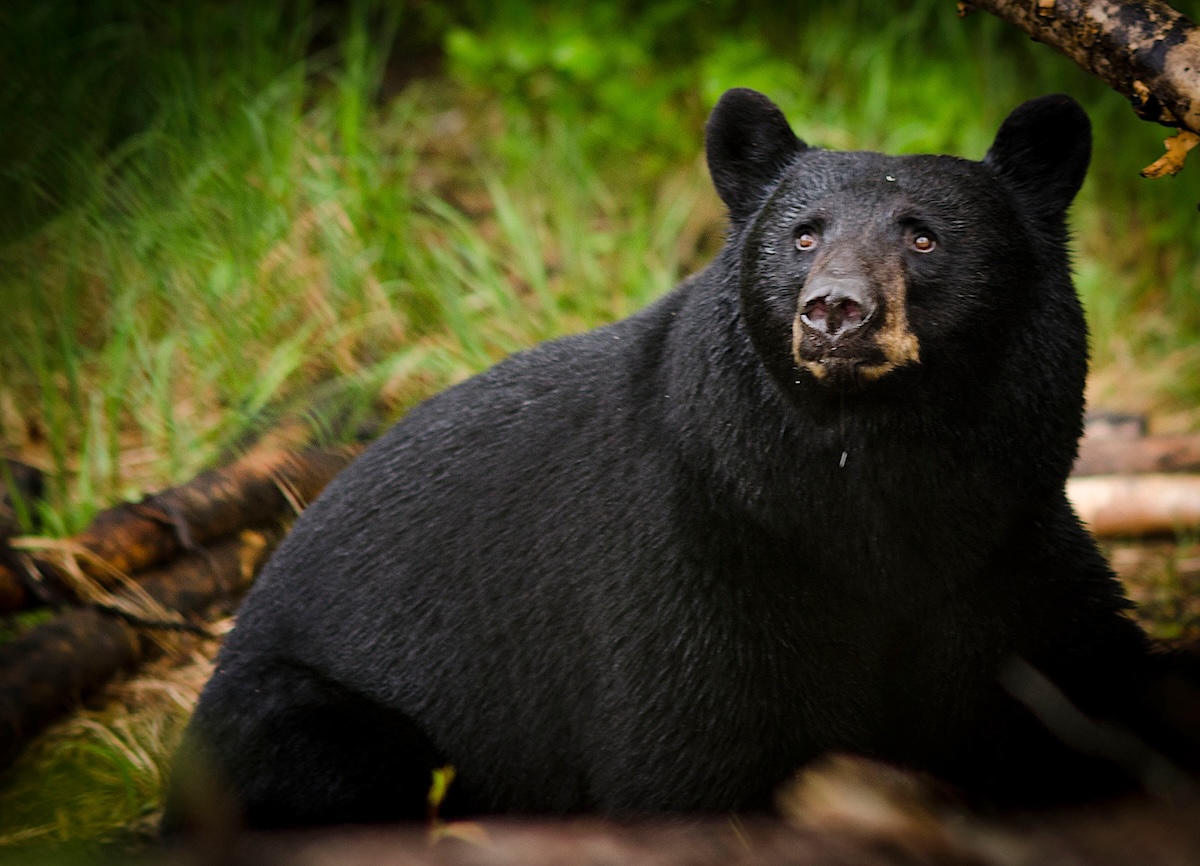
Bears don't have great eyesight, but they'll still see your movement.
Make Like a Statue
Bears get little credit for their eyesight, but sight is a significant consideration for any bears with experience around hunters. It is not unusual for a bear to check for a hunter in a tree by standing on its hind legs at a distance, and watching for movement. The forest-savvy creatures have an uncanny way of getting close and watching patiently for a long time, before committing to stepping into the open. Any movement at the wrong moment, and the gig is up for the hunter.
Use a head net, ThermaCell unit, or both, to keep the bugs at bay and otherwise defuse your reflex to swat them away, and take along a favorite, comfortable cushion to ensure you can sit as motionless as possible for extended periods.
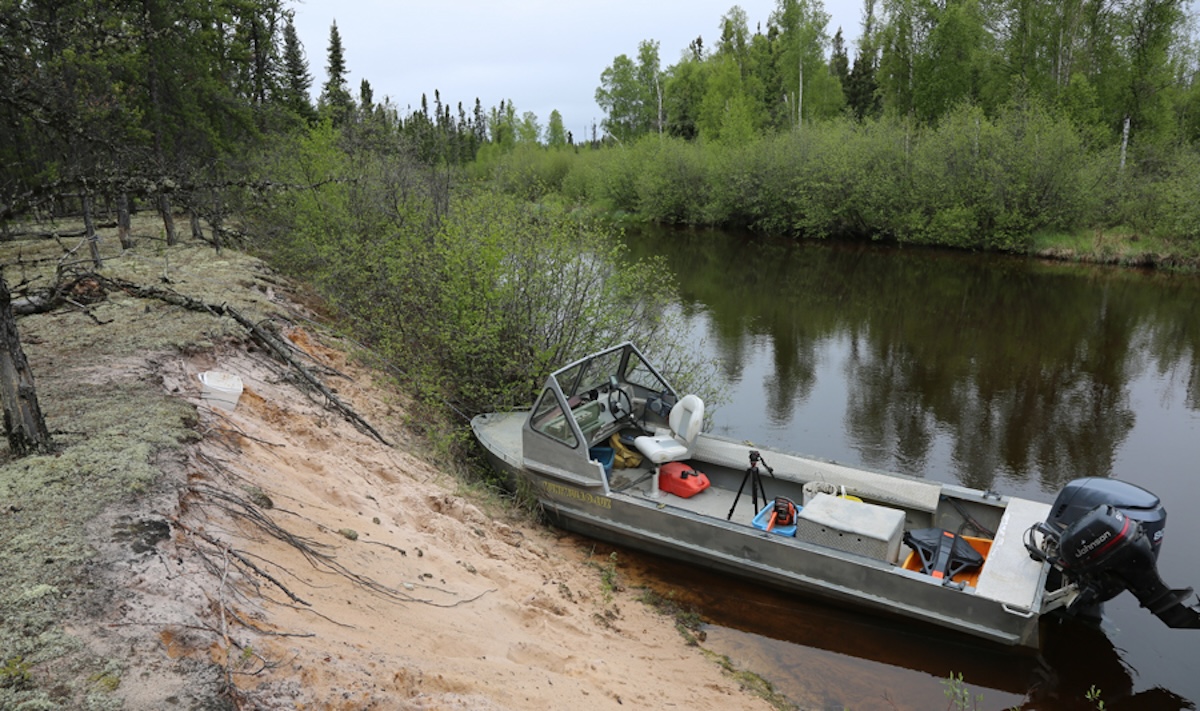
Have all the necessary items for your bear hunt.
Some Critical Bear Gear
The right gear and clothing are more important than many first-time bear hunters might think. Rubber or neoprene boots hold less scent than leather. Be sure your clothing covers all exposed skin and is thick enough that mosquitoes cannot probe through. Elastic wrist cuffs and overlapping gloves keep black flies from crawling up your sleeves. Scent-reducing/blocking clothing is recommended, and facemasks (sometimes two at once) will help protect against bugs and reduce shiny exposed skin. Ensure that even your raingear is quiet on the surface, and will not provide an audible trace for a bear to pinpoint your location.
Check HuntStand for the weather forecast, so you’ll know how to dress for changing temps or chances for precipitation. Being prepared means you’ll be as comfortable as possible, and keep on-stand movement to a minimum.
Your Guide to Western Big Game Draws: From Point Systems to Understanding Draw Odds
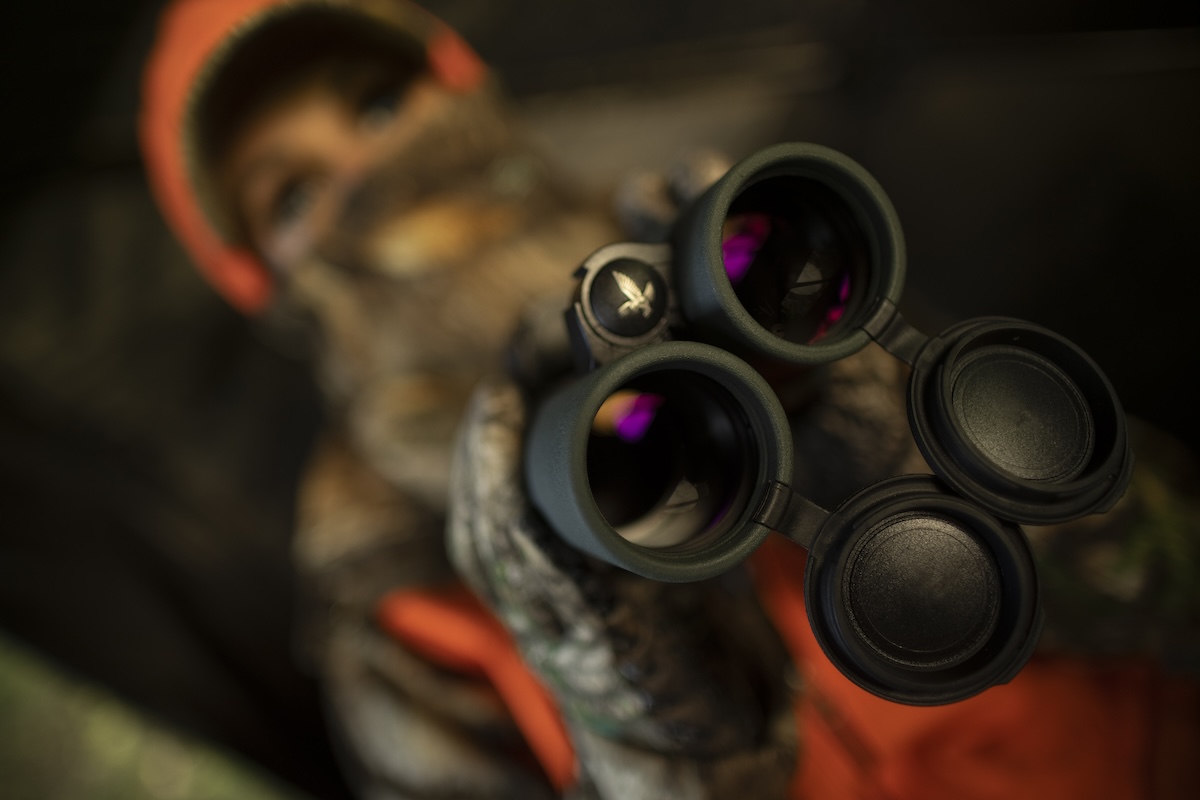
Hunting from the ground is a viable option.
Should You Hunt on the Ground?
A favored tactic for getting the drop on a truly big bear is to use a ground blind, especially when most everyone else has been hunting from a treestand. This was a lesson learned from a successful outfitter who liked to use makeshift, natural blinds of cut spruce. He’d place them at strategic locations within shooting distance of an active bait station and monitor wind direction closely. When the conditions were right the blinds were very effective at catching incoming target bears in the open. Natural blinds are easy to set up, offer adaptability, and provide natural cover scent. Ask your outfitter about ground-hunting possibilities.
The second benefit of shooting at ground level is a better chance at a clean pass-through on a broadside shot. Angled shots out of an elevated stand require more forethought and skill to take out a bear’s boiler room, and also offer an exit wound.
If hunting bears on your own, use HuntStand to log sightings and mark stands as Property Attributes. The “log book” of information you gather over time will come in mighty handy over the years. It isn’t unusual for a big boar to cover a large territory, and even though you have sites miles apart, don’t be surprised if a specific big bear hits them all, using them like a trapline to find hot sows. Tracking trail camera photos with help from HuntStand can show travel patterns/cycles that some big bears use consistently during the spring rut.
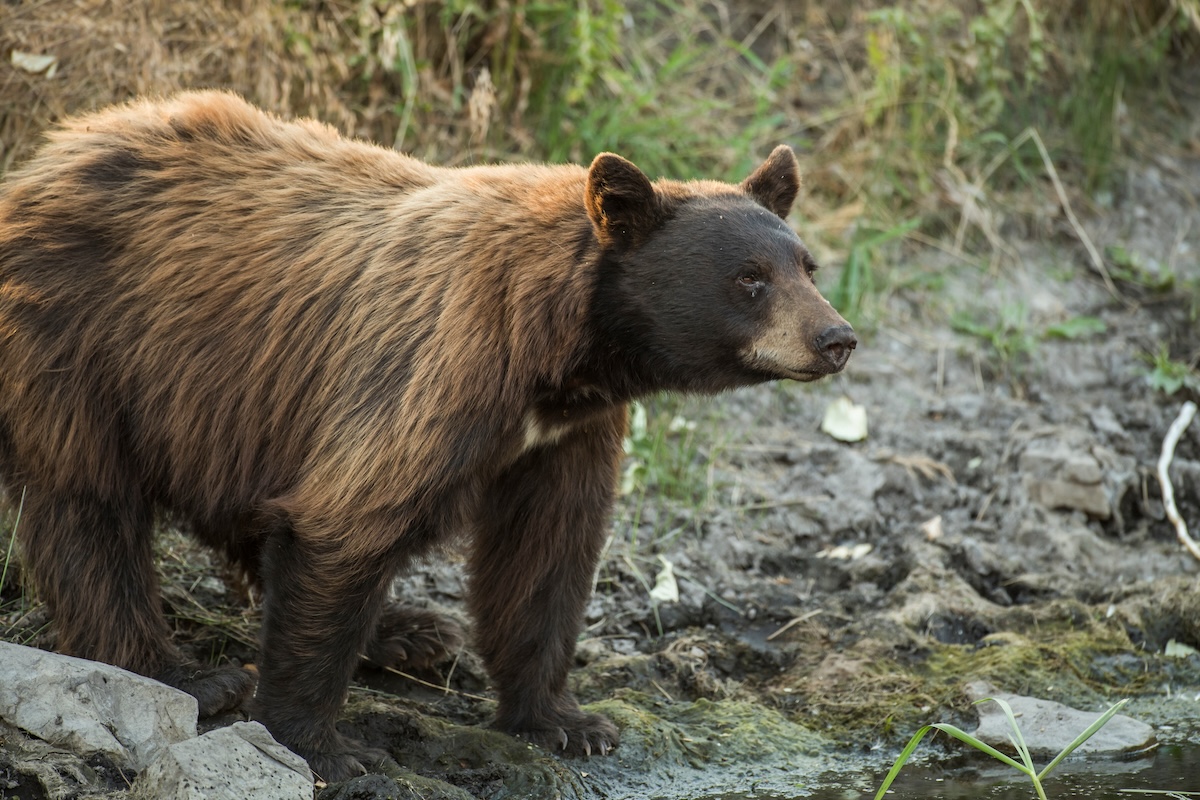
Understand what a big bear is, and what it isn't.
Know a Big Bear When You See One
Most all big, mature bears have an attitude that’s hard to miss. They can be extremely cautious, but most will exude a sense of superiority that separates them from the rest of the bear world. Bears, even big ones, come in different shapes and sizes, much like humans; some are long in the body, while others are built like a tank. A swayed belly, inward-turning front paws when walking, and no fear of other bears are all signs to watch for.
Regardless, black bears (versus brown bears or grizzlies) are easily the most difficult to judge when it comes to overall physical size. Especially in the heat of the moment, or in low light. Using references or markers at your stand site can help. Many outfitters will tell hunters that if a bear does not fit in a 55-gallon drum—shoot it. A 55-gallon drum is 33.5 inches tall, and if a bear stands on all four legs and sticks out above an upright drum, it is mature. Keep in mind, however, that most bears will knock an available barrel over, so a good play can be to mark a blaze on a nearby tree, or create some other visual marker about three feet high as a reference.
Western Big Game Draws: Deadlines and Details by State
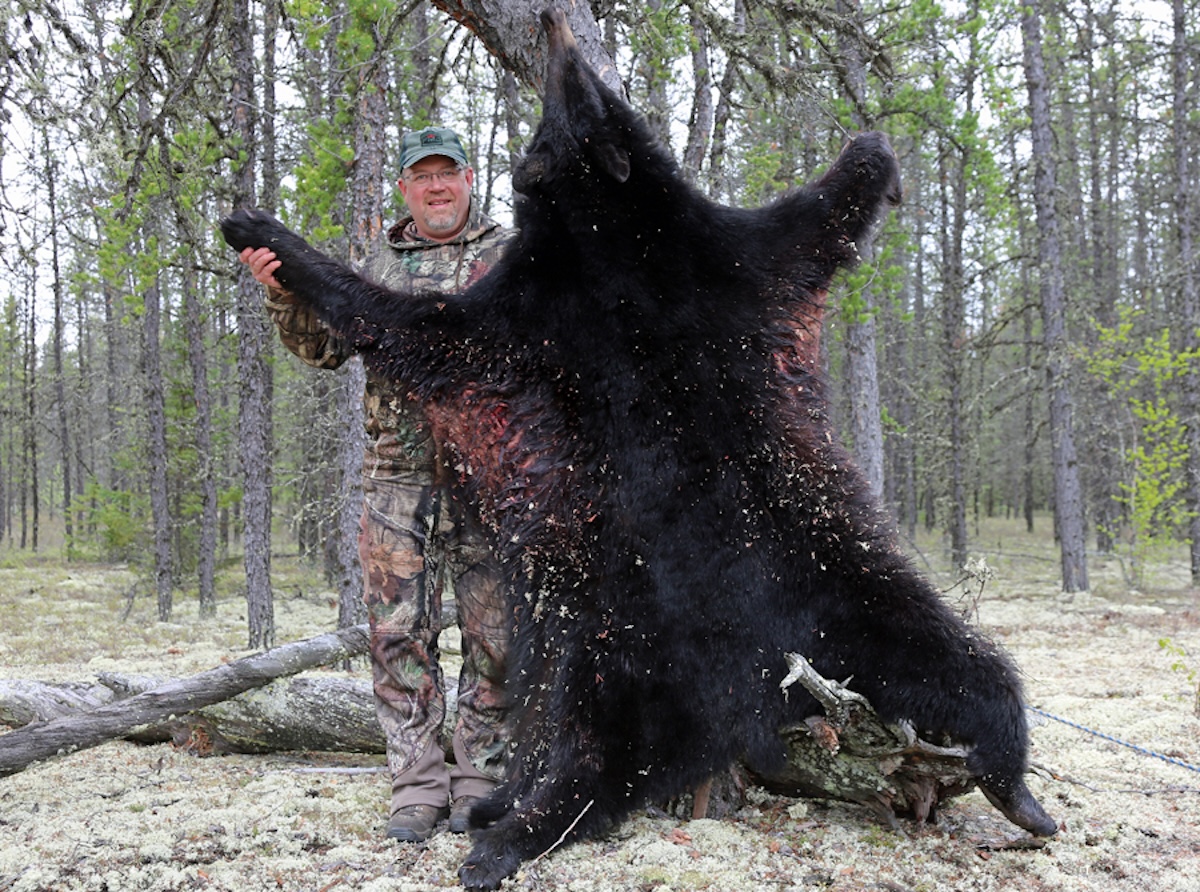
When an opportunity presents itself, make good on it.
Holding Out Pays
If your goal is a true trophy black bear, but you’d still like to leave camp with at least a solid representative bruin, my advice is to arrive packing some patience. My experiences have shown most every bear is different, and the quickest encounter I’ve ever had with a trophy bruin on a baited hunt occurred within 15 minutes of sitting down. Some areas in that remote camp had never been hunted before, and just showing up at a bait site was like ringing the dinner bell. Hearing me get settled, the dominant boar appeared to see what was going on, and just like that the hunt was over. But of course, it doesn’t always happen that way. Don’t count on it.
In areas where bears have encountered hunters, it can often take several days for a big boar to commit to stepping into the open. Most of the time, bears know a hunter is present at a bait site, but will take the chance anyway — despite the gamble between food and potential danger. Knowing this, my advice is to sit tight and let the local bears get used to your presence, even if it takes a week or more. Patience is most definitely a virtue when it comes to bagging big dominant bears.