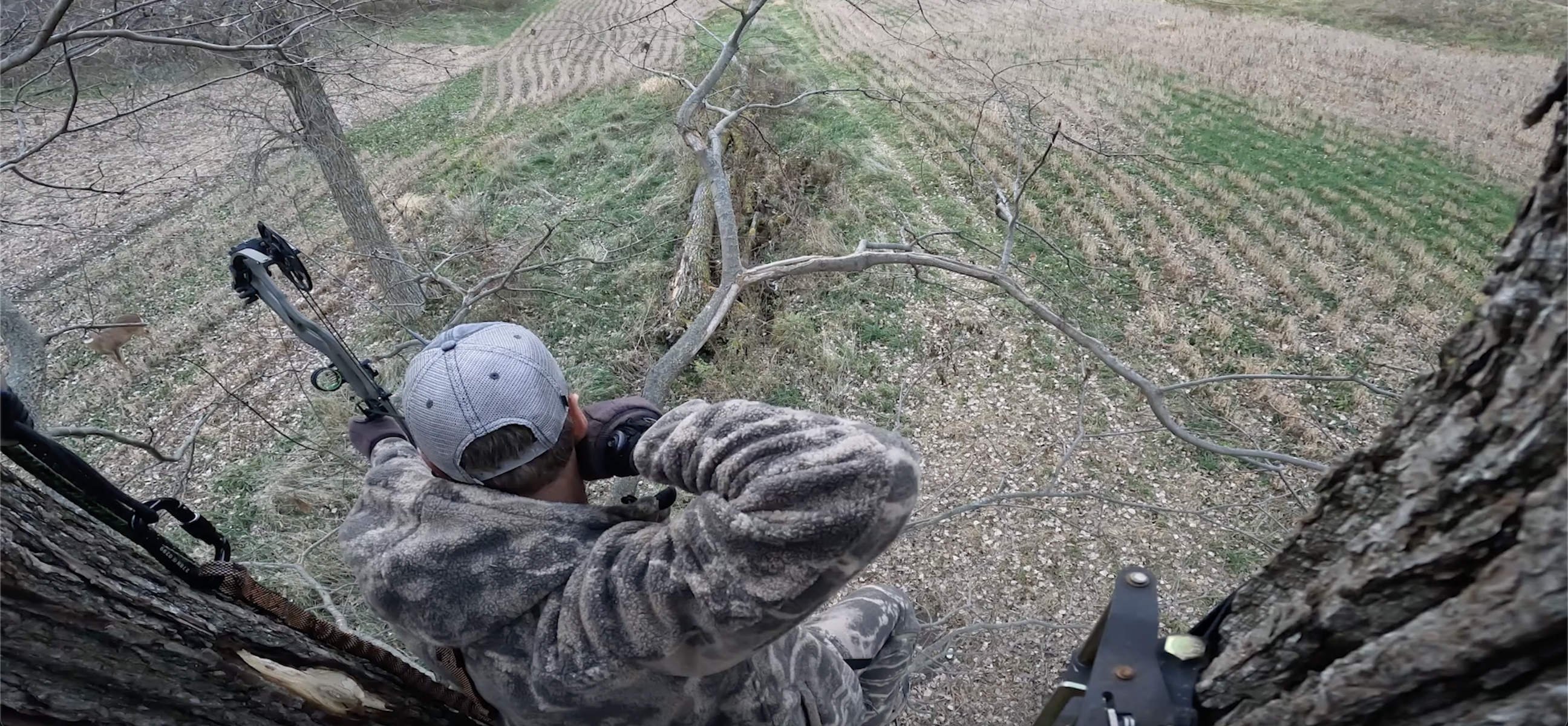




A whitetail’s nose is a deer’s premiere asset. Its sense of smell is the No. 1 defense against predators, hunters, and more. Therefore, when the wind direction doesn’t cooperate, it’s a problem for deer hunters. Keep the following things in mind, which apply to how to predict swirling winds.
Key Takeaways:
- Winds often react the same way as water. Study how water moves to better understand how air travels.
- Habitat, terrain, and topography can impact swirling winds.
- Rising and falling thermals, and their relation to prevailing winds, play a factor in swirling winds.
- Treestand locations in valleys tend to produce more swirling winds.
- Treestand locations at higher elevations tend to produce fewer swirling winds.
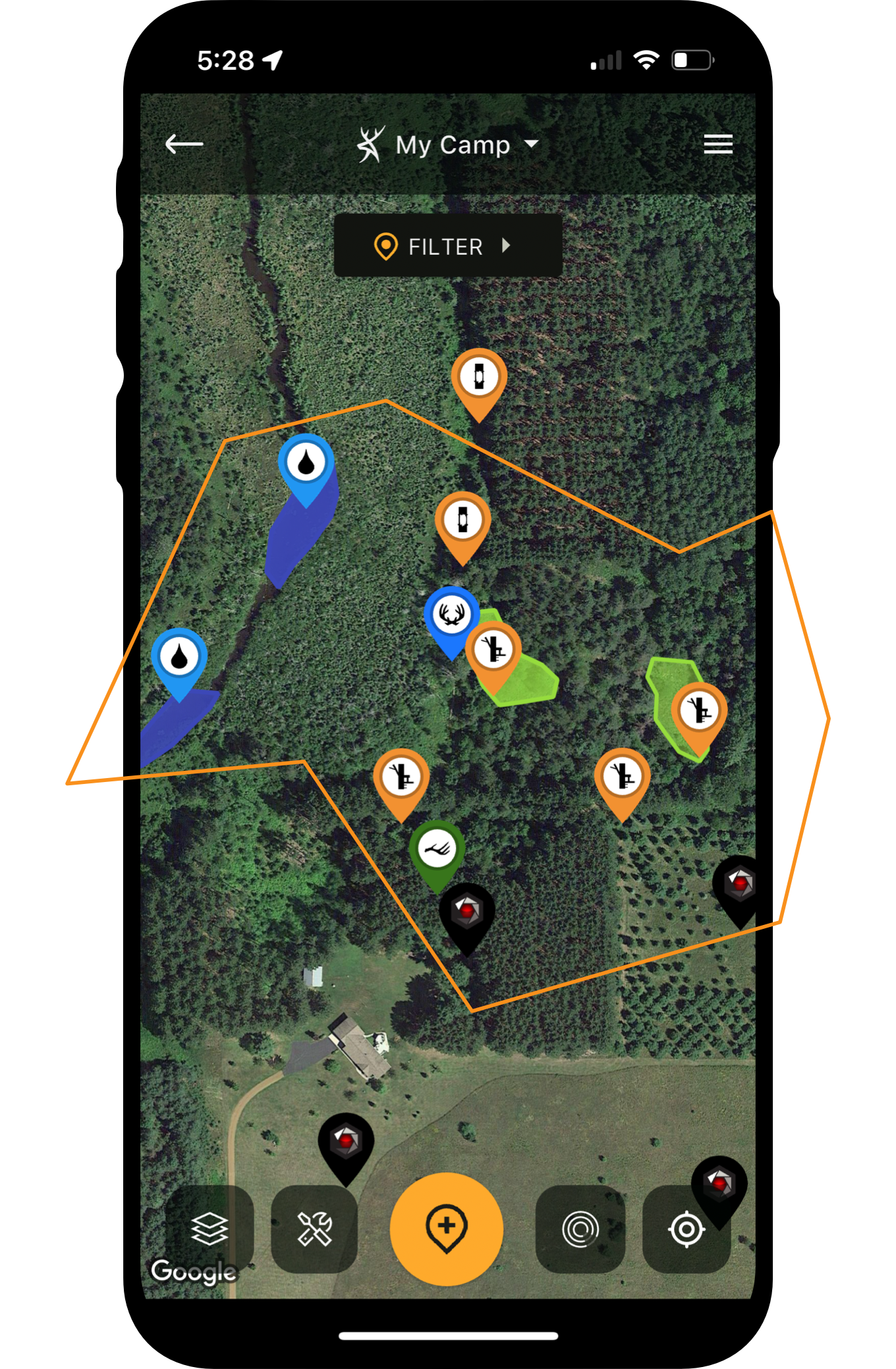
- Use HuntStand’s HuntZone to help predict air currents and travel.
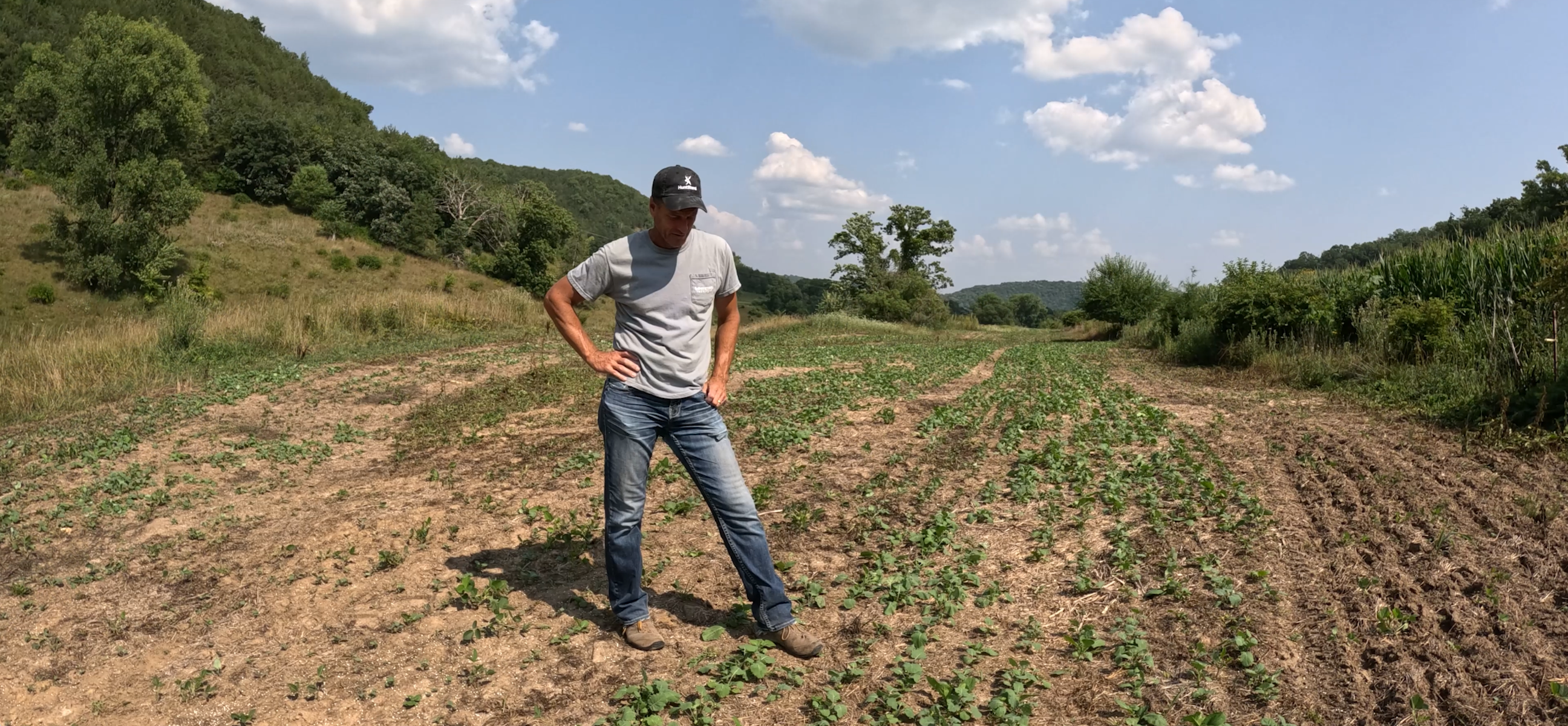
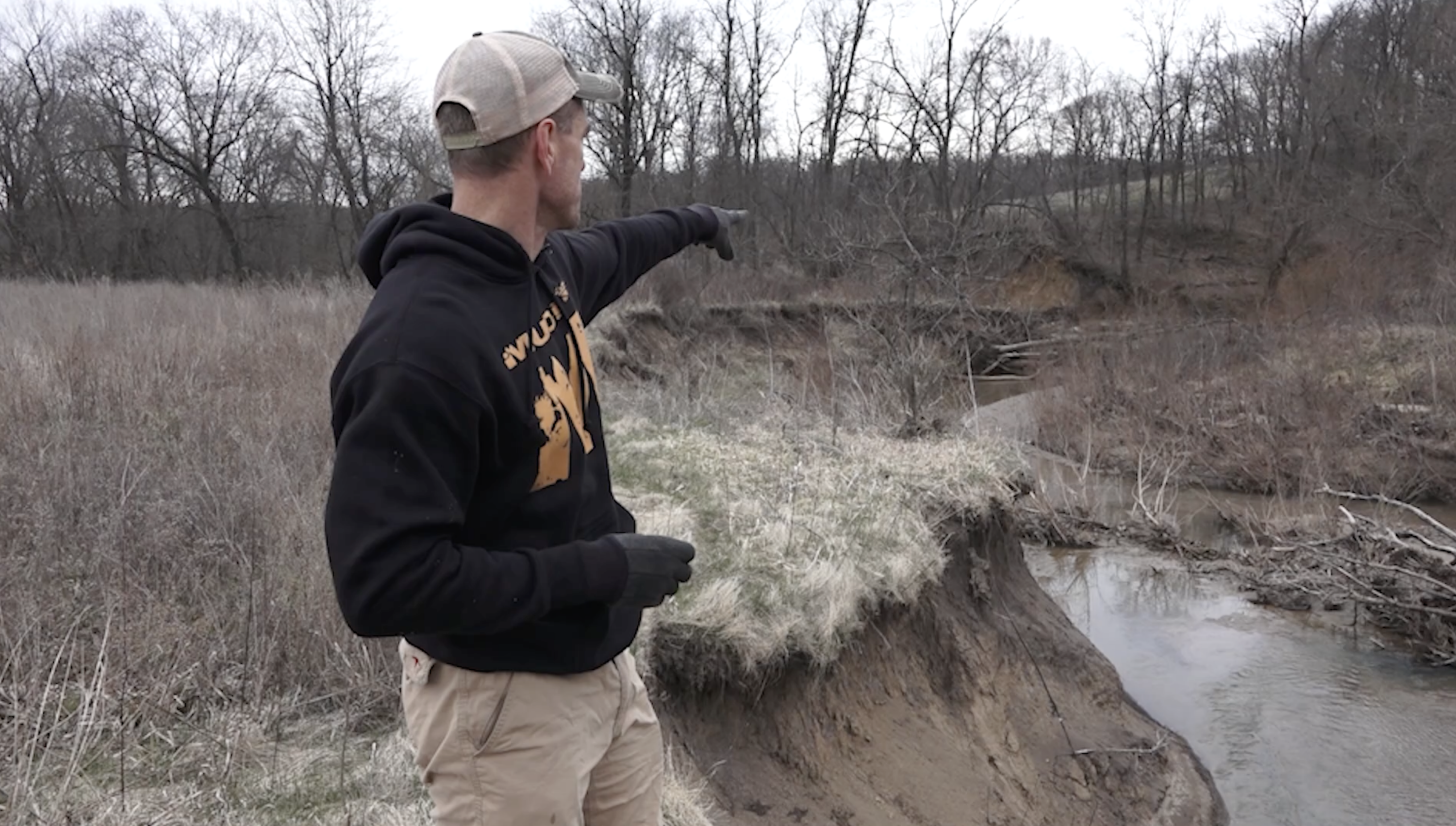
In this episode of “Deer Dirt,” join Bill Winke as he explores the art of using topographic maps in relation to how to predict swirling winds. Learn how to leverage the landscape’s natural features to understand wind patterns, ensuring you have the upper hand during your hunts.