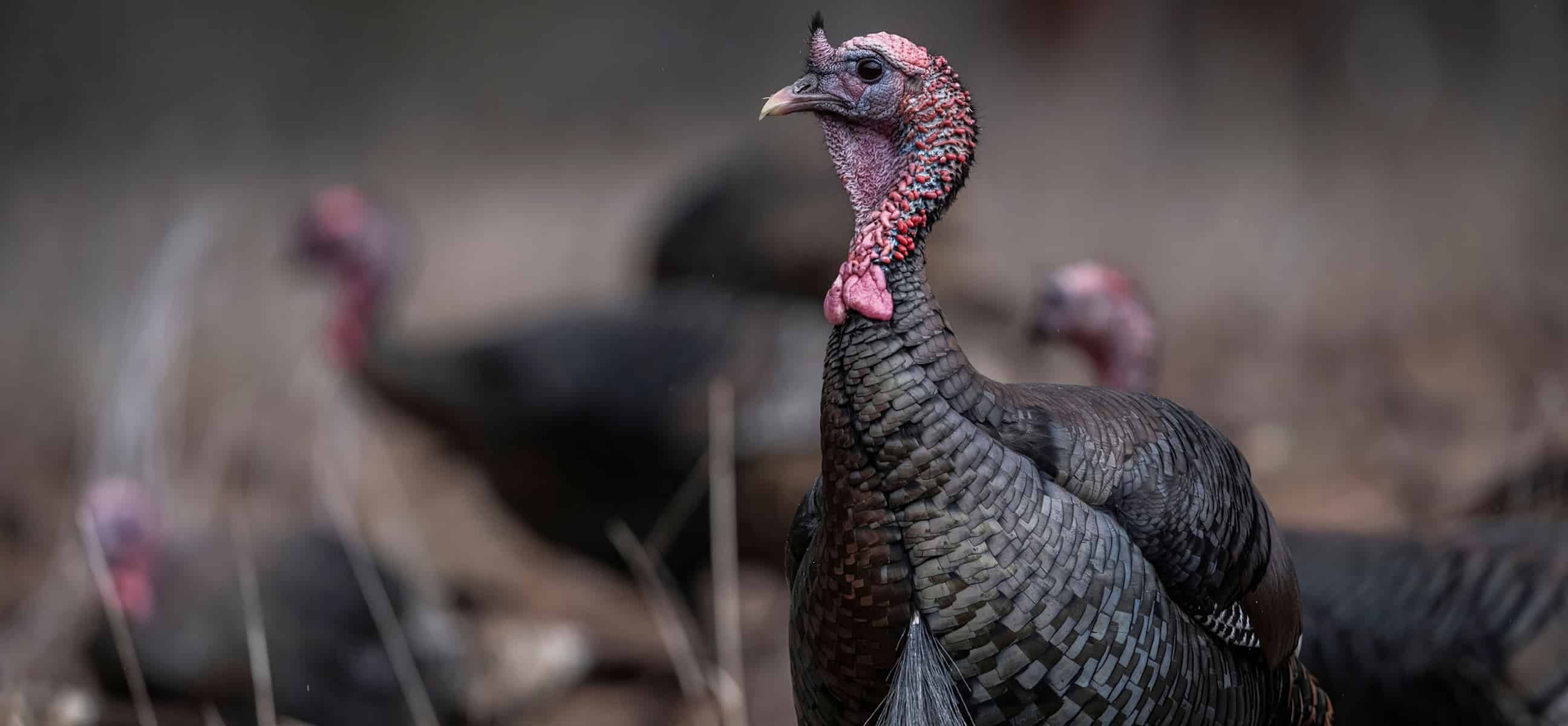




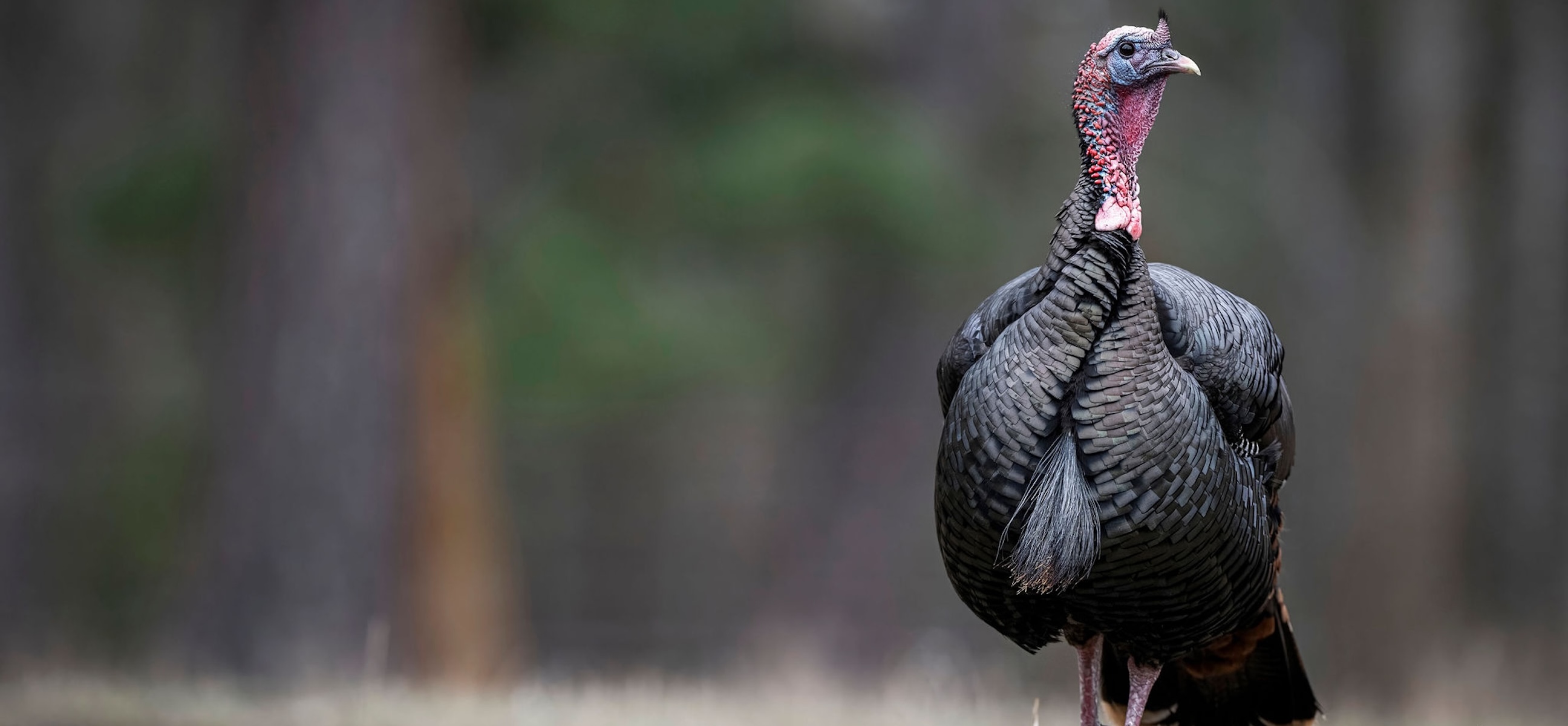

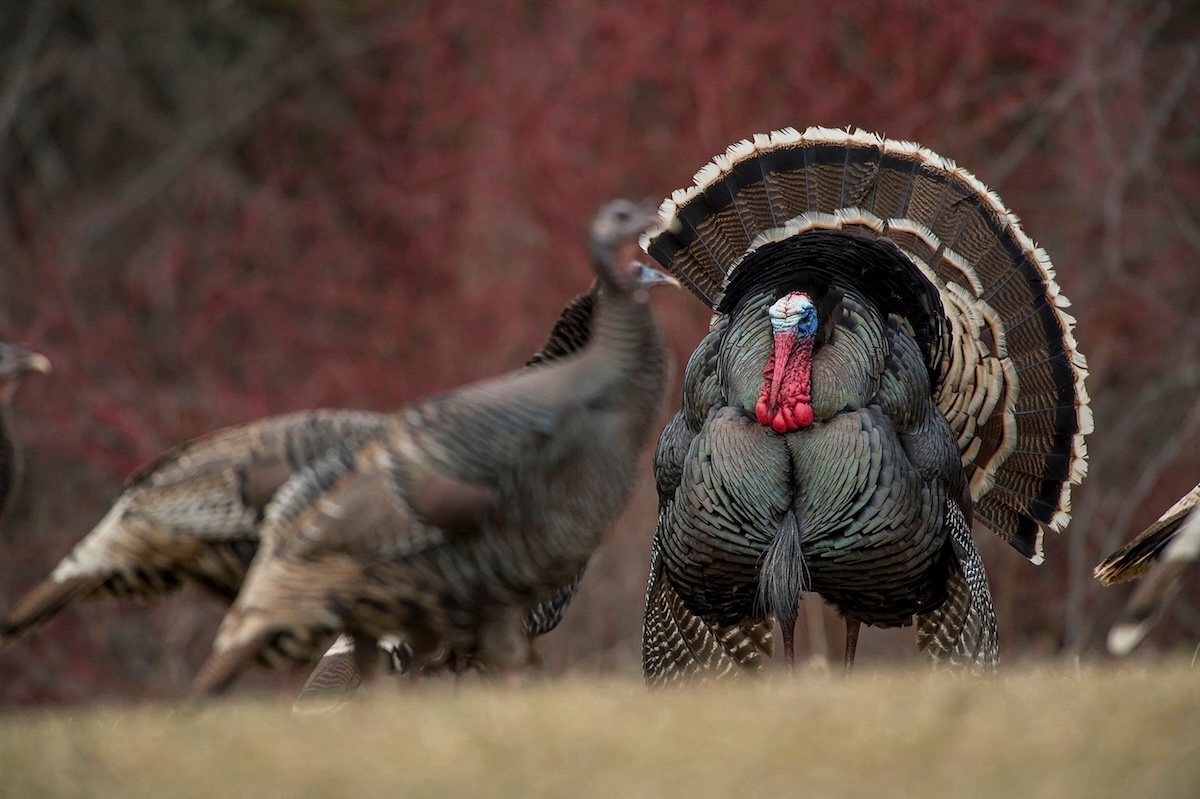

Wild turkeys need optimized habitat to thrive. You can provide it on your lands.
Turkey hunters, land managers, wild turkey biologists, and other wildlife officials are seeing wild turkey declines throughout the nation. In many areas, populations are down significantly from all-time highs. The decreases are even more prevalent in parts of the South and Northeast.
While the state wildlife agencies can enact policies and point hunters and land managers in the right direction, it’s really up to everyone on the local level to make the utmost impact for wild turkeys.
Fortunately, there are numerous ways to accomplish this, and all fall into four categories, including policy implementation, habitat management, predator management, and regulated hunting. Here are the best ways to improve your land for wild turkeys.
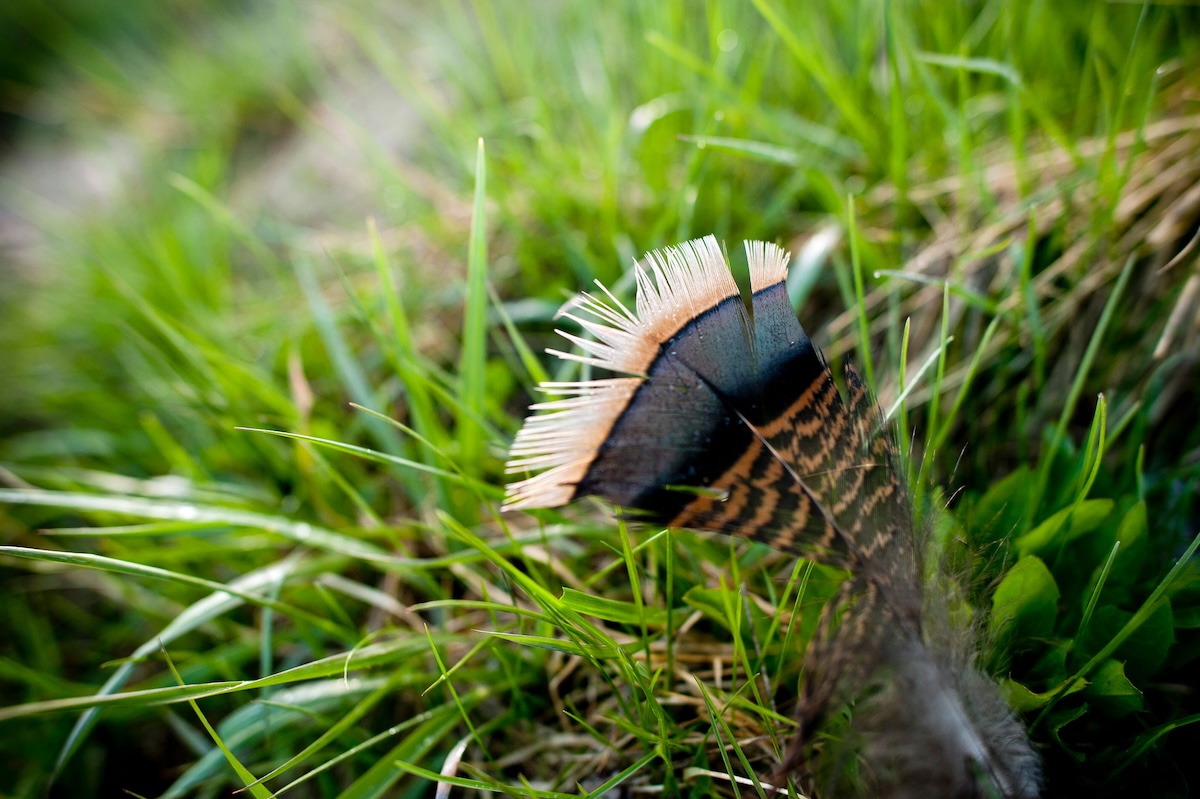
Conserve wild turkeys, or they won't be here for future generations.
Policy Implementation
Policy implementation is a significant first step in managing wildlife habitat and turkey populations. In some instances, installed positive policies provide ways to enhance management. In others, negative policies inhibit, or even prohibit, important habitat and wildlife management practices.
In some parts of the nation, some outside groups block officials from actively managing wildlife habitat on public lands. In other areas, they’re even successful at stopping management on private lands.
“I handle the policy end,” said Mitchell Blake with the NWTF. “In New Jersey, there is a tax on active forest management. Trying to create habitat for turkeys [is taxed].
“For example, consider the Sparta Mountain in northern New Jersey,” Blake continued. “It’s not too far from the Delaware River, which is the boundary between Pennsylvania and New Jersey. Here, anti-management groups are putting their foot down and protesting active management. It’s to the point where many state- and private-owned lands in northern New Jersey aren’t allowed to have forest management.”
Because of this, wild turkeys, ruffed grouse, and other animals that rely on early successional habitat (including whitetails), are declining. It’s now to the point that the ruffed grouse is on the New Jersey endangered species list. The bird is right across the river in Pennsylvania, but few remain in New Jersey, and it’s all due to a lack of forest management.
Because of this, NWTF and other organizations are striving to address these issues from policy standpoints. That takes everyone, including conservation organizations, state wildlife agencies, and even the local hunter and landowner.
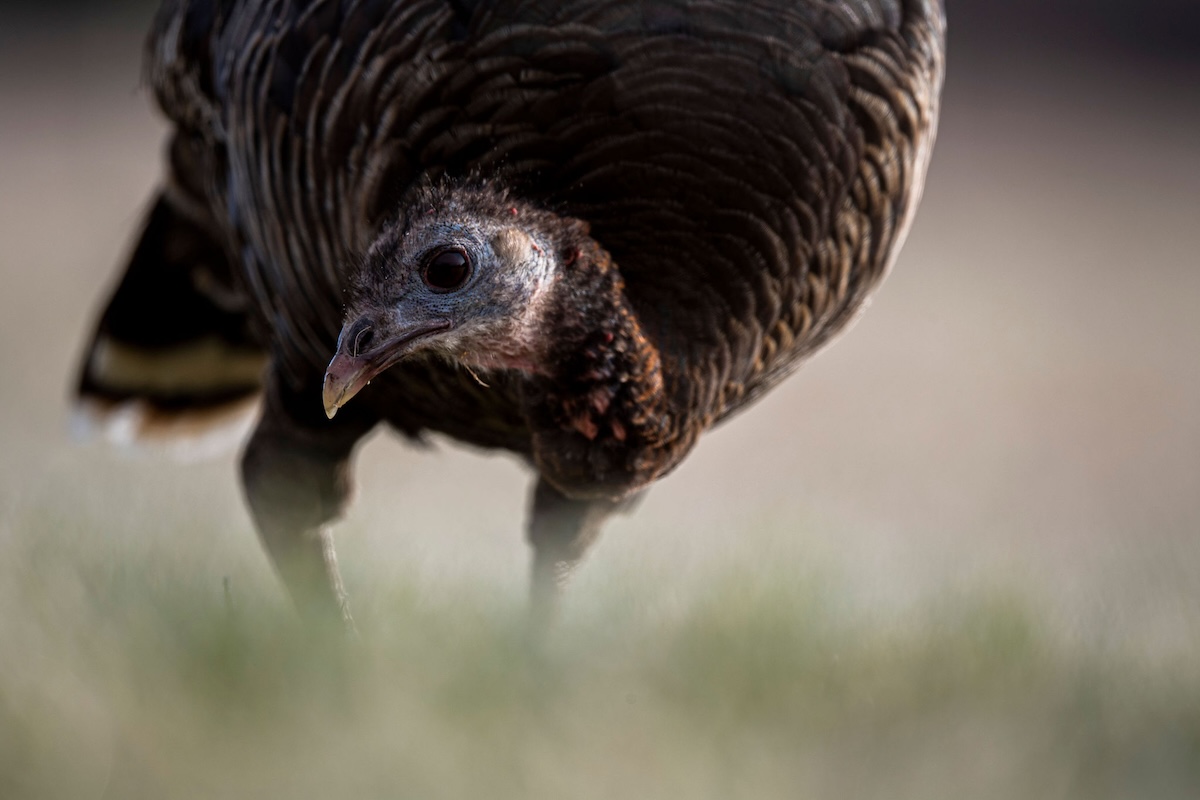
Wild turkey populations are declining throughout the nation, and much of it is due to declining nesting habitat and increasing predator populations.
Habitat Management
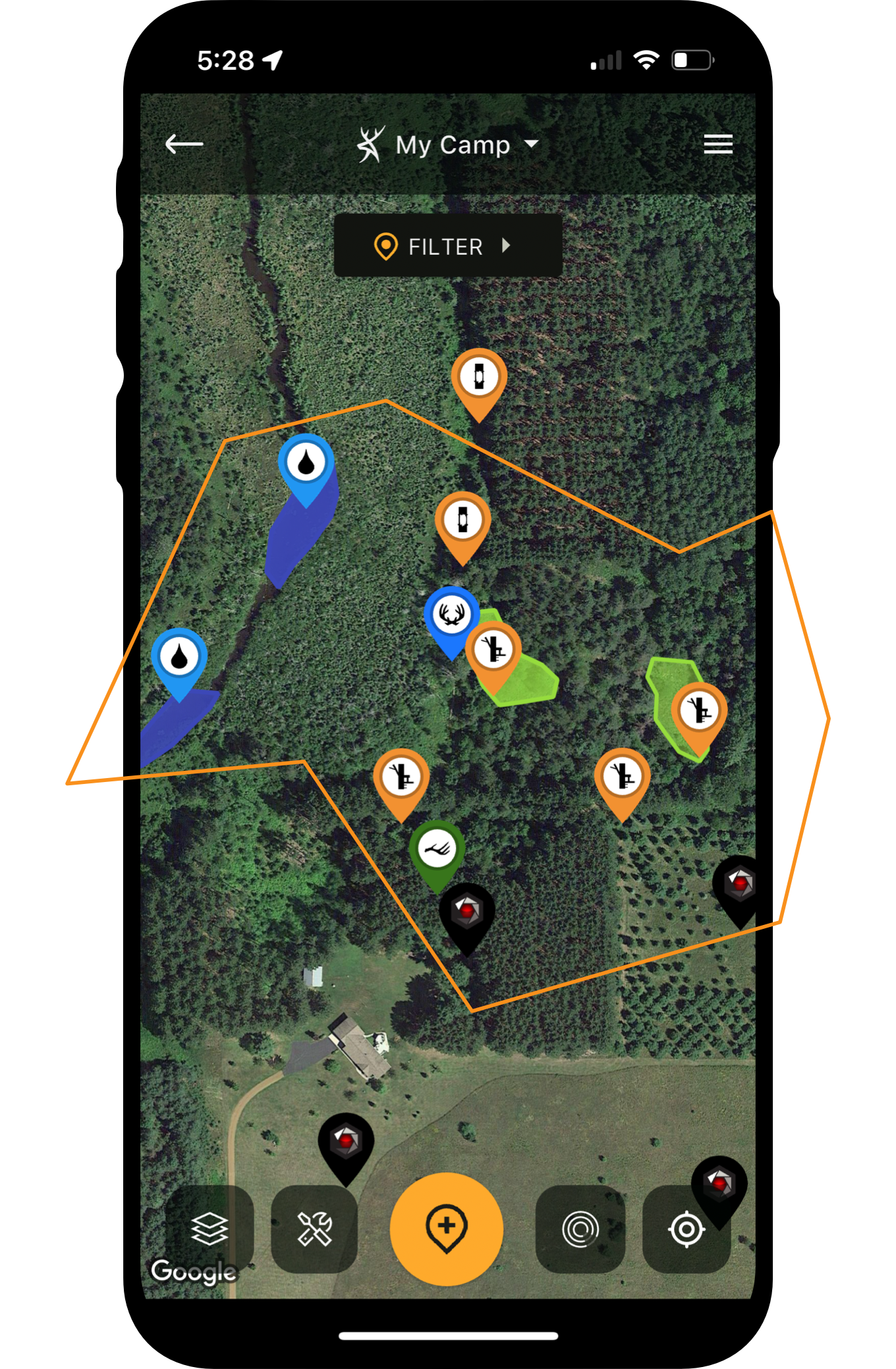
The best habitat management practices vary based on habitat type. For example, in heavily timbered areas, creating wildlife openings is good practice. In areas with more open ground, promoting timber and forest habitat is the goal. In essence, it’s about identifying limiting factors on the landscape, and offering wildlife what they aren’t getting or getting enough of.
Nesting cover for hens is crucial. They’ll spend upward of 28 days on the nest, day and night, which is the time required for incubation. According to the NWTF, this requires thick, pre-green-up cover. This is true for early nesters, and even the average timeframe for nesting.
Additionally, they need brood habitat in close proximity to nesting habitat. The closer these two areas are located, the higher the survival rates.
Important habitat projects that can help wild turkeys include:
- Creating blocks of cover (rather than strips) which are better for hiding wild turkeys and nests from predators.
- Implementing prescribed fire, which is ideal for resetting the clock on habitat, and promoting important wild turkey habitat types.
- Optimizing cover-to-open ratios, as turkeys need a mix of timber, brushy, and open areas to thrive.
- Promoting early successional habitat, because turkeys need that for nesting, brooding, and feeding.
- Planting food plots, as certain species, such as alfalfa, clover, and other legumes, promote insect life and provide plant food sources.
- Installing turkey-friendly water sources, as these birds need H2O like all living beings.
- Removing non-value species and invasive species, because anything that doesn’t benefit wildlife is wasted acreage.
In addition to the projects above, there are many other things land managers can do to promote wild turkey habitat. Do what your budget allows. Or benefit from conservation programs that cost-share or completely pay for habitat improvements.
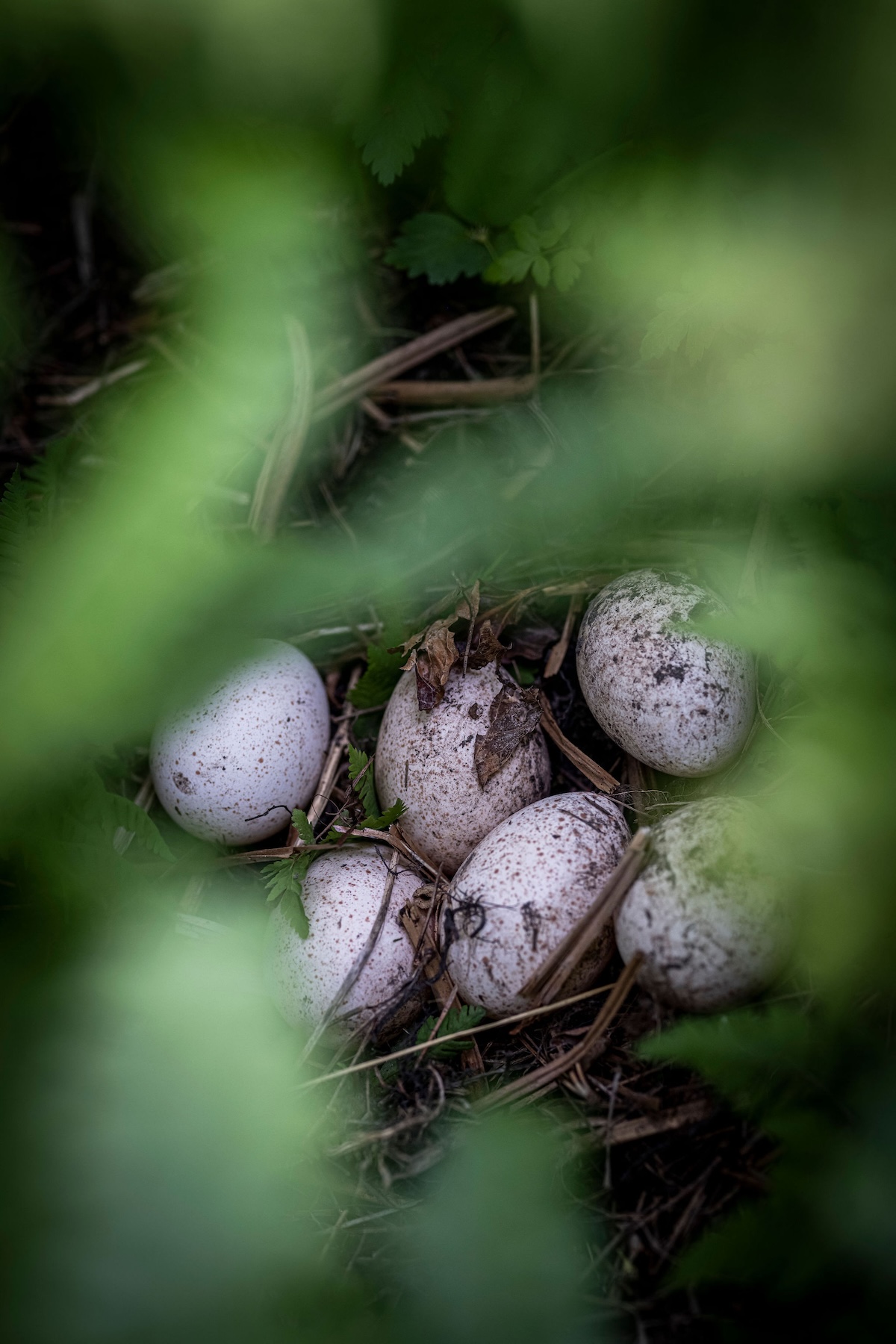
Provide quality nesting habitat to save more hens (and nests).
Predator Management
The age of whitetail, wild turkey, and other wildlife species restoration efforts came on the heels of heavy trapping cultures. Throughout the early, mid, and even into the late 1900s, trapping was common. That greatly assisted in the effort to bring wild turkeys and other fading species back from the brink.
Today, trapping is no longer common. Some predator hunting remains, but research has proven hunting alone does not appropriately manage predator populations. As a result, predator management has declined.
To improve land for wild turkeys, land managers must consider the implementation of predator management. This includes trapping predators that target nests, poults, and adult turkeys.
According to the NWTF, animals that target nests and poults include coyotes, crows, foxes, hawks, opossums, raccoons, ravens, skunks, snakes, and more. Of course, bobcats, coyotes, foxes, and others (even raccoons) target adult turkeys.
Simply, to improve wild turkey populations, land managers must manage predator populations at proper levels.
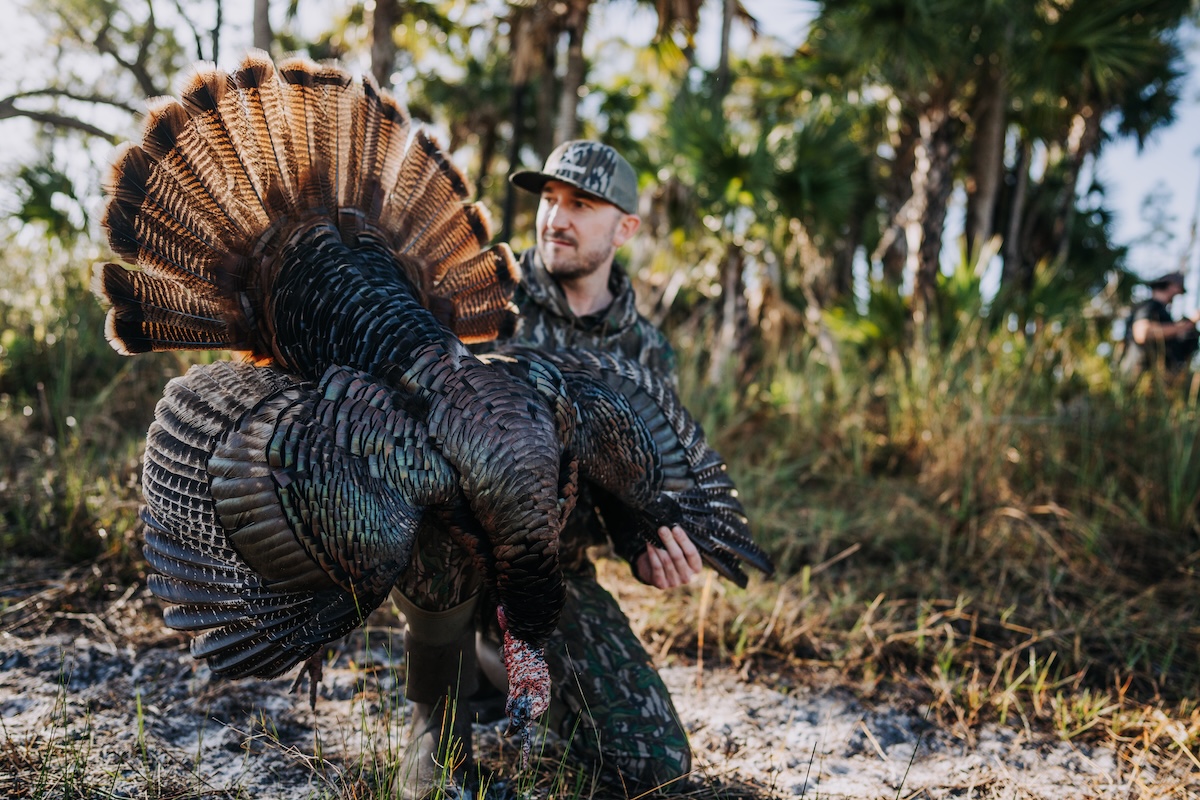
HuntStand's Josh Dahlke and a beautiful Osceola wild turkey.
Regulated Hunting
Finally, it’s important to address regulated hunting. Of course, state wildlife agencies and DNRs do this on the state, region, county, and in some instances, local levels. They enact policies, set season dates, and make other decisions based on most recent turkey population data and trends.
That said, it’s up to local hunters to make important decisions, too. For example, maybe you notice turkey populations are very low on one property, and you decide to let it rest for a season or two. Perhaps the last couple hatches haven’t been great, and you decide to forego shooting hens during the fall seasons (where legal). Whatever the case, you can make decisions within the frameworks provided by the state wildlife agency and DNR to further improve the turkey populations.
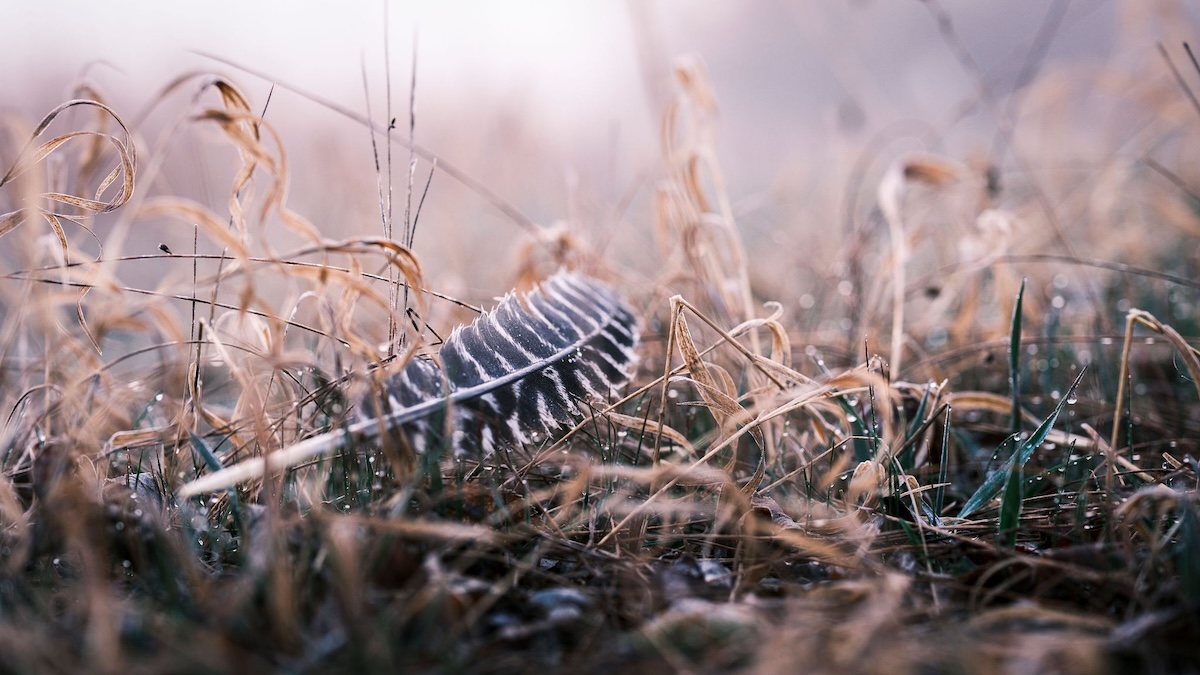
Do more for the wild turkey, and it'll be here for many years to come.
Ongoing Conservation Efforts
Not long ago, the National Wild Turkey Federation launched the Habitat for the Hatch Initiative in the Southeast. More recently, the Forest and Flocks Initiative launched in the Northeast to improve native habitat for wild turkeys.
“Out West, we have our Waterways for Wildlife Initiative,” said Doug Little with the NWTF. “There are other initiatives we’ve helped with and been a part of. Timing seemed right for the Habitat for the Hatch Initiative in the Southeast.
“There are concerns about declines,” Little continued. “In the Northeast, we started to talk about declines in the Northeast, and other regions. What’s right? What’s the highest priority work? What can we do to move the needle and ensure we’re focused on the most important things.”
These and more are key concerns he and others recently addressed on the HuntStand Make Your Mark Podcast. Thankfully, NWTF, and others like them, and doing great work.
Do What You Can
Not everyone has the access or means to conserve 1,000 acres, or even 10 for that matter. But everyone can do something. Work with the land you control. Volunteer to help improve other lands. Join conservation organizations, such as the NWTF, and other like-minded groups. In short, do your very best to help the wild turkey. That’s all any of us can do.
The 2026 Spring Turkey Season Forecast