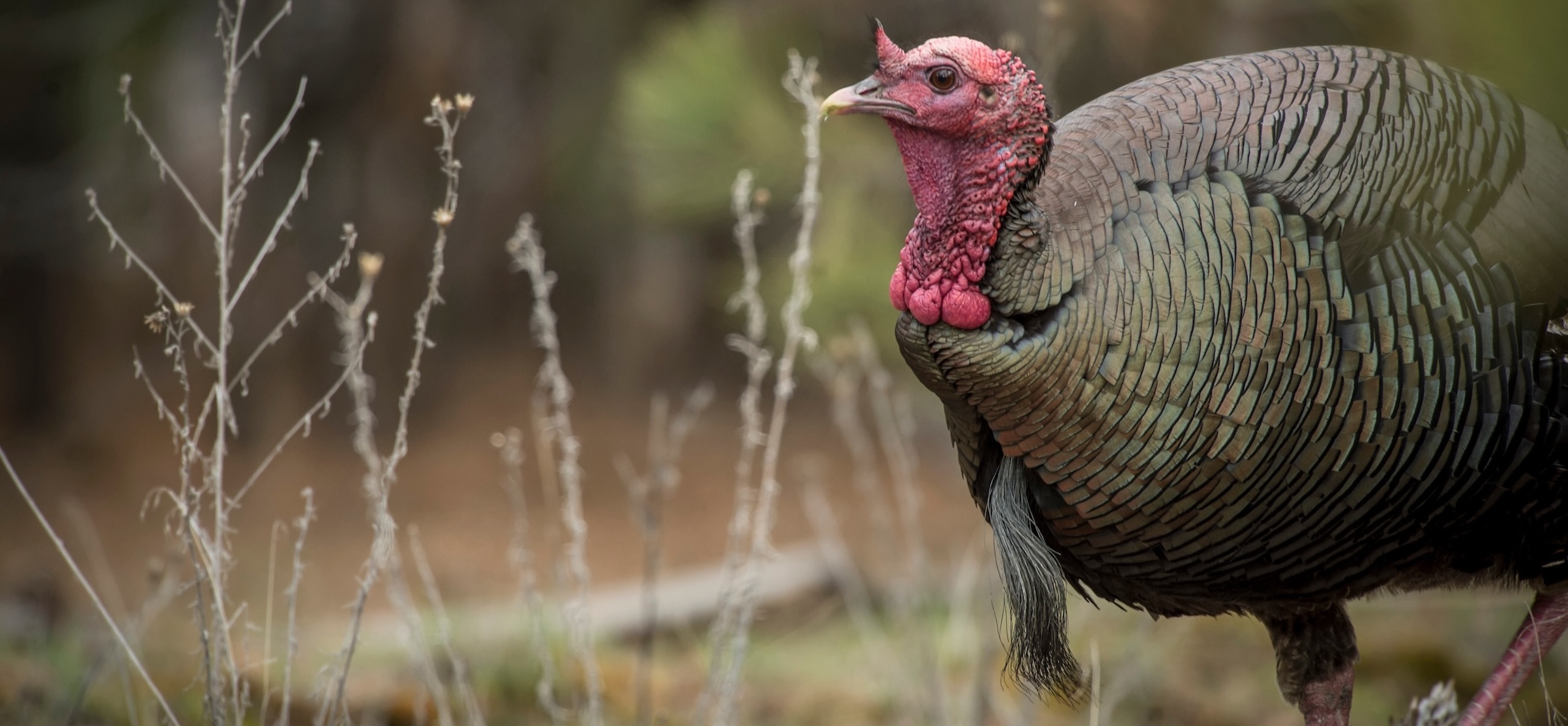




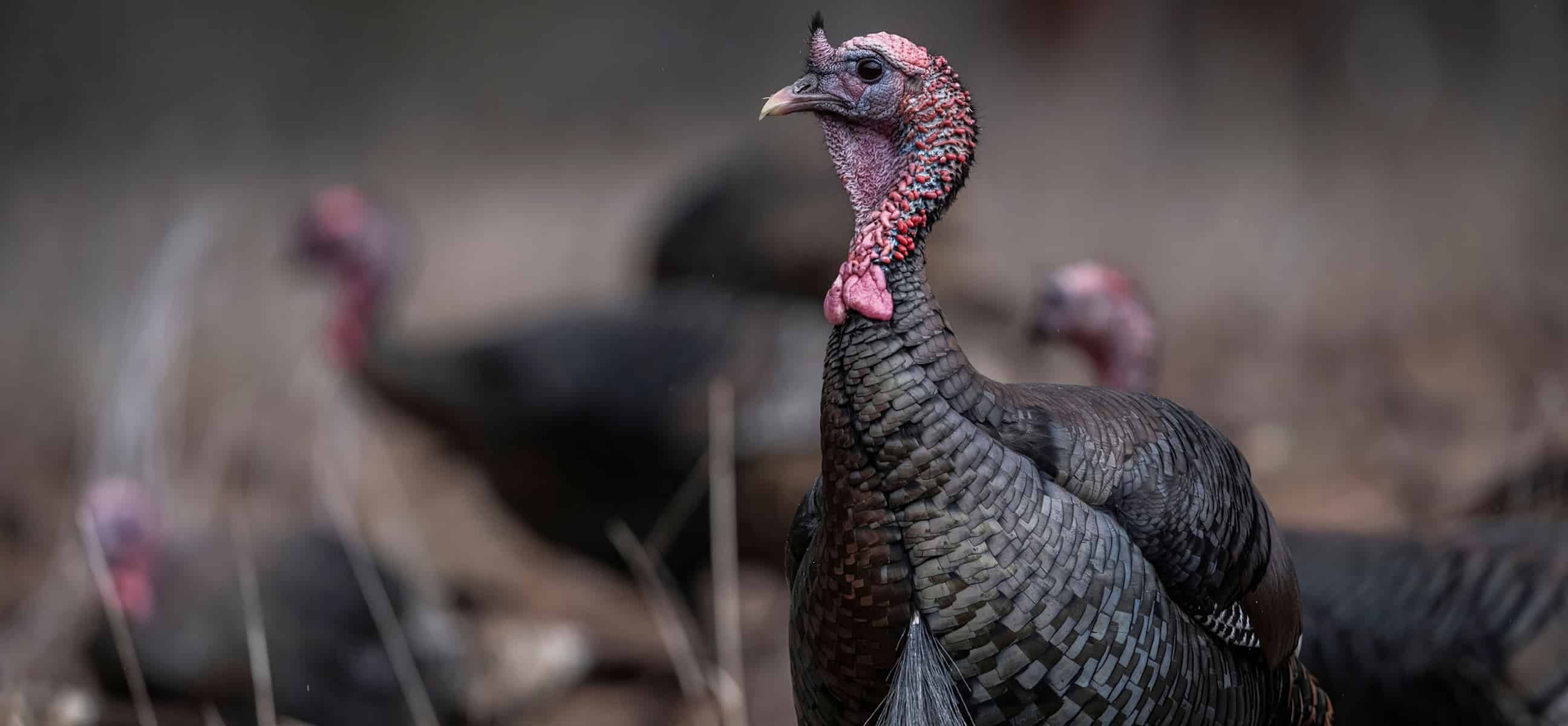

The Eastern wild turkey, carrying the full scientific name of Meleagris gallopavo silvestris, abides throughout the Northeast, Southeast, Midwest, and small pockets of the West. Of the four subspecies that comprise the Grand Slam, it’s the most widely available, but remains difficult to hunt. Here’s a complete guide for these stubborn, hard-headed turkeys, including how to hunt Eastern wild turkeys.
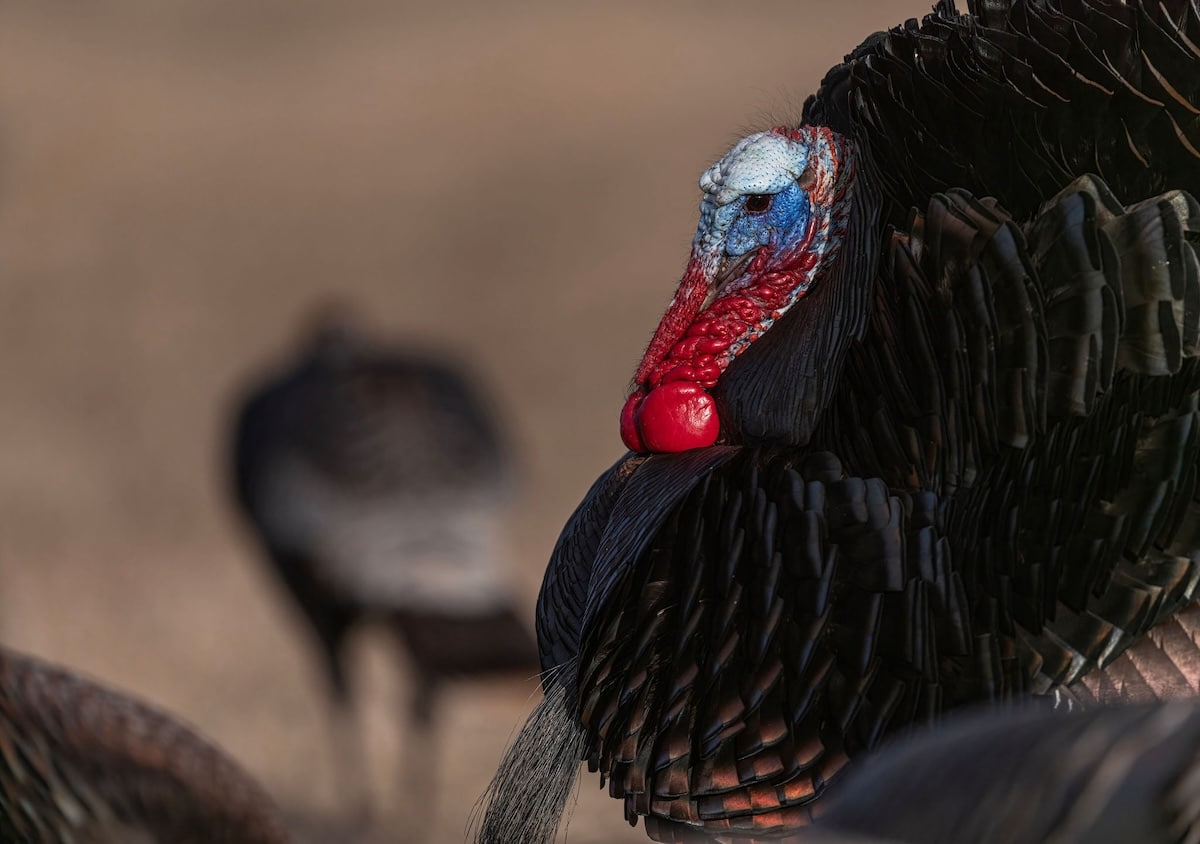

The Eastern wild turkey is known for throaty gobbles, stubborn behavior, and darn good fun for the hunt.
About the Eastern Wild Turkey
The Eastern wild turkey gets its name from the generalized area it inhabits. Of course, it primarily lives in the eastern half of the country. That said, it’s highly adaptable, and even lives in pockets throughout the West amidst or adjacent to populations of Merriam’s, Rio Grande, and hybrids. Examples include western North Dakota, central South Dakota, western Kansas, and western Washington.
The Eastern wild turkey is the reintroduction success story of the century. In the late 1900s, conservation leaders reintroduced the Eastern turkey in key areas throughout the East. Collectively, the National Wild Turkey Federation (NWTF), U. S. Fish and Wildlife, USDA Forest Service, USDA Natural Resources Conservation Service, state wildlife agencies, and others, played integral roles in restoring the Eastern wild turkey to its former glory.
Don’t Miss: The Royal Slam
- How to Hunt Eastern Wild Turkeys
- How to Hunt Gould’s Wild Turkeys
- How to Hunt Merriam’s Wild Turkeys
- How to Hunt Osceola Wild Turkeys
- How to Hunt Rio Grande Wild Turkeys
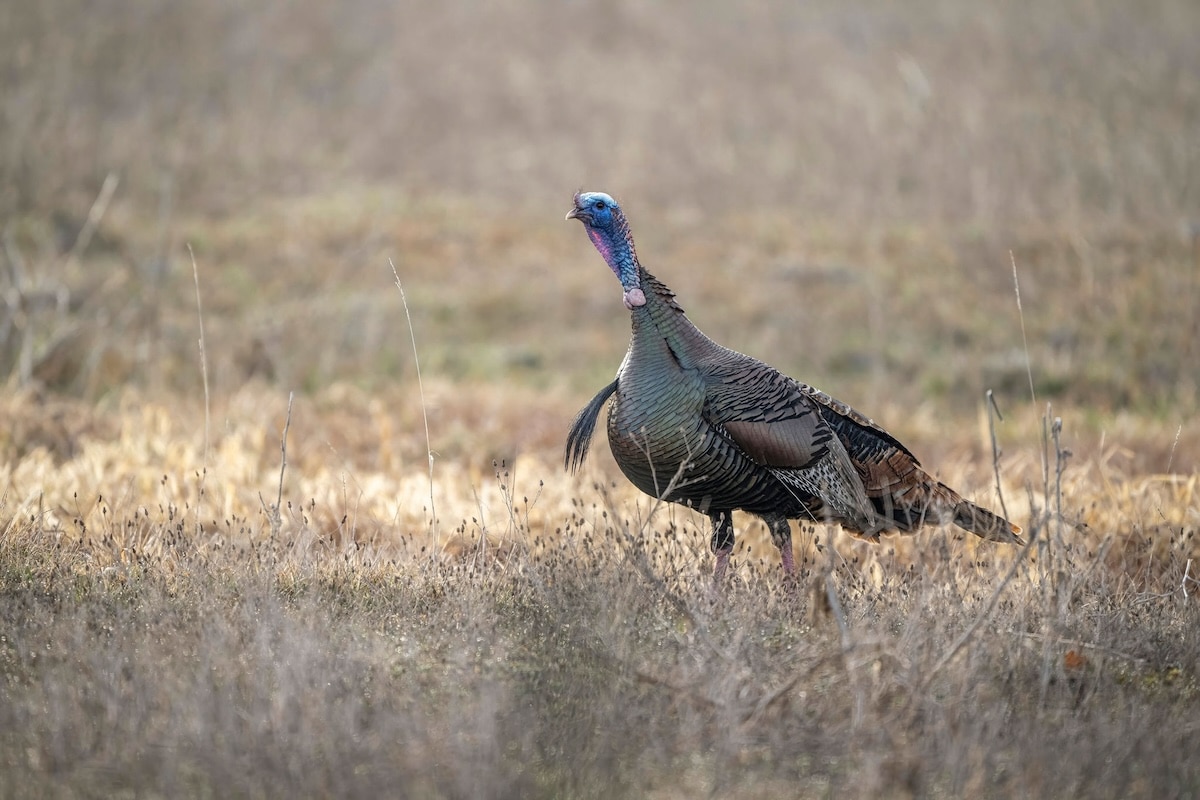
The biology and behaviors of the Eastern turkey is quite unique.
Eastern Biology: Eastern turkeys have a different look than other subspecies. Osceolas aside, they are darker colored. Furthermore, they tend to be larger. On average, adult male Easterns tend to weigh 18-23 pounds, and in the Midwest, can weigh up to 30 pounds. Adult hens tend to weigh 10-12 pounds.
“The size and coloration make it different from the other subspecies,” said Derek Alkire, an NWTF district biologist covering Alabama, Kentucky, and Tennessee. “It’s very similar to the Osceola genetically, but in the way it shows its characteristics is a bit different.”
“Unique to Easterns are their large stature and thunderous gobbles,” said Josh Dahlke, senior director of content for HuntStand. “There’s nothing quite like seeing a big, blown-up Eastern clown face strutting through the hardwoods. And, man, their gobbles can rip your face off.”
Eastern Behavior: Eastern turkeys are known for their aggressive nature. That said, in certain areas, they express the wittiness that western birds don’t seem to have.
Furthermore, predators notoriously impact Eastern turkey behavior. Where predator populations are higher, it’s believed gobbling activity is more suppressed.
“Eastern wild turkeys are prone to predation from the nesting to adult stages of life,” said Texas A&M AgriLife Extension. “Half of all nests are lost to predation or abandonment. Poults are especially vulnerable to predation in the first few weeks of life when they still roost on the ground. In addition, they are also more likely to succumb to starvation, birth defects, and inclement weather. In fact, less than 50% of poults survive to be one month old in east Texas. The two most common nest predators are the American crow and the raccoon. Other common predators include snakes, feral pigs, opossums, great-horned owls, bobcats, and coyotes.”
Eastern Habitat: The eastern wild turkey inhabits the eastern half of the country, and more. However, the centralized hub of the subspecies’ range runs from the eastern half of the plains states from eastern North Dakota down to eastern Texas, and pushes eastward all the way to the Atlantic Coast from Maine down to Florida.
According to Alkire, the Eastern subspecies seems to be more adaptable than Merriam’s, Rio Grande, and other subspecies. The large range it occupies is support enough for that argument.
According to Texas A&M, Eastern turkey diets consist of approximately 36% grasses, 29% insects, 19% mast, and 16% forbs. This varies slightly by location but allows them to thrive in various ecosystems and habitat types.
Eastern Populations: Today, numerous threats impact Easterns. Examples include habitat destruction, declining public land habitat, disease spread, increasing predator populations, and more. Despite these threats, the turkey still thrives. According to Field & Stream, thriving Eastern flocks can be found in 38 states and several Canadian provinces.
“The adaptability of the species to live in a lot of different habitat types is unique to the subspecies,” Alkire said. “There are even Easterns that were moved to Washington state. There’s a little pocket up there, and they survive. They certainly adapt to many different habitats. I think they are hardier, and bigger than some of the other subspecies.”
Eastern Wild Turkey Research: Modern wild turkey research is focused on determining the causes of declining Eastern turkey numbers. The NWTF, Turkeys for Tomorrow, and others, are funding and facilitating important research throughout the nation. According to the NWTF, 2024 projects received funding in Arizona, Florida (two studies), Georgia, Illinois , Iowa (two studies), Kansas, Missouri, South Carolina, Texas (three studies), and more.
The Best Turkey Hunting States in America
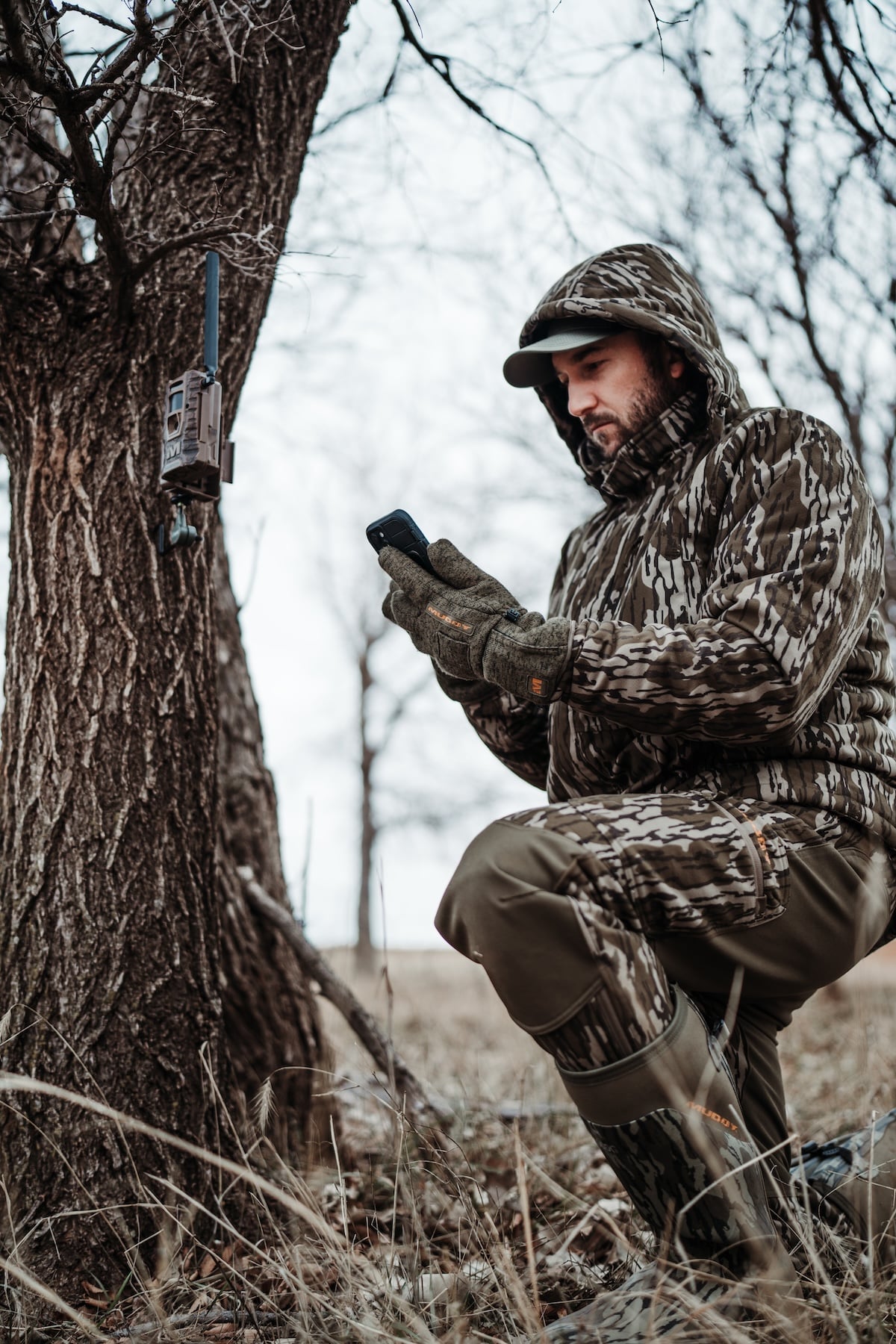
Use proven scouting tactics to pattern wild turkeys.
Best Scouting Tactics for Eastern Turkeys
Scouting is an essential part of hunting Eastern wild turkeys. This enhances the effectiveness of hunting tactics deployed once in the field.
“Do your homework and scout,” Alkire said. “Being able to roost a bird, knowing where they are, and where they want to go, are very important. With a lot of the habitats in the East, you can get pretty close to them on the roost, if you know where they are.”
Before scouting, consider how the Eastern turkey behaves. Learn the nuances of what it does, and why it does it. Consider where turkeys roost, feed, water, strut, and more.
“When you think about the birds in the Midwest and West, they tend to hit the ground and run,” Alkire said. “They just go. That’s not the case with Easterns. They stick closer and aren’t as far ranging.”
“If you’re not serious about roosting turkeys, you’re probably not going to consistently kill them all over the country,” Dahlke said. “This is remarkably true with Eastern gobblers. Easterns are unequivocally the most difficult birds to roost because they have so many options, and the acoustics of their habitat can make it difficult to hear them – especially in late spring with full foliage.”
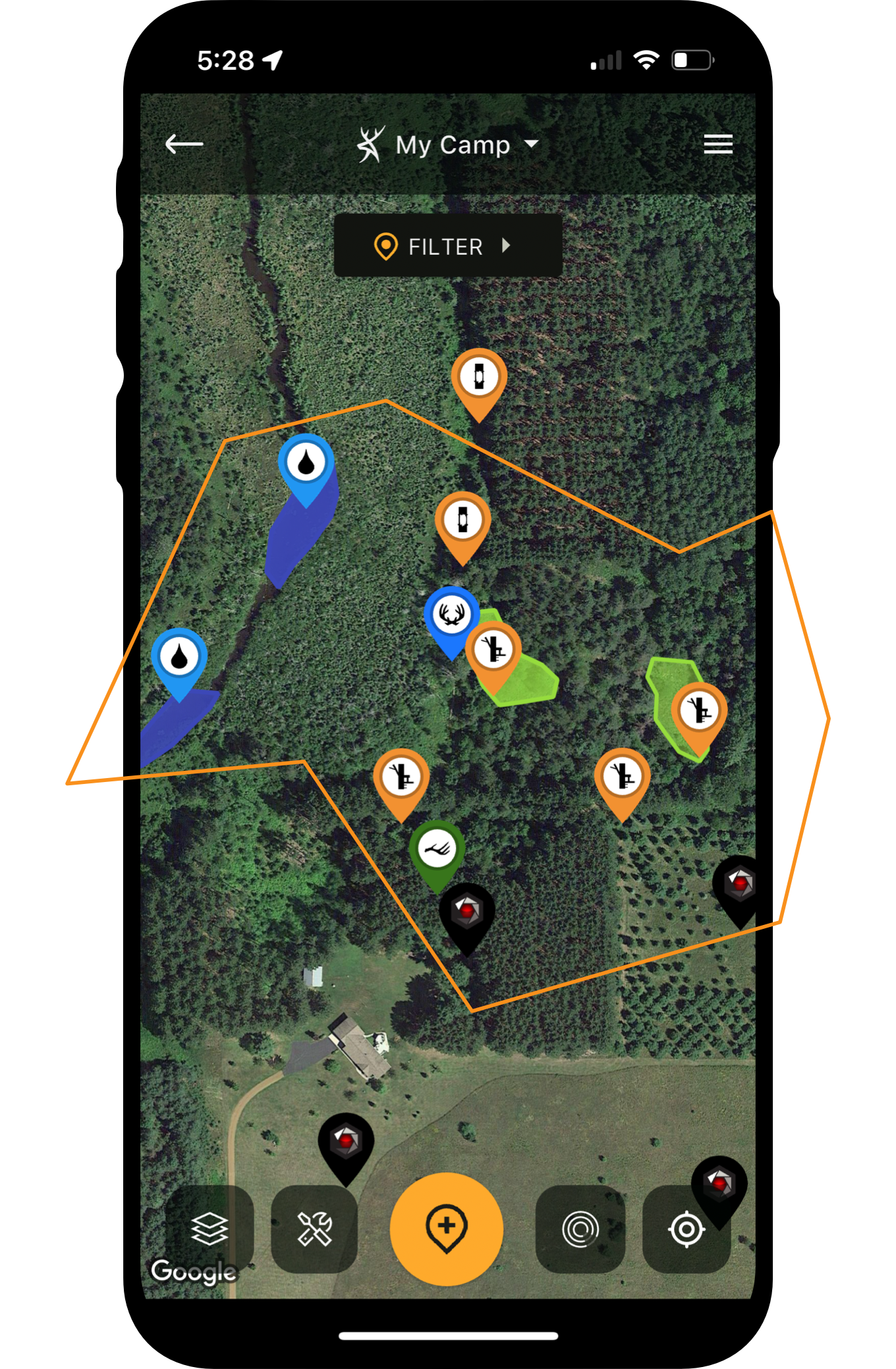
“I like to employ what I refer to as ‘power roosting,’” Dahlke continued. “This is an aggressive roosting technique where you use locator calls to keep a bird gobbling in the evening, on the limb, for as long as he’s willing. I will bum rush a roosted gobbler and get as close as possible without risking getting busted. Then, I’ll try to get a precise fix on him and mark his location in HuntStand. If I’m not confident that I’ve pinned his location to within a 100-yard radius, I’ll circle him and keep dropping markers, ultimately settling on the intersection of all those markers to be as accurate as possible.
How to Pattern Your Shotgun for Turkey Hunting

The 3D mapping tool is an excellent asset for scouting turkeys.
Of course, every good turkey scouting effort should start from a digital perspective. HuntStand Pro (and other subscription levels) offer excellent features that benefit the effort of scouting wild turkeys.
HuntStand offers numerous base layers, including the 3D Map, Monthly Satellite, Satellite, Mapbox Satellite, Terrain, and more.
- 3D Map: See and scout your hunting area in a realistic 3D manner. It’s a true-to-life look at the landscape. This is good for finding both habitat- and topographic-specific land features that turkeys love.
- Monthly Satellite: Study what properties looked like recently, or in the past. Observe month-over-month changes using the Monthly Satellite feature.
- Satellite / Mapbox Satellite: These are high-resolution 2D looks at the land. These offer great platforms for use of the Map Marker icons.
- Terrain: View the topography flow and changes without the distraction of habitat-based depiction.
Important overlays also benefit turkey hunters. Some of these include Contour, Hunting Lands, Public Lands, Property Info, etc.
- Contour: Add contour (topo) lines to base layers already being used. This adds another important scouting layer to your view of the landscape.
- Hunting Lands / Public Lands: Use these tools to locate potential public land hunting spots.
- Property Info: Find property locations by typing in landowner names. Or determine who owns property, as well as affiliated property and mailing addresses. This is vital information for gaining hunting permission and leases.
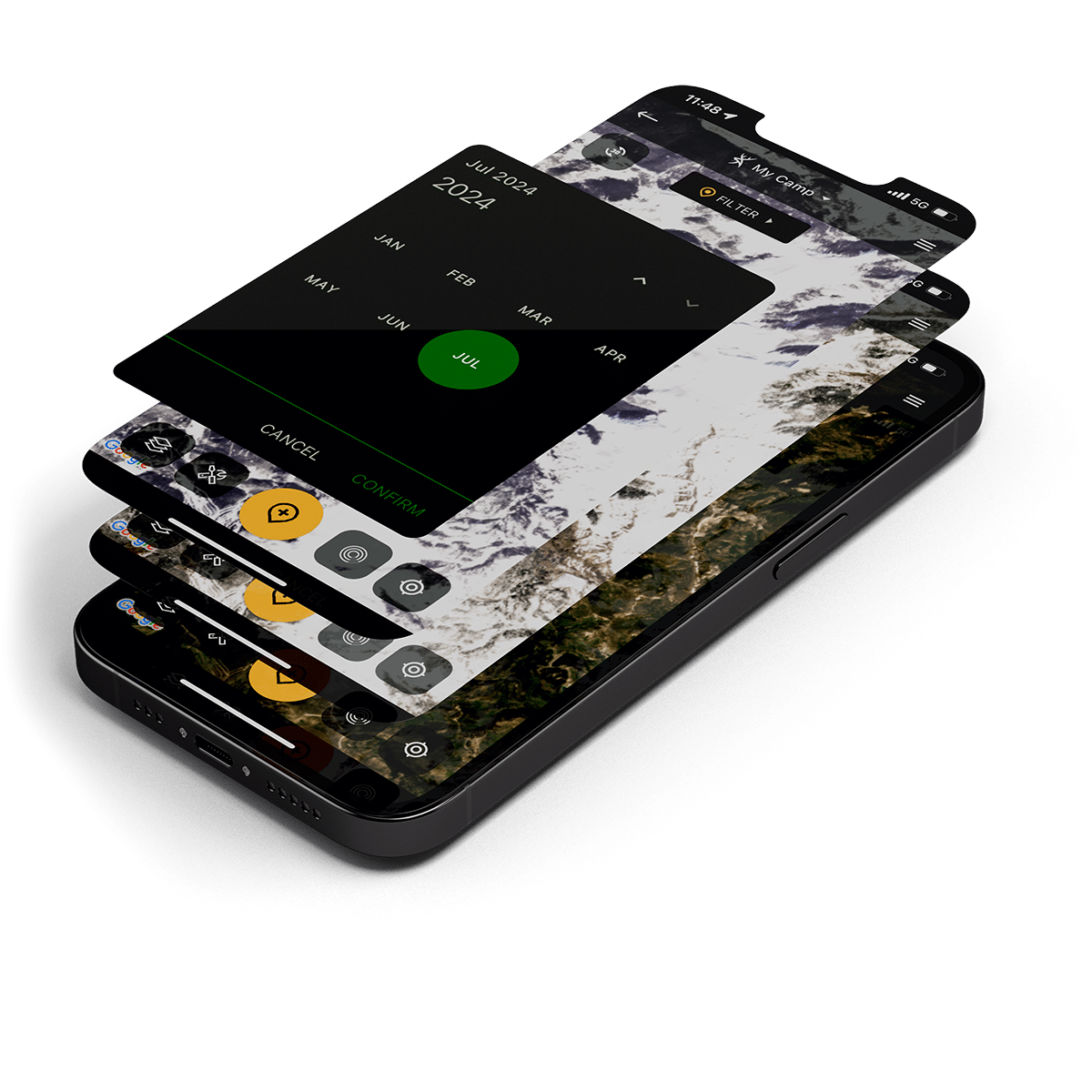
The Monthly Satellite layer is ideal for reading crop rotations, controlled burns, timber harvests, and much more.
Other tools are highly effective for scouting turkeys, too. Examples include offline mapping, stand reservations, trail camera management, weather overlays, etc.
- Map Markers: Map marker icons are great for noting sightings, scouting discoveries, harvests, property attributes, and more. Turkey-specific markers to use include designated icons for dusting areas, feathers, feeding areas, gobble heard, roosted gobbler, roosting area, scat, scratching, setup location, strutting area, tracks, wing tip marks, and more. Additionally, add important information, such as conditions, dates, details, photos, story details, and much more.
- Offline Mapping: A lot of turkey hunting hotspots don’t offer quality cellular service. At best, it’s spotty. Therefore, the Offline Mapping feature is crucial to maintain access to HuntStand, even when service fades out.
- Stand Reservations: Hunt club and lease members often use the Stand Reservations feature to reserve deer hunting spots on shared-access properties. That said, it’s a solid play for reserving turkey hunting spots, too.
- Trail Camera Management: Cellular trail cameras are excellent for deer and other big game. These are exceptional tools for scouting turkeys, too. With the HuntStand and Command Pro integration, keeping track of turkeys via cell cams has never been easier or more effective.
- Weather Overlays: Weather impacts turkeys and matters from a hunt planning perspective. Furthermore, turkey hunters are routinely eyeing clouds and trying to determine if it’s time to find cover, or if they’re brave enough to sit through it.
Once in the field, finding turkey sign is critical. Locate dust bowls, feathers, scat, scratching, strut marks, tracks, and more. These are indicators turkeys are in the area.
Important areas to scout include ag fields, bottomlands, food plots, oak flats, ridge lines, logging roads, trails and travel routes, and more. Don’ forget crossings, funnels, and pinch points, as turkeys routinely travel through these, too.
As for scouting methods, put boots on the ground, glass from afar, and post trail cameras. Most certainly, listen at dawn for potential roost sites and to take a pre-hunt gobbler inventory. Where legal, use a locator call (crow, owl, woodpecker, etc.) to encourage turkeys to shock gobble on the limb. Although less effective, this can be used to locate turkeys during the day, too.
Reasons to Shoot TSS Ammo for Turkeys
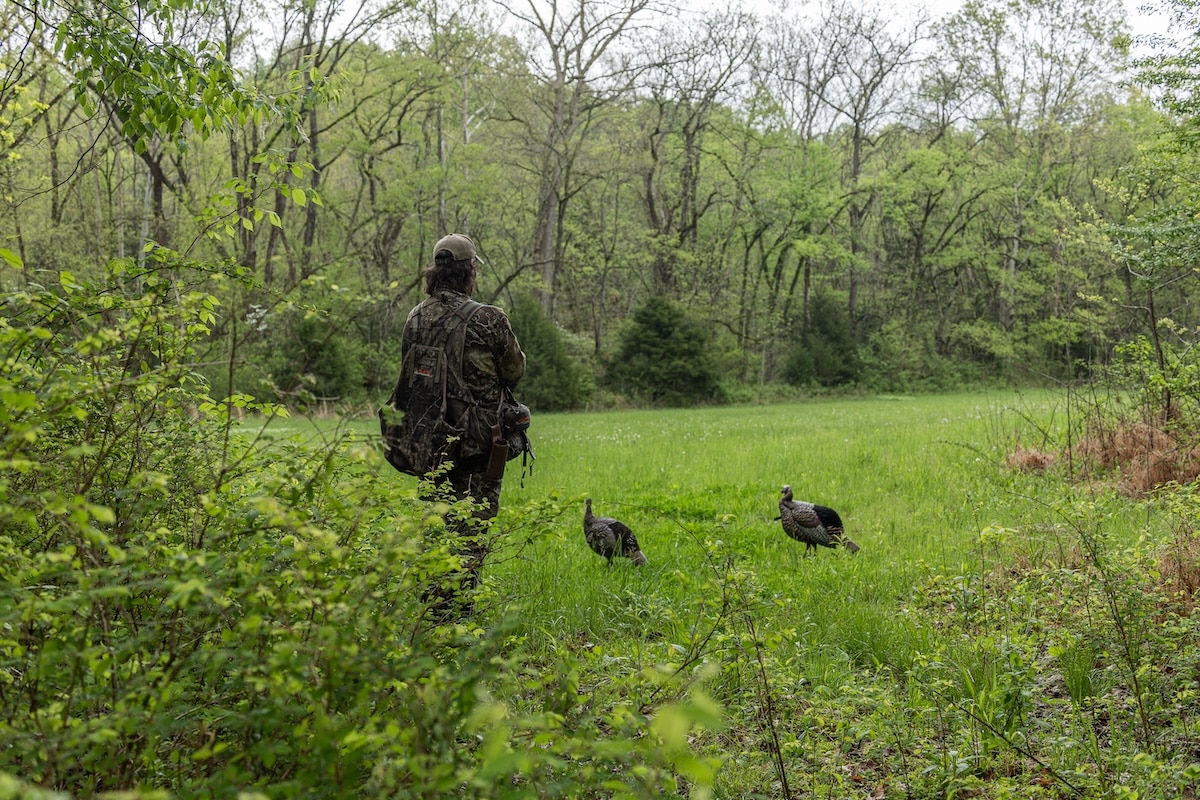
Calling turkeys is nuanced, and challenging, but an integral part of the hunt.
Best Calling Tactics for Eastern Turkeys
Calling an Eastern turkey is slightly different than calling other birds. While calling heavily can work well on Merriam’s and Rio Grande turkeys, playing harder to get is poison on Easterns.
“Every longbeard expects to gobble and have the hens come to him,” Dahlke said. “This is just the natural order in the turkey world. But if it were impossible to break him, we would never call one to our gun. Most of the time, the best tactic for calling and killing an Eastern gobbler is calling just enough to get his attention, and then shut up and wait. This waiting game could take 1 minute or 3 hours, but eventually – unless he’s with hens – he’s likely to fold up and come searching.”
If the turkey doesn’t commit, re-engage with more calling. If he doesn’t respond, reposition and try it again. It’s a cat-and-mouse game, as they say. Play it the right way.
There are times to get aggressive, though. Sometimes, it pays to fire up the calls and be loud and proud with it. Examples of times to do so include with midday turkeys, afternoon gobblers, henned-up toms (call to the hens), spooked turkeys (it’s a hail Mary, but sometimes works), etc.
Of course, best results accompany those who get as close to turkeys as possible before calling. Use the cover and terrain to get inside a turkey’s comfort zone, and your calling should fare much better.
Another tip? Using multiple calls. This can sound like multiple hens. It can also increase the odds one of the sounds will attract that gobbler.
More than anything, tie your calling as close to what birds are doing as possible. If the flock is being vocal, be focal. If the turkeys are quieter, call softer and less often.
All said, it’s best to remember the mechanics of calling. Learn proper cadence, tone, and general turkey vocalization. Sound like a turkey (not a turkey caller) and call in turkeys. It’s simple, but effective.
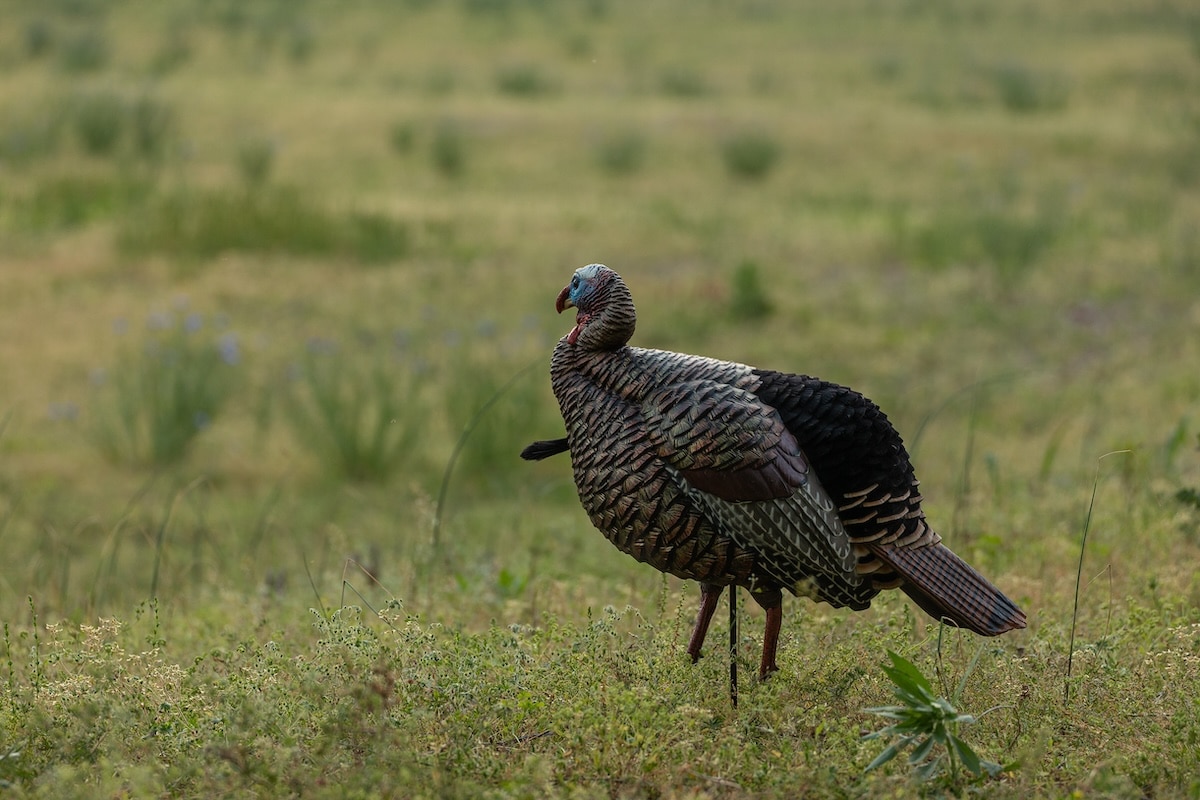
Choosing the right decoy spread requires thought and planning.
Best Decoying Tactics for Eastern Turkeys
Proper decoying tactics should be used to maximize success on Eastern wild turkeys. When deploying decoys, position these in a strategic manner. Place them in the open where turkeys can see them from afar. Provide an “escape” for birds that do choose to commit. They won’t want to be surprised by the decoy or feel boxed in.
Additionally, the proper turkey decoying mentality is matching your decoy spread to the phase of the breeding cycle. When turkeys are more flocked up, use more decoys. Once turkeys start dispersing, use fewer decoys.
For example, early in the season, a strutter decoy with several hens, and maybe a jake, is a solid play. This can spark a dominant bird to hard-charge the spread and knock a head or two. Only thing is, you’ll knock his head first.
As the season progresses, turkeys get beat up, and dominant birds die. So, consider toning back the spread. Perhaps leave the strutter decoy at home and use a jake and hen. Or maybe two or three hens.
Late in the season, deploy only hen decoys. Maybe it’s a single hen. Perhaps it’s a pair. But don’t be aggressive unless you encounter a bird you believe that would work on.
Hunting Terrain Features Turkeys Love
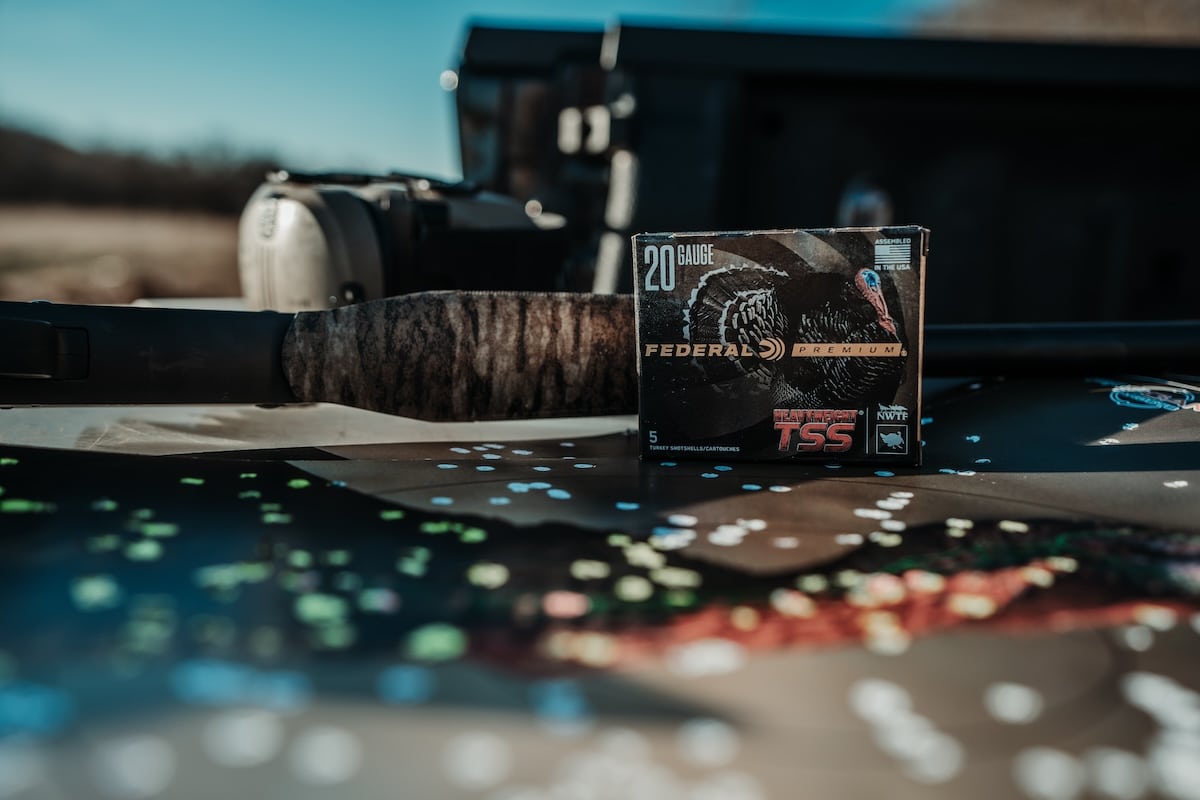
Take some of that sweet-shooting TSS to the turkey woods.
Best Hunting Tactics for Eastern Turkeys
There are a lot of hunting tactics that work for wild turkeys, including the Eastern variety. Some are more passive. Others are more aggressive. All have their place.
“Don’t be fooled into thinking you can’t be aggressive with Eastern wild turkeys, but most times you need an even higher dose of patience,” Dahlke said. “Spotting and stalking Easterns is possible, but generally much less of an opportunity compared to the other subspecies, simply because they spend a lot of time in heavier cover. Early mornings and late nights with a solid roosting strategy, coupled with smart calling and a comfortable seat, is likely to improve your success rate of taking toms.”
Get Tight to the Roost: One of the best options for killing stubborn Easterns is getting tight to the roost. Be where they fly down. Don’t waste time.
“Once a gobbler is roosted, I’ll return the next morning with enough darkness to slowly sneak into position,” Dahlke said. “My goal is to see the bird on the limb or at least be able to see him when he flies down. I’ll call very little or not at all until he’s on the ground, and then the chess match begins. If he won’t work into range, I’ll determine his direction of travel and start J-hooking to get ahead of him. Rinse and repeat.”
Ambush Close to Food: Determine where turkeys are feeding. Learn their travel routes from roost to feeding areas. Ambush them in known areas they frequent.
Sit a Ground Blind: A ground blind positioned in a good spot is a great play. It’s especially helpful on rainy days. Turkeys pay no mind to blinds, so you can pop these up just about anywhere and hunt. In the middle of fields is especially effective.
Run the Pendulum Play: This is for stubborn, hung-up toms. One hunter sits stationary. A second hunter drops back into cover and calls. When the gobbler swings left, the caller shifts right. When the gobbler moves right, the caller eases left. Hopefully, with each pass, that turkey gets closer and eventually walks within range of the shooter.
Deploy Creative Decoy Sets: Get creative with decoys. Use a breeding pair (jake and hen). Deploy a strutter with six or eight hen decoys (to mimic a flock).
Paint the Full Picture: Hunters can deploy additional efforts to convince a turkey they’re the real deal. Use a turkey wing and simulate the fly-down (alongside a fly-down cackle) or fighting (with fighting purrs). Add some movement to the decoy spread with a jerk string.
Target Satellite Toms: That boss tom isn’t leaving the hens? Target some of the satellite toms in the area.
Call to the Hens: Is there a boss hen with that dominant gobbler? Get her riled up. Mock her vocalizations, spark her to commit, and she’ll drag that gobbler along for the ride.
Be Patient: More than anything, just be patient. Give each setup more time than you should. Oftentimes, that bird will be there with another 30 to 45 minutes of waiting.
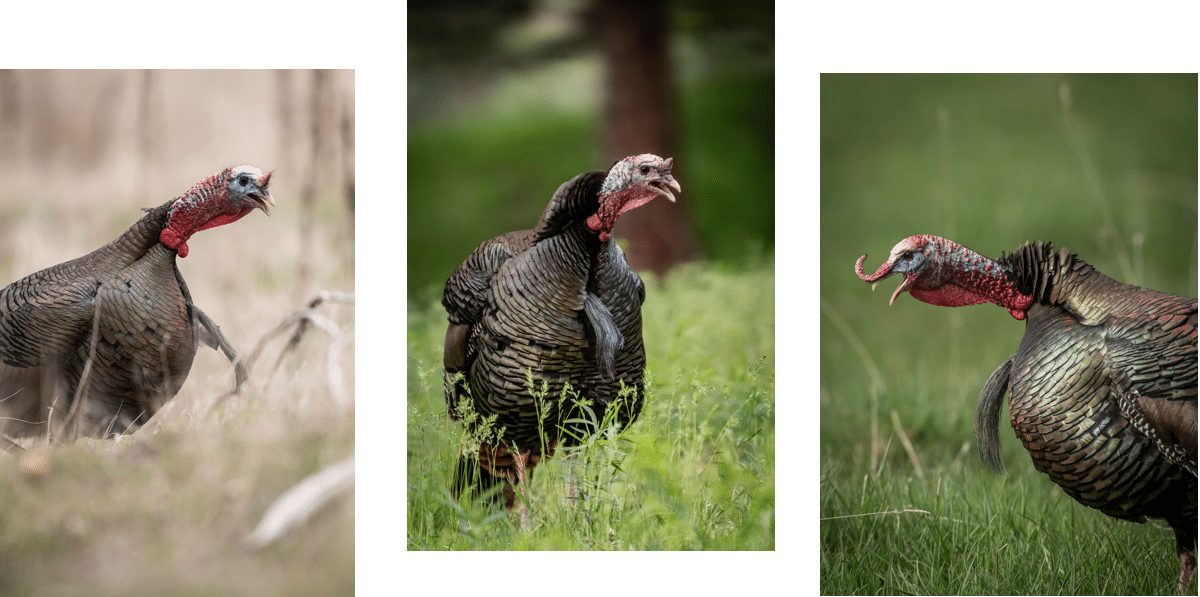
Deciding where and when to hunt is a big part of turkey hunting success.
Where and When to Hunt Eastern Wild Turkeys
Eastern turkeys are the most abundant of the wild turkey subspecies. These range throughout the Northeast, Southeast, Midwest, and pockets in the West. It’s an incredibly adaptive bird.
“In the South, it’s a heavily forested ecosystem,” Alkire said. “That’s pretty unique from some of the subspecies further west. They prefer more open terrain. But the eastern subspecies can be found practically anywhere, from the swamps of Florida to the mountains of the Northeast.”
Timing for hunting Eastern turkeys is mostly dictated by season dates. Hunt when the season is in, and when your hunting license and tag are good for. Beyond that, permitting your season dates and tags allow, it breaks down to phase of the season and daily cycles.
Early Season vs. Mid-Season vs. Late Season: The early season is characterized by larger turkey flocks, henned-up toms, aggressive gobblers, and vocal turkeys. The mid-season is known for gobblers being less henned-up and more responsive. The late season is known for strutters not being as henned-up and being less aggressive.
Early Morning: Turkeys tend to remain fairly close to their roost areas.
Mid-Morning: As the morning progresses, birds transition to destination feeding areas, such as ag fields, cattle pastures, etc.
Midday: Midday tends to see turkeys retreating to cover. Oftentimes, this includes oak flats, or other open hardwoods that provide shade and bugging opportunities.
Mid-Afternoon: Mid-afternoon might lead birds back out to fields and open areas. Some birds might remain in the timber, though.
Late-Afternoon: By late-afternoon, turkeys are shifting back toward their evening roost sites. They’ll feed along these travel routes and continue feeding until fly-up.
Ways HuntStand Pro Makes You a Better Turkey Hunter
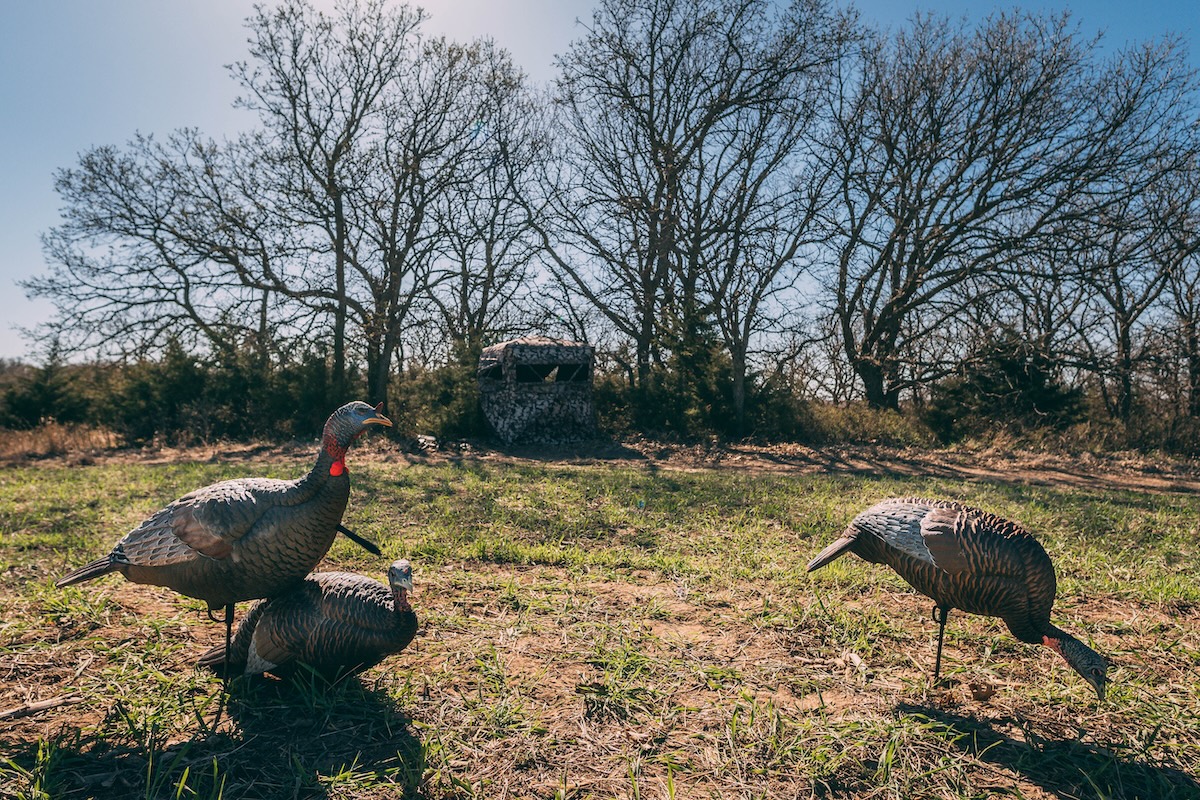
Find quality private and public land hotspots.
Hunting Easterns on Private Land
Easterns live on millions of acres of private land throughout the country. Obtaining access requires getting permission to hunt, securing a hunting lease, or buying hunting land. Also, some states have landowner programs that open access to public hunting opportunities. Search for these programs within your state.
Hunting Easterns on Public Land
Hunting an Eastern turkey on public land is one of the biggest challenges in all of hunting. In areas that receive heavy pressure, the hunting is difficult. Where pressure is limited, turkeys offer less of a challenge.
“The Eastern wild turkey is notorious for being the most difficult of all subspecies to slap a tag on,” Dahlke said. “I’m not so sure I’m on board with this theory. Like any wild turkey, the difficulty of hunting Easterns lies more in hunting pressure and where you have to chase them.
“I would argue that, as a whole, Easterns see more hunting pressure than the other subspecies, making them extremely cautious birds,” Dahlke continued. “While Merriam’s, Rios, and Osceolas reside largely in open landscapes, Easterns typically occupy tighter quarters in timber country. Limited visibility forces them to be more wary of sneaky predators – and that includes us turkey hunters.”
Finding a place to hunt public land turkeys requires a good scouting effort. Study state wildlife agency websites for a list of public lands. Or use HuntStand’s Public Lands and Hunting Lands layers to find potential public land hunting spots.
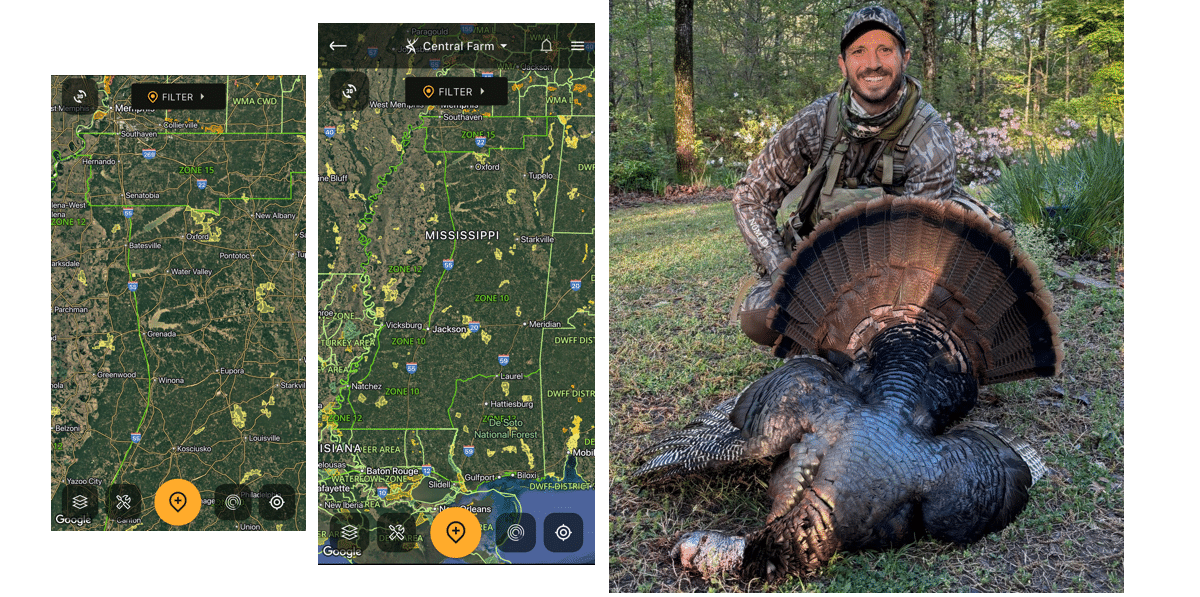
Tagging a big Eastern longbeard is no easy task, but with a good plan, it's within reach. Derek Alkire bagged this big bird in Mississippi.
Go Hunt an Eastern Turkey
Spring is here, and it’s time to hunting Eastern wild turkeys. With a good game plan in place, you just might bag a big bird this season. Scout aplenty, use good hunting tactics, and enjoy sweet success in the turkey woods.