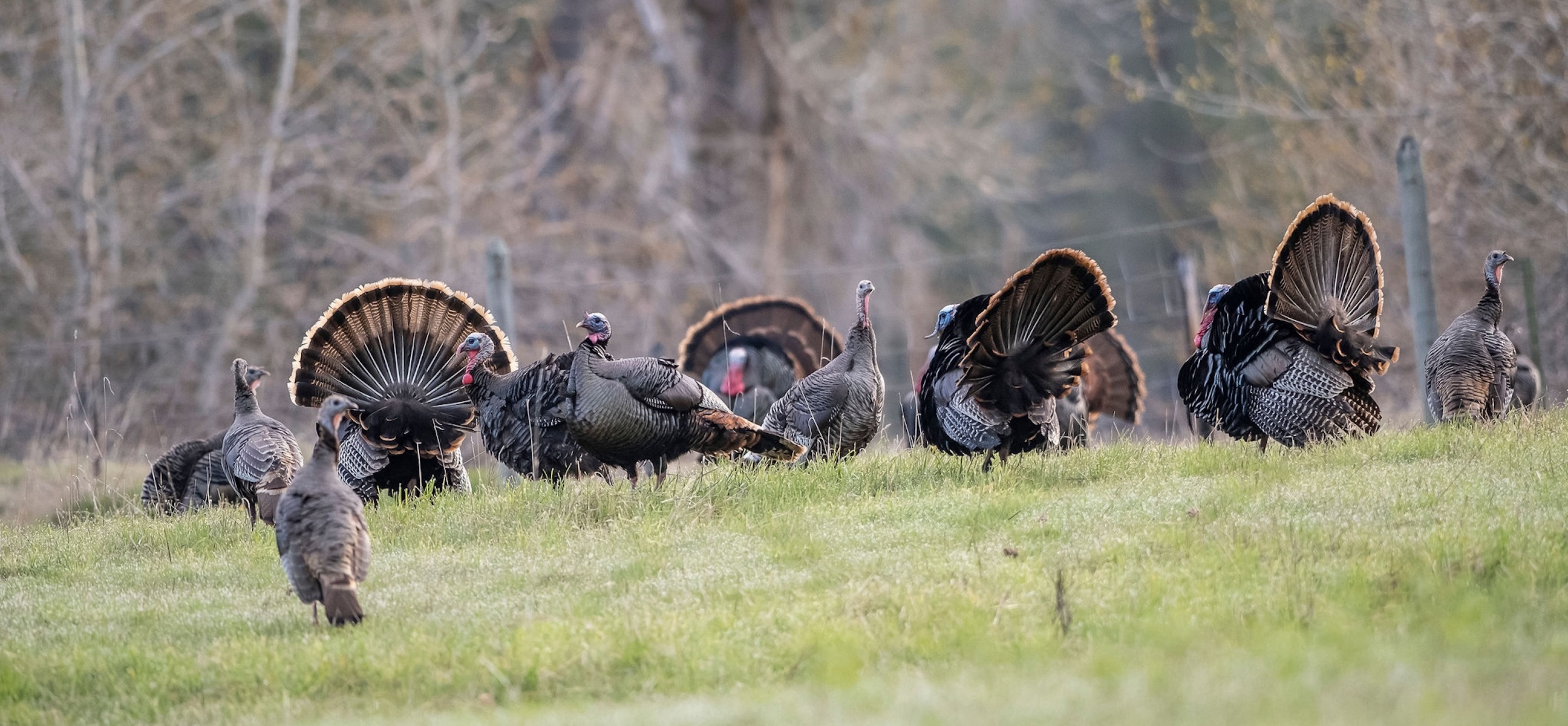






Gould's turkeys live in southeastern Arizona, southwestern New Mexico, and Mexico.
The Gould’s wild turkey, carrying the full scientific name of Meleagris gallopavo Mexicana, abides throughout parts of southeastern Arizona, southwestern New Mexico, and much of northern Mexico. Like the Merriam’s subspecies, this is a mountain bird, and many thrive at higher elevations. Here’s a primer on these tall, white-tipped birds, including how to hunt Gould’s wild turkeys.
About the Gould’s Wild Turkey
The bulk of the Gould’s wild turkey population extends throughout the northern half of central Mexico. In the United States, there are pockets of thriving populations in southeastern Arizona and southwestern New Mexico.
“There are huntable populations in Arizona and New Mexico,” said Jeff Budz with Tag It World Wide.
Despite that, due to tag availability, most will have to travel south of the border and hunt Gould’s in Mexico.
Don’t Miss: The Royal Slam
- How to Hunt Eastern Wild Turkeys
- How to Hunt Gould’s Wild Turkeys
- How to Hunt Merriam’s Wild Turkeys
- How to Hunt Osceola Wild Turkeys
- How to Hunt Rio Grande Wild Turkeys
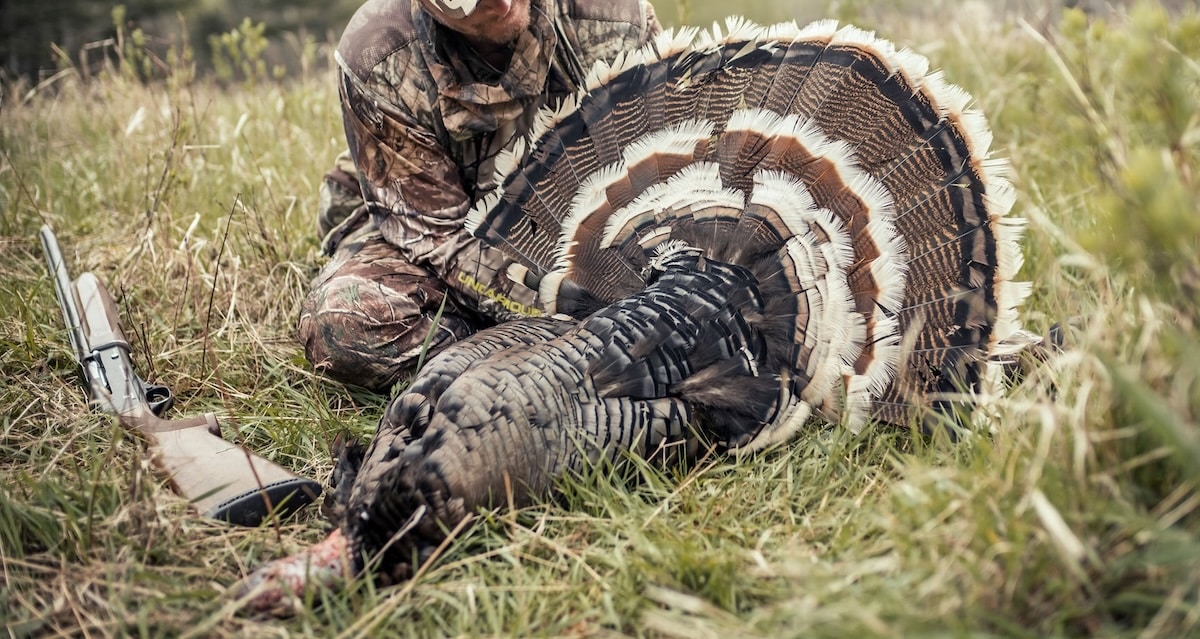
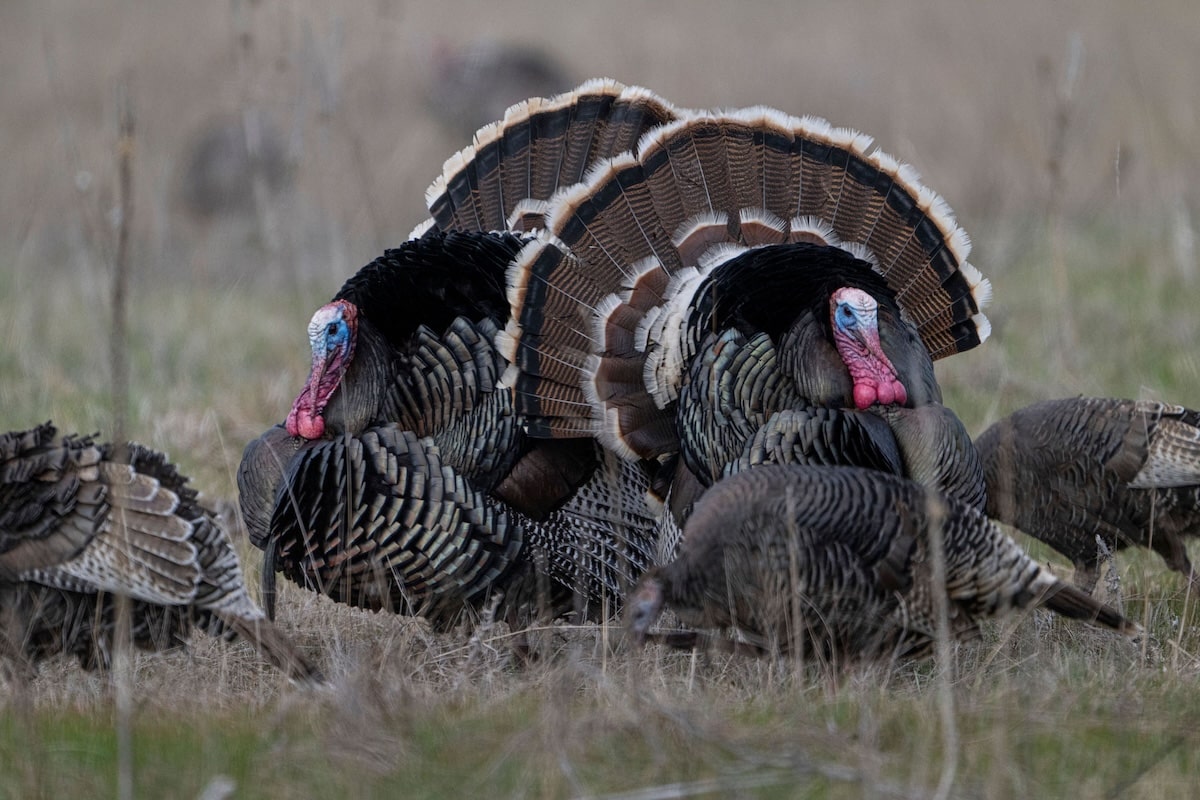
The Gould's looks very similar to the Merriam's wild turkey.
Gould’s Biology: Most who see a Gould’s turkey would immediately consider it a Merriam’s. There are some differences, though. According to Budz, they are taller and have longer legs than the Merriam’s subspecies. Their bodies are thicker and altogether heavier, too. On average, Gould’s are 3-4 pounds bigger than the Merriam’s. They also have whiter tips on their tail and other feathers.
“Most people wouldn’t pick them out, but if you really stopped and looked, you know if you saw a Gould’s,” Budz said. “In a flock of smaller Merriam’s, you’d instantly know.”
According to the NWTF, adult male Gould’s turkeys weigh approximately 20-25 pounds, and hens weigh about 8-12 pounds. These turkeys are also known for having large feet and the longest tail feathers. In contrast, spurs tend to be notably shorter.
Gould’s Behavior: “They have a wispy, higher-pitched gobble than a throaty Eastern,” Budz said. “But you know, so does the Merriam’s, and honestly, a lot of Rios do as well.”
Gould’s Habitat: Wherever you go, these are mountain birds and require significant effort to reach them. Unlike Easterns, Rios, and Merriam’s, these turkeys really don’t inhabit multiple habitat types throughout their range. In most areas, Budz says the terrain in Mexico looks much like the mountains of Utah. “It’s always the mountains,” Budz said.
Gould’s Populations: While Gould’s turkey populations are limited in the U.S., existing pockets are stable to increasing in population size. The populations in Mexico are seemingly doing well, too.
Important Gould’s Wild Turkey Research: As noted by the NWTF, Gould’s restoration efforts started in Arizona in the 1980s. Then, about 280 turkeys were moved from Mexico to Arizona between the late-1990s and mid-2000s. Since then, other research efforts to better understand Gould’s turkeys are underway. Examples are found here, here, and here.
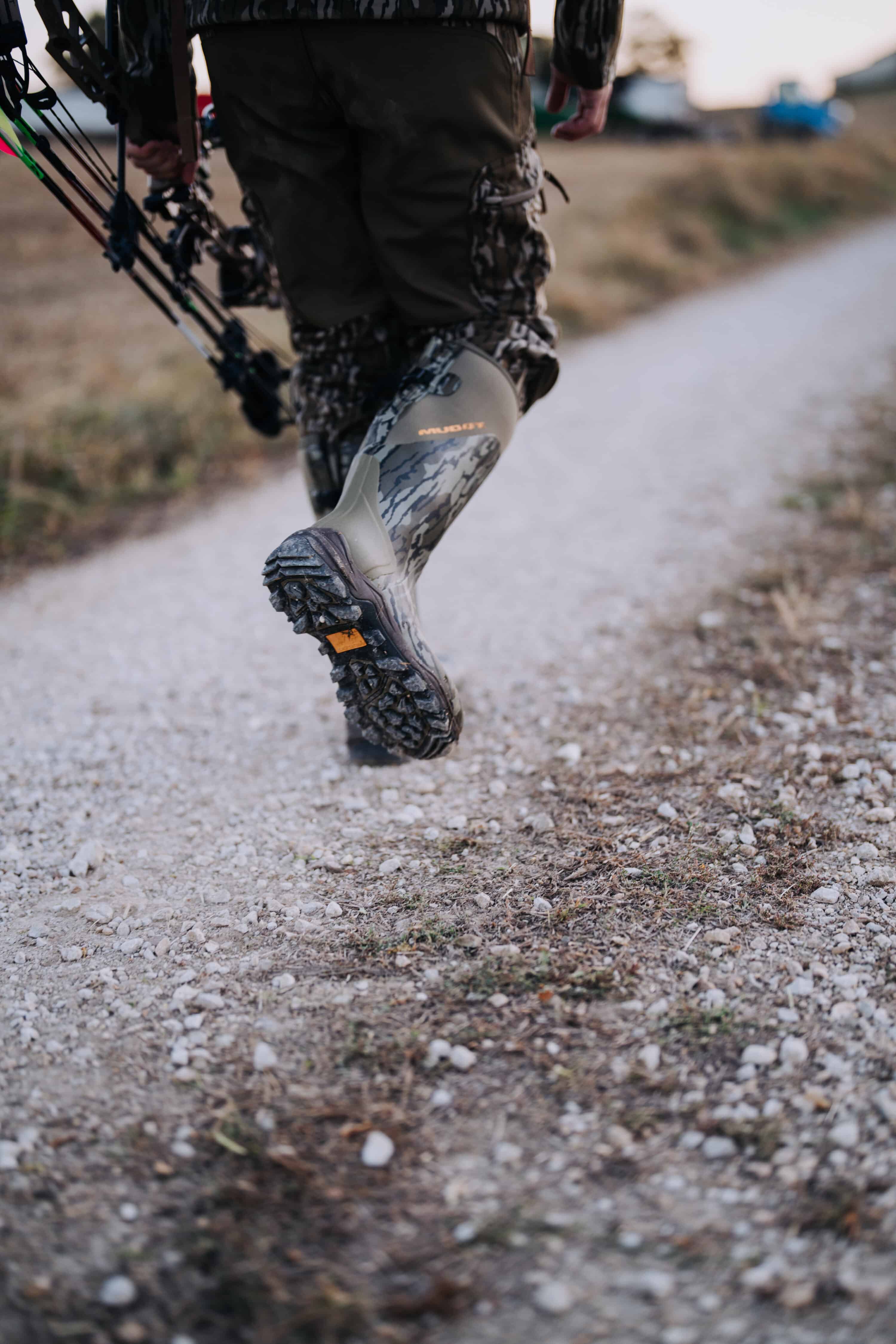
You'll put on a lot of miles hunting Gould's turkeys.
Best Scouting Tactics for Gould’s Turkeys
Scouting tactics for hunting Gould’s largely relies on limiting factors, such as roost trees and water sources.
“Most of the mountain ranges occupied by Gould’s turkeys run north to south, resulting in east- to west-running ravines and valleys,” said Chuck Carpenter, a district biologist with the NWTF. “North-facing slopes in these valleys receive less direct sunlight, leading to increased soil moisture and larger trees, making them the preferred roost sites for Gould’s. Roost site availability is one of the main limiting factors for Gould’s populations.
“Gould’s will roost in cottonwoods, ponderosa pine, Emory oak, Arizona walnut and Arizona sycamore,” Carpenter continued. “They seem to have a preference for roosting in Chihuahua pine if available. Gould’s have high site fidelity to their roost sites and will usually roost in the same grove of trees for an extended period of time.”
Gould’s turkeys are known for eating insects, seeds, plants, and available masts, such as acorns.
The Best Turkey Hunting Spots (and How HuntStand Pro Finds Them)
Of course, every good turkey scouting effort should start from a digital perspective. HuntStand Pro (and other subscription levels) offer excellent features that benefit the effort of scouting wild turkeys.
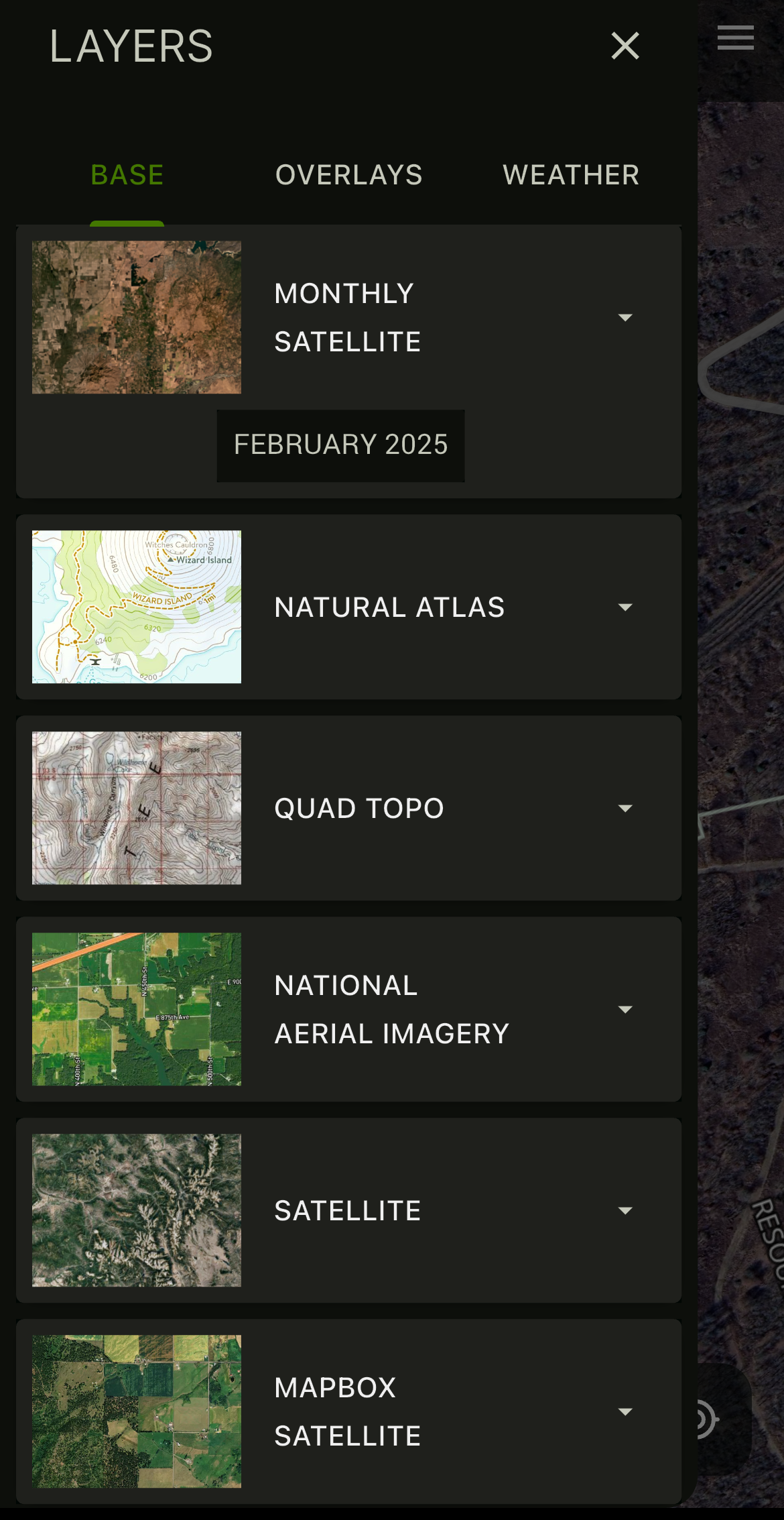
HuntStand offers numerous base layers, including the 3D Map, Monthly Satellite, Satellite, Mapbox Satellite, Terrain, and more.
- 3D Map: See and scout your hunting area in a realistic 3D manner. It’s a true-to-life look at the landscape. This is good for finding both habitat- and topographic-specific land features that turkeys love.
- Monthly Satellite: Study what properties looked like recently, or in the past. Observe month-over-month changes using the Monthly Satellite feature.
- Satellite / Mapbox Satellite: These are high-resolution 2D looks at the land. These offer great platforms for use of the Map Marker icons.
- Terrain: View the topography flow and changes without the distraction of habitat-based depiction.
Important overlays also benefit turkey hunters. Some of these include Contour, Hunting Lands, Public Lands, Property Info, etc.
- Contour: Add contour (topo) lines to base layers already being used. This adds another important scouting layer to your view of the landscape.
- Hunting Lands / Public Lands: Use these tools to locate potential public land hunting spots.
- Property Info: Find property locations by typing in landowner names. Or determine who owns property, as well as affiliated property and mailing addresses. This is vital information for gaining hunting permission and leases. When hunting with a guide, it’s ideal for staying on the property you’re supposed to be on, too.
Other tools are highly effective for scouting turkeys, too. Examples include offline mapping, stand reservations, trail camera management, weather overlays, etc.
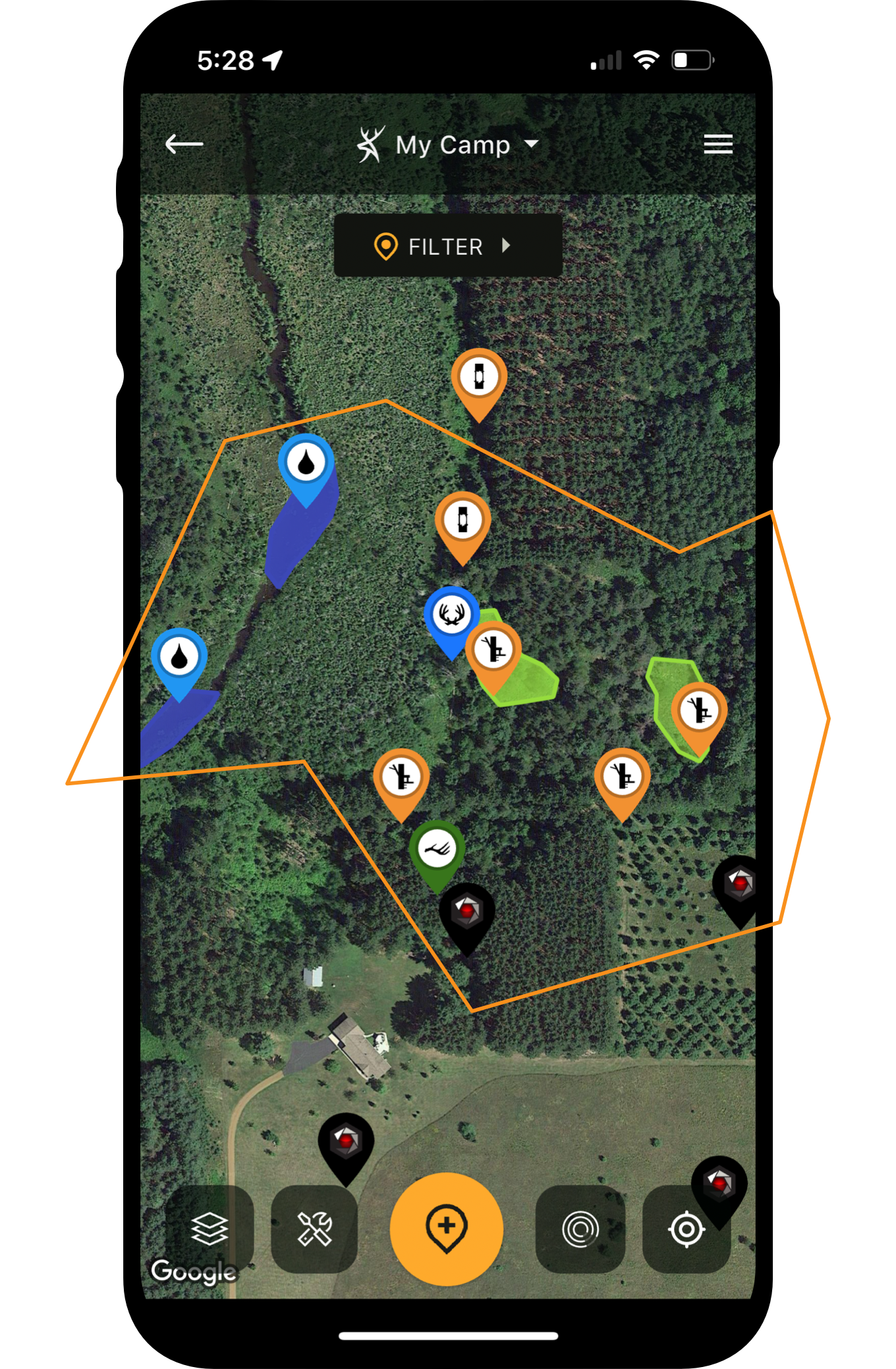
- Map Markers: Map marker icons are great for noting sightings, scouting discoveries, harvests, property attributes, and more. Turkey-specific markers to use include designated icons for dusting areas, feathers, feeding areas, gobble heard, roosted gobbler, roosting area, scat, scratching, setup location, strutting area, tracks, wing tip marks, and more. Additionally, add important information, such as conditions, dates, details, photos, story details, and much more.
- Offline Mapping: A lot of turkey hunting hotspots don’t offer quality cellular service. At best, it’s spotty. Therefore, the Offline Mapping feature is crucial to maintain access to HuntStand, even when service fades out.
- Stand Reservations: Hunt club and lease members often use the Stand Reservations feature to reserve deer hunting spots on shared-access properties. That said, it’s a solid play for reserving turkey hunting spots, too.
- Trail Camera Management: Cellular trail cameras are excellent for deer and other big game. These are exceptional tools for scouting turkeys, too. With the HuntStand and Command Pro integration, keeping track of turkeys via cell cams has never been easier or more effective.
- Weather Overlays: Weather impacts turkeys and matters from a hunt planning perspective. Furthermore, turkey hunters are routinely eyeing clouds and trying to determine if it’s time to find cover, or if they’re brave enough to sit through it.
Biggest Threats to the Wild Turkey
Once in the field, finding turkey sign is critical. Locate dust bowls, feathers, scat, scratching, strut marks, tracks, and more. These are indicators turkeys are in the area.
Important areas to scout include oak flats, ridge lines, roads, trails and travel routes, and more. Don’t forget crossings, funnels, and pinch points, as turkeys routinely travel through these, too. As mentioned above, find more turkeys on north-facing slopes, too.
As for scouting methods, put boots on the ground, glass from afar, and post trail cameras. Most certainly, listen at dawn for potential roost sites and to take a pre-hunt gobbler inventory. Where legal, use a locator call to encourage turkeys to shock gobble on the limb. Although less effective, this can be used to locate turkeys during the day, too.
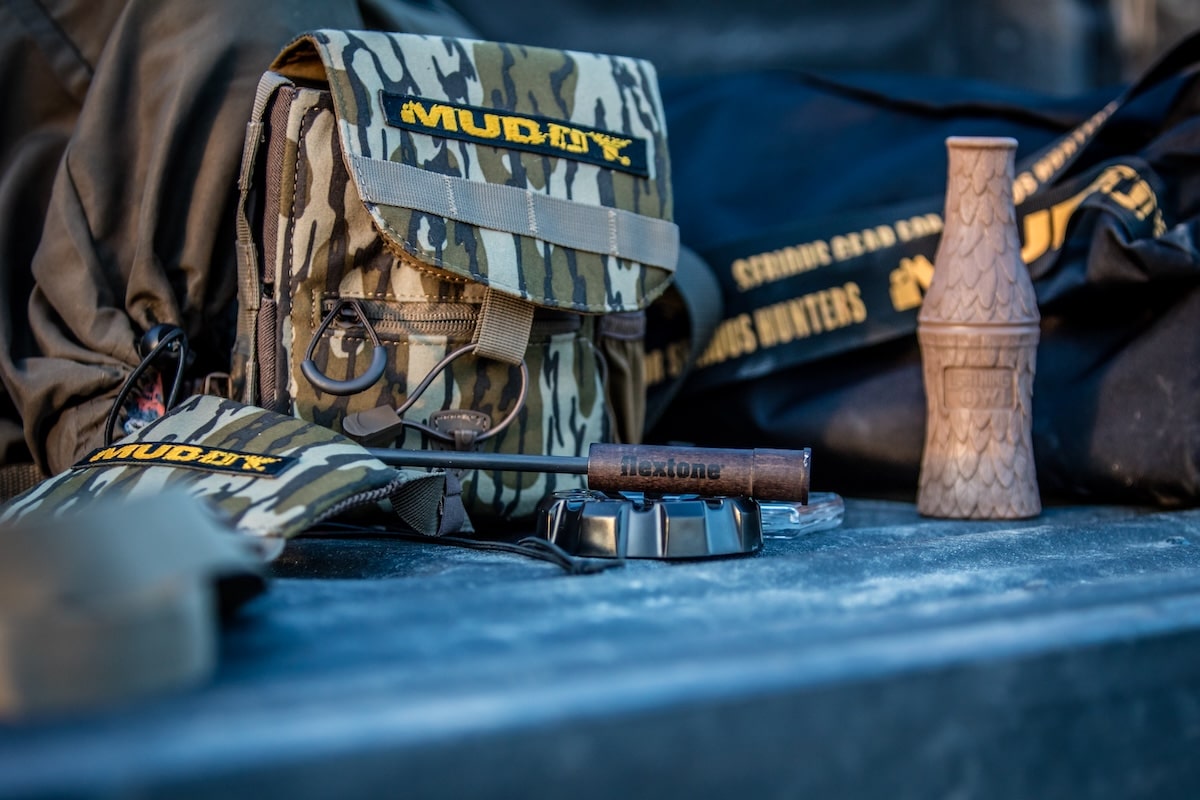
For Gould's turkeys, use typical calling and decoying tactics that work for Merriam's.
Best Calling Tactics for Gould’s Turkeys
The best calling tactics for Gould’s turkeys is much the same as calling other subspecies. There are no specialized tactics. Use good calling practices, get the cadence right, and be patient. These birds are sometimes slower to respond to calling efforts.
Best Decoying Tactics for Gould’s Turkeys
Likewise, best decoying tactics are the same as hunting other subspecies, too. Hunters should deploy decoys in a manner that is realistic. Match your calling to the picture painted by the decoy spread.
Use HuntStand to assist in the hunt.
Best Hunting Tactics for Gould’s Turkeys
Jeff Budz says that general hunting tactics are mostly the same as hunting other subspecies in the mountains. “The biggest thing is how dry it is,” Budz said. “I hunted waterholes. That was the biggest thing. I got one of mine sitting and waiting on a water hole.”
Ambush Close to Food: Determine where turkeys are feeding. Learn their travel routes from roost to feeding areas. Ambush them in known areas they frequent.
Sit a Ground Blind: A ground blind positioned in a good spot is a great play. It’s especially helpful on rainy days. Turkeys pay no mind to blinds, so you can pop these up just about anywhere and hunt. In the middle of openings is especially effective.
Deploy Creative Decoy Sets: Get creative with decoys. Use a breeding pair (jake and hen). Deploy a strutter with six or eight hen decoys (to mimic a flock).
Paint the Full Picture: Hunters can deploy additional efforts to convince a turkey they’re the real deal. Use a turkey wing and simulate the fly-down (alongside a fly-down cackle) or fighting (with fighting purrs). Add some movement to the decoy spread with a jerk string.
Target Satellite Toms: That boss tom isn’t leaving the hens? Target some of the satellite toms in the area.
Call to the Hens: Is there a boss hen with that dominant gobbler? Get her riled up. Mock her vocalizations, spark her to commit, and she’ll drag that gobbler along for the ride.
Be Patient: More than anything, just be patient. Give each setup more time than you normally would. Oftentimes, that bird will be there with another 30 to 45 minutes of waiting.
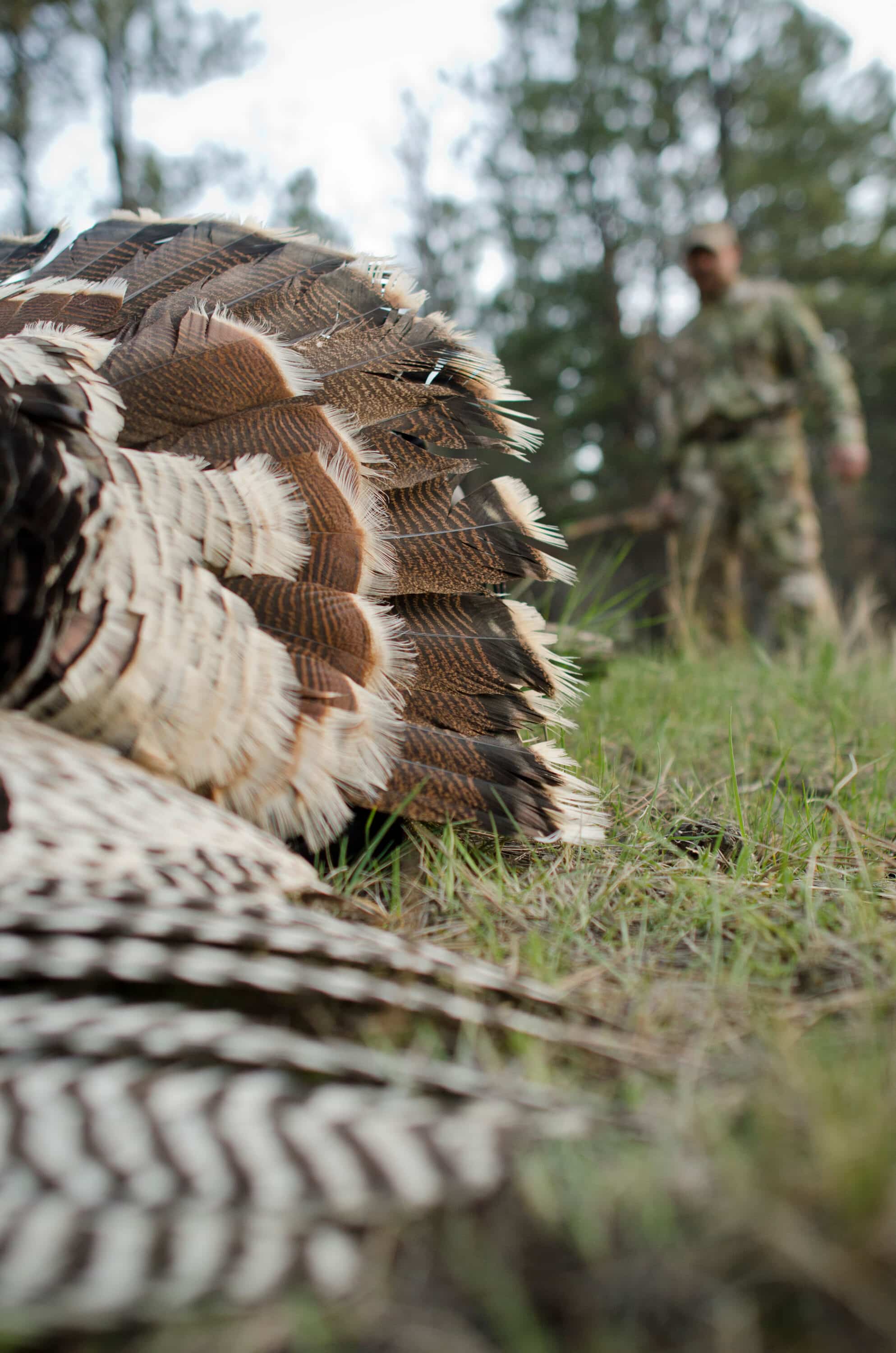
From planning to execution, Gould's turkeys pose a big challenge.
Where and When to Hunt Gould’s Wild Turkeys
Arizona has quite a few more birds than New Mexico. Few hunting opportunities are available in either state, but there are especially few tags in the latter. In fact, in New Mexico, two Gould’s turkey tags are offered each year as a raffle and auction. Also, if the population is doing especially well, a small number of public draw tags can be offered. However, according to E-Regulations, this season, four draw permits are available. Each year, the tag application deadline is in early February.
“One of my clients bought one several years ago for $5,500 and then paid an outfitter down there another $5,000,” Budz said. “You get a Merriam’s and a Gould’s.”
Arizona offers a few more Gould’s tags, but not many. Oftentimes, it takes more than 20 points for residents to score in the max point draw. While available tags allotted fluctuates, it rarely is more than 20 or so per hunt, but changes in units can impact this number. According to some sources, there is not currently an option for non-residents to obtain a tag in the Gould’s bonus draw.
As with New Mexico, these limited Gould’s tags are important for managing turkeys in the state. This year, the season runs May 1-30. Likewise, in Arizona, these limited tags are sold to help generate funds to help conserve Gould’s turkeys within the region. The season spans May 2-22.
As noted above, the Gould’s is much more abundant in Mexico. Of course, that requires international travel, which some might not be up for. That said, across the border, some of the best populations are located around Chihuahua, Coahuila, Durango, Sinaloa, Sonora, and more.
“I got mine in Mexico,” Budz said. “One with a gun and one with a bow. I mean, 98% of the people are going to be going to Mexico. Just do the research. Save your pennies, because it’s a $3,500 hunt now. One bird is $3,500, but the good news is most all those guys do a second bird for about $1,000 more. That makes it more palatable to get two birds at about $2,200 each. It’s definitely more money, but it sounds a lot better.”
HuntStand App Layers and Tools for Backcountry Turkey Hunting
Early Season vs. Mid-Season vs. Late Season: The early season is characterized by larger turkey flocks, henned-up toms, aggressive gobblers, and vocal turkeys. By mid-season, gobblers are less henned-up and more responsive. The late season is known for strutters not being as henned-up and being less aggressive.
Early Morning: Turkeys tend to remain fairly close to their roost areas.
Mid-Morning: As the morning progresses, birds transition to destination feeding areas, or other localized and region-specific hotspots.
Midday: Midday tends to see turkeys retreating toward cover. Oftentimes, this includes oak flats, or other shaded locations that provide cooler temps and feeding opportunities.
Mid-Afternoon: Mid-afternoon might lead birds back out into open areas. Some birds might remain in the timber, though.
Late-Afternoon: By late-afternoon, turkeys are shifting back toward their evening roost sites. They’ll feed along these travel routes and continue feeding until fly-up.
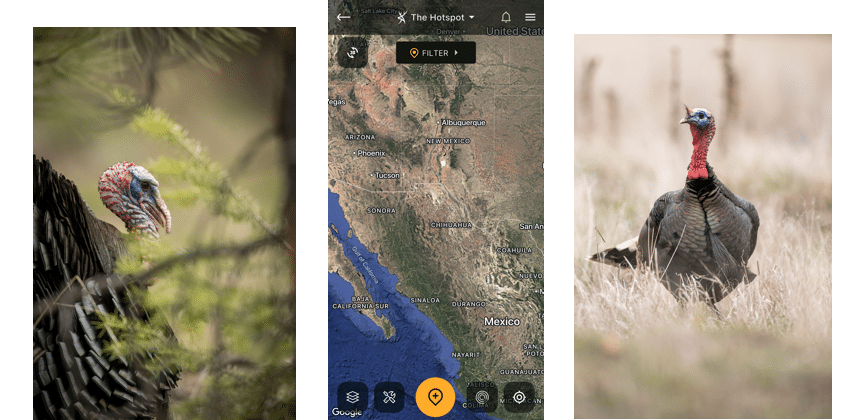
The limited range of the Gould's turkey makes it challenging to hunt.
Hunting Gould’s Turkeys on Private Land
Several outfitters run Gould’s hunts in Mexico. Some of these meet you in Arizona and then drive across the border. According to Budz, many of these hunts are far enough west to get away from the El Paso and Warez areas, which are notorious for increased risks. Additionally, some hunters fly further into Mexico, where they can hunt deeper in the mountains.
Many of these hunts operate out of a primitive base camp. Some hunt out of lodges. Others set up shop further from the beaten path. So, choose outfitters and guides who align with your expectations.
Hunting Gould’s Turkeys on Public Land
Public land Gould’s turkey hunting opportunities are very limited. Only a few hunters get this chance each season. Most hunters will have to hunt these birds on private lands with the assistance of outfitters and guides, and in Mexico at that.
“If you’re going down there, it’s not like going you’re going to be going public,” Budz said. “Unless you draw, and if you get a tag for Arizona or New Mexico, I guarantee it’s going to be a slam dunk. But the Game and Fish folks are going to help out. So, as far as scouting, it’s not like you’re going to rough it for Easterns in Talladega National Forest.”
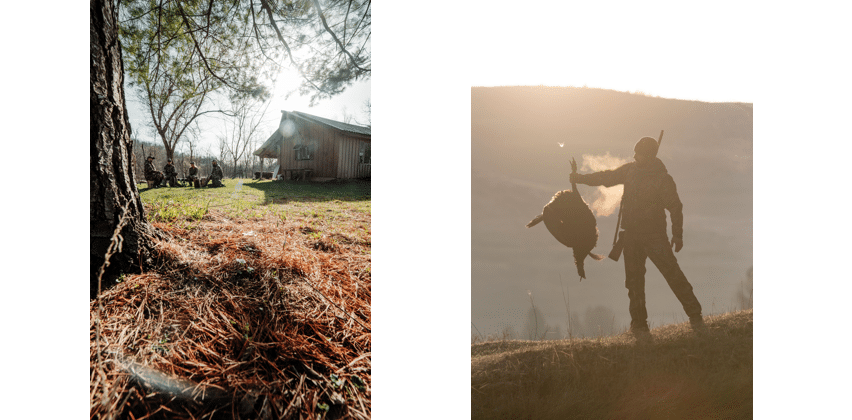
Most who hunt Gould's turkeys head to Mexico.
Go Hunt a Gould’s Wild Turkey
As noted, most Gould’s hunting opportunities are on private ground or properties closed to public access. “If you get a tag in the US, they’re going to be all over the place [in your hunt area],” Budz said. “If you go with an outfitter in Mexico, that’s their job.”
“Just go,” Budz continued. “There are a lot of good people out there. With the NWTF convention, there’s always some guides set up there. Plus, if anybody wants to contact me, I can push them the right way with some reputable folks.”