



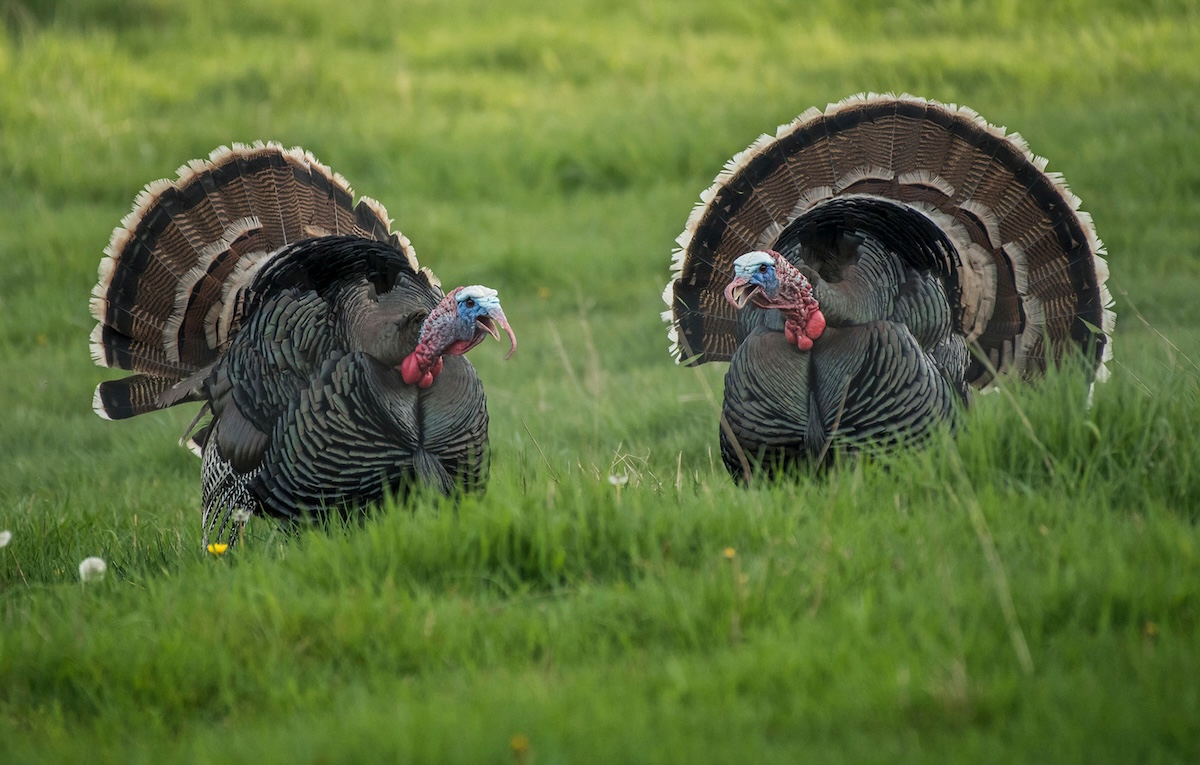

Wild turkeys face a long list of threats.
You face threats every day. You could be involved in a car accident during your commute to work. Or you might catch the flu from a sickly coworker. You might even get struck by lightning while taking your garbage to the curb. Wild turkeys live in a world full of threats, too. Their commutes, illnesses and unseen dangers differ, but threats invade every minute of their existence.
The National Wild Turkey Federation offers a library of information on the threats facing wild turkeys. Without question, habitat loss, predation and illness rank as leading threats to wild turkeys. These and more were the focus of a recent HuntStand Make Your Mark Podcast (episode 196).
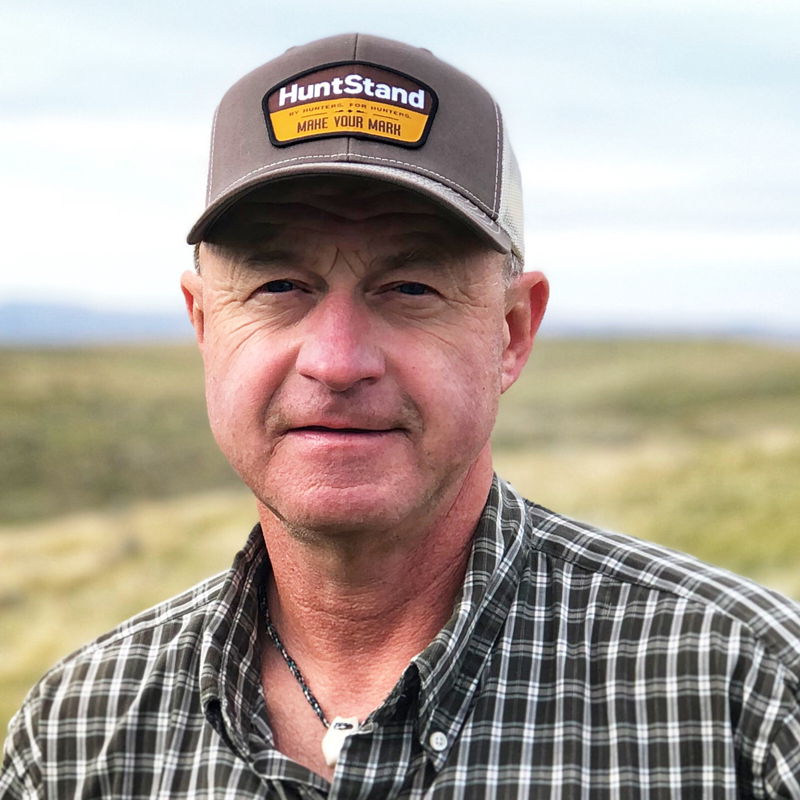
Podcast host Will Cooper interviewed Dr. Mike Chamberlain. With a Ph.D. and serving as a professor of wildlife ecology, and management at the University of Georgia, Chamberlain was also recently appointed to the chair of the NWTF Distinguished Professor position at UGA. His 30 years of research of the wild turkey helps spotlight real threats of the wild turkey along with an awareness of how to avert these threats for continued enjoyment of this game species. For being a turkey-dedicated person, he has been nicknamed the “Wild Turkey Doc” and it is a moniker he is proud to embrace. “Turkeys are a true passion and a true part of my life.”
The following are the major threats to the wild turkey.
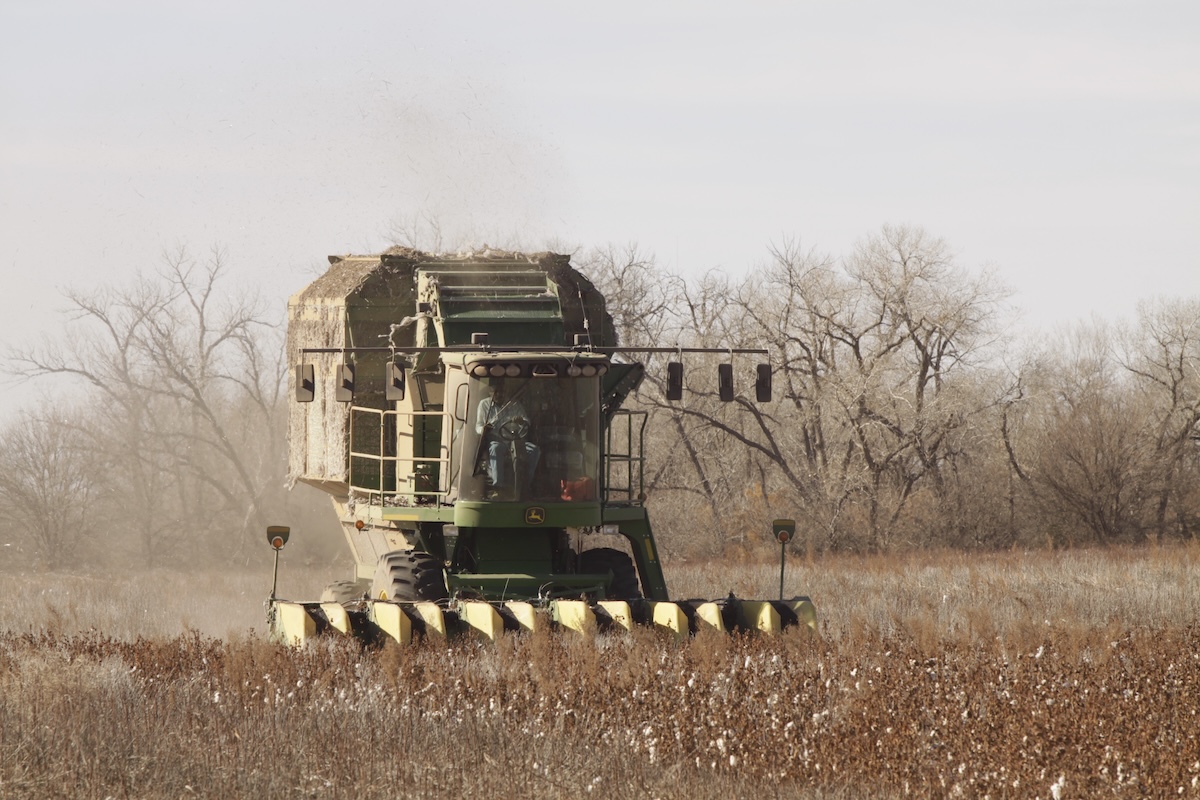
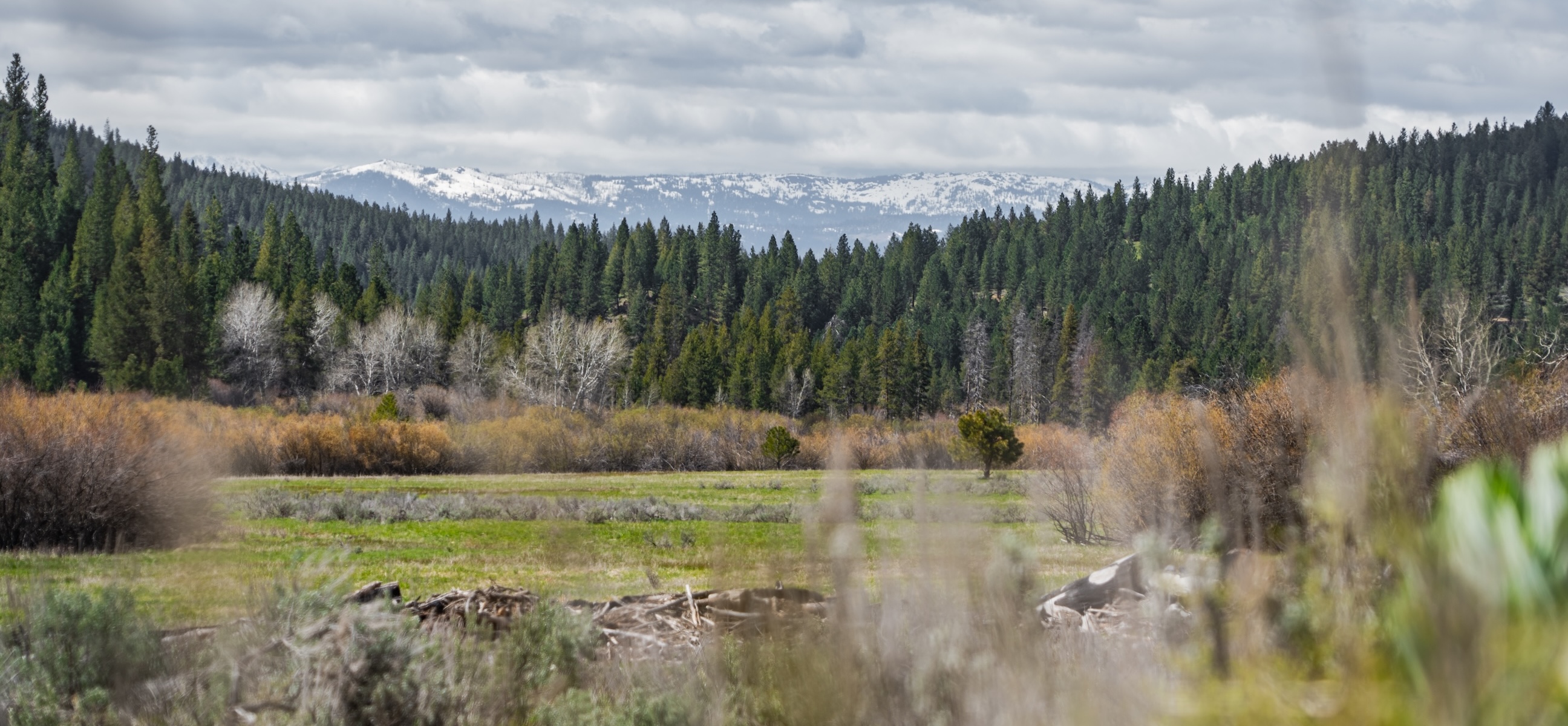
Habitat loss continues to take more turkey habitat.
Habitat Loss Hurts Turkey Populations
As the NWTF echoes habitat throughout its mission, Chamberlain agrees that the No. 1 threat of wild turkeys is the change to habitat in every corner of America. Some habitat fixes are easy, many are not, according to Chamberlain.
“If you ask anybody that does what I do, they will say first and foremost, it’s just loss and degradation of habitat. You know, I mean turkeys are dealing with the landscape that is changing just at incredible speeds, even in rural areas,” stresses Chamberlain. “In fact, this morning I was openly cussing as I was driving past a piece of property.
“This winter I saw one of the largest winter flocks that I’ve seen in many, many years,” Chamberlain said. “There were 35-plus hens in this flock, which is a big flock for this part of the world. And they’re clearing this property to put a golf course on it. And you know, as I’m driving by and I’m thinking to myself, right there Mike, that is, you know, you’re not going to see that flock again because that area of their winter range is gone. It is going to be taken.”
Chamberlain sees this across the country with loss of Florida habitat that Osceolas depend on from the ocean’s edge well into the state’s interior. Drought and cedar encroachment affect many areas of the Great Plains and West, and Chamberlain points to an aggressive agriculture trend for changes to Midwest habitat. In his opinion, the past few decades have experienced unmatched habitat alterations.
Best Ways to Improve Your Land for Wild Turkeys
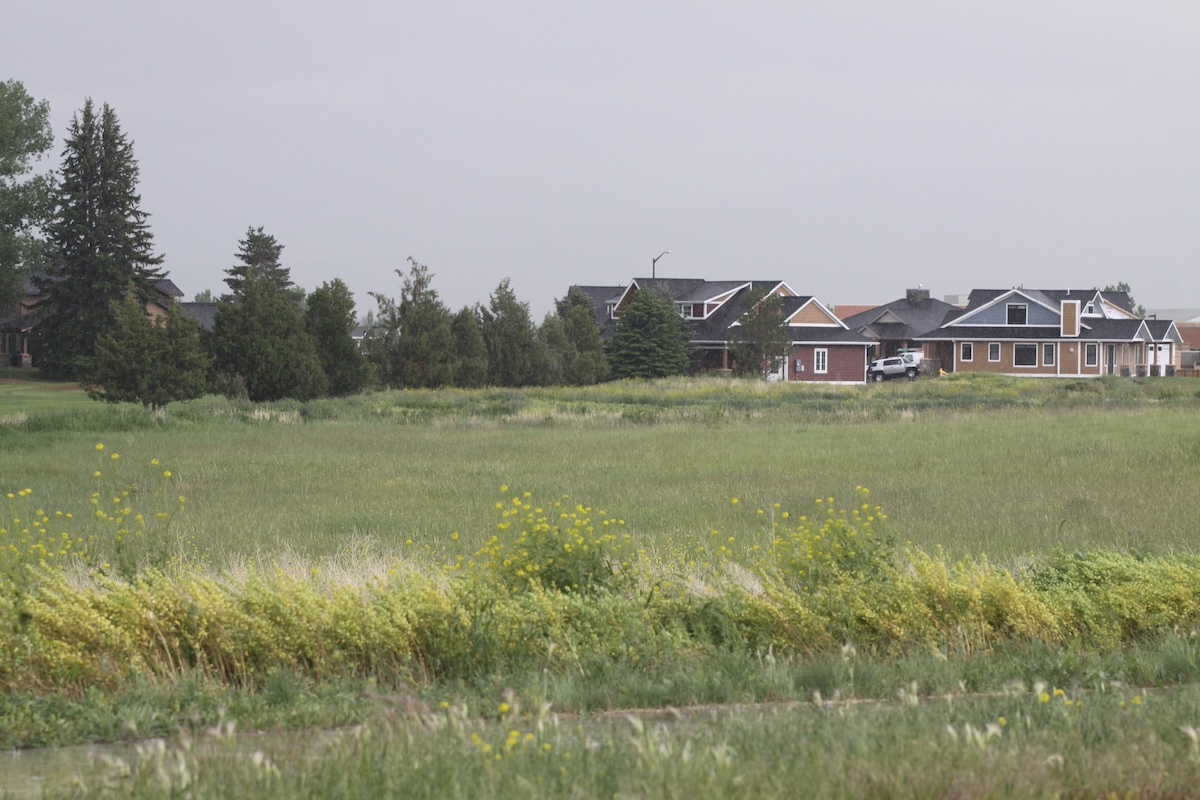
Urban sprawl is a growing concern for wild turkeys.
“I don’t go very few places where I don’t see the hand of man, if you will, creating problems for wild turkeys because we’re taking land and we’re doing it at rates that are a bit hard to comprehend. These larger cities are growing and how people are expanding out from these urban areas, and they’re claiming smaller chunks of land and you’re seeing these larger acres of land be split up, and subdivided,” he conveys. “And that to me is the biggest challenge we face. How are we going to conserve what is left in a way that turkeys are going to be able to benefit and thrive in those areas.”
What Chamberlain worries about the most is ensuring that generations from now, wild turkeys will be around for viewing and hunting enjoyment. To ensure longevity, he believes that initiatives for conservation must be implemented. The larger the better to preserve wildlife habitat everywhere.
“It really causes me pause when I think about, you know, where are we going to be 50 years from now and how we prioritize the bird we love, and make sure that we have the turkeys in our list of considerations when it comes to land use decisions and conservation practices through time,” Chamberlain emphasizes. “NWTF has some (initiatives) where they’re trying to enhance management practices in certain ecoregions and certain parts of the species’ range. You see other organizations and sportsman’s groups, and private citizens, you know, large landowners that are trying to collectively manage their properties in ways that are more sustainable. At the end of the day, society is going to win out on these battles for land, the battles for water. I think it just is going to take larger initiatives.”
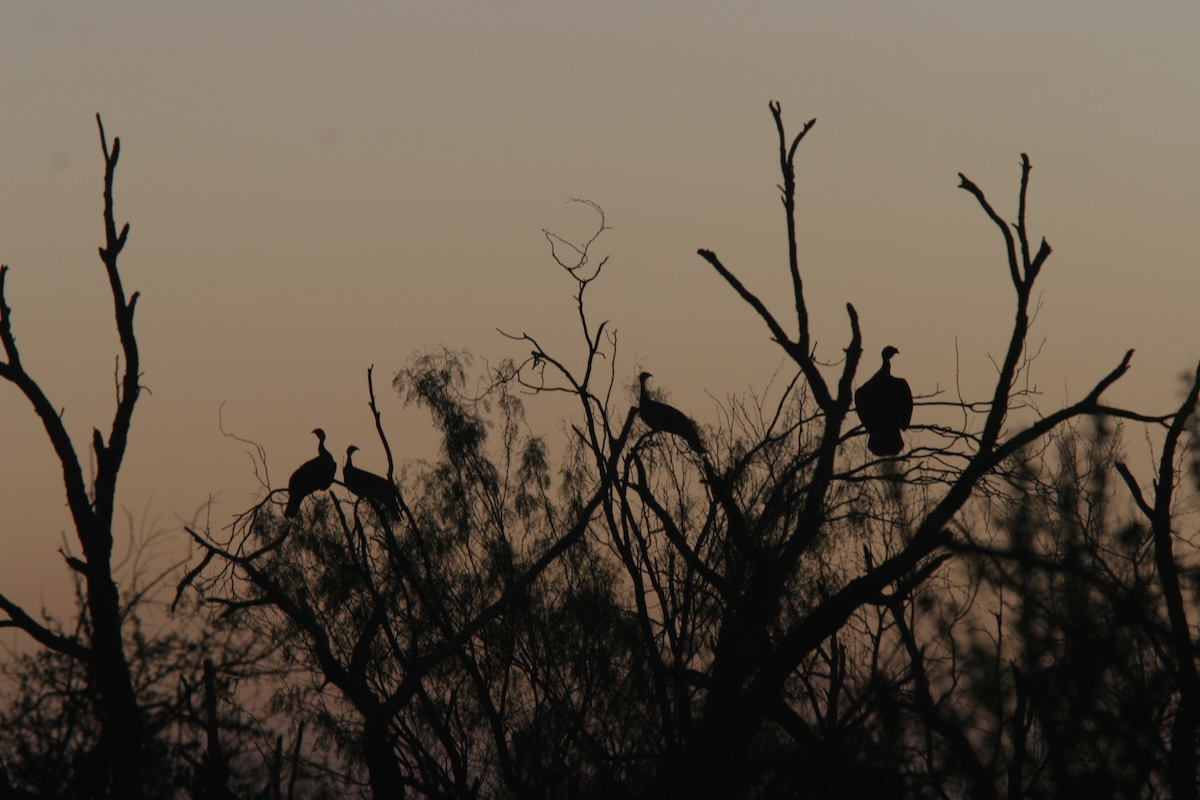
A third of adult turkey predation events occur while they're roosted (by great horned owls).
Predation on Turkeys Diminishes Flock Totals
As state game and fish agencies, and nonprofit conservation organizations fight for initiative funding, wild turkeys are literally fighting for their life. Predation ranks high as a threat to wild turkeys. Of course, ideal habitat would cancel many predation perils, but high-quality habitat does not exist in every turkey domicile. Predation affects all turkeys of every age and different predators attack those different age classes.
“It really depends on what part of the life cycle you’re asking about. If you’re an adult bird, there is no question that coyotes, bobcats and great horned owls, those are the biggies and we see a lot of mortalities where we are just publishing that data now,” Chamberlain shares. “These GPS units have triaxial accelerometers on them. Now we can see very clearly when a bird gets killed. You can see it in the signature.
“And we’re seeing that about one-third of mortalities overall are occurring when they’re in the tree,” Chamberlain said. “So, a lot of turkeys are dying when they’re on the roost. And logically, you know, that’s not obviously a coyote climbing a tree and picking a hen off it. It’s horned owls that are taking these birds and they’re doing it across the night from after they go to roost all the way through the night, and into the early morning. So those three are definitely the big adult killers.”
Without experience, fully developed escape mechanisms and even not being hatched yet, poults face equally extreme threats. Adult wild turkeys defend the family as best as possible, but once predators set their mind to a menacing task, few things can thwart their attack.
HuntStand App Layers and Tools for Backcountry Turkey Hunting
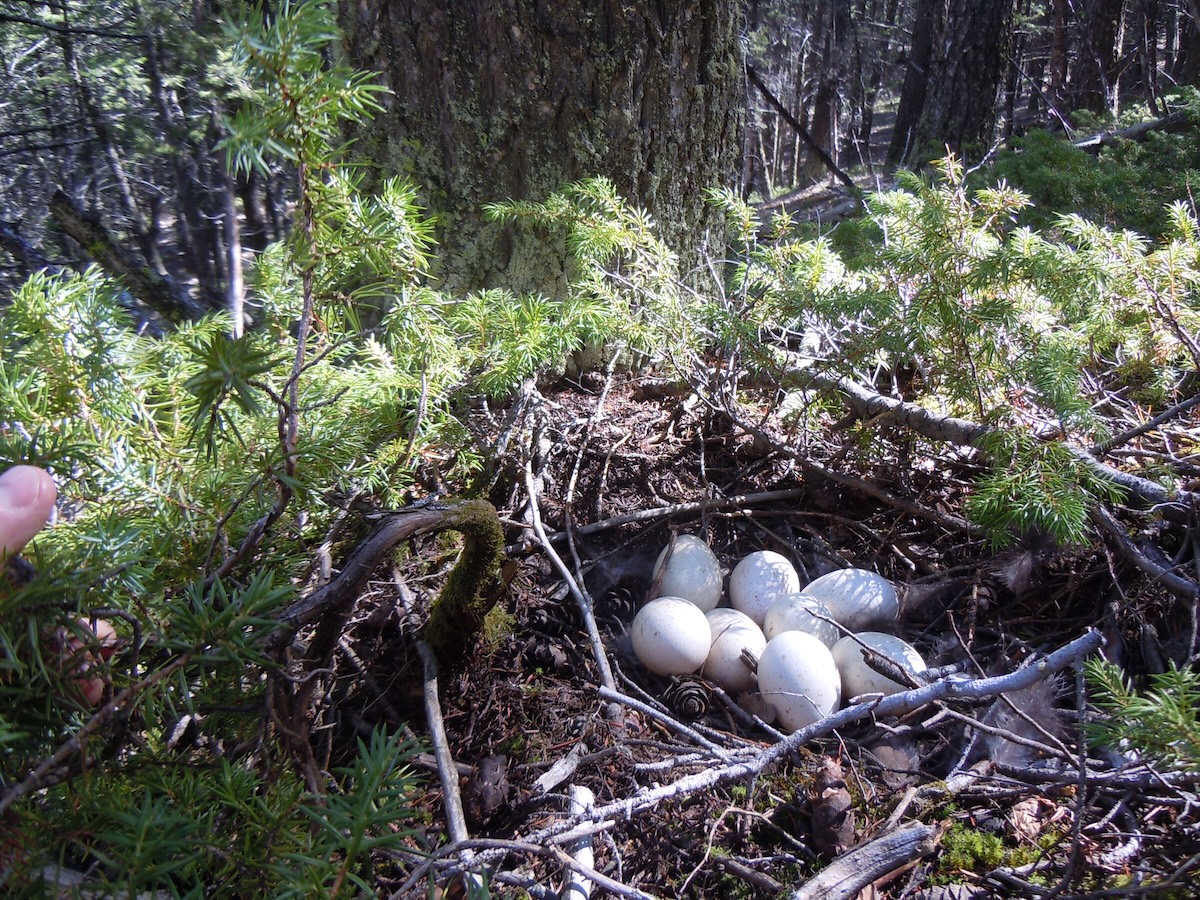
Nest predators take a lot of turkey eggs each spring.
“But when you start talking about the nest and poults, the playing field opens up to a number of other species,” Chamberlain reveals. “Raccoons, without question, are primary egg eaters. There’s no question about that. Foxes obviously are preying on nests. Rat snakes are very common. Coach whips are also a species that will eat poults for sure. Hawks, other birds of prey, are taking poults. We know that crows will periodically steal eggs out of nests. So, I mean it, literally to get a turkey egg to hatch in a predator-rich environment is truly almost, its’s miraculous that they can get through a month of sitting there on the ground — even with a hen protecting them — and end up hatching in some of these landscapes. Because we do have so many predator species that are responsible for taking eggs.”
Chamberlain understands the magnitude of predation. Yet, he believes that if concerned conservationists implemented a predator management program on their property, it would make a difference. He strongly recommends predator management with a goal to make it intensive and extensive — an all-inclusive predator program.
“I think you’re just seeing people that are saying, you know what, I can do this. Maybe I can go and I can catch some animals, and I can try to be part of the solution and contribute what I can,” he says. “I have some friends, that for instance, they have zero ability on the property that they hunt to change habitat. They have zero ability to make big scale changes to what the property looks like, but they have free reign to trap. And so, they have said OK, well we can’t control this and this, but we can work diligently on this (predators).”
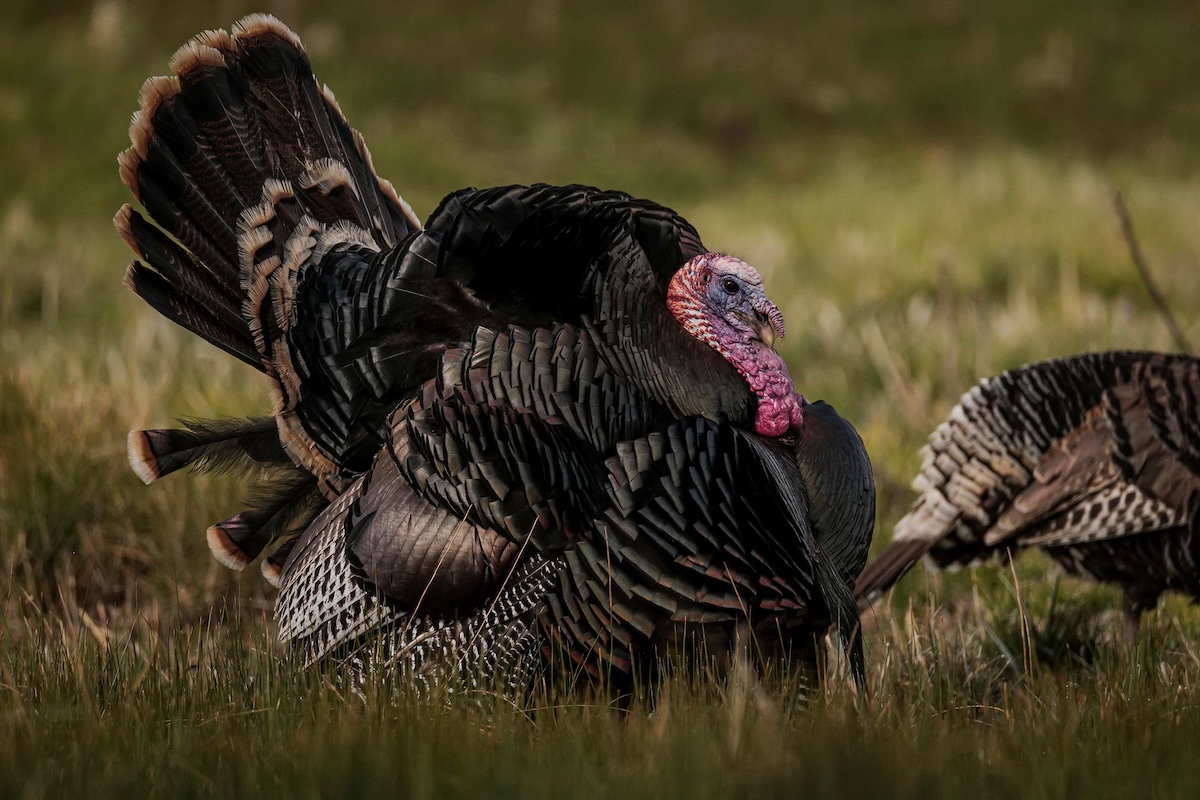
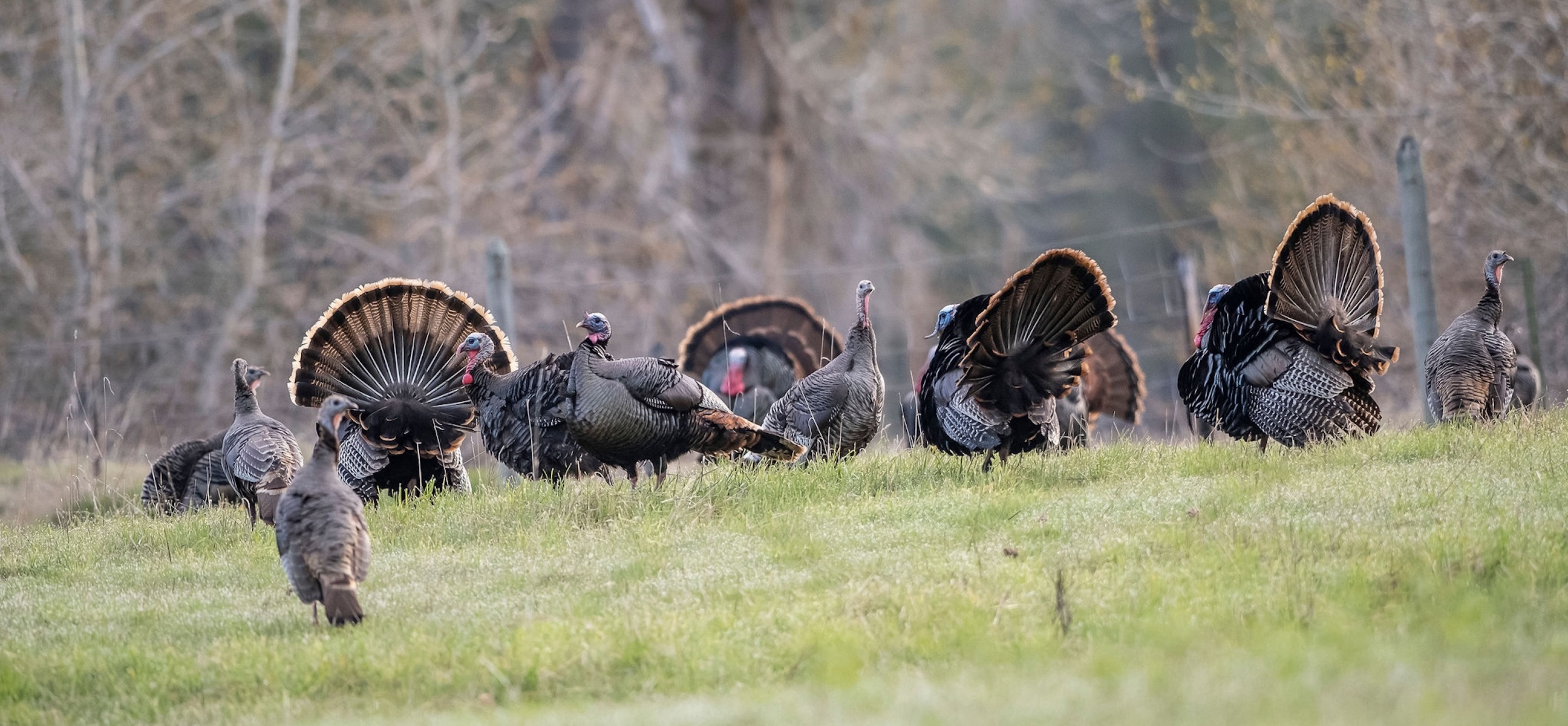
Disease continues to impact turkeys.
Disease Reduces Turkey Numbers
Scroll or view any news site today and you’re bound to discover a story about the bird flu. Can you say high egg prices? Diseases affect wild turkeys, but not at the same magnitude as domestic poultry, according to Chamberlain. Even so, diseases and illnesses are nothing to sneeze at for the wild turkey.
“Avian flu is really in the news right now. We haven’t seen die-offs affecting turkeys at any appreciable scale. Of course, turkeys get diseases like avian pox and blackhead, and things that can cause mortalities,” Chamberlain expounds. “One thing that’s on our radar, that we’re continuing to learn quite a bit about, is a proliferative virus that is capable of producing tumors. And what we’re finding with that virus is it’s actually very prevalent across the southeastern United States and even beyond. In fact, in some of our study populations, 75% of the birds are carrying the virus, but it doesn’t appear to be impacting their survival or really their reproduction, per se.”
The Best Turkey Hunting Spots (and How HuntStand Pro Finds Them)
There are some behavioral changes with the virus and Chamberlain noted it causes some birds to move more than otherwise a normal bird would day-to-day. Researchers are not certain if the movement is connected to a search for food or maybe something as simple as the bird is not feeling well. Regardless, the behavior causes birds to behave a bit more differently. Chamberlain also shares that it is primarily a virus connected to older birds.
“And I just have to wonder, similar to what you’re seeing with some other diseases that the longer you live, maybe there’s this cumulative type of issue that just very slowly compromises you through time.”
To learn more about threats to wild turkeys, download the HuntStand Make Your Mark Podcast episode 196 at your favorite app store. Each week, host Will Cooper educates and entertains listeners with a variety of seasonal hunting subject matters.