





Knowing where to hunt turkeys, and finding birds, is half the task at hand.
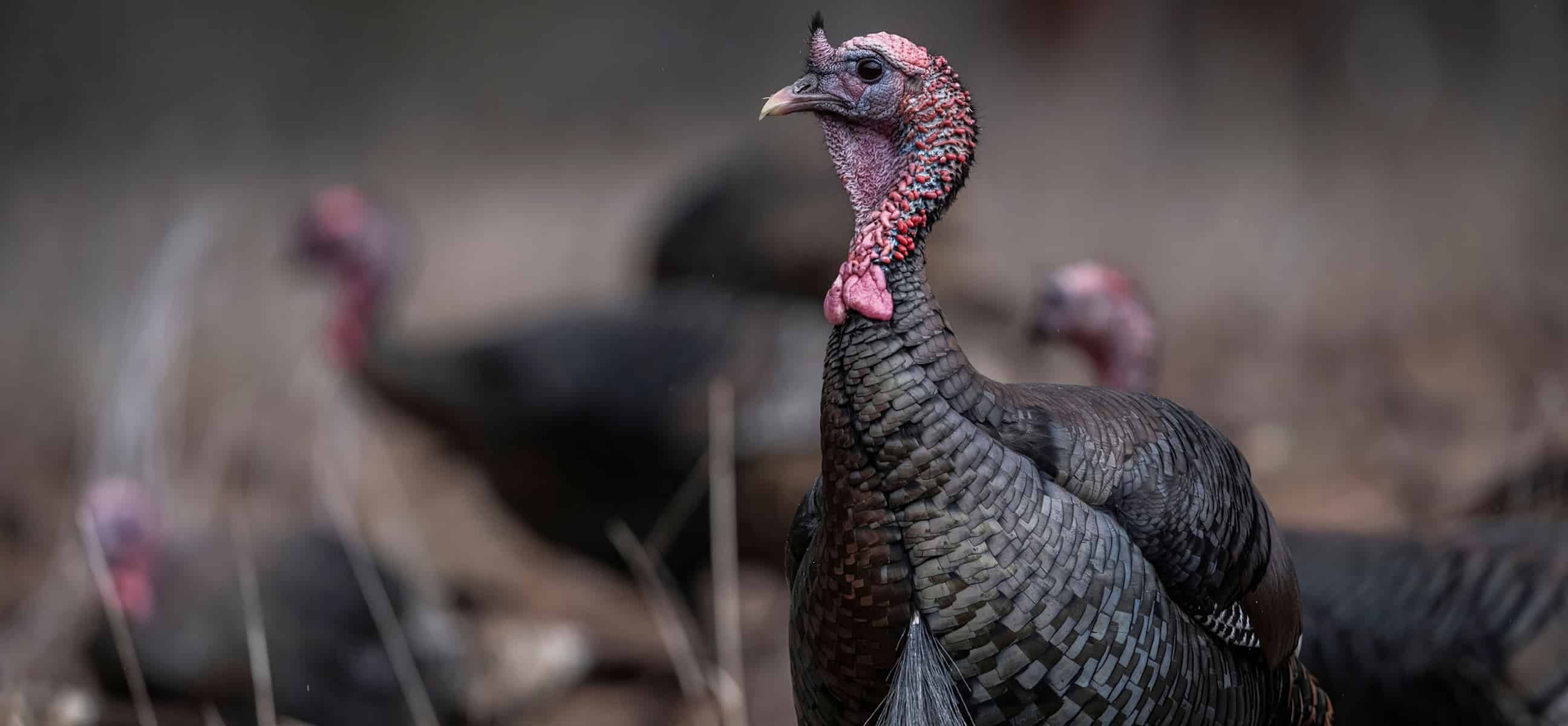
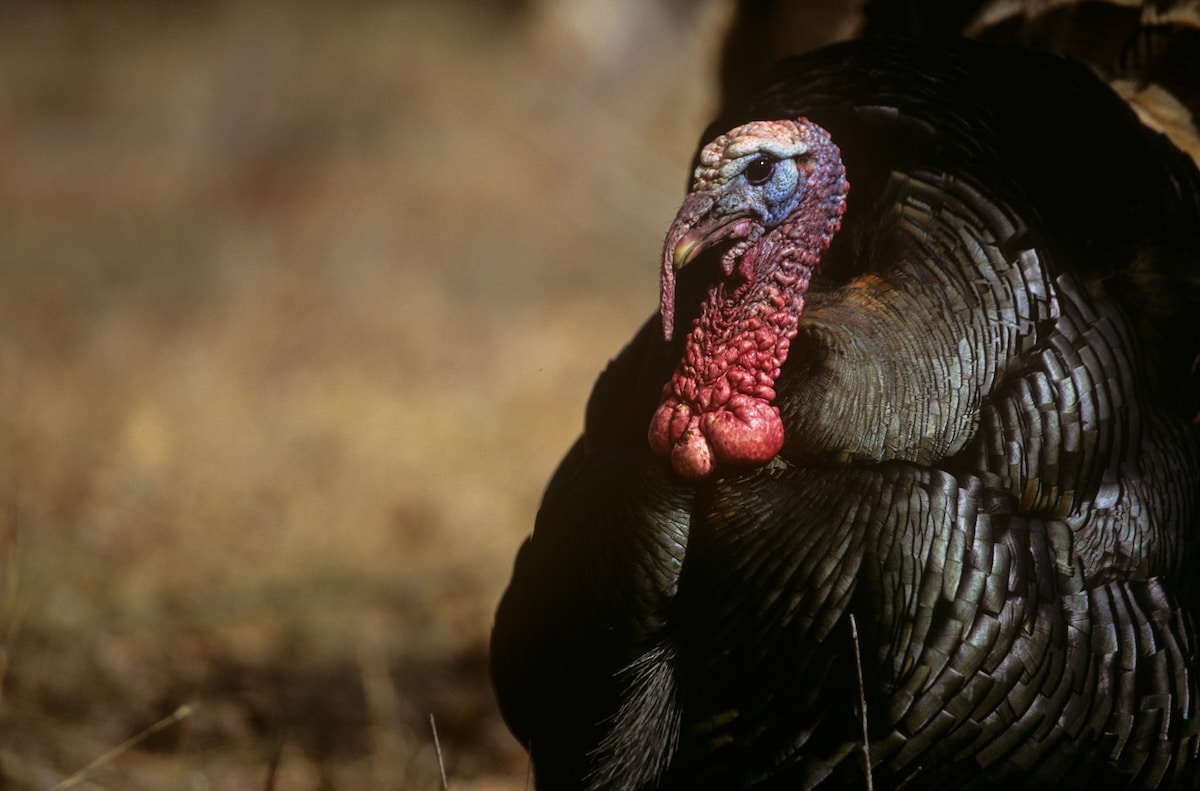
Turkey season is here, and with it comes the sweet sights and sounds of spring. A gobbler sounding off from the limb in the gray light of the pre-dawn. A full-fan strutter waddling across a hillside. The cacophony of a flock feeding and moving through the timber. These are the true treasures of the hunt.
Sadly, many hunters won’t experience these things because they won’t invest the time, and benefit from available resources, to scout and find the areas that can deliver such experiences. Without question, hunters must find the best turkey hunting spots to be successful. Here’s what you should know.
Around Known Roost Trees
The Rio Grande turkeys of Hawaii, where wild turkeys have no natural ground predators, roost on the ground. All other turkeys that inhabit the continental 48 states (Alaska does not have turkeys) roost in trees.
This makes locating roosts quite important for turkey hunters. Some choose to not hunt close to roosts so as to apply less pressure to turkeys. (They equate this to hunting inside whitetail bedding areas, especially if done repeatedly.) That said, for those who do, this is where the hunt begins and ends each day.
Even those who don’t hunt close to roosts should know where they are located. The position of these in relation to destination food sources, water sources, strutting areas, and more, impact turkey travel routes. Thus, you must know roost locations to choose good setups.
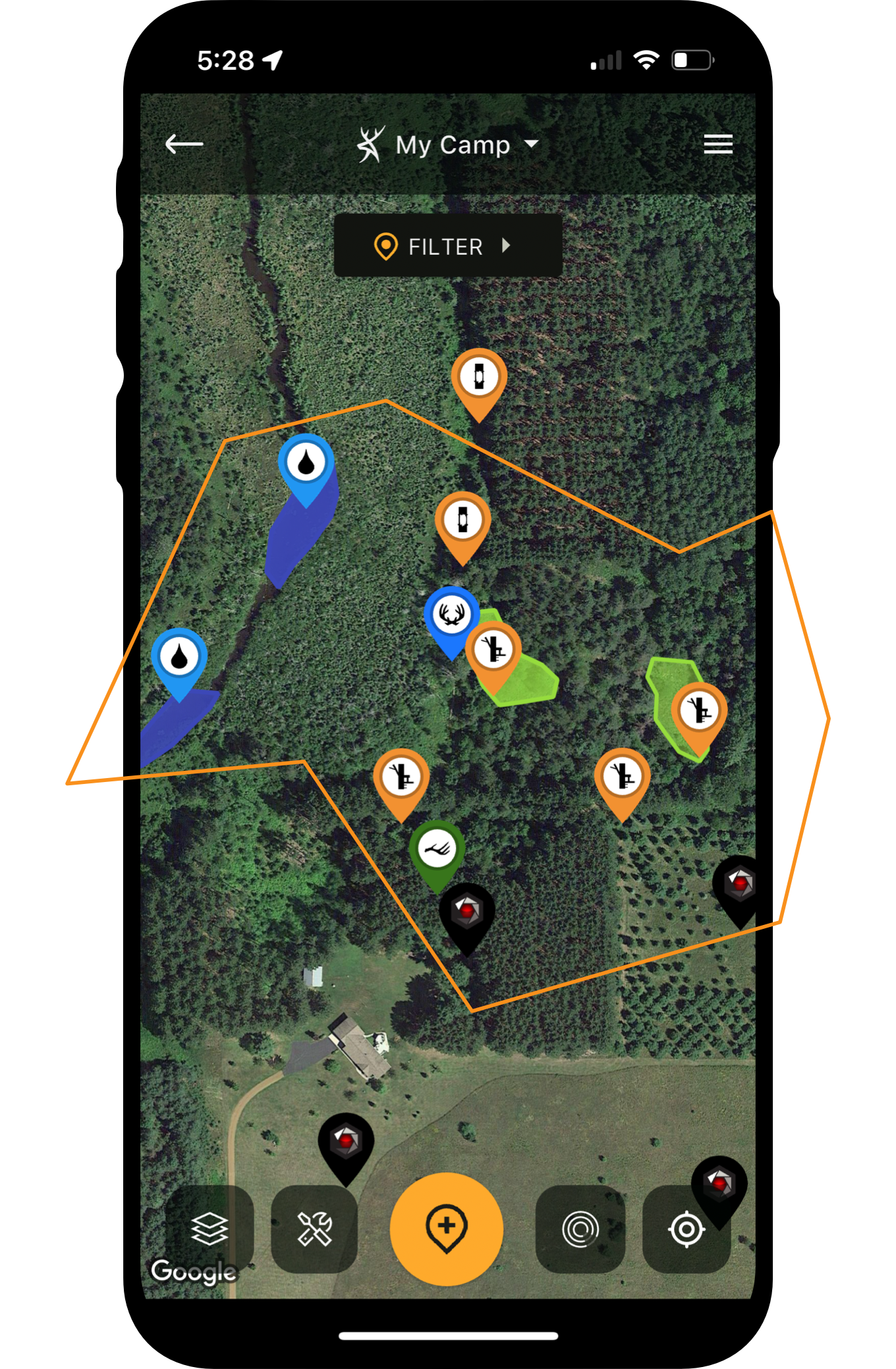
In areas of the Midwest and West, tree cover is less common, and roosting areas are more defined. Thus, these are easier to find. In areas with greater timber-to-field acreage ratios, it’s more challenging. That said, use the Satellite, Mapbox Satellite, Tree Cover, and other habitat-based layers to find potential roosts. Of course, most roosts are among the most mature trees in the area. Oftentimes, you can see larger trees by zooming into layers and might even see differentiations in leaf color. Older trees tend to have darker leaves than the surrounding cover. Once you confirm roost trees, mark these with dedicated HuntStand map markers.
Along Creeks, Rivers, and Other Waterways
Wild turkeys love waterways. Creeks, rivers, lakes, and large ponds are common areas to see turkeys. These birds regularly roost along the edges of flowing bodies of water. They also hang out around larger, stagnant sources, too.
As with most animals, these serve as a layer of protection. But it’s more about the topography, and the habitat surrounding waterways, that attract turkeys. Oftentimes, flowing water signals bottomlands, and turkeys love such places. These provide food, security, and quality habitat.
Using the 3D Map, Terrain, or Contour, search for areas that level out at lower elevations below ridge lines. Oftentimes, water flows along these boundaries. Furthermore, implement Natural Atlas, Outdoor, Satellite, Mapbox Satellite, and others, to see flowing and stagnant bodies of water.
The 2026 Spring Turkey Season Forecast
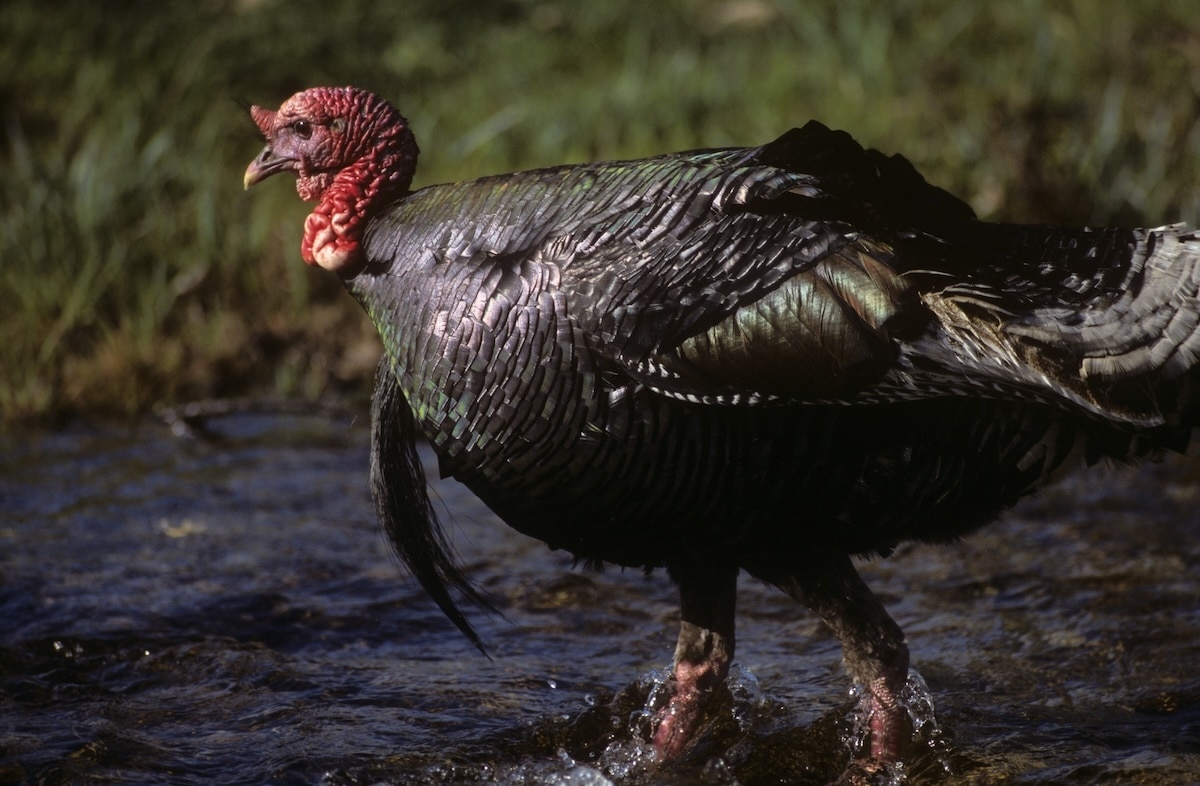
Waterways can be killer turkey hunting spots.
Along Hills and Ridges
Turkeys love topography changes. Oftentimes, they’ll roost along hills and ridges. Sometimes they’ll roost at the top. Other times it’s around mid-range benches and at lower elevations. But they almost always roost along available hills and ridge lines.
These provide numerous advantages, including shielding from wind. On windier nights, turkeys tend to roost on the leeward (downwind) sides of ridges. Furthermore, such elevation changes make it easier for turkeys to fly up to and down from the roost. Of course, food sources tend to be available along these land features, too.
Using the 3D Map, Contour, and Terrain map features, search for hills, ridges, and mountains. Identify the slopes that seem to coincide with other turkey-centric areas.
Brushy Edge Cover
Most turkeys don’t tend to spend a lot of time in thick cover. It limits their visibility, inhibits escape, and makes things easier for lurking predators. That said, turkeys do love traveling along brushy edge cover. Oftentimes, these locations provide quality food sources. Additionally, they like such areas to temporarily escape into if predators enter the open.
Additionally, as hens begin nesting, they retreat into these thicker forms of early successional habitat. These are the locations most choose to build their nest. Later in the season, as fewer hens are receptive to toms, the edges of these thicker areas become better locations to intercept lonely longbeards.
Using habitat-centric layers, search for edge habitat. These are boundaries between various successions of habitat, such as timber and fields, native grasses and woodlands, and more. Furthermore, pockets of brushy cover, such as fields of native grasses, and patches of briars and brambles, are solid locations to search for within HuntStand.
The Best Turkey Hunting States in America

Meadows and other open fields tend to draw turkeys.
Beautiful Meadows
Few scenes are more picturesque than a full-strut gobbler wading through ankle-high grass in a meadow. These birds are majestic and seem highly attracted to meadows and other similar openings. With some clover, or other hot food source, these spots are even better for turkey hunting.
Use the Satellite, Mapbox Satellite, and 3D Map tools to locate meadows and like-kind open areas in bottomlands and within the timber. Generally, these are located at lower elevations, but sometimes, can be located at mid-range elevations, too.
Feedlots
Some might not feel great about it, but turkeys love feedlots. They’ll travel great distances from roosts to these areas where farmers feed livestock. Common operations include dairy farms, and other cattle, sheep, and goats, where feed and dung hit the ground. Generally, most state wildlife agencies and DNRs allow hunting around such areas as long as the feeding is part of a legitimate agricultural operation.
Using any layer that shows a high-resolution image of the ground, and area attributes, search for cattle operations. Specifically seek out dairies, and other ag-based establishments. You might even look for grain bins, silos, silage pits, and other indicators feeding is taking place.
Public-Land Turkey Hunting Rules to Follow
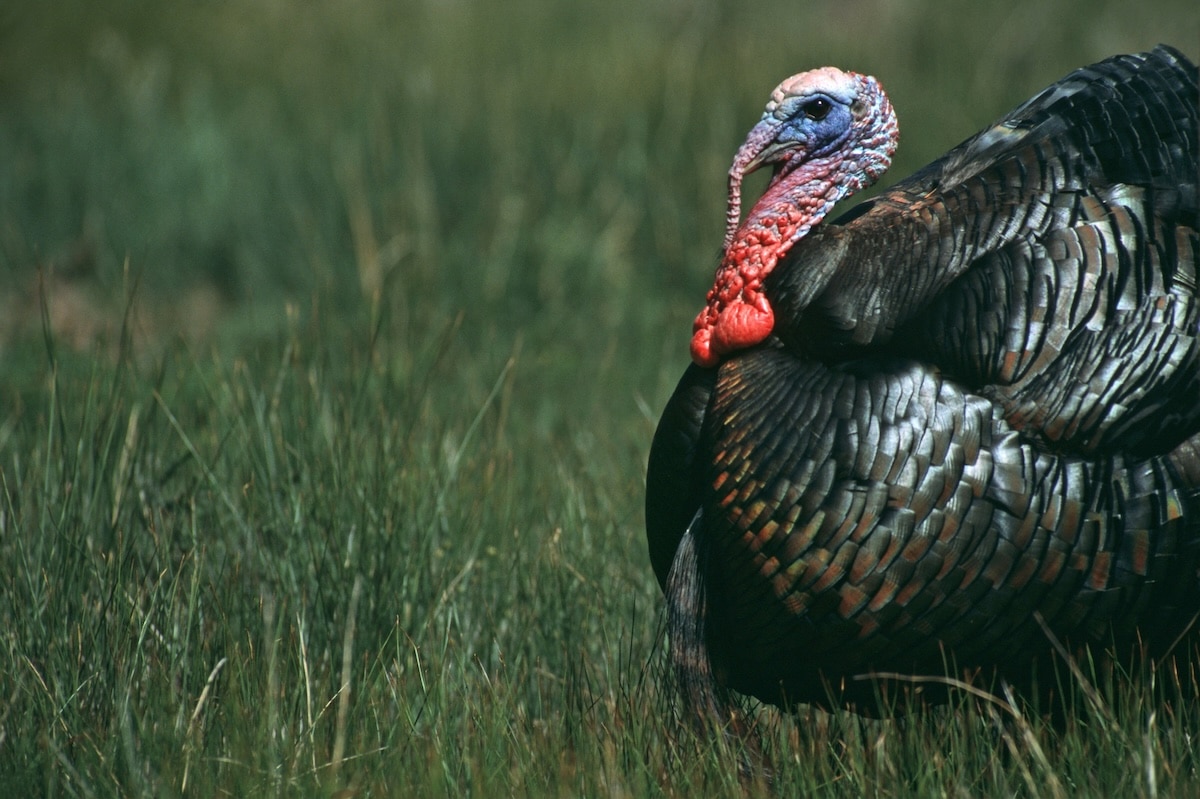
Green ag fields and food plots are hotspots for strutting longbeards.
Green Ag Fields
Speaking of agriculture, turkeys love a good ag field, and that’s why they’re so attracted to farmlands. Green ag fields, such as alfalfa and wheat, serve as significant draws for these birds. Other hay fields can be good, too. Even cut corn soybean fields with remaining waste grain or emerging greenery have value.
As noted, use high-resolution imagery of the ground, such as Satellite and Mapbox Satellite, to pinpoint areas of interest. Fields are easy to differentiate from timber. And if you see consistent rows or track marks, chances are the field is row cropped. If it’s green in early spring, it’s likely alfalfa or wheat. The Monthly Satellite layer is good for checking this.
Green Food Plots
Sticking to the green theme, spring food plots are excellent turkey hunting spots. These areas planted in clover and other turkey-centric species can provide exceptional drawing power. Birds will feed in and strut around these at all hours of the day.
On public lands, state-managed food plots should be easy to identify with an app layer. If you or another hunt club member planted food plots, remember their locations via HuntStand map markers. This will help you navigate to such areas, especially in the dark before gobblers begin singing.
Spring Turkey Hunting Strategies with HuntStand
Deeper in the timber can be solid for intercepting early morning, midday, and late afternoon turkeys.
Hillside Benches
As flocks start to split up, and turkeys settle into their spring breeding ranges, birds spread out. Furthermore, as breeding progresses, and fewer hens are receptive, gobblers find it more difficult to locate willing hens.
Once this begins, longbeards start visiting the stereotypical strut zones. Oftentimes, these are located along benches. These might be low-, mid-, or high-elevation benches. The point is they provide good locations for turkeys to strut back and forth for passing hens. They can be seen and heard easily from these spots.
HuntStand’s Contour and Terrain layers are excellent for finding these benches. Look for common topo line indicators of this terrain feature. Generally, it’s marked as a wider spacing between lines amidst much more tightly spaced lines on each side of it. This indicates a flat bench with steeper elevation above and below it.
Logging Roads
Old logging roads are similar to benches in that these provide quality feeding areas, travel routes, and strut zones. These also provide simple ways for turkeys to navigate challenging terrain.
Often, hunters can zoom way into property aerials and see logging roads. With a high-resolution layer, such as Satellite, Mapbox Satellite, etc., it’s possible to see small lines snaking through the timber where logging roads were created. The narrow gap in canopy cover generally creates a crease along these areas.
Ways HuntStand Pro Makes You a Better Turkey Hunter
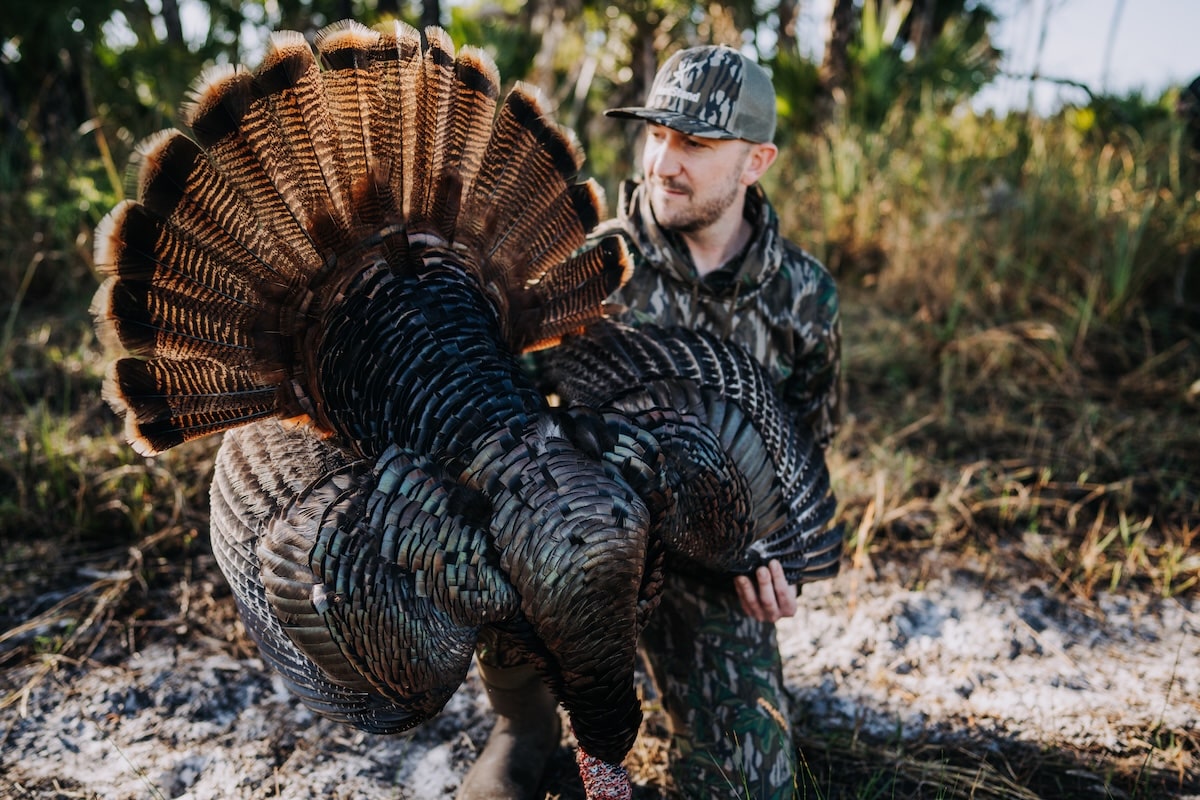
HuntStand's Josh Dahlke is all smiles after this successful spring turkey hunt.
Mature Oaks and Pines
Wild turkeys love mature hardwoods for multiple reasons. First, these tend to be better roost trees. Secondly, these sometimes provide food sources, such as remaining red oak acorns. Third, bugs tend to be abundant. Fourth, gobblers tend to strut here. And fifth, these provide shade on hotter days.
Similarly, turkeys love mature pine forests, too. These provide excellent roosting areas. Sometimes, these even deliver feeding opportunities with increased insect counts.
Obviously, mature timber is easy to pinpoint on apps and maps. These tend to be darker green, and if the layer is a fall- or winter-based timeline, you can see the sprawling canopies and limb structures.
Operating Pastures and Other Fields
Finally, don’t ignore the power of pastures. Turkeys love pastures for similar reasons as feedlots mentioned above. They’ll spend a lot of early morning, mid-morning, and afternoon hours in these locations. On cooler days, they’ll even spend midday there.
As with other open fields, HuntStand makes identifying these quite simple. Merely look for fields with fencing and other ag structures. The biggest sign, though, is seeing cattle in the fields down below. They’re small, but by zooming in, you’ll see them.
Turkey Hunting with HuntStand Pro
If you aren’t already implementing HuntStand Pro, you’re missing out on an excellent turkey hunting tool. It’s designed with turkey hunters in mind, and many of the tools are directly applicable to tagging mouthy gobblers. Subscribe now, and enjoy a better turkey season this spring.