





Hunting turkeys later in the season requires a fresh set of tactics.
A gobbler sits on its roost limb. The sun claws its way up over the horizon, but that bird makes no sound. Eventually, it pitches down and begins the day. Sadly, it never answered your calling efforts and all but ignored the decoys. He leaves you behind and heads for parts unknown.
Are you tired of getting whipped by late-season turkeys? Here’s how to find, call, and decoy pressured, late-season birds. Don’t miss this quick guide on hunting wild turkeys later in the year.

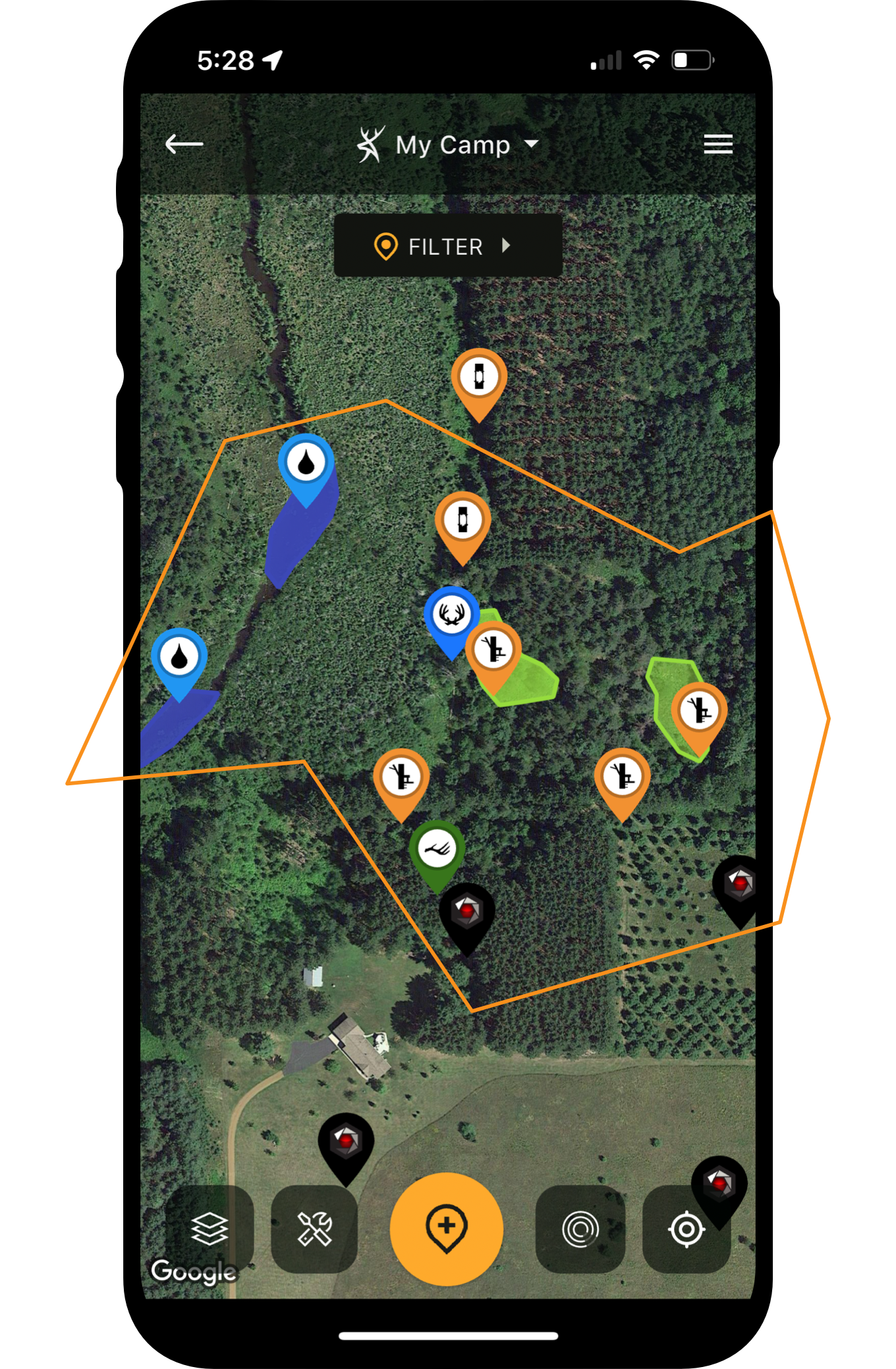
Use HuntStand to find places pressured turkeys relocate to.
How Do You Find Pressured, Late-Season Turkeys?
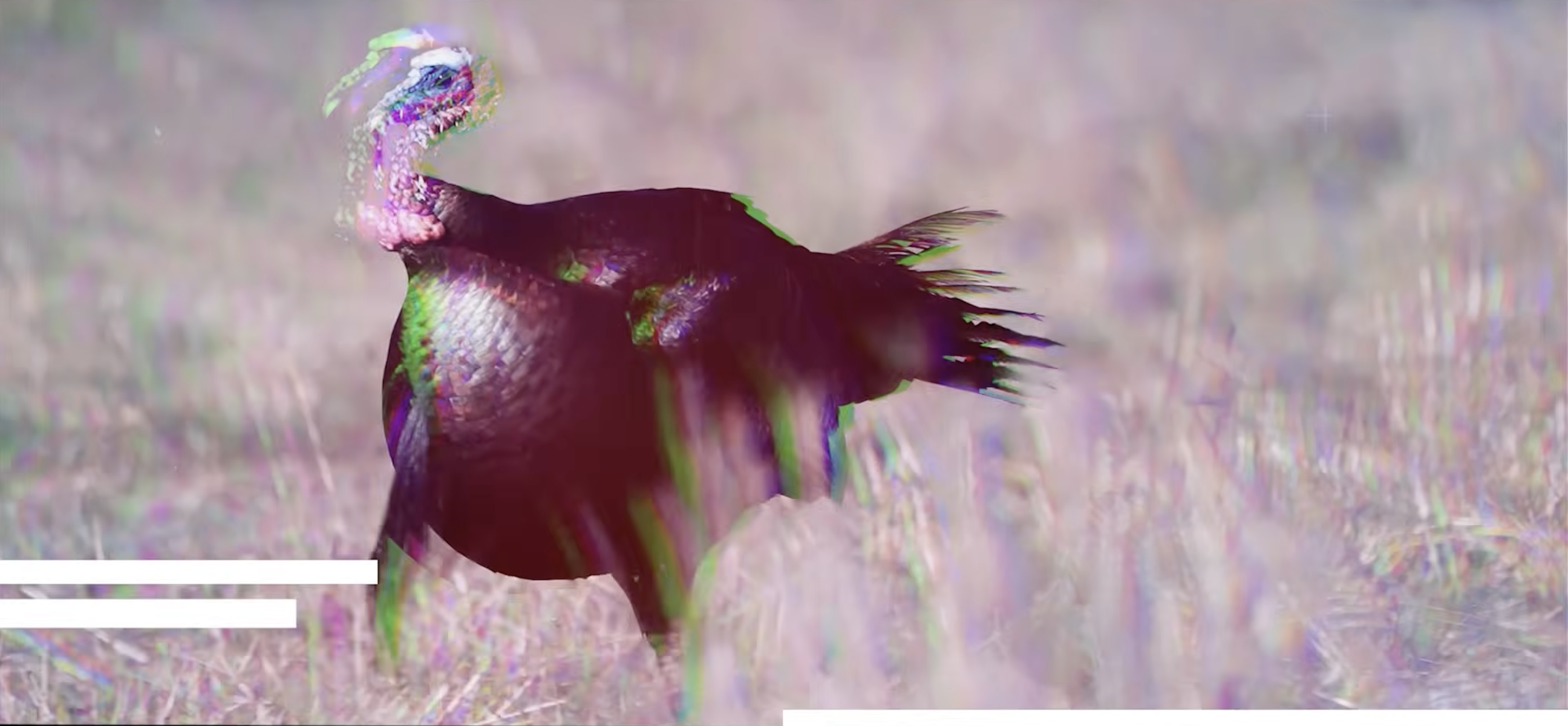
Finding late-season turkeys is no simple task. These birds are banged up, beat up, and shot up. And all they want is for you to shut up. They’re tired of your washed-up mouth call. They’re over the days or weeks of hunting pressure.
As such, turkeys start to push into new and protected areas. Examples include across barriers, such as bodies of water, nearby roads, and beyond terrain and topographic obstacles. Furthermore, don’t overlook wide-open ag fields and pastures, where turkeys can see hunters and predators coming from vast distances. Recently burned areas via prescribed fire (controlled burns) can also achieve this, while also providing a food element. Consider areas farther from human and hunter movements, including farther from roadways, deeper into available cover, and more. Don’t overlook secluded and obscure corners of habitat. Small and hidden openings can be great, too. Of course, small pockets of un-hunted private ground draw pressured birds. Protected pockets of public land shielded by private, water barriers, etc., do as well. Hunters also do well to hunt closer to private-public borders (while maintaining respectful distances).
Overall, as it gets later in the season, move to new areas that likely harbor persecuted turkeys. Plus, transition from the typical tactics of a turkey hunter and channel your inner deer hunting mantra.
Places to Find Pressured Turkeys on HuntStand
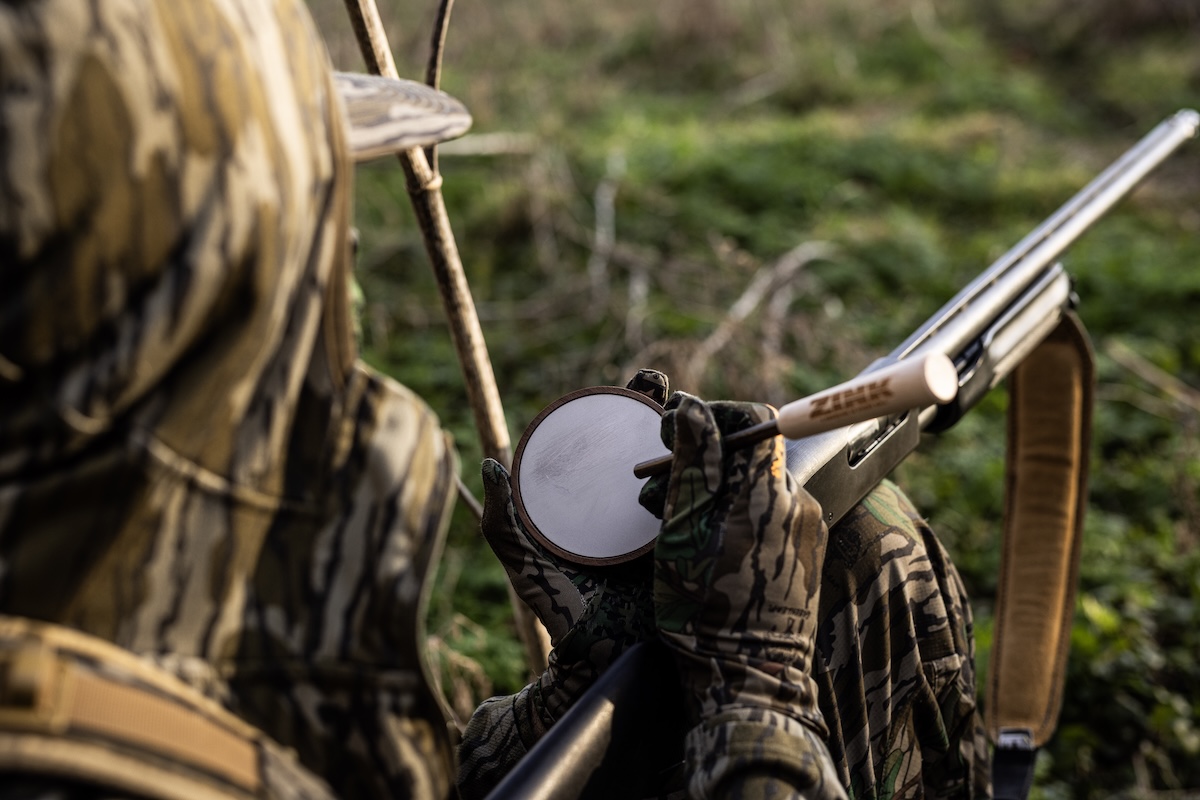
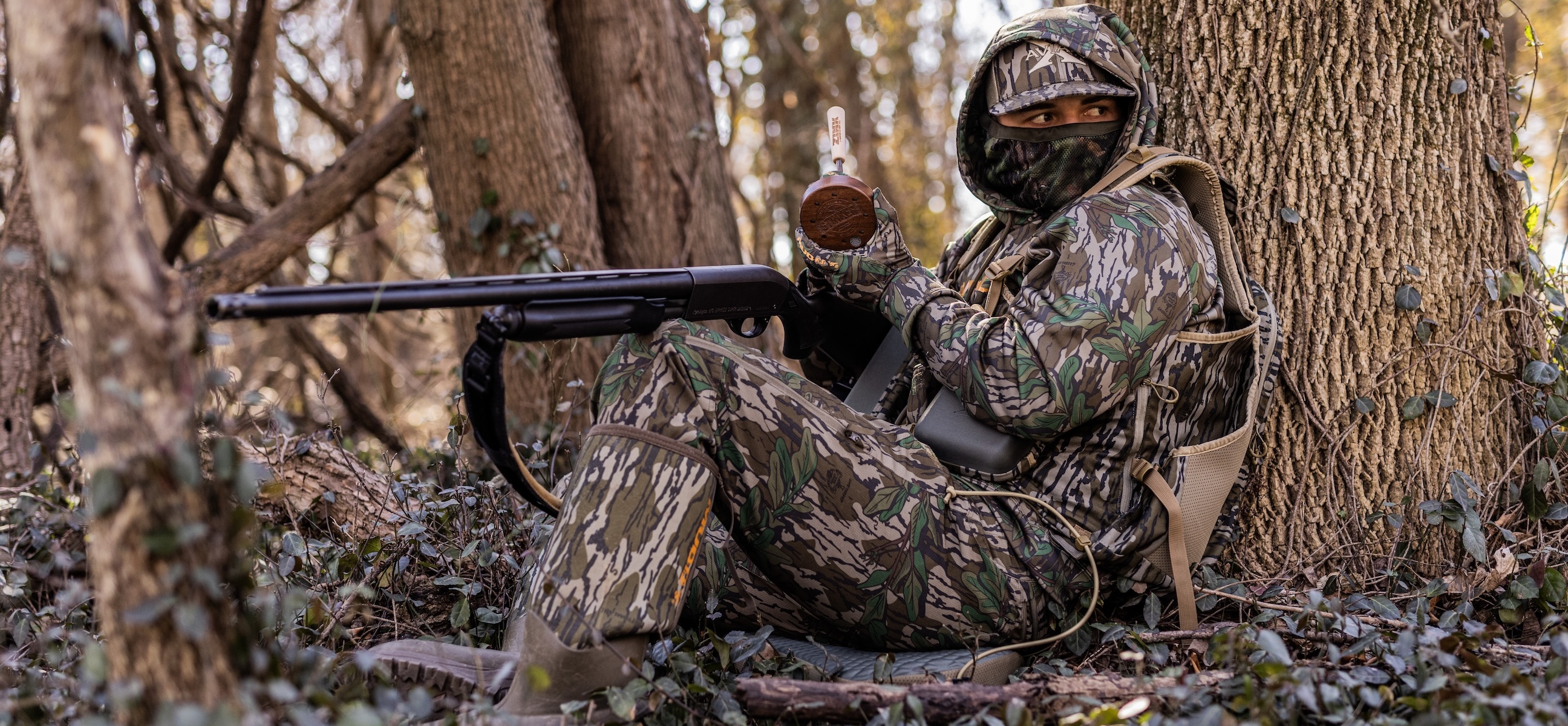
Use subtler calling in the month of May.
How Do You Call Pressured, Late-Season Turkeys?
Calling late-season turkeys is no simple task. These turkeys have seen and heard just about everything a turkey hunter can throw at them. Simply, it’s time to deploy different turkey hunting methodologies.
For example, use softer calling. Call less often. Use subtle clucks, purrs, whines, and other quiet turkey sounds. If needed, use locator calls (crow, owl, peacock, piliated woodpecker, etc.), rather than loud yelping and cutting, to spark shock gobbles.
If you decide to yelp, keep these on the softer side. Instead of long, draw-out calling series, use four to six soft yelps — at or slightly louder than the level of a tree call. At this point, it’s more realistic to what turkeys emit and expect.
To add realism, toss in some non-vocal calling. Break a stick. Scratch the leaves. Flap some wing feathers. Sound like turkeys without sounding too much like turkeys.
Also, try calling to any bird but the one you want. Meaning, don’t call to the tom in the field. Try to pick a fight with the hen 100 yards from it, if she’s willing. By calling, but not overly engaging longbeards, they might feel left out and come running.
Hen sounds aren’t doing it? The local longbeards seem to have crashing libidos? Consider some “bro” talk instead. Use a deep, raspy, three-noted tom yelp to get the band back together. Late in the game, sometimes, that chalk-chalk-chalk is all a big bird wants to hear.
Or just don’t call at all. Maybe the birds are reacting to calls so poorly that it turns into a deer hunt. It’s ambush or bust. It’s bed-to-feed patterns in spring. After all, it can be prudent to use tactics that the flock hasn’t seen yet.
How to Hunt Quiet Turkeys
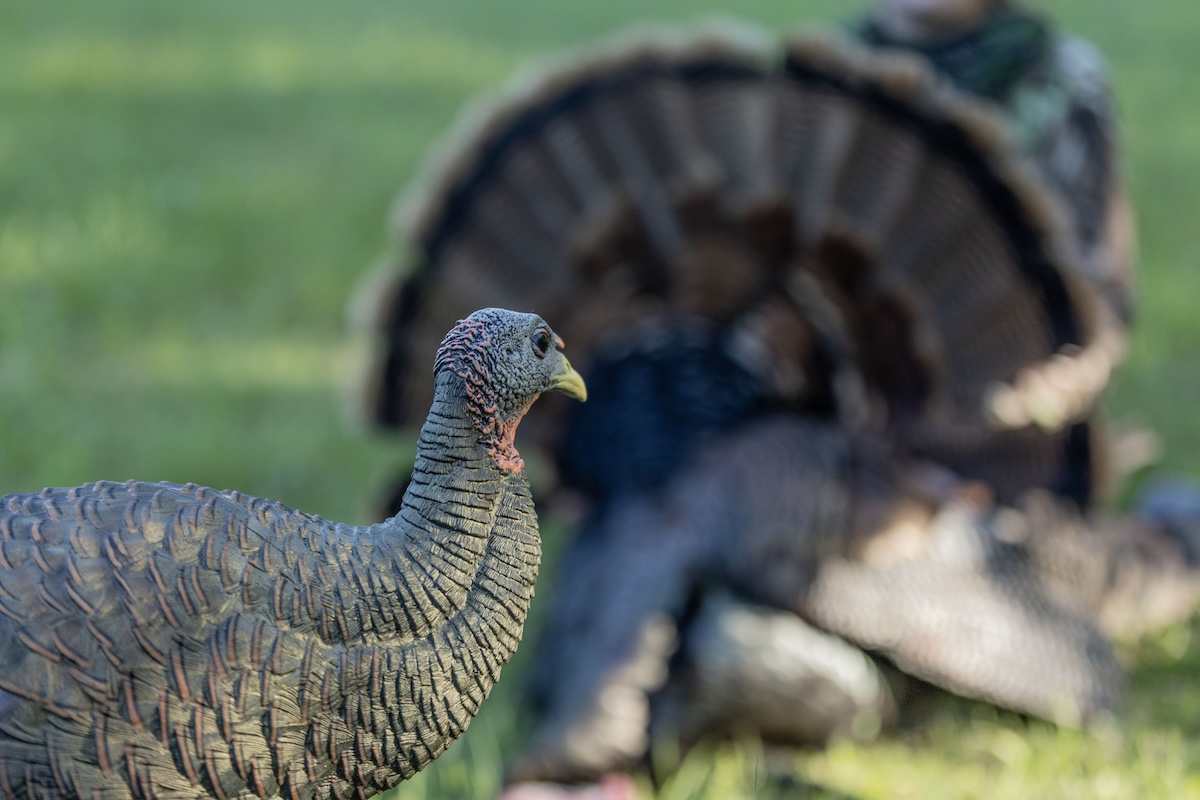
Consider using only a lone hen, or pair of hens, to trick a last-minute longbeard.
How Do You Decoy Pressured, Late-Season Turkeys?
Decoying late-season turkeys tends to look different than the early to mid-season phases. Now, leave the strutter and jake decoys at home. Use subtler decoying tactics. Of decoys used, implement dekes with relaxed postures.
Go all in to boost realism of your decoy spread. First, add some motion. (Don’t use motorized decoys, as that’s plenty unethical and outright illegal in most states.) However, where permitted, don’t be afraid to add a manual “jerk” string as commonly implemented in duck decoy spreads.
Fine-tune the setup in other ways, too. Buy decoys that provide more realism. Touch up old decoys with fresh paint. Add some real turkey feathers for a more realistic sheen.
Lastly, consider the use of no decoys at all. If birds aren’t showing interest, or are outright spooking from decoys, leave them at home. It’s time to go covert and use alternative late-season turkey hunting tips.
Avian-X Turkey Decoy Set
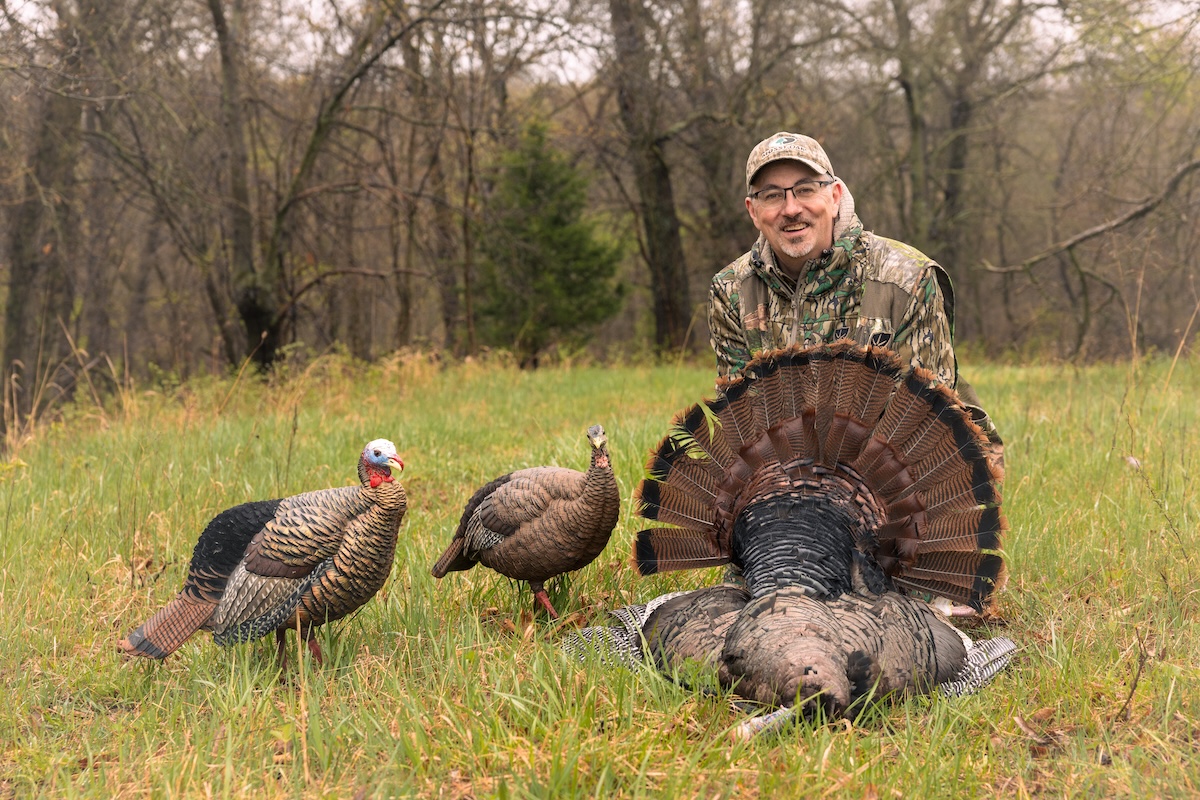
Work smart, and you can find success on a pressure turkeys.
Fill Your Remaining Turkey Tags
Some states have open turkey seasons yet. In fact, for many northern destinations, the action is just getting good. So, whether it’s coming down to the wire in your area, or just heating up, fill your remaining turkey tags. It’s possible to find, call, and decoy pressured, late-season turkeys. It just requires an understanding of the flock dynamics and signs of the times.
HuntStand Pro and HuntStand Ultimate can help with that. These offer effective tools for the late-season turkey hunter.