





The wild turkey is an American treasure.
Did you know? In North America, there are five subspecies of wild turkeys. Another separate species lives solely in the Yucatan Peninsula. Did you know that wild turkey populations were crashing during European settlement as pioneers used them as a primary food source? Can you say pass the drumstick please? Did you know a male turkey can breed a hen once and she can store the sperm to fertilize her entire clutch of eggs? Turkeys are an amazing species despite their relatively small brain size (compared to their body). Check out the following surprising facts about wild turkeys.
Introducing Dr. Mike Chamberlain (The Wild Turkey Doc)
The National Wild Turkey Federation shares many of these interesting and surprising across their platforms from years of research. HuntStand’s Make Your Mark Podcast (episode 196) recently delved into some not-so-known interesting facts about wild turkeys. Podcast host Will Cooper interviewed Dr. Mike Chamberlain. With a Ph.D. and serving as a professor of wildlife ecology and management at the University of Georgia, Chamberlain was also recently appointed to the chair of the NWTF Distinguished Professor position at UGA. His 30 years of research of the wild turkey has unveiled many noteworthy discoveries, most of which are helping to preserve this wildlife for our hunting heritage. For being a turkey-dedicated person, he has been nicknamed the “Wild Turkey Doc,” and it is a moniker he is proud to embrace. “Turkeys are a true passion and a true part of my life.”
Chamberlain is not only a dedicated professor of all things wildlife, but he enjoys hunting wild turkeys as well. His hunts range from the Easterns in his Southern homeland, but he also travels, including hunts for western Merriam’s, and even a planned journey to Mexico for the Gould’s subspecies. Because of his passion for turkey research and hunting, he can offer a unique insight into questions hunters might have, including roost behavior.
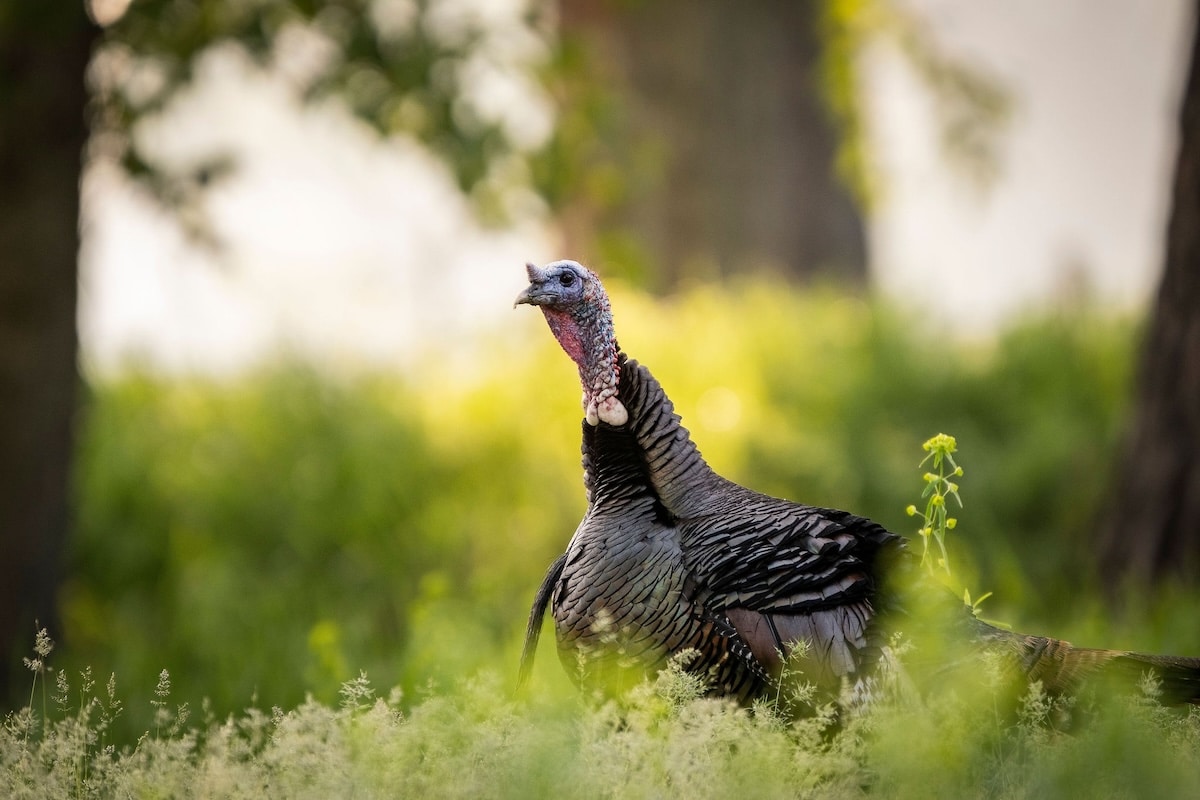
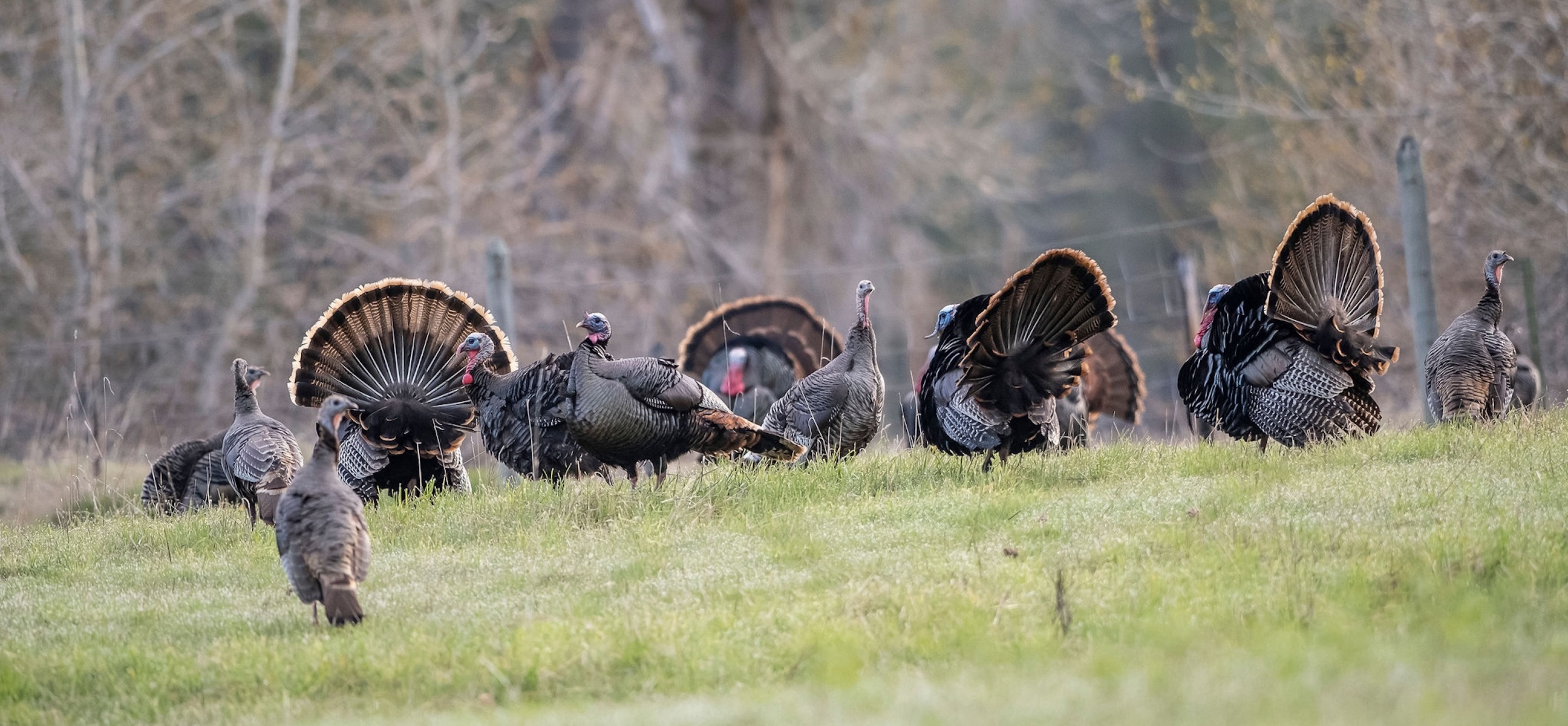
Gobblers bounce around to different roosts each day.
Turkey Roosts (And How Easterns Use Various Roosts)
“I think one, from a hunting standpoint, that sticks out to me that I did not know until we started using GPS telemetry to track turkeys, was that toms will switch roost sites with each other in consecutive nights,” Chamberlain asserts. “You might roost in this spot and then suddenly you leave, and I come in that same afternoon and roost in your spot. We see this routinely. It’s very common, particularly with Easterns, less so with the Western subspecies.”
Chamberlain says this roost pattern caused him to stop and think back to all the times he thought he was hunting the same tom at a specific roost. On a few occasions, he believes he was hunting the same bird, but the data revealed it was also probable a different bird occupied a certain roost on subsequent hunts.
“We think and it is logical to me, if you hunt Rios or Merriam’s, you know, or Gould’s, you know that roost sites are limited, right. There’s only a certain number of roosts in their home range and you can usually go find birds predictably in those roosts. But in the eastern forests, roost sites are more widely distributed, but there are places that turkeys use for generations, even in the eastern forests. And every turkey hunter that hunts over where I live knows this,” Chamberlain points out. “You can go to the same ridge and find turkeys roosting across two decades, and you know that could be five turkey generations and they keep roosting in the same locations. And what that tells us is that certain spots are better.”
Biggest Threats to the Wild Turkey
His theories on why they are better include safety from predators. The roost site might be more easily accessible, and the roost could allow sound to be projected more effectively. That is a major advantage during the brief breeding season.
“There is this concept called sound attenuation, this idea when a sound comes out, you know, a bird call for instance, comes out, there are things in the environment that shred it apart, that tear it up right. So, it doesn’t travel as far,” explains Chamberlain. “Well, it’s logical to me, these roosts that are used across many generations, are just better and perhaps there’s less attenuation, the sound travels farther, it’s cleaner, which would of kind of jive with why multiple toms use the same six or eight roosts in an area.”
Even Chamberlain gets stumped at times as to why a gobbler uses a particular roost. In cases like that, he suggests visiting the roost when turkeys are not around and analyzing it with critical thinking involved.
“OK, how does he get out of the roost? Which direction did he head when he left the roost? You know, where was he roosted in the tree? What’s out in front of that location? You start putting all these factors together, and at least one of those usually sticks out to me. Maybe it was a sound projection thing. Maybe it was that particular tree is very easy to get into and allow him to fly up or down,” Chamberlain notes.
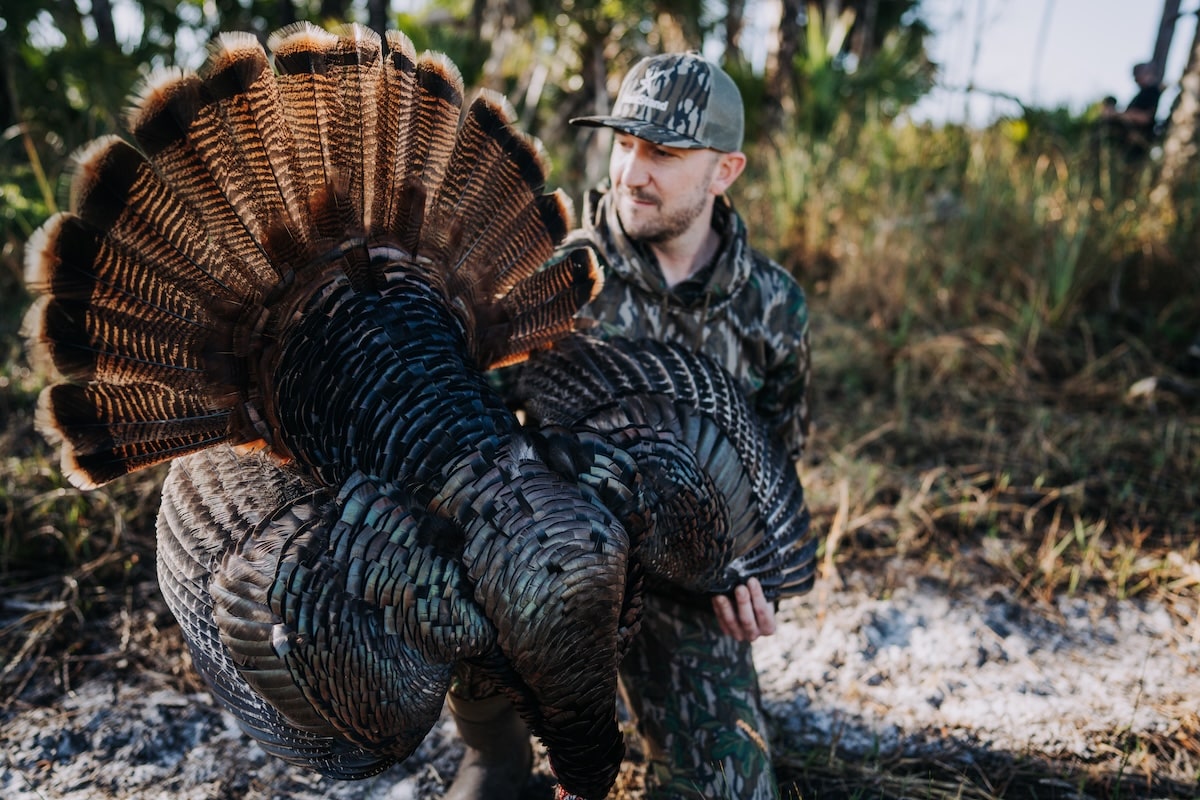
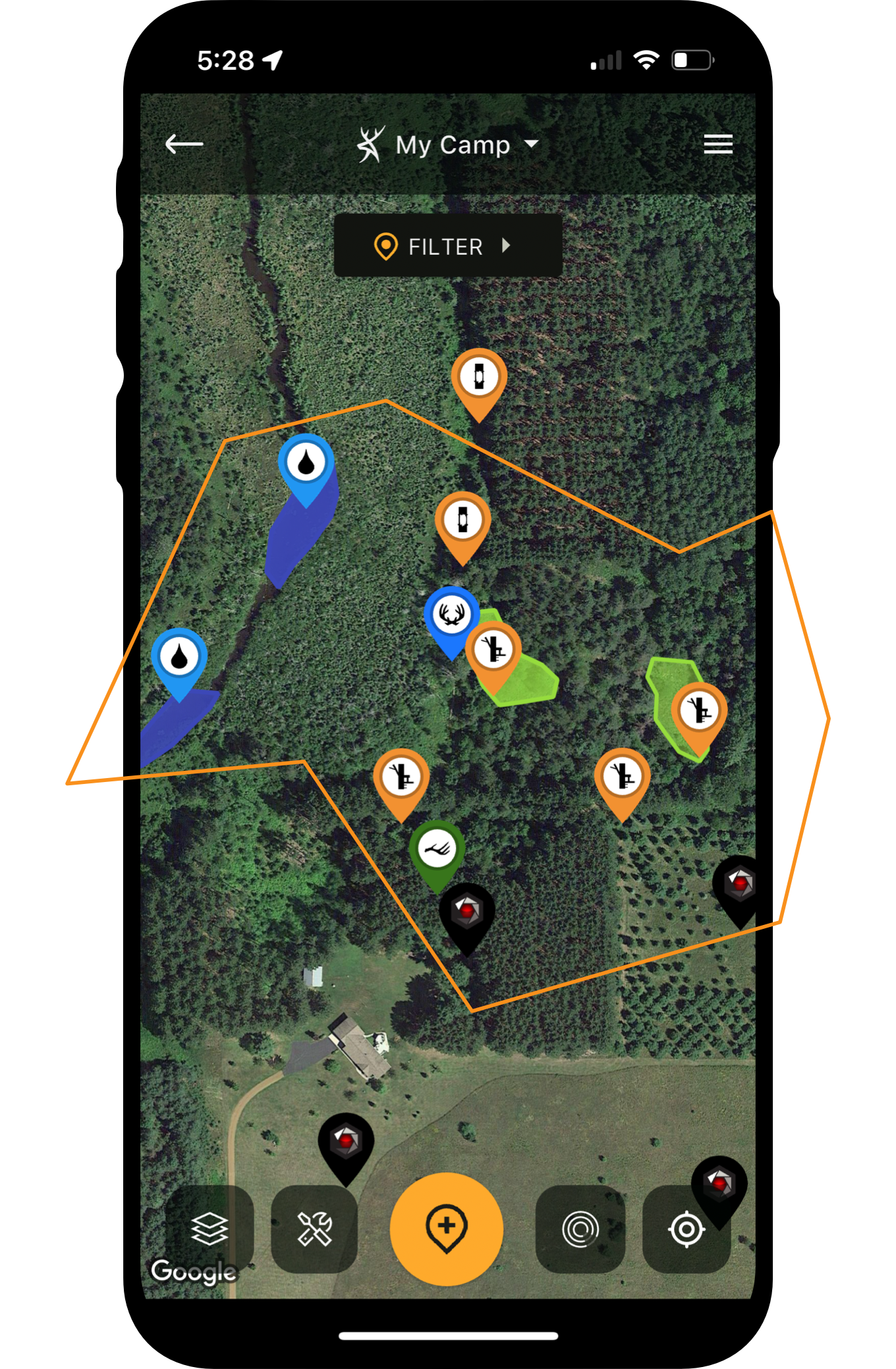
The wild turkey breeds the same time each year, plus or minus a couple days.
The Turkey Breeding Season Timeline Is Consistent (Year Over Year)
The height of breeding season and how some hunters believe it varies year to year based on their personal observations is another myth Chamberlain is happy to debunk. Like many breeding cycles, wild turkey nesting is very reliable based on the science of photoperiod (increasing and decreasing amounts of daylight). For instance, the whitetail breeding season is triggered annually at the same time each fall due to decreasing amounts of daylight.
“I (recently) posted nesting data across eight consecutive years,” Chamberlain said. “You will see that peaks and nesting vary by about a week total across eight years. And then in some years, in most years, it’s only like one- or two-days difference. The peak of nesting is only one- or two-days difference from one year to the next.”
Although Chamberlain admits that in unique situations, such as prolonged inclement weather, breeding could be pushed later, it never occurs earlier due to the aforementioned lengthening of daylight called photoperiod. And remember, toms feel the effects of photoperiod before hens to ensure a successful breeding season.
The only obvious difference in breeding season across the nation is that it starts earlier in the South than North because of latitudinal gradient. A local biologist can help you pinpoint those important dates to permanently put on your calendar for your back-forty hunts.
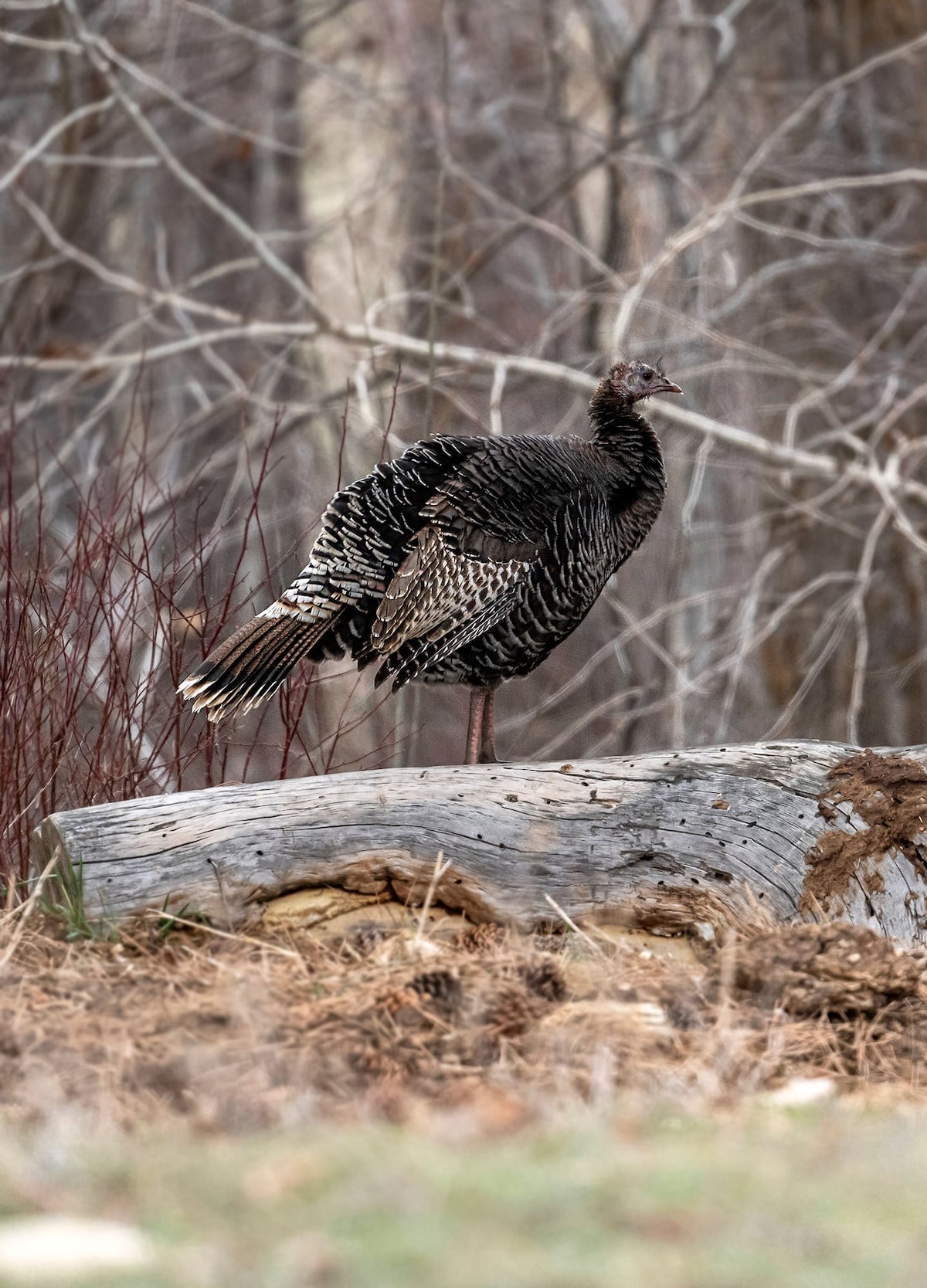
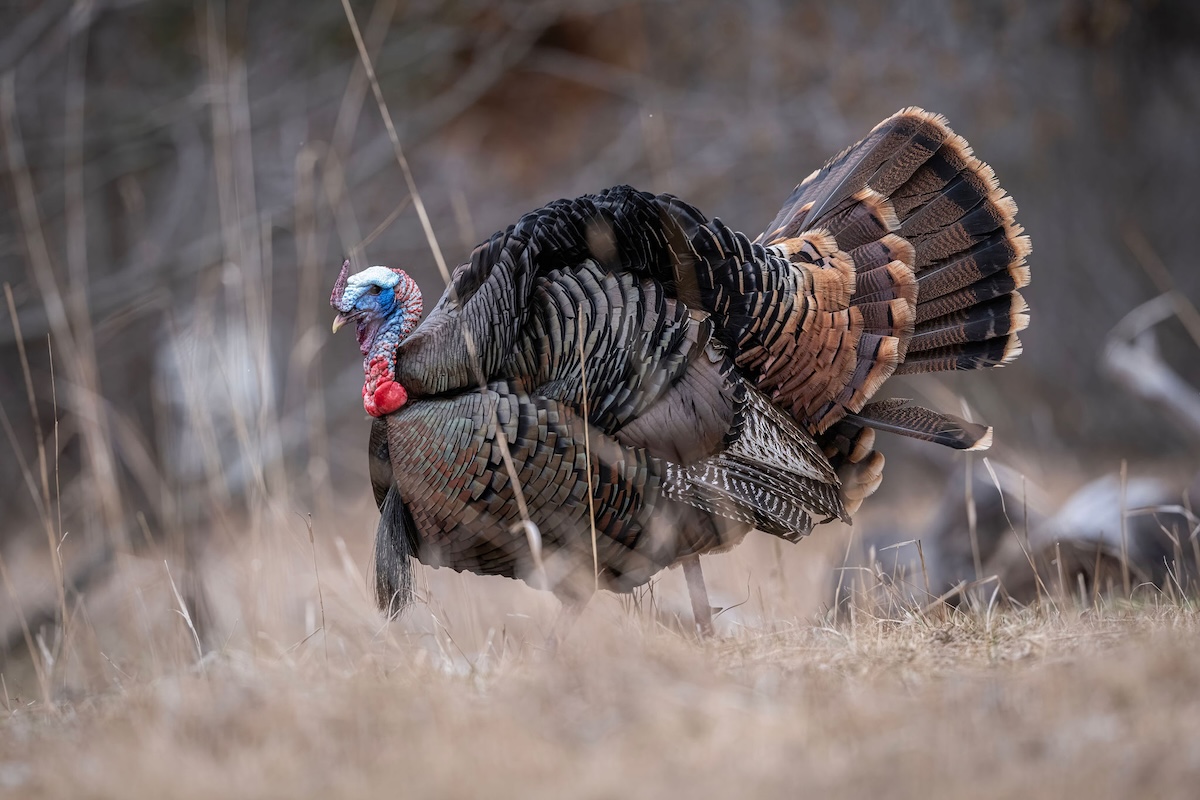
Hens can impact the poult sex ratio of their clutch.
Turkey Eggshell Research (And How Hens Can Adjust Poult Ratios)
Although research that aids any turkey hunter definitely drives Chamberlain, he also appreciates a deep dive into the latest science being discovered about wild turkeys. An interesting revelation has to do with the very makeup of an eggshell and the reams of information something so simple has to offer.
“We’re doing a lot of work with sexing the poult using the eggshell at the membrane of the eggshell when the egg hatches,” Chamberlain describes. “So, you can take the membrane out of the egg and you can genetically test, and figure out what the sex of the poult is, which is really cool. Really, yeah, you can also determine who the mom is, which we usually know, right. (If we have the hen marked.) But you can also figure out who the dad is and whether it’s one of the birds, one of the males, that you’ve caught or not. And we’re seeing all kinds of interesting things.”
Even more mind blowing for Chamberlain is that research now seems to assert that hens can adjust the sex ratio of their clutch based on what is happening in their world. This is groundbreaking with researchers unearthing ongoing new discoveries.
“That the females, based on their body condition and their age, and these other things, might have the ability to make minor tweaks to the sex ratio of their clutches. And we’re seeing a pretty pronounced female bias, meaning more hens in our, you know, in our hatch clutches than males. We’re trying to wrap our head around why that is. And we’ve got some suspicions, but we’re literally digging in the data right now. But things like that are causing me to just kind of scratch my head.”
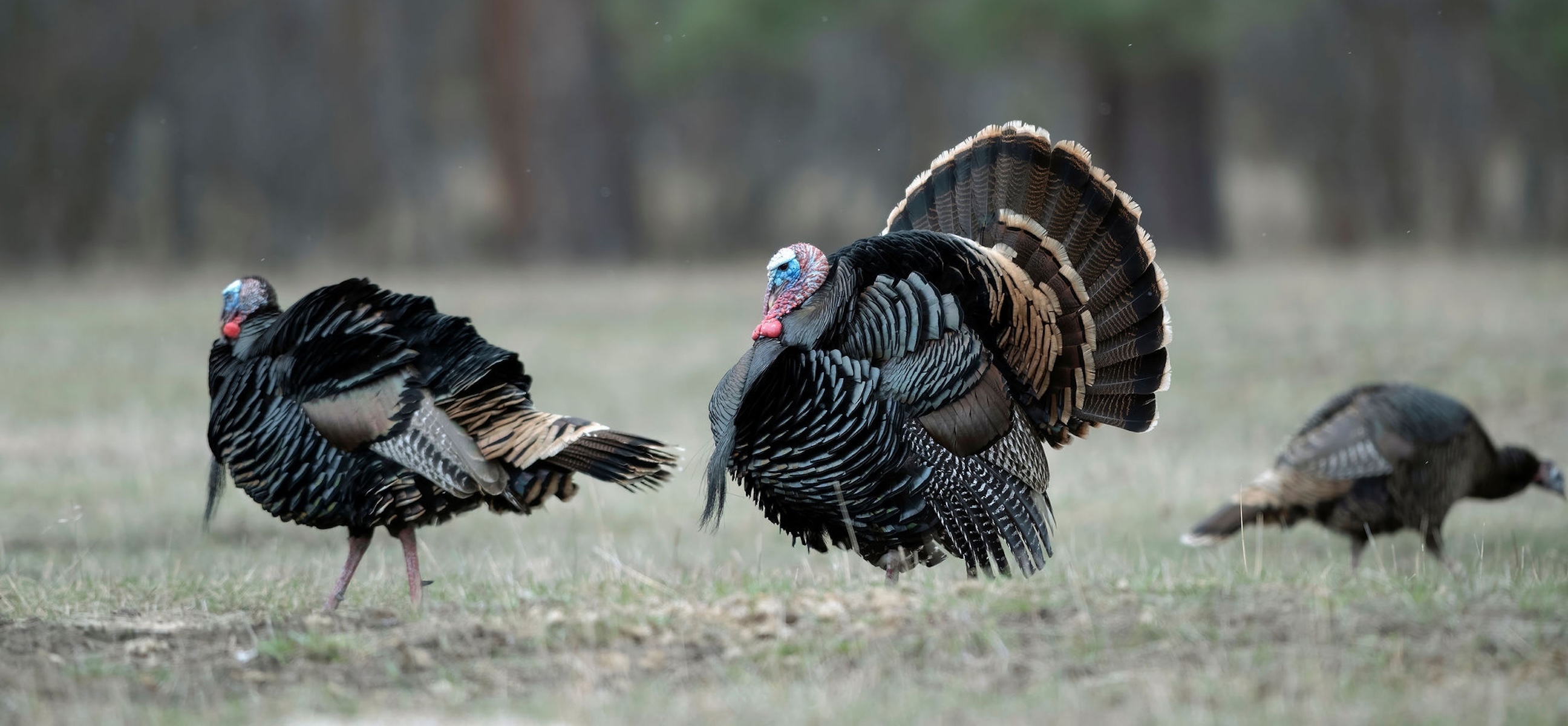
HuntStand App Layers and Tools for Backcountry Turkey Hunting
As Chamberlain sifts through the data, a hypothesis is beginning to take shape. Females are more efficient than males and less costly to reproduce. It makes sense if you think about the risks males take and the cautious lifestyle of a hen turkey.
“We suspect, this is just speculation at this point, but there is a lot of literature showing that males are more costly to produce,” Chamberlain reports. “And if you think about a wild turkey, if you’re to produce a male, you are going to ultimately produce something that has to live until it’s two years old to be able to breed. For the most part, they have to ascend to a position of dominance with their flocks to be a primary breeder. They’re bigger, they’re showier, they’re gaudy. And so, for a female to invest herself, her fitness into this thing with so much uncertainty, that he’ll ever get to that point of being a dominant breeder, there’s a lot of risk involved in that.”
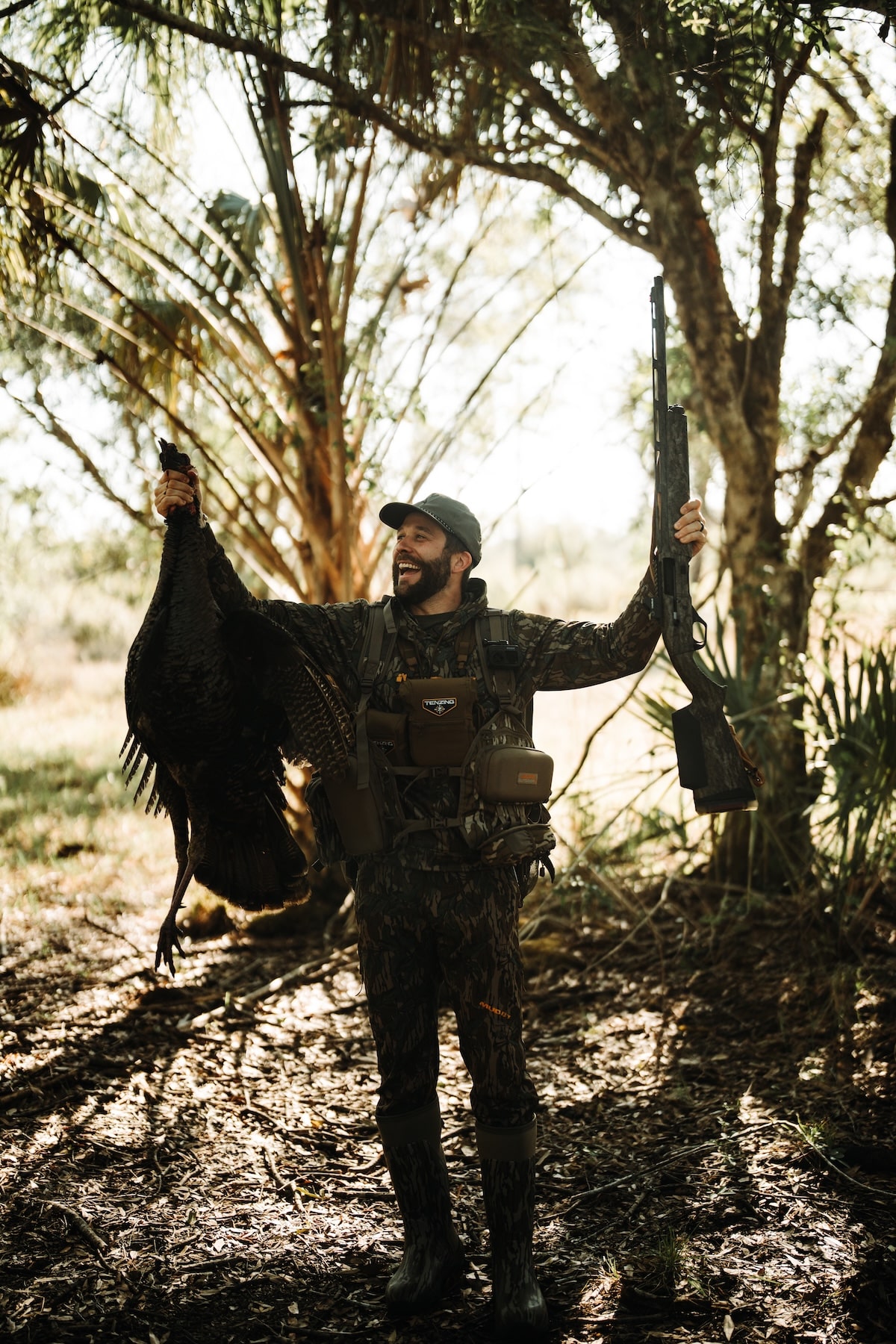
Be part of the wild turkey conservation movement, and they'll be around for generations to come.
To hear more interesting facts about wild turkeys, download the HuntStand Make Your Mark Podcast episode 196 at your favorite app store. Each week host Will Cooper educates and entertains listeners with a variety of seasonal hunting subject matters.