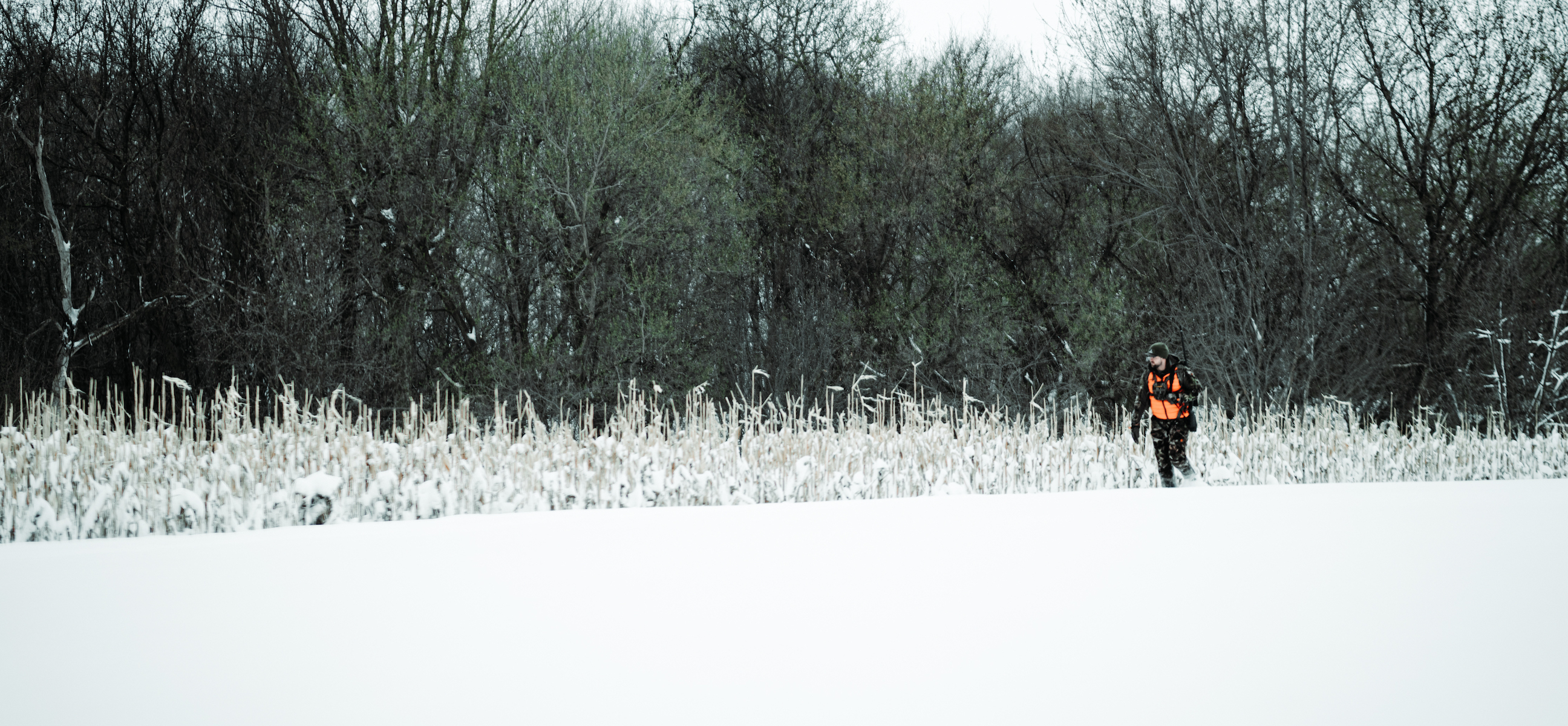




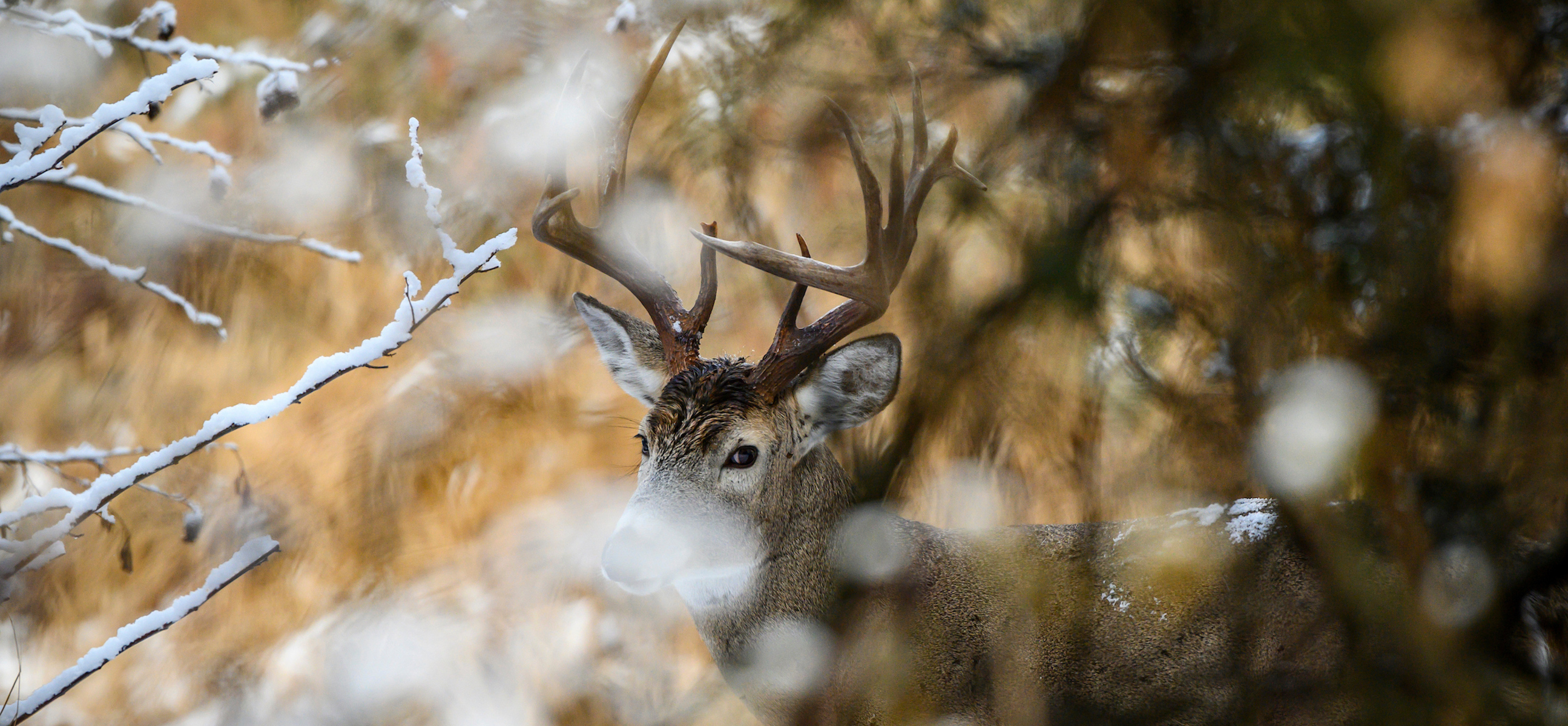

Not to be confused with stalking deer, still-hunting deer is vastly popular in the Northeast, but not so much elsewhere. Much of the Midwest, Southeast, West see some stalking efforts, but are virtually devoid of the former tactic. Even so, thanks to stronghold pockets, it has a devout following, and others who want to learn.
Without question, sneaking up on an unsuspecting buck is a magnificent rush. Slipping within range of a target deer isn’t easy, though. In fact, it’s downright near to impossible. Follow these 21 tips for still-hunting deer this season.
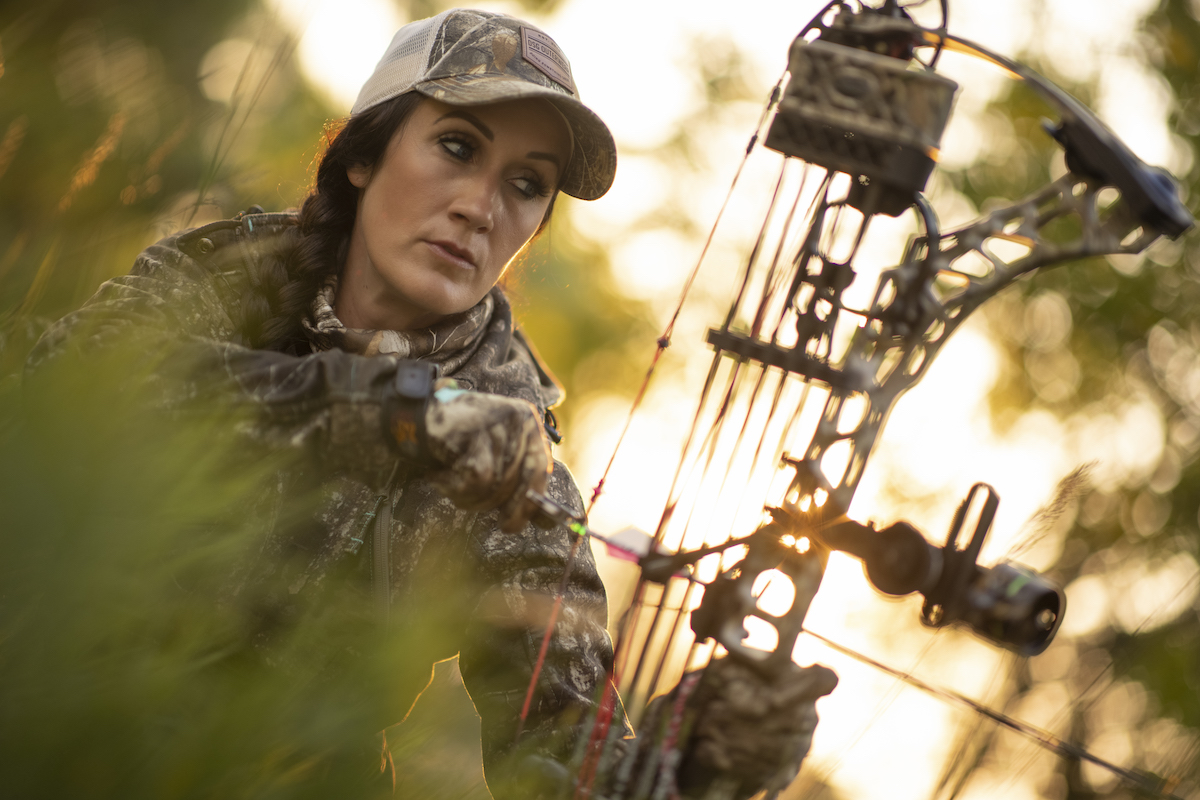

Still-hunting with a gun is difficult, but doing so with a bow is even more challenging.
1. Pick the Right Time
Some timeframes are more conducive to still-hunting than others. For example, times when deer are distracted are easier. Days when deer are on edge are more difficult. Selecting days that register as the former is wise, such as during the rut.
2. Wear Quiet Clothing and Shoes
Loud material won’t make it far on a still-hunt. The swish-swish-swish must go-go-go. Choose a quieter material, such as fleece, wool, or a low-noise synthetic option. Find something that won’t give you away during the approach.
3. Mind Your Layers
Still-hunting is a slow process. It isn’t quick. Even so, you sweat. You remain warm. And it’s important to mind your layering game. Too much clothing can produce excess heat, sweat, and scent. Wear the right volume of clothing. Moderate your body temperature.
4. Choose Your Target Area
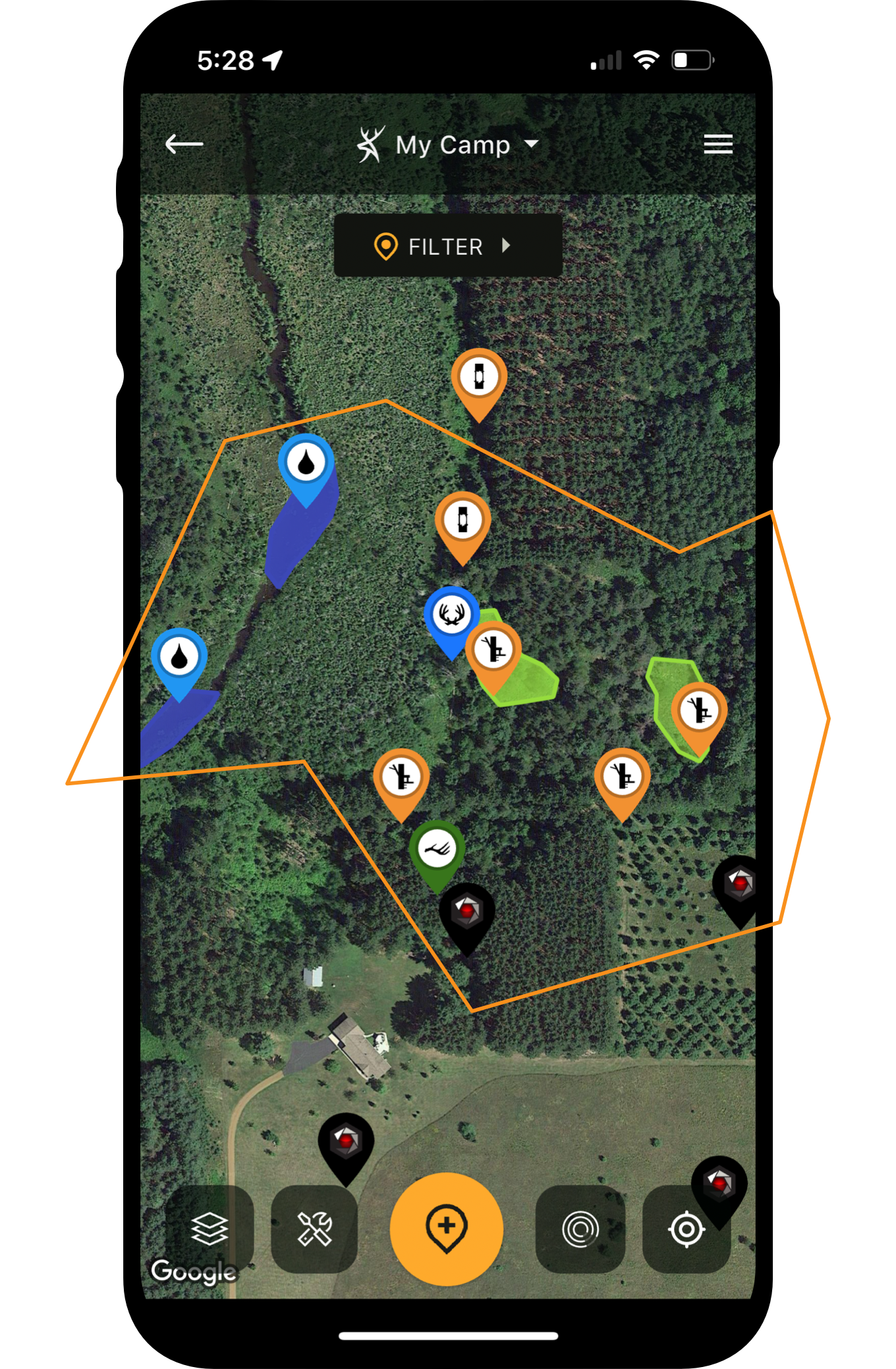
A still-hunt is only as good as the area chosen. You can’t shoot a deer if it isn’t there. So, think about the circumstances and select a target area accordingly. If you think the target buck will be there, go for it. Study HuntStand app layers such as 3D, Contours, Mapbox Satellite, Monthly Satellite, National Aerial Imagery, Terrain, Whitetail Habitat Map, and more, to select the right stretch of land.
5. Plan Your Approach
Likewise, the still-hunt is only as good as its route, too. The general area might be right, but the route taken poor, leading to a negative hunt. So, plan the approach in a tactful manner. Use some of the same above layers to help chart the best trails.
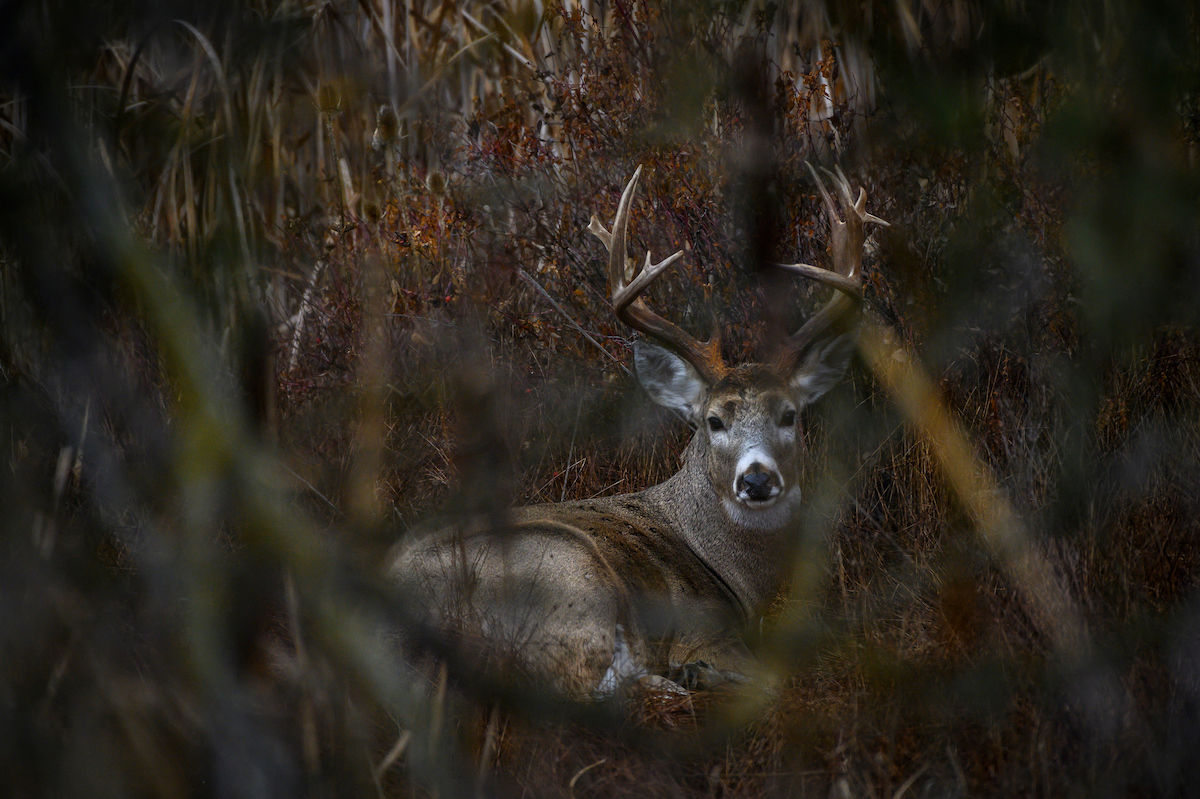
Oftentimes, successful still-hunters tag target deer in their beds.
6. Start at a Good Location
Most successful still-hunting efforts start with a good beginning. Sometimes, this is from a good vantage point. Other times, it’s slipping into the backdoor of a bedding area. Regardless, choose a location that puts the odds more in your favor.
7. Circle to Get the Wind
Keeping the wind in your nose, or at worst a crosswind, is important for successful still-hunts. Keep a constant eye on wind direction. Use HuntStand’s HuntZone wind direction indicator to see how it will change throughout the day.
How to Work the Wind When Stalking Deer
8. Walk the Right Way
A staple amongst good still-hunters, walking discreetly and quietly are must-learn skills. Learning to walk the right way is crucial. Understanding how to move through cover without drawing attention visually or audibly is a time-tested ability.
9. Keep an Eye Out for Fresh Sign
Look for fresh deer sign as you slowly move across the landscape. This might encourage your route selection. It might also help call an audible. Regardless, keep an eye out for it, and implement that most-recent-intel into your hunt plan.
10. Listen for Subtle Clues
In addition to looking for deer sign, listen for it, too. Sometimes, if the wind is low, and the deer active, you might hear them from afar. Vocalizations and fights can carry across the landscape. Be still and register those sweet notes. Then, move in.
11. Benefit from Edge Cover
Visual cover is necessary for success. Using edge cover to shield your approach, and periodically easing to the edge to scan the surroundings, is a good method. Of course, deer are likely to be bedded in the same edge habitat. Keep your eyes peeled.
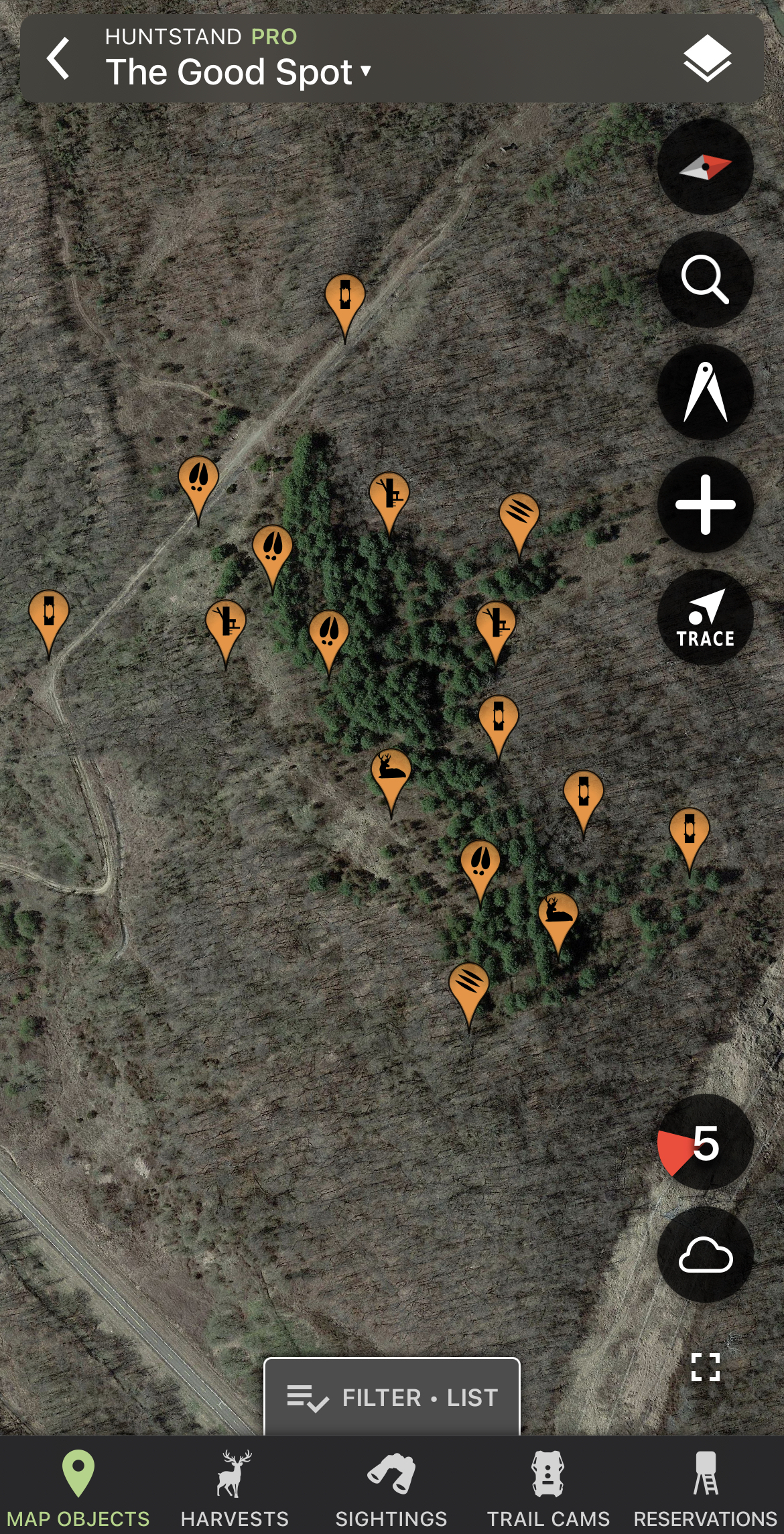
Study your Map Object scouting notes to plan your still-hunt route.
12. Use the Terrain as Concealment
Rolling terrain is a hunter’s friend. A shoulder-high ditch can offer great cover. The backside of a ridge line can do the same. Other terrain features can, too. So, when possible, use these as visual concealment.
13. Stick to the Shadows
Whitetails are very adept at pinpointing movement. Draw less attention to yourself by remaining in the shadows. This should reduce the odds of a deer seeing your movement across the landscape.
14. Use the Conditions to Your Benefit
Days with rain, wind, and a soft ground are ideal for still-hunting. These make it more difficult for deer to see or hear you coming. So are days with a soft, wet snow on the ground. But that’s more for tracking purposes than concealment.
10 Steps to a Successful Deer Drive
15. Glass Often
Spend far more time stationary and glassing than moving, and you’re much more likely to succeed. Rather than constantly walking, lean against a tree and glass for deer. Don’t look for the entire deer, though. Rather, scan for an ear, nose, leg, or general movement. You’ll spot far more whitetails that way.
16. Adapt to Shifting Conditions
Things change constantly in the deer woods. Learning to adapt to shifting conditions is an ability all hunters must master. Without it, there’s no way to overcome the inevitable challenges that await.
17. Be Painfully Patient
Patience is a still-hunters best friend. Being the most patient critter on the property is what it takes to outwit mature bucks from the ground. Moving slowly, and not being quick to move, are key elements.
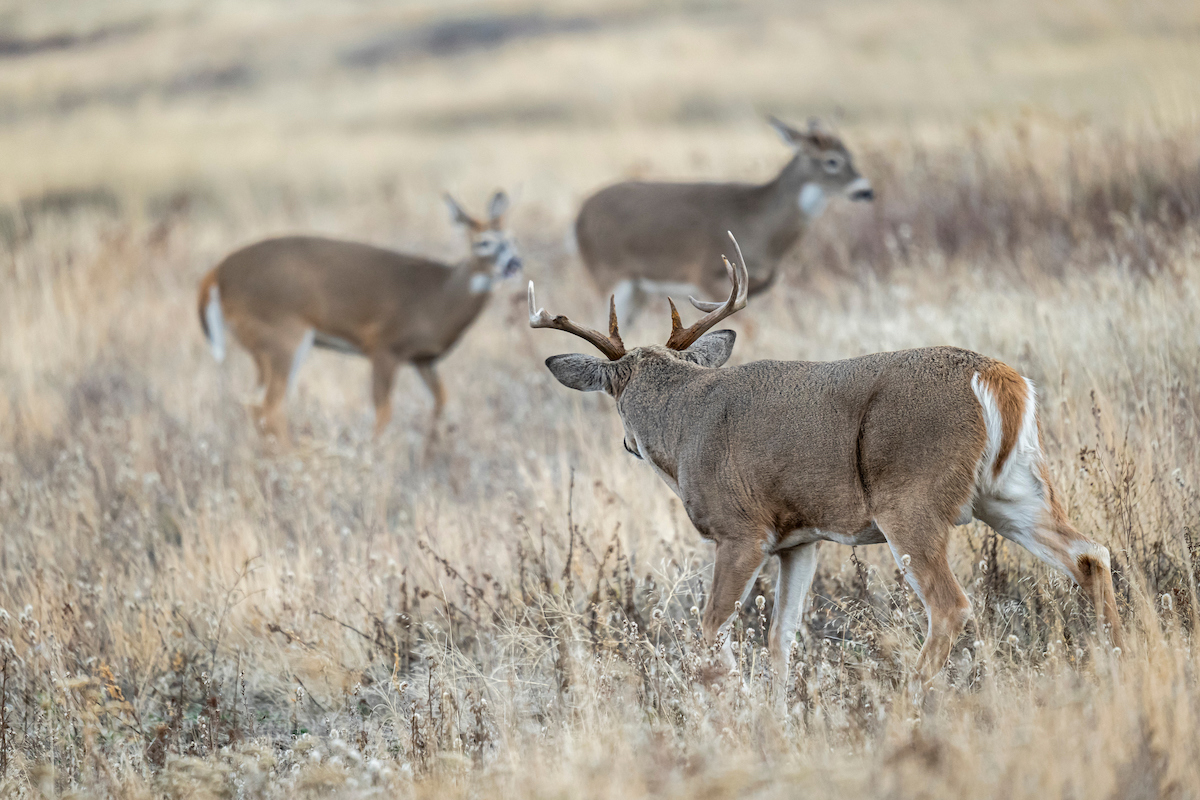
Deer that are distracted are far easier to still-hunt than those that are not.
18. Look for Movement
As the still-hunt continues, constantly scan for movement. Maybe it’s an ear twitch, tail swish, or leg movement. No matter the source, be on the lookout for motion. That’s the best way to spot bedded and mobile deer alike.
19. Pay Attention to Body Language
Understanding a deer’s mood by analyzing its body language is an important part of knowing when and how to react to a deer. For example, if it’s on edge, it might not be best to move closer to it. If it’s calm, you might be crazy not to creep closer to get within range.
20. Move When Eyes Are Concealed
When you finally move forward, do so when the deer’s eyes are concealed. Maybe these are behind cover. Perhaps they’re looking dead away. Regardless, do your thing while the deer’s eyes are covered or distracted.
UPGRADE TO HUNTSTAND PRO WHITETAIL
21. Know When to Shoulder or Draw
Knowing when to shoulder or draw your weapon is a big part of the process, too. Naturally, there are poor times to draw your bow. Don’t draw when deer are drinking. They’re on edge and still using their eyes. In contrast, while eating, they keep their eyes on their food.
Also, don’t draw if the deer is alert and looking in your vicinity. Deer have a 310-degree field of view. They’ll spot you quickly.
Furthermore, don’t raise or draw when other deer are looking. If multiple deer are nearby, the target animal isn’t the only one to watch.
And don’t fall for that head-bobbing deer. It’s seen something it doesn’t like. And you’re just trying to survive the moment. Don’t ruin it by falling for the trick.
Of course, there are good times to shoulder your gun, raise your crossbow, or draw your compound or recurve. Examples include when you’re concealed. Or, when their head is covered; when they’re focused on something else; when they’re looking straight away; when they’re eating; or when deer are moving.
In conclusion, if you decide to try still-hunting deer this fall or winter, don’t forget the methods and tactics that take bites out of the challenge. Do that, and it’ll shorten the learning curve and increase the odds of success this season.
15 Ways You Aren’t Using HuntStand Pro Whitetail, But Should Be