




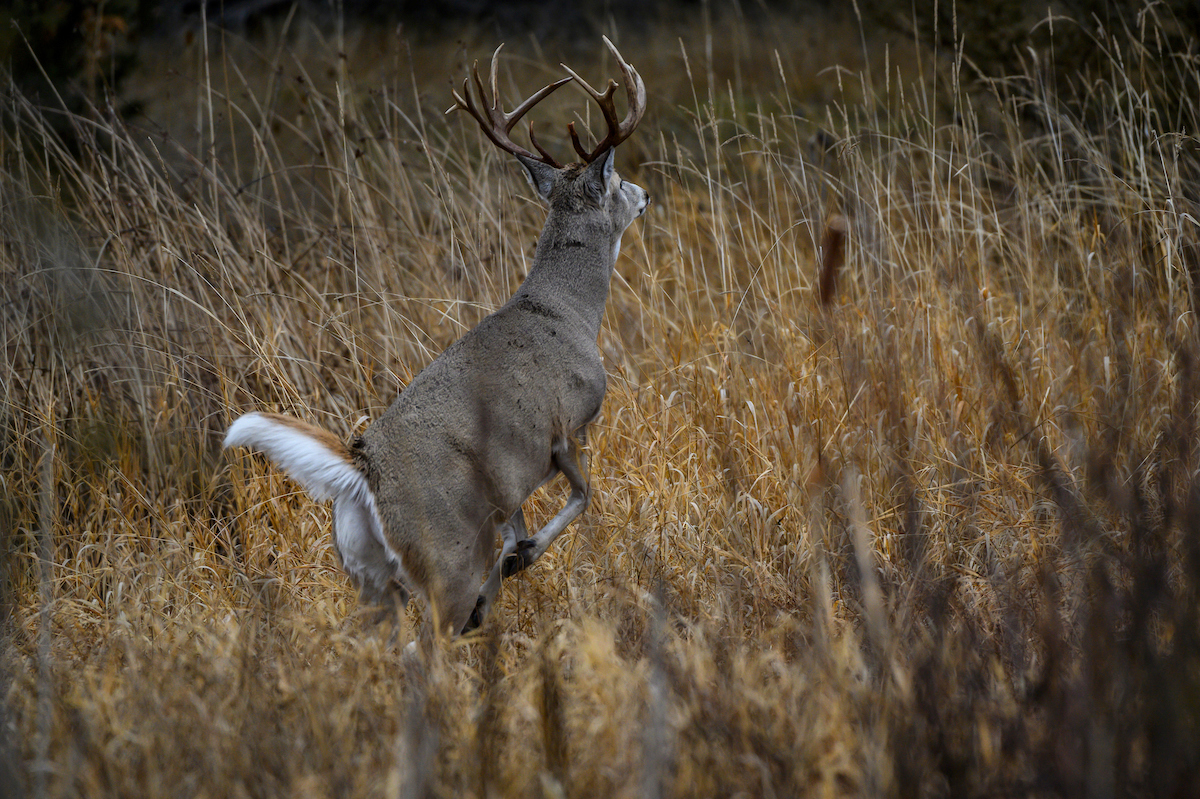

Deer drives are still effective, especially if conducted safely and properly.
Deer drives were once a popular deer hunting tactic. And, even today, some states have deer hunting cultures that really embrace this style of hunting. But I’d argue the art of a successful deer drive has largely been forgotten.
If a successful deer drive is on your list of to-dos this season, it’s important to follow certain steps to get there. Sometimes, a little nudge is all you need to kill a big whitetail. Other times, it’s a more intense push. Here are 10 steps to a successful deer drive.
Set up safe shooting windows for each shooter participating in the deer drive.
1. Know the Rules
Hunters should always follow hunting regulations. Always follow the state agency’s game laws. Some states have guidelines on what you can and can’t do when it comes to deer drives. Furthermore, keep communication devices in mind. Some states consider it unlawful to use any kind of electronic devices in the effort of taking game. Read the regs before heading into the deer woods. Everyone should wear hunter orange, even if it isn’t required.
HuntStand Help: Hunt a lot of different places with different regs? Make typed notes in each Hunt Area that list the relevant state regulations and group rules that are specific to that property.
2. Pick a Team Captain
It’s best to have one of the drivers lead the charge. That way, they can help direct everyone and help keep every individual safe. Don’t leave anything to chance. Pick a deer drive boss to keep the train on the tracks. Deer drives tend to get exciting, after all.
HuntStand Help: The captain should lay out the game plan, which brings us to the next step.
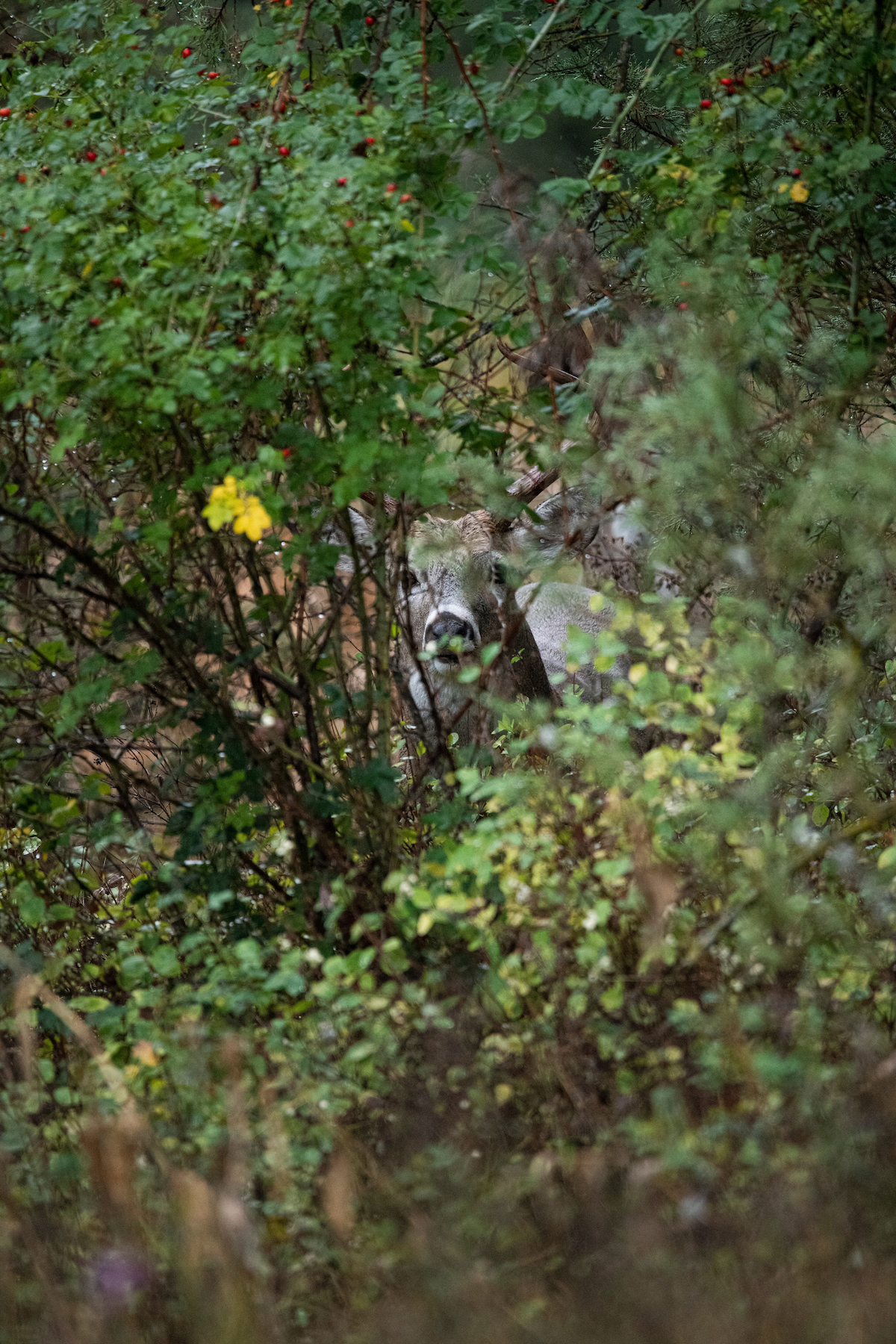
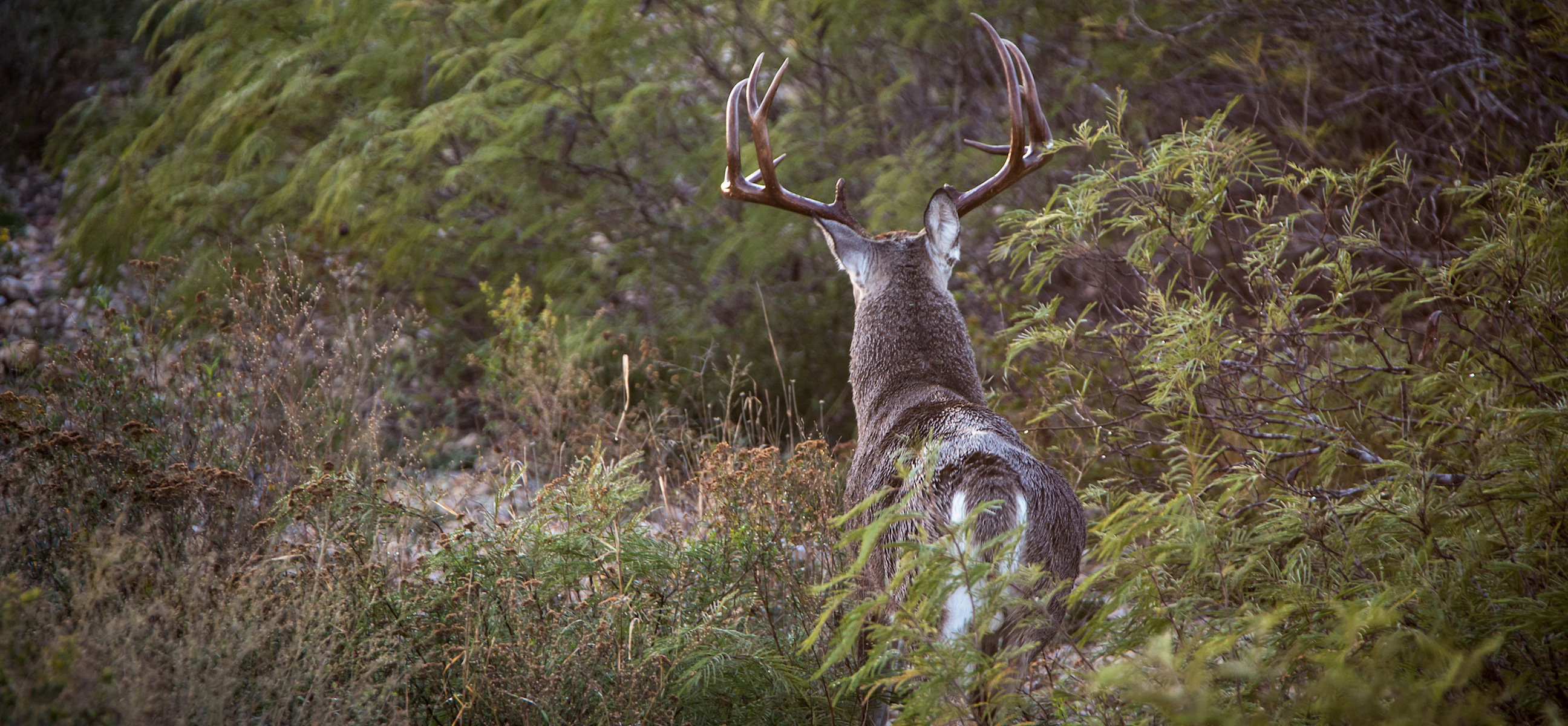
Sometimes, mature bucks don't immediately bolt. It's not uncommon to walk within 30-40 yards of a bedded buck and it remain in place, only to slip out the back door.
3. Craft a Safe Plan
Deer drives, like any form of hunting, come with certain safety risks. People are moving around in a shuffleboard manner. That said, with a well-crafted plan that emphasizes safety, it can be a safe, effective tactical approach.
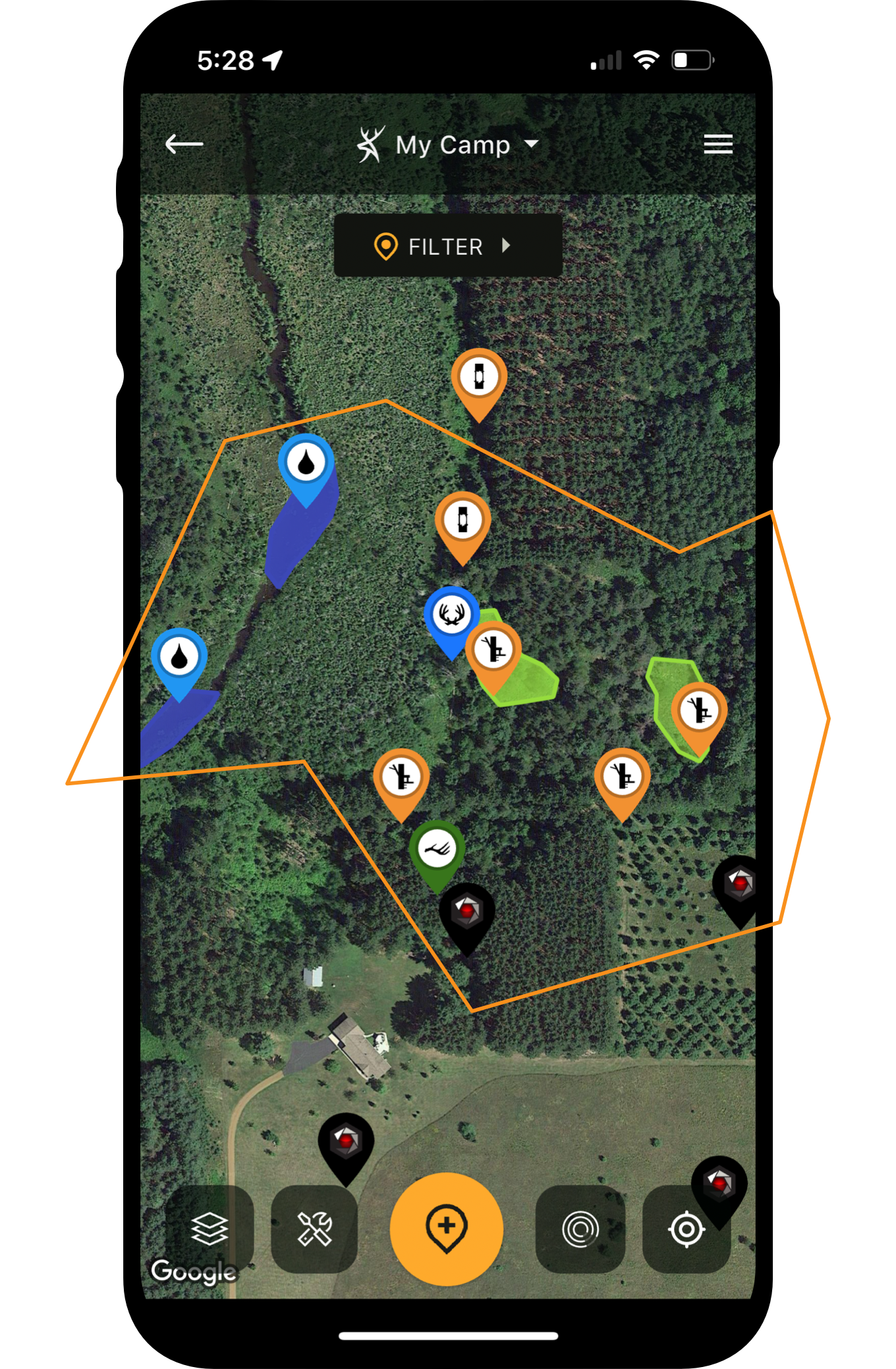
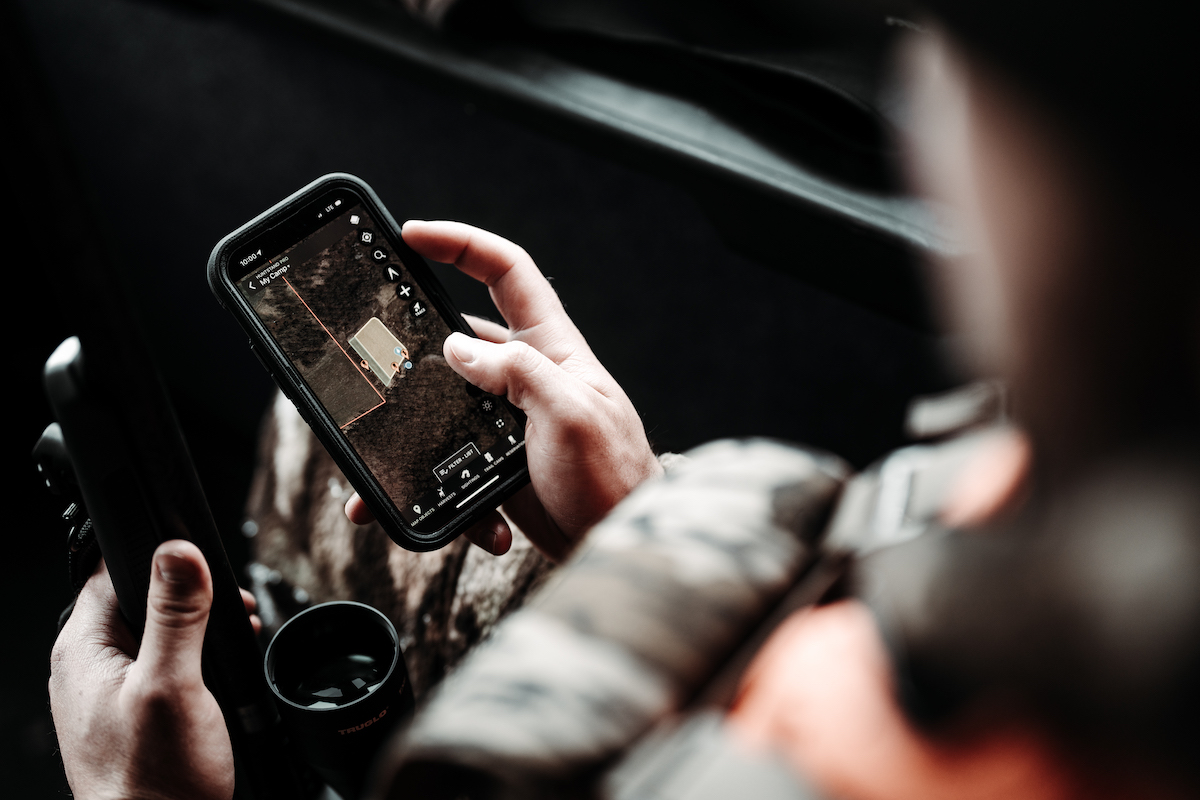
HuntStand Help: With the help of a HuntStand Hunt Area, pinpoint the bedding areas of interest. Mark the push areas, starting points, drive routes, ending points, shooter positions, shooting zones, and more. Invite all hunters present to access this HuntStand Hunt Area.
How to Find Deer with Topo Maps
4. Chart Your Course
Before anyone heads afield, print out an aerial map, or sync all hunters to the HuntStand hunt area, and chart lines of movement for each driver’s path. Don’t stray from the designated lines and stay close enough that you can see each driver to the left and right.
Of course, the shooter needs to know what each driver’s path will be. Give an approximate time to complete the drive so the shooter can expect your emergence. Stick to that schedule.
HuntStand Help: Each driver should observe the drawn-out deer drive routes. Unless an unexpected barrier or safety issue arises, they should do their best to remain on those lines of movement. Observing the HuntStand Hunt Area deer drive game plan can help with that. When you reach the end point, stop, and wait until the deer drive boss signals to everyone that the drive is over. (That’s usually a loud whoop, whistle, or holler.)
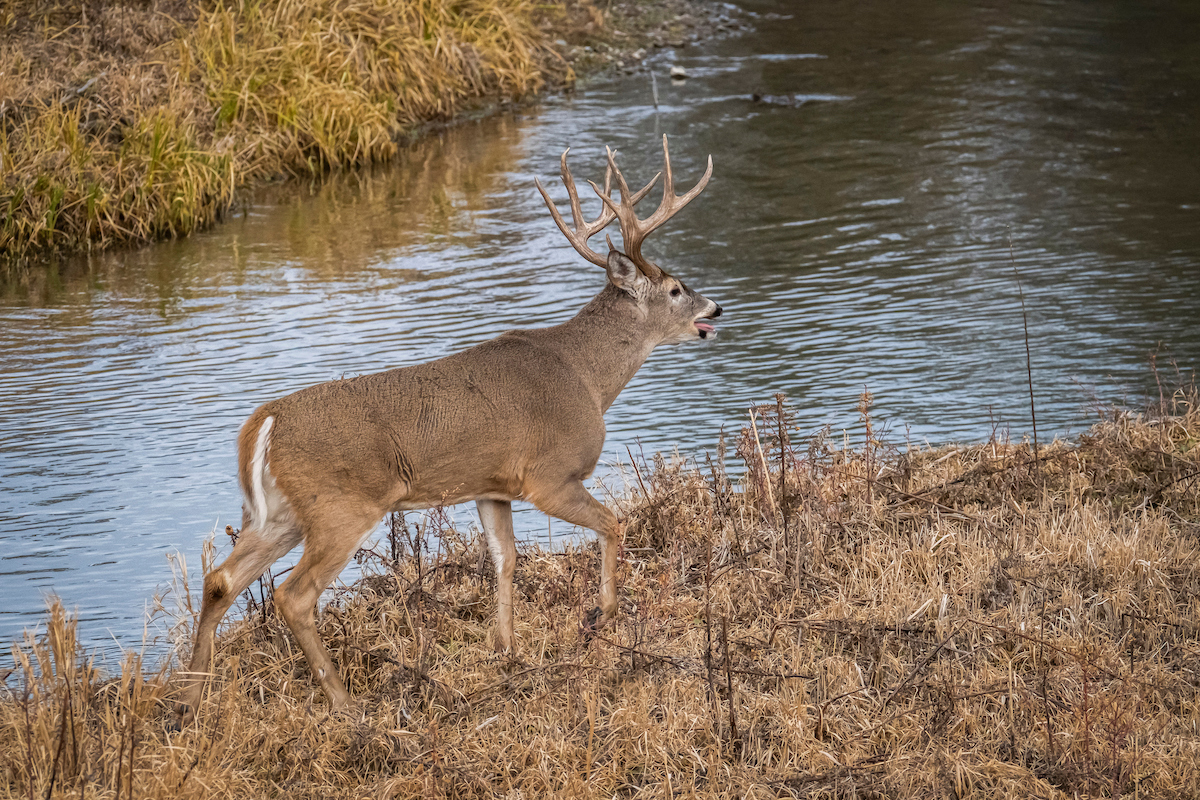
While deer are likely to cross waterbodies to avoid danger, these can sometimes serve as blockers to help funnel driven deer.
5. Place Shooters Wisely
Those standing behind the gun should get into position before the drive begins. Stay away from the pockets of cover the drivers will walk through. If there is more than one shooter, they should locate in a manner that doesn’t interfere with each other and in positions that leave them with safe backgrounds (with no people or objects in the distance) to shoot toward. Much like when bird hunting, each individual shooter should have a window of shooting opportunity. Never shoot at deer outside of that window. This is important for safety reasons and for the sake of not shooting a deer in another hunter’s “zone.”
HuntStand Help: As with the drivers, the shooters should analyze the game plan within the HuntStand Hunt Area and determine where they are supposed to post up. Furthermore, their safe shooting windows should be illustrated in the Hunt Area. Of course, once in the field, verify these are in fact safe. Things can look differently.
6. Direct Drivers Accordingly
Just as safety is important with the shooters, it’s also important with the drivers. Make sure each driver knows where everyone else is. That’s crucial.
Drivers should be spaced out just far enough that they aren’t pushing the same area, but close enough they can still see each other through the undergrowth. Position everyone too close and you’re covering the same area. Position too far and you leave gaps for deer to slip through and go the opposite way. It even leaves room for safety issues to arise.
HuntStand Help: With everyone in position, use the Friend Locator tool to keep track of everyone’s location. This can aid in ensuring no one shoots in another hunter’s direction. It can also help get you back on track if you get lost during the push.
How Mature Bucks Use Water
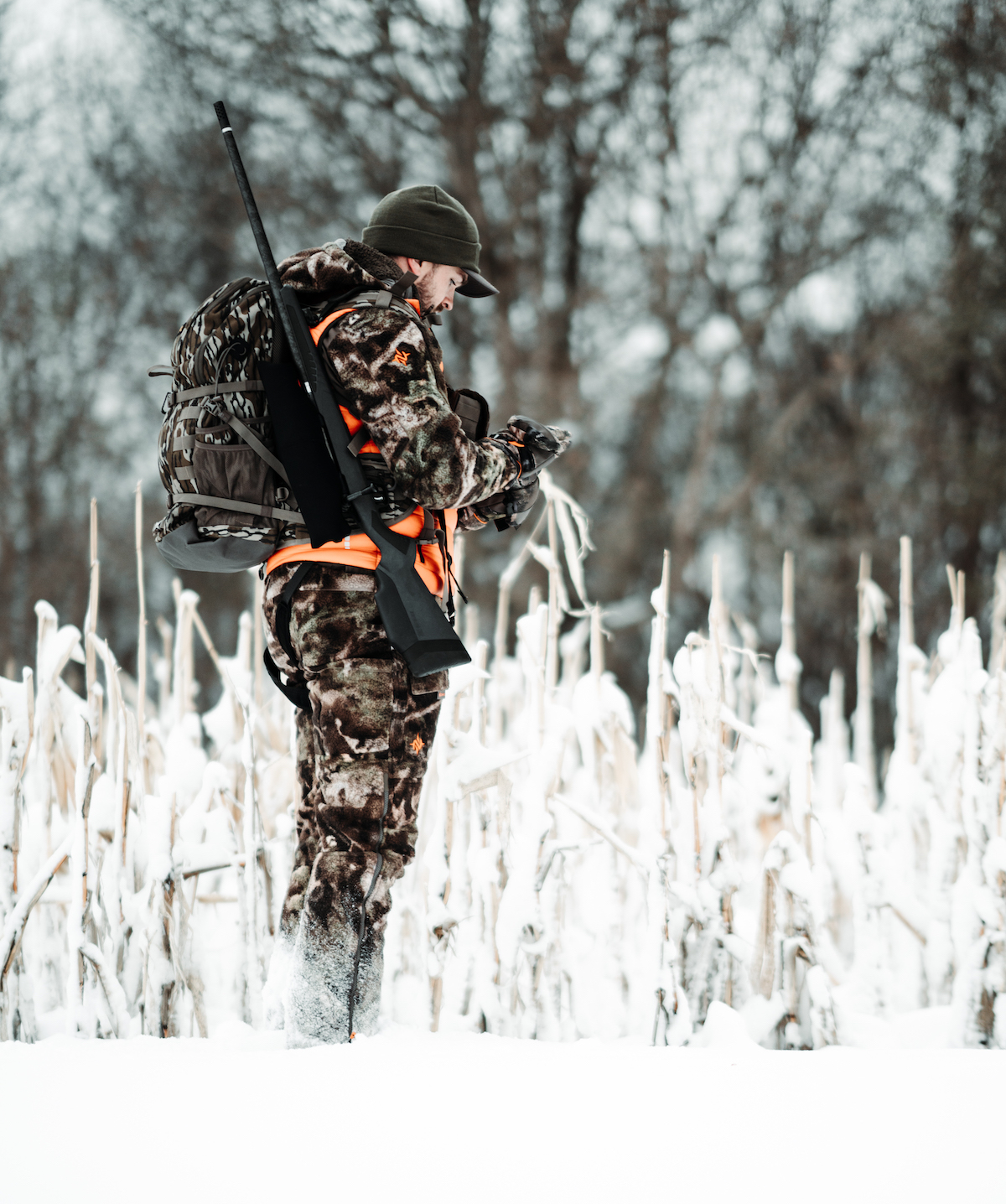
Use HuntStand to keep track of the deer drive plan and where everyone should be.
7. Have Extra Spotters
In hill country, having someone watch from a high vantage point can be extremely beneficial. Sometimes, this is the shooter. Other times, it isn’t.
It’s not uncommon for deer to react to the drive in such a way that the drivers nor shooters never see them. Having a spotter observe where deer go (when safely possible) can be very helpful. If a deer slips by unnoticed, simply put a stalk on the deer, or reorganize for a second push.
HuntStand Help: If the spotters see a target deer, they should use a Map Object icon to mark where it was last seen, and which direction it traveled.
8. Kick It Off
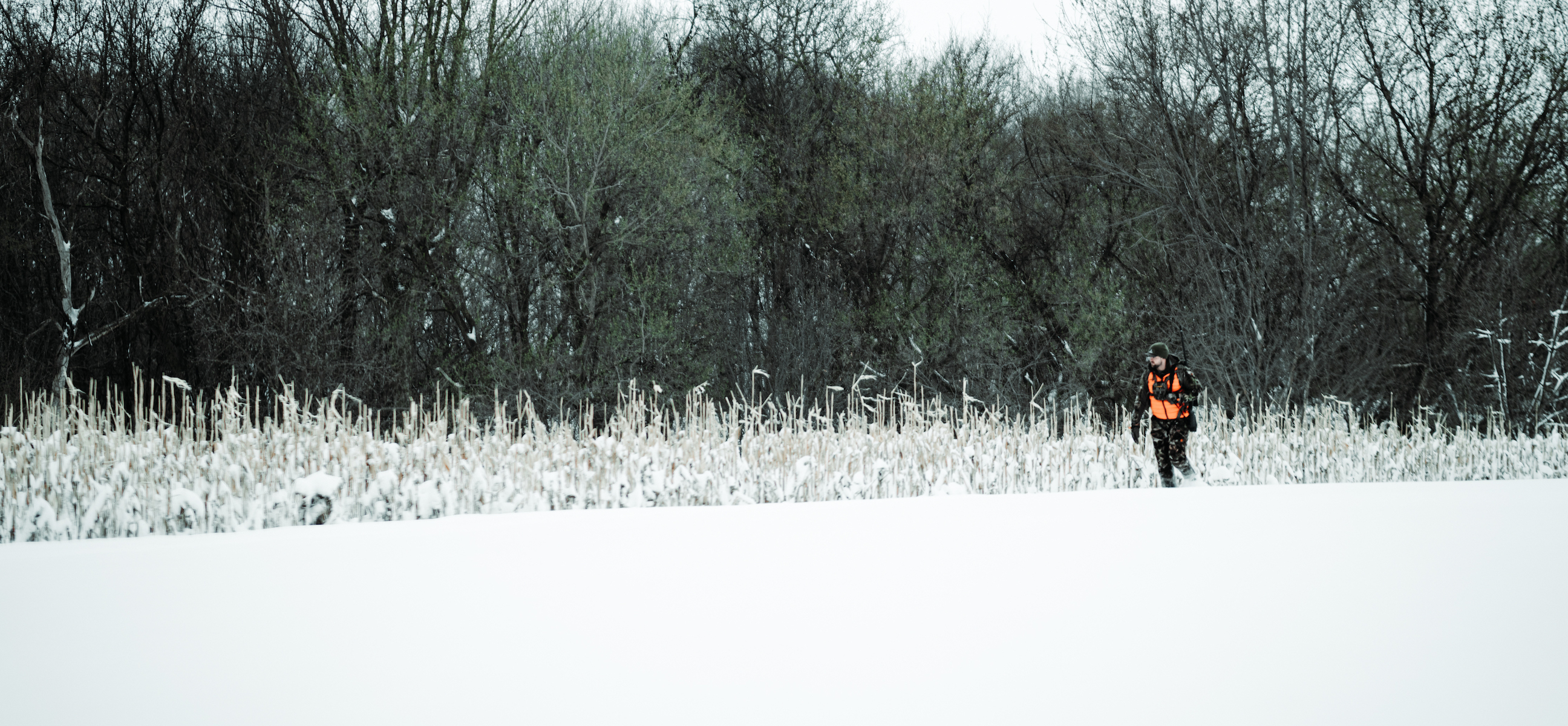
Everything is ready. It’s time to begin the drive. Slowly walk through the cover. Everyone should agree on and keep the same pace as the entire crew follows their routes. Don’t outpace others. You want everyone finishing the drive simultaneously.
It’s best for everyone to move slowly. Walking too fast, or running, will blow deer out the opposite side. Instead, move slowly, and if possible, allow the wind and/or your subtle sounds to push deer out. Doing this gives the shooter a better chance of success, because the deer shouldn’t be as spooked or moving as fast.
HuntStand Help: Again, continue to use the Friend Locator tool to ensure that you and everyone else is on the right track.
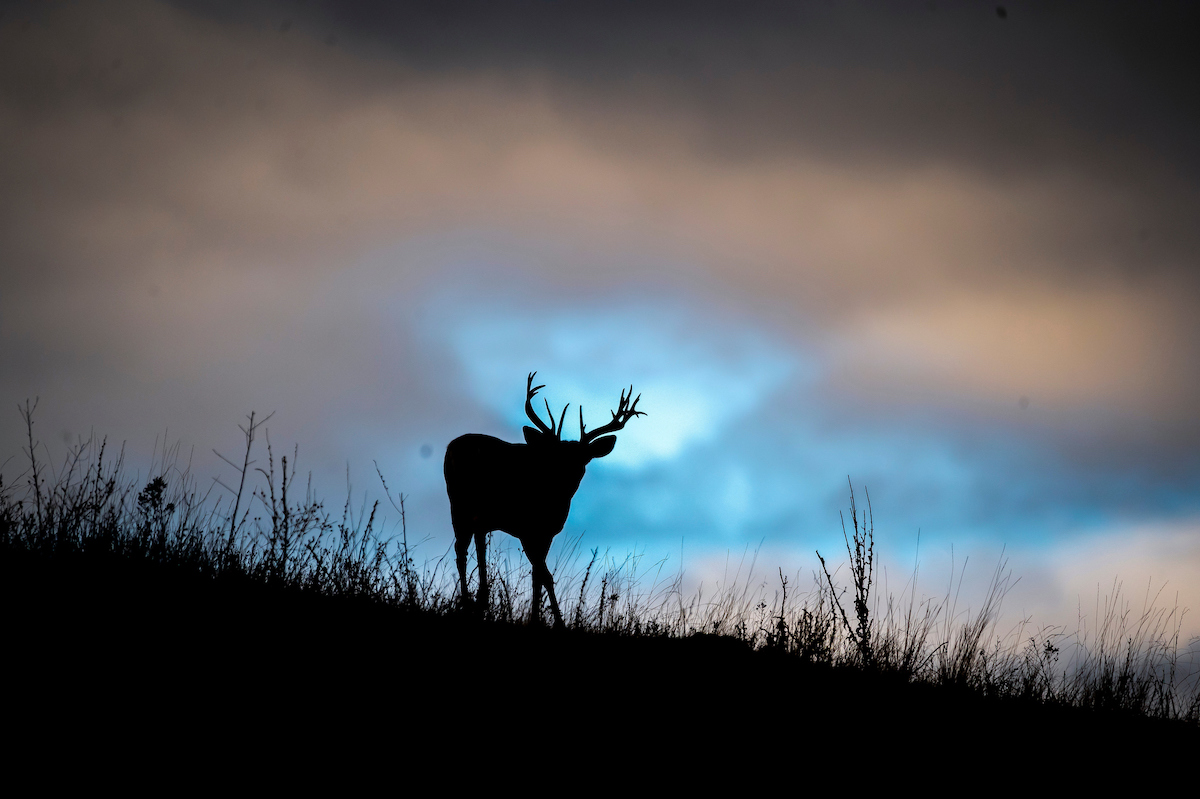
Never take a shot at a sky-lined deer.
9. Think About the Neighbors
If hunting small properties, keep in mind that deer drive pressure will likely push deer to spend more daylight hours in thick bedding cover. It might even shift some deer to neighboring properties. Therefore, consider implementing drives at the end of deer season. Or use deer drives for the last time you’ll be able to hunt the property.
Additionally, you might even craft deer drives in a manner that keeps deer on the land you’re hunting, at least in the short term. This increases the likelihood that the deer will remain on that tract of land instead of running onto neighboring properties.
HuntStand Help: Studying various app layers can help reveal escape routes that deer might follow. If the situation calls for it, and there are no safety issues, consider posting additional hunters along these escape routes.
How to Work the Wind When Stalking Deer

Use the Friend Locator tool to help unsure you aren't shooting toward someone else.
10. Bring It Home
Personally, I believe it’s best and safest that drivers don’t carry firearms. However, I know that some do and will continue to do so. For those hunters, if they push a deer out and the designated shooter(s) don’t get a shot at the deer, sit down, and wait for that deer to come back.
Oftentimes, spooked deer will run a short way before circling downwind to re-enter the bedding area you just bumped them from. Why do they do it? Who knows. But they do. Being there when they come back is a good way to fill a tag. After all, the drivers earned the shot from all the walking they did, right?
HuntStand Help: Deer routinely circle downwind when bumped in bedding cover. Use HuntStand’s HuntZone wind direction indicator to predict how deer will return to their sanctuary.
15 Ways You Aren’t Using HuntStand Pro Whitetail, But Should Be