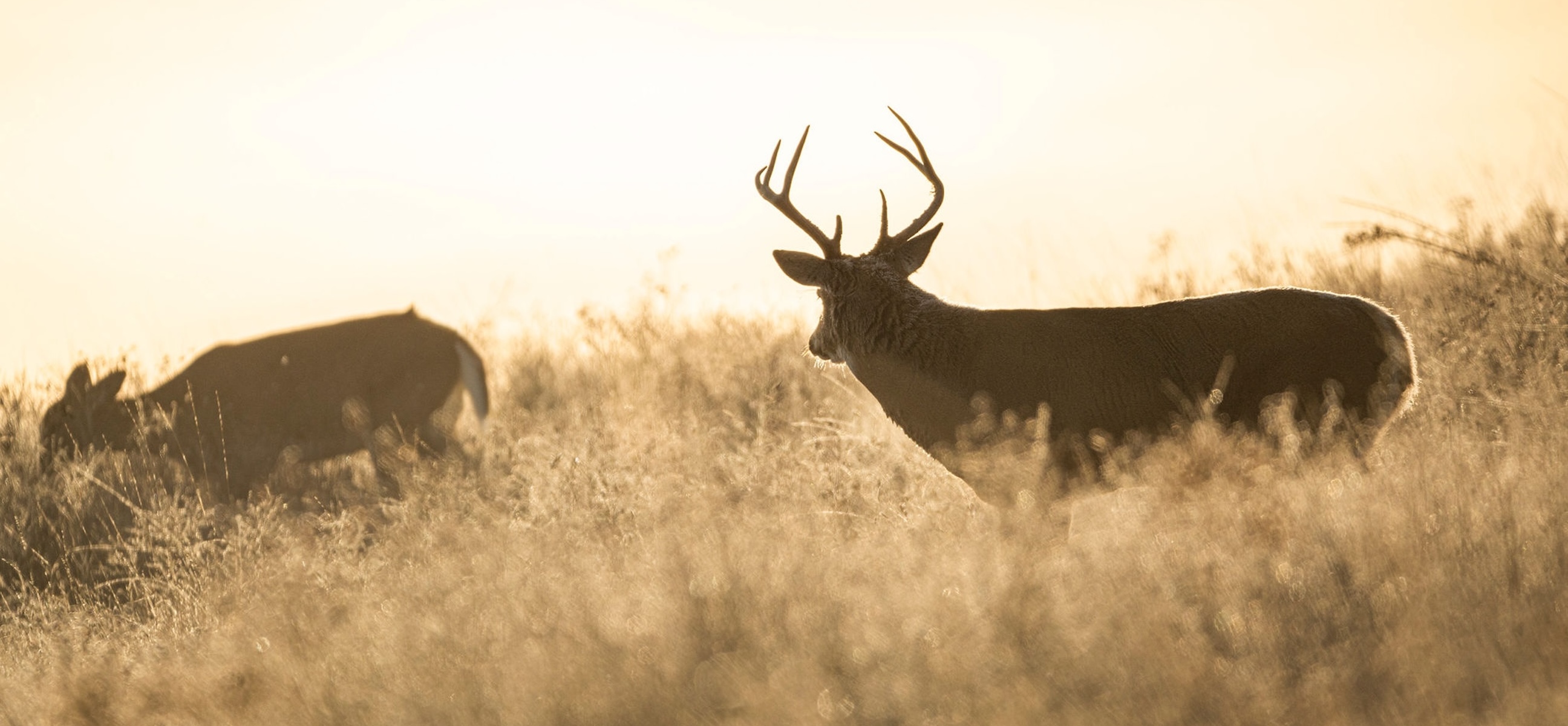






Whitetails are more abundant. And mule deer populations are in decline, yet still have huntable populations in most areas. So, should you focus on whitetail and mule deer combo hunts? For western deer hunting trips, should you hunt whitetails and muleys simultaneously? Should you be more opportunistic? Read on for more.

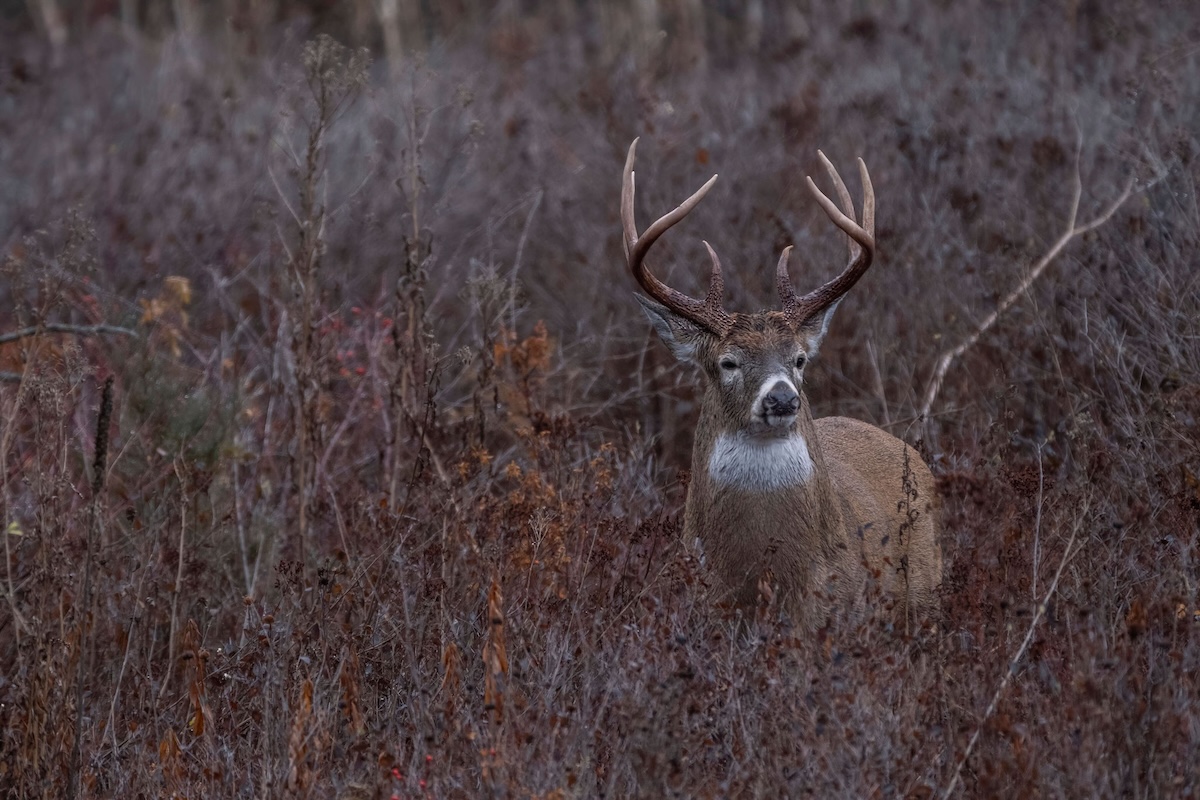

Much of the West is crossover country holding both populations of mule deer and whitetails in close proximity to each other.
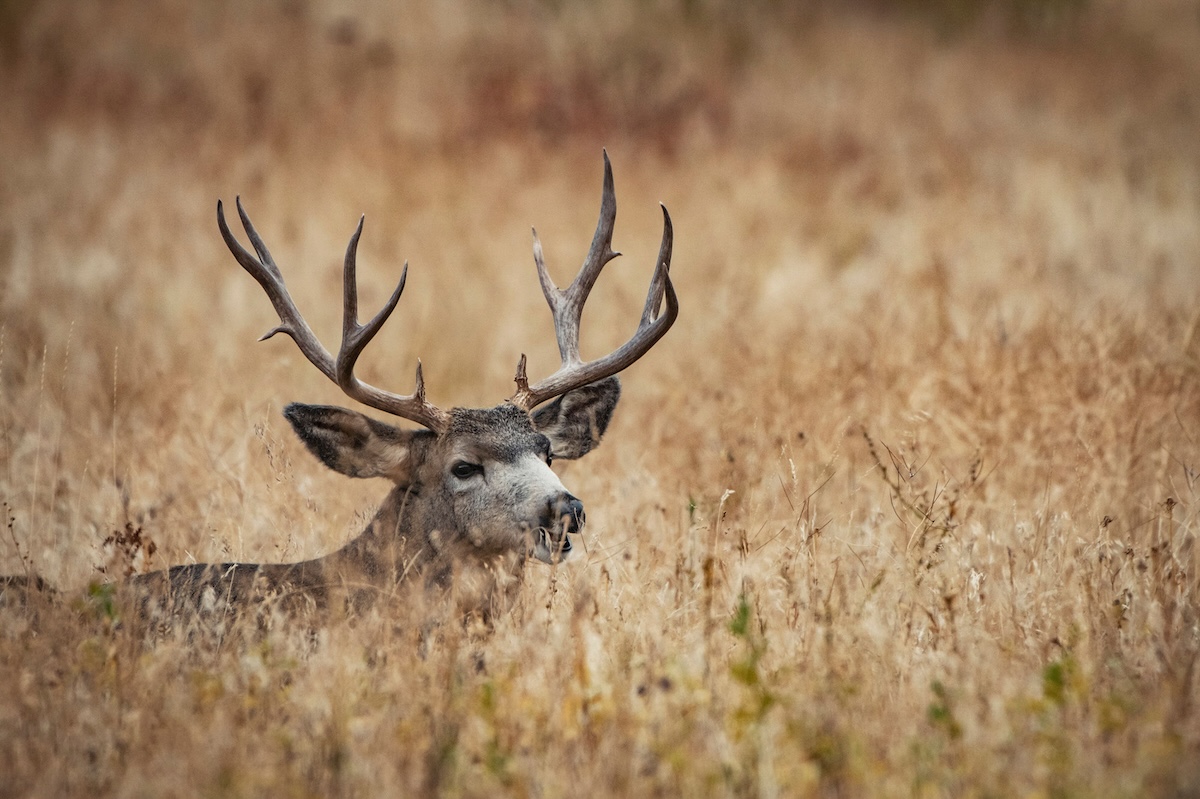
For generations of hunters, visiting the West meant the opportunity to hunt mule deer, a close cousin to everyone’s favorite big game species, the whitetail deer. The opportunity still exists, but the world is ever changing, including the world of the mule deer.
Mule Deer in Decline
For generations of hunters, visiting the West meant the opportunity to hunt mule deer, a close cousin to everyone’s favorite big game species — the whitetail deer. The opportunity still exists, but the world is ever changing, including the world of the mule deer. In short, the future is not bright.
States like Wyoming have seen populations crash upwards of 50%, and in recent public statements, do not see the numbers recovering … ever. The creation of several organizations to research the mule deer dilemma includes the Western Association of Fish and Wildlife Agencies Mule Deer Working Group. It combines the efforts, research and funding of Western government agencies, and conservation organizations, to study mule deer struggles.
The Mule Deer Foundation was formed in 1988 to address this same concern and to date has funneled millions to the cause. One contention many ask these organizations is whether the increase in western whitetails has anything to do with the plummeting mule deer numbers. So far, no conclusive evidence exists to back this argument.
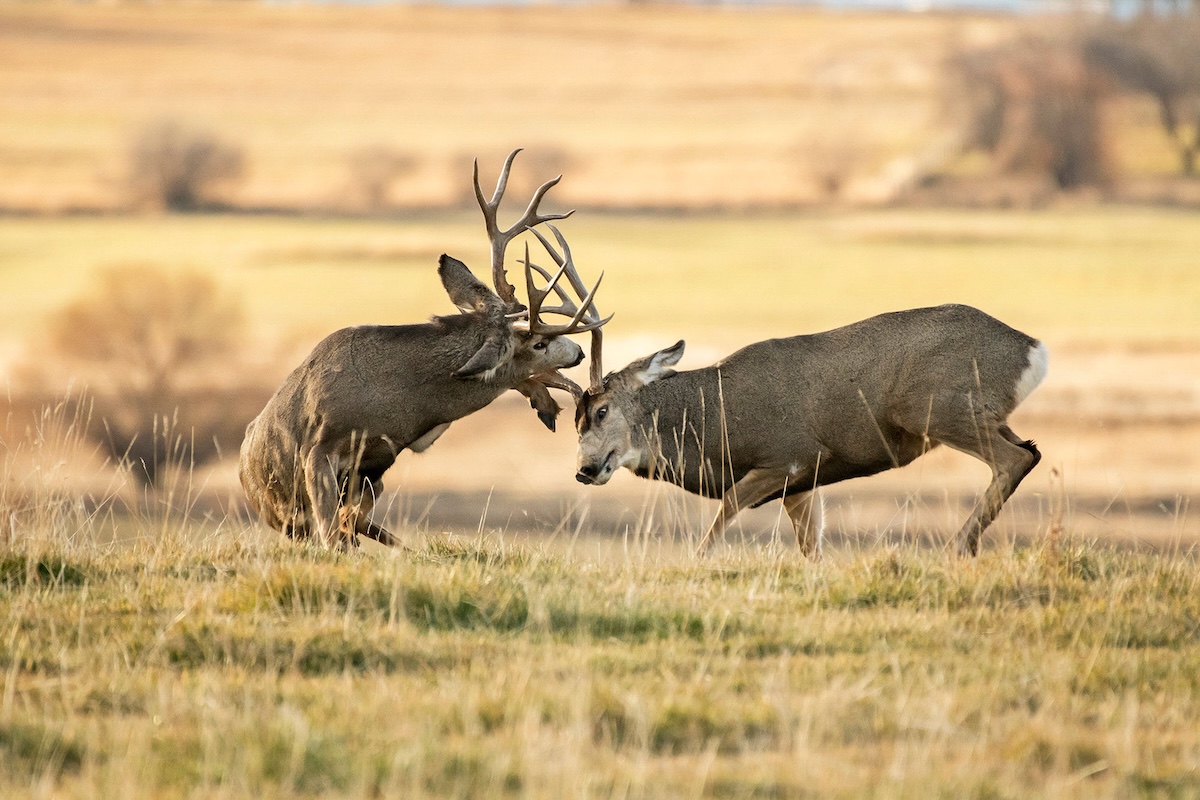
The same goes for increasing numbers of elk and whether that affects mule deer populations. Again, no conclusive evidence stands out. Mule deer and whitetails meet in crossover zones, such as browsing areas, but live in different habitats (for the most part). The same is true of elk that are grazers and rarely compete with mule deer for food, as muleys are browsers.
What you need to take away from this is that, when hunting the West, your efforts for mule deer could be challenged. Fortunately, in many areas, mule deer and whitetails exist in close proximity. Your license might be good for either or you might simply wish to focus on a big-country whitetail buck.
The Best Days of Deer Season

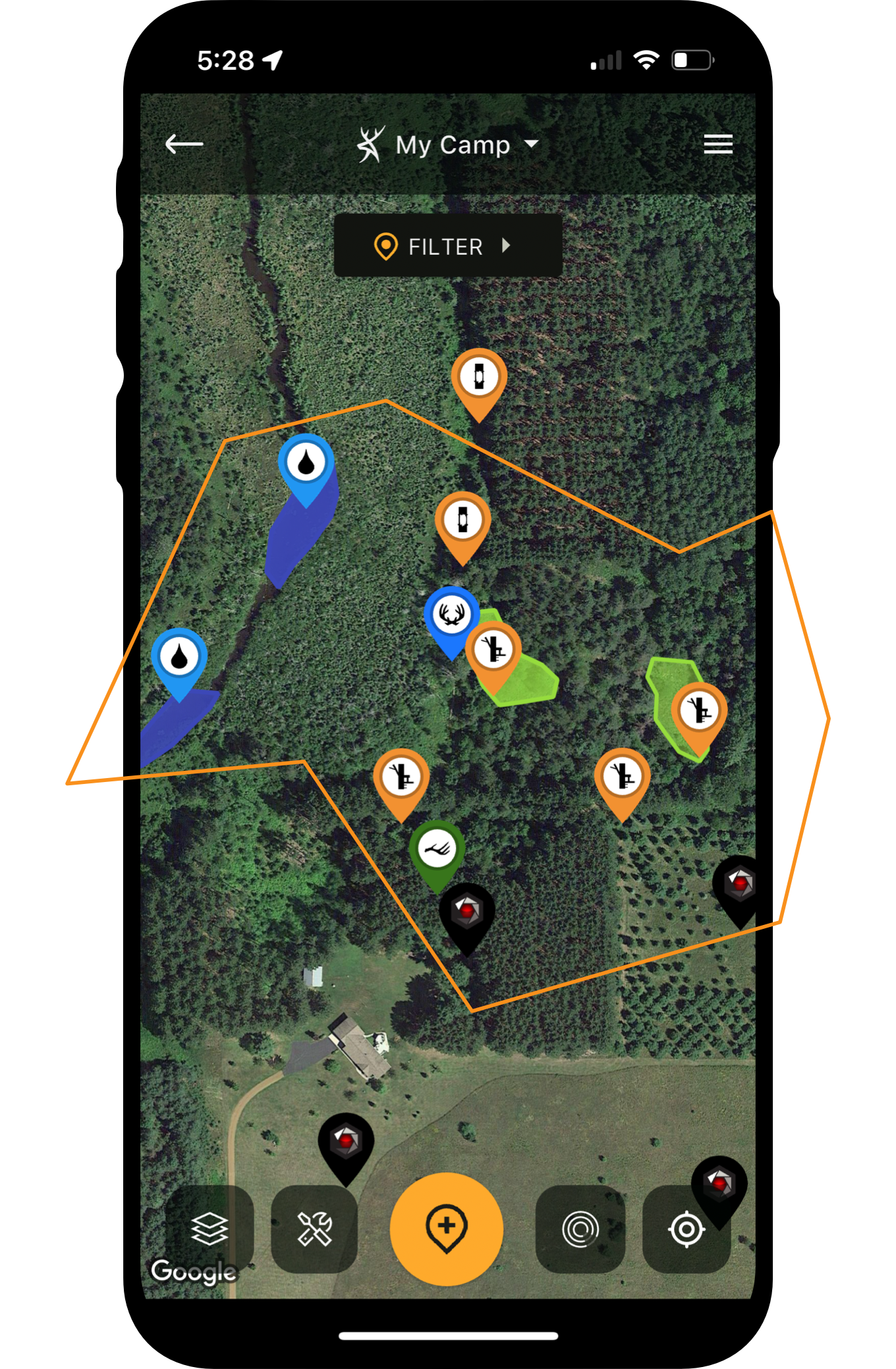
Whitetail and mule deer crossover country is big in the West. Spot and stalk, plus stand hunting, could help you with success and HuntStand offers features to find the right locations.
White-Tailed Deer and Mule Deer Overlap
Whitetails have proven their adaptability by thriving throughout much of the lower 48 states and across lower Canada while expanding westward. Mule deer, on the other hand, require the niche habitat of the West. As pioneers expanded westward and created greenway paths of agriculture, whitetails expanded even farther into mule deer native lands. With that knowledge, plan your strategy accordingly to take advantage of both species (depending on your hunting license parameters).
Coues whitetails of the Southwest aside, whitetails now reside in almost every Western state. Research the options and then look for real estate. As more and more acres of Western real estate are farmed, and developed, green areas allow for additional whitetail distribution along ribbons of agriculture. By taking inhospitable habitat and adding irrigation, urban development, and grain crops, whitetails have been hopscotching north and west like never before. Start looking for whitetails in green belts.
As you review your hunting unit or area, note all riparian areas, valleys and canyons, especially those with water coursing through them. The riparian cover attracts both species and sizable acres of developed agriculture, including irrigated hayfields, allow whitetail expansion. HuntStand offers a Whitetail Habitat Overlay to assist in zeroing in on habitat homelands for whitetails.
Significant river bottoms are famous for western whitetail densities including Colorado’s South Platte River, Montana’s Yellowstone River, South Dakota’s Cheyenne River, Wyoming’s Belle Fourche River, and Idaho’s Salmon River. All have overlapping populations of whitetails and muleys, and dozens more rivers cater to crossover hunters. You might see both species living on these bottoms, but oftentimes the mule deer and some savvy whitetails, exit to the adjoining rough country above for sanctuary. Now put your property info Property Info, Hunting Lands and Public Lands overlays into play. These features distinguish access and boundaries to hunt near lowlands even if you cannot hunt the private ground.
Even with limited access, adjoining public parcels and nearby national forests house the expanding whitetail populations along with mule deer. Don’t be shocked to see whitetails and mule deer standing side by side while hunting South Dakota’s Black Hills National Forest, Montana’s Flathead National Forest, Idaho’s Payette National Forest and Wyoming’s Bighorn National Forest. Even if you don’t find both species living in harmony, you might only have to move camp a short distance to take advantage of a crossover situation.
And if you feel you need to focus on mule deer due to your western waypoint, consider that Western whitetails can carry their antler weight. One of the most famous crossbow bucks every taken was shot in Western Wyoming with a score of 262 1/8 points! Two of the top 25 all-time, highest scoring typicals in Boone and Crockett came from Montana’s Missoula and Flathead counties. And in 2018 Keven Perreault entered a 196-point buck from Montana’s Treasure County in the southeast. Do your research and you might not even consider mule deer hunting with numbers posting like these.
Find Better Deer Stand Sites with HuntStand
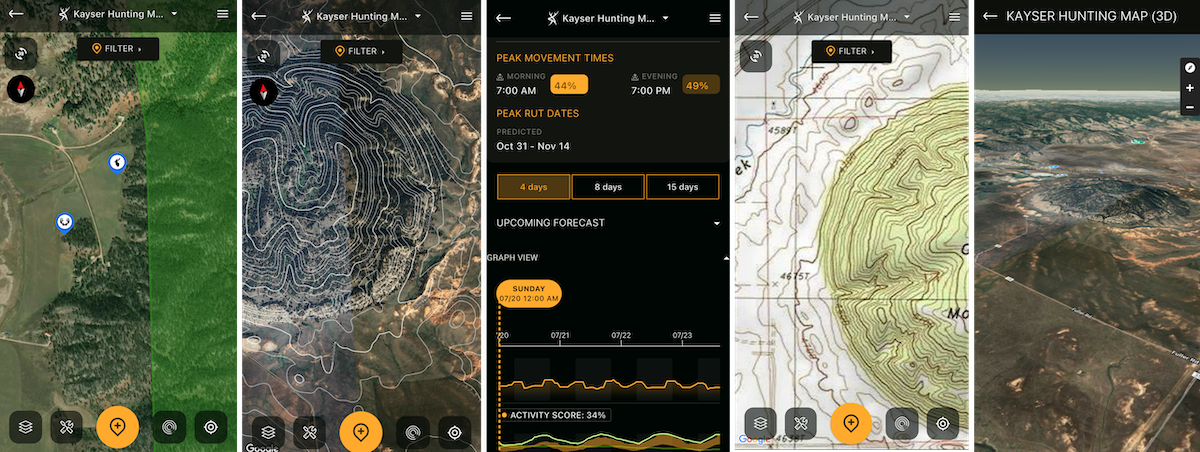
Look for benches on the HuntStand Hybrid base layer with the Contour overlay toggled on. The HuntStand Hybrid base layer with the contour overlay helps find a mule deer-whitetail crossover elevation area.
Scouting Western Deer with HuntStand
HuntStand offers you the tools to succeed. Upgrade your subscription to HuntStand Pro or Ultimate to unlock the most in e-scouting and boots-on-the-ground help. HuntStand has expanded its features to include the new Mule Deer Rut Map and Mule Deer Activity Forecast in addition to Whitetail Rut Map and Whitetail Activity Forecast.
Use these HuntStand features to knowledgeably plan your hunt, particularly for rut consideration and to pinpoint the best hours of the day to be in the field. All these tools work in concert when you understand that whitetails and mule deer are very closely related.
To locate high points, use the Quad Topo or Natural Atlas base layers. You can also put the Contour overlay into use on your preferred base layer. Confirm whether the location resides on public or private ground with Overlays including Property Info, Hunting Lands, and Public lands.
One overlooked aspect of many hunting apps is updated information. HuntStand resolves that with its Monthly Satellite base layer that gives you a recent look, a month old, at an area. It is offered in lower resolution but provides you with a review of property to assess agricultural changes, human development, and even wildfire activity.
How to Find Deer with Topo Maps
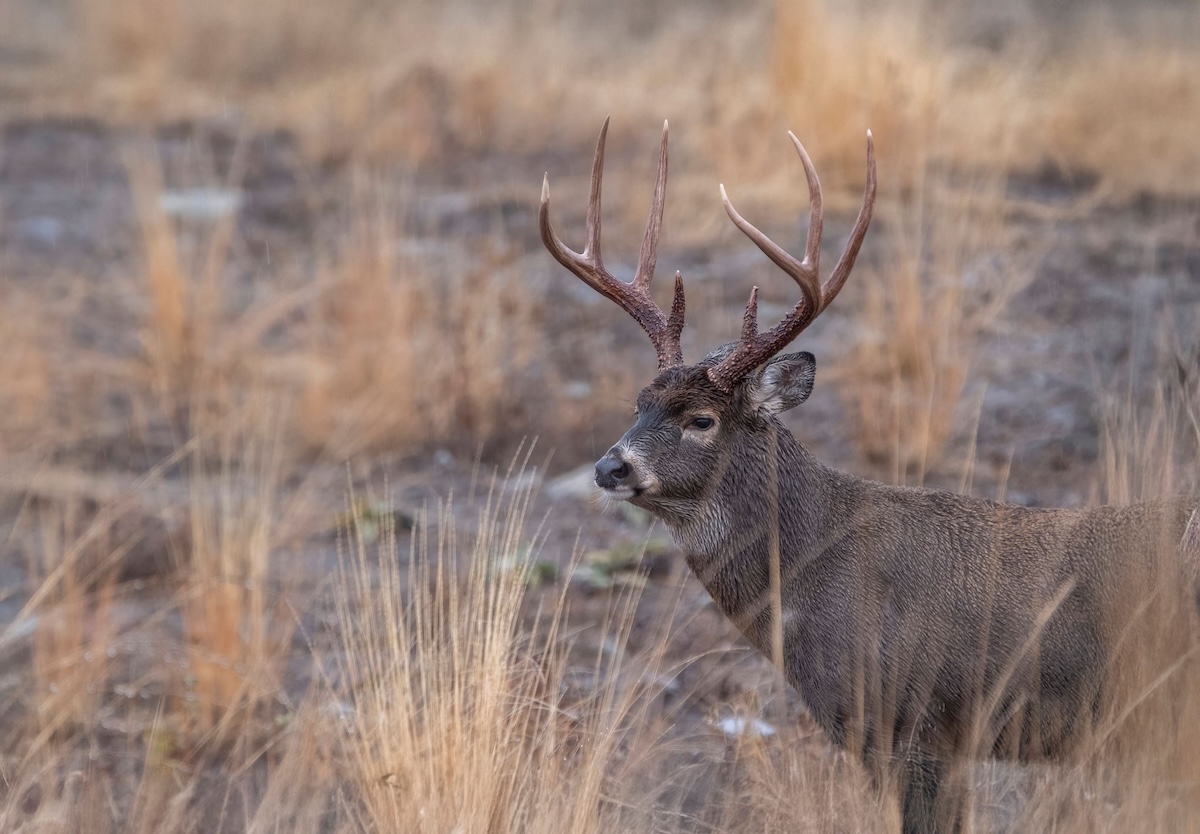
In many locations of the West, you are just as apt to see a whitetail as a mule deer. The HuntStand Quad Topo base layer helps discover high points as possible ambush sites.
Stand Hunting for Western Deer
Western hunters own the spot-and-stalk market. It’s the go-to for pronghorn, deer, and elk. Nevertheless, you might want to swap strategies for either flavor of deer.
Stand hunting doesn’t have a mule deer following like it does in whitetail country. But stand hunting doesn’t always equal strapping yourself to a treestand or utilizing a ground blind. You can just as easily take a stand on a cliff, in a winter stack of hay bales, slip into a rocky outcropping overlooking a narrow canyon or climb up on a rusted, abandoned machinery on the edge of an irrigated alfalfa field. Each offers equal ambush opportunities for hunters who have scouted and discovered either mule deer or whitetails using an area with consistency.
Start low and use your HuntStand Hybrid base layer to discover stand options that offer viewpoints of feeding or even watering areas in arid zones. Your e-scouting could also reveal canyons, gullies, and ridges that deer (both species) might utilize to move back to rugged country for refuge. Watching these routes, dawn and dusk, could provide you with a shot opportunity.
Is It Time To Deer Hunt Mornings?
HuntStand Whitetail and Mule Deer Activity forecasts help in a crossover hunt.
Spot-and-Stalk Hunting Western Deer
There is no argument that Western landscapes are bigger than any postcard glimpse of a popular tourist backdrop. So yes, a spot-and-stalk approach does make sense, particularly to pinpoint current deer activity.
Most good spot-and-stalk situations begin with a stand-hunting approach. Scout for high vantage points and slip into these locations before shooting light, or prior to late-day deer activity. Again, find these by using the Quad Topo or Natural Atlas base layers. You can also put the Contour overlay into use on your preferred base layer.
Never skyline yourself and always give yourself an invisible exit to move on deer that are too far away for an ethical shot. Setting up in the middle of a field in an old hay corral might be great if the deer walk right by you, but if you have to move, the open terrain fails in veiling a speedy assault or eventual retreat. Since you might be corralled by public-land hunting only, stay focused on always having terrain options available to move on whitetails or muleys.
Even if you don’t pick a high location to begin your glassing, slow down. Too often I hunt with friends that have nonstop, perpetual motion. Some deer might travel at the pace of a marathoner, but most deer amble through territory. They take their time, so it pays to spend additional minutes at each location scanning for a buck to appear from a gully or to pop out of a distant creek bottom. It’s common to scan a valley and determine no deer are home and then have a buck browse from out of a terrain depression barely visible to the human eye.
How to Hunt Mule Deer (With the Fervor of a Nonresident Hunter)
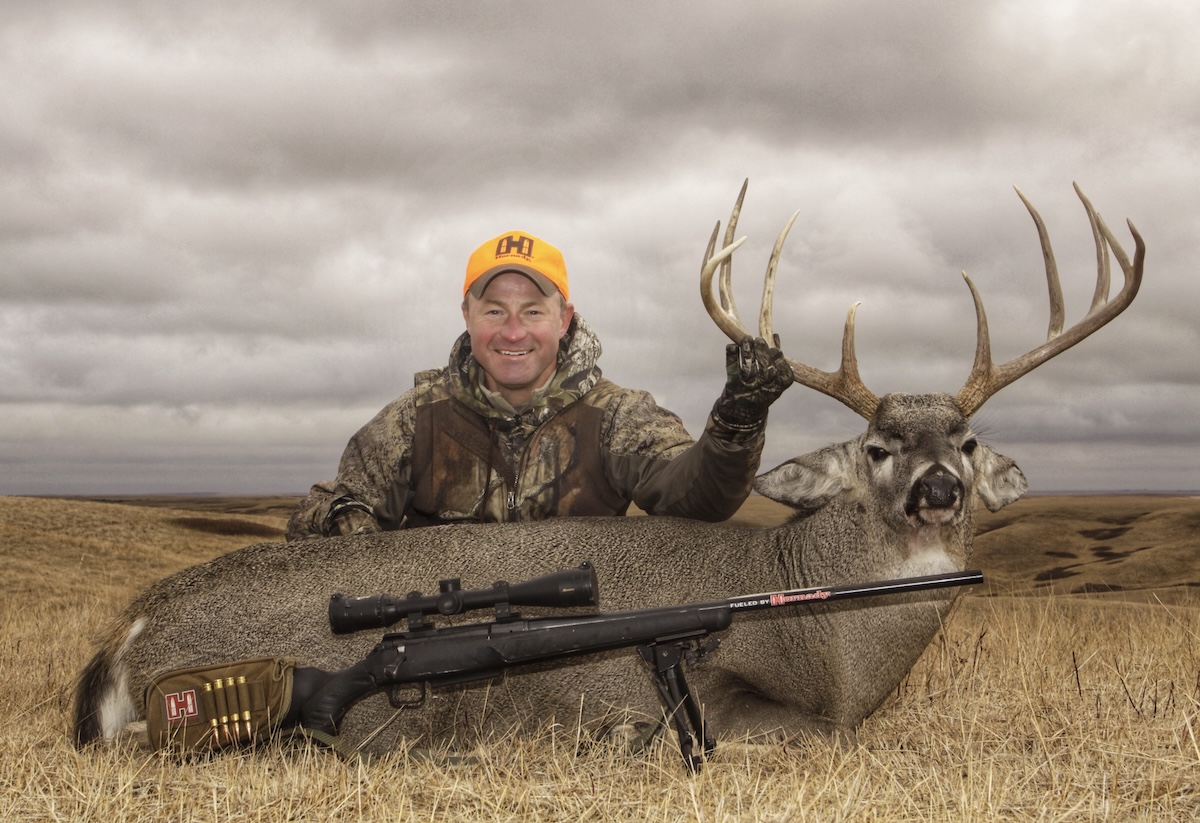
Mark Kayser tagged this South Dakota whitetail while on a hunt for either a mule deer or whitetail.
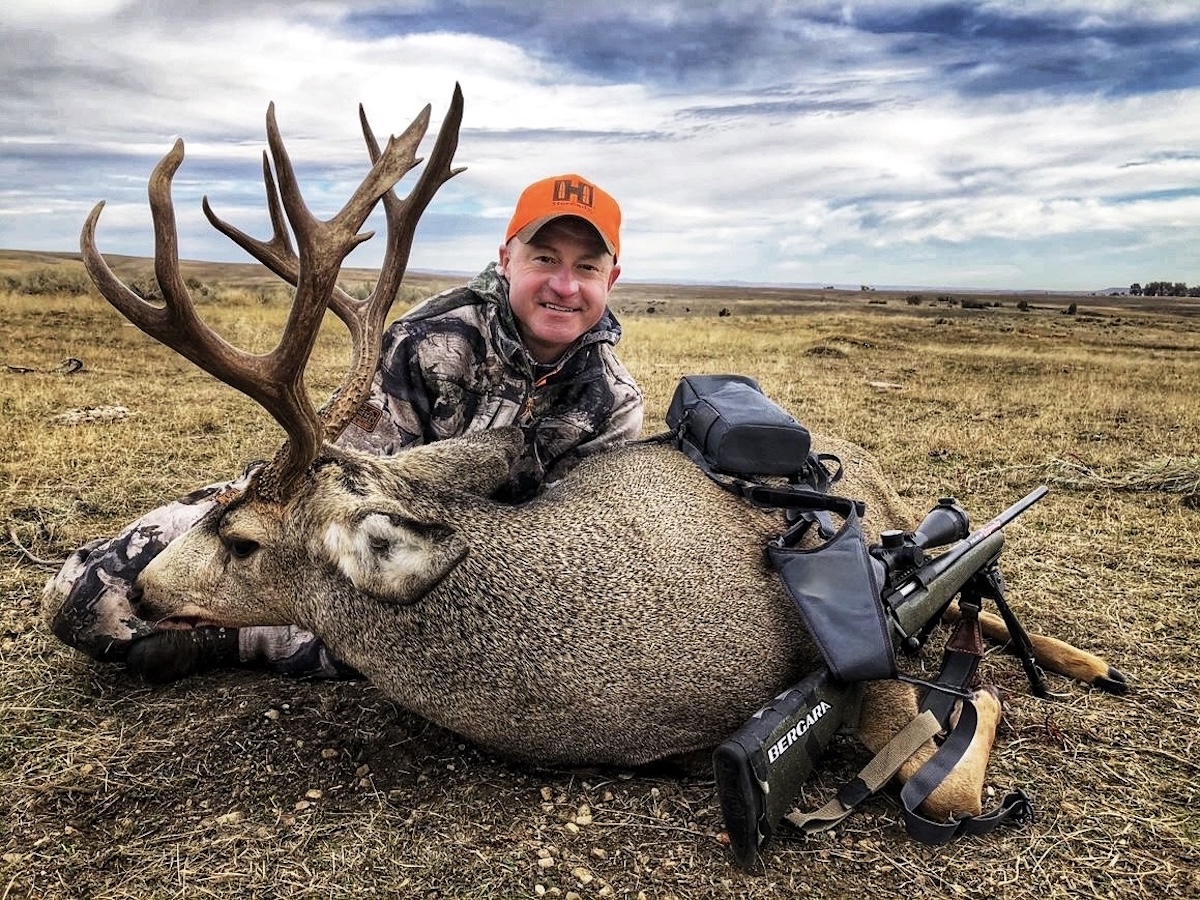
Mark Kayser celebrates the tagging of a mature mule deer in country that overlaps with whitetail habitat. He had also taken several whitetails from this exact location.
Still-Hunting Western Deer
Slow still-hunting through timber is a must and you will find both species using timber. Deer might feed on hayfields or mountain meadows but expect them to retreat to secure sanctuaries such as deep canyons and especially dark timber. Aspen groves, Gambel oak hillsides and pine forests all provide canopy cover for pressured deer.
In these instances, you might want to set up and watch likely edges for either species or use your HuntStand app to find internal benches that deer seek for comfortable bedding areas, especially on north slopes. They also utilize benches for hassle-free travel. Almost all the tools discussed above aid in locating a bench under the branches of timber. Utilize the Quad Topo or Natural Atlas base layer or add the contour overlay to a variety of base layers. Look for steep slopes that suddenly show a widening band of topographical contour lines as indicators of benches.
As a final consideration, use the 3D Map base layer and virtually fly over the entire hunting area. It offers a perspective and feel of what’s ahead on your hunt. Mule deer still capture the attention of Western hunters, but do not overlook the whitetail. You might find out you appreciate the challenge and Western perspective of a crossover hunt for either species.