




I know, the 2026 season feels like a long way off. But if you want to punch a tag on public dirt, you can’t just show up and hope for the best. Success starts now, with boots on the ground, the HuntStand app, a sharp eye, and a plan for picking the right trees before the crowds show up. Most guys wait until the season to scramble for a spot. Not you. You’re going to have your kill trees dialed in months ahead of time. Here’s how to get a jump on the competition, stack the odds in your favor for next season, and find the best public land stand locations.

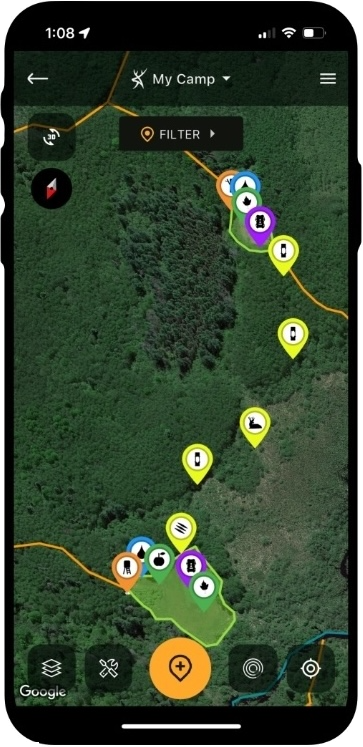

Use HuntStand to map out your hunt.
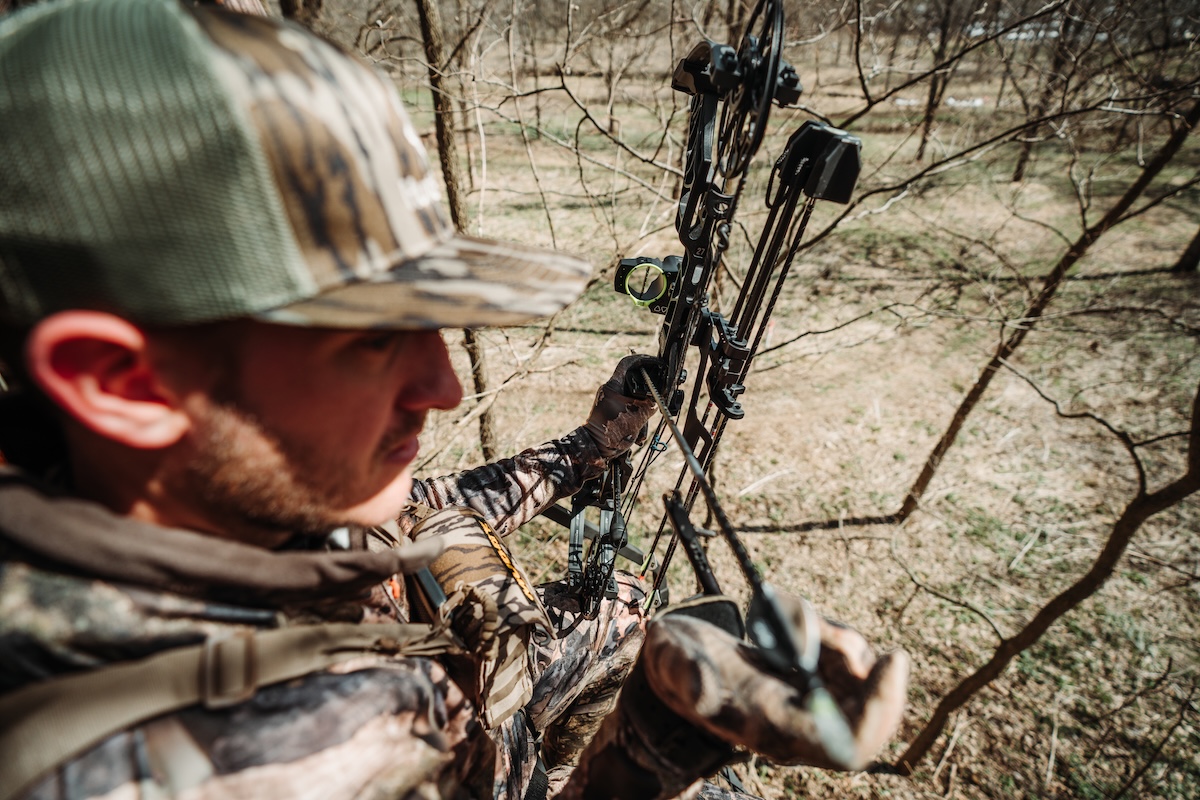
Having the right stand location makes all the difference.
Understand Kill Tree Selection
A kill tree isn’t just any tree along a deer trail. It’s a carefully selected position that offers the perfect combination of concealment, shooting lanes, access, and proximity to high-traffic deer movement. On public land, where pressure is constant and competition for prime spots is fierce, identifying those golden trees is crucial. The difference between a mediocre hunt and a filled tag often comes down to being in the right tree at the right time.
Here’s the deal: you’re not the only one out there with big plans. Every trail you walk, every rub you find, someone else could be right behind you. And that’s just concerning boots-on-the-ground scouting.
In early November, while hunting new-to-us public dirt in Montana’s Bob Marshall Wilderness, my buddy and I played a game. We pulled up our HuntStand app on our phones and made a bet. The bet: Pick three trees along a creek system for hanging a treestand and harvesting a pre-rut buck. Using Monthly Satellite and other advanced mapping features, we went to work. After 20 minutes of digital map study, we’d picked two identical trees, and our third tree options were less than 60 yards apart. Don’t think for a second digital hunting apps like HuntStand haven’t changed the scout-from-home and scout-on-the-hunt game.
That’s why you start early. Get your trees pinned to your maps, label them, and save them offline. Next, when possible, learn how the deer use the ground as the seasons change, and always have a backup plan. The guys who wait until the last minute? They’re already behind.
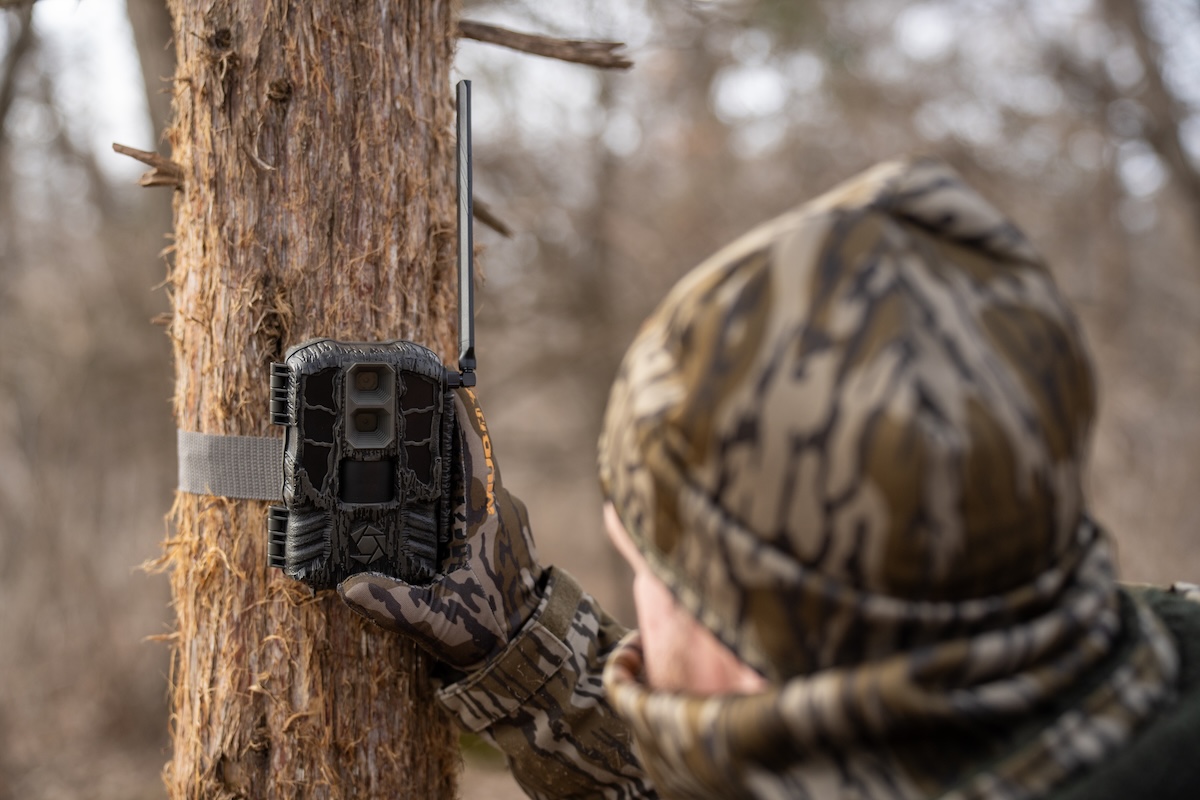
Run cameras even during the off-season to locate quality stand locations.
1. Start Your Scouting During Late Winter and Early Spring
Don’t wait for the woods to green up. Right now, with the leaves down and last season’s sign still fresh, it is prime time to scout. You can see everything — trails, rubs, scrapes, and how the terrain rises and falls. Get out there and start making a list of trees that catch your eye. Focus on those well-worn trails, rub lines, and natural funnels that push deer right where you want them.
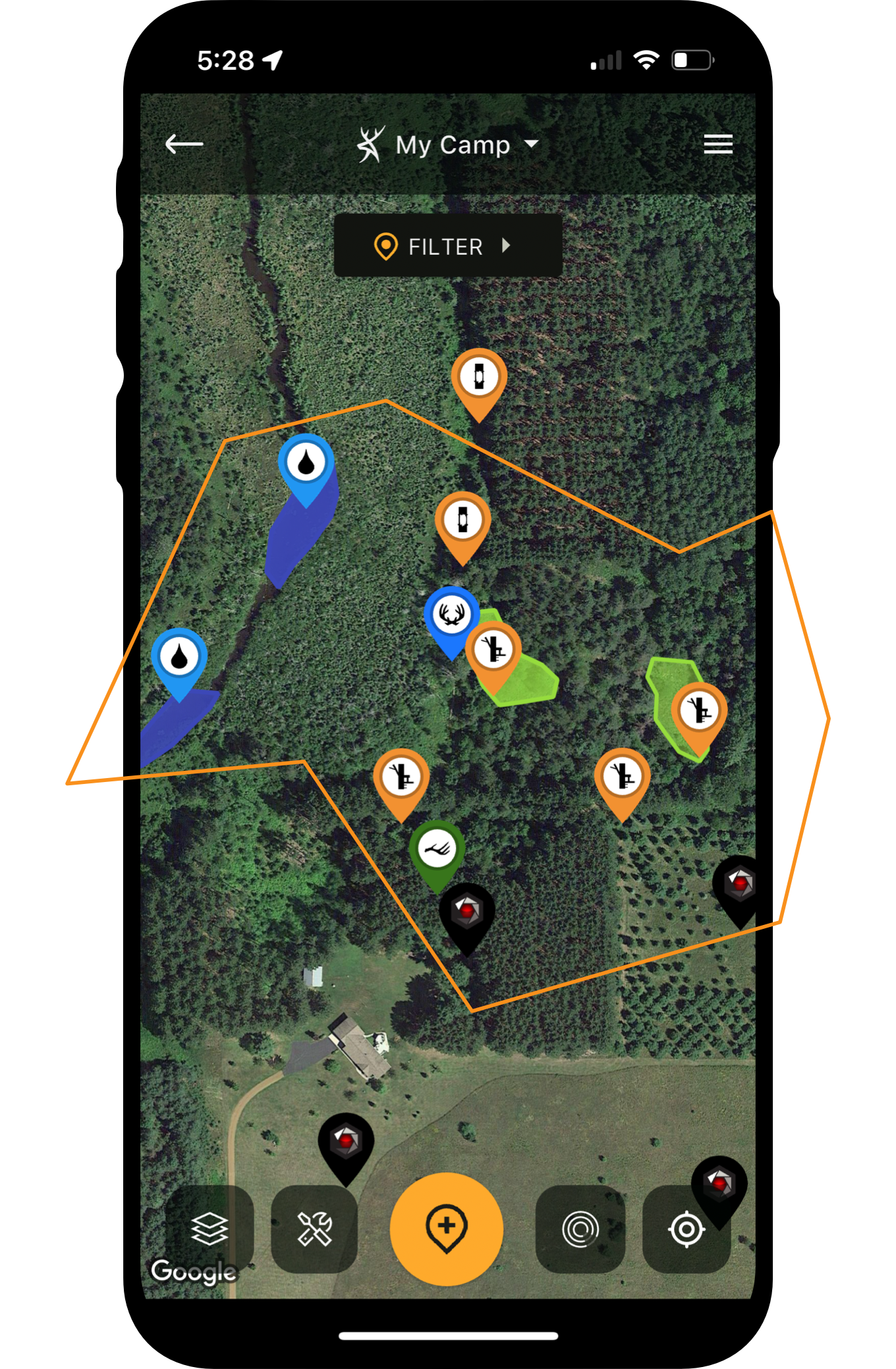
Mark every good tree on your HuntStand app, and if you’re not able to explore every public land haunt in your area, spend your evenings kicked back in a recliner studying where you need to be and when. Draw lines to design entrance and exit routes and take advantage of HuntStand’s seven different base map overlays. It’s also critical when marking likely stand sites to type information into the available Notes section. Trust me, you’ll forget what made that tree special after a few months.
Zero in on terrain that funnels deer — ridges, creek crossings, fence lines, thick bedding, and field edges. These spots stack the odds in your favor. Set your kill tree downwind of where you expect deer to come through, and make sure you’ve got a clear shot at the best spots.
Places Pressured Bucks Hide (And How HuntStand Helps Find Them)
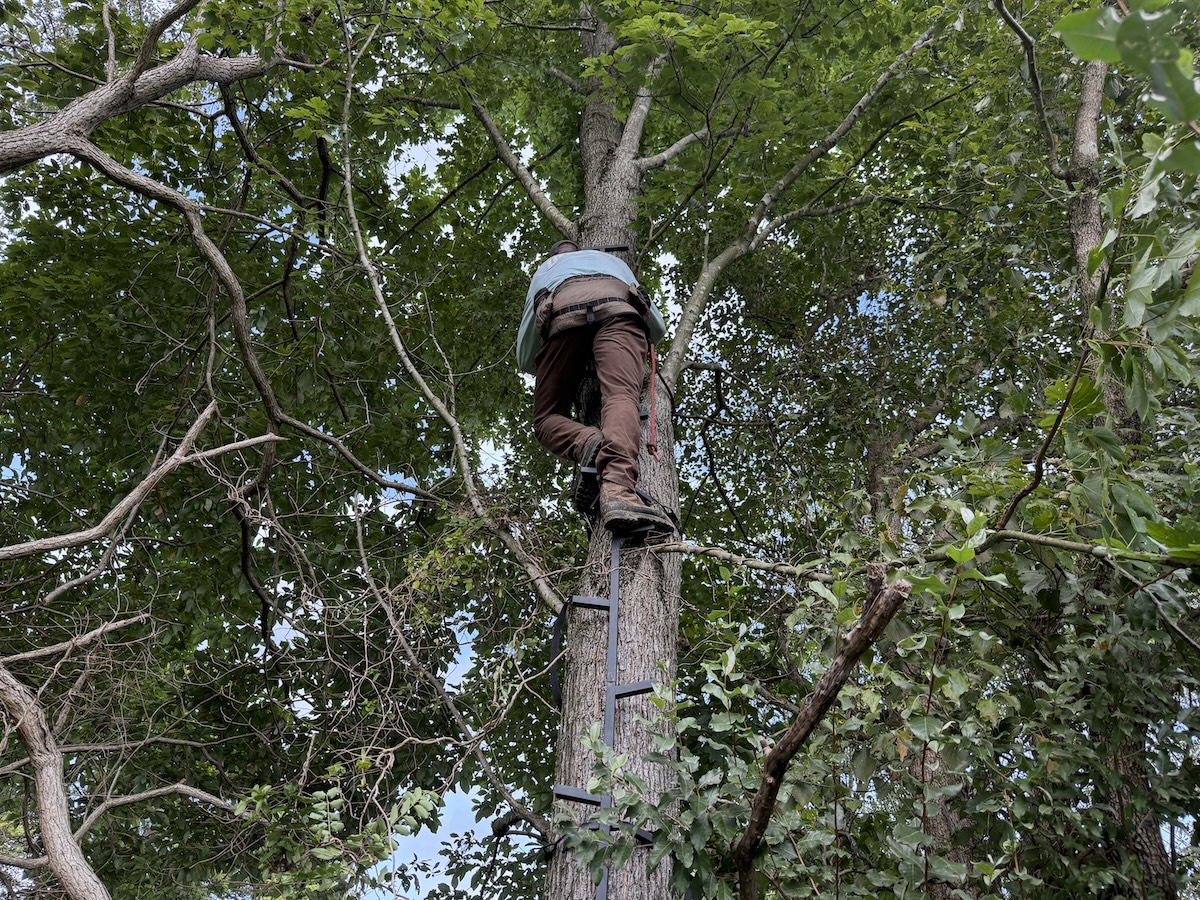
Study the fine details to determine if it's the right spot, or not.
2. Evaluate Tree Characteristics
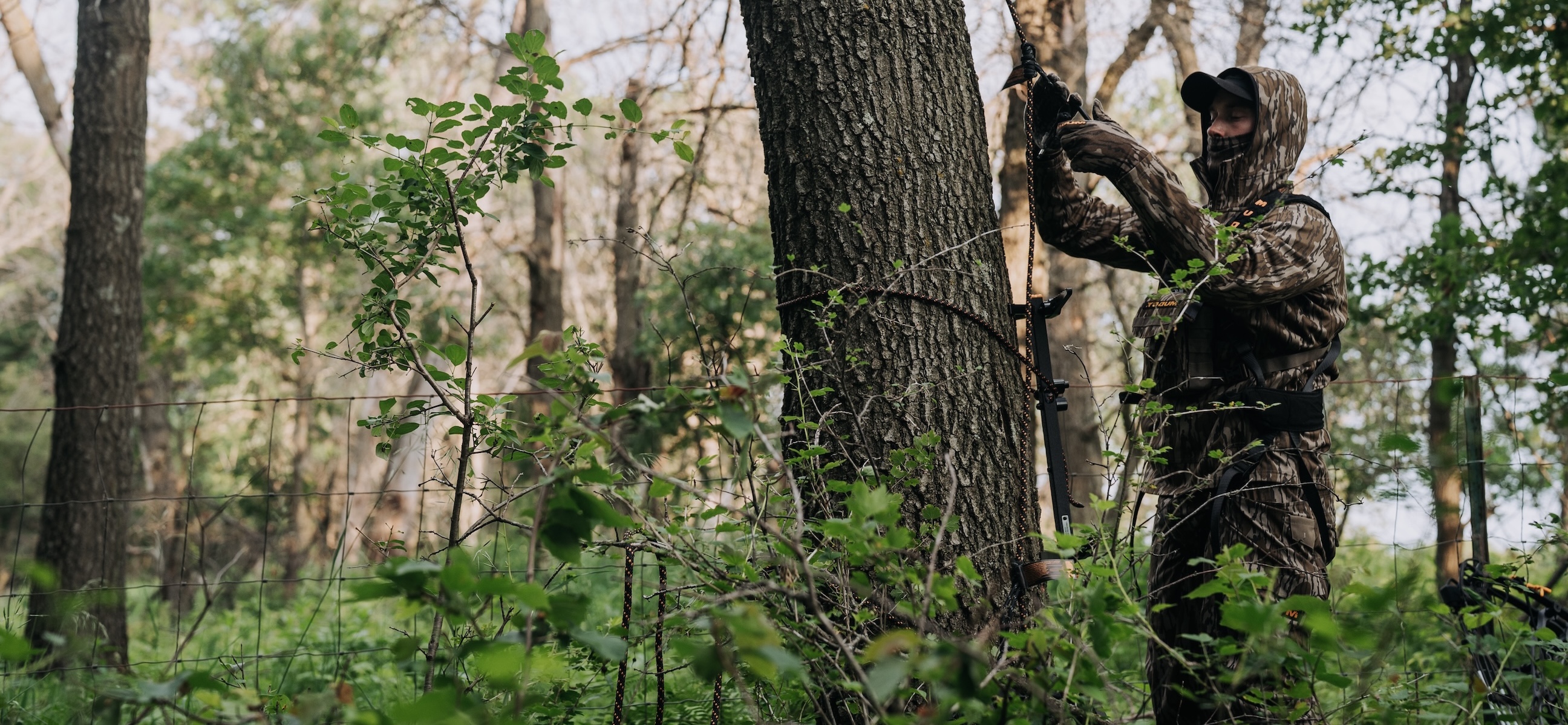
Some trees just aren’t worth the trouble. If you’re running a mobile setup like a hang-on or saddle, a straight trunk with not a lot of branches below 18 to 20 feet helps. I prefer a saddle system for mobile public land hunting, and for those less-than-straight trees with lots of to-get-around branches. A saddle system allows you to attach your tree tether and remain attached to the tree while you unclip your lineman rope and move it over a branch.
I like a tree that’s 12 to 18 inches thick. Toothpick trees suck. However, if they’re in the right spot and it’s where you need to be, use them during September and October when foliage holds. A 12 to 18-inch thick trunk will hide you but won’t be so big that hanging a set or tethering into your saddle isn’t a hassle. Pay attention to what’s around the tree. You want cover at your back and sides, but don’t block your shot. Trees on the edge of thick stuff or where trails come together are money.
Also think about your climbing approach. Trees with lower branches or nearby saplings can make noise during setup and compromise your stealth. The best kill trees allow you to climb quickly and quietly, getting into position without alerting every deer in the area to your presence. On pressured public land, this quiet setup is often the difference between seeing deer and watching them circle downwind before you even get settled.
If you’re using a lock-on with climbing steps or a saddle with steps, use a combination of Gorilla tape and Muddy’s Ninja Strips to keep things quiet. Ninja Strips reduce noise by preventing any metal-on-metal contact. It’s also a great idea to develop a stand-and-sticks system that attaches to your pack without making any noise as you move through the woods. I’m also a fan of Nite Ize Gear Ties. These ties attach easily to Molle straps and help hold gear tight.
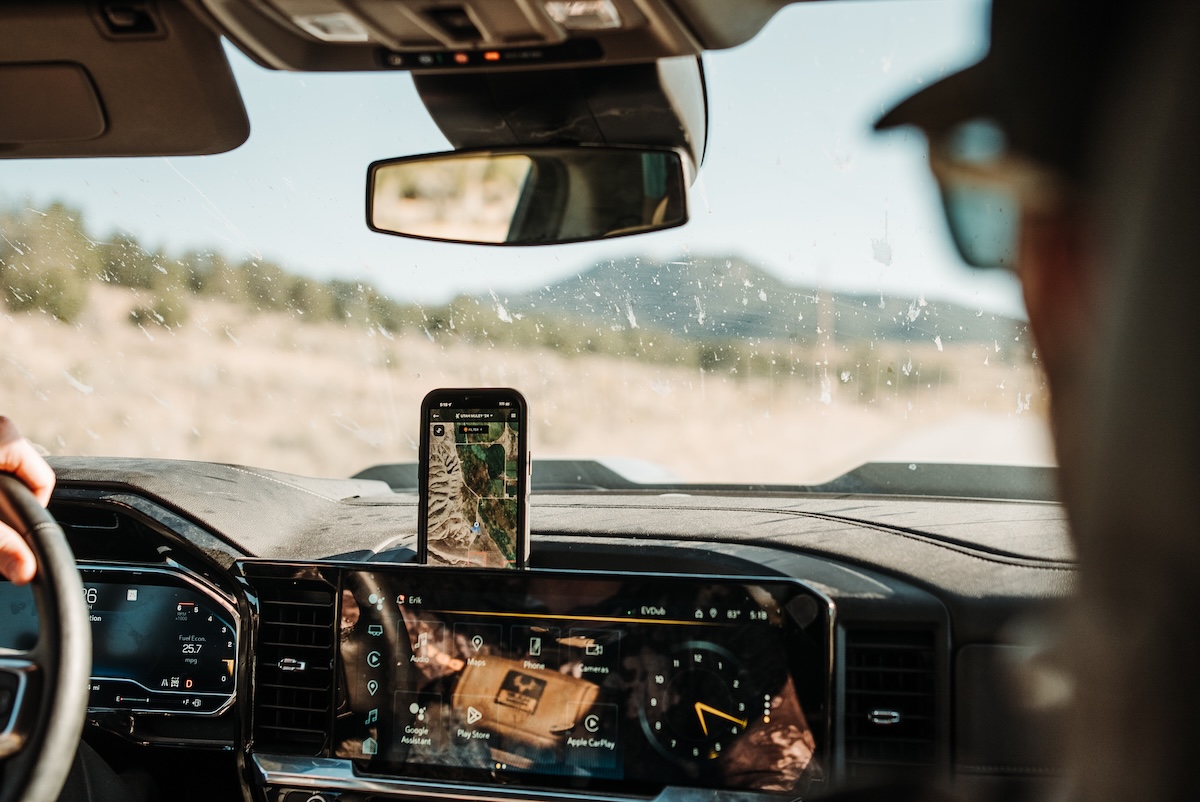
Scout year-round for the most success.
3. Scout Multiple Times Throughout the Year
One scouting mission isn’t enough to truly understand how deer use an area. Whitetail movement patterns shift dramatically from spring through fall, influenced by food sources. One walk-through won’t cut it. Deer change their patterns as food, weather, and pressure shift.
If you want to pick the right trees for 2026, start finding them now. Begin with a HuntStand digital map study. If your public locale is close to home, break up the doldrums of late winter by visiting your new public land spot.
Summer scouting also reveals water sources that become critical during hot early-season hunts. By late summer, you can start predicting which areas will hold the most acorns and agricultural foods that will draw deer in early fall.
Public-Land Deer Hunting App Tips
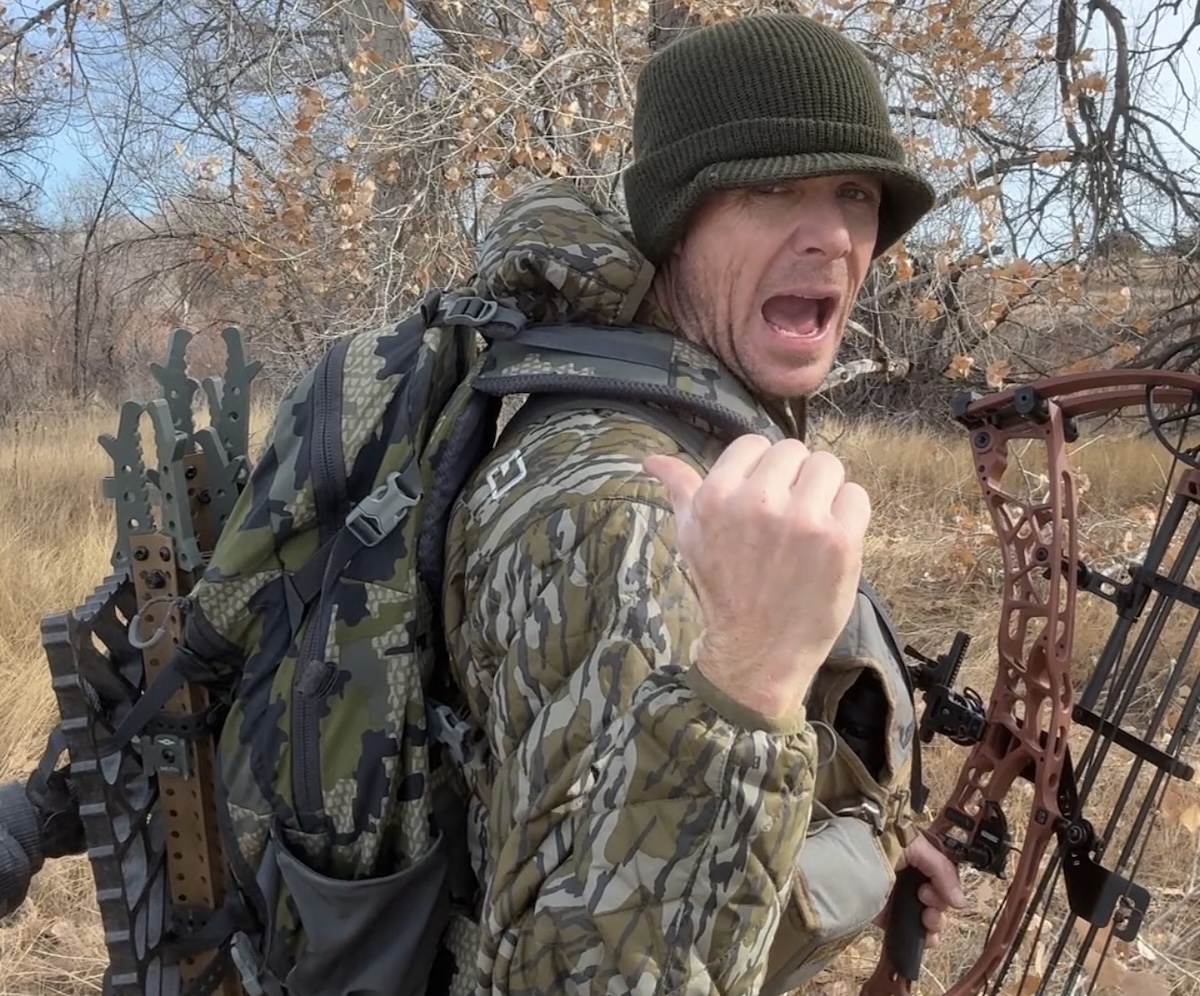
Keep on hand a lightweight set for public land deer hunting.
4. Consider Hunting Pressure and Access
On public land, you’ve got to think two steps ahead — not just about the deer, but about other hunters. The easy, obvious trees on main trails will be packed on opening day. Hotspots over a state-planted green food source will be littered with tracks and scrapes, but this is a perimeter sign. Plus, these food sources are typically close to parking areas and grab the attention of every hunter in the area. Your job? Find great deer locales that get overlooked by the crowd.
My best public land kill trees are often a half-mile or more from the truck, across a creek, or tucked in where most guys won’t bother to go. Many of them allow ultra-limited visibility. Remember, a kill tree is a tree where you consistently kill — not see — deer. If you want to see deer, hang an observation stand.
If you want to kill deer, access hidden public land haunts like heavy marshes, nearly impenetrable brush dotted with trees, isolated cedar wind rows miles into a Walk-In area, etc. Deer figure out fast where the pressure is, and they hide in the tough spots. Set up where you can catch them as they move from those safe zones to food.
Also, consider your access route to your kill tree. The best tree in the world is worthless if you can’t reach it without alerting deer. Plan multiple access routes that allow you to approach from different directions based on wind conditions.
Mark these routes on your HuntStand app and clear any noisy obstacles, such as fallen branches or thorny vegetation, during your summer scouting trips. Creating silent access paths means quieter entries during hunting season.
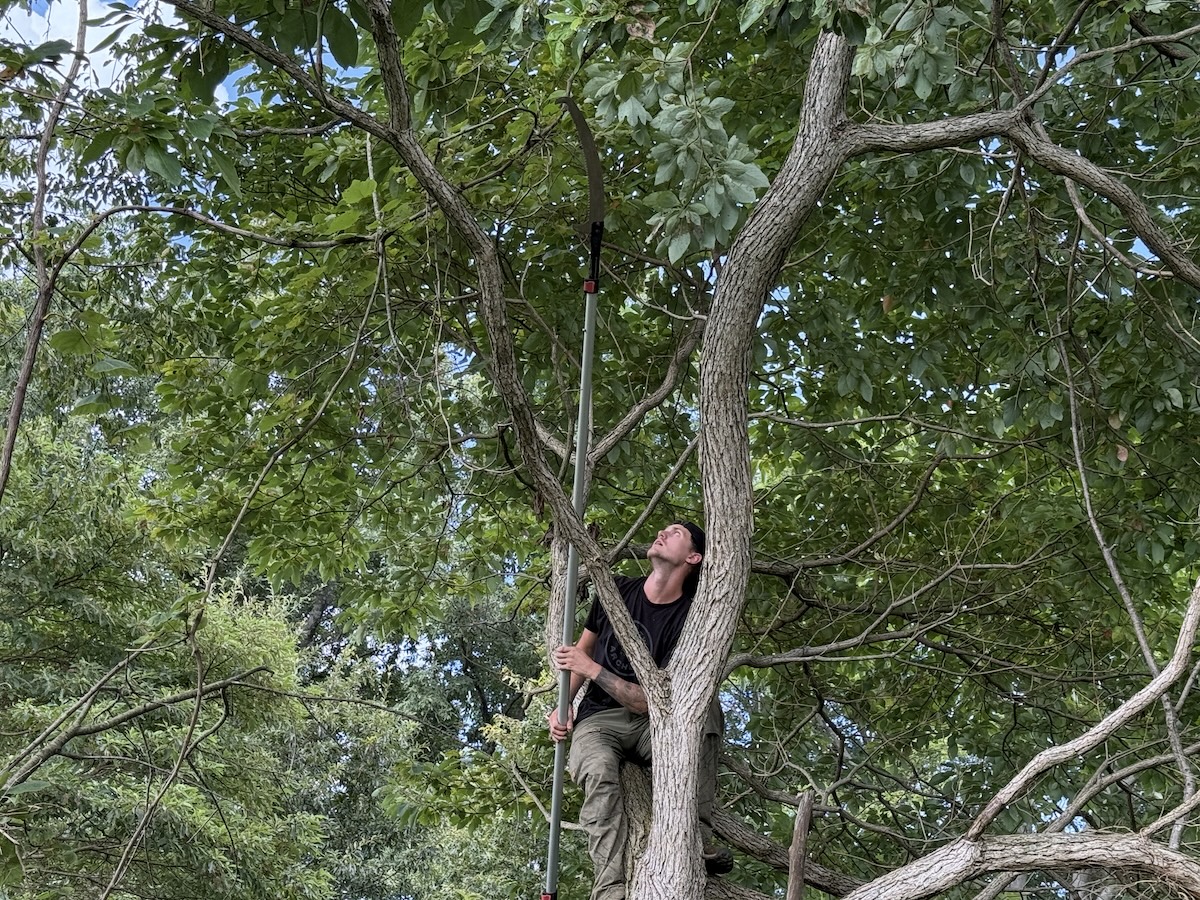
Where permitted by state and local laws, don't forget to prep stand locations.
5. Prepare Your Trees for Success
Once you’ve got your main kill trees and backups picked, get them ready for the season. If state regulations allow, trim a few branches or saplings that could mess up your shot. However, trim smart and carefully. When possible, have a buddy on the ground. They can let you know if a particular branch or even a dead limb is helping you or hurting you.
Create a cheat sheet for every kill tree. I do this directly in my HuntStand app. Notes paired with HuntStand’s award-winning Whitetail Activity Forecast Tool and HuntZone tell you when and where to hunt likely treestand areas.
Set trees for morning spots, some for evening spots, and those in rut funnels situated between doe bedding areas that make excellent all-day sits. Some sets work only with a north wind; others need a south wind. Write it all down so you’re not guessing when the season hits. Quick decisions mean more time hunting and less time second-guessing.
Ways to Improve Treestand Ambushes
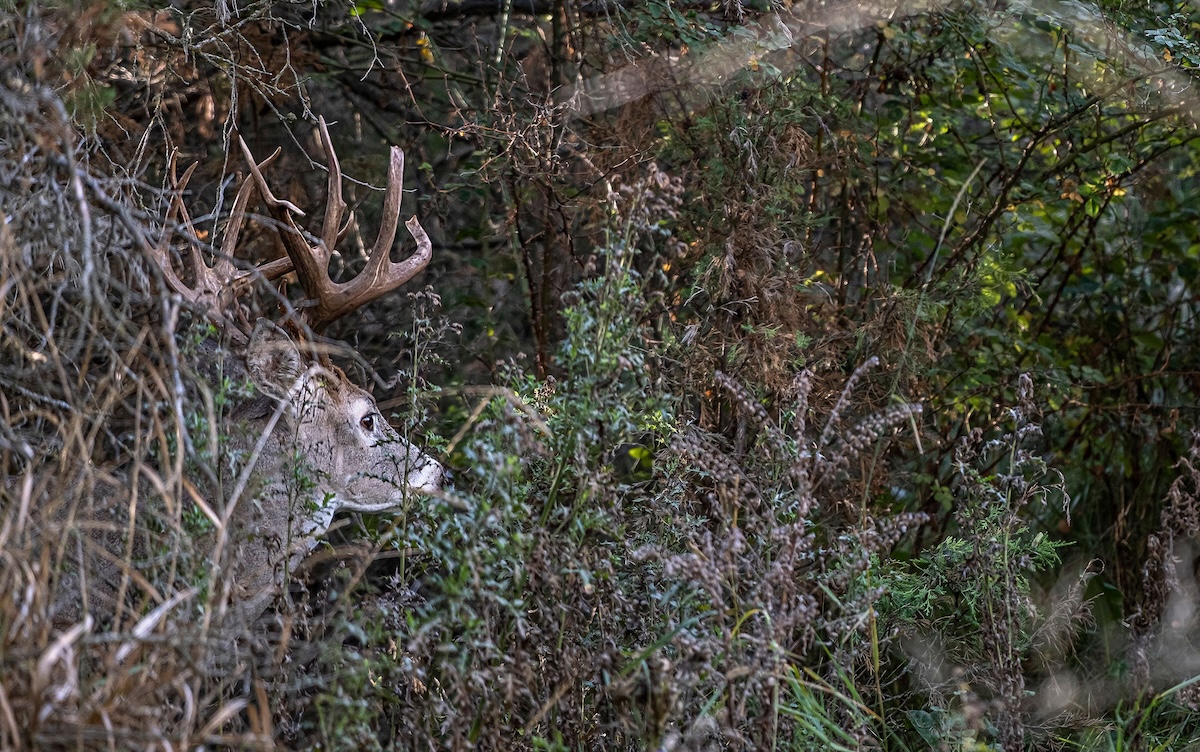
Big deer find places to hide. You have to find these haunts.
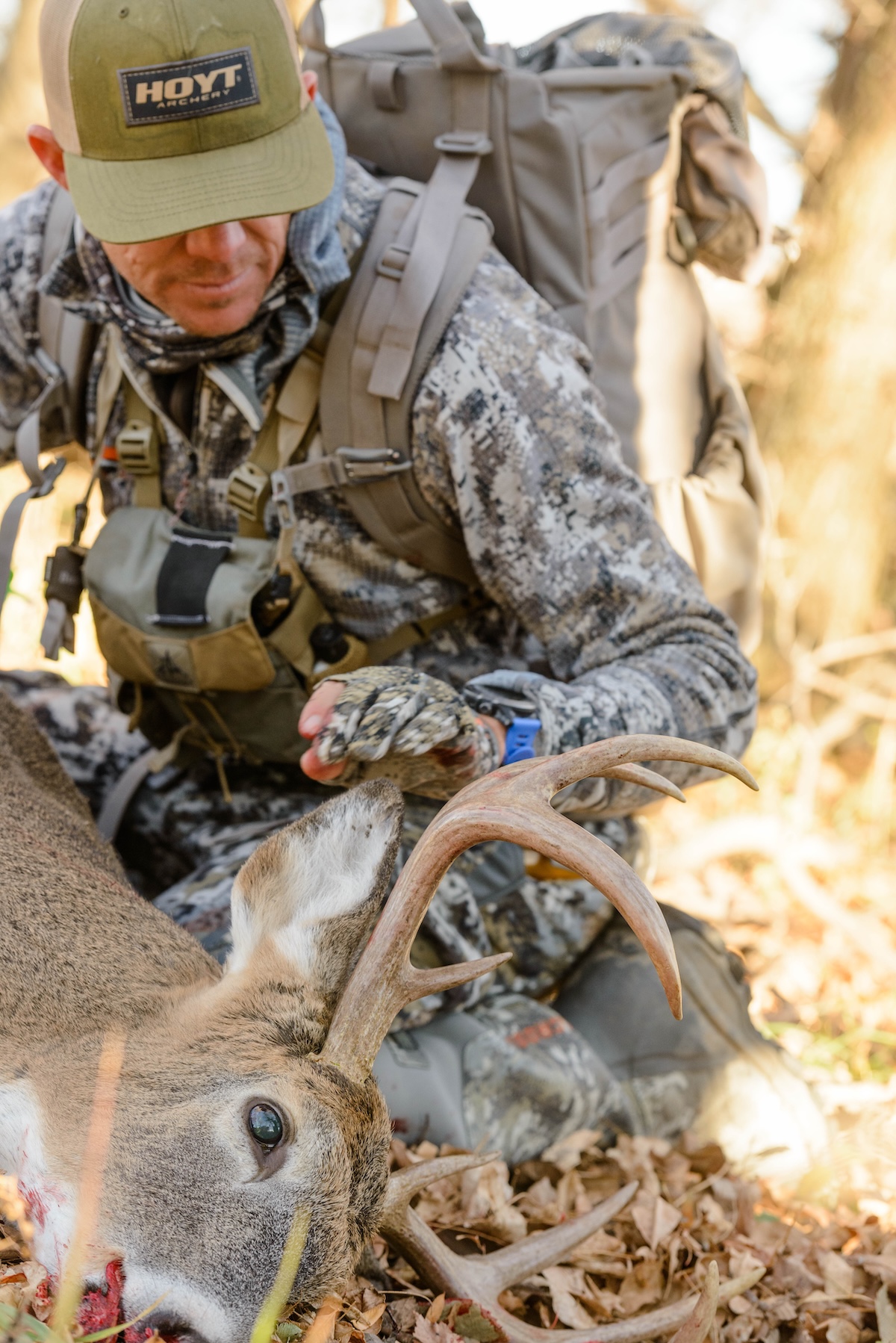
The author knows public land deer hunting well, as shown here.
Stay Flexible and Keep Learning
Even with a year of preparation, things change. Oak mast crops fail, agricultural fields get planted with different crops, and deer patterns shift based on factors beyond your control. The hunters who succeed on public land are those who stay flexible and continue gathering intelligence right up until the season opens.