






Hit the road this spring to see turkey action in new places.
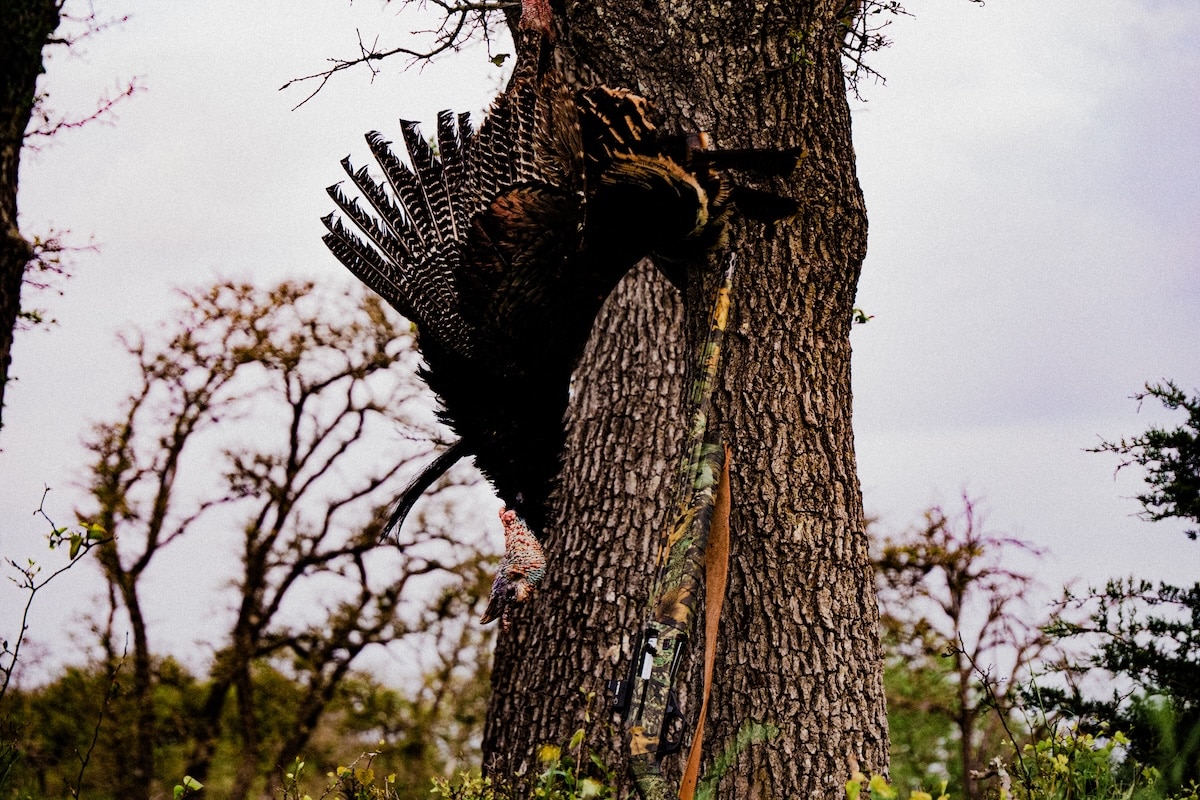
Plan well and you can string up a big out-of-state gobbler by the feet.
Deer season is closed or soon will be across the U.S. and Canada, and as hard as it is to accept that it’s already over, one season’s closure welcomes the next into focus. Yep, spring turkey season is right around the corner, and maybe you’re itching to shake things up this spring and take your turkey game across state lines.
Southern openers begin as early as the first week of March (southern Florida), and most other states are going full bore by mid-April. That leaves little time to prepare, especially if you want to pull together a last-minute hunt. In light of that, concreting a plan right now can substantially help your odds.
Whether you’re heading for the Texas desert, Minnesota hardwoods, Florida swamps, or Washington’s evergreen hills, we’ve saved you a pile of work by compiling these versatile pointers, which will serve you well as you buckle down and prepare for your upcoming road trip.
Here are HuntStand Pro tips for last-minute turkey hunting road trips.
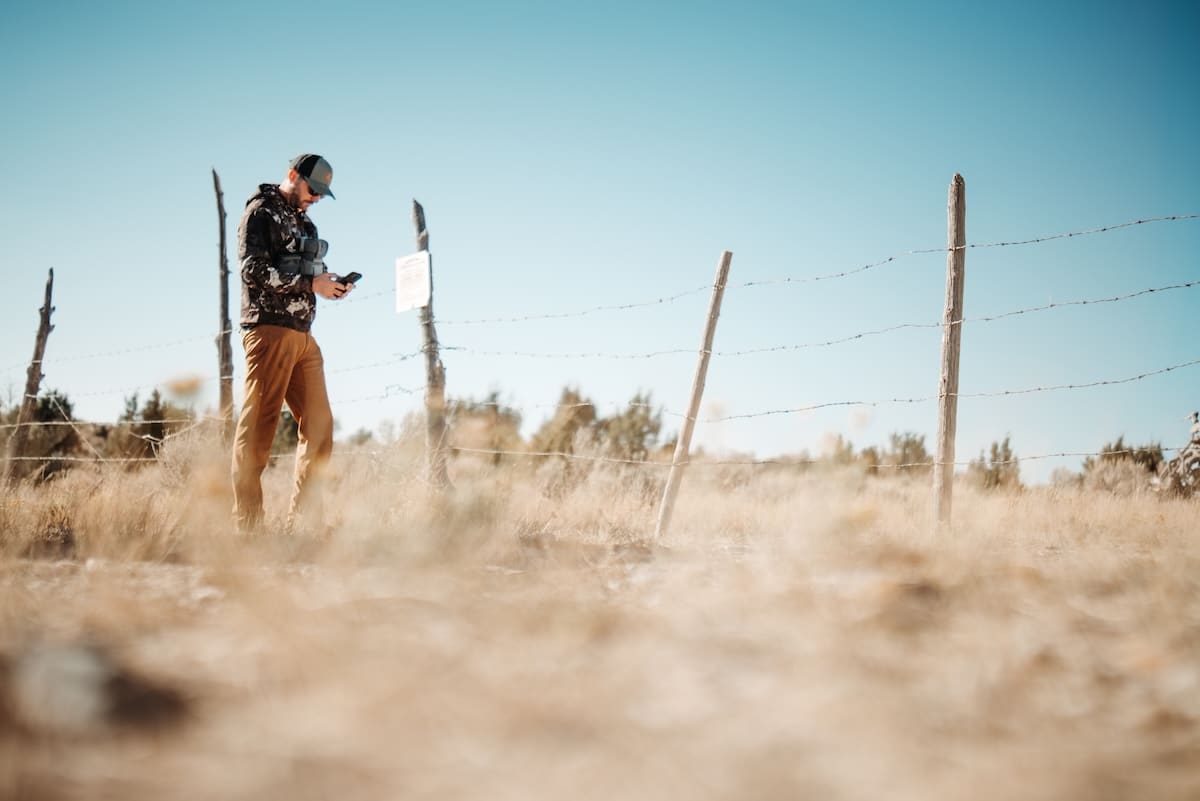
Select the right destination(s) for your wild turkey road trip.
1. Pick a Destination
Countless turkey hunting adventures exist across North America. Some states or units require hunters to apply for and draw a tag, while tags in others are purely over-the-counter (OTC) options and can be purchased on arrival. If you have a specific state in mind, hopefully you already considered this business end of things, but if not, now’s the time to determine if you’ll be able to hunt the state you want, or if you’ll have to pivot and hunt elsewhere.
Now, if you haven’t settled on a state and haven’t applied in the draws, it’s time to narrow down a destination. In doing so, questions worth pondering are:
- What do I want out of my hunt?
- What type of terrain/habitat best suits my individual skills?
- Am I OK with a one-bird bag limit, or do I want the opportunity to take two birds?
- How far am I willing to travel for a turkey?
- Is the equipment I want to use legal in the state(s) I’m researching?
- Do I want to chase a specific subspecies?
These questions will weed out some options and help you land the plane on a manageable number of destinations.
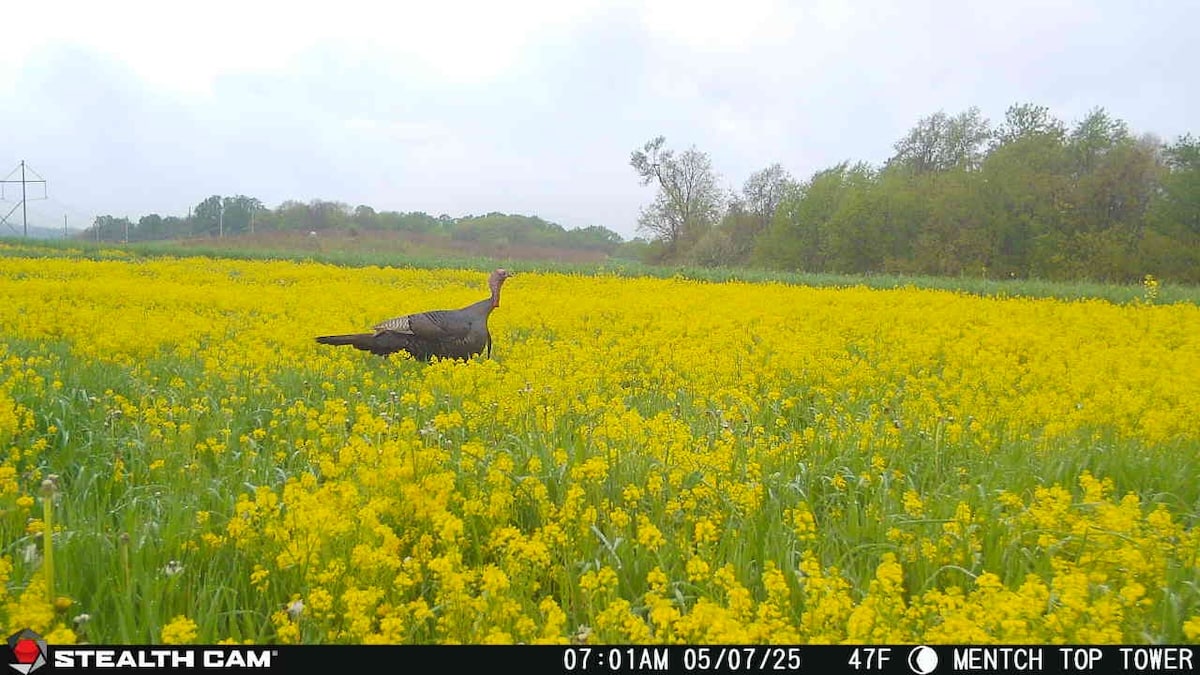
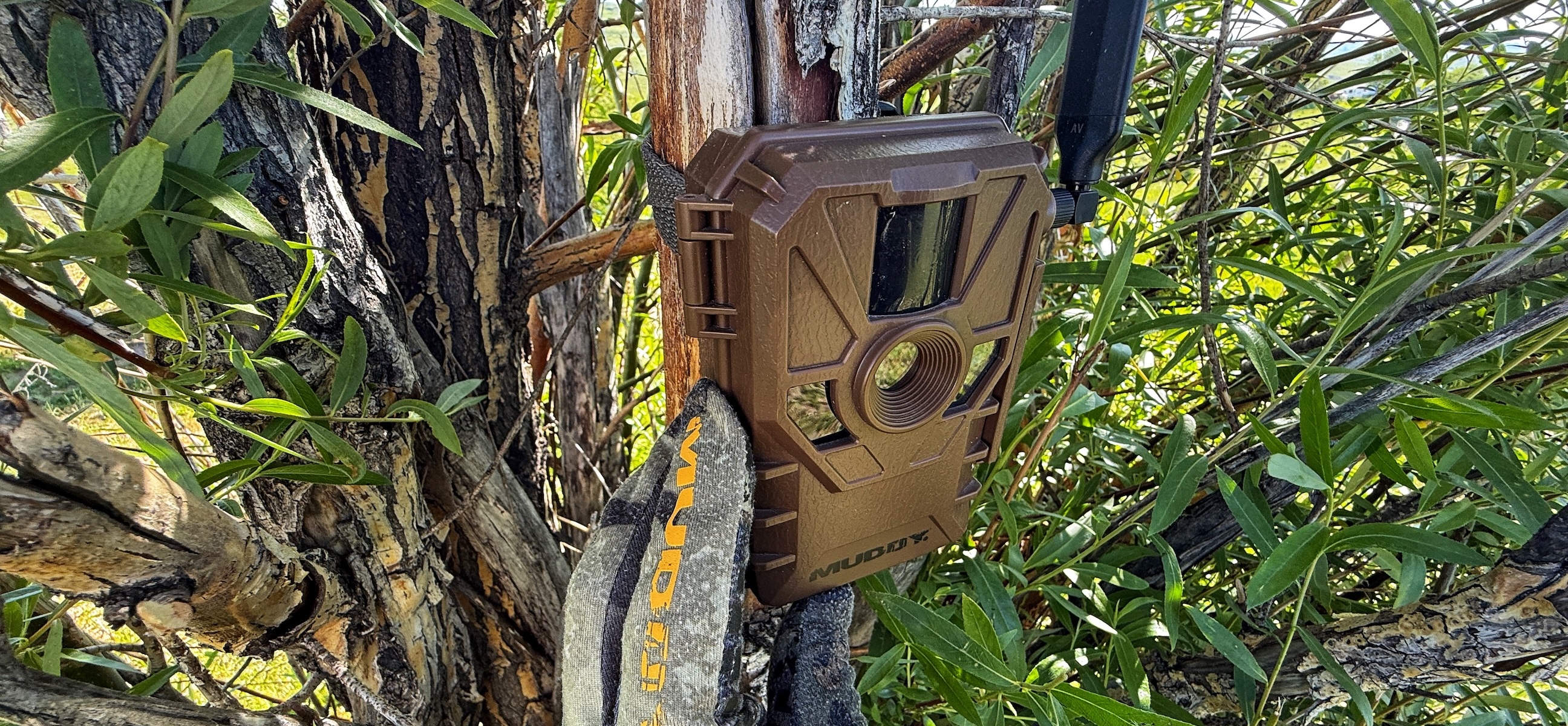
Where legal, scout public lands with cell cameras.
2. Dial in on Productive Public Lands
First and foremost, traveling to turkey hunt as a nonresident means you’ll have to begin your hunt on public land, unless you have a friend or family member who has invited you to hunt their land. Of course, there’s the outfitter angle, but this article is geared toward the DIY-er.
In public-land hunting, there are two logical approaches. First, you can choose to hunt large-acreage parcels. Let’s focus on this for a minute. First, these are highly visible in the app when you engage and alternate between the Hunting Lands and Public Lands overlays. Large acreages often teem with habitat and turkeys, but they generally attract more hunting pressure.
It’s typically a given that some corners of large public parcels will be more productive than others. Begin by identifying easy access, such as large parking areas and maintained roads and trails (generally visible in the Hybrid map), as the general hunting public gravitates toward said areas, meaning high hunting pressure. Avoid these areas (more HuntStand usage details in tip No. 4). Instead, look for areas of the parcel that either entail a long hike or an obstacle, such as a creek or river (visible in the Hybrid or Natural Atlas maps).
Also, study the outer fringes of the public parcel (alternate between the Hunting Lands, Public Lands, and Property Info overlays), especially where birds potentially might cross back and forth between public and private throughout the day to achieve necessities: roosting trees, water, food, shade in hot weather, sunny south-facing slopes in cold weather, and thermal cover when the winds pick up.
Use Tree Cover to identify potential roost sites and thermal cover, Natural Atlas to find water, and Crop History to peg agricultural food sources. When these dots connect in a given area, park your butt there for at least several hours and only move if you’re hearing gobbling toms a distance away. Staying put throughout the day can boost your odds, especially if you find lots of turkey sign upon arrival. The other thing is that most hunters give up after the morning hunt, and the midday action can be on fire.
Foremost Public-Land Turkey Hunting Rules to Follow
Now, onto the second school of thought for a public-land approach. Focus your hunt around an area with dozens of smaller, more dispersed public parcels rather than one or two large parcels. This angle is best suited for fast-footed folks who prefer to cover lots of ground. The idea is to not get hung up on one particular parcel, unless it’s screaming hot with action. Pop in and out, calling and trying to strike a bird. Another option is to glass adjacent private lands near these small parcels, if possible, from roadways. If you spot a gobbler not far from the public, try to slip near the edge of the public and call him onto the public parcel. Respect lot lines by not only referencing your whereabouts using the Property Info overlay but also staying at least 60 yards from the lot line to avoid conflict and confrontation.
Both large and small parcels vary greatly in potential. I’ve hunted large parcels with the best habitat and struggled to get on birds (usually as a result of high hunting pressure), and I’ve had some great hunts on small parcels with very few trees. The main thing is to find little sweet spots that other hunters drive right by.
Typically, finding birds means focusing on riparian areas (use Natural Atlas and Hybrid to find the water and get a feel for trees), padded with tree cover and food sources, but don’t overlook sneaky options that other hunters overlook. Boiled down, you just have to dive in and see during your hunt.
Finding and Hunting Terrain Features Turkeys Love
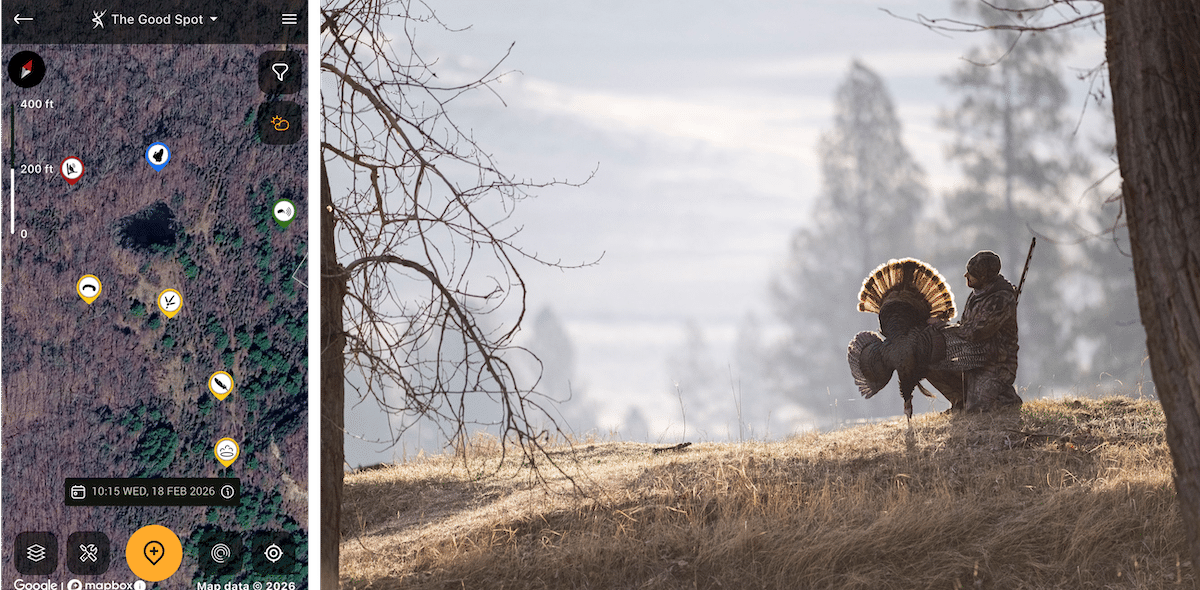
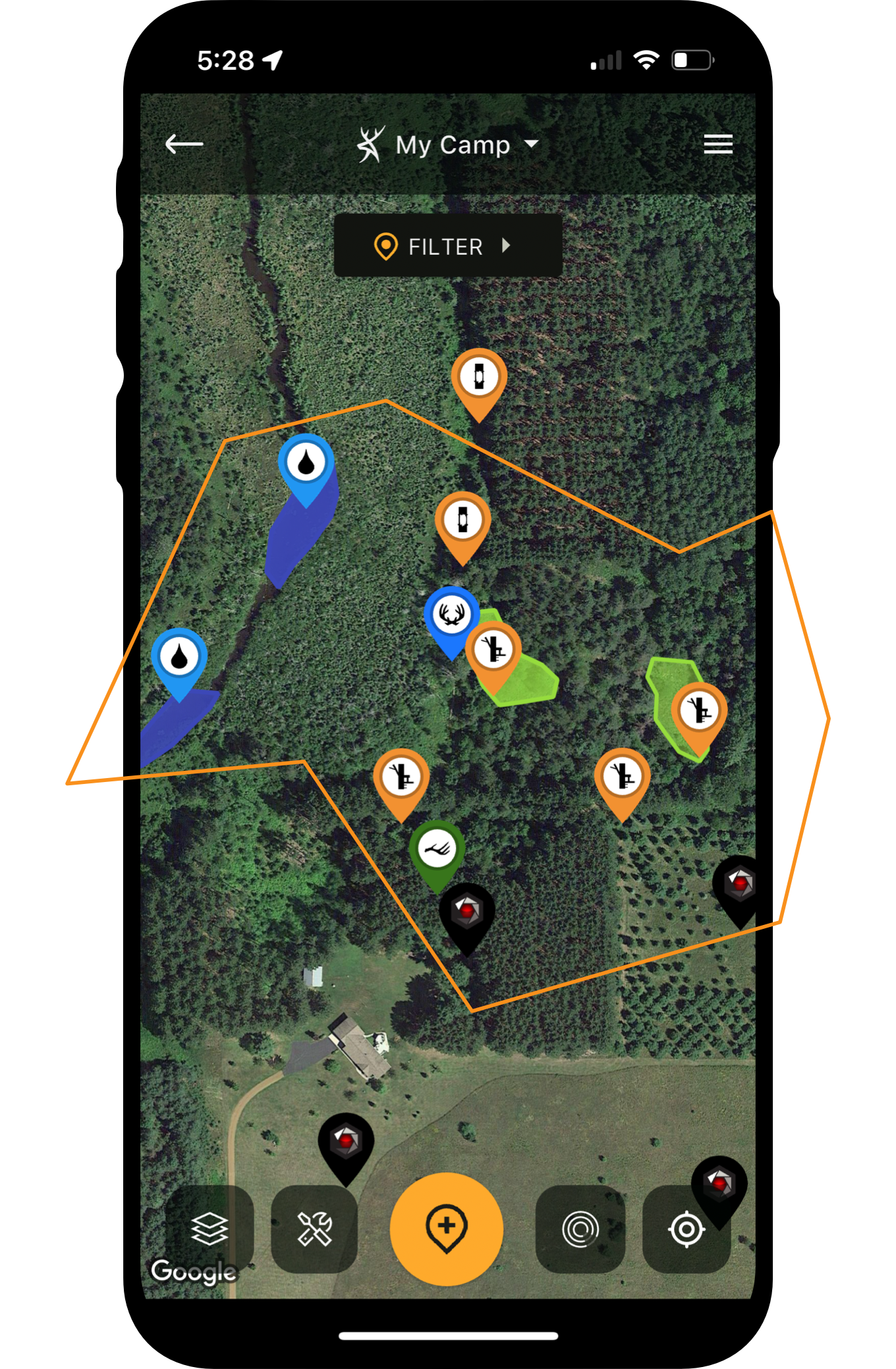
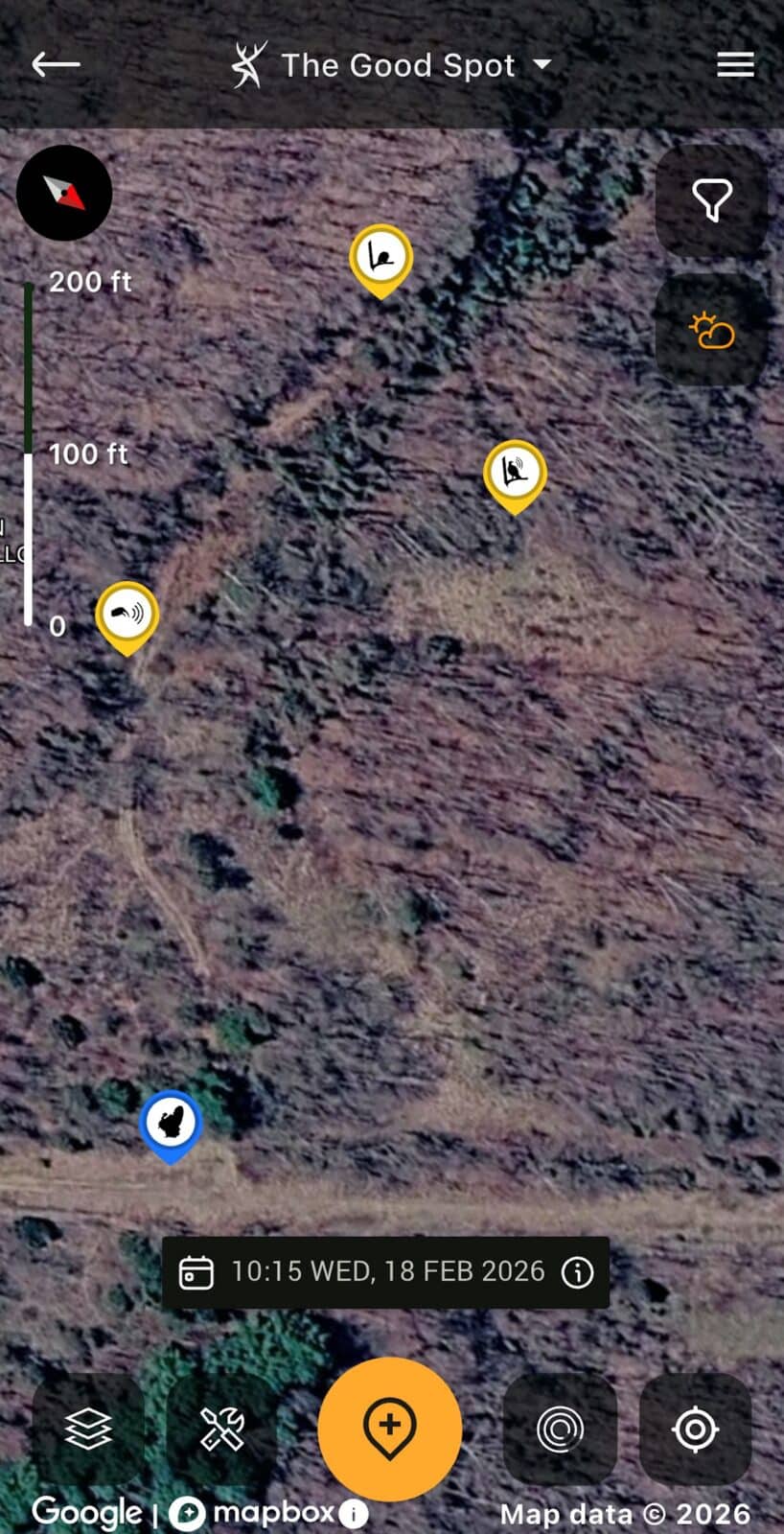
Create Hunt Areas in HuntStand for your anticipated hunting spots. Log all scouting discoveries before and during the hunt.
3. Build a Hunt Area
Staying organized is one of the best aims of map scouting. When you’ve settled on a specific area for your hunt and have identified what you believe are some solid public parcels to focus on, get your ducks in a row by building out a HuntStand Hunt Area.
The app has all sorts of markers related to parking, food sources, water sources, turkey sign, and so on. Engage the Terrain and Lidar maps, and even 3D mapping, to identify ridges to call or glass from (think open country). Using the Line tool to draw inconspicuous, terrain-informed access to those calling/glassing locations. Spend some time building out the Hunt Area with all pertinent markers on each of the public parcels that you believe have solid potential.
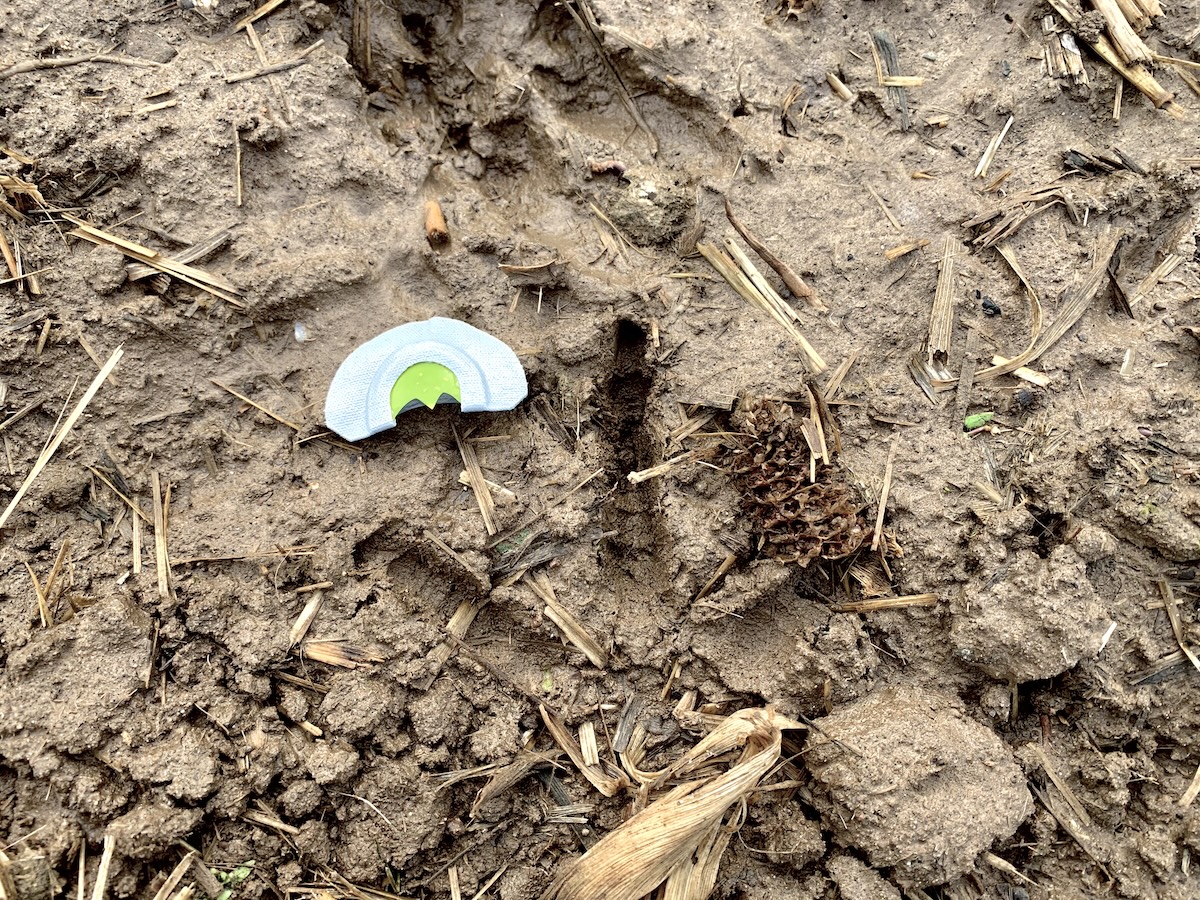
Know where you can't or don't want to hunt within each Hunt Area.
4. Create No-Hunt Zones
An effective way to weed out unproductive acreage before your hunt is to predict where hunting pressure is likely to be the highest and then avoid those areas. It’s a given that most hunters will park in the main parking areas and then walk half a mile or less on a maintained road or trail, jutting off that trail 250 yards or less.
To denote these no-hunt zones, draw a line along the main access trail or road in the app. Once you have a half-mile line, draw lines perpendicular to that trail or road for about 250 yards. With these lines, you can now use the shape tool to draw your rectangular or semi-rectangular no-hunt zones. There are no absolutes, of course, but very seldom will you find what you’re looking for where everyone else is hunting. And even if those areas have birds, you’ll probably be tripping over other hunters, which isn’t very fun or safe.
The Best Turkey Hunting Spots (and How HuntStand Pro Finds Them)
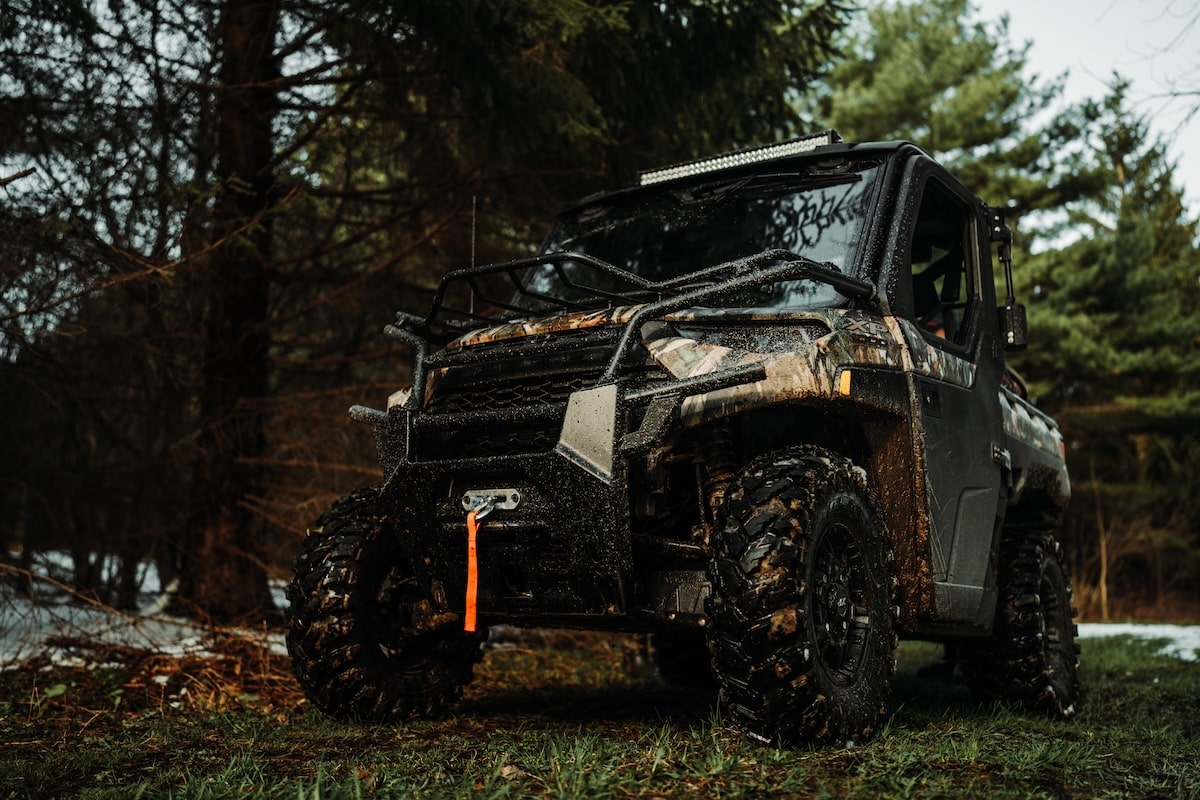
Consider some private land plan B, C, and D options.
5. Have a Private-Land Backup Plan
Some public-land turkey hunts can be a grind. If you’re a few days in and the only birds you’ve seen or heard are on private land, you’d best pull up the Property Info overlay and determine who owns the land where you’re seeing and hearing birds. Armed with the owner’s name and address, either stop in and knock on their door (if they live nearby), or look up their phone number on whitepages.com.
If you present yourself respectably, you’ll likely get a “yes” if you’re persistent and make enough connections, unless the area is dominated by hunting leases and clubs. If you come up empty-handed, consider meeting local folks at some nearby establishments. From service garages to coffee shops to diners, it’s possible to do some on-the-fly networking and connect the dots to some access.
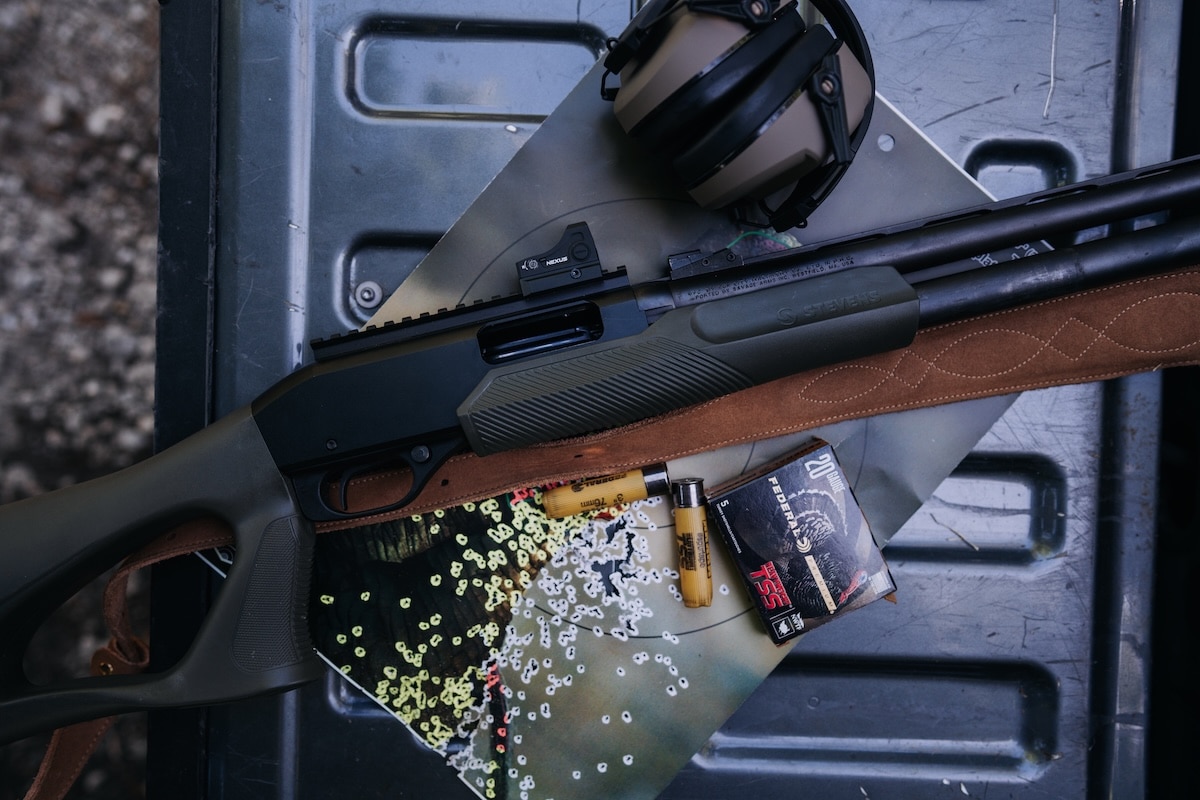
Use gear that's more conducive to out-of-state hunting. This includes greater reliability and lower odds of needing maintenance and repairs.
6. Gear Up
While hunting skills and pre-hunt map study are critical components to your success, the right gear can make the difference, too. This makes upgrading to HuntStand Ultimate a no-brainer. You’ll get special member-only pricing in the HuntStand Store on killer turkey hunting gear from top brands, such as Avian-X decoys, Hunter’s Specialties calls, and Muddy blinds.
HuntStand App Layers and Tools for Backcountry Turkey Hunting
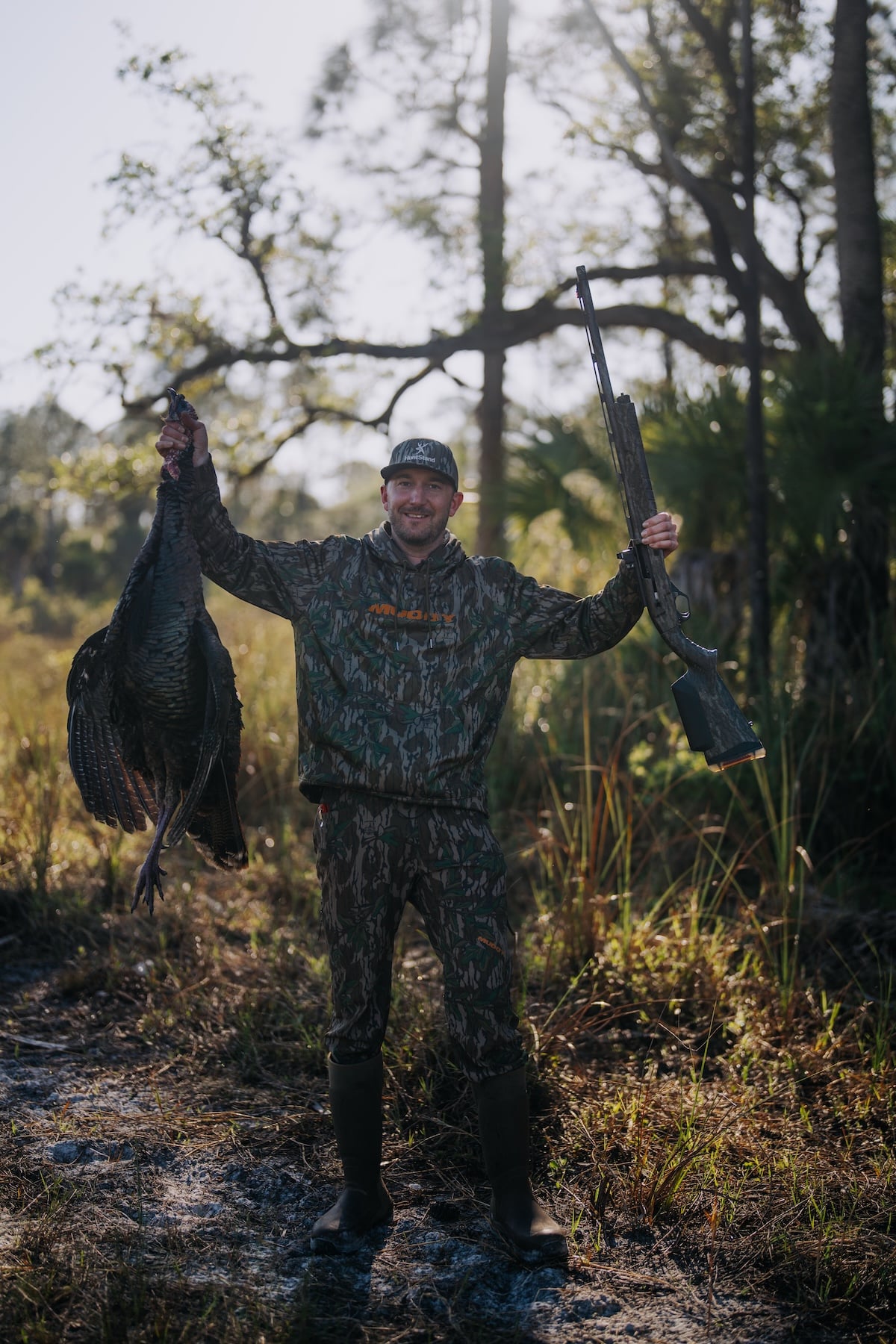
Be prepared for all types of weather, especially those which are seasonally typical.
7. Check the Weather
The weather can be unpredictable in some regions throughout the springtime. The northern half of the U.S. is likely to see cold temps and snow in April and even into May, so checking the forecast several times leading up to your departure can influence the gear you pack. It can also influence where you hunt. Have sheltered areas such as bends in creeks or the backsides of large hills/ridges in mind in blustery conditions and consider bringing a ground blind and rain gear if there is considerable precipitation in the forecast.
HuntStand makes it easy to stay on top of the weather. You can access the current, hourly, and 10-day forecast on the home page of your Hunt Area. One tip that most turkey hunters don’t think of is using HuntZone in high winds to track wind direction. Using the Terrain map and based on the wind direction in HuntZone, look for the leeward side of big hills, and birds might be there when the winds are ripping.
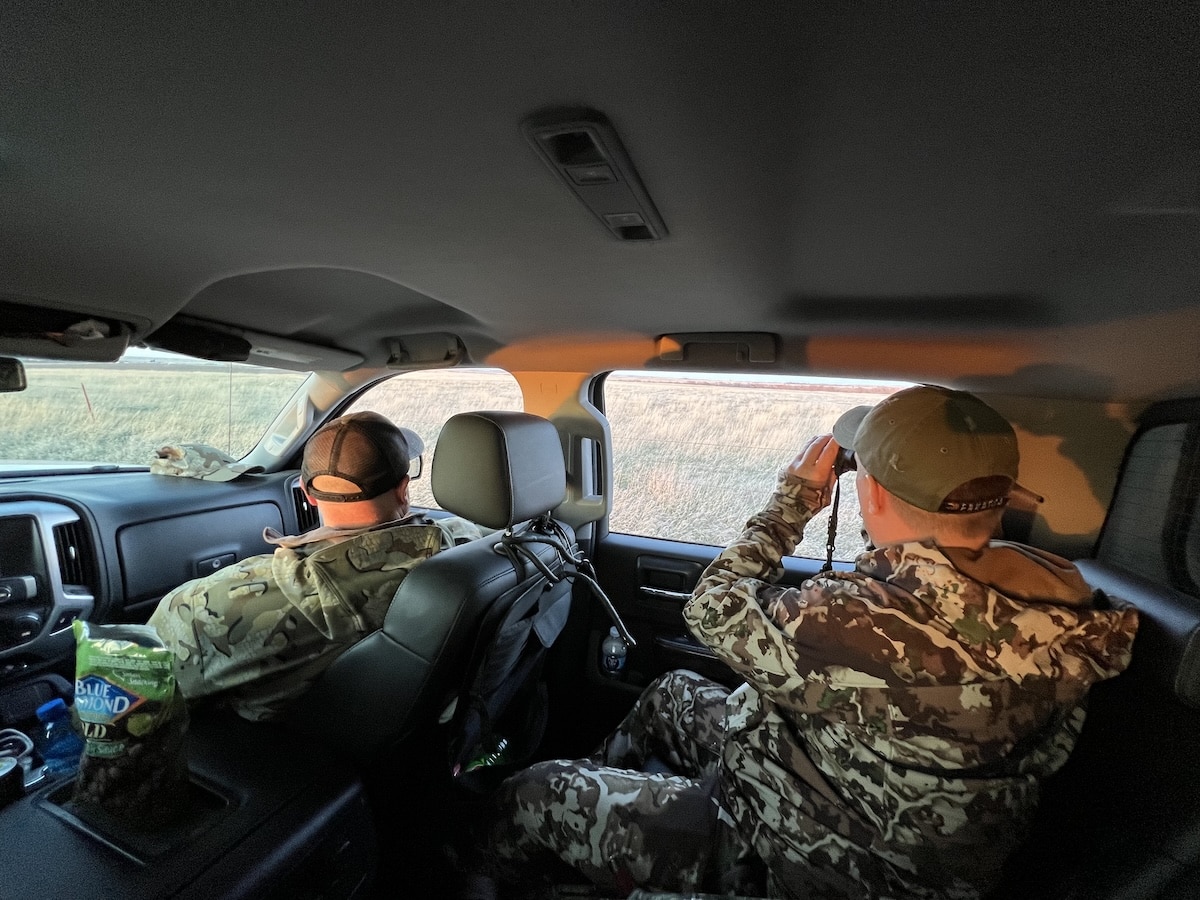
Spend plenty of time scouting upon arrival.
8. Get a Finger on the Pulse
Upon arrival, do some driving in the vicinity of your HuntStand markers and see if you can get eyes on birds, gauge hunting pressure based on parking areas, camping areas, and hunter traffic on roadways. This can inform your first moves and help you make the most of your time.
If you don’t see birds, suit up and start covering ground and popping in on the areas you have marked up. A great way to locate birds is to listen in an area that you’ve marked as a potential roosting area at daylight. If nothing is talking, try some owl hooting or crow calling to trigger a shock gobble.
In the daylight, the best scouting tactics are to sneak around and look for physical turkey sign. Fresh droppings and scratching are telltale signs of regular bird activity. Have a color-based scheme with your markers. As you discover sign or places you feel are worth hunting, change the marker to green. Change the less-promising markers to red and simply delete the duds. Updating your Hunt Area as you go can keep you on task and optimize your results.
Ways HuntStand Pro Makes You a Better Turkey Hunter
Use each available HuntStand tool to your advantage.
9. Engage the Track Feature
When you’re hunting and scouting, use HuntStand’s Track feature so that you can see what ground you’ve covered. It’s easy to assume that you thoroughly covered the parcel, but without the Track feature enabled, it’s tough to know if you’ve left some productive spots on the table.
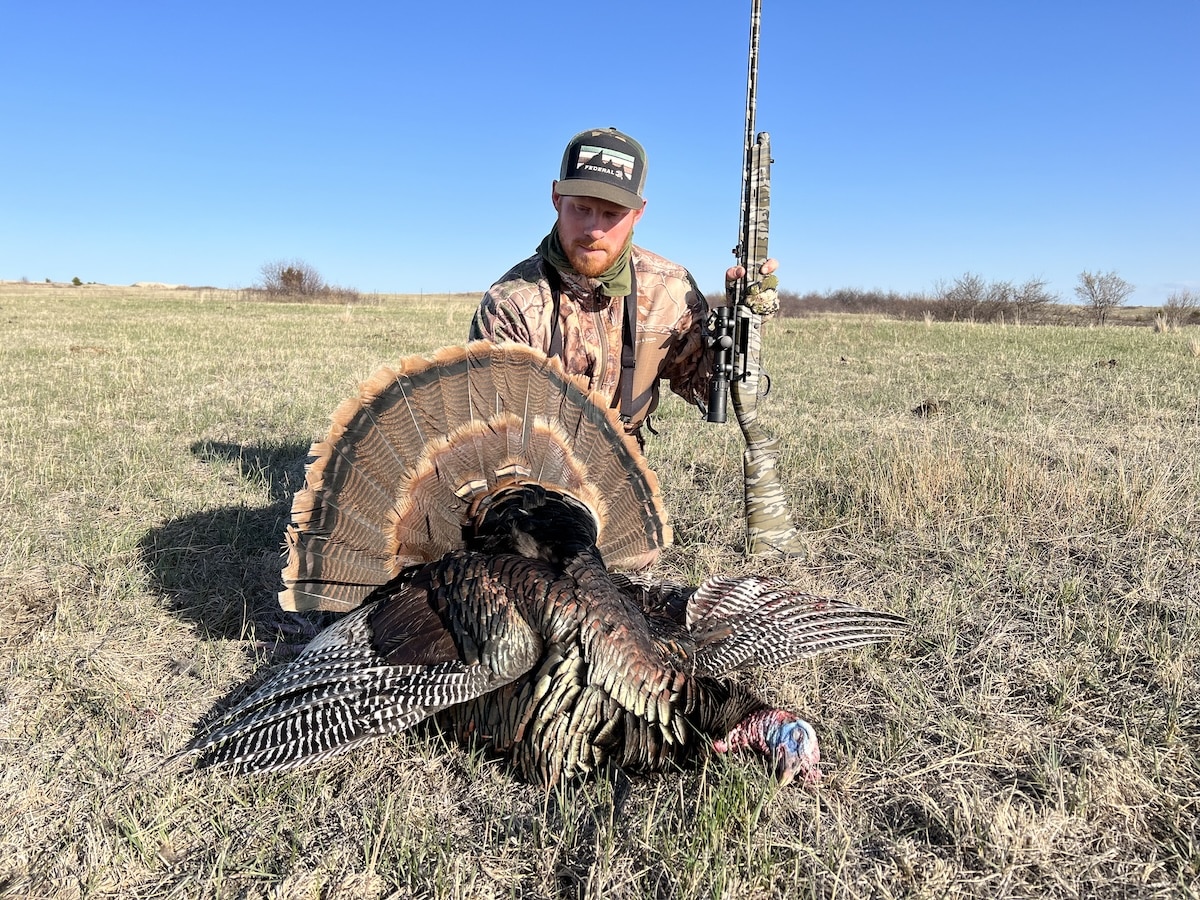
The author poses with a big road trip gobbler.
10. Get Aggressive with Turkey Hunting Tactics
Finally, if you have only three to five days to hunt, you might start out conservatively on the first day, but don’t be afraid to get aggressive. There are a lot of ways to kill turkeys, but on a traveling hunt, it often comes down to spotting birds a mile away in your spotting scope and then running out there and closing the distance or moving with a gobbler and coming at him from different angles all morning long until he caves and comes to your call.
Lastly, as you make aggressive moves, always reference the terrain layout between you and the gobbler using 3D mapping, or the Terrain and Lidar maps. Sure, you can see some of the terrain with your eyes, but you’ll have a greater perspective by engaging these HuntStand features.
That’s all. Enjoy your spring turkey road trip!