



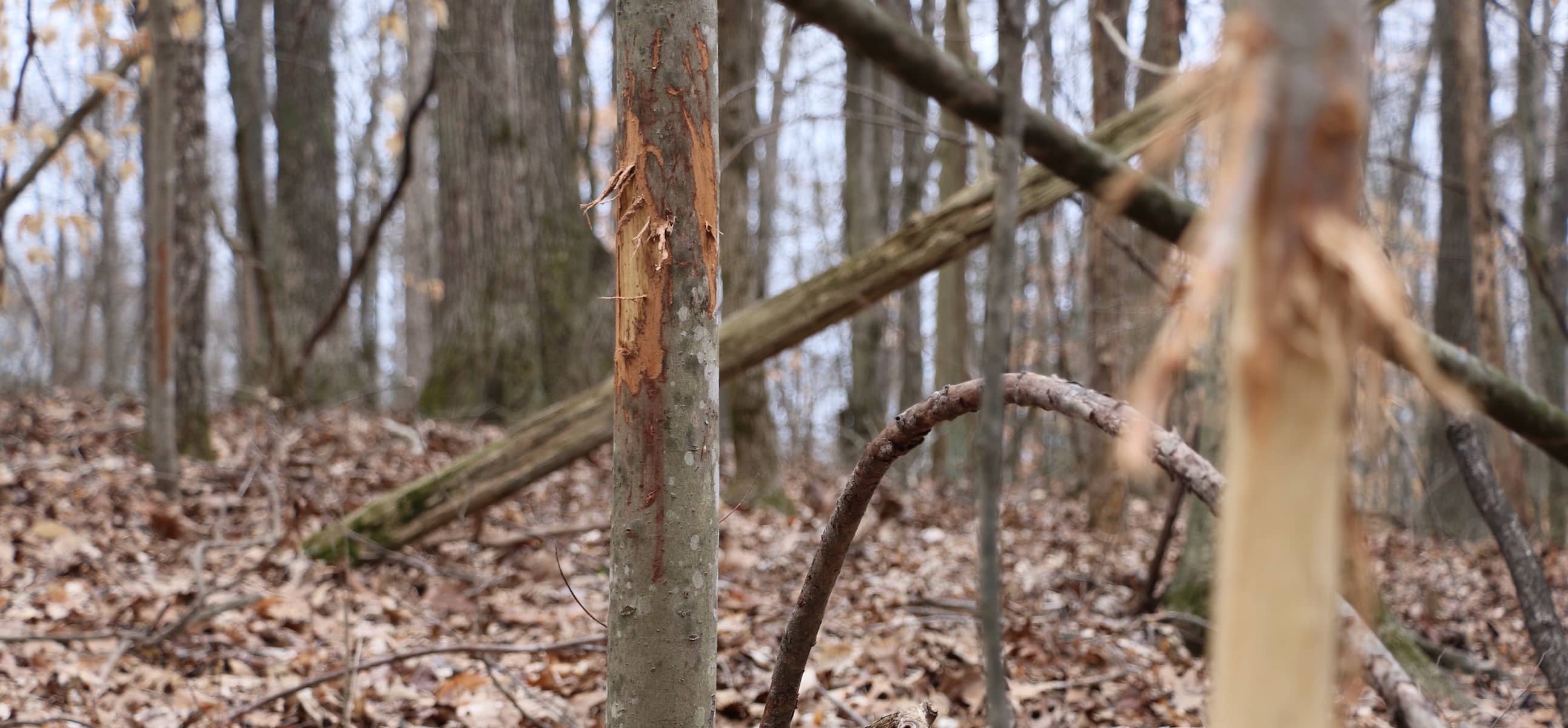


This is the type of sign you want to find.
Few things excite deer hunters more than the discovery of numerous large rubs on their hunting property. Hunters have long used the size, location, and number of buck rubs to select hunting locations and to help understand how bucks move throughout their property. But, excitement often leads to disappointment as they spend countless hours hunting rubs, often with little success. What gives?
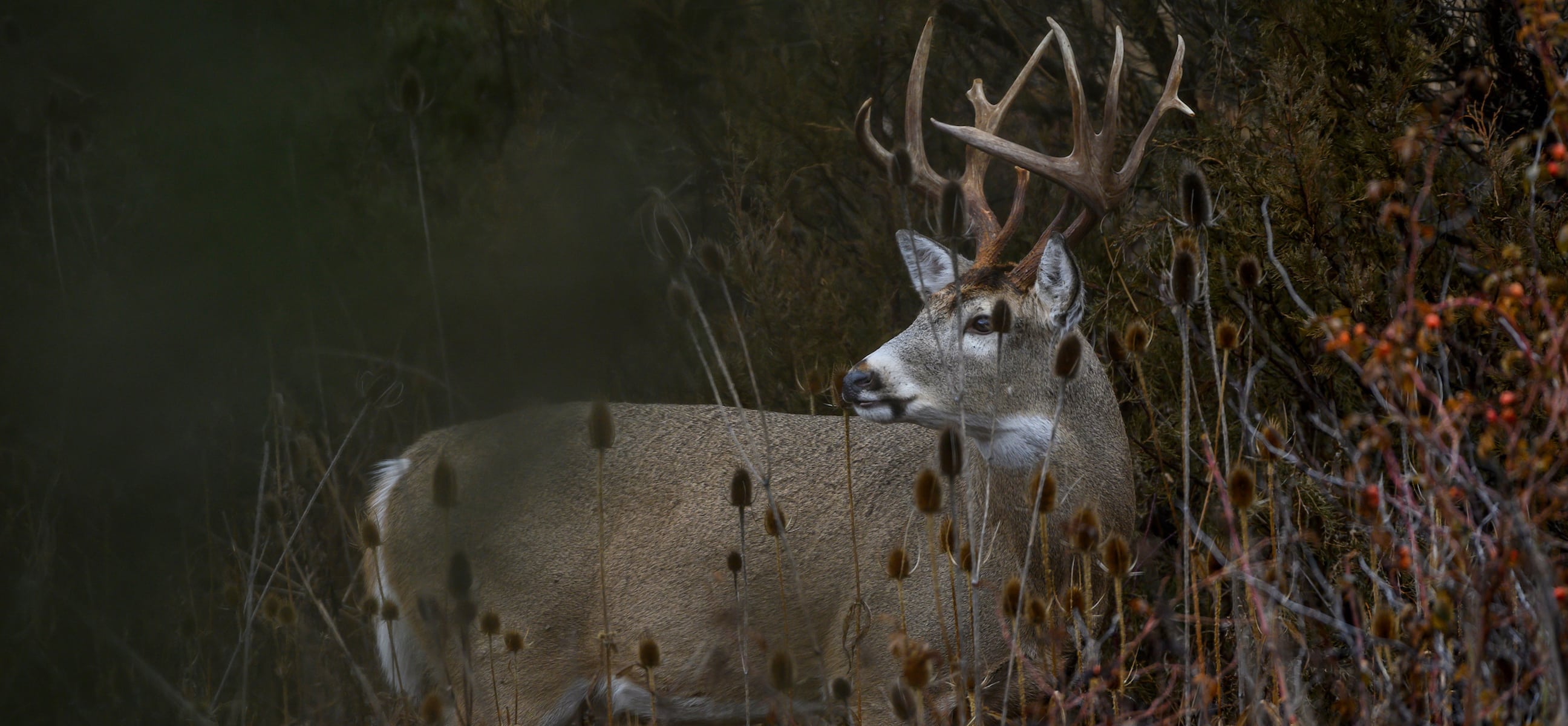
Previous research has revealed that white-tailed deer are “creatures of the edge,” and spend a majority of their time in close proximity to habitat edges. These can be “hard” edges like those bordering a hardwood forest and a field, or “soft” edges like transitions between forest stands of different age. Therefore, a better understanding of buck movements and rubbing patterns as they relate to specific habitat features could greatly increase your hunting success. Thankfully, the results of a landmark, 10-year study on where bucks make rubs has revealed new insights into buck movements.

As velvet strips off, expect rubs to start dotting the landscape.
Inside the Study
The study was spearheaded by wildlife consultant Bryan Kinkel on a 488-acre property in west-central Tennessee. The property is best described as a Ridge and Valley system featuring long, narrow, hardwood ridges separated by steep, narrow valleys containing food plots and old fields.
The first step of the project involved classifying the habitat into one of several categories. The defining lines between categories were classified as habitat edges. To produce rub sampling areas, long transit lines were randomly placed across the landscape. Rub data were collected by walking each transit line and recording the number of rubs within 10 meters of the transit line. Each rub was classified by the habitat type in which it was located, and the distance of the rub to the nearest habitat edge was recorded. All sampling was conducted in late winter—after most rubbing had concluded.
Find Staging Areas to Find More Deer
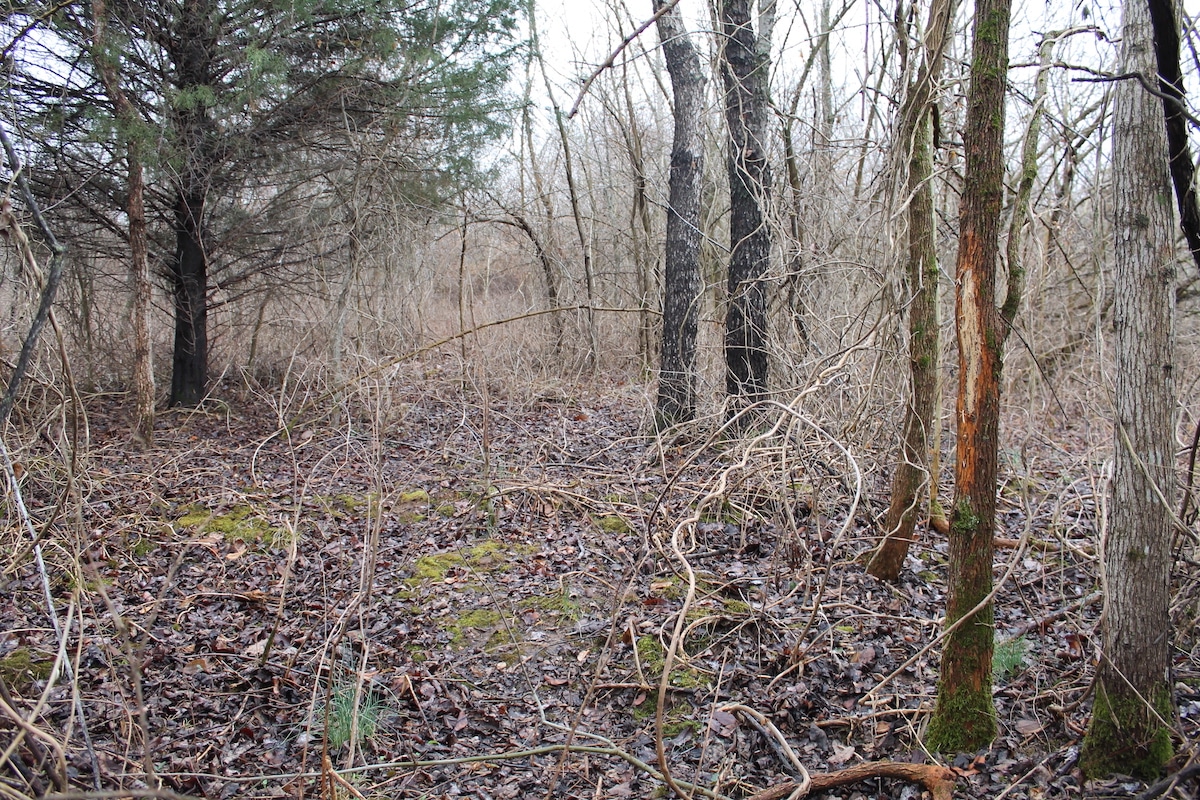
It's quite common for bucks to have a rub or two right next to their daytime bed.
It’s All About Edge
The results of the study revealed strong relationships between habitat edges and rub densities. Kinkel’s research revealed that the highest rub densities (27.9 rubs per acre) occurred within a narrow strip within 5 meters of habitat edges. Rub densities declined with distance from habitat edges, with the strips 5 to 10 meters from habitat edges averaging 17.0 rubs per acre—and the strips 10 to 20 meters from habitat edges averaging 7.7 rubs per acre. The “edge effect” appeared to end about 20 meters from habitat edges, as rub densities averaged 1.8 rubs per acre beyond this distance.
In addition to habitat edges, other linear features such as roads and creeks were studied. Both offered some “edge effect,” but not nearly as strong as habitat edges, with the exception of old, abandoned log-skidder trails. Rub densities averaged 12.4 rubs per acre within 5 meters of these trails, and 5.5 rubs per acre within 5 to 10 meters of these trails. The data also suggested that the less a road is used by people, the more often it is part of a buck’s travel patterns.
How to Build a Habitat Plan for Deer [Deer Dirt]
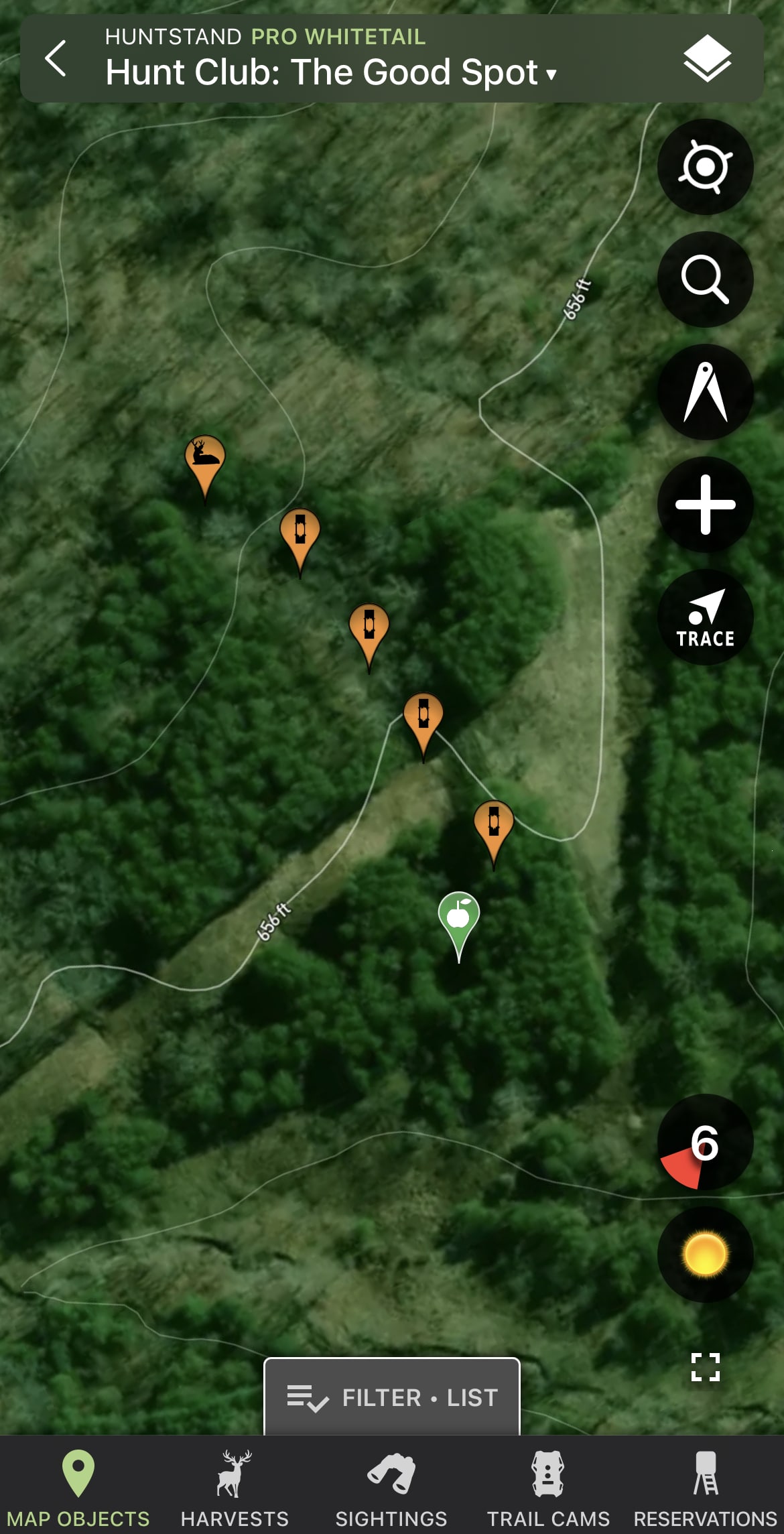
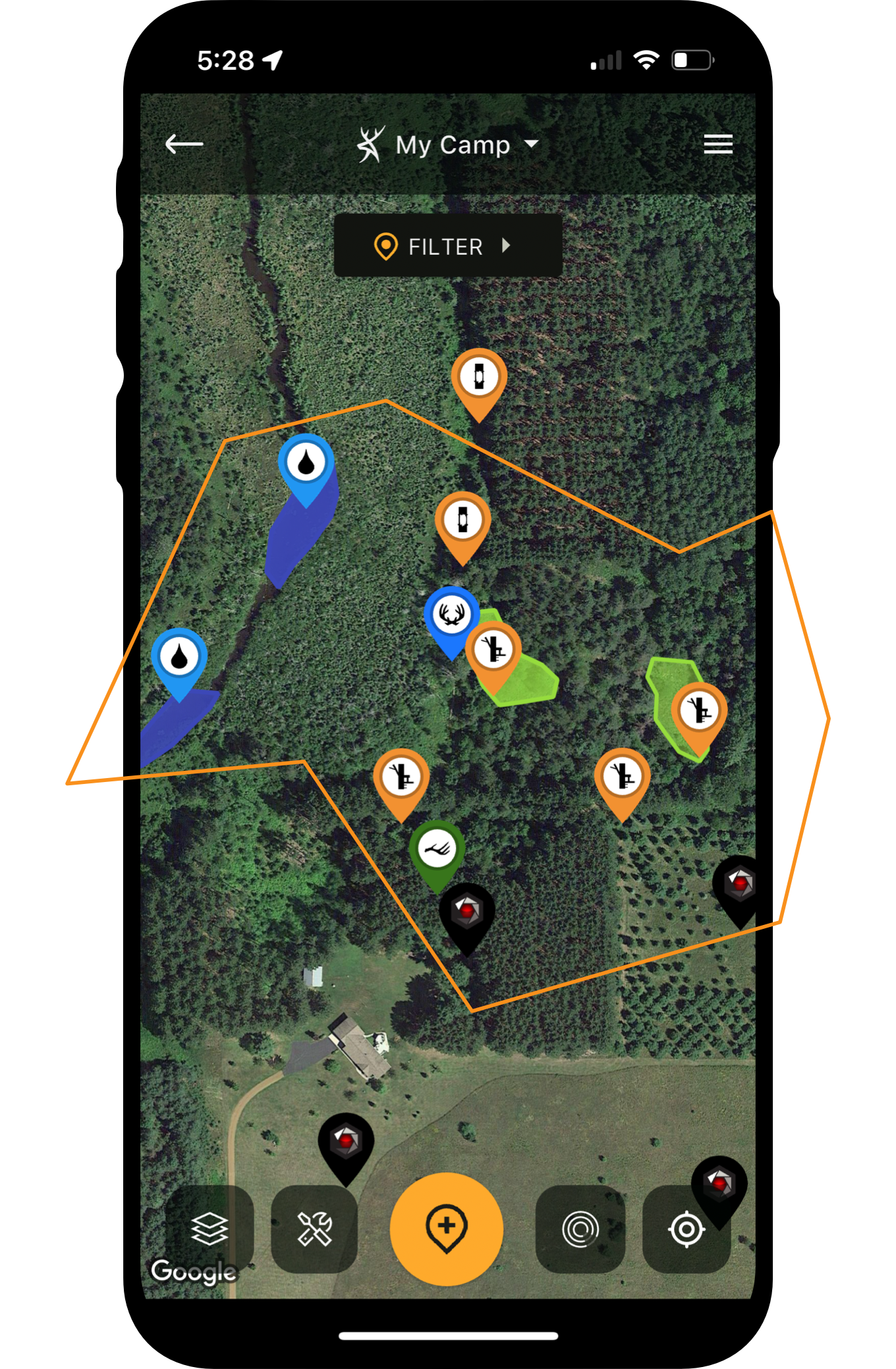
Use HuntStand to mark rub lines that indicate buck travel routes.
However, no matter the habitat type, rub densities were much higher within 20 meters of the outer edge of each habitat type, or near linear features such as skidder trails. In fact, some habitat types displayed nearly 15-fold increases in rub densities in the 20-meter zone bordering the outer edge of the habitat or paralleling other linear features. This suggests bucks are using these habitat edges as travel corridors or concentrated activity areas.
When you log your own local rub observations in HuntStand and then study them using aerial topographic maps (which of course comes highly recommended), don’t be surprised to find many of the same patterns found by the study team.
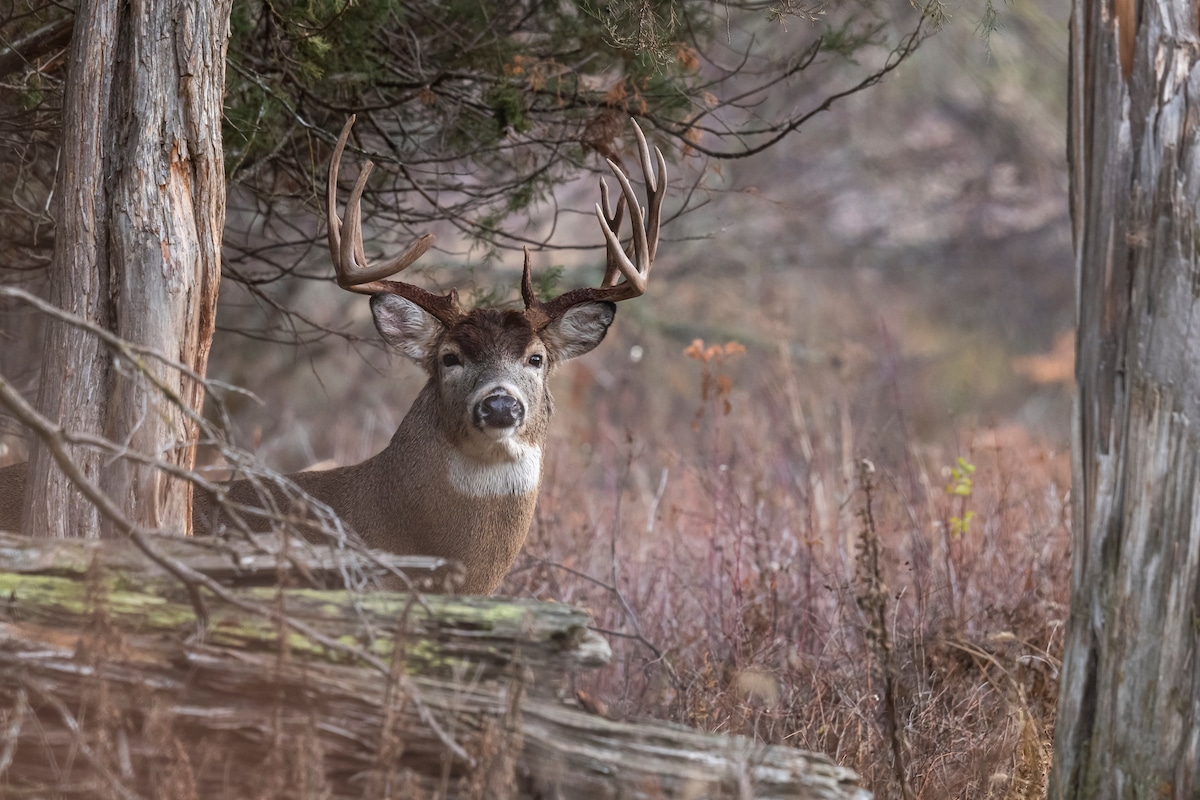
At first and last light, bucks oftentimes hold up in staging areas and work nearby rubs and scrapes.
Topography Matters
The influence of topography on buck rubbing also was examined. Kinkel and his research team classified the study area into one of five categories: Hillsides, Ridges, Valleys, Primary Points and Secondary Points. The tops of ridgelines and level upland plateau regions were classified as Ridges. Narrow valleys or level bottomland areas were classified as Valleys. The slopes off ridgelines or plateaus to where valleys or bottomlands began were classified as Hillsides. However, two types of slopes received unique classifications. Topographic points that were terminal ends of ridgelines were classified as Primary Points, and small topographic points that descended from the side of ridgelines or upland plateau areas were classified as Secondary Points.
When the researchers analyzed the relationship between rub densities and topography, they found that two terrain features—Valleys and Secondary Points—displayed significantly higher rub densities. Both had rub densities 250 to 300 percent higher than the other three topographic features. While unsure exactly why these features were used so heavily, they discovered a strong correlation between good cover and rub densities associated with valleys. Where valleys contained good cover, rub densities were high. However, where valley cover was lacking, such as in open hardwood forests, rub densities were low. In fact, cover habitat located in valleys and bottomlands displayed considerably higher rub densities than the same habitat located on other topo features. They speculated the reason Secondary Points were used more for buck rubbing activity likely was due to bucks using these slowly descending points as “ramps” for easy access between valleys and uplands.
How to Shoot Bucks That Circle Downwind
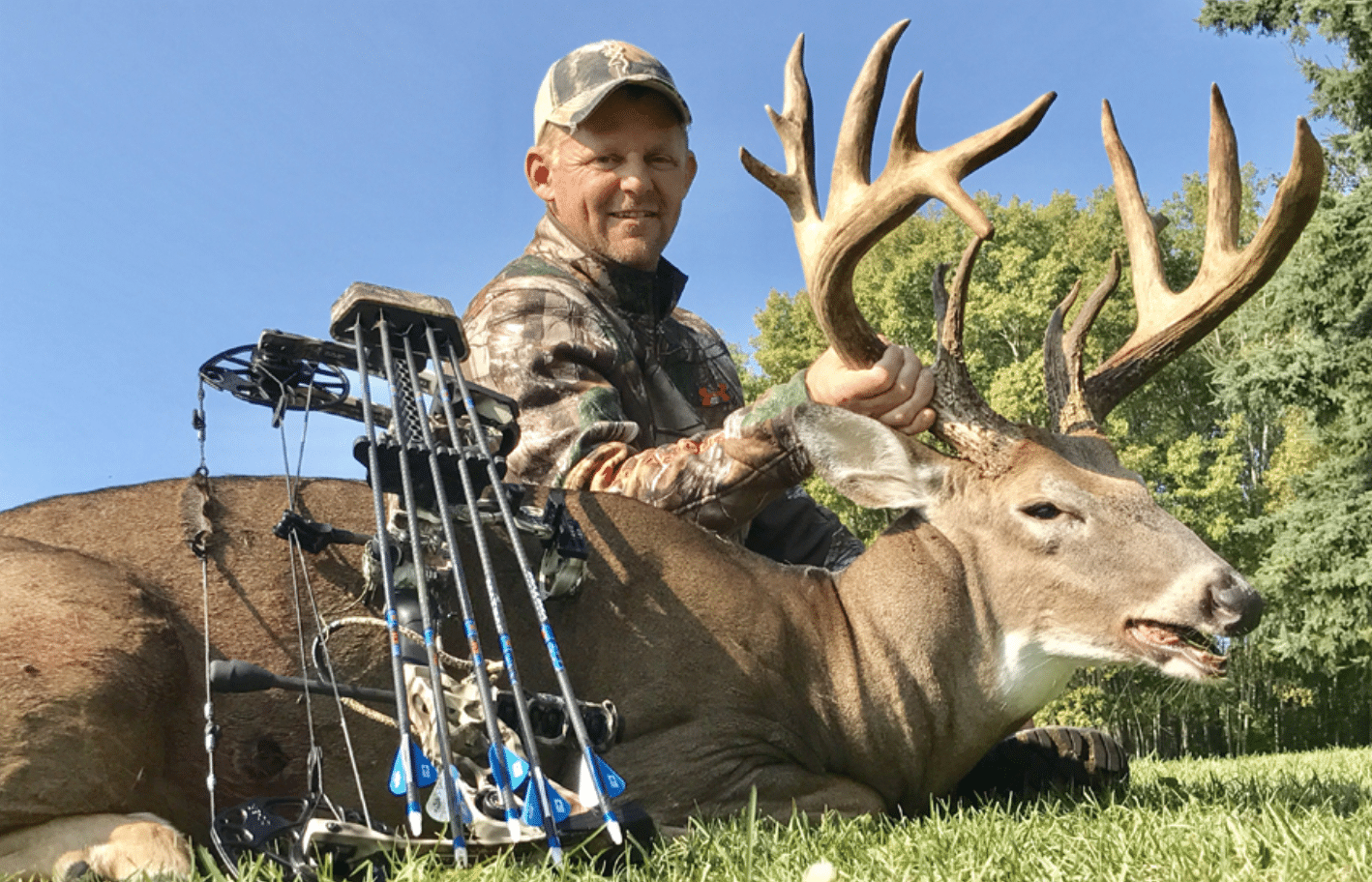
Rubbing activity should hit its peak about a week or so before bucks really start cruising for estrus does.
When the effects of 20-meter “edge zones” were analyzed for topography, all topographic features displayed large increases in rub densities. The already higher rub densities for Secondary Points and Valleys were increased when edge zones were present.
How much time do you spend learning your local hunt area with cellphone in hand? Here again is an excellent opportunity to run down these specific types of habitat on your own land, log your observations into HuntStand, and begin learning the local buck movement “code” by studying your map markers.
Finding a buck's rub line can help drill down on its bed-to-feed patterns.
Hunting Implications
As deer hunters, you realize hunting the edges of large food sources such as food plots or stands of oak trees can be frustrating, because deer can enter or exit these areas at numerous points out of range. However, using the results of this study to fine-tune your hunting setups using your personal HuntStand data, can greatly increase your odds of hanging a tag on a mature buck this fall.
According to Kinkel, “One of the best hunting locations is a valley or bottomland food source with habitat edges running from adjacent uplands down descending secondary points, and intersecting with the food source. Hunting habitat edges that run from thick cover in valleys/bottomlands up the spine of secondary points to a ridgetop/upland food plot also can be very good. And, don’t forget those seldom used roads.”
Find Public-Land Deer Hotspots on the Fly with HuntStand Pro
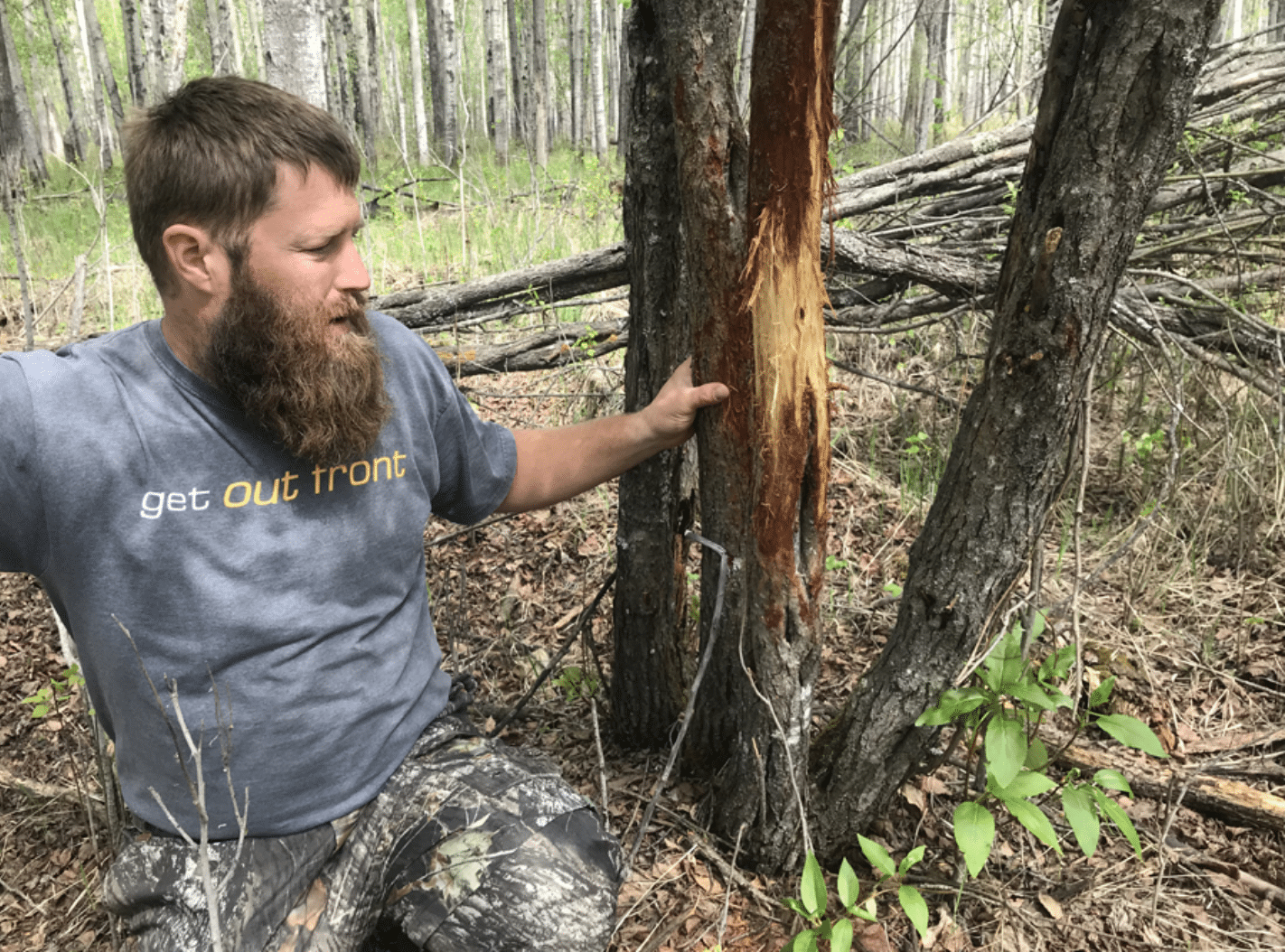
A big rub like this one is what hunters dream about.
In addition to helping locate the best hunting locations on a property, the results of this study also can be used to better distribute hunting pressure. A common mistake by hunters is over-hunting a handful of areas, while avoiding others altogether. Simply studying your stand sites in relation to property boundaries on HuntStand can lead the way. Savvy hunters realize that mature bucks are extremely sensitive to hunting pressure, and will quickly learn to avoid those locations during daylight hours.
Identifying numerous hotspots throughout the property can greatly increase hunting success. Keep this information in mind the next time you fire up HuntStand and are trying to decide where to hang your next deer stand—it just might be the difference between filling your freezer with prime buck venison and another bowl of tag soup!
21 Great Early Season Treestand Locations