




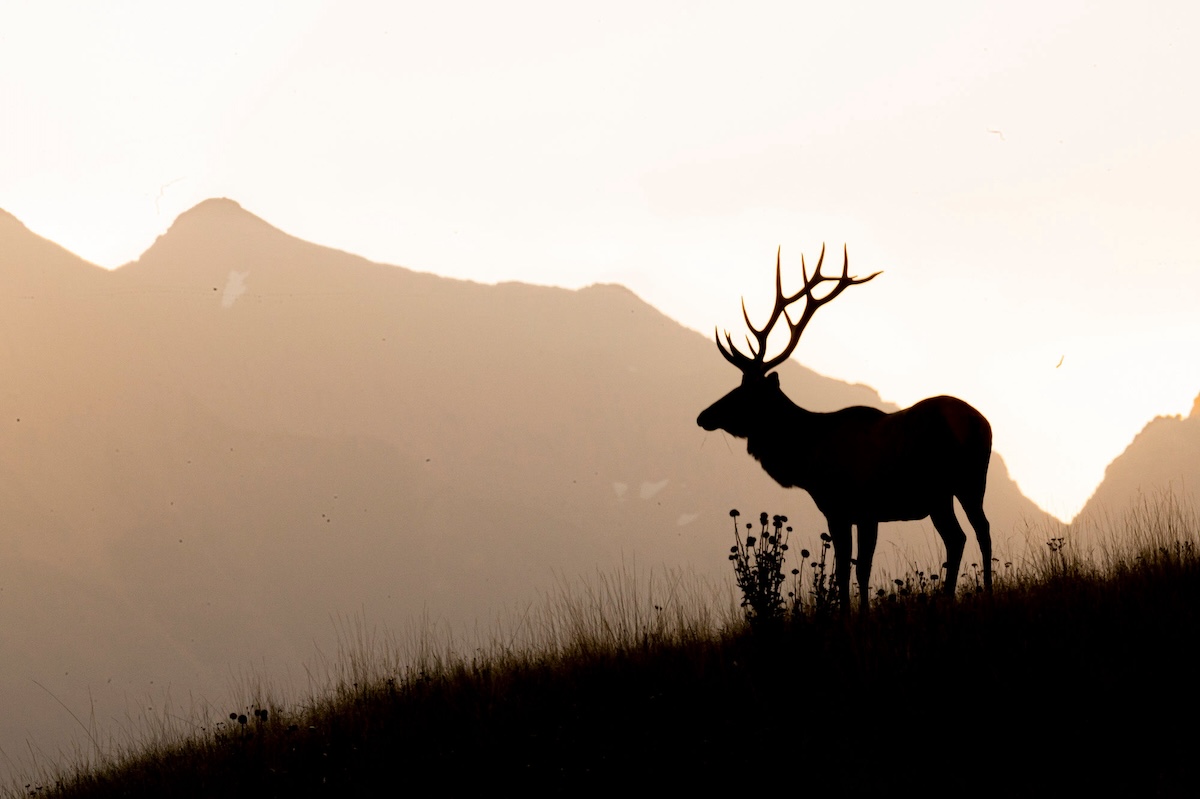

There are advantages to going deep into elk country; however, if you arrive to find other hunters where you want to be, it's much more difficult to pivot.
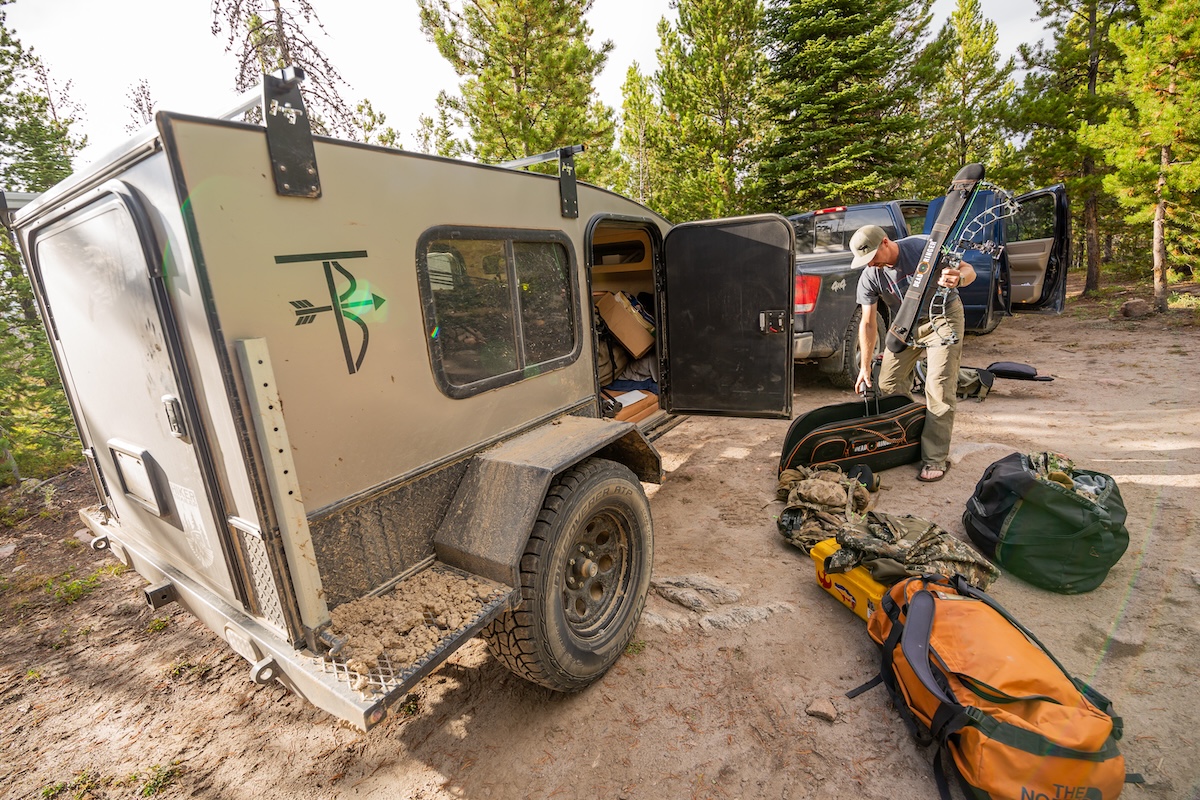
Sleep is essential to any elk hunt, and you'll sleep better in a camper or truck bed than on rocky, uneven ground.
Before having back surgery this past March, I was an ultra-runner. A microdiscectomy was necessary to fix disc herniation at L4-L5 and L5-S1. After the surgery, the doctor told me it was “bad in there” and that my running days should be limited. So was hiking miles deep to hunt elk.
Ouch! I became an ultra-runner because of my desire to hunt elk in the Rockies. I learned the better shape I was in, the farther I could go, the longer I could stay, and the more enjoyment I could extract from an otherwise grueling hunt.
While my back is stronger than ever, and I lift daily and run four times per week, I won’t dive deep for elk again soon.
Since 2019 (long before my back got bad), I stopped beating the go-deep-and-far-to-kill-bulls drum. I also stopped writing about it. I’ve learned that most hunters walk by elk to reach elk.
I don’t hunt close to main blacktop roads, dirt roads, and trailheads because I’m lazy or no longer want to sleep in a coffin-sized tent under the stars each night. I do it because my success rate has increased.
There’s nothing wrong with throwing on a high-cubic-inch backpack and going deep into elk country. However, you might earn a stick-and-string opportunity if you follow the tips below and hunt closer to roads and trails.
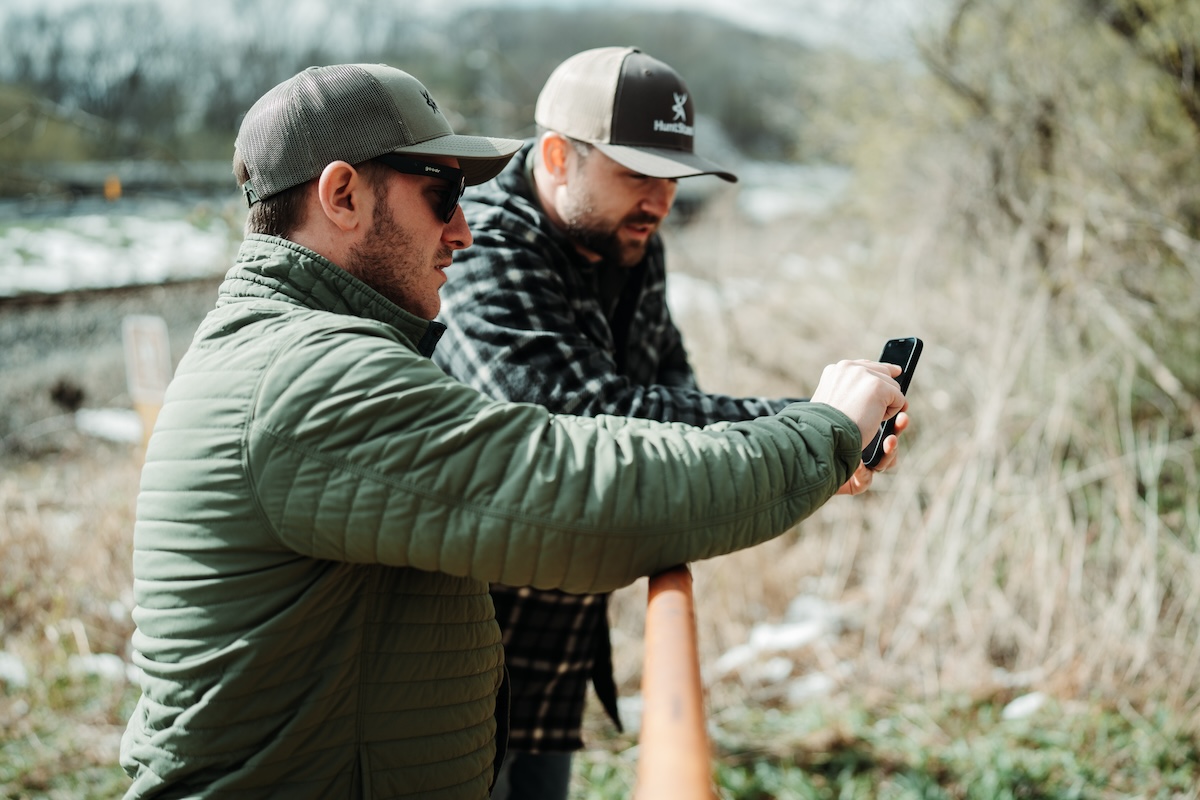
Hunting closer to roads and trailheads allows you to pack up camp more quickly and head to the next waypoint.
The “Why” of Elk Hunting Close to Roads and Trails
Typically, I find less hunt pressure hunting close, especially when I seek areas like those mentioned above. Nothing ruins a good elk hunt like human pressure.
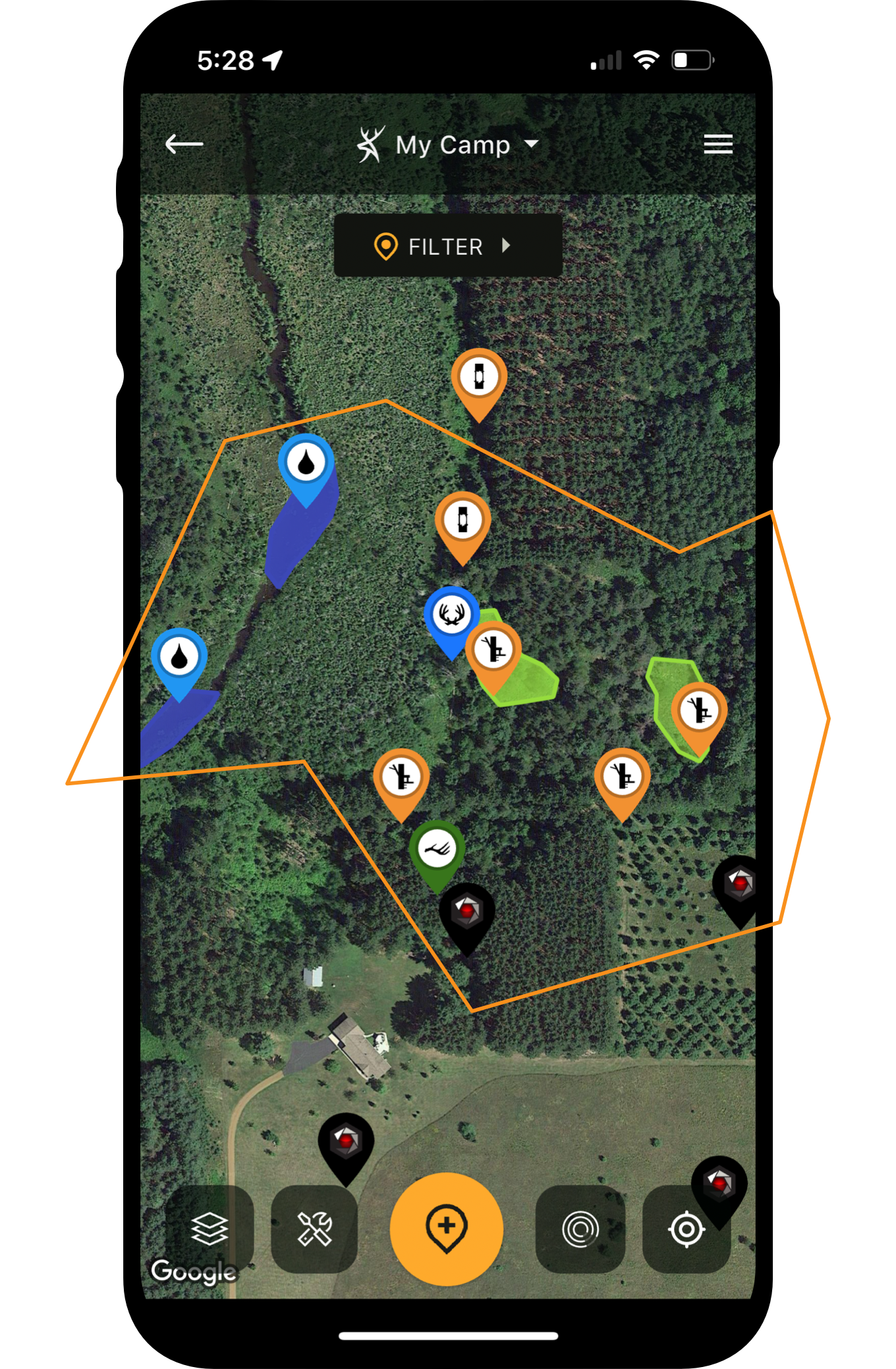
Secondly, before my hunt, I pin no less than 10 areas on my HuntStand app. Each location is close to roads and trailheads, allowing me to pop in and out reasonably quickly. If I bust into an area and don’t find fresh elk sign, I leave, jump in my Chevy, and head to the next spot. And by fresh sign, I mean poop that’s greasy, urine spots that are still wet, and rubs with broken pine boughs that are still green. Typically, I find elk in multiple places.
Thirdly, when you strap a 6,800-cubic-inch pack on your back and walk miles into the backcountry, you’re committed. If you walk 6 miles and find an outfitter camp, other hunters, or a lack of elk, it’s a full day of walking out, regrouping, and repeating the process. I’ve lost two days of hunting going deep. When hunting close, if you discover hunting pressure, you walk 1/2-mile or less back to your vehicle and move to your next spot.
Another bonus to hunting close is having a lot of sleep options. I still tent camp, but at age 44, I prefer to sleep in my Jayco camper. I’ll also sleep at trailheads overnight in the back of my truck to ensure I’m first on the scene come morning. I especially do this if I have an excellent evening hunt in an area and want to be back on the elk first thing in the morning.
How to Prepare for a DIY Western Dream Hunt [Part I]
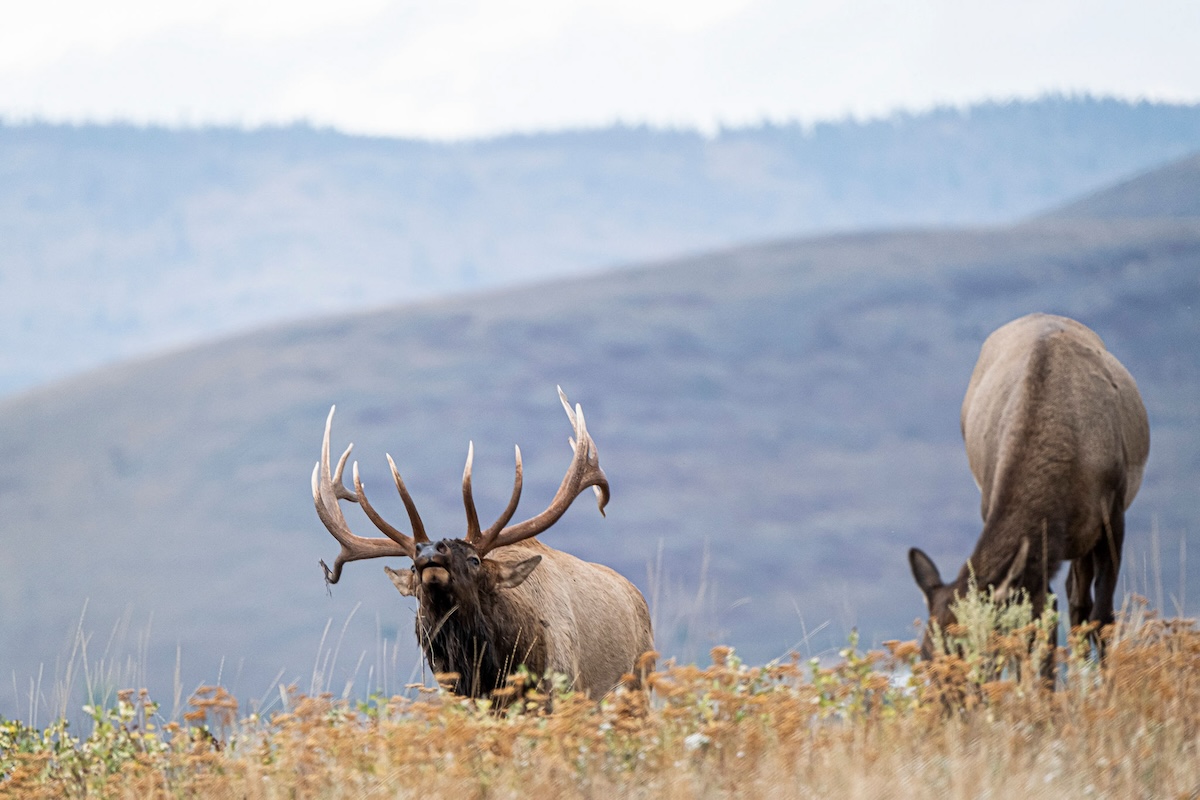
You can get into some great elk hunting by NOT hiking miles deep into the backcountry.
The “Where” of Elk Hunting Close to Roads and Trails
A resident of the West, I have many elk honey holes. However, most of them were discovered while e-scouting on my HuntStand app.
When I hunt an elk area new to me, I follow the same e-scouting routine I used to locate all my Colorado spots.
First, I look for areas near roads and trails with an immediate, almost scary-looking ascent or descent. Ascents are better, but savvy hunters know what goes down must come up. I find the most hellish climbs possible that make sense.
By making sense, I mean there’s likely elk at the end of the uphill or downhill death march. Of course, elk don’t mind ultra-steep terrain, but these aren’t the best places to kill an elk. I look for steep ascents and descents that lead to flatter bench areas. Elk love benches, especially those surrounded by very steep terrain. They can quickly dive down or go up from the bench when they feel danger.
I also look for areas with a series of drainages. Many mountain ranges have creeks between two ridges that form drainages. The drainages are often thick and gnarly, and the steep ridges on each side provide excellent cover. I study these drainages carefully and look for small flat spots, even ones a few hundred yards long. I find elk in these areas a lot.
Throughout most of September, rutting bulls and cows seek sanctuary on timbered north-facing slopes. They do this for thermal regulation. Elk are big-bodied critters, and daytime temps, even in the Rockies in September, can be hot. North-facing slopes are excellent, and elk often move to them to bed for the day.
How to Prepare for a DIY Western Dream Hunt [Part 2]
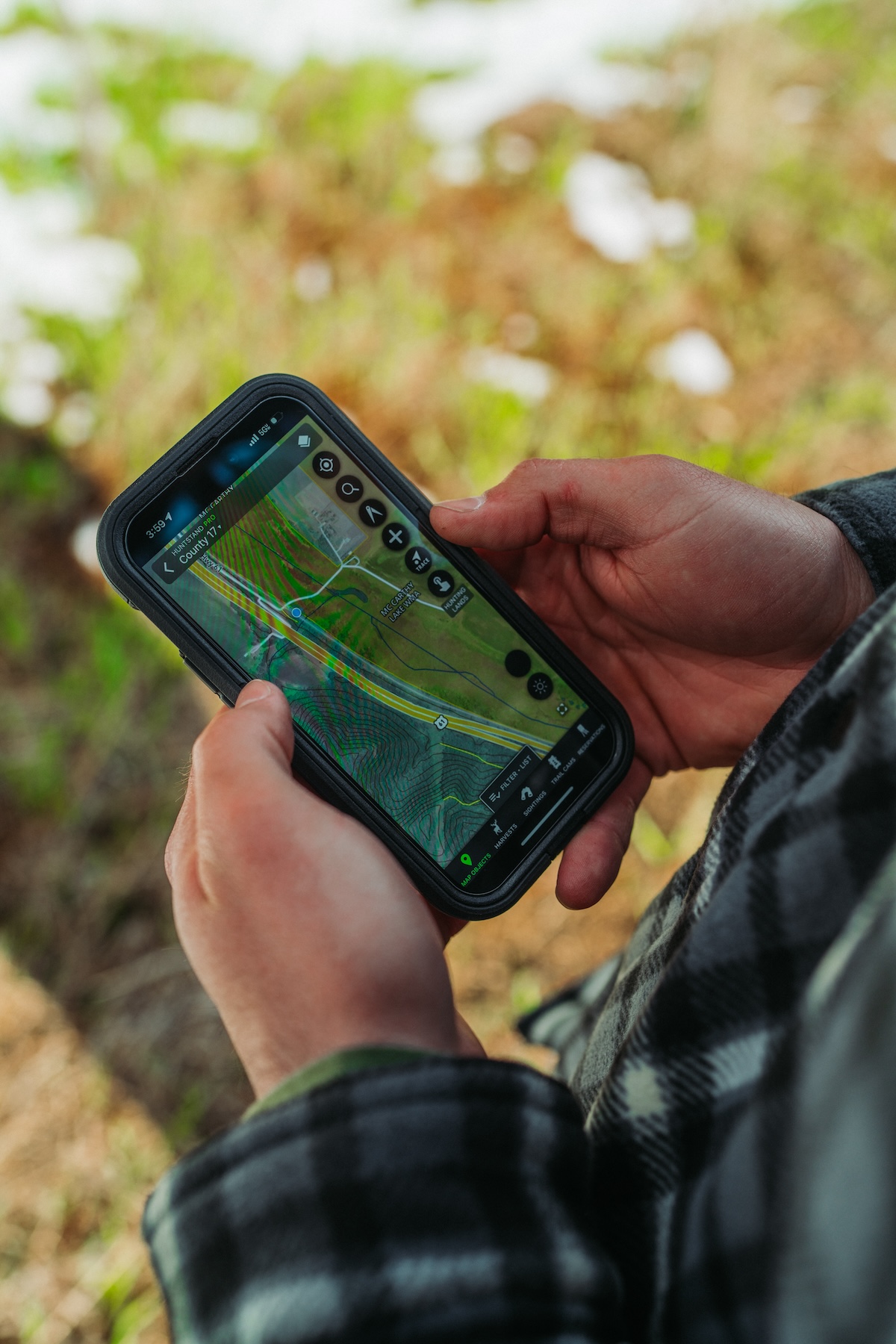
Remember ethics, and if someone is already parked at a trailhead, head to the next waypoint.
Good Elk Hunting Ethics
I don’t need to spew much ink here. I’m not too fond of sleeping in my truck at a trailhead and having another hunter pull up behind me as I get ready to roll in the pre-dawn darkness, jumping out of his vehicle and going where I planned.
Yes, it’s public land, but have some respect and ethics. Several times, I’ve pulled up to a trailhead at 3 a.m. to find a tent or truck parked there. I don’t think twice. I turn around and head to my next spot. This is another reason why marking many waypoints on your HuntStand app is so important. If one spot is a bust, you move on to the next one.
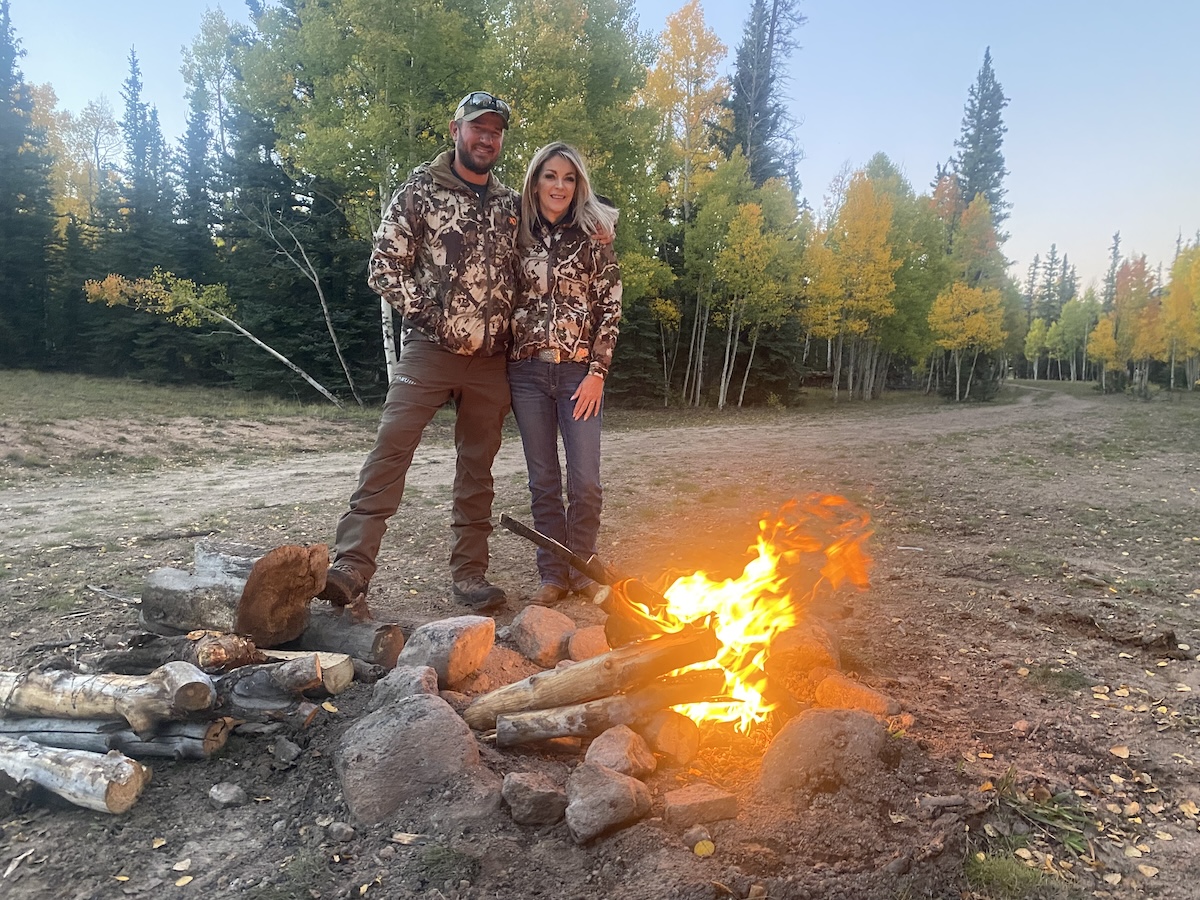
My buddy and elk guru, Steve Fernandez, and his wife, Jess, love using their camper and camping close to known elk haunts.
Smart Elk Hunting Tips
Hunting close has taught me the need to hunt exceptionally smartly. Most often, I find small numbers of elk in small pockets. When I blow them out, it’s game over.
In 2022, my good buddy and I hunted a prime unit in Colorado. Due to the limited hunter numbers, this was one hunt where I wanted to go deep and far. However, in August of 2022, my back problems started. We were forced to hunt close to roads and trails.
The place where I killed my bull had one boy elk and one girl elk. We were less than a mile from the truck. Of course, we knew the cards we’d been dealt. We knew there was a single bull and a single cow. However, we also knew it only takes one bull. We forget that a lot as hunters. Sure, many animals are great, but sometimes less is more. It’s fewer eyes, ears, and snouts to fool. We hunted the bull smart, and I ran an arrow through him at 32 yards.
Your Guide to Western Big Game Draws: From Point Systems to Understanding Draw Odds
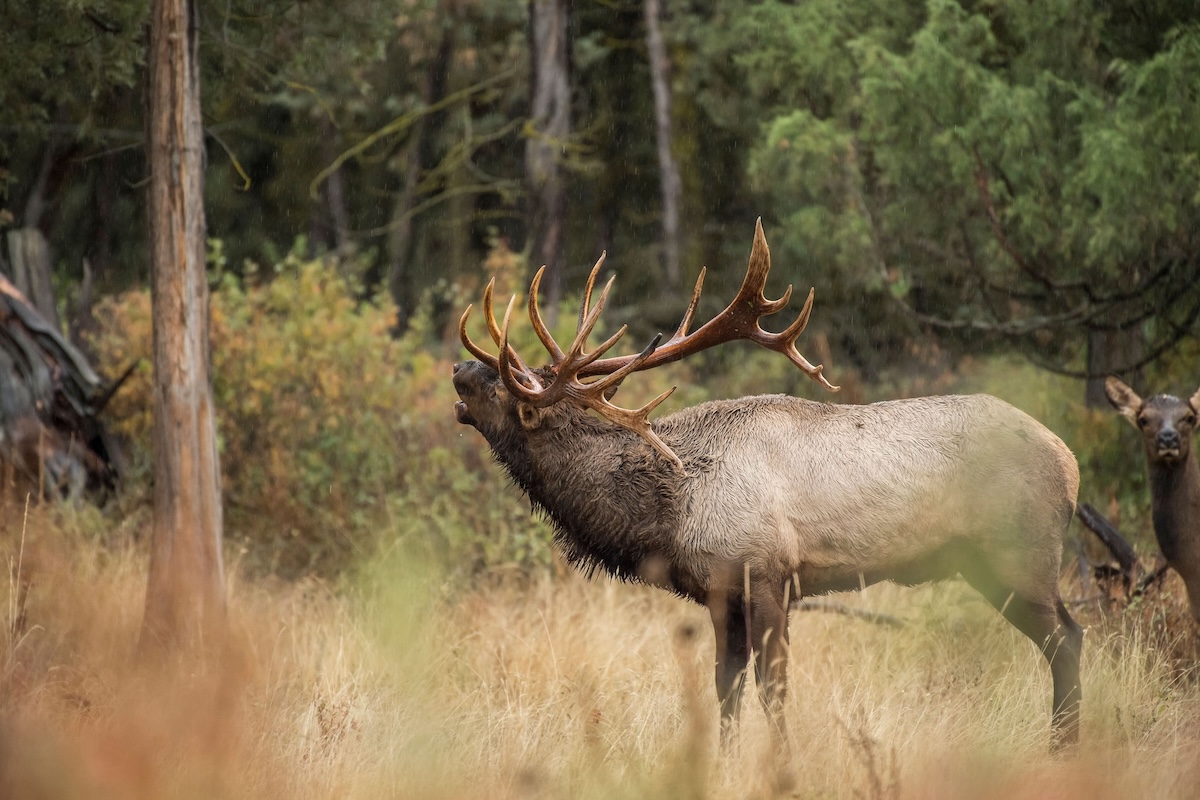
A big benefit of hunting close to highways, county roads, access roads, and trailheads is game retrieval — it is much easier.
Smart Elk Calling Tactics
I love to call elk, and I do it a lot. However, sometimes, I find a small pocket of elk with three or four bulls battling over a limited number of cows. The bugling activity is insane — bulls bugling over the top of one another. I’ve had this happen many times since I started hunting close in 2019. I’ve had it happen more than while hunting deep in the backcountry.
When bulls are screaming, stay quiet. Let their bugles guide you in. Keep the wind and thermals right and go into spot-and-stalk mode. This is one of the best ways to kill a big bull. Most often, big bulls have the girls. Satellites are screaming to announce their presence, and Mr. Big is answering with challenging bugles, clunking, etc.
Go get in the mix. This is one of the few times elk let their guard down. Of course, if they get a whiff of you, it’s game over, but if you play it smart and fly under their olfactory radar, you can move quickly and ambush a satellite or a herd bull.
Western Big Game Draws: Deadlines and Details by State
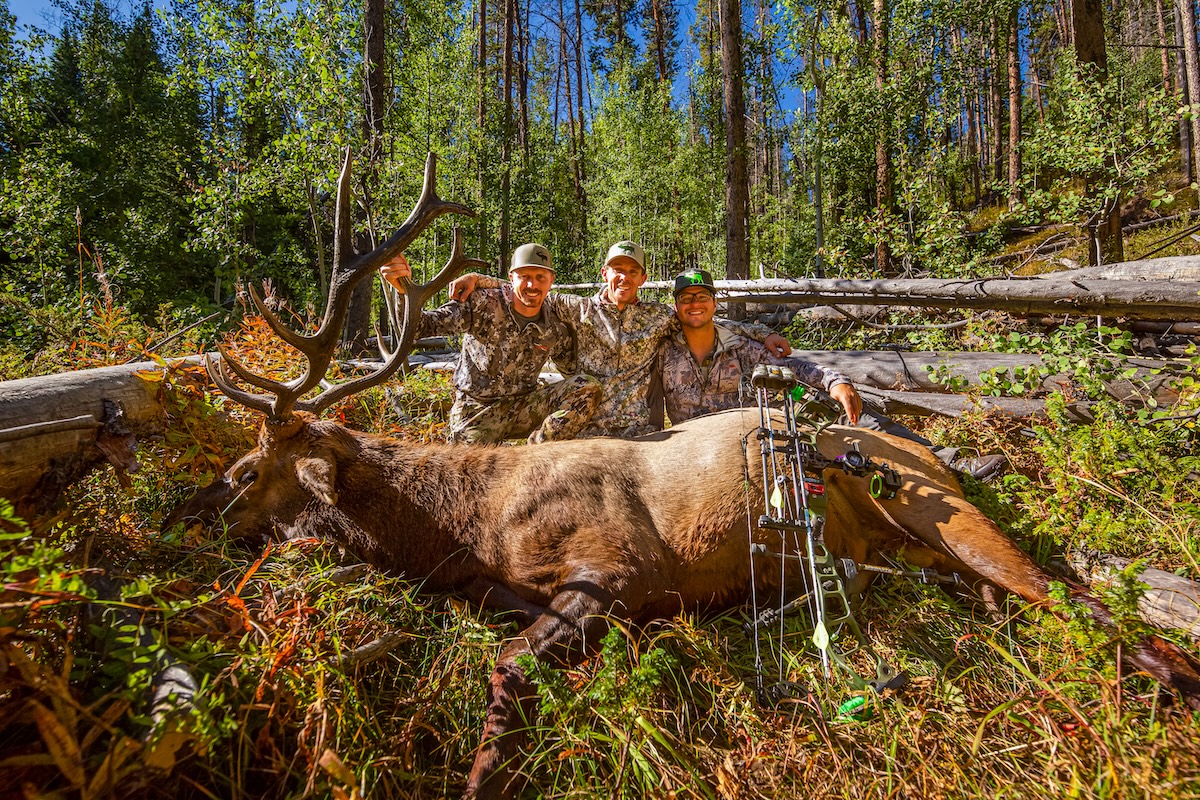
The author and friends J.C. Navarro and Roylee Scrogham pose with the author's 2019 public land OTC bull. This was the second bull harvested in 48 hours, and the bull was responsible for a shift in elk hunting mindset.
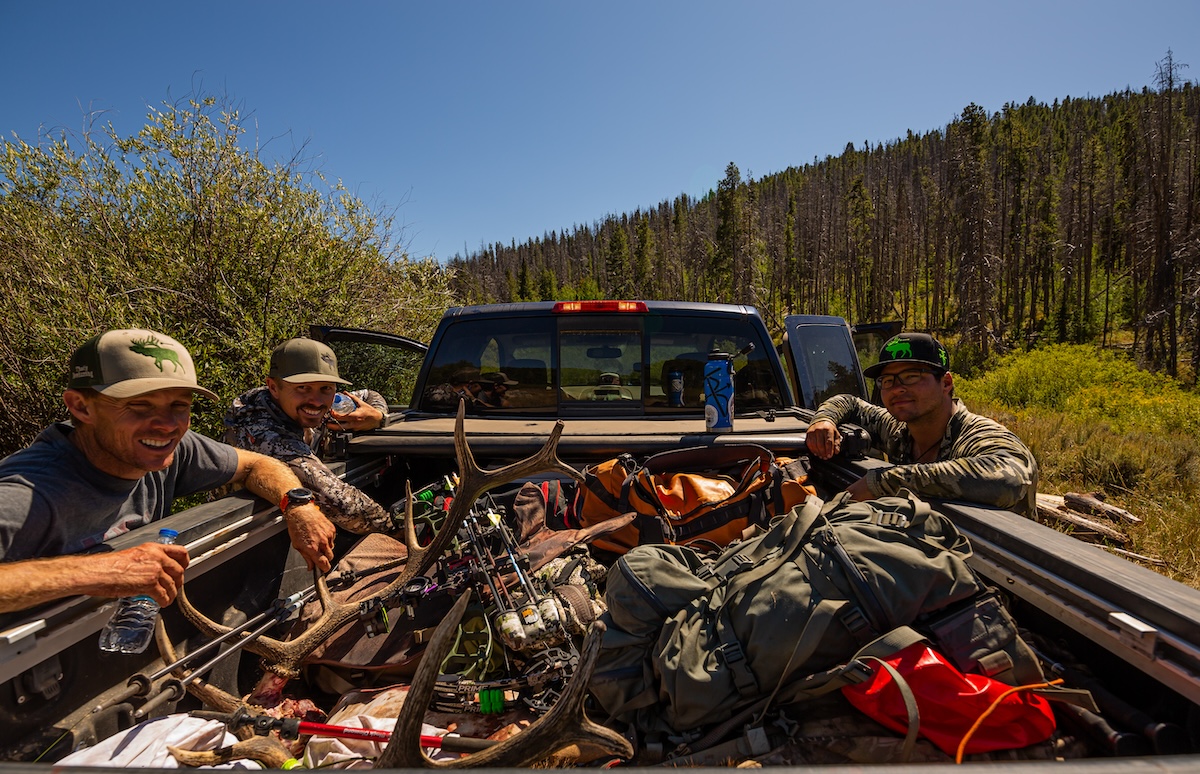
Parking close to trailheads and heading into elk country can produce incredible results.
Final Thoughts on Hiking Miles Deep to Hunt Elk
In 2019, two of my friends, far better elk hunters than me, killed three public land bulls on OTC tags in 72 hours. It was an epic three days in the elk woods. We averaged one bull per day. That’s unheard of, and the only way we were able to do this was by finding gnarly areas close to roads and trailheads and hunting those areas smartly. Our success is proof you can avoid hiking miles deep to hunt elk.