




A western adventure is a bucket-list item for most hunters.
Is it time to turn dreams of a DIY western hunt into reality? Time to finally undertake that wild adventure you’ve etched in your mind. You know, the one that’s spurred on by delving into exciting stories and videos of elk, deer, bear, and pronghorn hunts? If this sounds like you take heart: No matter where you live in North America, there is a state or province that offers either a prime over-the-counter, or low-odds-draw tag. And at least one of them has your name on it. Here is how to prepare for a DIY western dream hunt.
For me, in 2016, that hunt was a remote, wilderness mixed-bag bowhunt in Northern British Columbia, in early fall. Come along as I explain preparations for what I hope will be a truly epic adventure. In this two-part series, I will share how I go about turning my ideas for a DIY hunt into reality, and give myself every chance for success.
How to Prepare for a DIY Western Dream Hunt [Part 2]
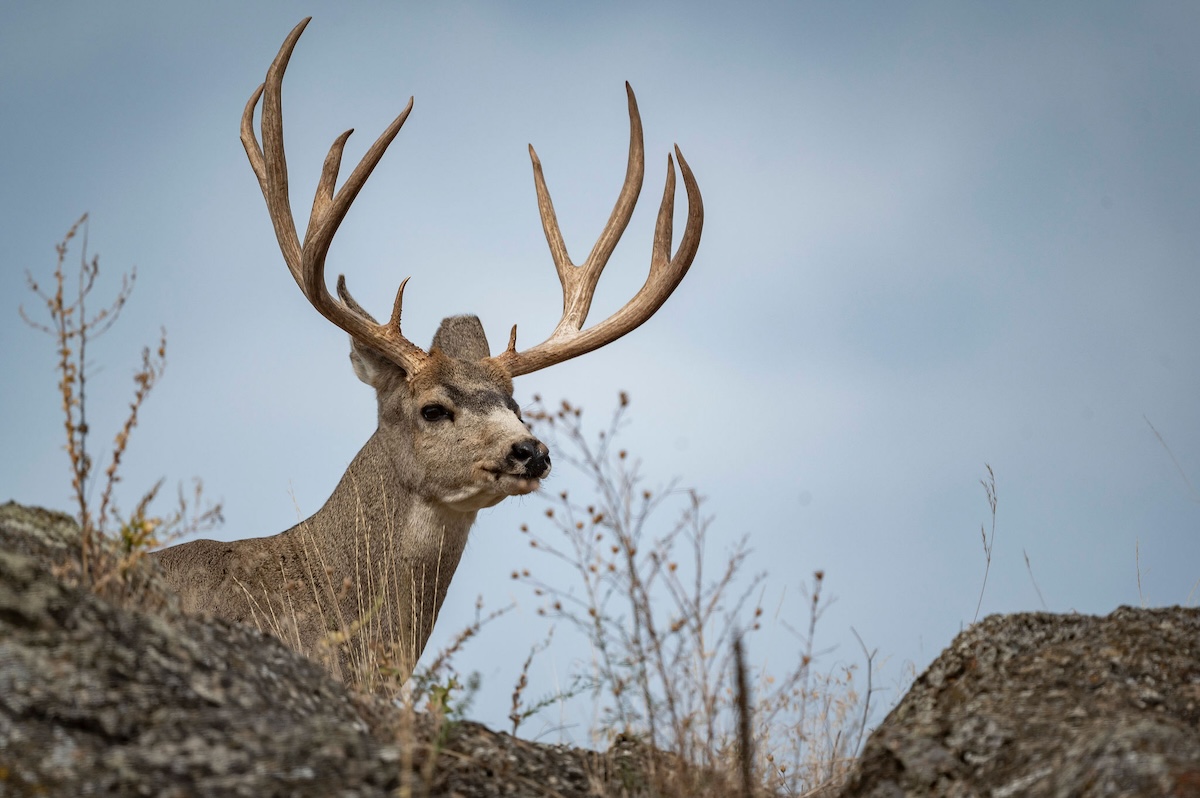
With so many options to choose from, it's important to select a key species to focus on.
1. Consider the Game
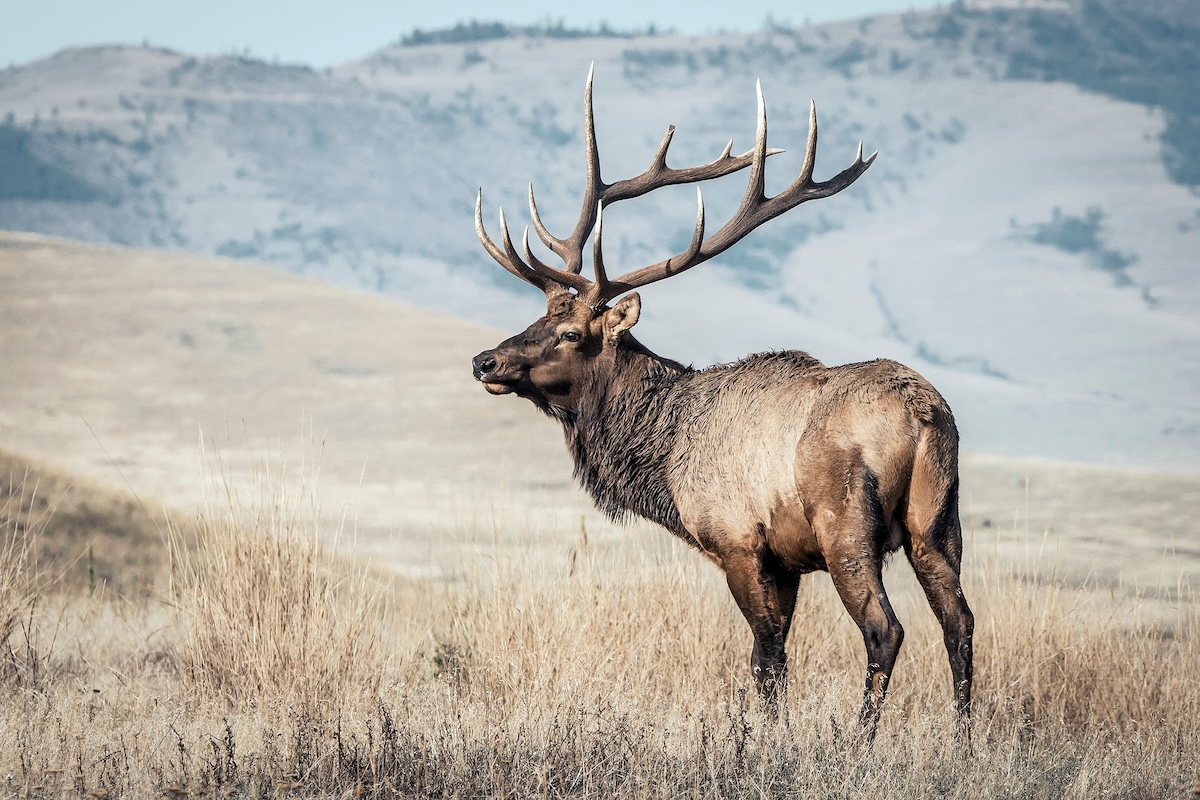
Elk, pronghorn, deer, bears, moose — the options are nearly endless when looking at all of the tags and hunts available for adventurous hunters willing to travel. States like Montana, Wyoming, Idaho, and even Alaska, are all excellent places to consider for your dream hunt.
Of course, depending on which state or province you choose, some species will require you to apply for tag draws. If you missed the many recent deadlines don’t worry; you still have a chance to grab up some of the “left-over” tags that were not drawn. Just be sure when doing your research, that you first verify your ability to hunt as a non-resident, without a guide. This was one of my biggest mistakes when I initially tried to wrap my head around all of the different regulations—and an especially important one if you’re looking to hunt out of country.
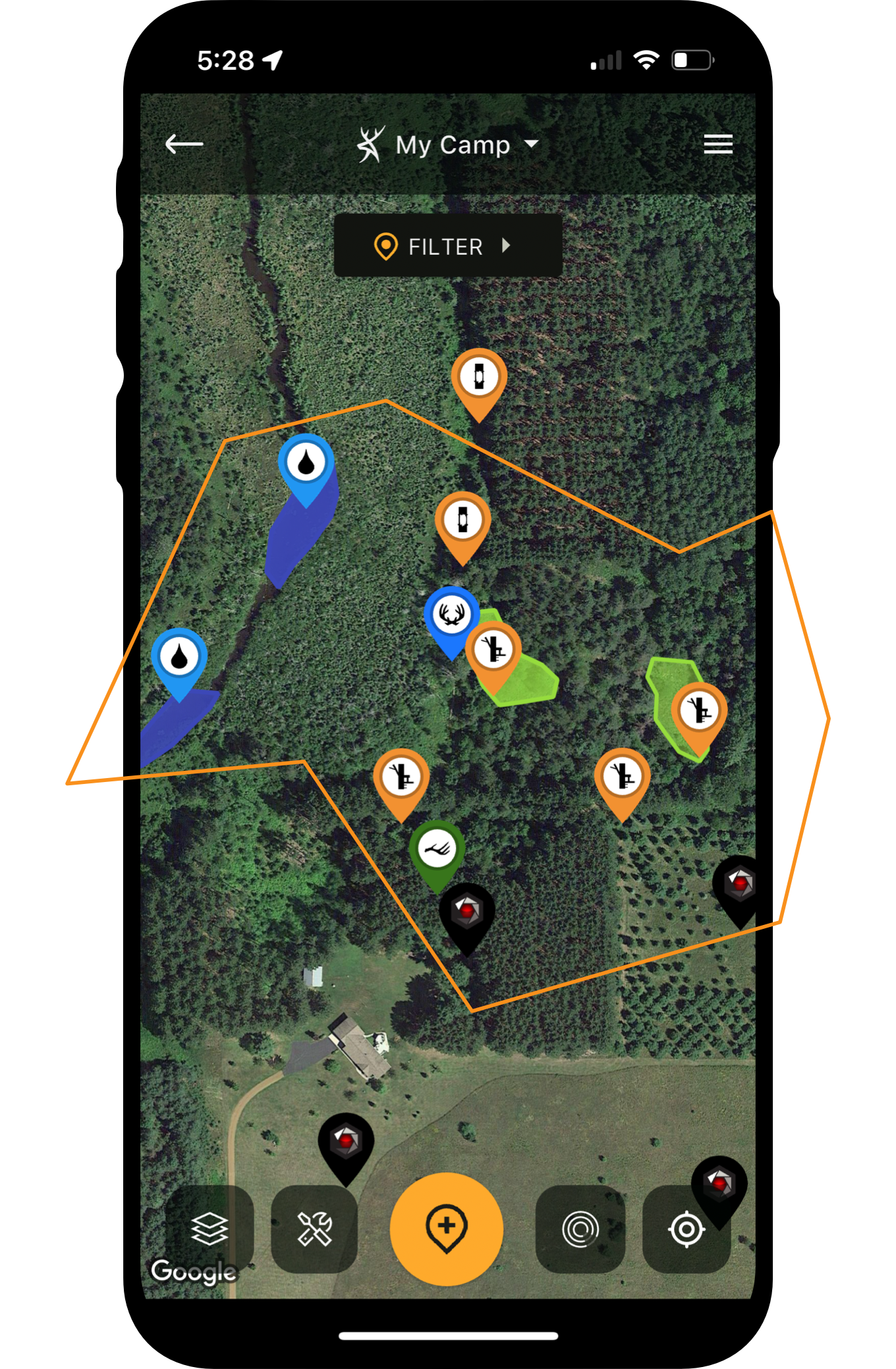
Don’t forget to use HuntStand (especially the Satellite/Terrain/Road views) to check out the terrain and general layout of any potential hunt areas/units, so you know exactly what you’re getting into.
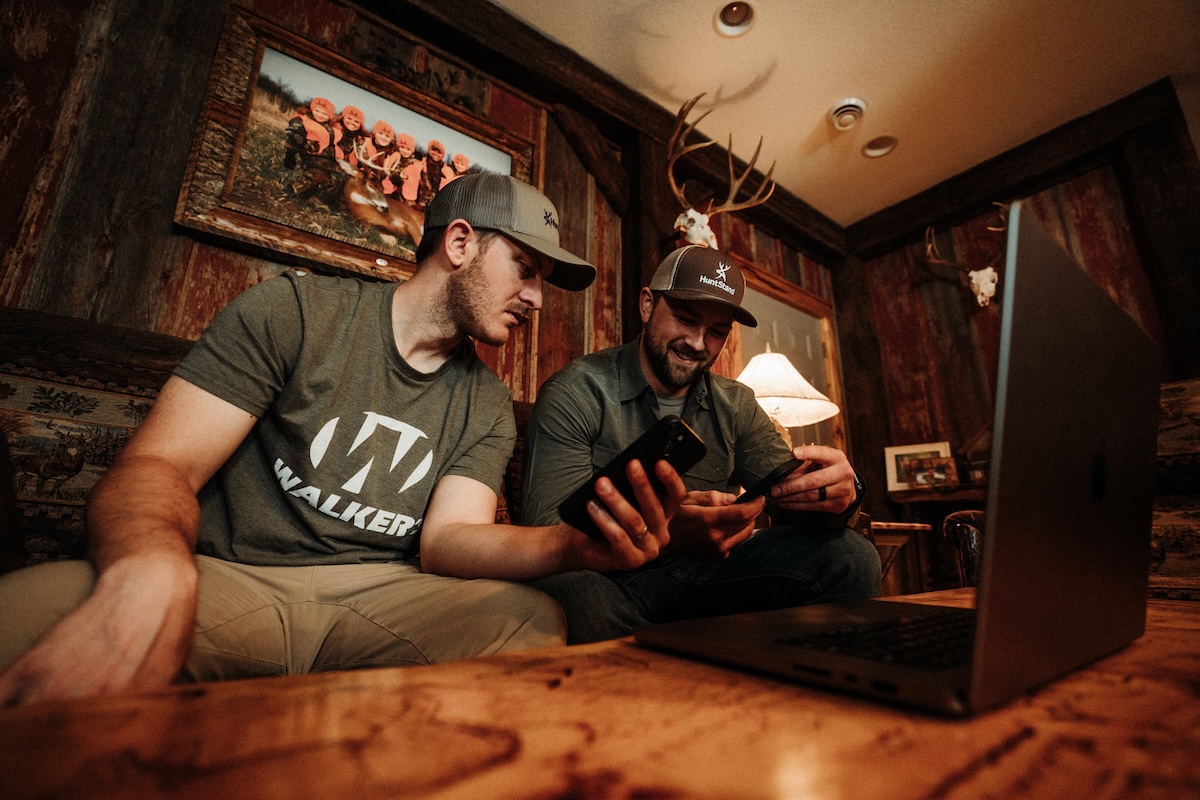
Decide what type of accommodations you want before beginning the planning process.
2. Consider the Accommodations
With your interest piqued, it’s time to make some of the initial decisions that will help lay out your hunt. The biggest one, is what kind of hunting are you interested in? Is 10 days of living out of a backpack while bouncing from valley to valley in search of screaming bulls appealing to you? Or maybe you’d like to come back to the comfort of a hotel or trailer each night and enjoy a hot shower? (Pronghorn tags are great for this.) Either way, this decision affects not only where you hunt but also what tags are available.
Taking into consideration that I love to get away from the crowds, I have opt to go the backcountry hunting route — a two- to three-week backpack hunting adventure targeting multiple species.
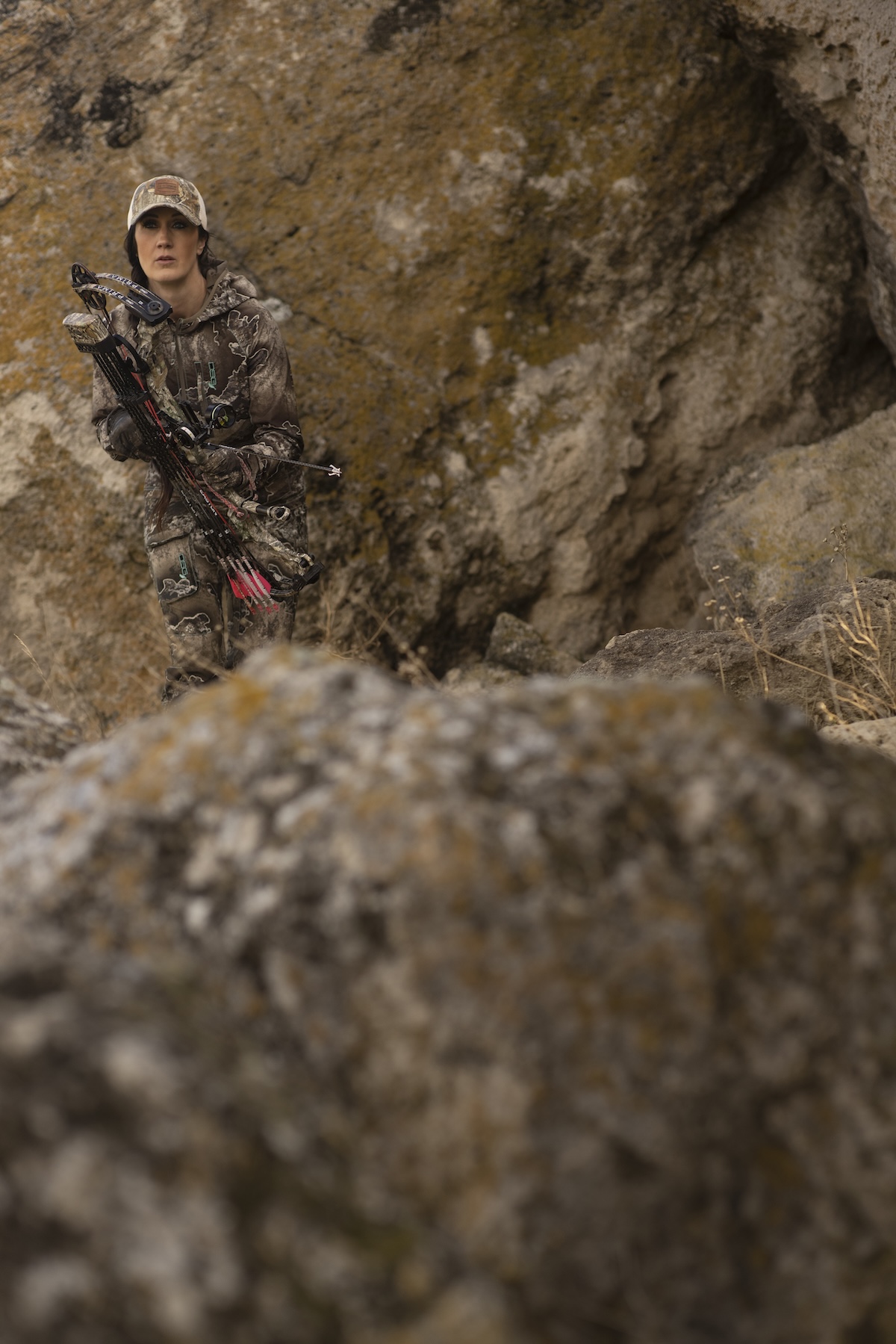
Choose your weapon with care, and become proficient with it.
3. Choose Your Weapon Wisely
With many opportunities for bow and rifle hunters alike, if you’re willing to hunt during a “weapon-specific” season (or tag), you might have better options for prime locations, or even easier draw odds. A perfect example of this is Montana’s multi-region, archery-only antelope license. Not only does it allow you to hunt a much greater area because you’re using archery equipment but it is also easier to obtain than the same license that’s required to hunt in some of the same zones, while using a firearm. Primitive weapons not only add to the challenge of the hunt, but give you better odds at a trophy animal.
Best Tips for Buying Hunting Binoculars
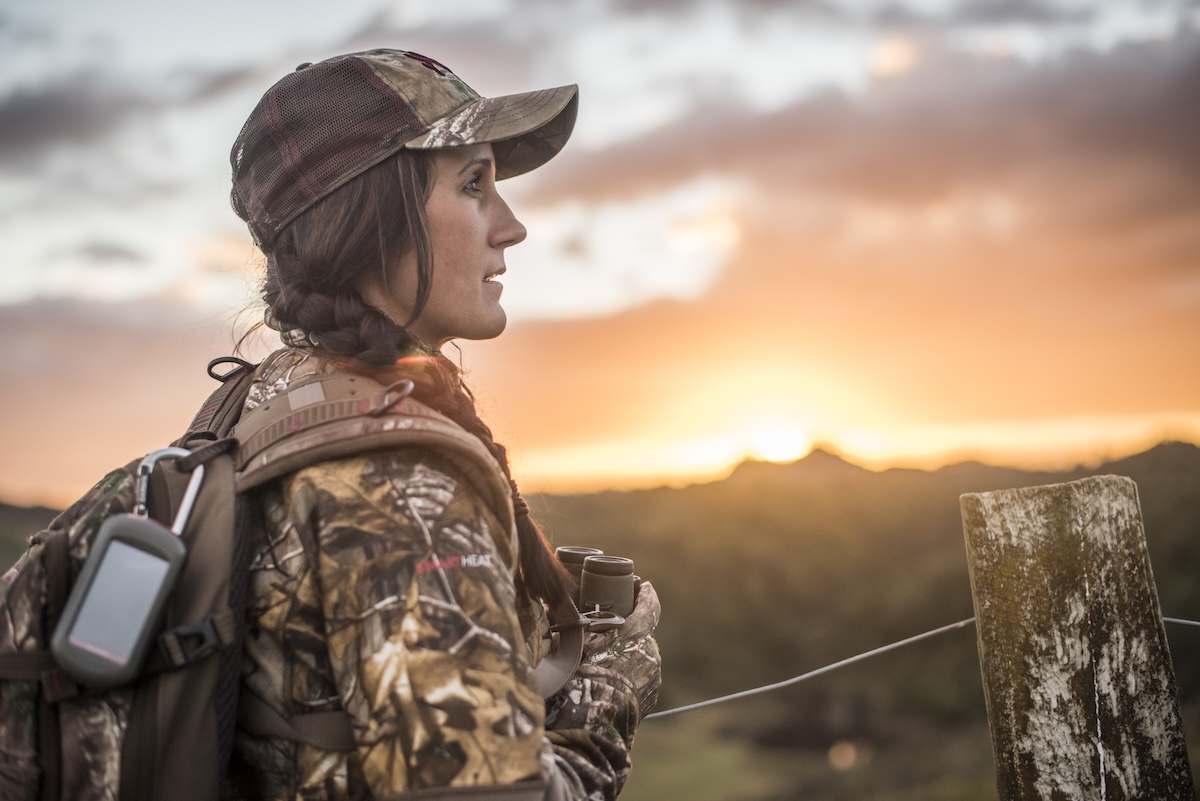
Have an idea of what you hope to accomplish.
4. Define Goals Before You Go
Now that you’ve narrowed down how you’re going to hunt, there is one last consideration when choosing the right state/province and tag for you. Are you looking for the utmost opportunity to fill your tag and freezer? Are you looking for that trophy buck or bull?
If looking to simply fill your freezer, Colorado has some great options for over-the-counter, either-sex or antlerless elk and deer tags. This is not to say that you won’t find mature animals in these areas, but if a trophy animal is really what you have your sights on, it’s best to do a little more research. Trophy hunters should target the zones where the record books show these animals are most common.
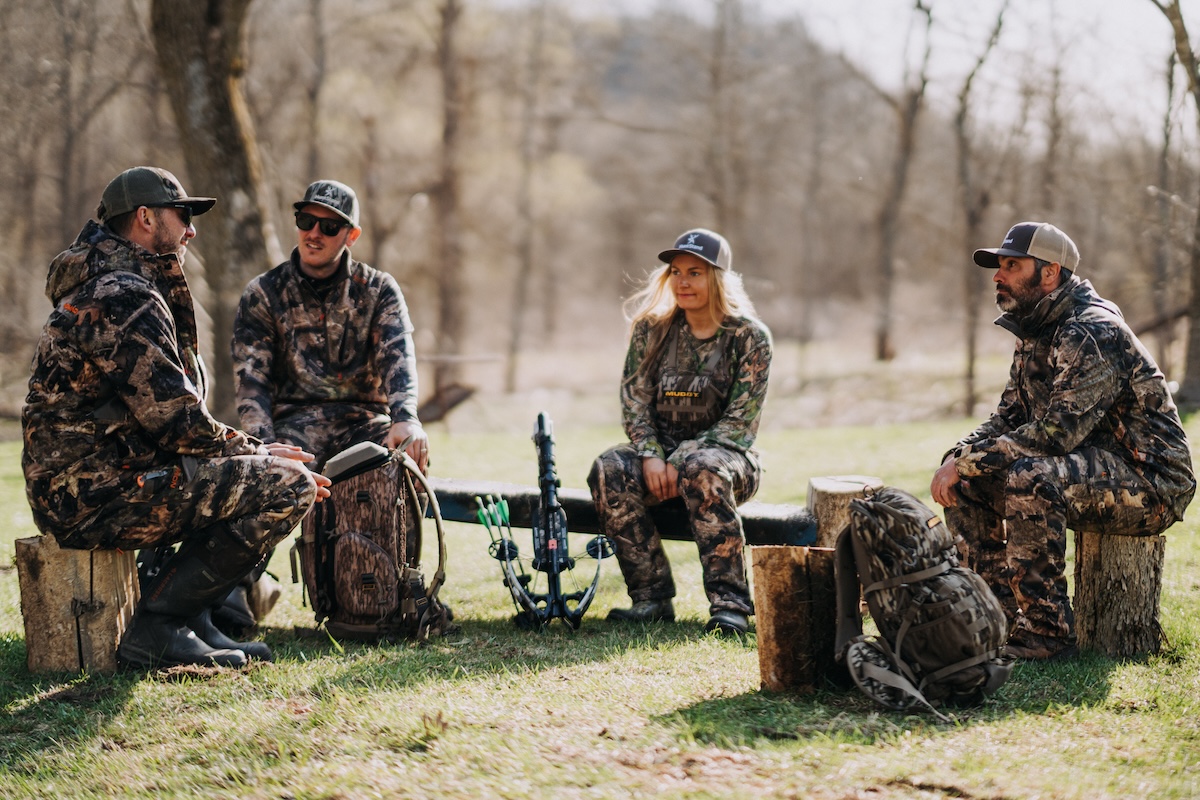
Choosing your hunting partners is no small decision.
5. Choose Hunting Partners Carefully
Do you have a favorite hunting buddy that you travel with regularly? Or maybe you like to hunt solo? Since these hunts take a lot of time, money, and effort to pull off, ensure it will be with someone who is on the same page. Not only can hunting the backcountry be miserable when you’re butting heads with your companion, but it can also lower your odds of filling a tag if you can’t effectively work together.
When I started planning my upcoming fall hunt, there was no question who I would invite. My long-time hunting partner, Mike, has been through it all with me. Long and difficult stalks, success, failure, misery, horrible weather, injury — just about everything. This is the kind of partner I like for western DIY hunts. In the end, you want to share your adventure with someone you know you can rely on no matter what the circumstances, and it certainly helps if that person is constantly packing a positive attitude. It’s likely those traits will be tested.
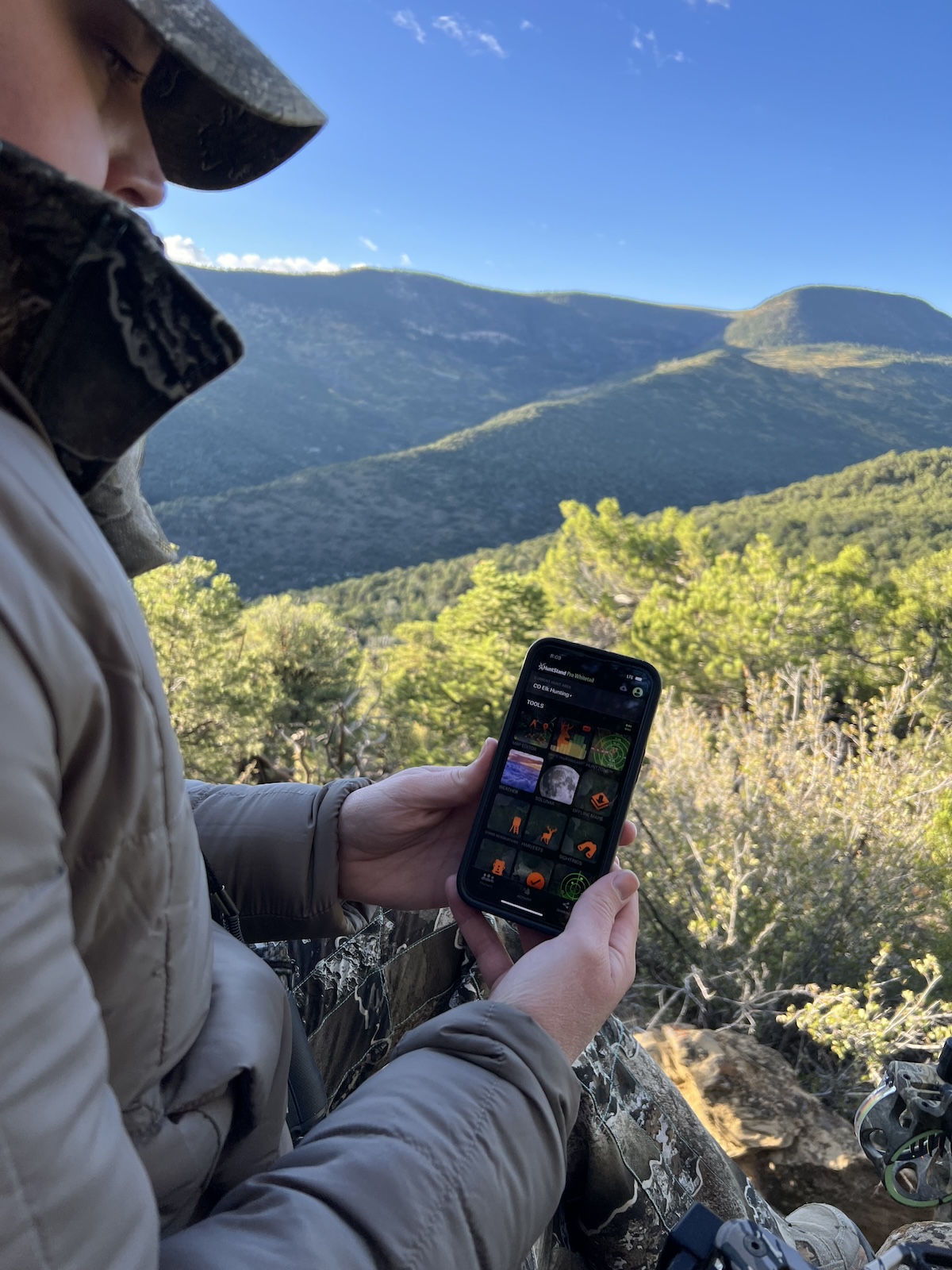
Use HuntStand before, during, and even after the hunting trip.
6. Start Your Serious Scouting With HuntStand
So you’ve got the state, species, type of hunt, and your hunting partner all figured out. All that’s left is buying the tag and heading out, right? Wrong! If you want to be successful on a DIY hunt, the work is just beginning. For me, this is where HuntStand really shines. Not only are these great tools to use during the hunt, they’re ideal for pre-hunt scouting as well. By using the ScoutMap feature to find your hunting area, you’re able to switch between “Satellite,” “Terrain,” and “Road” views (among others), which I use to find the best access, water sources, and land features/contours where animals are likely to hang out. Furthermore, you can save exact locations you think will be productive, so you can quickly access them once in the field, all while using your smartphone and HuntStand.
Western Big Game Draws: Deadlines and Details by State
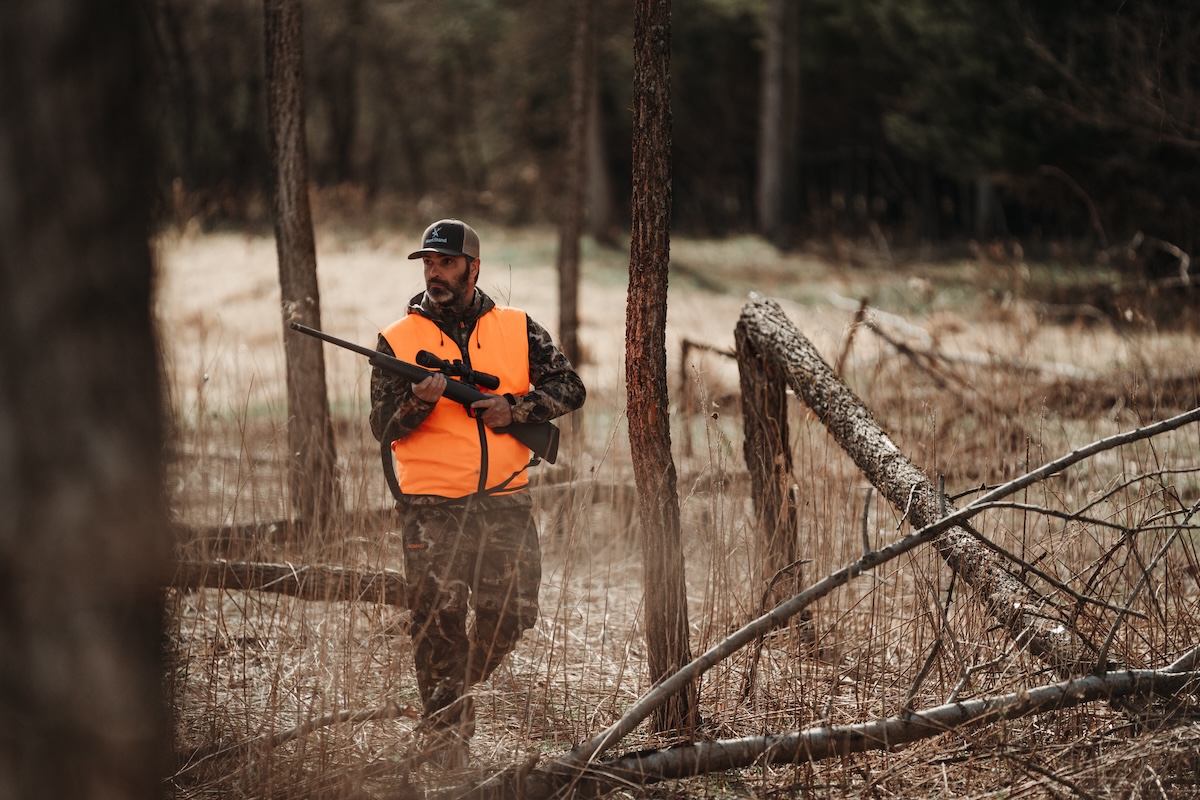
Commit to the trip, plan it well, prepare efficiently, and it should be a great time.
7. Make a Serious Commitment
Since DIY hunts out West are not typically one- or two-day ordeals, make the commitment to stay long enough to give yourself a serious shot at success. This is what takes your adventure from the trip you’ve talked about for years, and makes it reality. Is your wife OK with you leaving for this length of time? Do you have enough vacation time accrued at work? Get every aspect of your life on board with the fact that you are making this trip.
Surprisingly, this is one of my biggest hurdles. Along the way, remind yourself that every little detail you take care of well in advance is one less focus-robbing hurdle to deal with when you’re looking to head off on your hunt this fall.
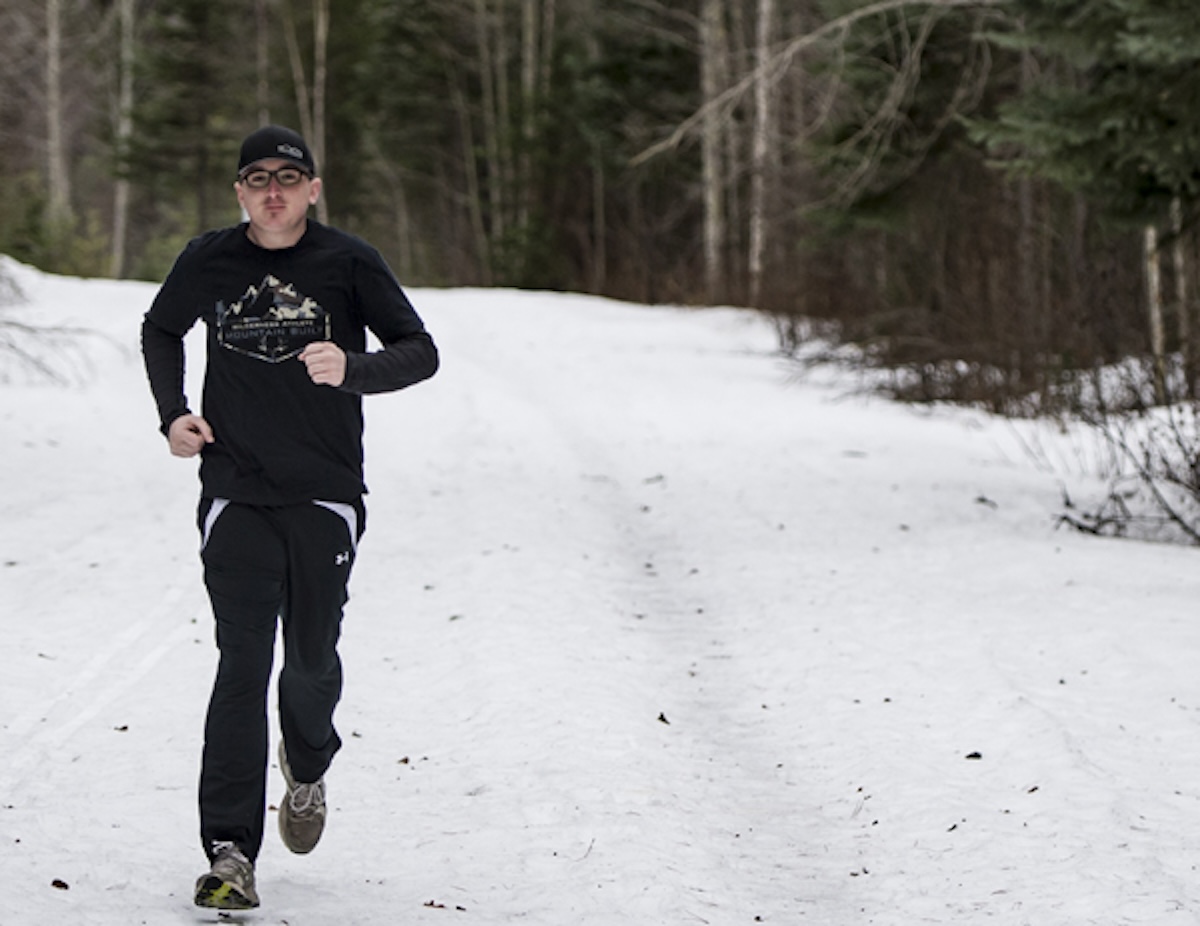
Get in shape before embarking on DIY hunts.
8. Get Fit
Although extreme fitness in the hunting world seems to be the craze these days, and many see the topic as beaten to death, this nevertheless remains a critical aspect to any western, DIY hunt. All of us can benefit from increased strength and endurance when packing numerous loads of meat off the mountain. These also don’t hurt when the goal is moving quickly across the rolling, deep-draw-laden prairie in order to cut off a herd of pronghorns.
Regardless of your hunt goals, being in the best physical condition possible is a priority. You need not hit the gym daily, but several times per week is good. You should make light runs, and/or hiking with a heavy pack. Biking is also good hunt prep. Mixing things up can greatly enhance enthusiasm and reduce feelings of tedious boredom.
Since I am reminded on just about every western hunt that I need to be in better shape, this year I am “kicking it up a notch” to get ready. Not only am I exercising regularly, but I have begun using Wilderness Athlete supplements to help with my results. Now, I know many people don’t like the idea of supplements — I was one of them — but I can tell you first-hand that since I began using these, my weight-loss results, as well as my workout healing/recovery time, have been impressive.
Your Guide to Western Big Game Draws: From Point Systems to Understanding Draw Odds
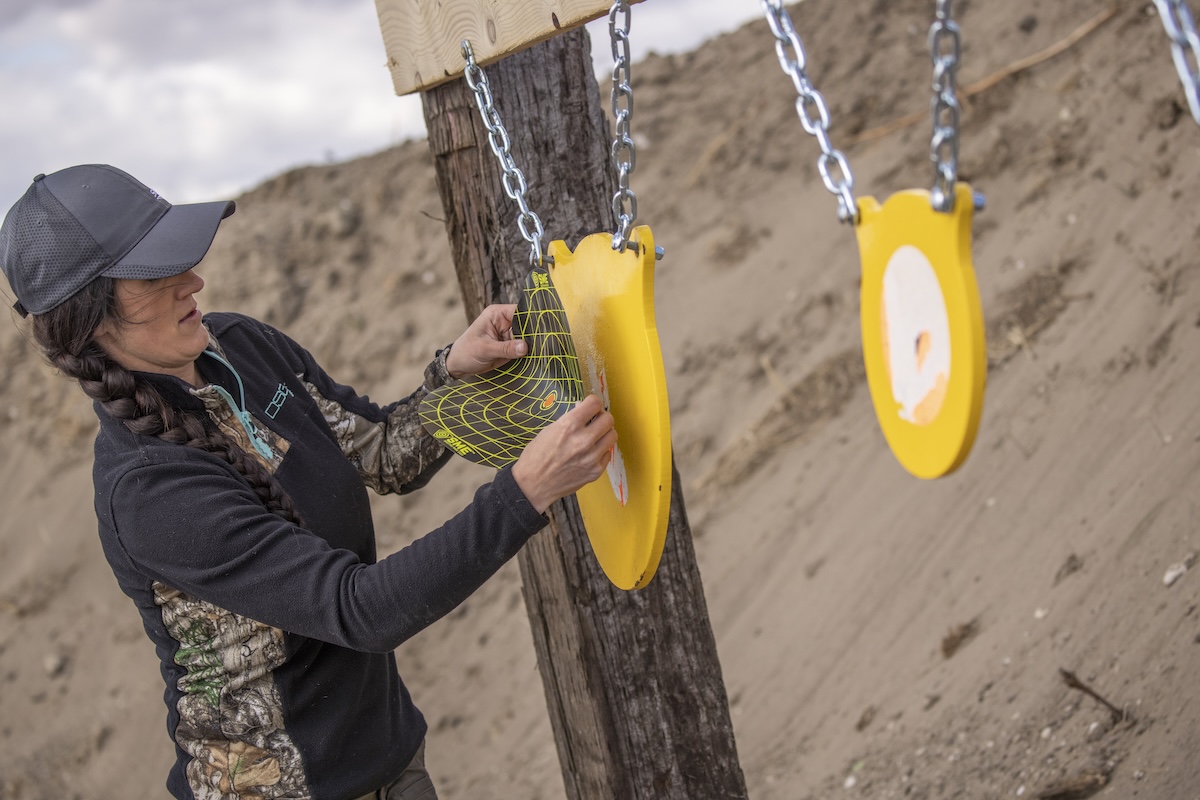
Practice with your chosen weapon and hone those shooting skills.
Prep for Next Steps
If you’ve got a hankering to make your DIY dream hunt a reality this fall, the information in this article should help get that ball rolling. But the info herein is just a start. Look for Part Two of this article on HuntStand, where I address important dream hunt gear requirements and considerations, as well as the final, critical preparations for your hunt.